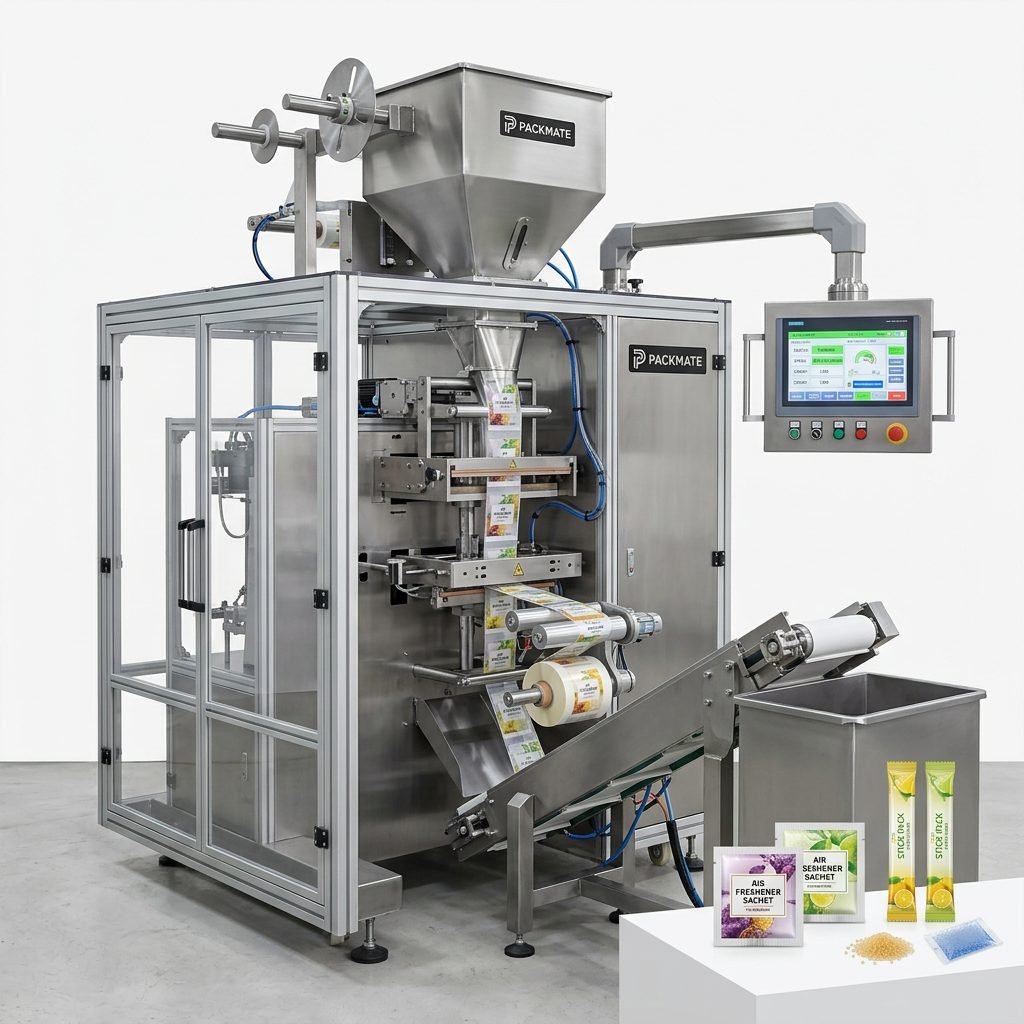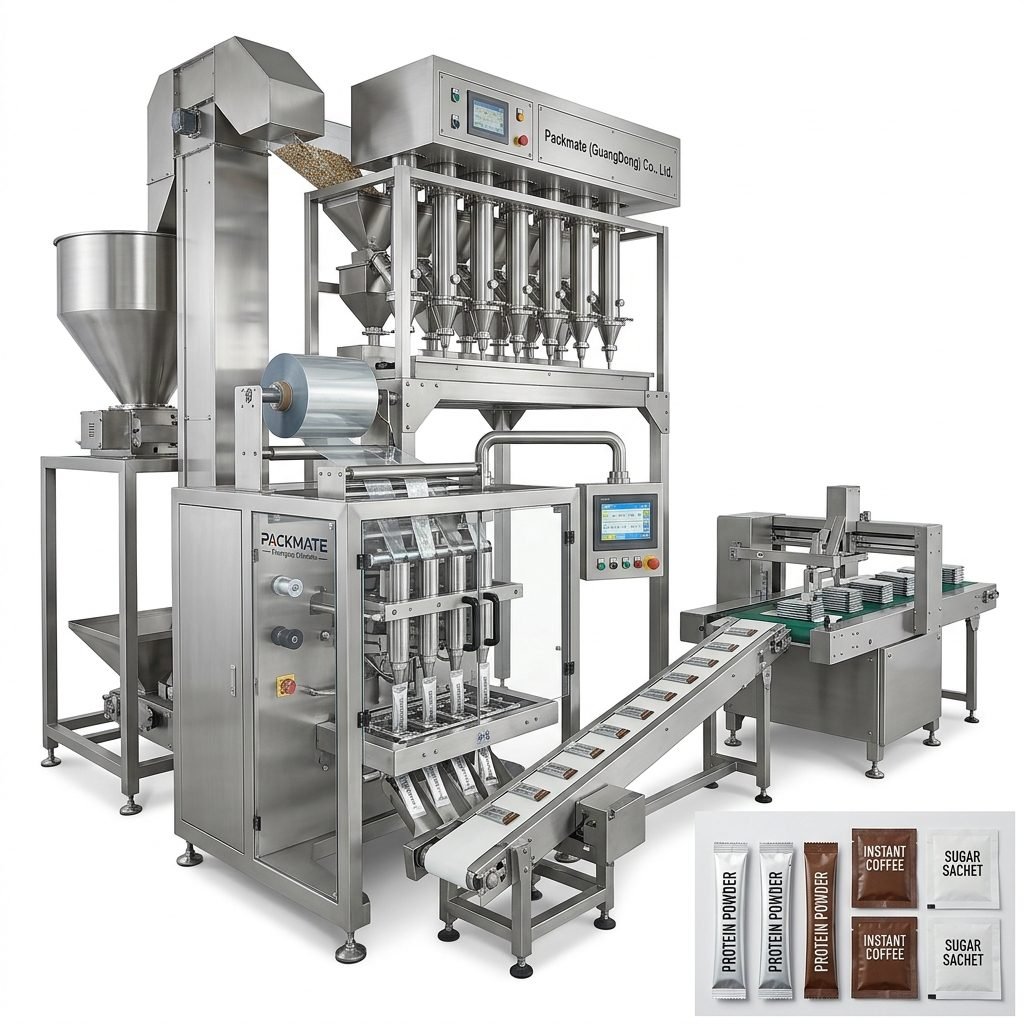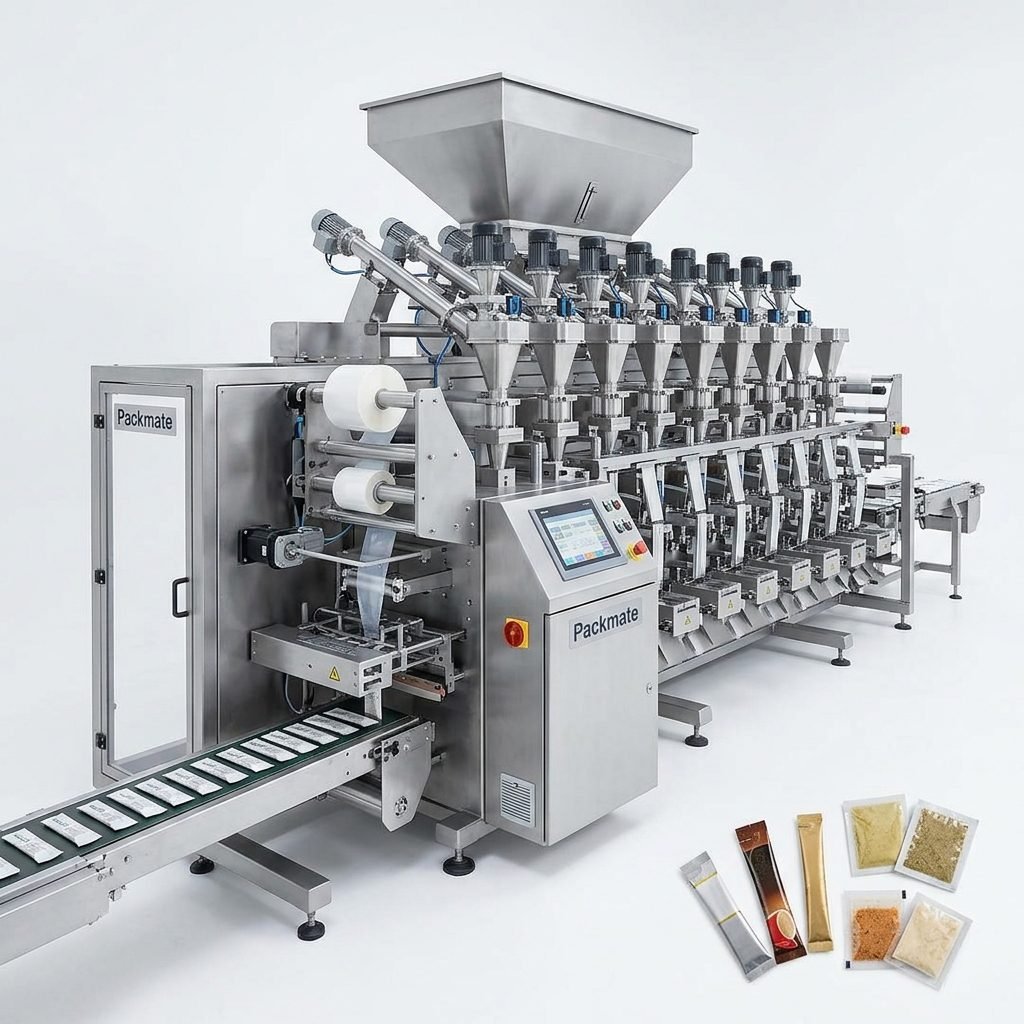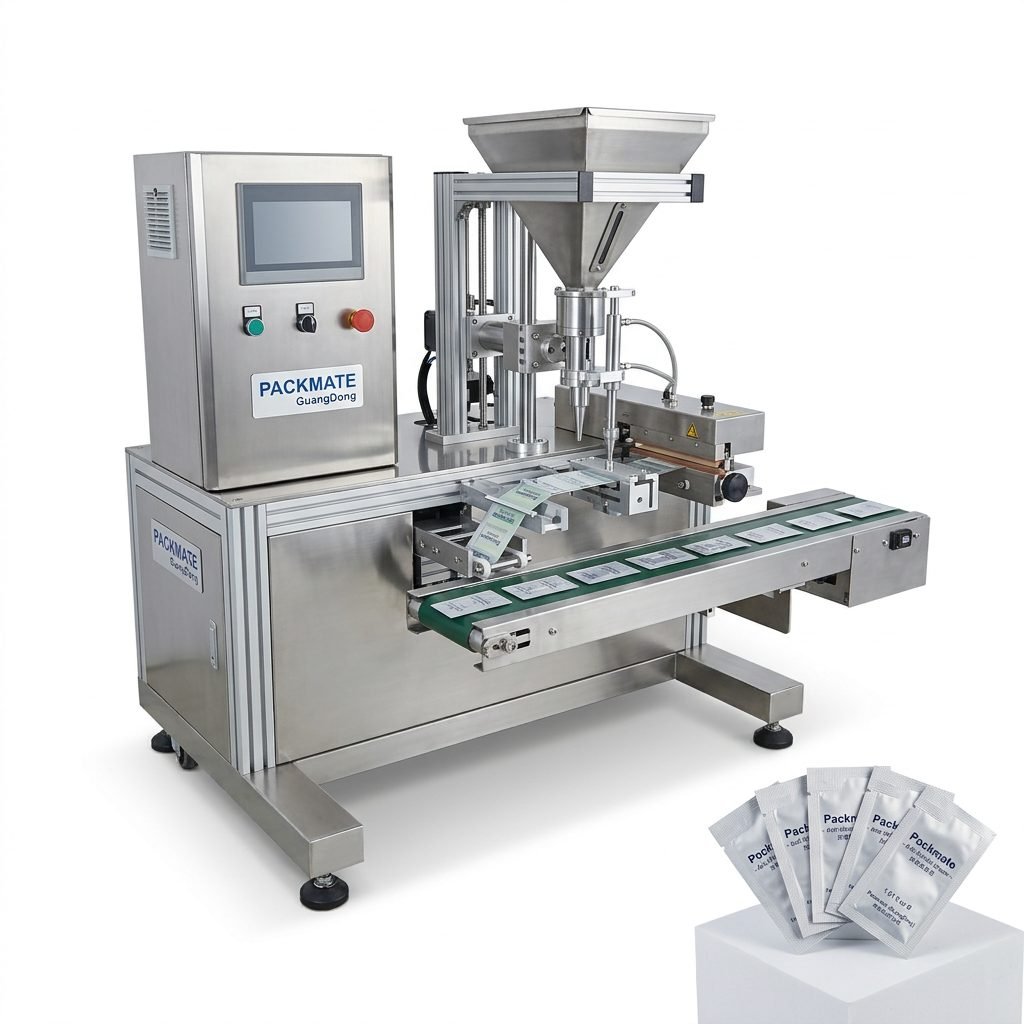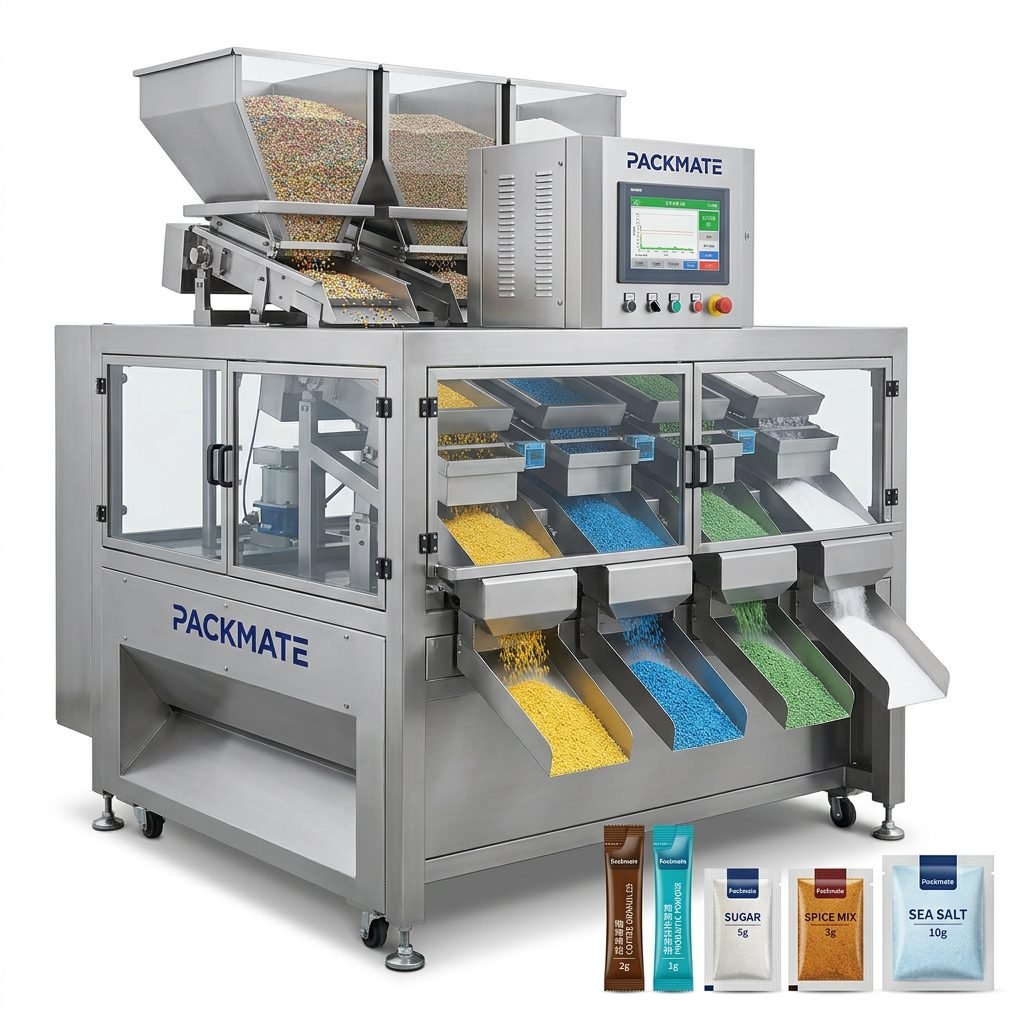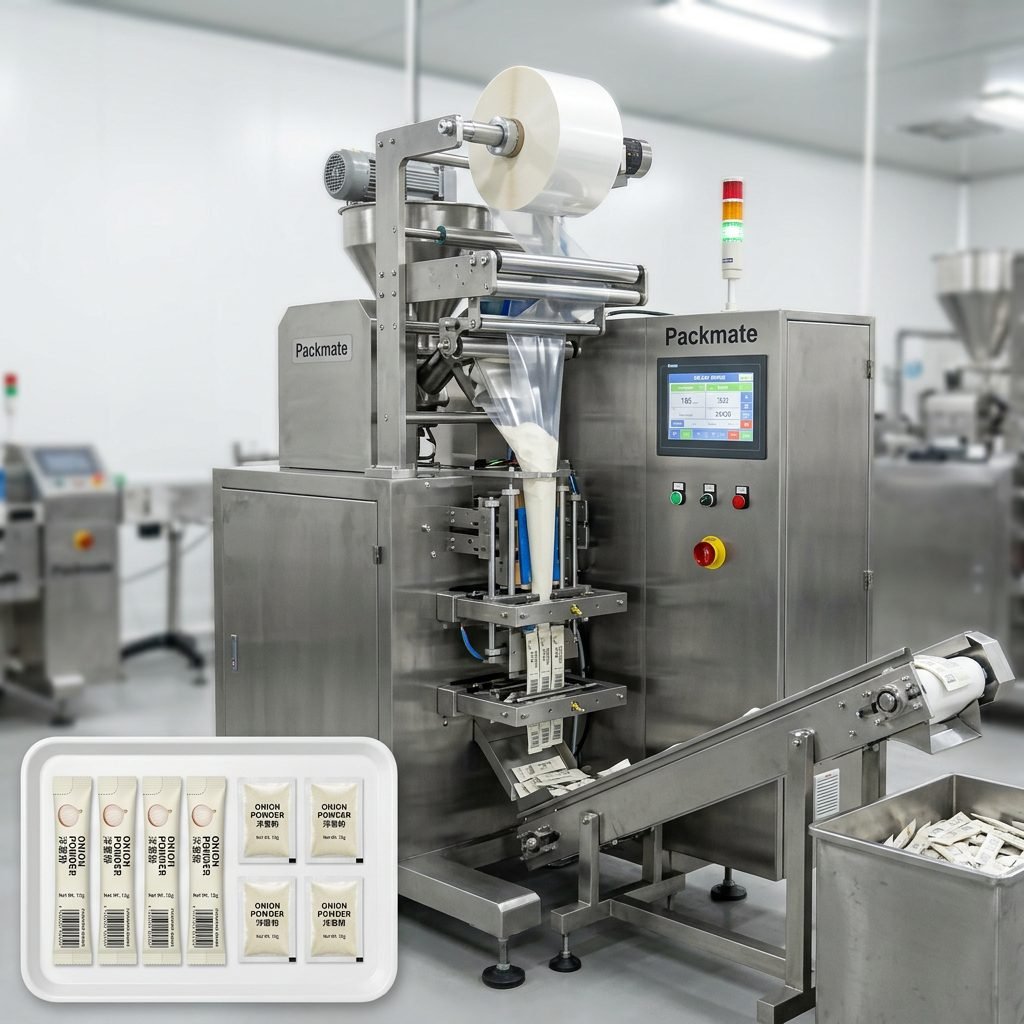
In today’s fast-paced and highly regulated consumer markets, the packaging of food, pharmaceutical, and health products is far more than a final step in production. It is a critical component of product integrity, safety, brand identity, and supply chain efficiency. For manufacturers in these sensitive sectors, finding a packaging line that is not only efficient but also supremely flexible and reliable is paramount. This is where specialized flexible packaging line solutions become indispensable, offering the adaptability to handle diverse products, formats, and stringent regulatory requirements without compromising on speed or quality.
The Imperative for Flexibility in Modern Packaging
The demands on packaging lines have evolved dramatically. Batch sizes are smaller due to market segmentation and personalized products. Product portfolios are more diverse, requiring quick changeovers. Regulatory standards, especially in pharmaceuticals and health supplements, are rigorous and non-negotiable. A rigid, single-purpose line is a bottleneck in this environment. Flexibility, therefore, is the cornerstone of a future-proof operation. It means the ability to seamlessly switch between packaging powdered vitamins, liquid syrups, and granular food additives with minimal downtime and maximum hygiene control.
Core Challenges Addressed by Flexible Solutions
Manufacturers face several universal challenges that flexible packaging lines are designed to overcome:
- Rapid Product Changeovers: Moving from one SKU to another quickly to meet just-in-time production schedules.
- Material Versatility: Handling a wide range of packaging films, laminates, and pre-made pouches with consistent sealing integrity.
- Dosing Accuracy: Precisely measuring and filling everything from micro-doses of active pharmaceutical ingredients (APIs) to bulk volumes of food products.
- Hygiene and Contamination Control: Incorporating design features like stainless-steel contact parts, CIP (Clean-in-Place) systems, and enclosed mechanisms to meet GMP and FDA standards.
- Data Integration and Traceability: Connecting to MES (Manufacturing Execution Systems) for real-time monitoring, batch tracking, and quality assurance documentation.
Tailored Solutions for Key Industries
The application of flexible packaging technology varies significantly across sectors, each with its own non-negotiable priorities.
Food Industry: Speed, Safety, and Shelf Appeal
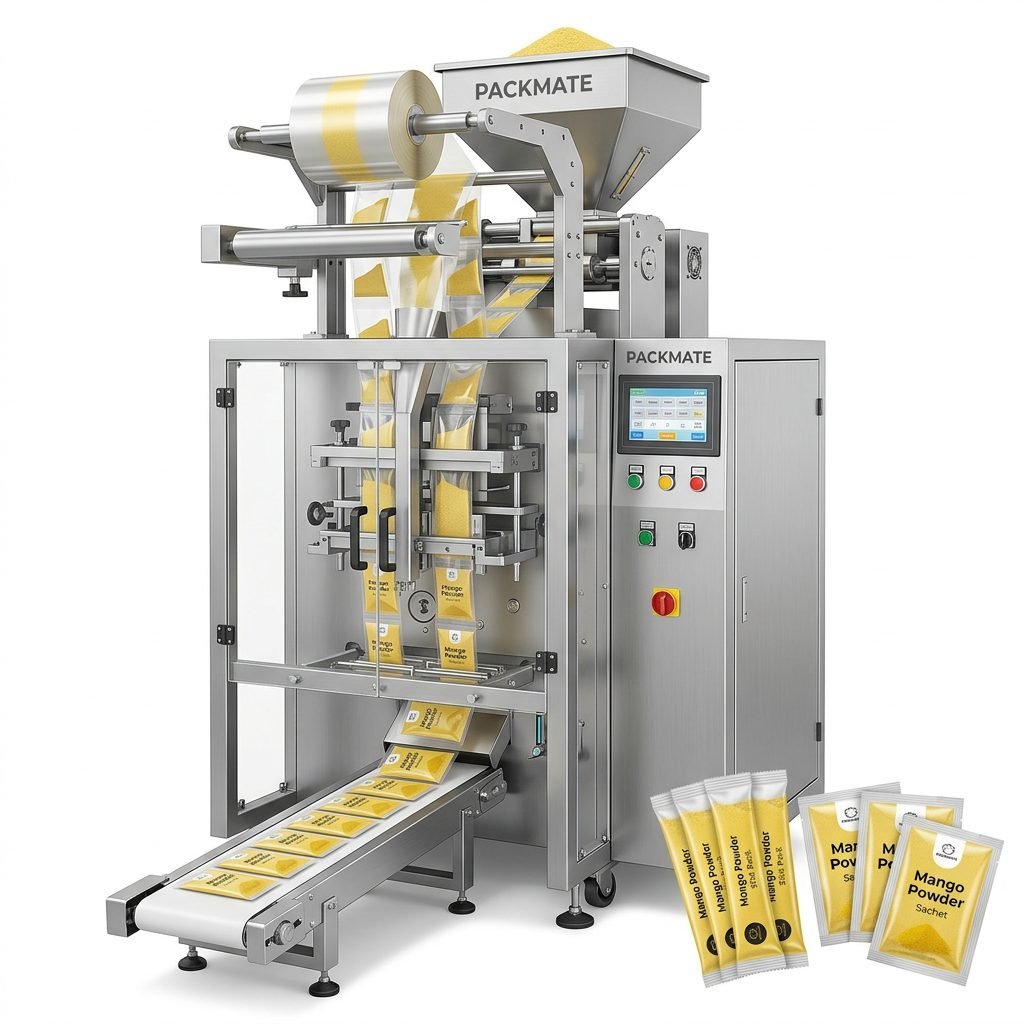
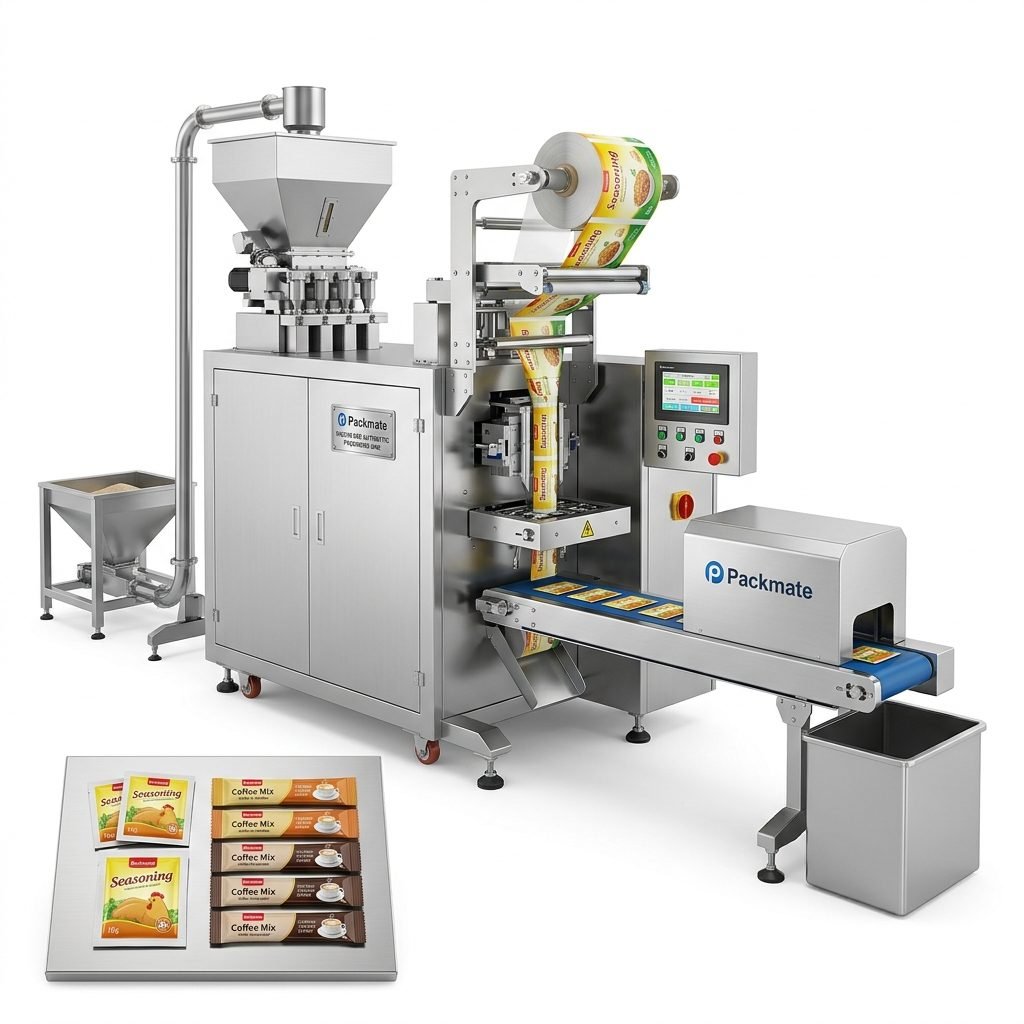
For food producers, packaging lines must balance high-speed output with absolute food safety. Flexibility here often involves handling different product consistencies—powders (like spices or drink mixes), granules (coffee, sugar), and liquids (sauces, oils). Advanced lines feature quick-release tooling and recipe-driven PLC controls to switch between stick packs, sachets, or stand-up pouches. Crucially, they ensure airtight seals to preserve freshness and prevent contamination, while vibrant printing capabilities enhance shelf appeal. Integrating checkweighers and vision inspection systems guarantees every package meets weight and label accuracy standards before shipping. Discover more about our approach in our dedicated Packaging Solutions section.
Pharmaceutical Industry: Precision and Compliance Above All
In pharmaceuticals, there is zero tolerance for error. Flexible packaging lines for this sector are engineered for ultra-precision and full compliance with cGMP guidelines. They excel in handling sensitive powders and tablets, often in sterile environments. Key features include:
• High-Accuracy Fillers: Auger, piston, or volumetric fillers calibrated for minute tolerances.
• Integrity Testing: In-line leak detection systems for blister packs or sachets.
• Serialization & Aggregation: Integrated printing and coding for unit-dose traceability as per DSCSA and FMD regulations.
• Isolated Environments: Options for integration into RABS (Restricted Access Barrier Systems) or isolators.
The goal is to ensure patient safety, maintain drug efficacy, and provide an unbroken chain of custody from production to pharmacy.
Health & Nutraceutical Products: Agility for a Dynamic Market
The health supplement and nutraceutical market is characterized by rapid innovation and diverse product forms—protein powders, probiotic capsules, liquid shots, and herbal blends. Packaging lines must be incredibly agile. A single line might need to produce single-serving stick packs for energy powders in the morning and switch to bottling liquid omega-3 supplements in the afternoon. This requires modular design, where components like fillers, cappers, and labelers can be reconfigured. Furthermore, as these products often make specific health claims, packaging must be tamper-evident and provide excellent barrier properties against moisture and oxygen to maintain potency. See real-world applications in our Case Studies.
The Packmate Advantage: Engineering Flexibility from the Ground Up
At Packmate (GuangDong) Co., Ltd., our philosophy is built on the principle that true flexibility is engineered into the machine’s DNA, not added as an afterthought. With over 22+ years of focused development, we understand that a turnkey packaging line must be a cohesive system.
Our Approach to Flexible Line Design:
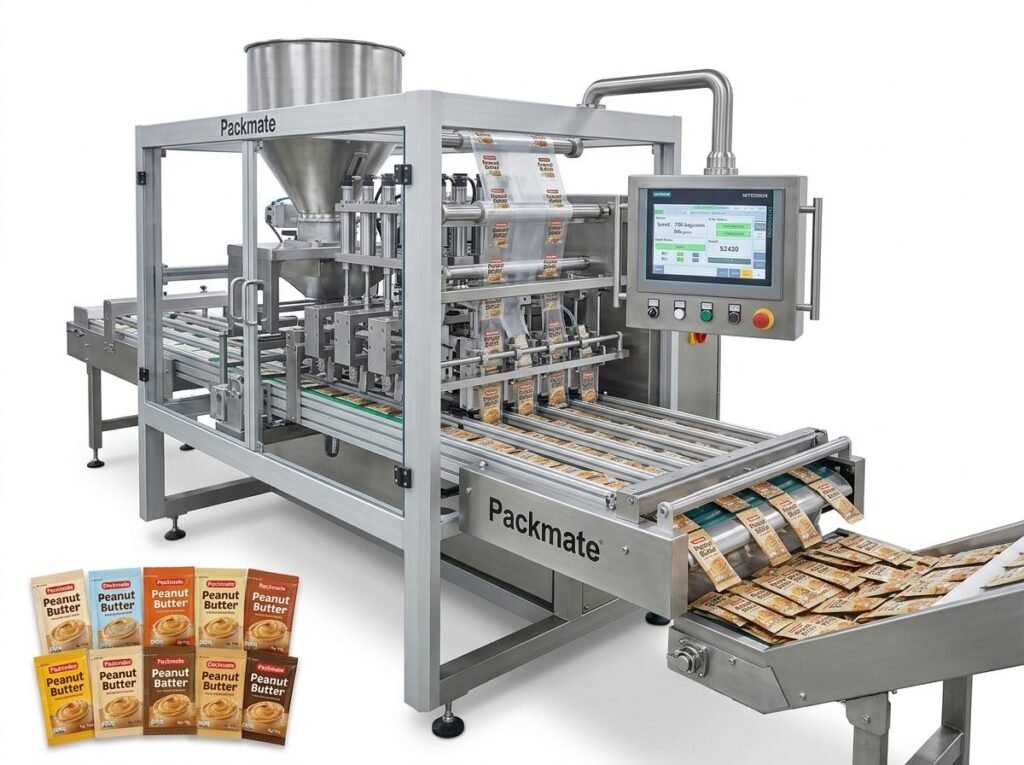
1. Modular Architecture: Our lines are built with interchangeable modules. Need to upgrade from a single-lane to a multi-lane stick pack machine? The modular design allows for efficient expansion, protecting your initial investment.
2. Intelligent Control Systems: The brain of our lines is a user-friendly HMI (Human-Machine Interface) with recipe memory. Operators can recall settings for different products with a few taps, drastically reducing changeover time and human error.
3. Hygiene-First Engineering: For food and pharma applications, we prioritize designs with smooth surfaces, easy disassembly for cleaning, and the use of compliant materials. This inherent design supports our clients’ stringent sanitation protocols.
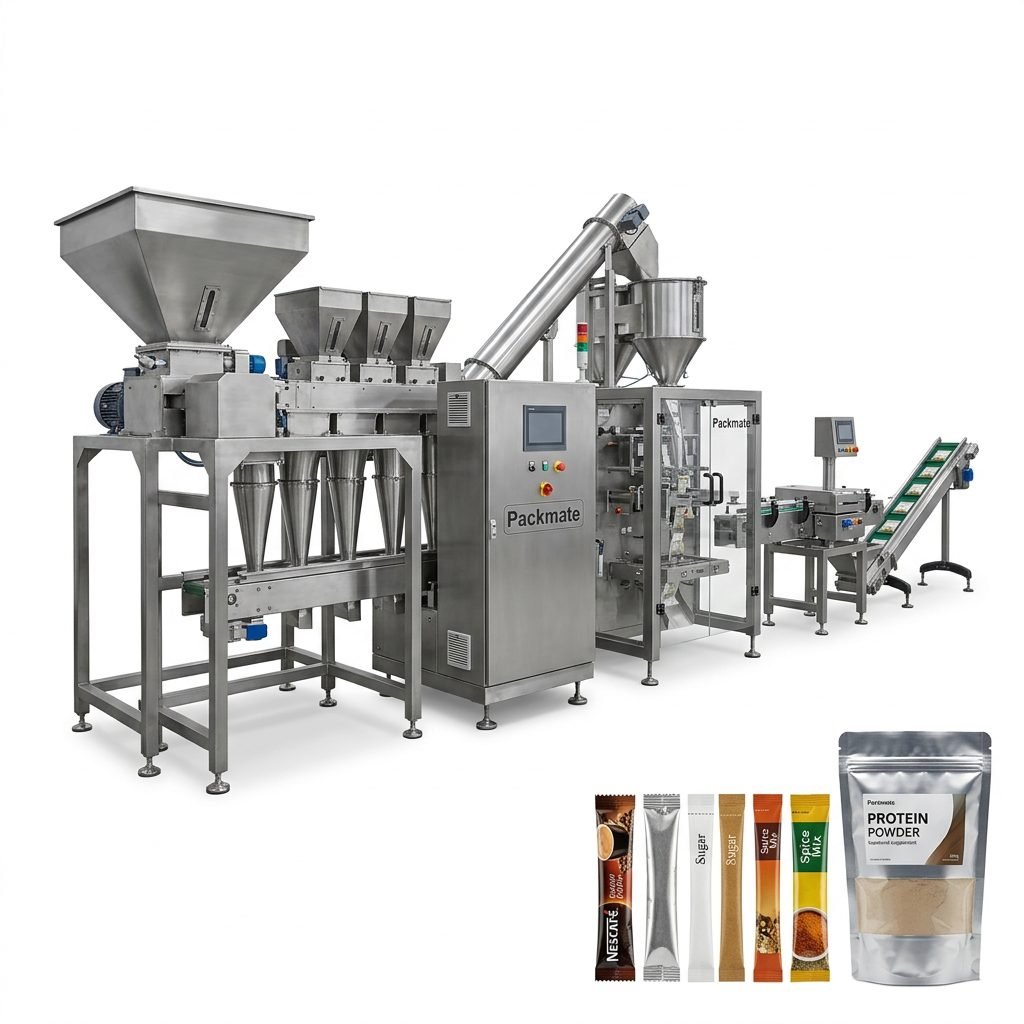
4. End-to-End Integration: We don’t just supply machines; we provide a synchronized line. From the feeding system to the primary packaging machine, checkweigher, metal detector, and secondary cartoning, every component is integrated to work in harmony, ensuring smooth material flow and data collection. Learn about our journey and capabilities on our About Us page.
Beyond the Machine: The Value of a Partnership
Investing in a flexible packaging line is a strategic decision. The value extends far beyond the hardware. It encompasses the expertise behind it. Our team of 125+ professional engineers and technicians works as an extension of your team. We offer comprehensive support from initial concept and factory layout planning (see our services) to installation, training, and ongoing maintenance. This partnership ensures your line delivers not just on day one, but throughout its entire lifecycle, adapting to your future needs.
Looking Ahead: The Future of Flexible Packaging
The trend is clear: demand for flexibility will only increase. The rise of e-commerce requires robust packaging that survives the shipping process. Sustainability pressures are driving the need to run recyclable or compostable films efficiently. Smart packaging with integrated sensors is on the horizon. The most successful manufacturers will be those who partner with packaging solution providers who are committed to continuous innovation and adaptability, ready to turn future challenges into new opportunities.
Frequently Asked Questions (FAQs)
1. What is the typical changeover time between two different products on a flexible packaging line?
Changeover time varies based on the complexity of the format change (e.g., switching film type vs. adjusting pouch size). On well-designed flexible lines with quick-change tooling and digital recipe storage, minor adjustments can take 15-30 minutes, while major format changes might take 1-2 hours. This is a drastic reduction compared to traditional lines.
2. Can one packaging line truly handle both food and pharmaceutical-grade products?
While the core mechanics can be similar, a line used for pharmaceutical products must be constructed and validated to much higher hygiene and documentation standards (e.g., cGMP). It often requires specific materials (e.g., 316L stainless steel), more sophisticated cleaning systems, and full traceability features. A line can be designed for pharma from the outset, which inherently makes it suitable for high-care food applications, but not necessarily vice-versa.
3. How do you ensure dosing accuracy for very small quantities, such as in pharmaceutical APIs?
For micro-dosing, we utilize highly precise filling technologies like servo-driven auger fillers with feedback systems or loss-in-weight feeders. These systems are calibrated and validated to dispense amounts with tolerances often within ±1% or better. The entire system is supported by rigorous SOPs (Standard Operating Procedures) and QC checks.
4. What kind of support and training do you provide after the installation of the line?
We provide comprehensive on-site training for your operators, maintenance staff, and engineers. This covers routine operation, changeover procedures, basic troubleshooting, and preventative maintenance. We also offer ongoing remote support, access to spare parts, and scheduled service visits to ensure optimal performance and longevity of your equipment.
5. Are your packaging lines compatible with Industry 4.0 and smart factory data collection?
Absolutely. Our modern lines are equipped with PLCs and HMIs that provide OPC UA or other standard communication protocols. This allows for seamless integration with your factory’s SCADA, MES, or ERP systems. You can collect real-time data on OEE (Overall Equipment Effectiveness), production counts, downtime reasons, and quality metrics for continuous improvement analysis.