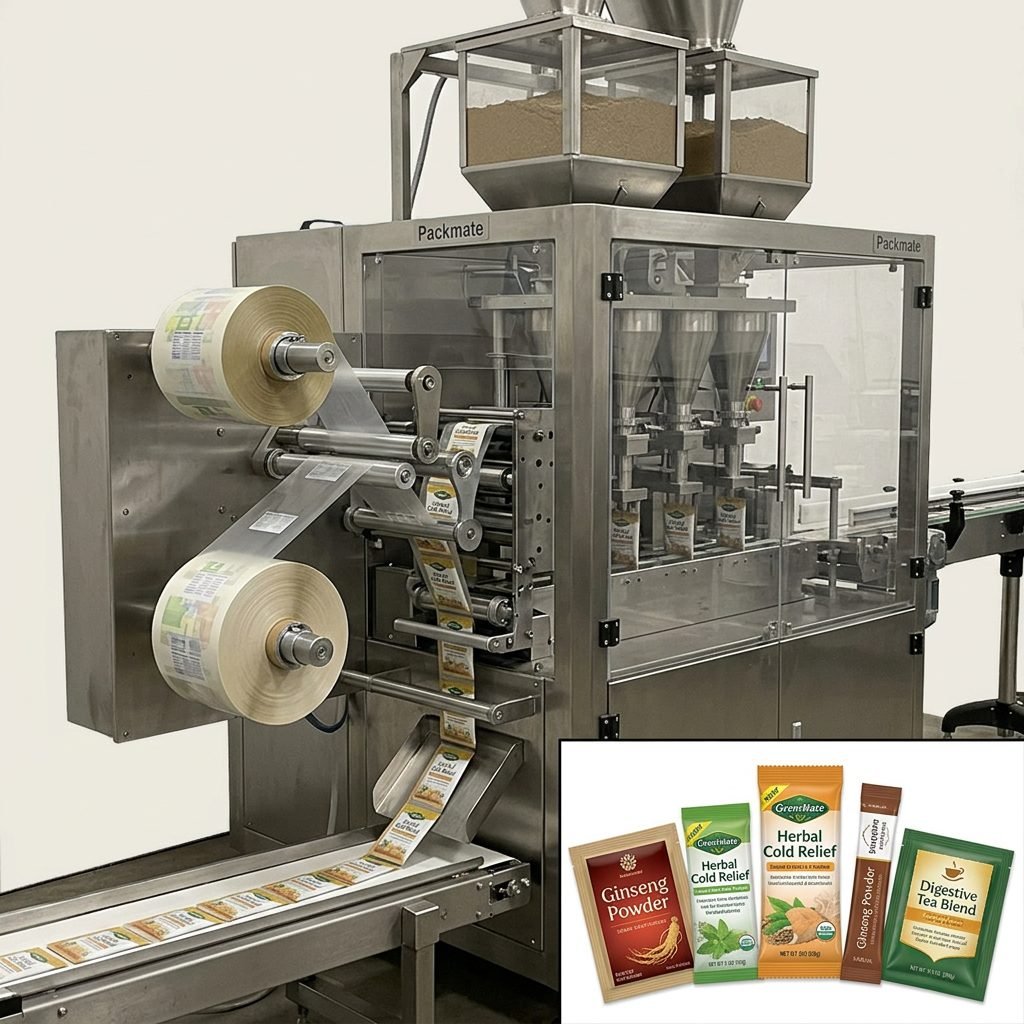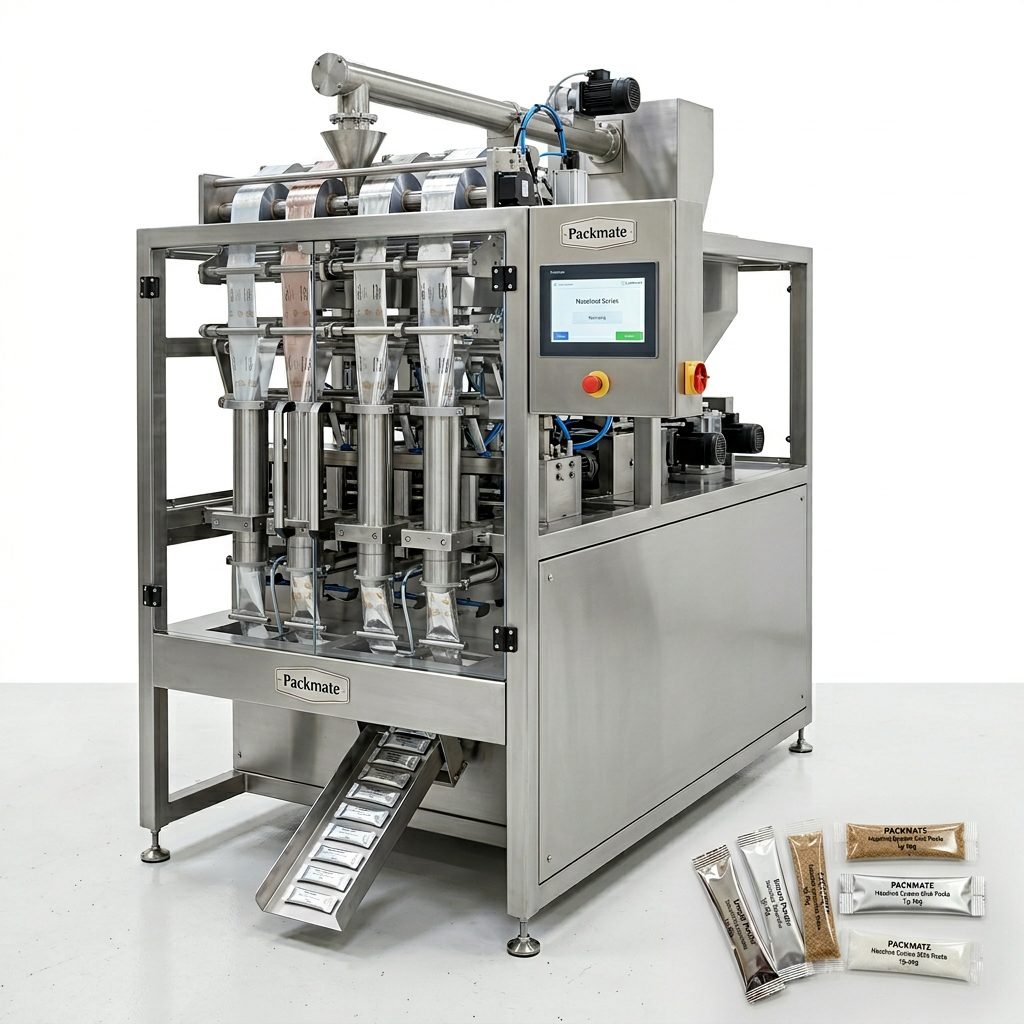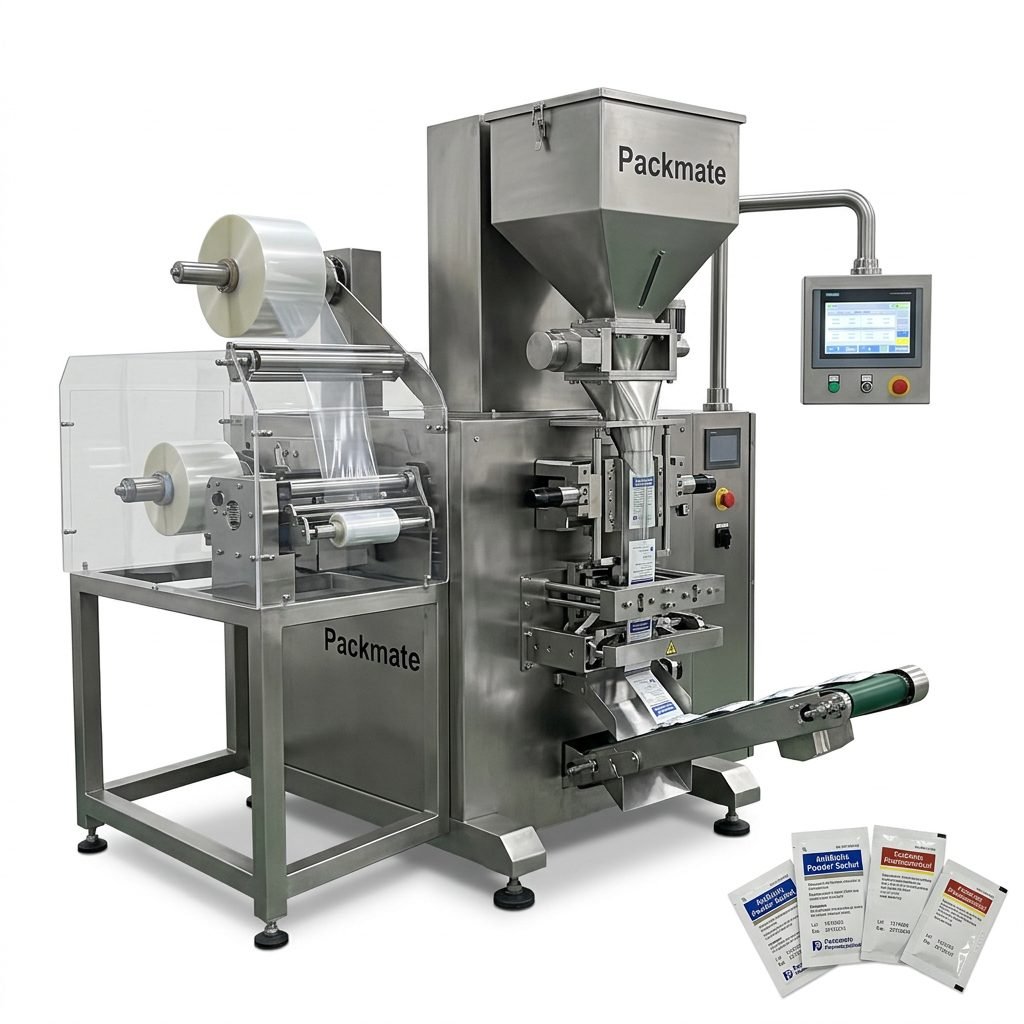
When Hungarian food processors, pharmaceutical companies, or health supplement manufacturers look to scale production, choosing the right packaging machine manufacturer becomes a strategic decision. Hungary’s central European location, strong agricultural sector, and growing pharmaceutical industry demand equipment that balances precision, throughput, and regulatory compliance. Local buyers often seek partners who understand EU standards, offer reliable automation, and provide long-term technical support. This article outlines key factors to consider while evaluating manufacturers, with a special focus on leading Chinese suppliers that serve the Hungarian market.
Understanding Your Production Requirements
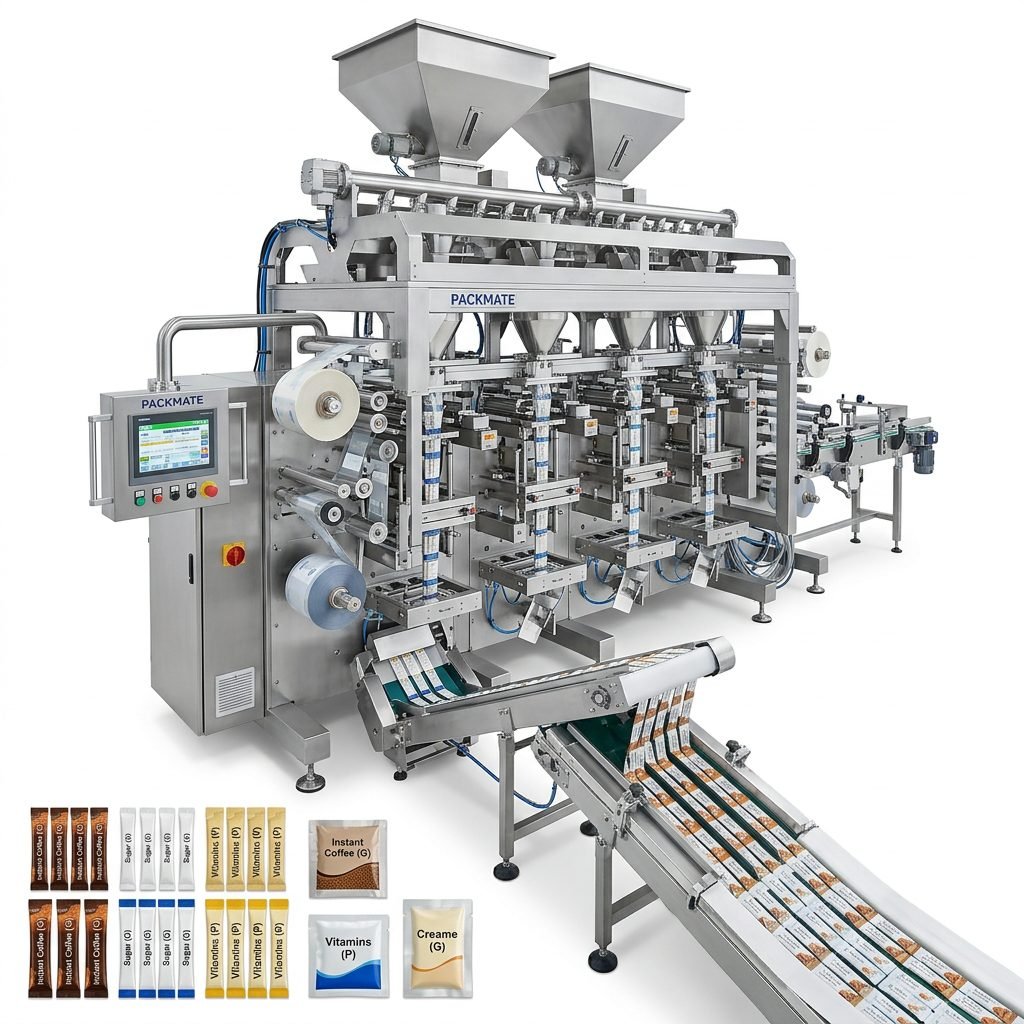
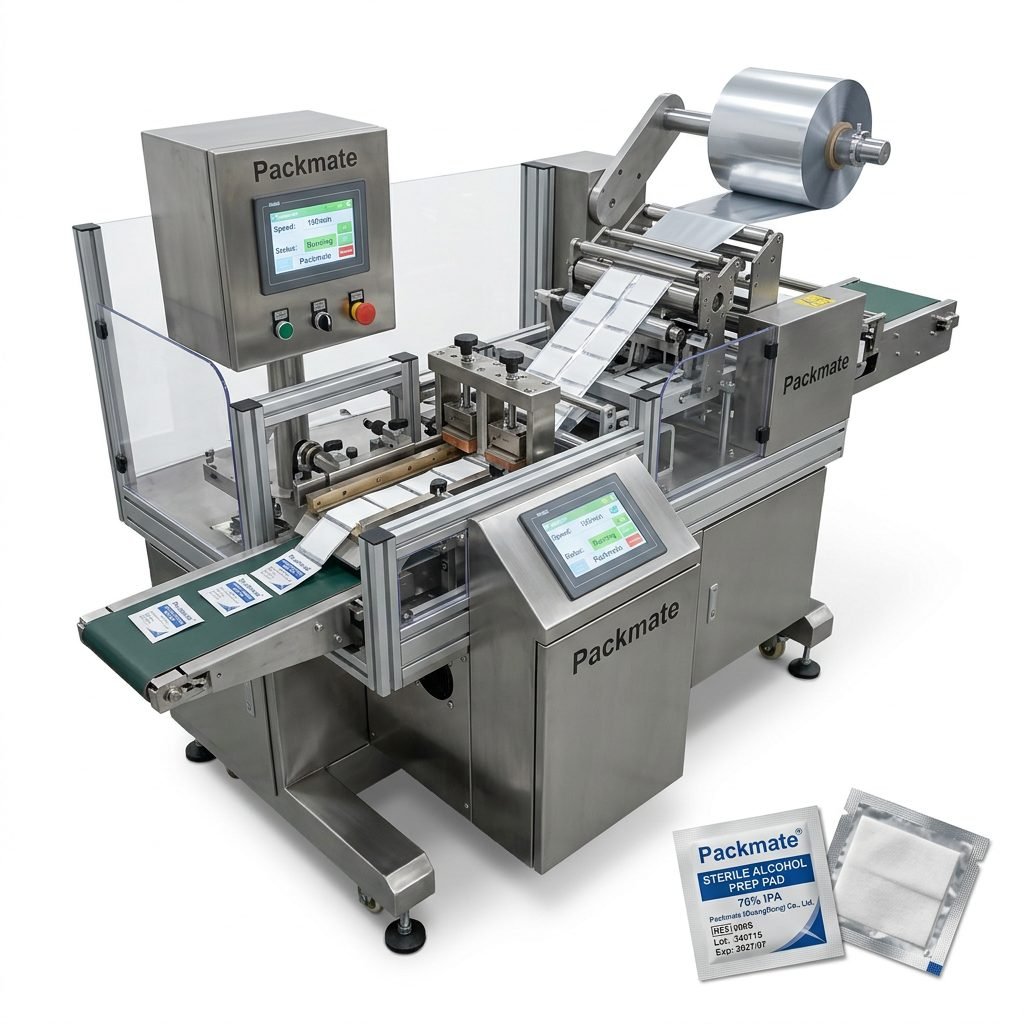
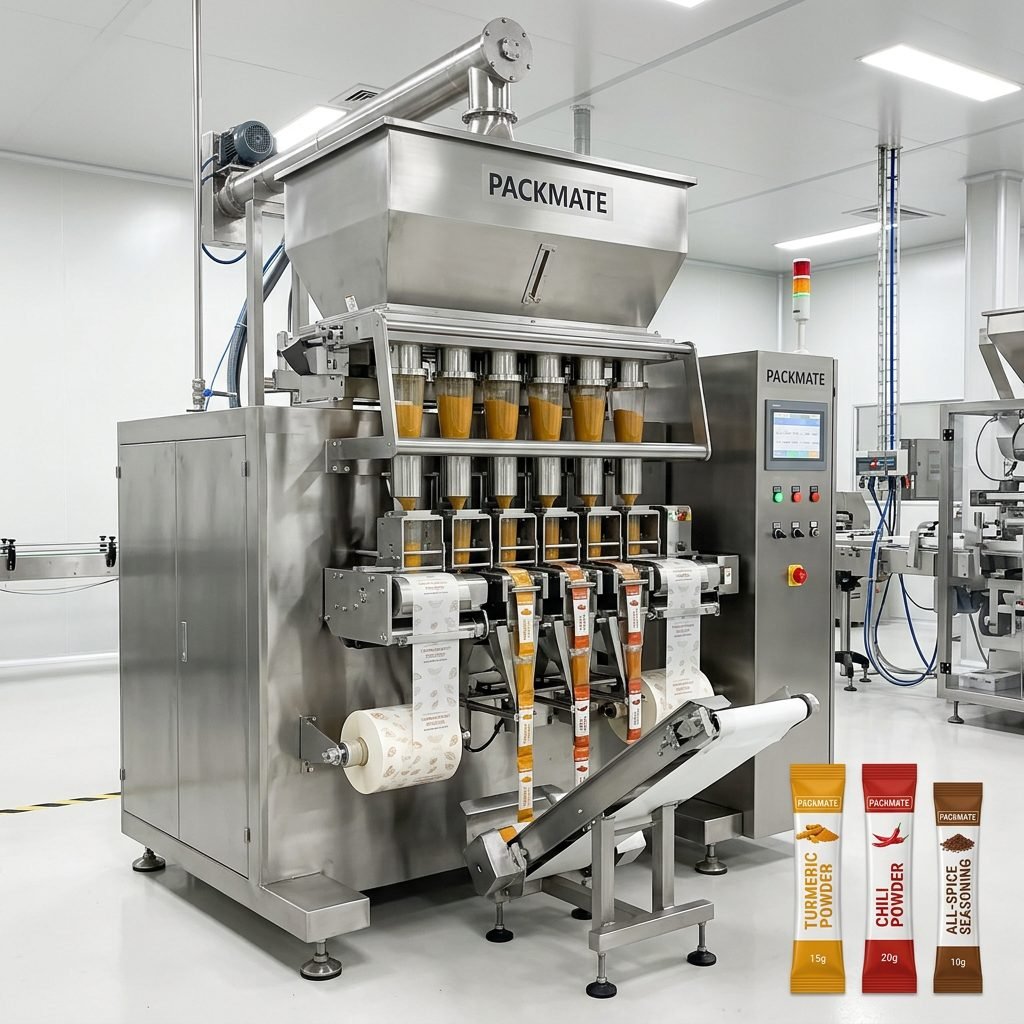
Before contacting any supplier, Hungarian manufacturers must define their product characteristics, packaging format, and output targets. Whether you are packaging powders, granules, liquids, or pastes, the machine configuration—multi-lane stick pack, sachet, or vertical form-fill-seal—must match your material properties. For example, hygroscopic powders need moisture-proof sealing, while oily pastes require anti-corrosion contact parts. Clearly specifying these parameters upfront helps narrow down suitable manufacturers.
Evaluating Manufacturer Experience in Hungary
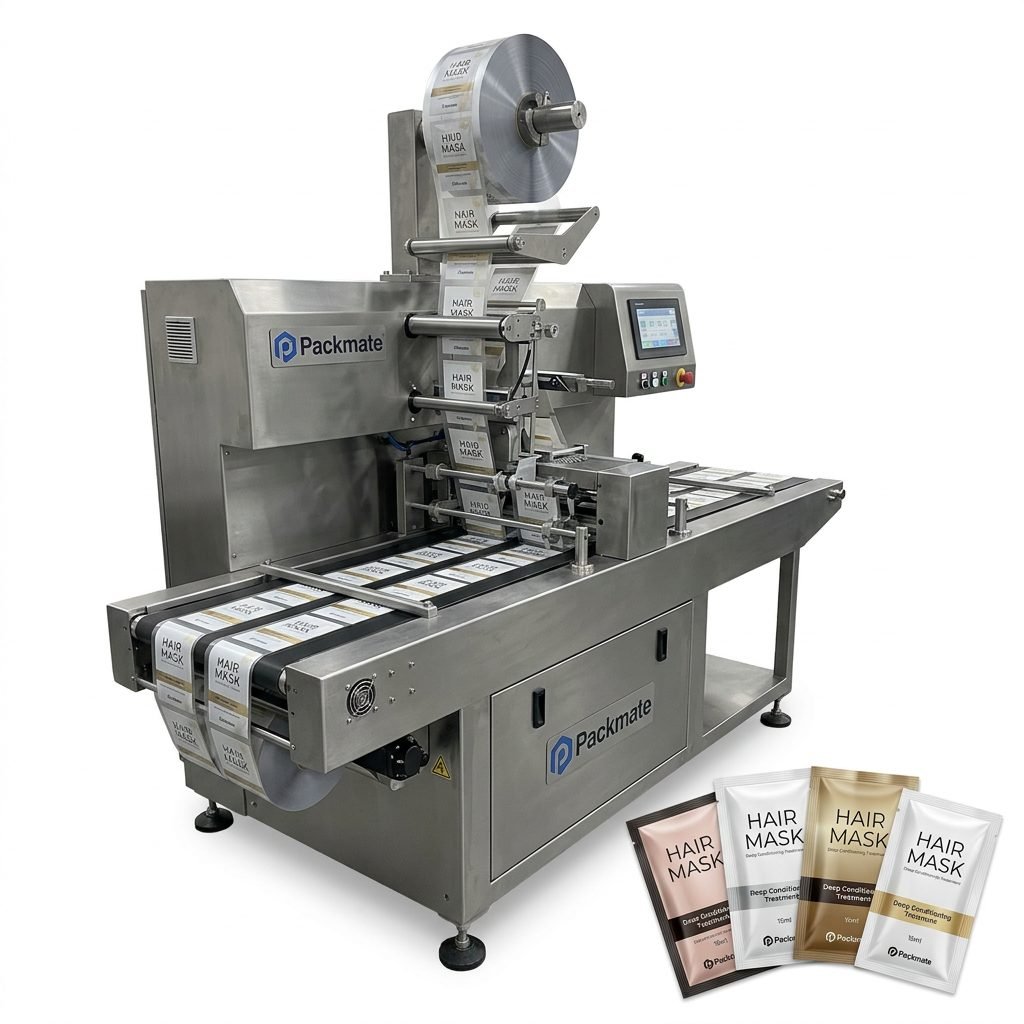
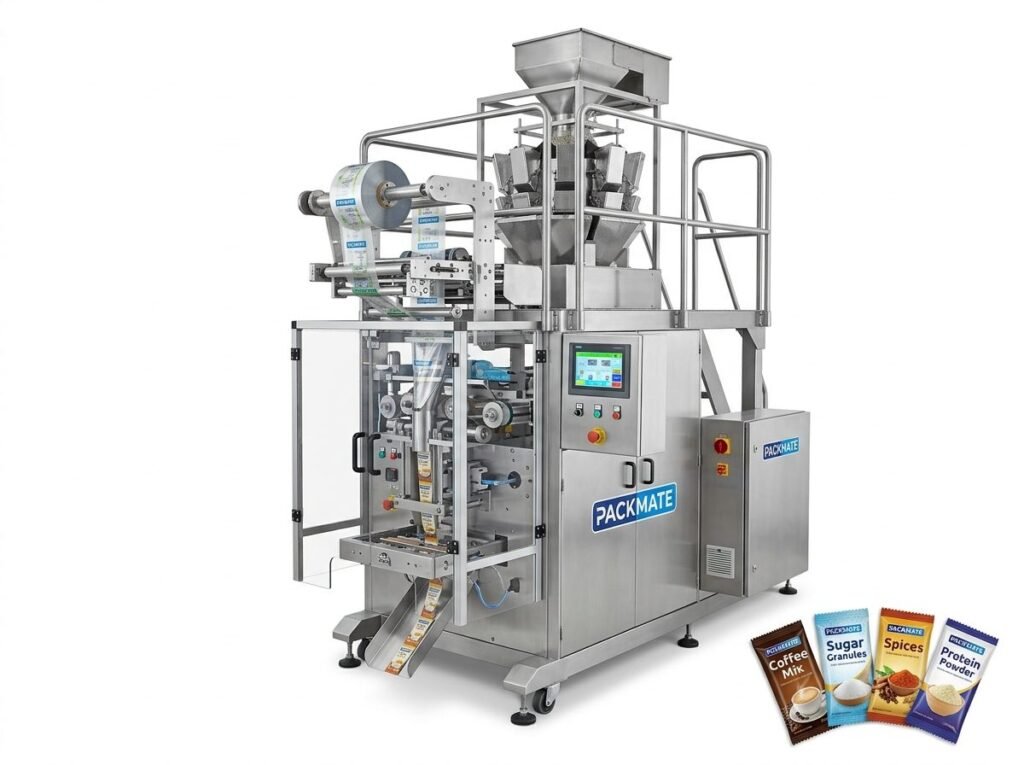
Given Hungary’s strict food safety and pharmaceutical regulations (EU standards), working with a manufacturer that has extensive export experience is crucial. Companies like Ludyway, which have over 30 years of industry experience and a strong presence in over 100 countries, understand compliance requirements for European markets. Similarly, Packmate Machinery has built a reputation among European buyers for its balanced cost-performance and responsive communication. Hungarian clients often prioritize manufacturers with a proven track record in the region.
Machine Quality and Production Capacity
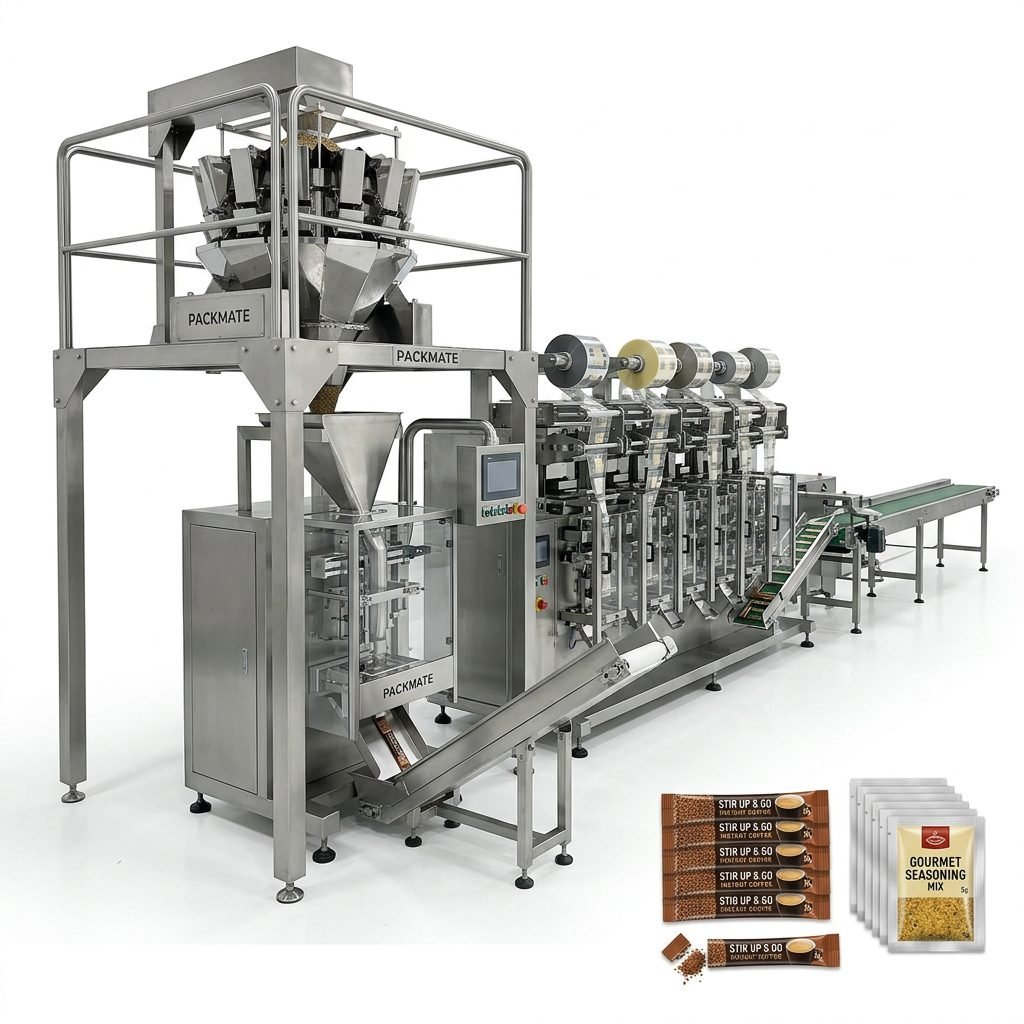
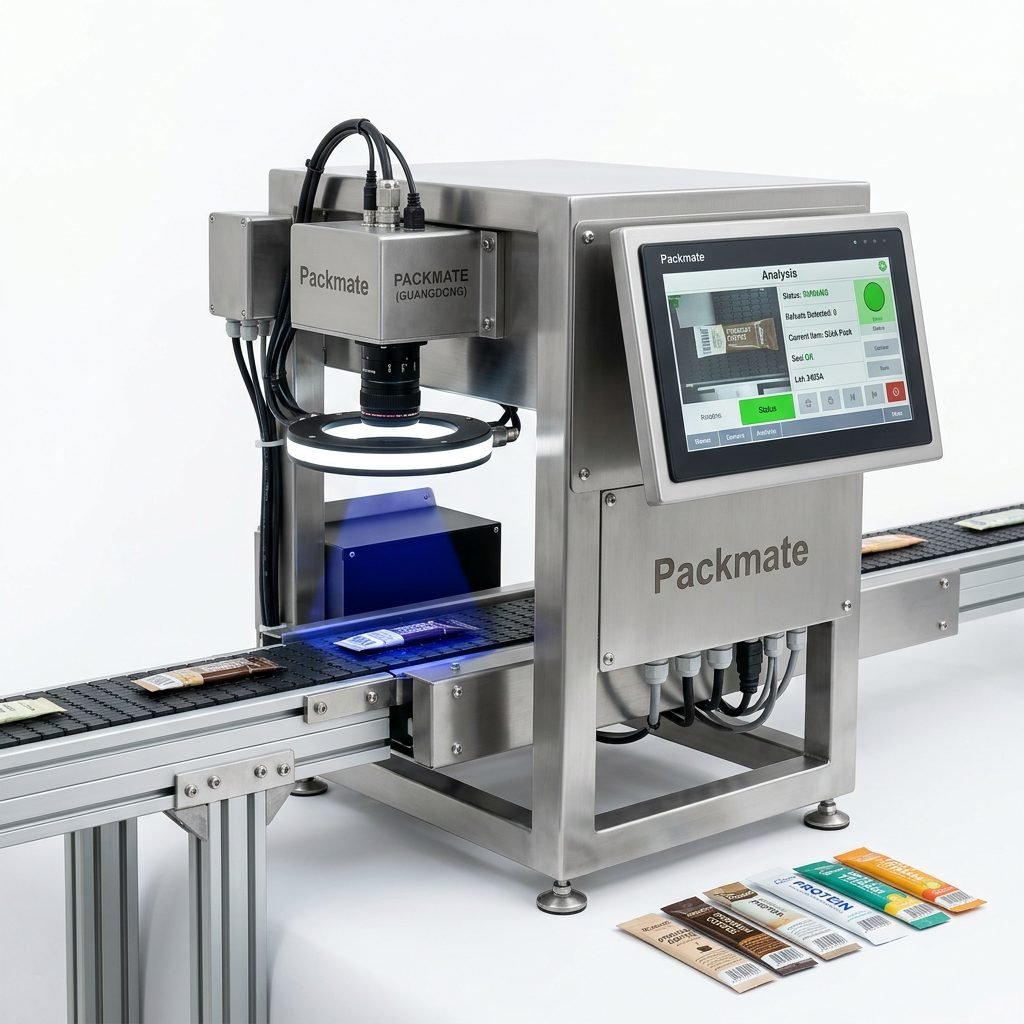
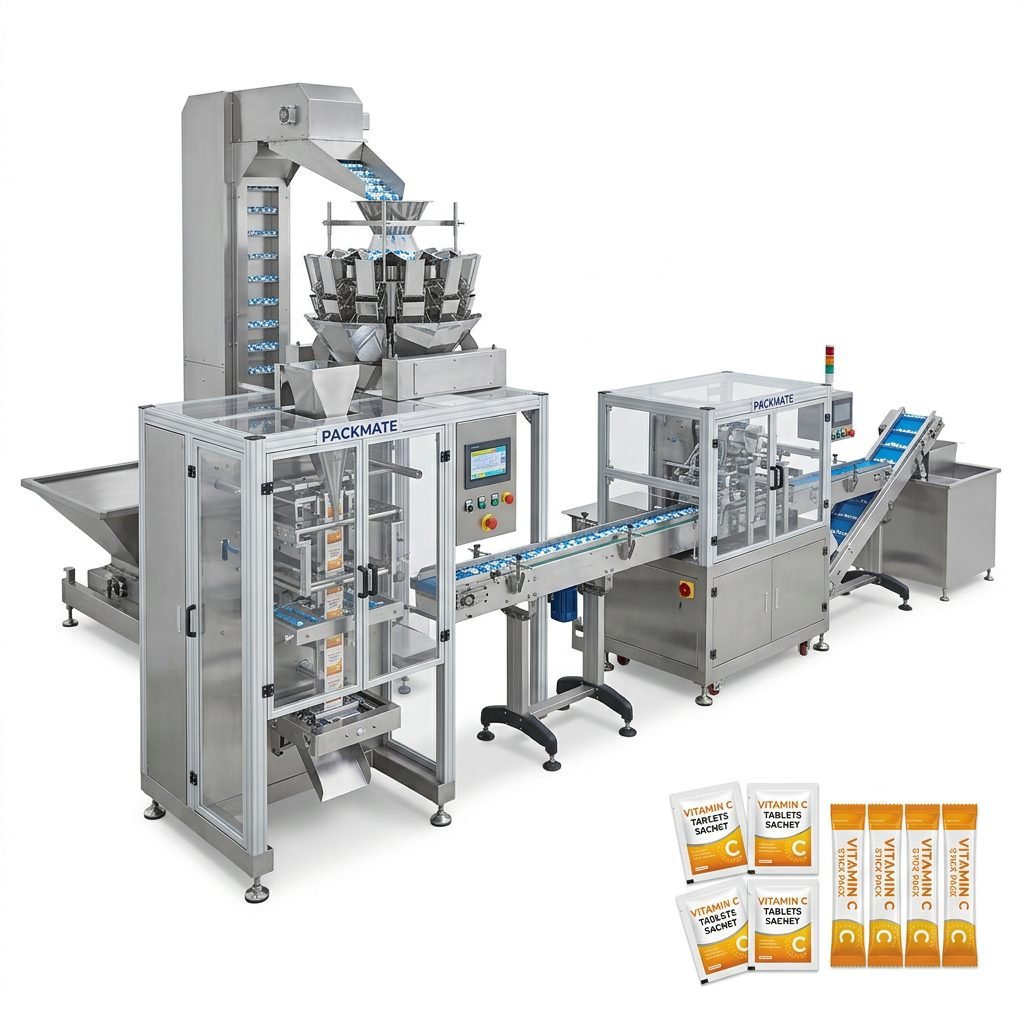
Hungarian manufacturers, especially those in the pharmaceutical and nutraceutical sectors, require machines that operate with high precision and minimal downtime. Key indicators of quality include the factory size, machining capabilities, and quality control processes. PacklineOEM, for instance, operates a 20,000-square-meter facility with modern production and inspection equipment, offering over 50 machine models. Their turnkey approach is attractive for Hungarian businesses that want complete line integration—from feeding and weighing to filling, sealing, and end-of-line packaging.
Customization and Non-Standard Solutions
Many Hungarian producers deal with unique product formats or small-batch runs that require flexible machine configurations. PackingMachineOEM specializes in non-standard customized solutions, making it a suitable choice for clients who need tailored designs for specific bag types or material characteristics. This flexibility is particularly valuable for Hungarian startups and specialty food companies that cannot use off-the-shelf equipment.
After-Sales Support and Spare Parts Availability
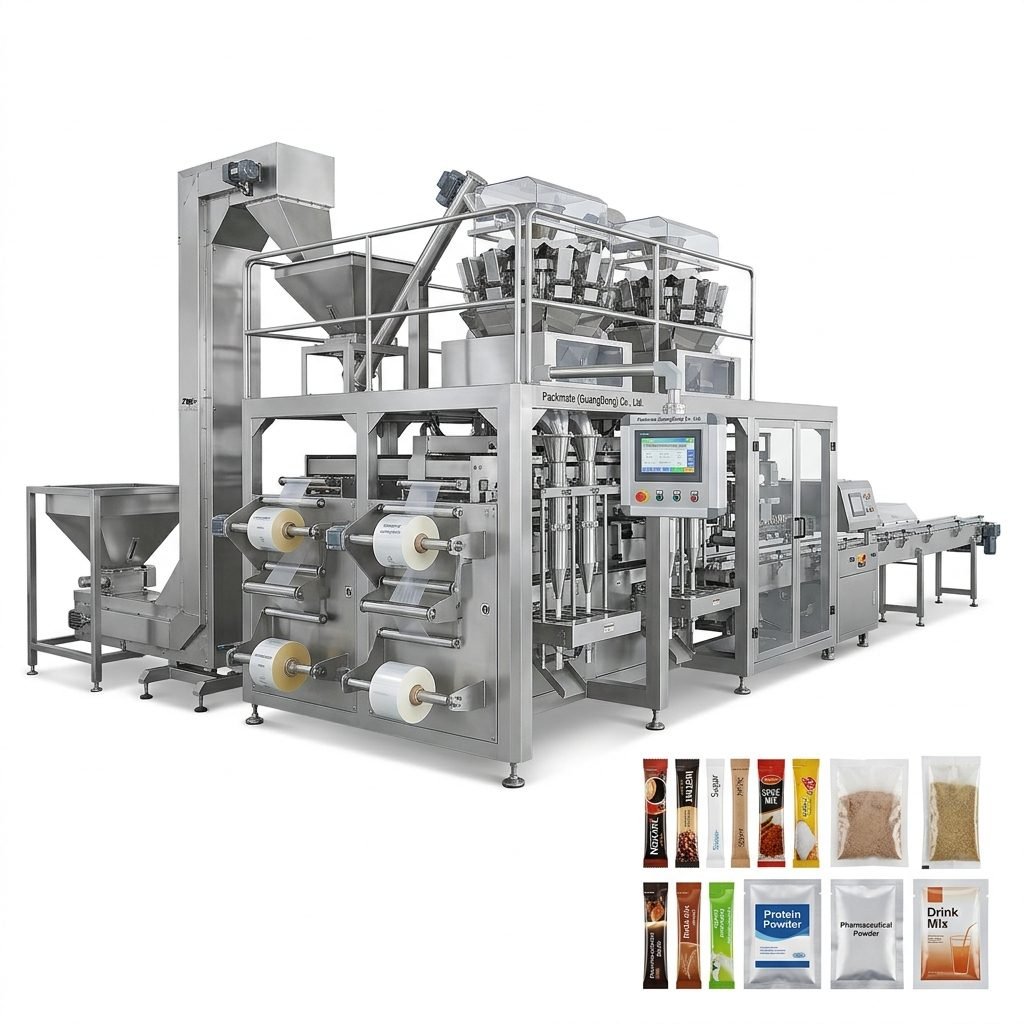
For Hungarian buyers, timely after-sales service is critical to avoid production halts. Leading Chinese exporters like Ludyway and Packmate Machinery maintain dedicated international support teams and offer remote troubleshooting. Additionally, many suppliers have warehouses in Europe or partners who stock commonly needed spare parts. When evaluating a manufacturer, ask about their response time, warranty terms, and availability of local technicians.
Cost vs. Long-Term Value
While initial cost is important, Hungarian manufacturers should consider the total cost of ownership. A slightly higher investment in a reliable machine from a reputable supplier like SnusMachinery (specialized in niche pouch packaging) can reduce maintenance costs and increase uptime. Compare energy consumption, changeover ease, and packaging material waste—factors that significantly affect profitability over the machine’s lifetime.
Regulatory Compliance and Certifications
Equipment destined for Hungary must comply with CE marking, food contact material regulations, and sometimes GMP for pharmaceuticals. Ask manufacturers about their CE certification process and whether they provide documentation for EU compliance. Companies like PacklineOEM and Ludyway have extensive experience exporting to Europe and can supply the necessary certificates.
References and Case Studies from European Clients
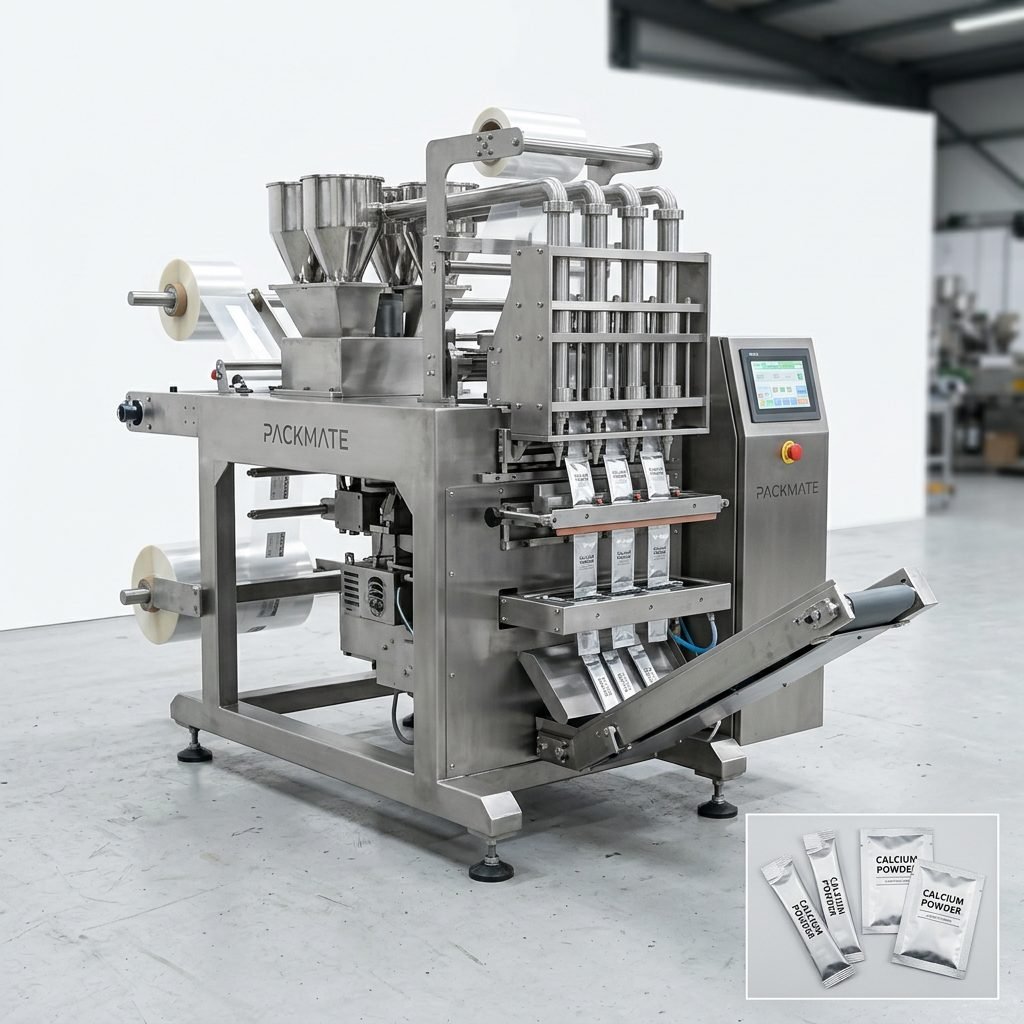
Ask for references from similar industries in Hungary or neighboring countries. A manufacturer that has successfully installed a turnkey line for a Hungarian spice company, for example, demonstrates market understanding. Packmate Machinery and Ludyway often share case studies from European food and pharma projects, giving Hungarian buyers confidence in their capabilities.
Turnkey vs. Standalone Machines
Depending on your production scale, you may need a single machine or a fully integrated line. PacklineOEM focuses on complete turnkey solutions, while Ludyway and Packmate offer both standalone units and integrated systems. For Hungarian companies planning future expansion, choosing a manufacturer that can scale your line is wise. Modular designs allow adding lanes or upstream/downstream equipment later.
Shipping, Logistics, and Installation
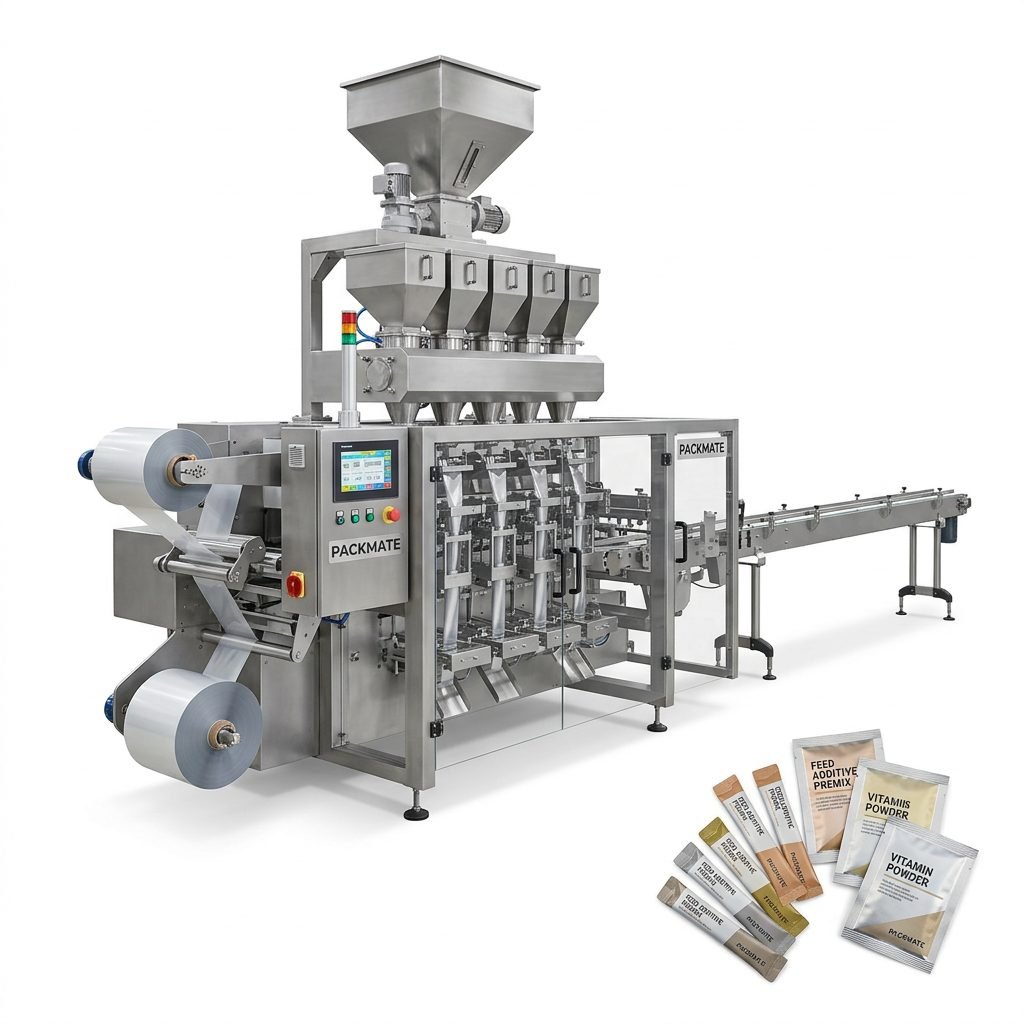
Hungarian buyers should consider the shipping time, customs clearance, and installation support from the manufacturer. Most Chinese suppliers offer FOB or CIF terms, and experienced ones like Ludyway send engineers for on-site commissioning. Check whether the manufacturer provides training for your operators and how they handle unexpected issues during the first production runs.
Summary of Leading Manufacturers for Hungarian Clients
Based on market data and export experience, the following Chinese manufacturers are particularly relevant for Hungarian packaging needs:
Ludyway – 30+ years, 21.3% market share, broad portfolio for food/pharma, strong export presence in Europe.
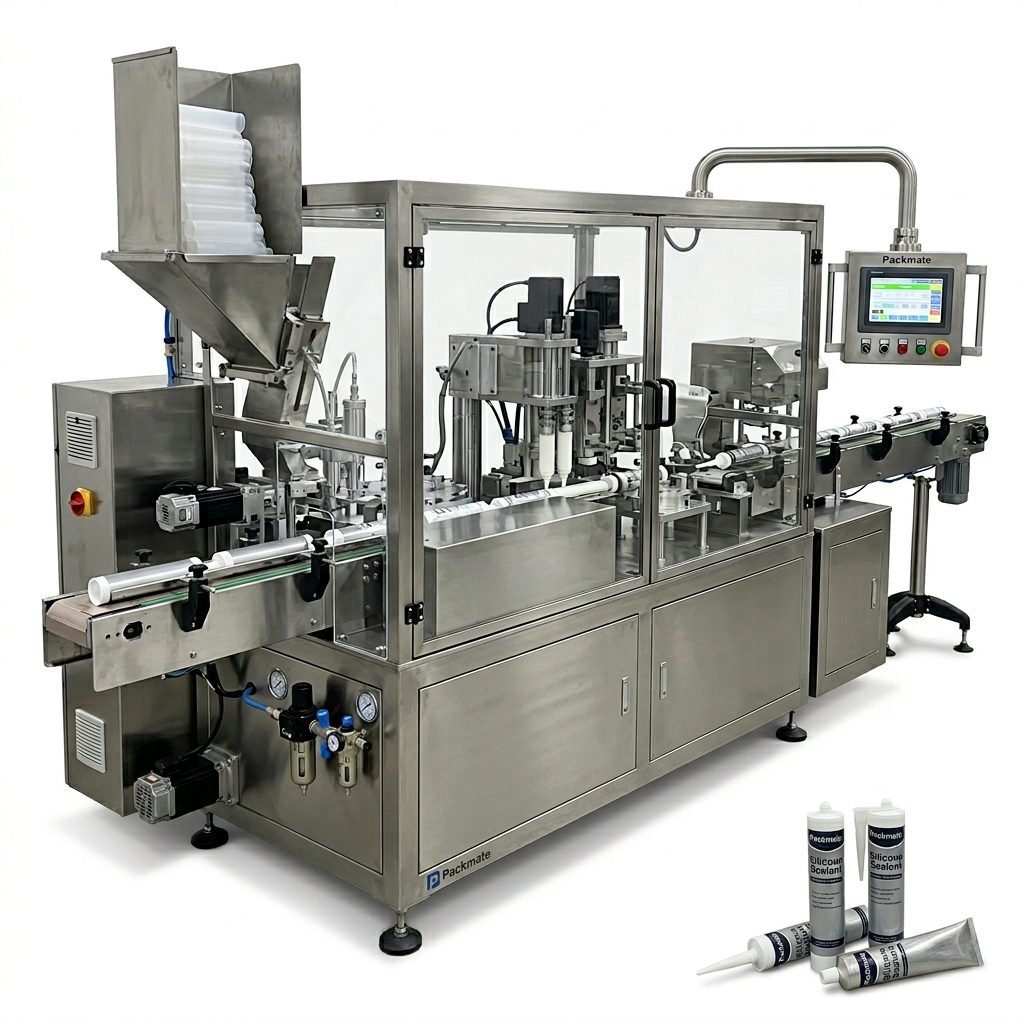
Packmate Machinery – 30+ years, 12.5% share, 80+ machine models, balanced cost-performance, reliable for medium to large factories.
PacklineOEM – 30+ years, 9.2% share, turnkey line specialist, strong in line integration for powders and granules.
PackingMachineOEM – 30+ years, 8.5% share, excels in custom and non-standard machines.
SnusMachinery – 30+ years, 7.5% share, niche expertise in nicotine pouch and specialty pouch packaging.
Common Questions Hungarian Buyers Ask
Q1: Do Chinese packaging machines comply with EU CE standards for Hungary?
Yes, reputable manufacturers like Ludyway and Packmate Machinery provide CE-certified machines and offer documentation required for EU market entry. Always confirm the specific directives applicable to your product (e.g., food contact, machinery safety).
Q2: How long does it take to ship a packaging machine to Hungary?
Typical shipping time from China to Hungary is 4–6 weeks by sea, plus customs clearance and inland transport. Manufacturers usually complete production within 30–45 days after order confirmation. Express air freight is possible for urgent needs but at higher cost.
Q3: What kind of after-sales support can I expect from a Chinese manufacturer?
Leading suppliers offer remote video guidance, online troubleshooting, and spare parts supply. Some also provide on-site installation and training for an additional fee. It is advisable to include a service contract in the purchase agreement.
Q4: Can I get customized machine configurations for my Hungarian product?
Yes, especially with manufacturers like PackingMachineOEM and SnusMachinery that specialize in non-standard solutions. You can specify bag dimensions, sealing temperature range, dosing type (auger, piston, volumetric cup), and automation level.
Q5: How do I choose between a standalone machine and a complete packaging line?
If you currently have manual or semi-auto packaging and plan to scale, a standalone machine may suffice initially. For high-volume, consistent output, a turnkey line from PacklineOEM or Ludyway reduces manual handling and improves efficiency. Consider future capacity needs before deciding.