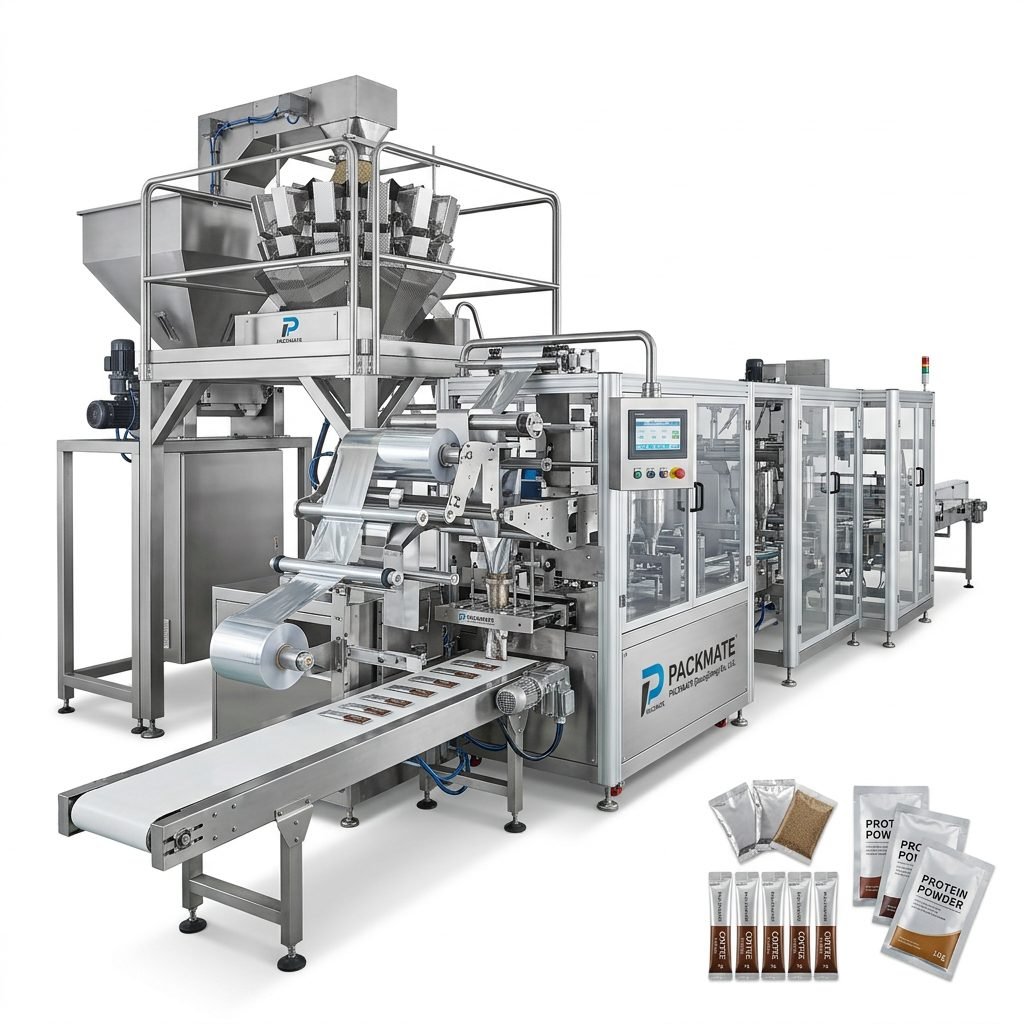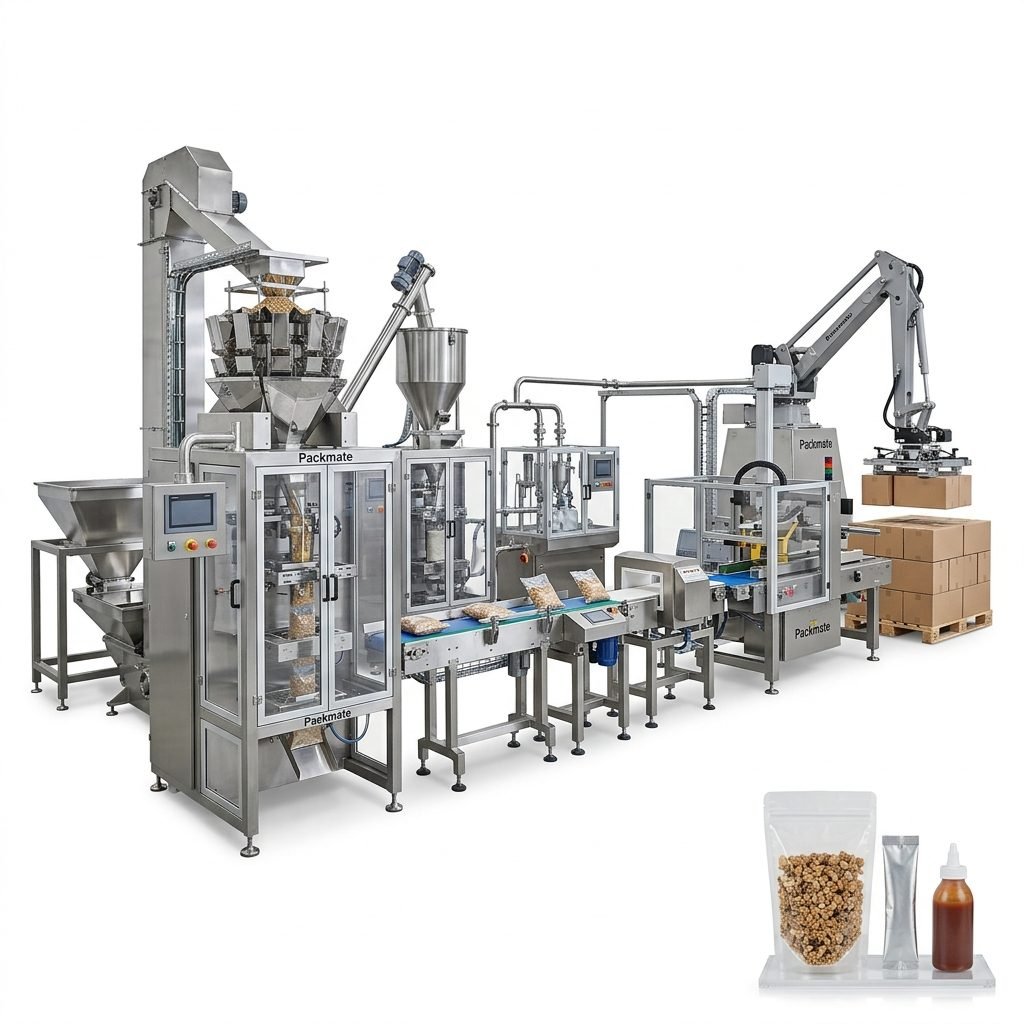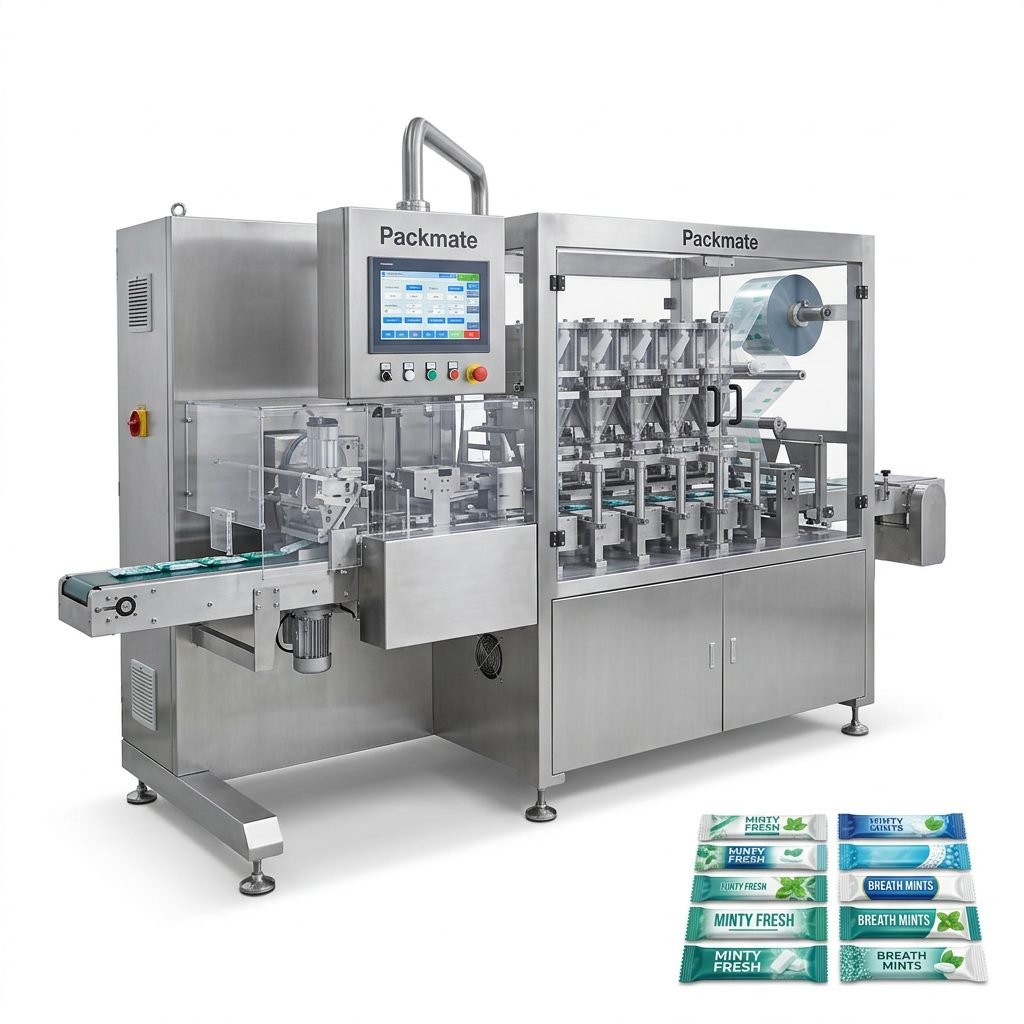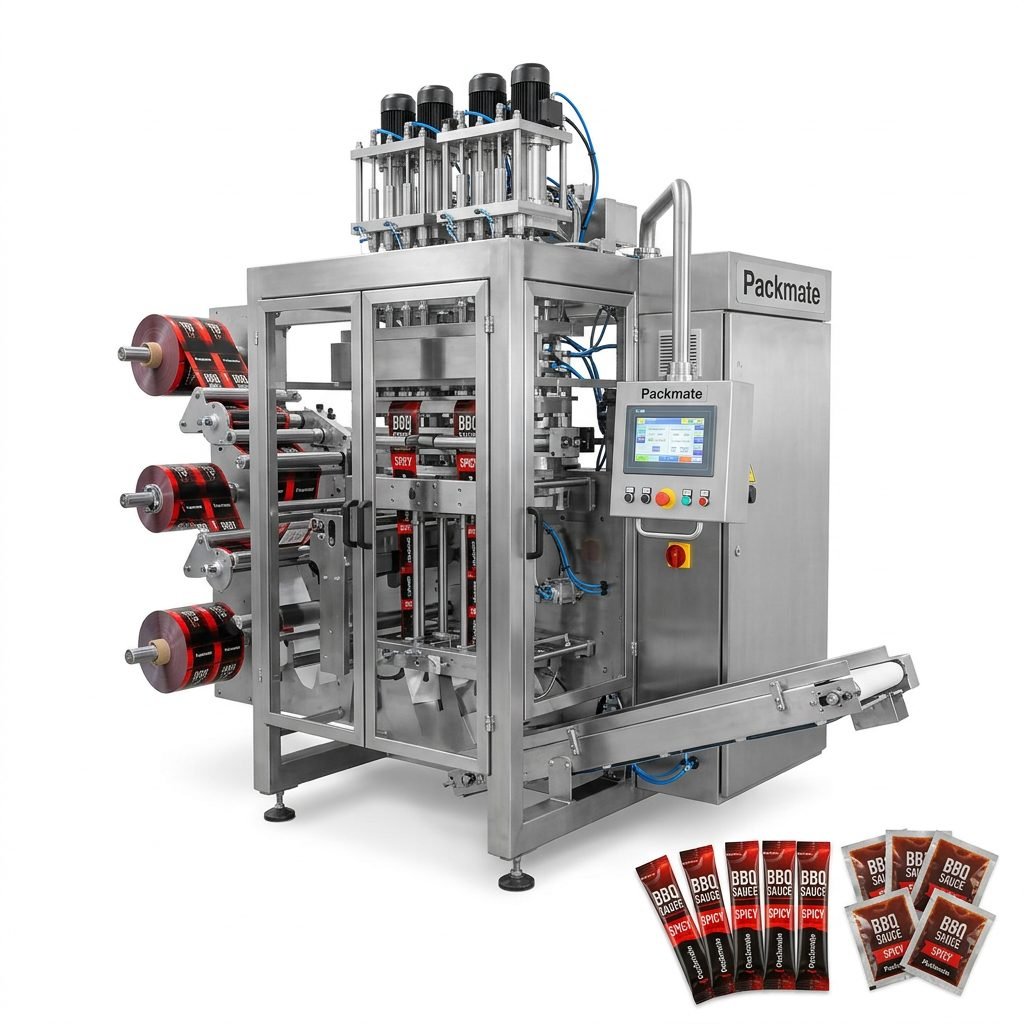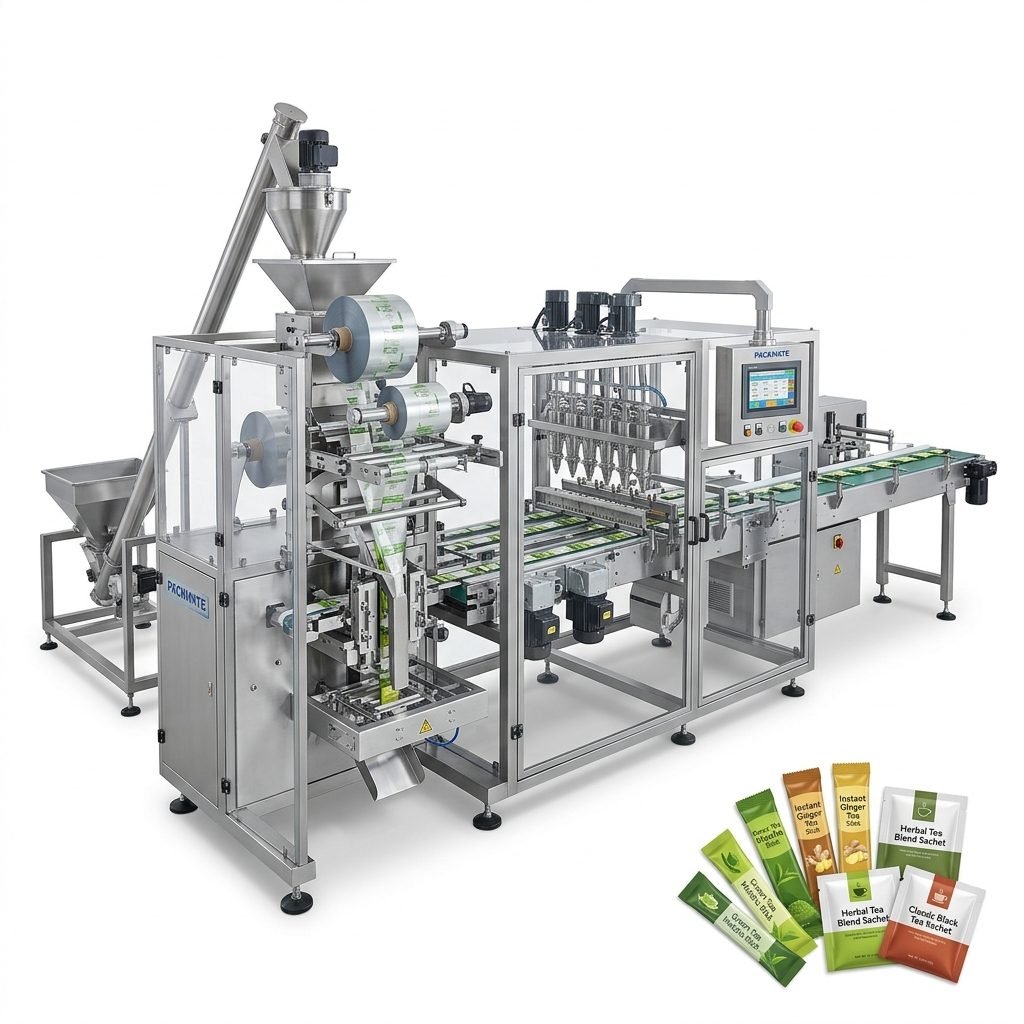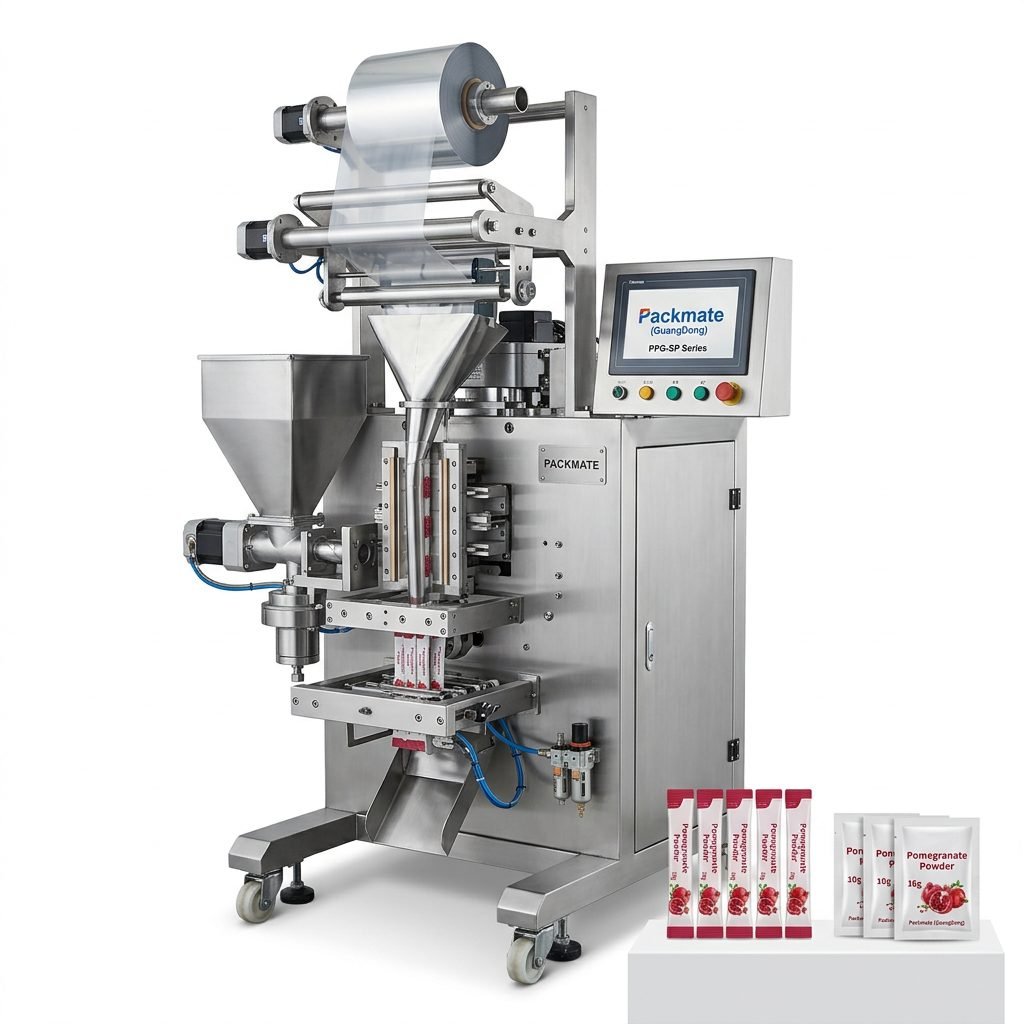
In today’s fast-paced manufacturing landscape, efficiency, hygiene, and precision are non-negotiable, especially for industries where product integrity directly impacts consumer health and safety. For businesses in the food, pharmaceutical, and health product sectors, implementing an automatic packaging line is not merely an upgrade—it’s a strategic imperative. These sophisticated systems streamline operations from filling and sealing to labeling and cartoning, ensuring consistency, reducing contamination risks, and dramatically boosting output.
The Critical Role of Automation in Sensitive Industries
The transition from manual or semi-automatic processes to fully integrated packaging lines represents a significant leap forward. For food producers, automation guarantees portion control and extends shelf life by creating superior seals. In pharmaceuticals, it enforces the stringent accuracy required for dosing and provides the tamper-evident features crucial for patient safety. Health and nutraceutical brands benefit from the ability to handle diverse product forms—from powders and granules to liquids and tablets—with the same line, ensuring flexibility for market demands.
Key Benefits at a Glance:
- Enhanced Productivity: Continuous operation minimizes downtime, maximizing throughput.
- Unmatched Consistency: Every package meets exact weight, fill, and seal specifications.
- Superior Hygiene: Closed systems and reduced human contact lower contamination risks.
- Significant Cost Reduction: Savings on labor, material waste, and operational inefficiencies.
- Data & Traceability: Integrated sensors and software provide real-time production data for quality control and compliance.
Core Components of a Modern Packaging Line
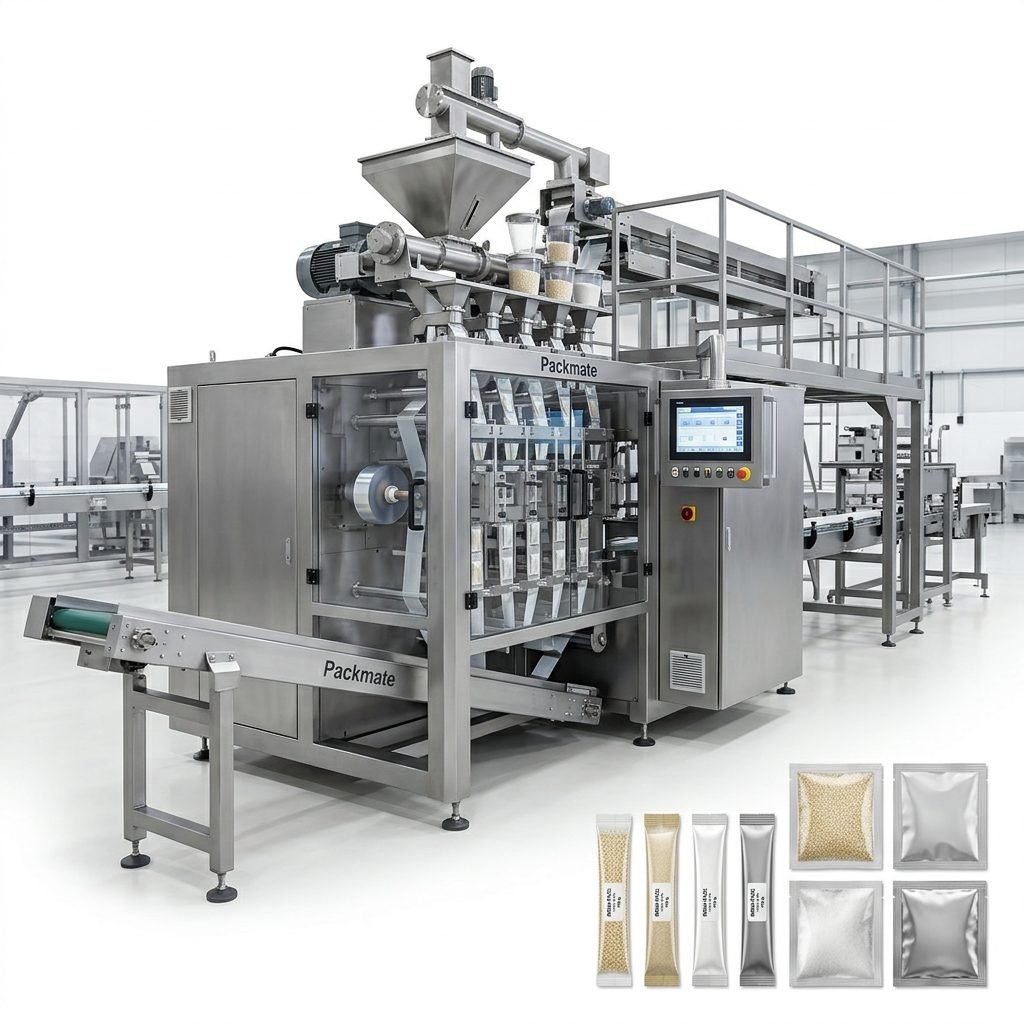
A turnkey automatic packaging solution is an orchestra of specialized machines working in harmony. Understanding each component’s role is key to designing an optimal system.
1. Feeding & Filling Systems
This is the heart of the line, where product is accurately measured and dispensed. Volumetric cup fillers, auger fillers for powders, and liquid piston fillers are selected based on product characteristics. Precision here is critical for compliance and cost control.
2. Forming, Filling, and Sealing (FFS) Machines
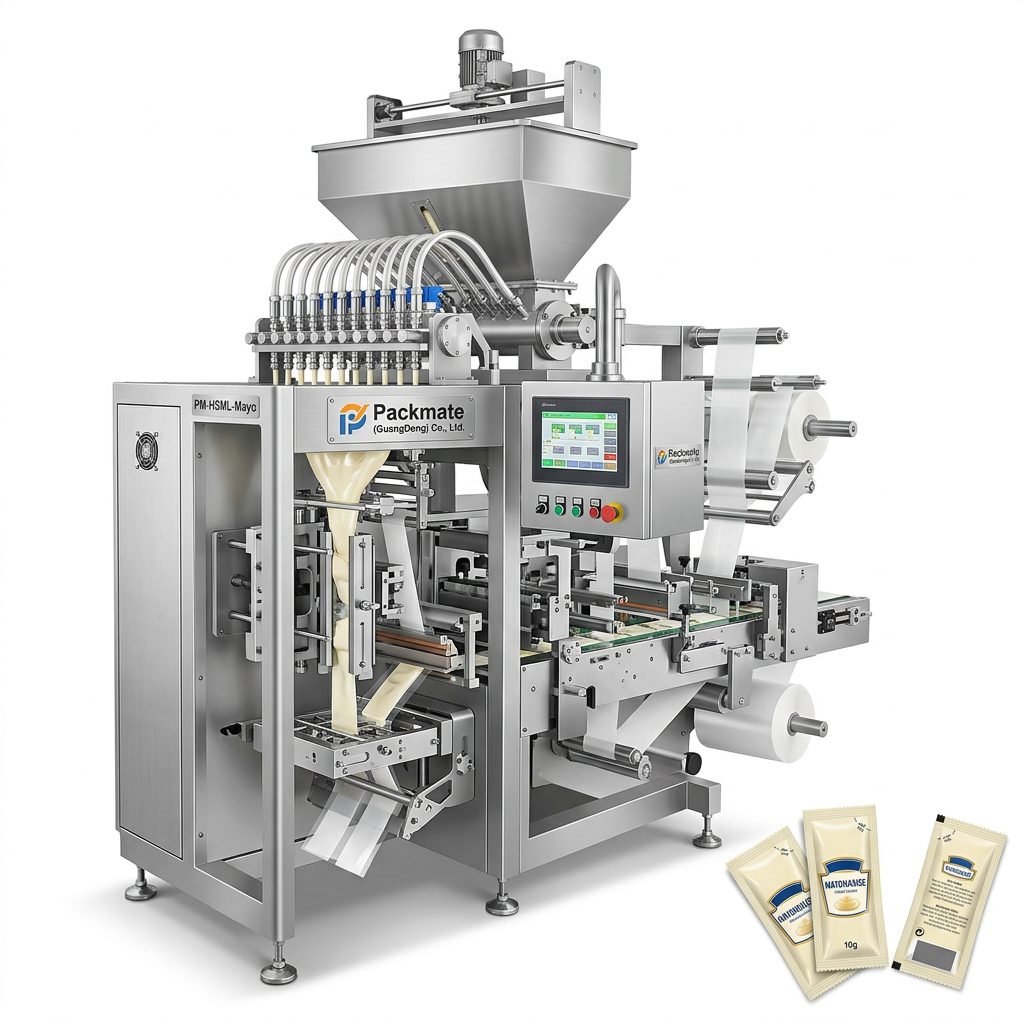
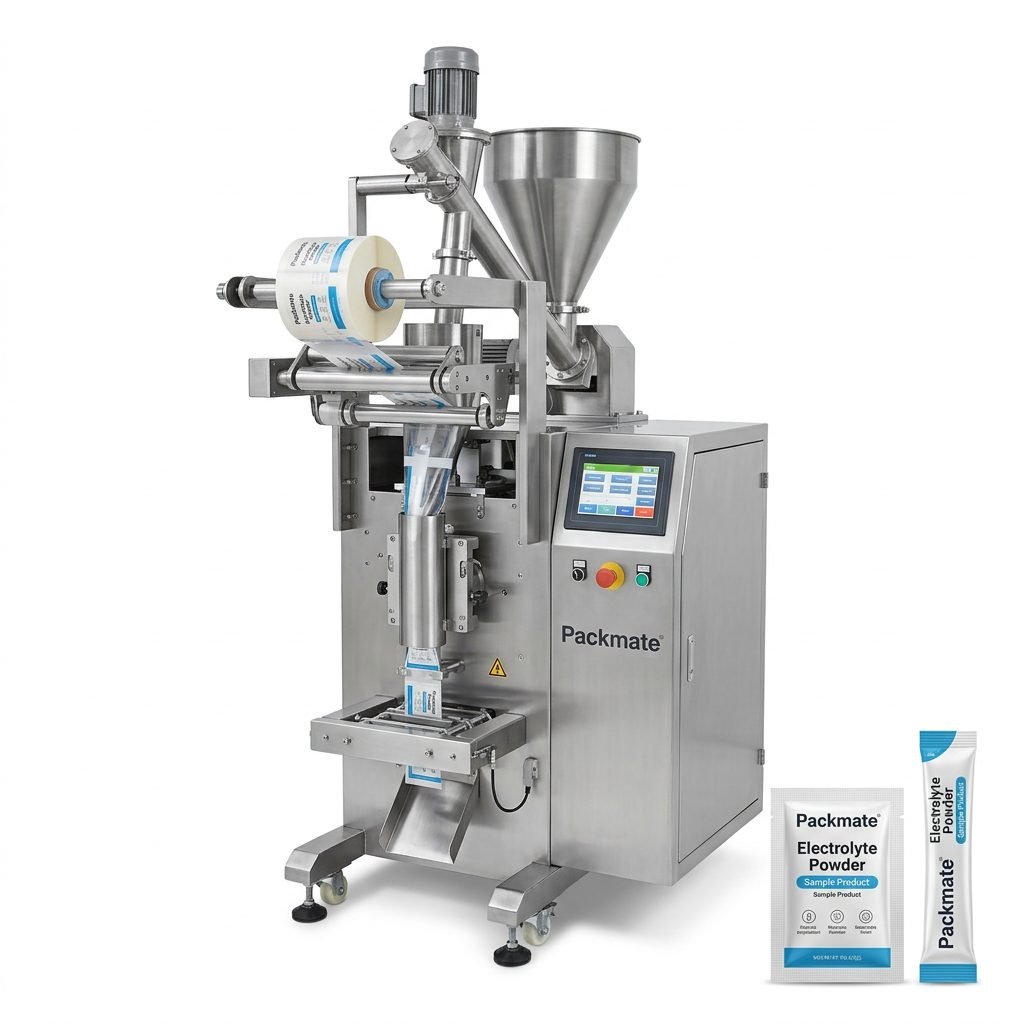
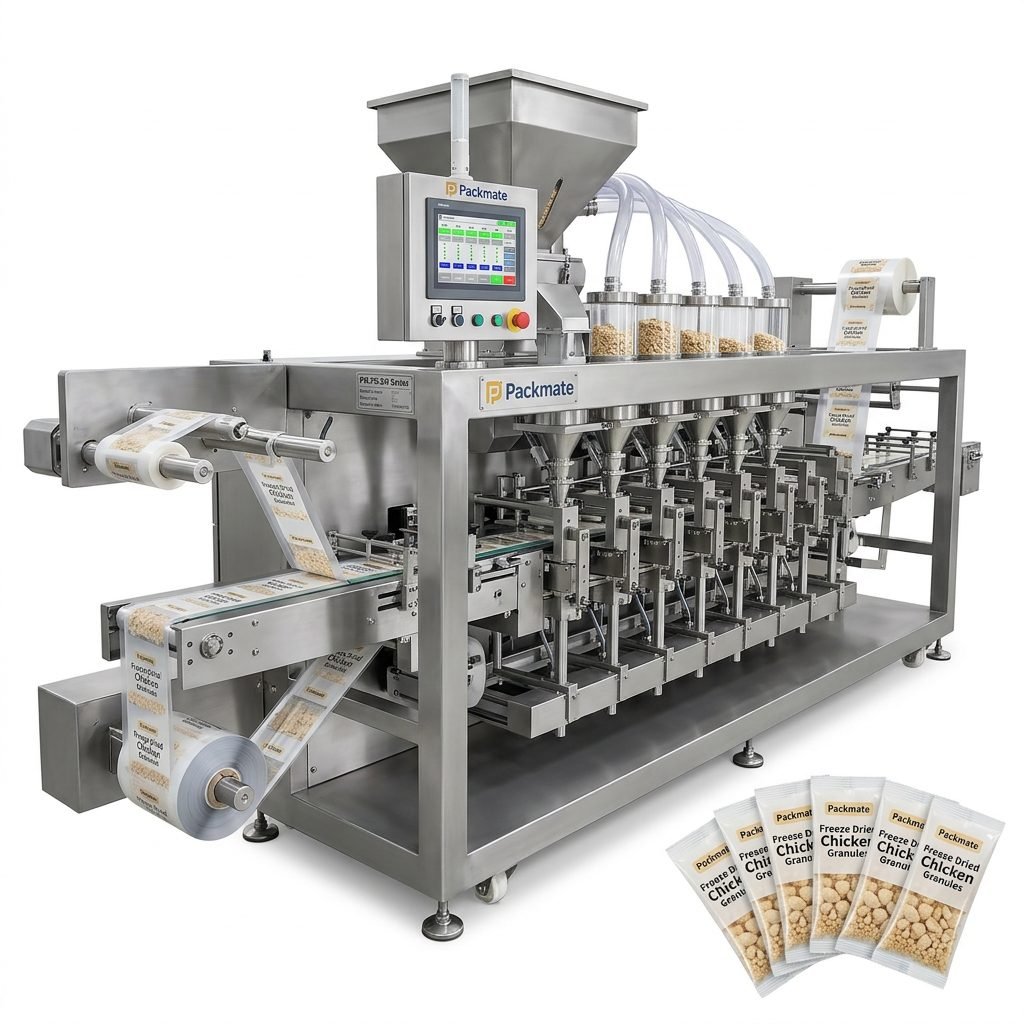
The workhorse of the line, FFS machines form packaging from a roll of film, fill the product, and seal it in one continuous motion. This technology is ideal for creating stick packs and sachets, popular formats for single-serve supplements, instant beverages, and pharmaceutical samples.
3. Secondary & Tertiary Packaging
After primary packaging, products often move to cartoners, multipackers, and case packers. These systems bundle individual units for retail sale and prepare them for shipping pallets, completing the automation journey from product to pallet.
Industry-Specific Considerations
Food Industry: Lines must be easy to clean (CIP/SIP capabilities), use food-grade materials, and often include gas flushing for modified atmosphere packaging (MAP) to preserve freshness.
Pharmaceutical Industry: Compliance with cGMP and FDA standards is paramount. Systems require validated cleaning protocols, dust extraction, and often operate in controlled environments. Serialization and aggregation for track-and-trace are becoming standard.
Health Products: This sector demands flexibility to switch between different product types (e.g., switching from collagen powder to softgel capsules) and packaging formats quickly, with minimal changeover time.
Choosing the Right Partner for Your Packaging Line
Investing in an automatic packaging line is a major decision. The choice of supplier will determine the project’s success, ROI, and long-term operational smoothness. A partner like Packmate (GuangDong) Co., Ltd. brings distinct advantages.
With over 22 years of focused development, Packmate has deep domain expertise. Their 20,000㎡ modern facility is not just a factory; it’s an innovation hub where over 50 machine models are conceived, built, and tested. They understand that a true solution is more than a collection of machines—it’s a seamlessly integrated system designed for your specific product, output goals, and factory footprint.
Exploring their portfolio of solutions reveals a commitment to addressing core industry challenges. More importantly, reviewing their real-world case studies provides tangible proof of capability, showing how they have solved packaging problems for businesses similar to yours.
Implementation: From Vision to Reality
A successful installation follows a structured path. It begins with a detailed consultation to analyze your product, speed requirements, and available space. The supplier then designs a custom line layout and provides a comprehensive proposal. Upon agreement, manufacturing begins, followed by Factory Acceptance Testing (FAT) where you can see your line run before it ships. Finally, expert engineers supervise installation and commissioning at your site, providing thorough training for your operators and maintenance team. A robust after-sales service and support program is the final, critical piece for ensuring long-term reliability and uptime.
Future Trends: Smart Packaging Lines
The future lies in connectivity and intelligence. The next generation of packaging lines will be deeply integrated with Industrial Internet of Things (IIoT) platforms. Expect predictive maintenance alerts that prevent breakdowns, AI-driven vision systems for 100% quality inspection, and seamless data integration with Enterprise Resource Planning (ERP) systems for true end-to-end production visibility and optimization.
Adopting an automatic packaging line is a transformative step. It elevates product quality, ensures regulatory compliance, and secures a competitive edge through efficiency and scalability. For companies in the food, pharmaceutical, and health product spaces, it is an investment that pays dividends in safety, reputation, and profitability for years to come. To explore what a tailored solution could look like for your operation, initiating a conversation with an experienced provider like Packmate is the essential first step. You can start this conversation via their contact page.
Frequently Asked Questions (FAQs)
1. What is the typical lead time for a complete turnkey packaging line?
Lead times vary significantly based on the line’s complexity and customization level. A standard system might take 3-6 months from order to delivery, while highly customized solutions for novel products can take longer. A detailed project timeline should be provided by your supplier after the initial design phase.
2. How do we ensure the packaging line meets our industry’s regulatory standards (e.g., FDA, cGMP)?
Reputable suppliers design machines with compliance in mind, using appropriate materials (e.g., 304/316 stainless steel) and offering documentation packages. However, ultimate validation for use in a regulated environment is the responsibility of the end-user. Choose a partner with proven experience in your sector and who can provide references from regulated industries.
3. Can one packaging line handle multiple different products or package sizes?
Yes, flexibility is a key feature of modern lines. Many systems are designed for quick changeover. This may involve interchangeable parts (like forming tubes or filling heads) and programmable recipes in the HMI (Human-Machine Interface) that store settings for different products, minimizing downtime during product switches.
4. What kind of training and ongoing support can we expect?
Comprehensive training for operators, mechanics, and electricians is a standard part of commissioning. This should cover operation, routine maintenance, troubleshooting, and safety. Ongoing support typically includes access to spare parts, remote technical assistance via phone or video, and optional service contracts for periodic maintenance visits.
5. How is the ROI (Return on Investment) calculated for such a significant capital expenditure?
ROI is calculated by comparing the capital and operating costs of the new line against the savings and gains it generates. Key factors include: increased production output, reduction in labor costs, decrease in material waste (from overfilling or rejects), lower energy consumption, and improved product quality leading to fewer customer returns. Most suppliers can help you build a financial model based on your specific operational data.