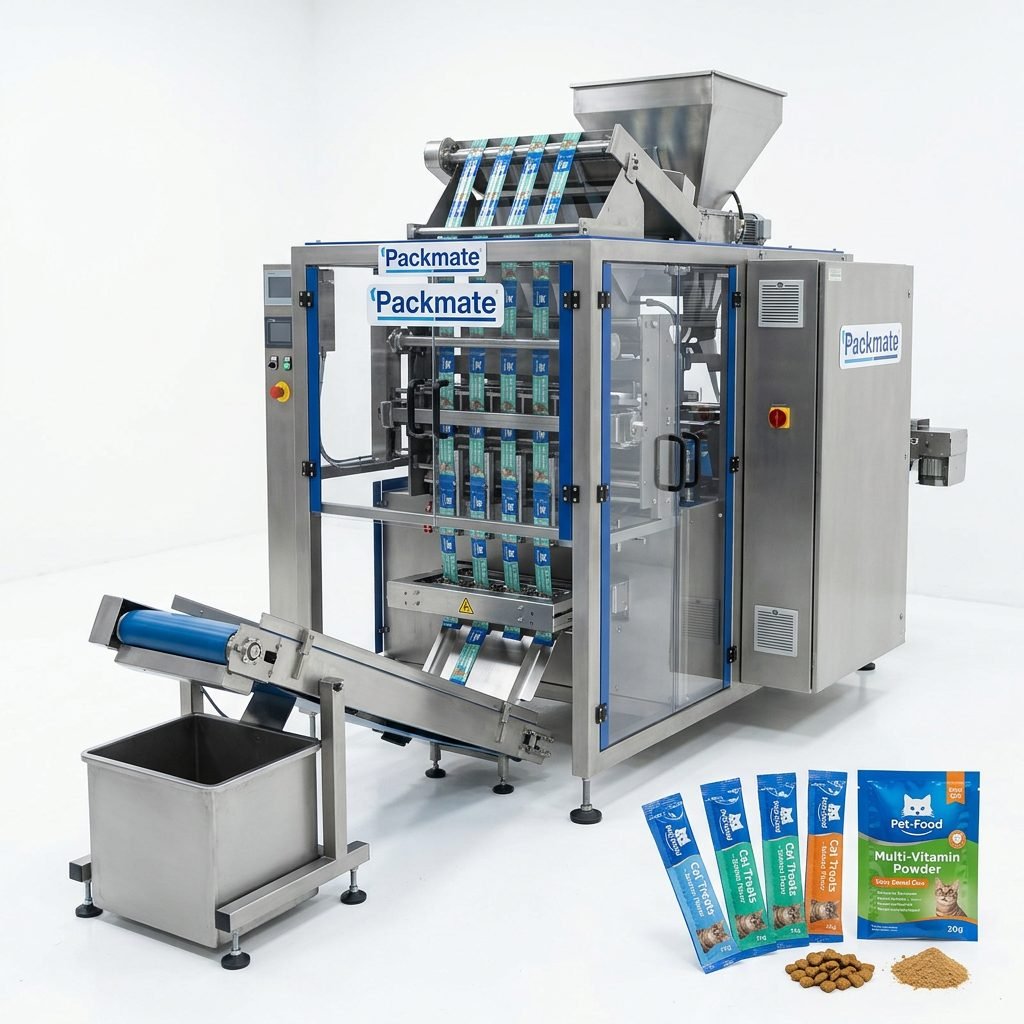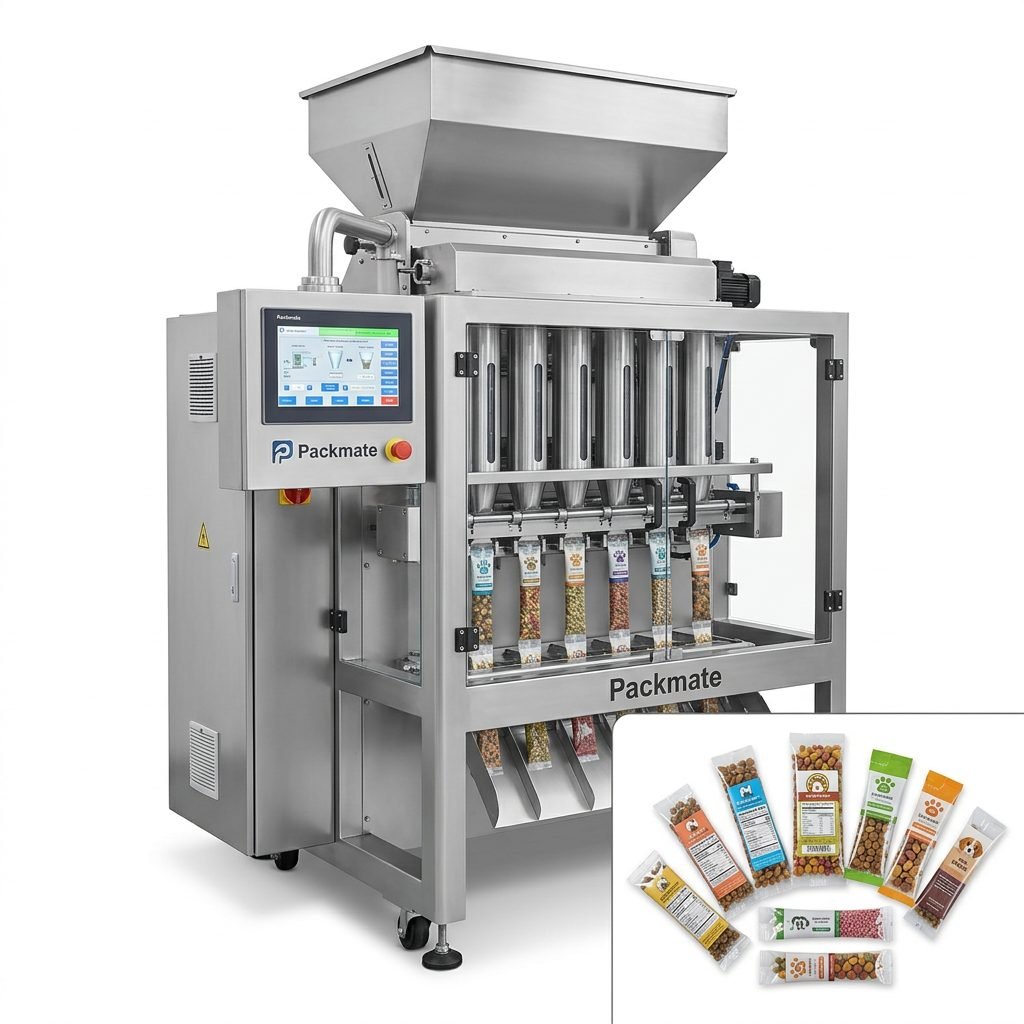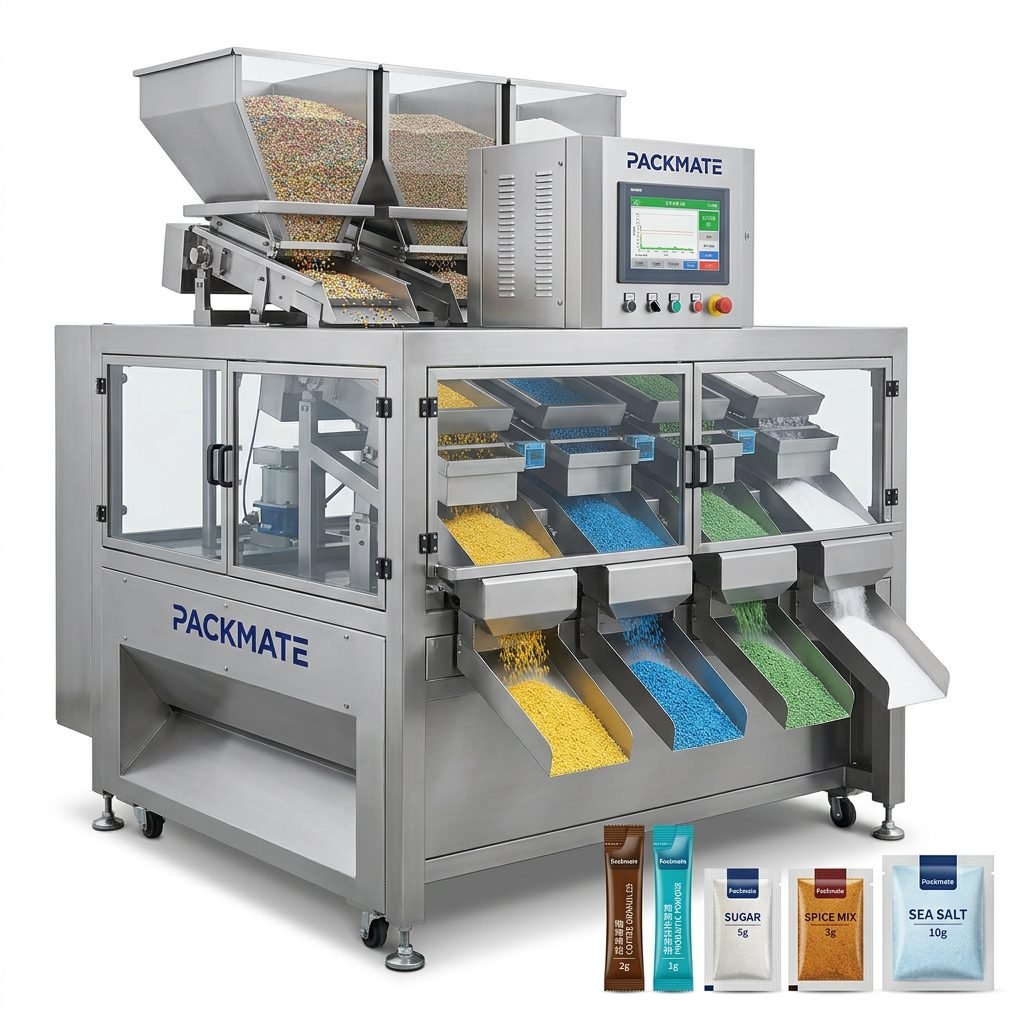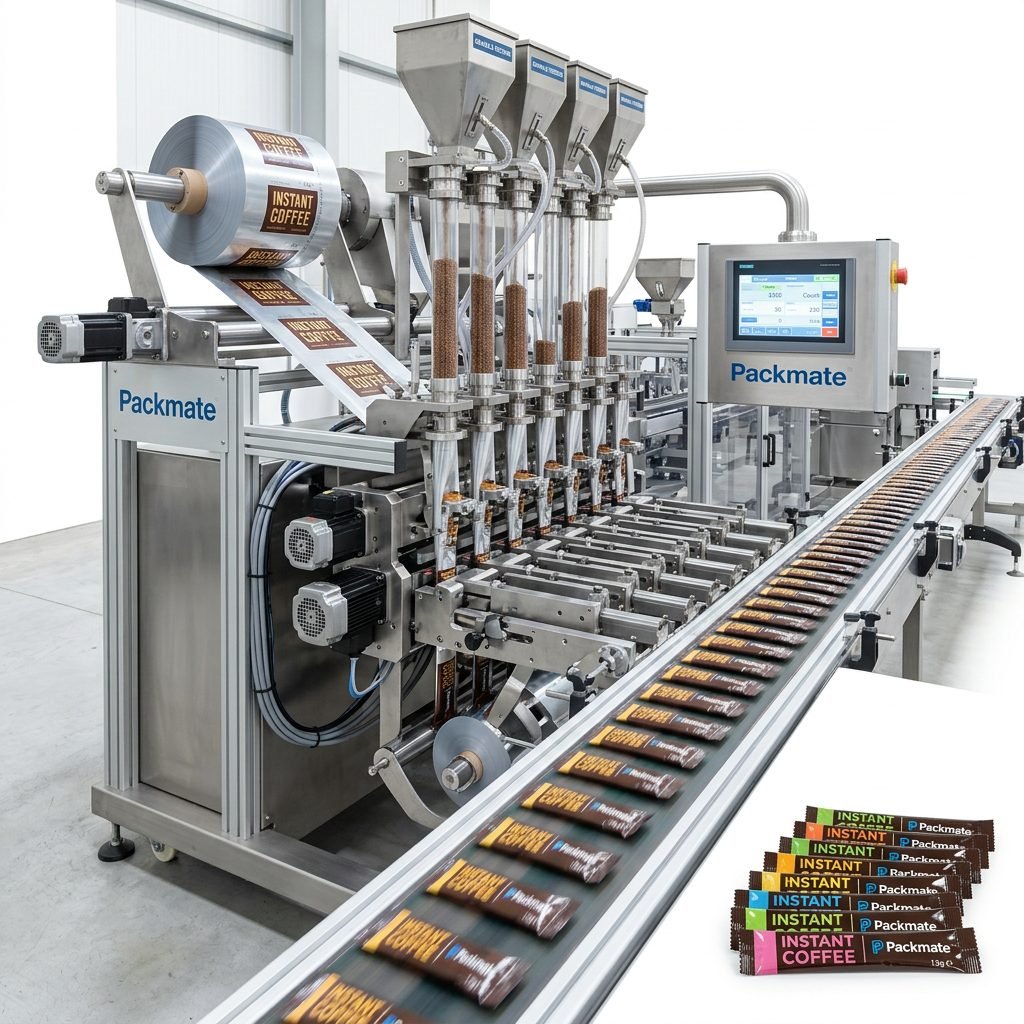
In the dynamic markets of China and across Asia, the demand for precise, hygienic, and efficient single-serve packaging is soaring, particularly in the food, pharmaceutical, and health product sectors. This trend is driven by urbanization, rising health consciousness, and a cultural appreciation for convenience and portability. The stick pack format has emerged as a dominant solution, perfectly aligning with these consumer behaviors. For manufacturers, selecting the right China stick pack packaging line is not just an operational decision but a strategic one that impacts brand perception, market agility, and ultimately, profitability.
The Strategic Importance of Stick Pack Packaging
Stick packs offer a unique blend of benefits that resonate strongly with modern consumers and producers alike. Their slim, elongated shape is space-efficient for storage and logistics, while the single-dose format ensures product freshness, reduces waste, and provides clear dosage control—a critical factor for pharmaceuticals and dietary supplements. For health-conscious consumers in China, who often carry supplements or powdered beverages throughout their busy days, the stick pack is a discreet and convenient companion. For businesses, this format allows for creative branding and sampling, making it an excellent tool for market entry and promotion.
Key Driver: The growth of e-commerce and direct-to-consumer sales models in Asia has further accelerated the need for robust, leak-proof, and visually appealing stick packs that can survive the rigors of shipping and arrive in perfect condition, ready to delight the end-user.
Core Components of a High-Performance Packaging Line
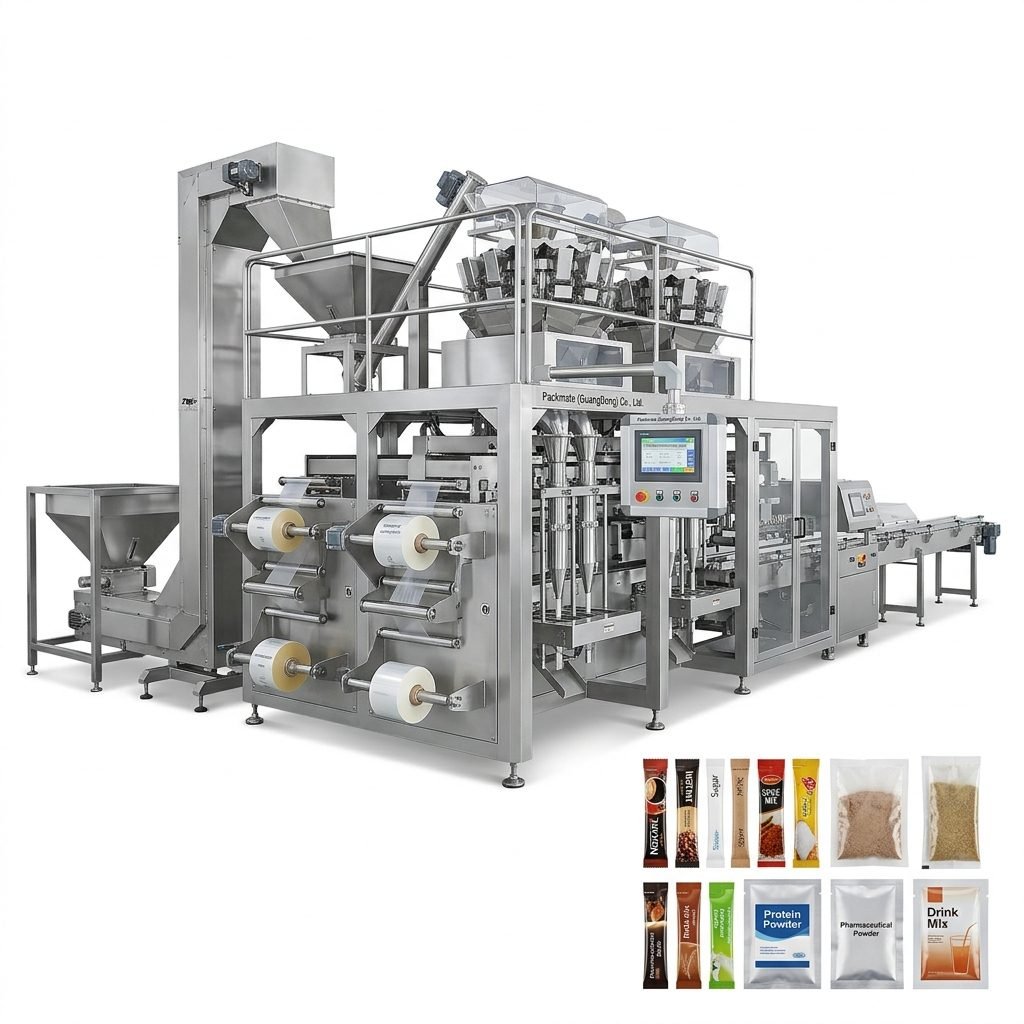
A complete stick pack packaging line is a symphony of integrated machinery, each component playing a vital role. Understanding these elements is crucial for making an informed investment.
1. The Feeding & Dosing System
This is the heart of precision. Whether handling fine powders, granules, viscous pastes, or liquids, the dosing system must be exceptionally accurate and consistent. Advanced volumetric or auger fillers are employed, often with touch-screen controls for easy recipe changeovers. For products prone to clumping, such as certain protein powders or instant drink mixes, integrated de-aeration and sifting mechanisms are essential.
2. The Form-Fill-Seal (FFS) Machine
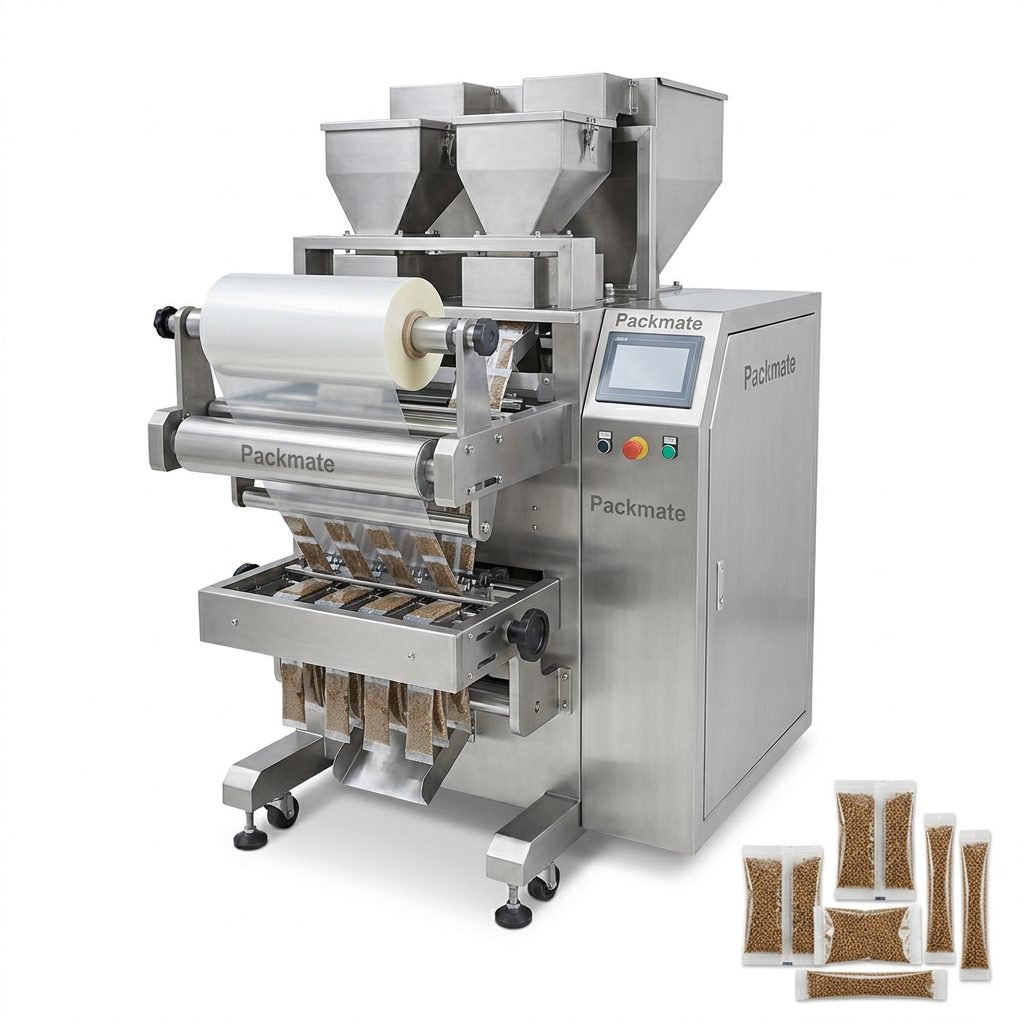
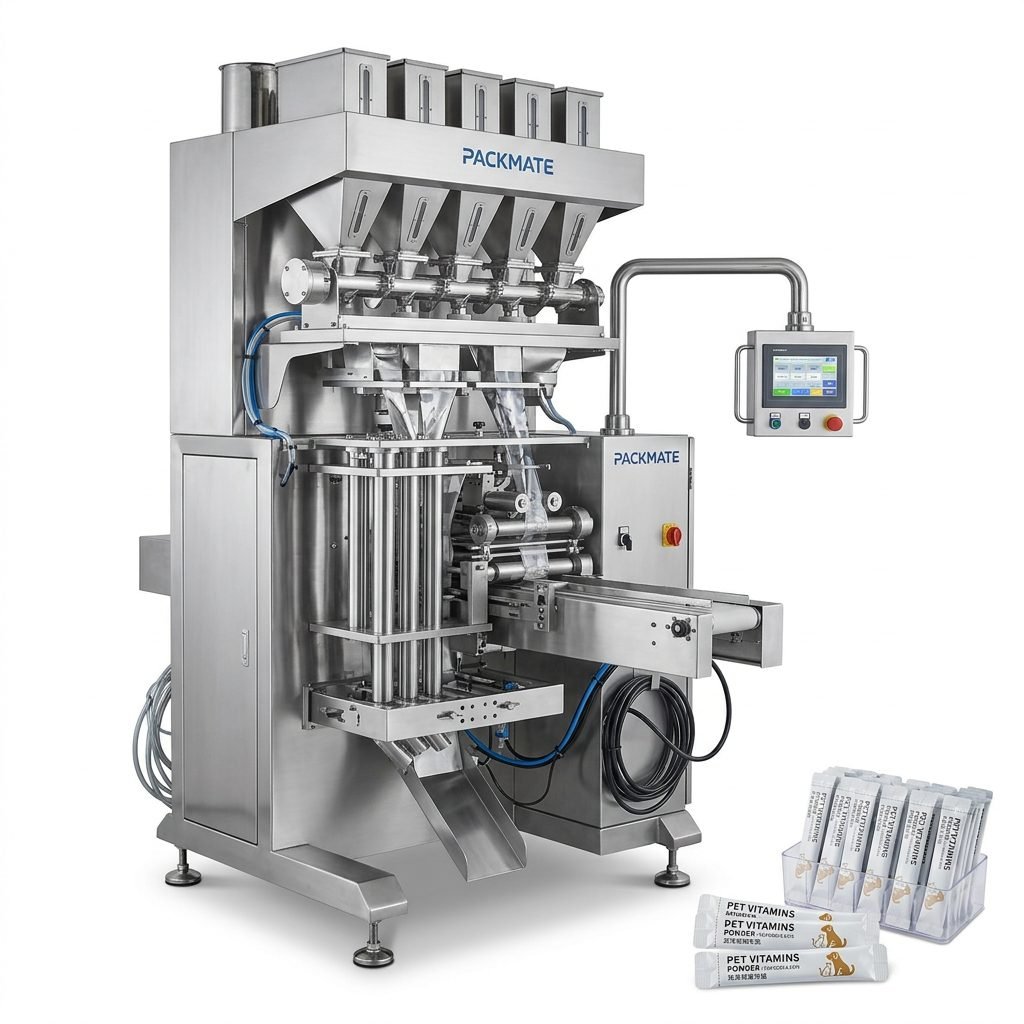
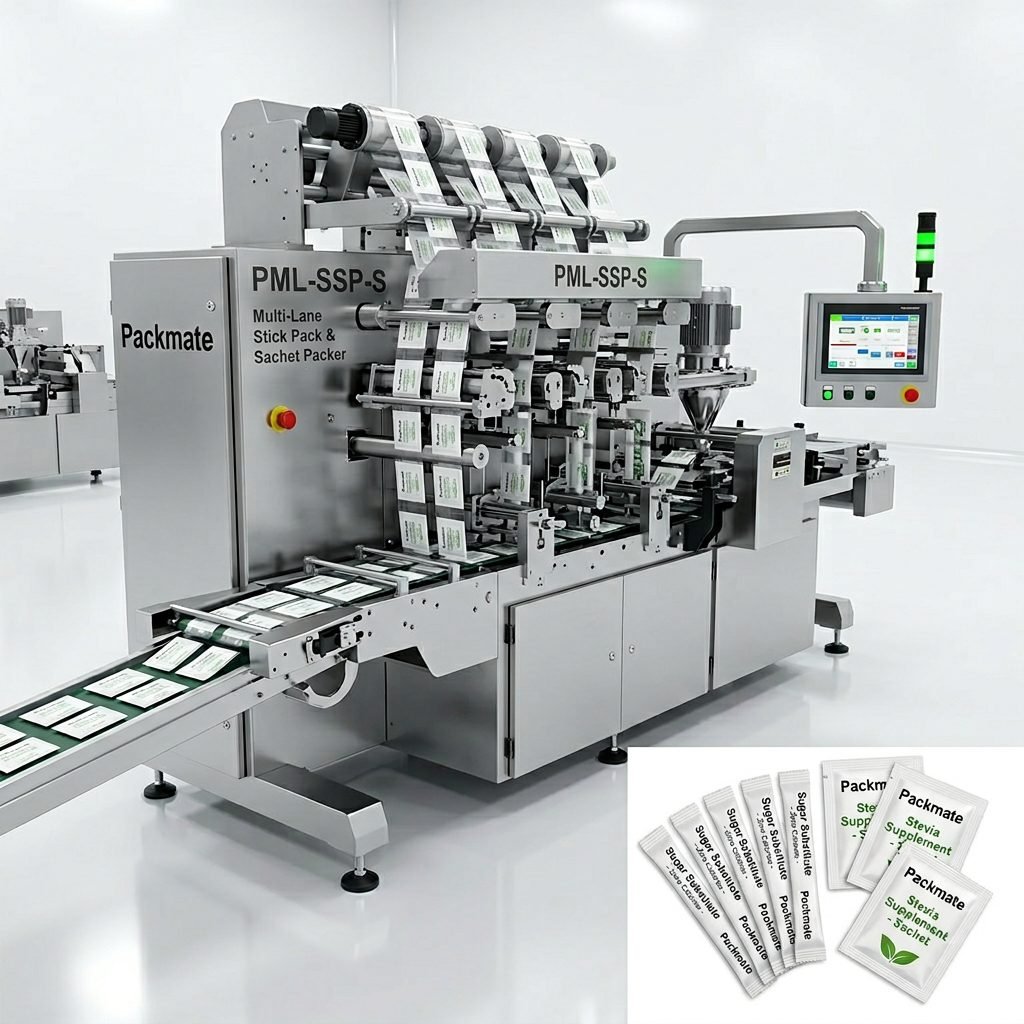
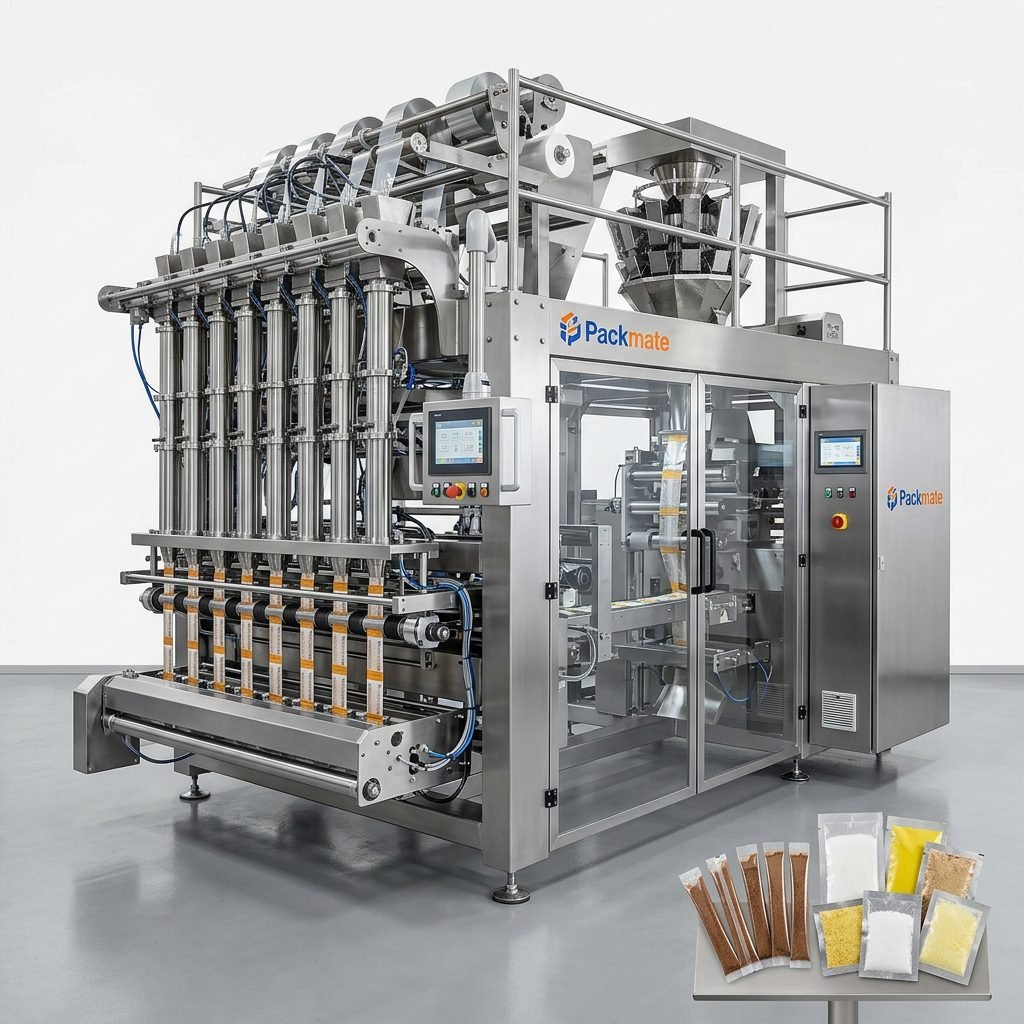
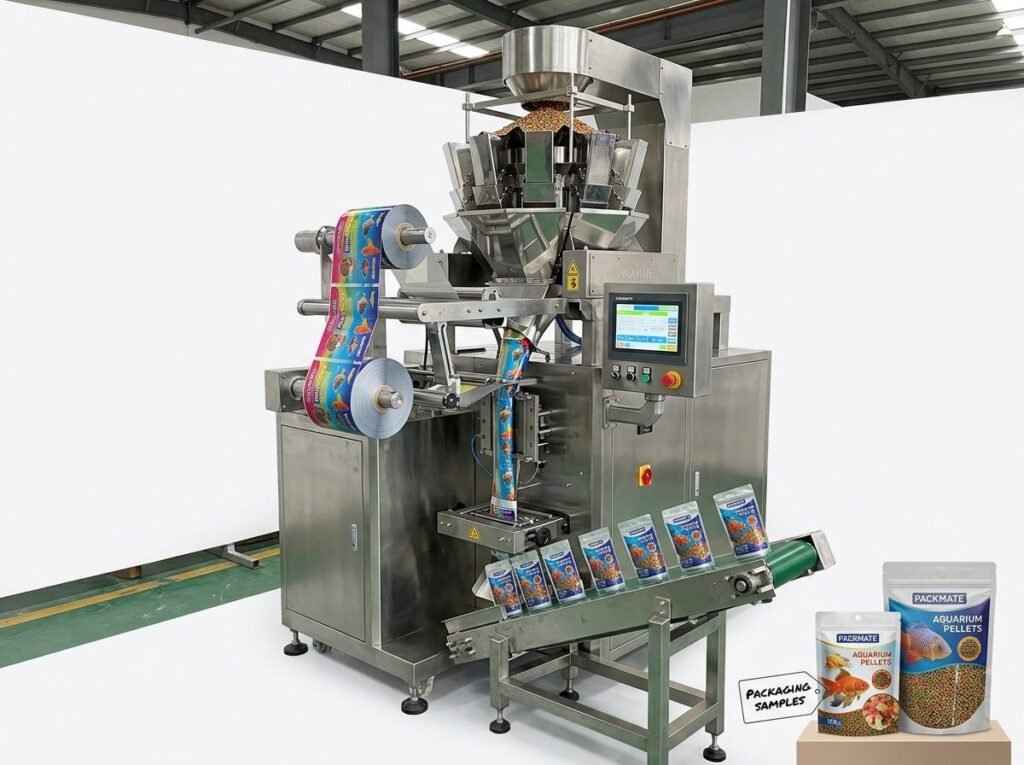
The FFS machine is the core where the packaging magic happens. It draws a roll of laminated film (discussed below), forms it into a tube, fills it with the precise dose of product, and then seals it vertically and horizontally to create the individual stick pack. Modern multi-lane FFS machines can produce 8, 10, or even more sticks simultaneously, dramatically boosting output. The sealing jaws must provide consistent heat and pressure to ensure hermetic seals that protect product integrity.
3. Packaging Material & Film Lamination
The film is the primary barrier between the product and the outside world. A typical structure for high-barrier stick packs might include layers of polyester (for strength and printability), aluminum foil (for light and oxygen barrier), and polyethylene (for heat sealing). The choice of laminate is critical and varies by product: moisture-sensitive pharmaceutical powders require different properties than oily food seasonings. Partnering with a solution provider like Packmate, which understands these material science nuances, is invaluable.
4. Secondary Packaging & Automation
After the primary stick packs are formed, they are typically collated, counted, and packaged into cartons, display boxes, or shipping cases. Automated cartoners, case packers, and palletizers streamline this process, reducing labor costs and minimizing human contact—a key hygiene requirement in pharmaceutical and food production. The level of automation should align with your production volume and long-term scalability goals.
Industry-Specific Application Solutions
For the Food & Beverage Industry
From instant coffee and tea to soup mixes, spices, and condiments, stick packs offer portion control and extended shelf life. Lines must handle a wide range of densities and flow characteristics. Easy-cleaning (CIP/SIP) designs and food-grade construction materials are non-negotiable. The ability to quickly switch between products is vital for manufacturers producing diverse SKUs. Explore our tailored packaging solutions designed for food-grade efficiency.
For the Pharmaceutical & Nutraceutical Industry
This sector demands the highest standards of accuracy, contamination control, and documentation. Packaging lines must be designed for easy validation and comply with stringent GMP guidelines. Features like stainless-steel contact parts, dust extraction systems, and in-line checkweighers to reject under/over-filled packs are essential. The integrity of the seal is paramount to ensure sterility and potency. Traceability, from raw material to finished pack, is increasingly important.
For the Health & Wellness Products Industry
Protein powders, electrolyte mixes, superfood blends, and collagen peptides are booming. These products often have challenging physical properties (e.g., clumping, static) and require packaging that maintains their nutritional value. Nitrogen gas flushing during the packaging process can be integrated to displace oxygen and prevent oxidation of sensitive ingredients, extending shelf life and preserving efficacy.
Why Partner with a Specialist Provider in China?
China has become a global hub for advanced manufacturing, offering a compelling combination of technological sophistication, supply chain efficiency, and cost-effectiveness. A specialist provider like Packmate (GuangDong) Co., Ltd. brings distinct advantages:
✓ Deep Application Knowledge: Over 22 years of experience focused on the food, pharma, and health sectors means they understand your specific challenges, not just machinery.
✓ Turnkey Project Management: From initial concept and factory layout planning to machine design, installation, training, and after-sales support, they manage the entire process, reducing complexity for you.
✓ Customization & Flexibility: Unlike off-the-shelf suppliers, specialists can modify standard machine designs to fit unique product characteristics or factory space constraints.
✓ Localized Support & Communication: With a strong operational base in Guangdong, within the Greater Bay Area, they offer responsive service and clear communication, which is critical for long-term operational success. Review their proven track record in our project case studies.
Future-Proofing Your Investment: Key Considerations
Selecting a packaging line is a significant capital expenditure. To ensure your investment remains viable for years to come, consider these factors:
- Scalability: Can the line speed be upgraded? Can additional lanes be added to the FFS machine to meet future demand?
- Flexibility: How quickly can changeovers between different products or pack sizes be performed? Quick-release mechanisms and recipe memory on HMI screens are key.
- Connectivity & Data: Industry 4.0 readiness is crucial. Machines should offer OPC-UA or similar protocols for integration into Plant Management Systems (MES), providing real-time data on OEE, output, and downtime for continuous improvement.
- Sustainability: Consider the environmental impact. Can the line handle recyclable or mono-material film structures as they become commercially viable? Efficient use of energy and materials should be a design priority.
Frequently Asked Questions (FAQs)
1. What is the typical output speed of a multi-lane stick pack line?
Output varies based on the number of lanes, product characteristics, and pack size. A standard 8-lane line can typically produce between 400 and 800 stick packs per minute. High-speed 10 or 12-lane configurations can exceed 1000 packs per minute. The exact speed for your product should be determined through factory trials.
2. How do you ensure dosing accuracy for difficult-to-handle powders?
For cohesive or aerated powders, specialized dosing systems with de-aeration funnels, vibrating mechanisms, and precision servo-driven augers are used. The entire system is calibrated for your specific product’s bulk density and flowability during the testing phase to guarantee consistent fill weight within a very tight tolerance (e.g., ±1%).
3. What film materials are recommended for oxygen-sensitive health products?
For maximum oxygen barrier, a laminate containing a layer of aluminum foil (e.g., PET/AL/PE) is the gold standard. For products where metal detection is needed or a more sustainable image is desired, high-barrier metallized films or transparent EVOH-based structures can be used, though with a slightly higher oxygen transmission rate.
4. Can one line package both powder and liquid products?
While some core machinery principles are similar, powder and liquid filling systems are fundamentally different. A line is usually optimized for one state. However, some providers offer modular designs where the feeding/dosing module can be swapped or reconfigured for a different product type, offering greater long-term flexibility for your factory.
5. What kind of after-sales support and training can we expect?
A reputable provider will offer comprehensive support including detailed installation supervision, on-site operator and maintenance technician training, a library of manuals and videos, and a readily available supply of spare parts. Remote diagnostic support via internet connection is now a common and valuable service, enabling quick troubleshooting and minimizing downtime.