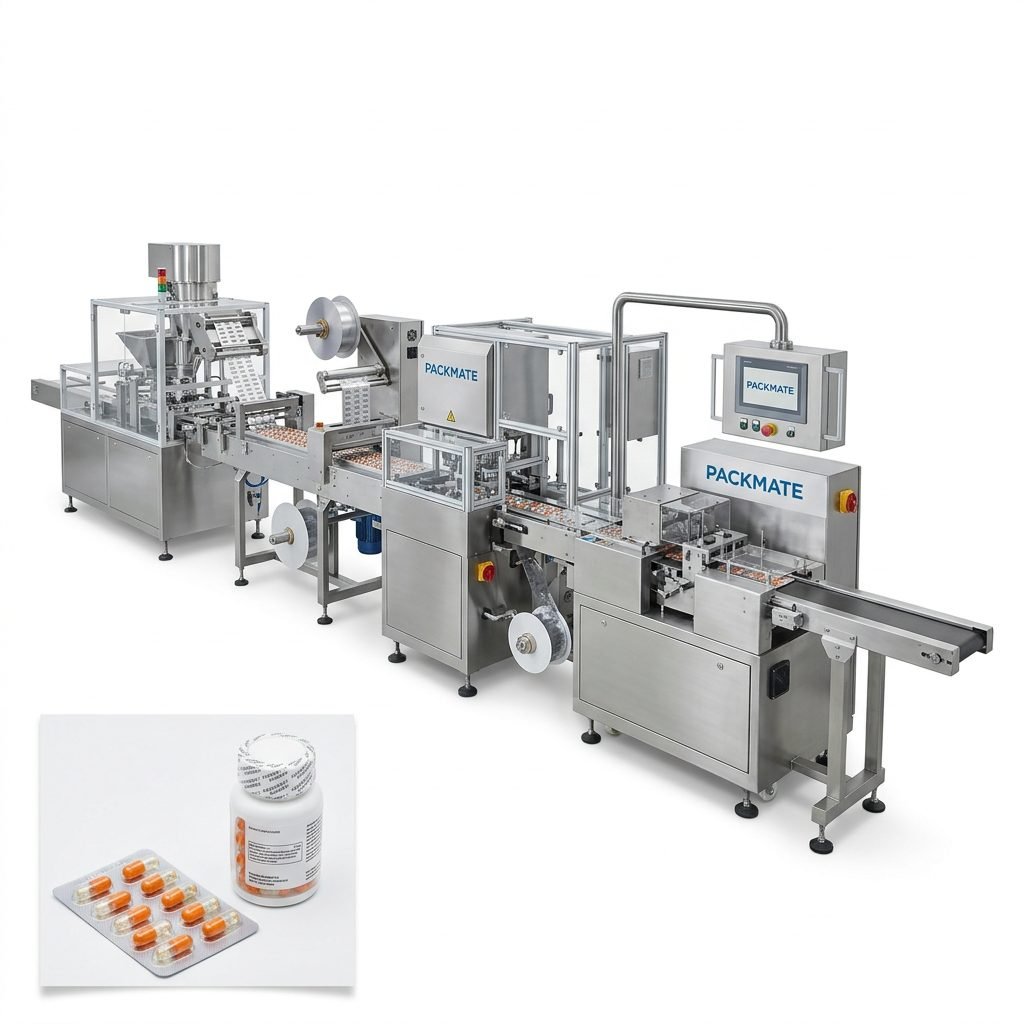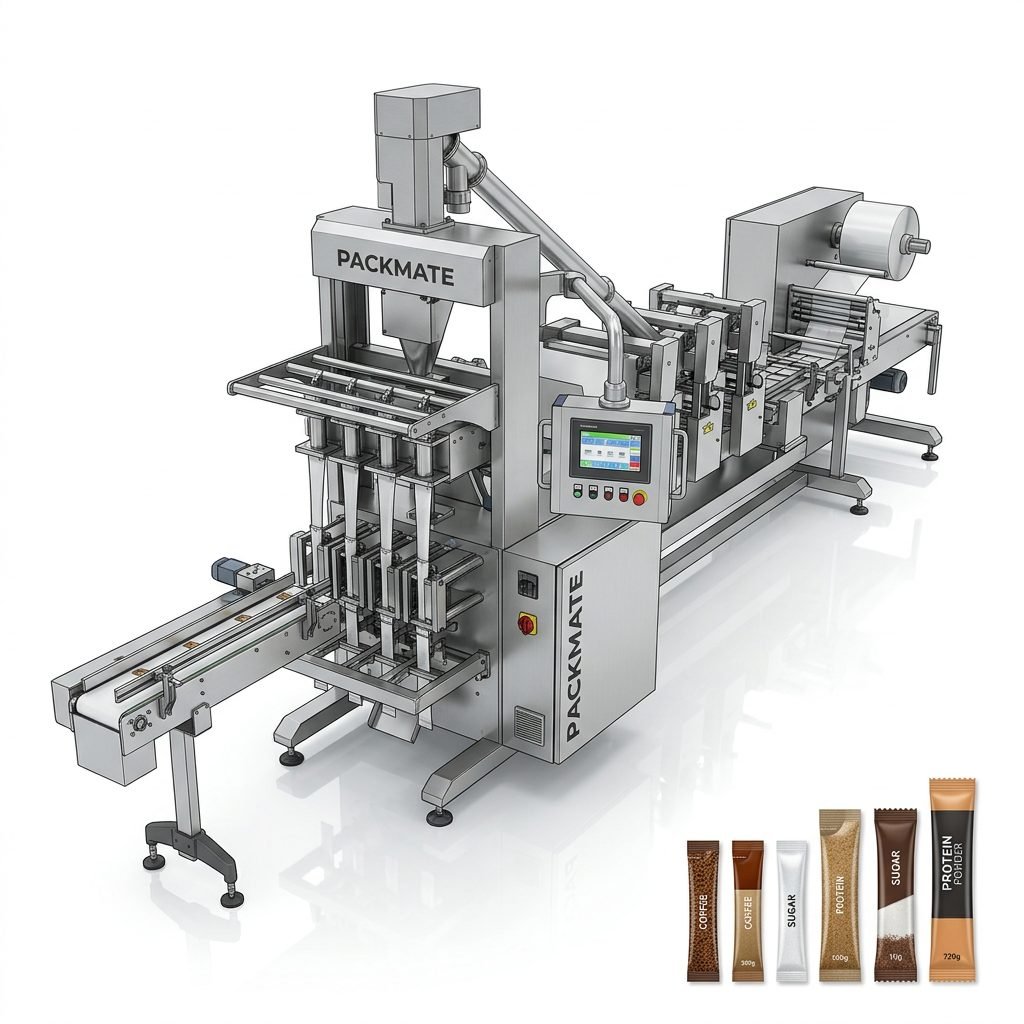
In the fast-paced world of modern manufacturing, efficiency is the cornerstone of profitability and competitiveness. One of the most transformative technologies driving this efficiency in packaging operations is the robotic palletizer. These automated systems have evolved from simple stacking machines to sophisticated, intelligent solutions that streamline the final stage of the packaging line. This guide delves into how automated palletizing systems work, their key benefits, and the critical role they play in enhancing overall packaging line efficiency.
The Evolution from Manual to Automated Palletizing
Traditionally, palletizing—the process of stacking and arranging products on a pallet for storage or shipment—was a labor-intensive, physically demanding, and repetitive task. Workers faced risks of injury, fatigue, and inconsistency, leading to unstable loads, product damage, and slower throughput. The advent of robotic palletizers marked a paradigm shift. These systems, equipped with advanced end-of-arm tooling (EOAT) and guided by precise programming, can handle a vast array of box sizes, weights, and patterns with unwavering accuracy and speed.
Core Function: At its heart, a robotic palletizer is designed to pick products from an incoming conveyor, orient them correctly, and place them onto a pallet in a pre-defined, stable pattern. This is managed by a central control system that integrates seamlessly with upstream packaging machinery, such as case erectors, carton sealers, and complete packaging line solutions.
Key Components of an Automated Palletizing System
Understanding the system’s anatomy clarifies its efficiency gains:
- Robotic Arm: The workhorse, typically an articulated or gantry-style robot, provides the range of motion and payload capacity.
- End-Effector (EOAT): Custom grippers, vacuum heads, or mechanical clamps designed to securely handle specific products without damage.
- Infeed Conveyor: Delivers products to the pick-up point at a controlled rate.
- Pallet Handling System: Automatically supplies empty pallets and removes full ones, often using conveyors or automatic guided vehicles (AGVs).
- Safety Enclosures & Sensors: Critical for protecting personnel and ensuring safe operation through light curtains and area scanners.
- Programmable Logic Controller (PLC): The brain that coordinates all components, manages pattern logic, and communicates with the wider factory network.
How Robotic Palletizers Supercharge Packaging Line Efficiency
The integration of an automated palletizing system creates a ripple effect of improvements across the entire packaging operation.
1. Dramatic Increase in Throughput and Speed
Robots operate continuously at high speeds, unaffected by breaks, shift changes, or fatigue. They can achieve cycle rates far beyond human capability, creating a consistent flow that matches or exceeds the output of upstream packaging machines. This eliminates bottlenecks at the end of the line, allowing the entire packaging line to run at its optimal designed capacity.
2. Unmatched Consistency and Load Stability
Every pallet is built to an identical, pre-engineered pattern. This precision minimizes product damage from shifting or improper handling and ensures maximum stability for safe transport and storage. Consistent, square loads also optimize space utilization in warehouses and shipping containers.
3. Significant Reduction in Labor Costs and Injury Risk
Automating the palletizing station reallocates human workers to more value-added, supervisory, or technical roles. It directly reduces the costs associated with manual labor, including wages, benefits, and turnover. Most importantly, it virtually eliminates the risk of musculoskeletal disorders (MSDs) like back injuries and strains, which are common in manual palletizing, creating a safer work environment.
4. Enhanced Flexibility and Quick Changeover
Modern robotic systems are highly flexible. With quick-change EOAT and pre-programmed recipes for different products or pallet patterns, changeover times can be reduced from hours to minutes. This is invaluable for manufacturers running multiple SKUs or short production batches, allowing for agile responses to market demands. Companies like Packmate (GuangDong) Co., Ltd. design their integrated solutions with this flexibility in mind.
5. Optimized Floor Space Utilization
Robotic cells can be configured in compact layouts, including high-rise palletizing where multiple pallets are built in layers. This vertical integration saves valuable factory floor space compared to sprawling manual palletizing areas, freeing up room for additional production or storage.
6. Improved Data Collection and Traceability
As a connected node in Industry 4.0, a robotic palletizer generates valuable data. It can log production counts, track pallet IDs, record downtime events, and monitor its own performance for predictive maintenance. This data is crucial for overall equipment effectiveness (OEE) calculations and provides traceability from production to shipment.
Integration: The Key to Maximizing Efficiency Gains
The true power of a robotic palletizer is unlocked when it is not a standalone island but an integrated component of a synchronized packaging line. Seamless communication between the palletizer, case packers, labelers, and warehouse management systems (WMS) creates a cohesive, end-to-end automated flow. This level of integration is the specialty of providers offering turnkey packaging solutions, where every machine is selected and programmed to work in perfect harmony.
For instance, in the food and pharmaceutical industries—where Packmate has deep expertise—integration ensures hygienic handling, minimizes touchpoints, and maintains the integrity of sensitive products from filling all the way to the pallet. Viewing real-world application cases can provide concrete examples of these efficiency gains in action.
Conclusion: A Strategic Investment for Future-Proof Operations
Implementing a robotic palletizer is more than a simple equipment purchase; it is a strategic investment in the future resilience and competitiveness of a manufacturing operation. The direct benefits of increased speed, reduced labor costs, and improved safety deliver a compelling return on investment (ROI). Indirectly, the gains in consistency, flexibility, and data intelligence build a stronger, more adaptable, and more efficient packaging ecosystem.
As global supply chains demand faster, more reliable, and more cost-effective operations, automating the palletizing process is no longer a luxury but a necessity for businesses aiming to scale and thrive. By partnering with an experienced provider who understands the nuances of line integration, manufacturers can ensure their robotic palletizing solution becomes a powerful engine for sustained efficiency growth.
Frequently Asked Questions (FAQs)
1. What types of products can a robotic palletizer handle?
Robotic palletizers are incredibly versatile. They can handle a wide range of items including cardboard cases, bags, pails, drums, trays, and shrink-wrapped bundles. The key is customizing the End-of-Arm Tooling (EOAT)—like vacuum grippers, mechanical clamps, or specialized forks—to suit the product’s size, weight, and surface characteristics.
2. How do I justify the ROI for a robotic palletizer?
Justification typically involves calculating savings from reduced direct labor, lower injury/compensation costs, decreased product damage, and increased throughput. The ROI period can often be under two years. A detailed analysis should also consider intangible benefits like improved flexibility, better data, and enhanced competitiveness. For a detailed breakdown, consulting the FAQs section of an expert provider is recommended.
3. Can one robot handle multiple packaging lines or patterns?
Yes, this is a major advantage. A single robot can often service multiple infeed conveyors from different lines. Through advanced software and quick-change EOAT, it can also switch between different product types and pallet patterns automatically, making it ideal for facilities with high product variety.
4. What are the main safety considerations?
Safety is paramount. Robotic palletizer cells must be equipped with physical guarding, safety-rated light curtains, or area scanners to prevent personnel from entering the operating zone while the robot is active. Proper risk assessment (e.g., ISO 10218) and employee training on safe interaction and lockout/tagout procedures are essential.
5. How does a robotic palletizer integrate with my existing packaging line?
Integration is achieved through a central PLC or line controller that communicates with all machines. Standard industrial communication protocols (like Ethernet/IP, Profinet, Modbus TCP) allow the palletizer to receive signals from upstream equipment (e.g., “case ready”) and coordinate its movements. Working with a supplier experienced in system integration services ensures a smooth, synchronized installation.