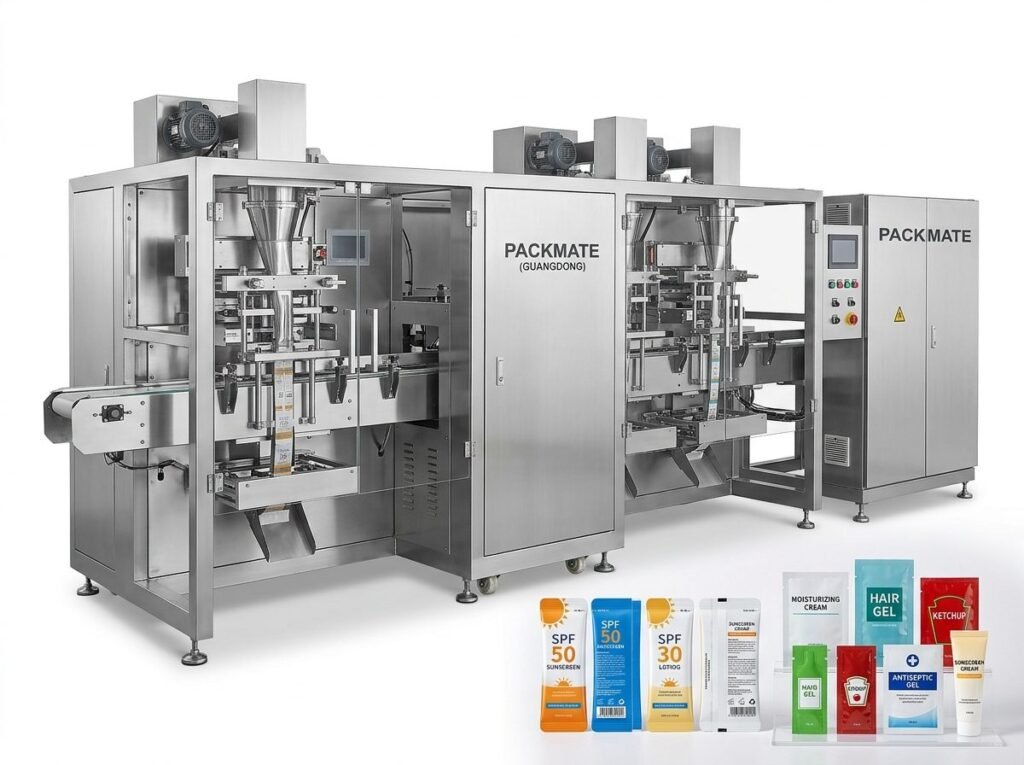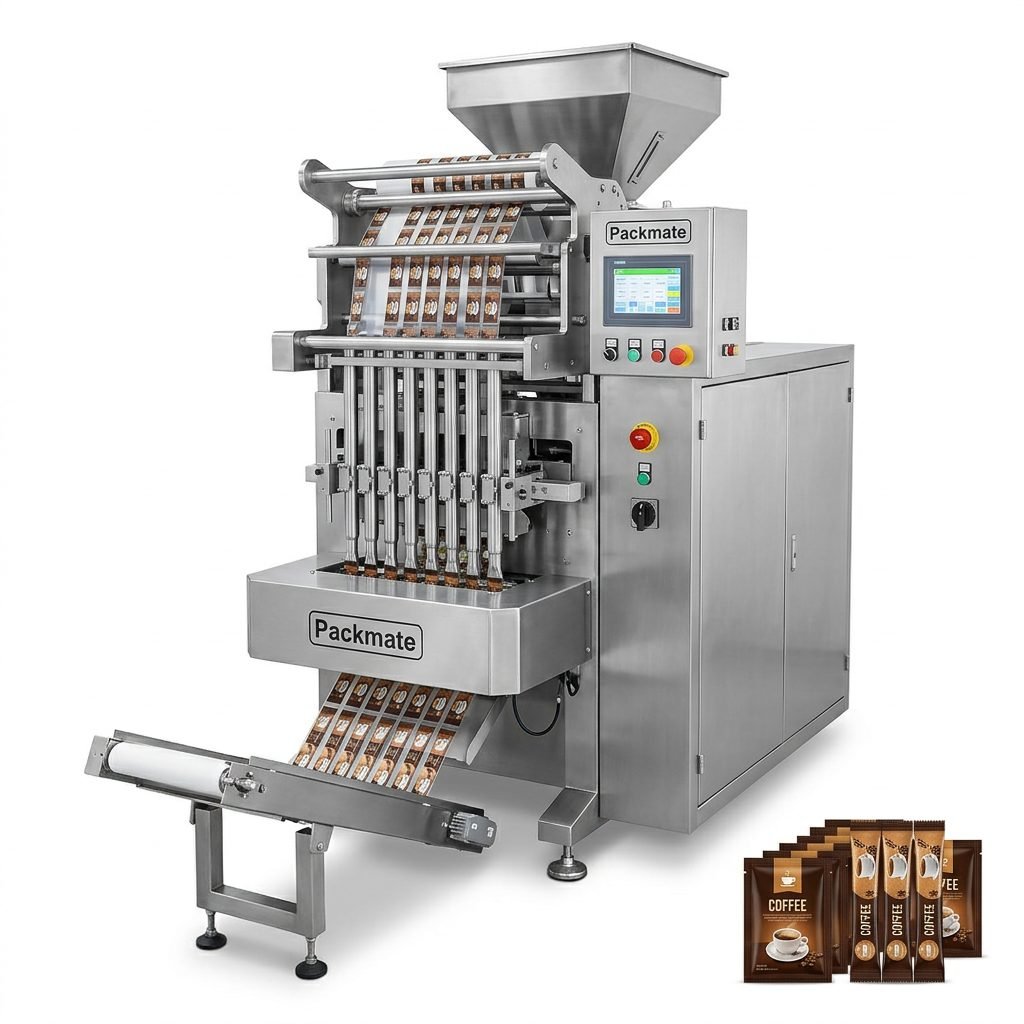
The landscape of packaging line automation is undergoing a profound transformation, driven by the relentless pursuit of efficiency, safety, and flexibility. For industries where precision and hygiene are non-negotiable—namely food and pharmaceuticals—these advancements are not merely incremental improvements but fundamental shifts in production philosophy. The latest trends and innovations are converging to create smarter, more integrated, and highly adaptable turnkey solutions that promise to redefine operational benchmarks.
The Rise of Integrated Turnkey Solutions
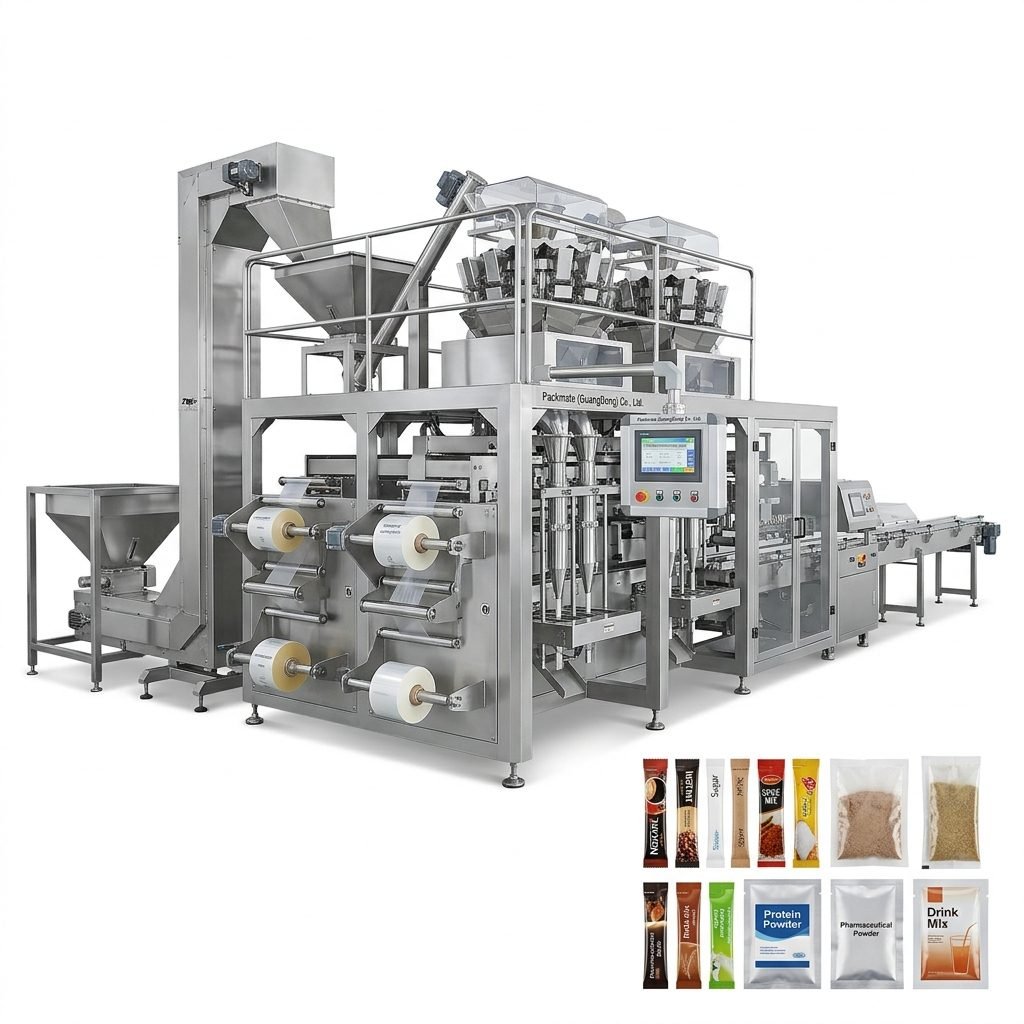
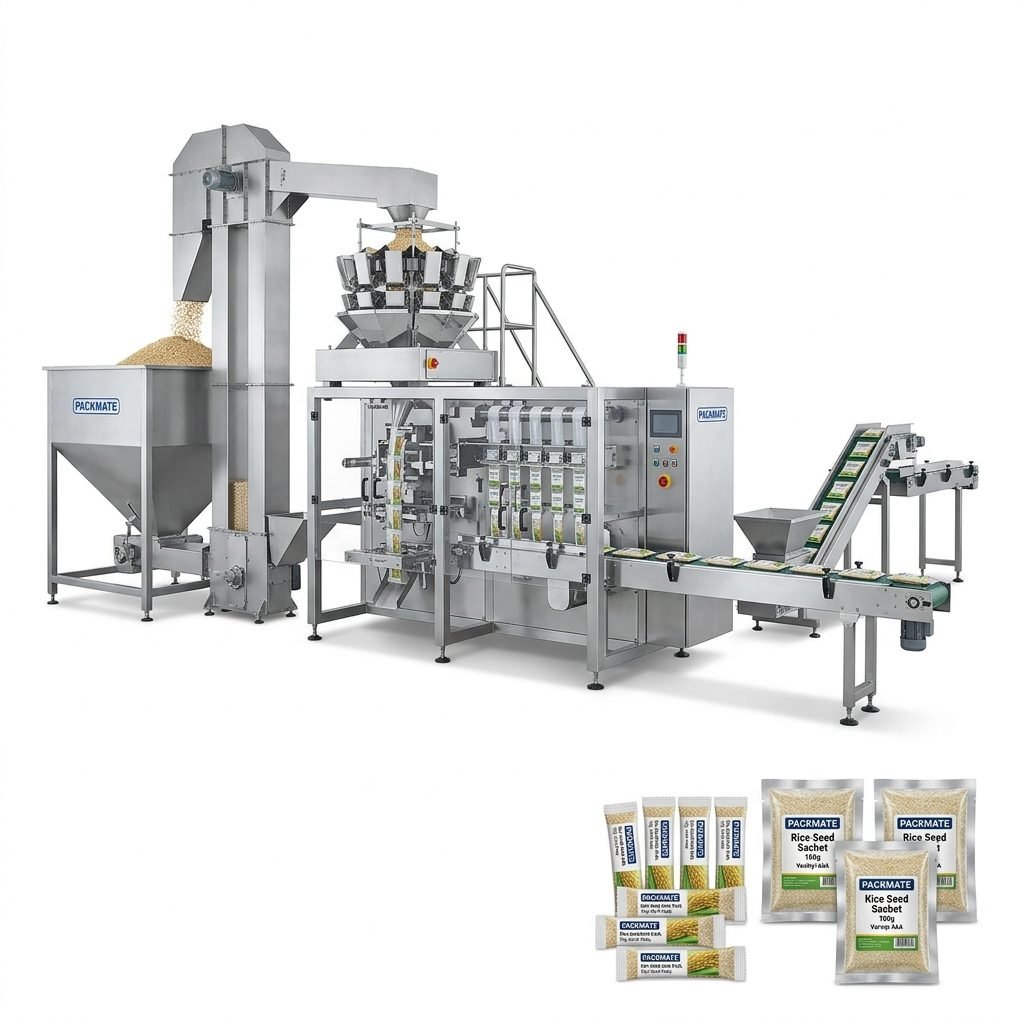
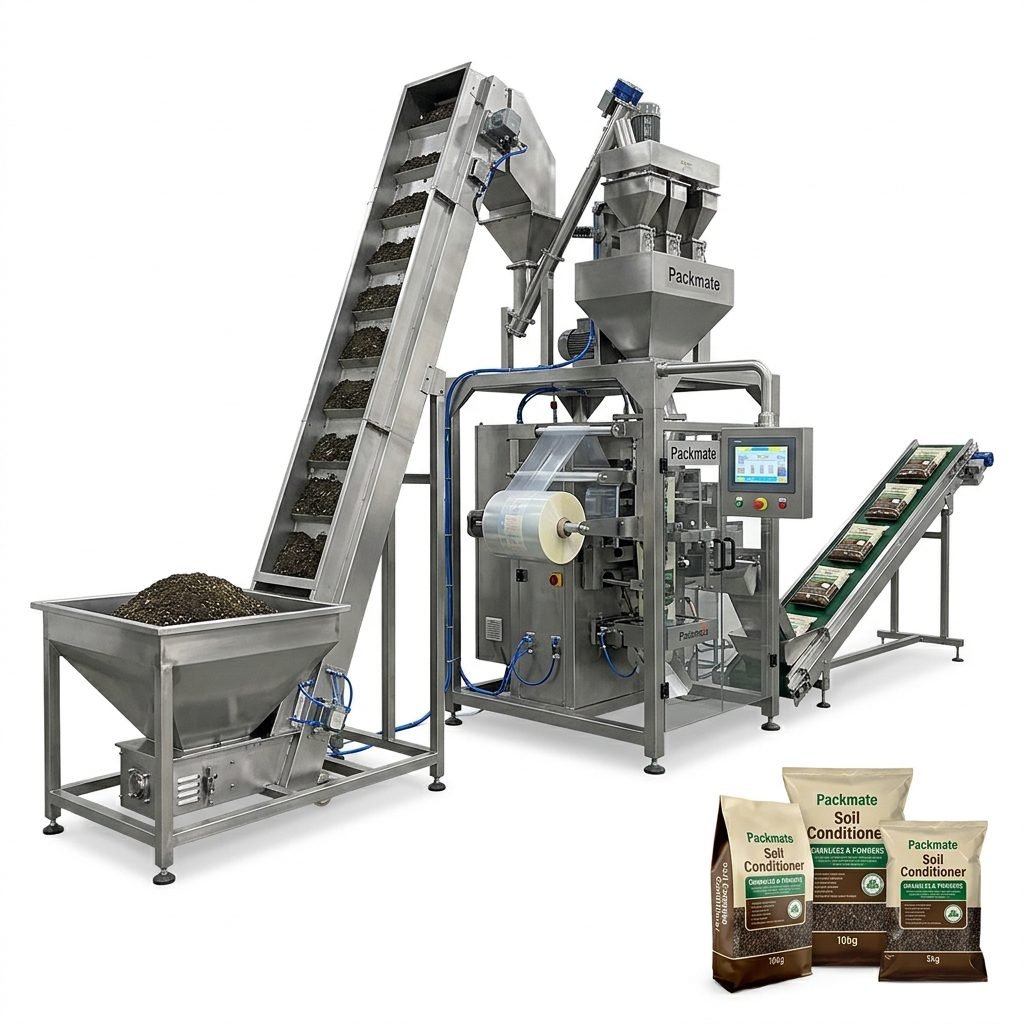
Gone are the days of piecing together disparate machines from various vendors. The modern paradigm, championed by forward-thinking providers like Packmate (GuangDong) Co., Ltd., is the fully integrated turnkey packaging line. This approach delivers a seamless, synchronized system from product infeed to palletizing, all controlled by a unified intelligence. The benefits are multifaceted:
- Reduced Integration Headaches: A single point of responsibility for design, installation, and commissioning.
- Optimized Performance: Machines are engineered to work in perfect harmony, maximizing Overall Equipment Effectiveness (OEE).
- Future-Proof Scalability: Systems are designed with modularity in mind, allowing for easy capacity expansion or format changes.
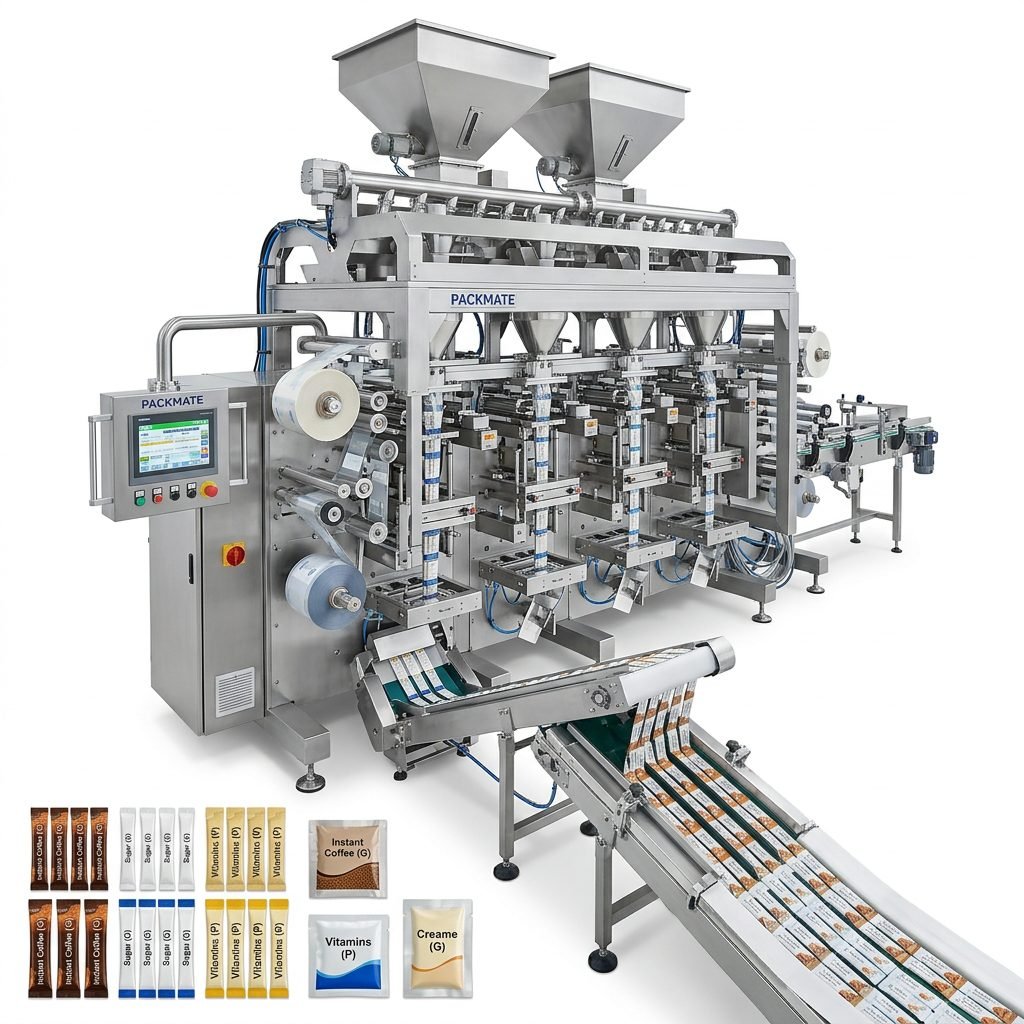
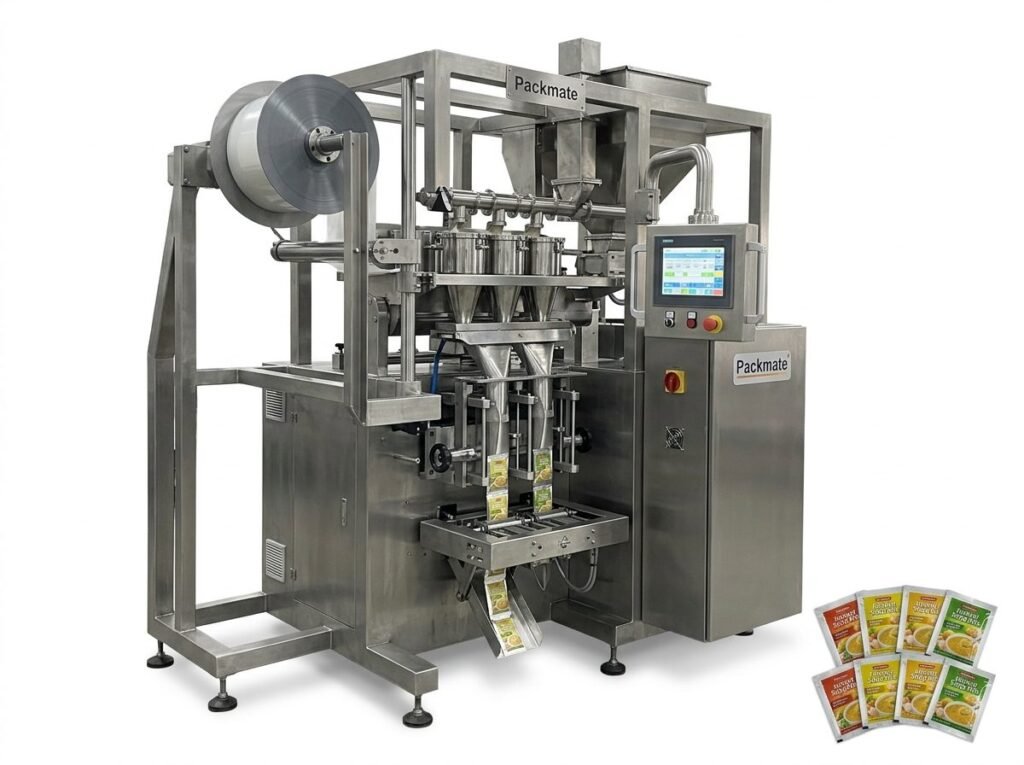
Exploring a provider’s portfolio of solutions is crucial to understanding the depth of integration possible for specific applications, from high-speed stick packs to large-volume bagging.
Key Innovation #1: AI-Powered Vision Inspection & Quality Control
Artificial Intelligence has moved from the laboratory to the production floor, becoming a cornerstone of modern automation. AI-driven vision systems now perform real-time, ultra-high-resolution inspections at speeds impossible for human operators. In the pharma sector, this means 100% verification of blister pack completeness, label accuracy, and leaflet insertion. For food producers, it ensures every package is sealed perfectly, free of contaminants, and has correct labeling, drastically reducing recall risks. This shift from statistical sampling to total inspection represents a quantum leap in quality assurance.
Key Innovation #2: The Industrial Internet of Things (IIoT) and Predictive Analytics
Connectivity is king. Modern packaging lines are embedded with a multitude of sensors that feed data into a central IIoT platform. This creates a “digital twin” of the physical line, enabling:
- Real-Time Monitoring: Supervisors can track production speed, yield, and downtime from any device.
- Predictive Maintenance: Algorithms analyze vibration, temperature, and power consumption data to forecast component failures before they cause unplanned stops, scheduling maintenance during planned downtime.
- Data-Driven Optimization: Continuous analysis of operational data reveals hidden bottlenecks and opportunities for fine-tuning, pushing efficiency ever higher.
Adapting to Market Demands: Flexibility and Sustainability
Consumer trends are forcing rapid change. The demand for smaller batch sizes, personalized packaging, and sustainable materials requires unprecedented line flexibility. Innovations here include:
- Quick-Changeover (QCO) Mechanisms: Tool-less changeovers that can switch packaging formats in minutes instead of hours, enabling economical small-batch production.
- Adaptable Robotics: Collaborative robots (cobots) that can be easily reprogrammed for different tasks, from pick-and-place to case packing, working safely alongside humans.
- Sustainable Material Handling: Advanced sealing technologies that work reliably with compostable or recyclable films, and precision dosing systems that minimize product waste.
Reviewing real-world application cases can provide tangible insights into how these flexible systems solve specific production challenges.
Pharma’s Unique Imperative: Compliance and Aseptic Processing
Automation in pharmaceuticals is heavily governed by stringent regulations like cGMP and FDA 21 CFR Part 11. Innovations are thus dual-focused: enhancing efficiency while ensuring uncompromising compliance. Key developments include:
- Advanced Aseptic Fillers: Isolator and Restricted Access Barrier System (RABS) technologies integrated with automated filling lines to maintain sterile environments.
- Serialization & Aggregation: Fully automated systems that print, verify, and track unique serial codes on every saleable unit, bundle, and case to combat counterfeiting and meet global traceability mandates.
- Data Integrity by Design: Automation software with built-in audit trails, electronic signatures, and access controls to ensure data is complete, consistent, and secure.
Food Industry Focus: Hygiene, Speed, and Versatility
Food packaging automation must balance high-speed throughput with rigorous hygiene standards (e.g., EHEDG, USDA). Current trends emphasize:
- Hygienic Design: Machines with smooth, crevice-free surfaces, easy-clean access, and CIP (Clean-in-Place) capabilities to prevent bacterial harborage points.
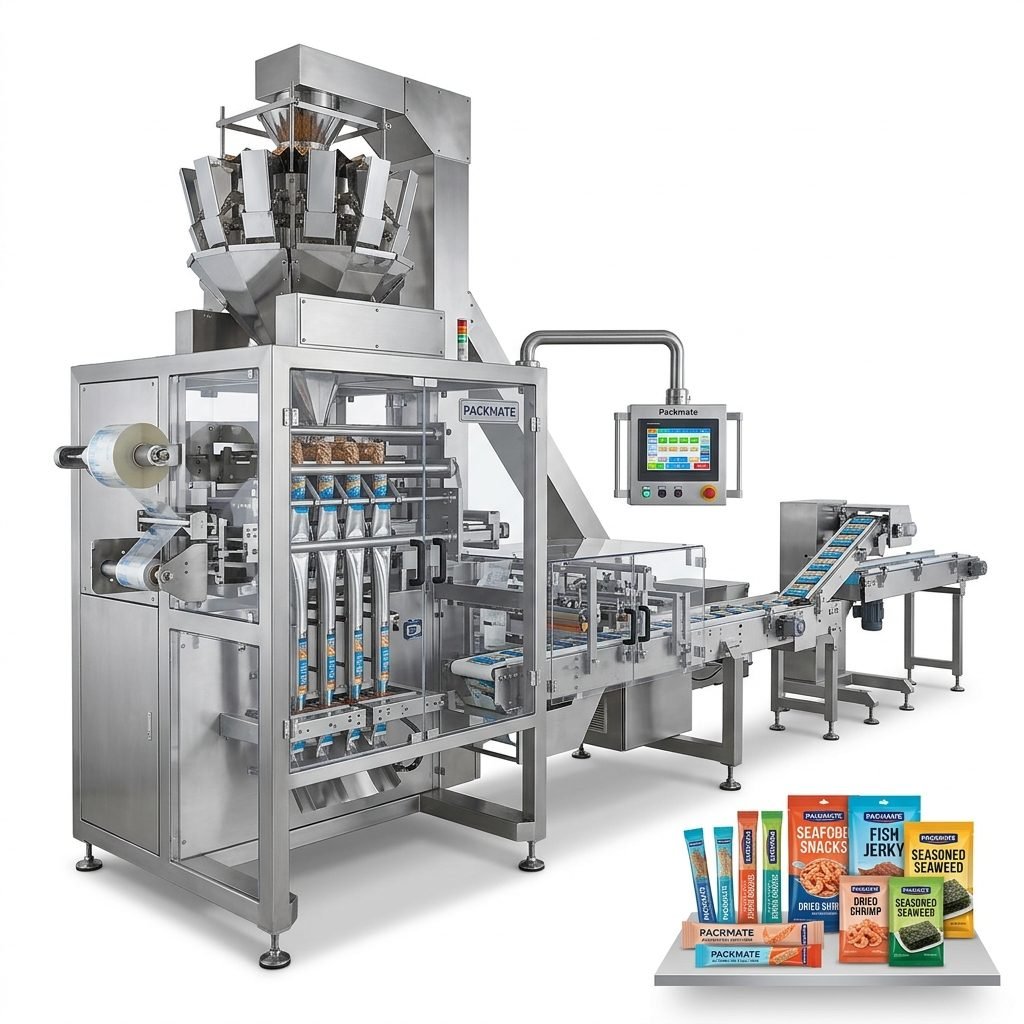
- Ultra-High-Speed Packaging: For products like snacks and confectionery, multi-lane stick pack and vertical form-fill-seal (VFFS) machines are pushing speeds to new limits, often exceeding 1,000 packs per minute per line.
- Liquid & Viscous Product Handling: Precision volumetric or weight-based filling systems for sauces, dressings, and dairy products that maintain accuracy at high speeds and handle challenging viscosities.
Partnering with an experienced provider is key to navigating these complex requirements. A company’s commitment is often reflected in its industry certifications and standards compliance.
The Path Forward: Implementing Your Automated Solution
Adopting a new automated packaging line is a significant investment. A successful project follows a strategic path: Assessment > Design > Build > Implement > Support. Leading suppliers act as true partners throughout this journey. They begin with a deep analysis of your current process, product characteristics, and growth goals. The design phase leverages 3D simulations and line layout software. The build occurs in a controlled factory environment, followed by comprehensive Factory Acceptance Testing (FAT) where clients can witness their line in operation before shipment. Finally, expert installation, training, and ongoing technical support and service ensure a smooth transition and long-term reliability.
The future of packaging line automation is intelligent, connected, and agile. By embracing the latest trends in AI, IIoT, and flexible design, food and pharma manufacturers can achieve new levels of productivity, quality, and compliance. The move towards integrated turnkey solutions simplifies this technological adoption, offering a clear path to a more competitive and resilient operation.
Frequently Asked Questions (FAQs)
What are the primary benefits of a turnkey packaging line versus assembling individual machines?
A turnkey solution offers a single-source responsibility for the entire system, ensuring seamless integration, optimized performance, and reduced project risk. It eliminates compatibility issues between different vendors’ equipment and provides a unified warranty and support structure, leading to faster commissioning and higher overall line efficiency.
How does AI actually improve quality control on a packaging line?
AI-powered vision systems use deep learning algorithms to perform real-time, pixel-level inspection of every package. They can detect defects—like incorrect labels, missing pills in blisters, imperfect seals, or foreign particles—with superhuman accuracy and consistency at high speeds, moving quality control from statistical sampling to guaranteed 100% inspection.
Can automated packaging lines handle the shift towards sustainable or biodegradable packaging materials?
Yes, modern lines are increasingly designed for material versatility. Innovations include precise temperature-controlled sealing jaws for heat-sensitive bio-films, advanced tension control systems for handling less rigid materials, and specialized forming shoulders to ensure reliable operation with compostable or recyclable laminates.
What is predictive maintenance, and how does it reduce downtime?
Predictive maintenance uses sensors and IIoT data analytics to monitor the health of line components (e.g., motors, bearings). By analyzing trends in vibration, temperature, and current draw, the system can predict a failure days or weeks before it happens. This allows maintenance to be scheduled during planned downtime, preventing costly unplanned production stops.
How important is hygienic design for food and pharmaceutical packaging automation?
It is absolutely critical. Hygienic design principles involve using smooth, easy-to-clean materials (like stainless steel), eliminating crevices where product or bacteria can accumulate, and designing for easy access for cleaning and inspection. This is fundamental for preventing contamination, ensuring product safety, and complying with strict industry regulations (e.g., FDA, cGMP). For more detailed answers, visit our dedicated FAQs page.