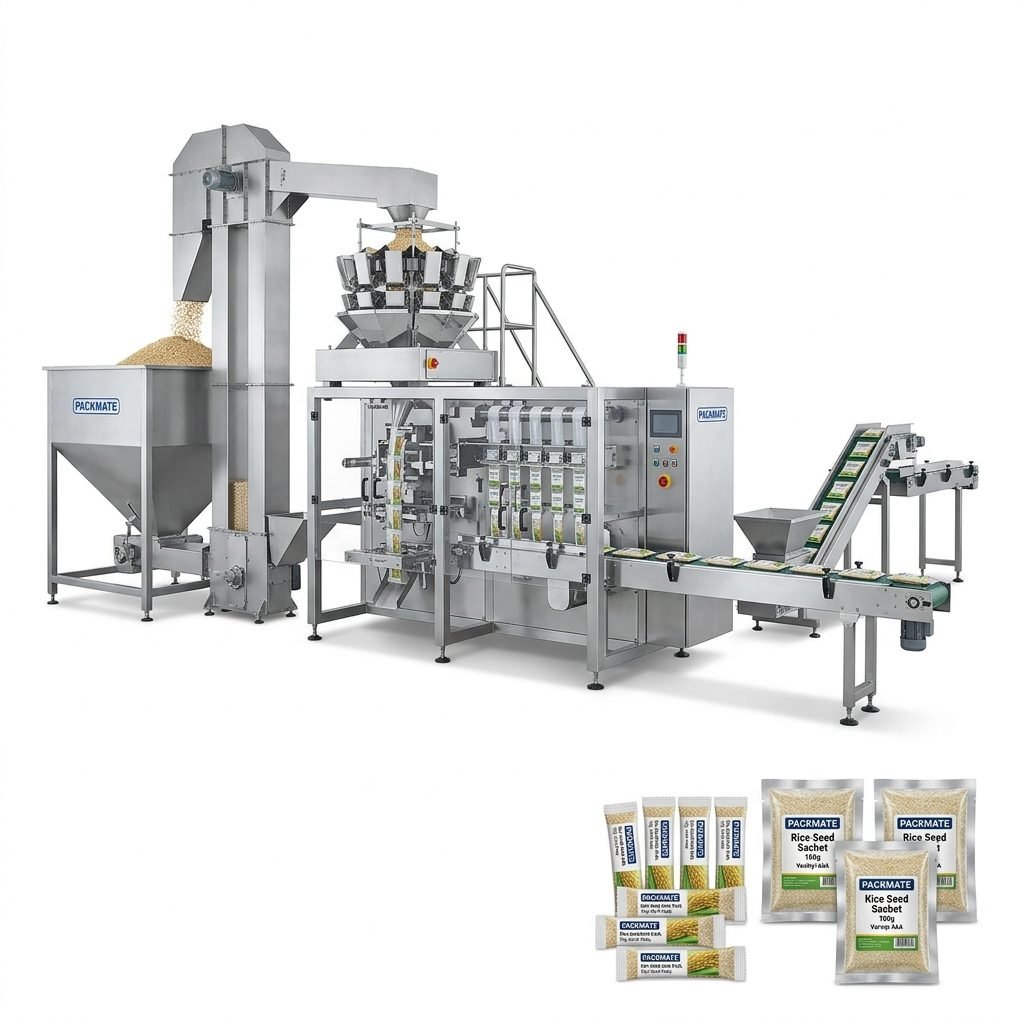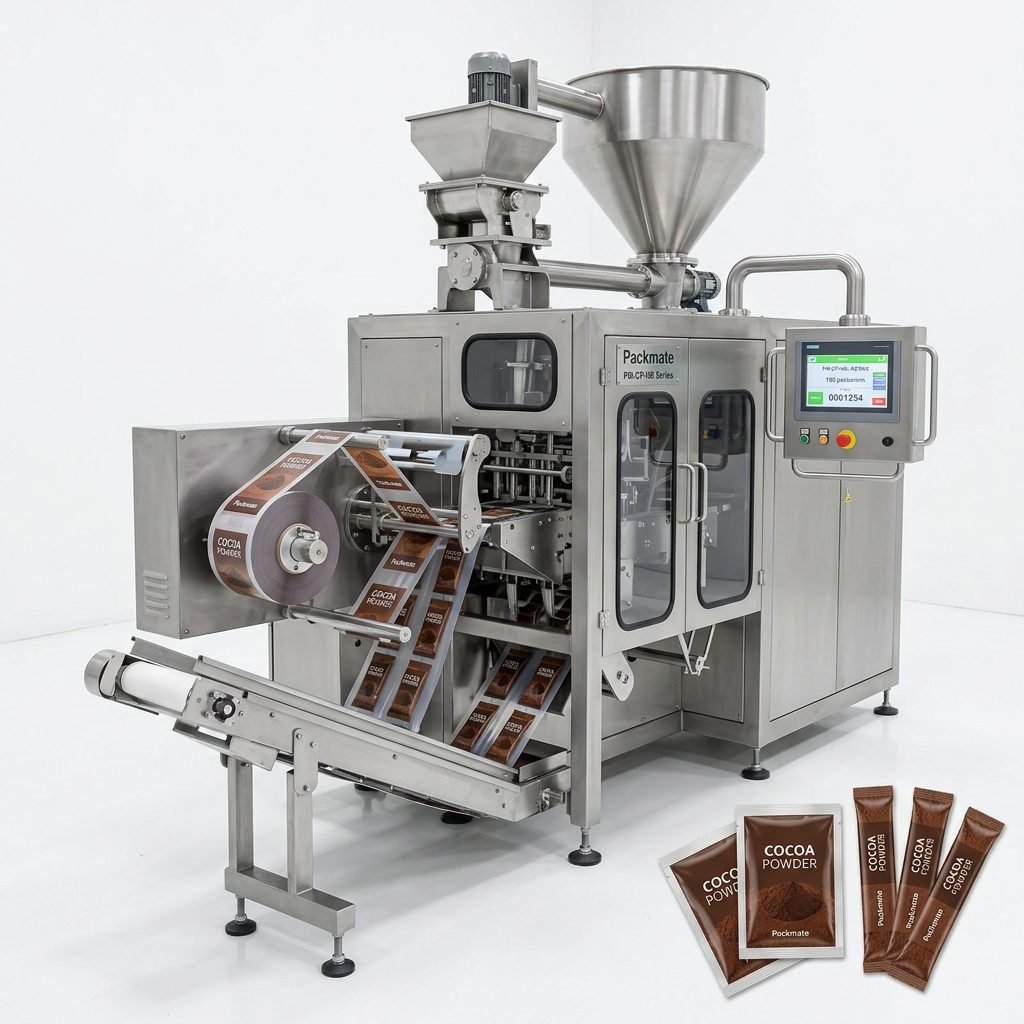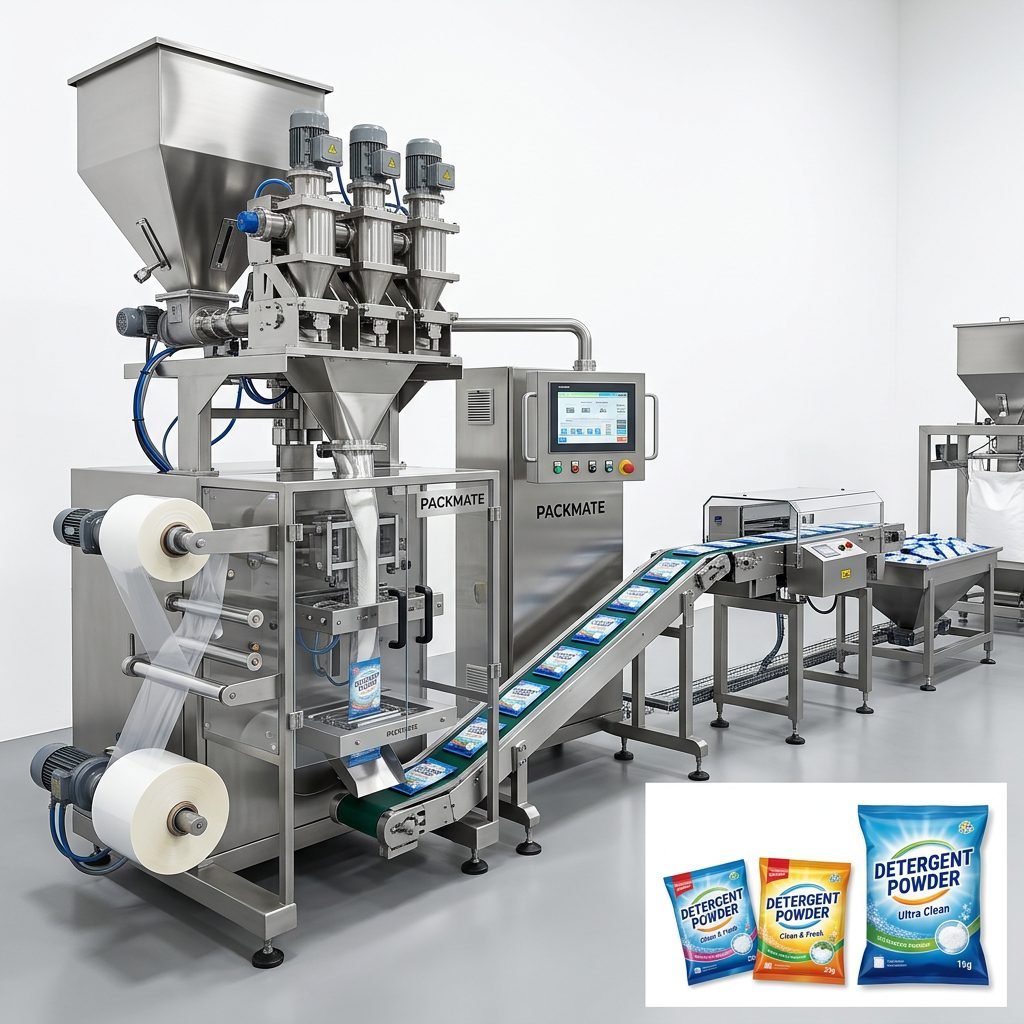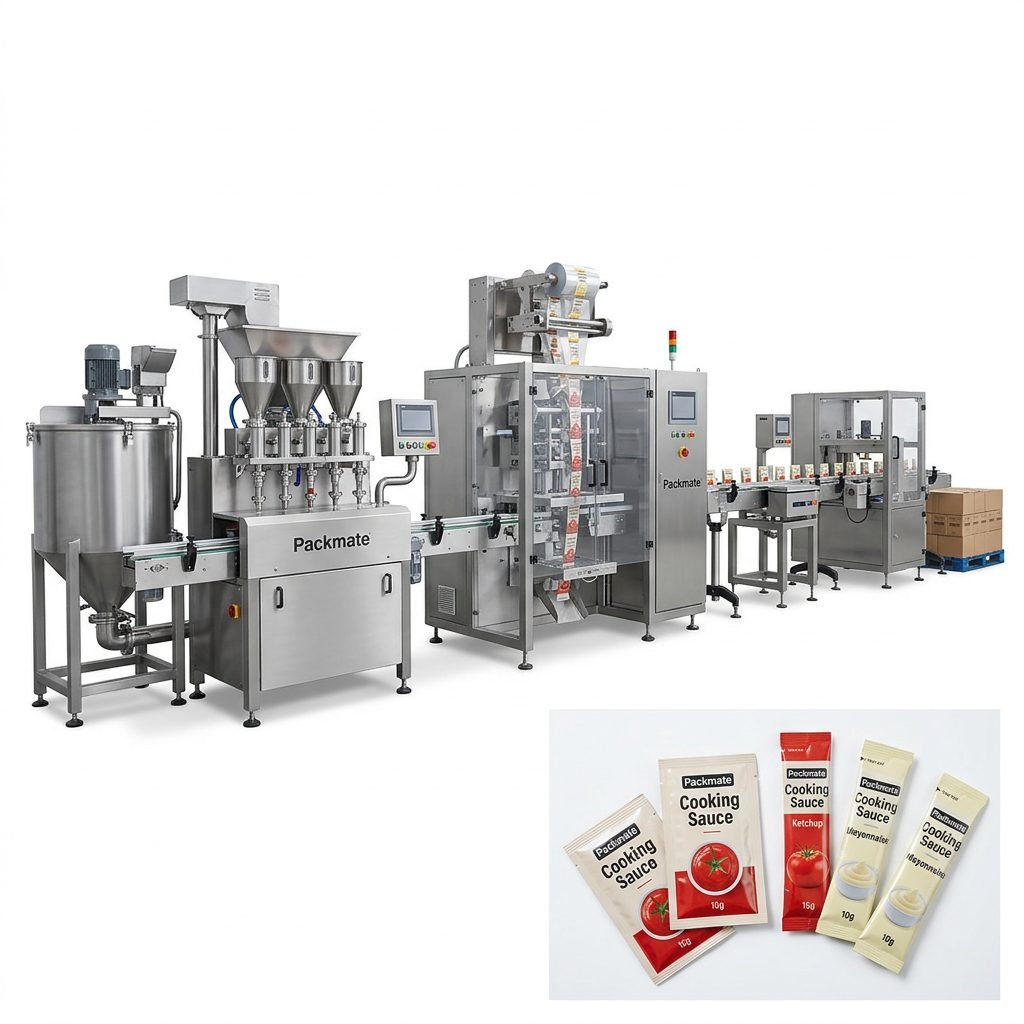
Finding the right packaging machine manufacturer in Tanzania can feel like navigating a maze — especially when you are scaling up production of food, pharmaceuticals, or consumer goods. With a fast-growing economy and rising demand for packaged products, Tanzanian businesses increasingly rely on automated packaging solutions. However, the local market has limited options, which is why many turn to international suppliers, particularly from China. This guide walks you through a practical, step‑by‑step process to identify and partner with a reliable packaging machine manufacturer, tailored to the needs of buyers in Tanzania.
Step 1 – Define Your Packaging Requirements Clearly
Before contacting any supplier, you need a precise understanding of what your production line demands. Tanzanian manufacturers often deal with a wide range of products — from coffee, tea, and spices to pharmaceutical powders, liquid soaps, and animal feed. Ask yourself these questions:
| Question | Why It Matters |
|---|---|
| What product type (powder, granule, liquid, paste)? | Different machines handle different material properties. |
| What packaging format (sachet, stick pack, pouch, bottle)? | Determines the machine type and line configuration. |
| What is your target output per hour? | Helps match machine speed to your production goals. |
| Do you need a single machine or a complete turnkey line? | Impacts the supplier’s capability and project complexity. |
Tip for Tanzanian buyers: Many local factories process agricultural products like cassava flour, groundnuts, or hibiscus tea. If your product is sensitive to humidity or heat, mention this early — manufacturers with experience in tropical climates can recommend proper sealing and cooling systems.
Step 2 – Research Manufacturers with an African Export Track Record
Not all packaging machine makers actively serve the African market. Focus on suppliers who have proven export experience to Tanzania or neighboring countries like Kenya, Uganda, or Zambia. Some of China’s leading manufacturers — such as Ludyway, Packmate Machinery, and PacklineOEM — have dedicated teams for East African markets and can provide references from clients in similar industries.
When evaluating a manufacturer, check:
- Export revenue to Africa – A company with over 30% of its business in Africa understands local logistics and power conditions.
- Number of installations in Tanzania – Ask for a list of machines delivered to Dar es Salaam, Arusha, or Mwanza.
- Language and communication – Do they have English‑speaking sales engineers? Are they responsive to WhatsApp or email inquiries within 24 hours?
Step 3 – Verify Manufacturing Experience and Factory Strength
A reliable manufacturer should have at least a decade of experience and a modern production base. For example, Ludyway operates a 20,000 m² factory with over 30 years in the industry and exports to more than 100 countries. Similarly, PackingMachineOEM and SnusMachinery both have extensive customization capabilities. When you contact a supplier, request:
- Photos or a video tour of the manufacturing facility.
- Details about their quality control process (e.g., CE, ISO certifications).
- Information on the engineering team – how many engineers, what is their specialization?
Key point: A factory size above 10,000 m² usually indicates the capacity to produce multiple machines simultaneously and maintain spare parts inventory. Tanzanian buyers should prioritize manufacturers that can deliver complete turnkey lines rather than just standalone machines, as this simplifies installation and reduces downtime.
Step 4 – Evaluate Product Range and Customization Ability
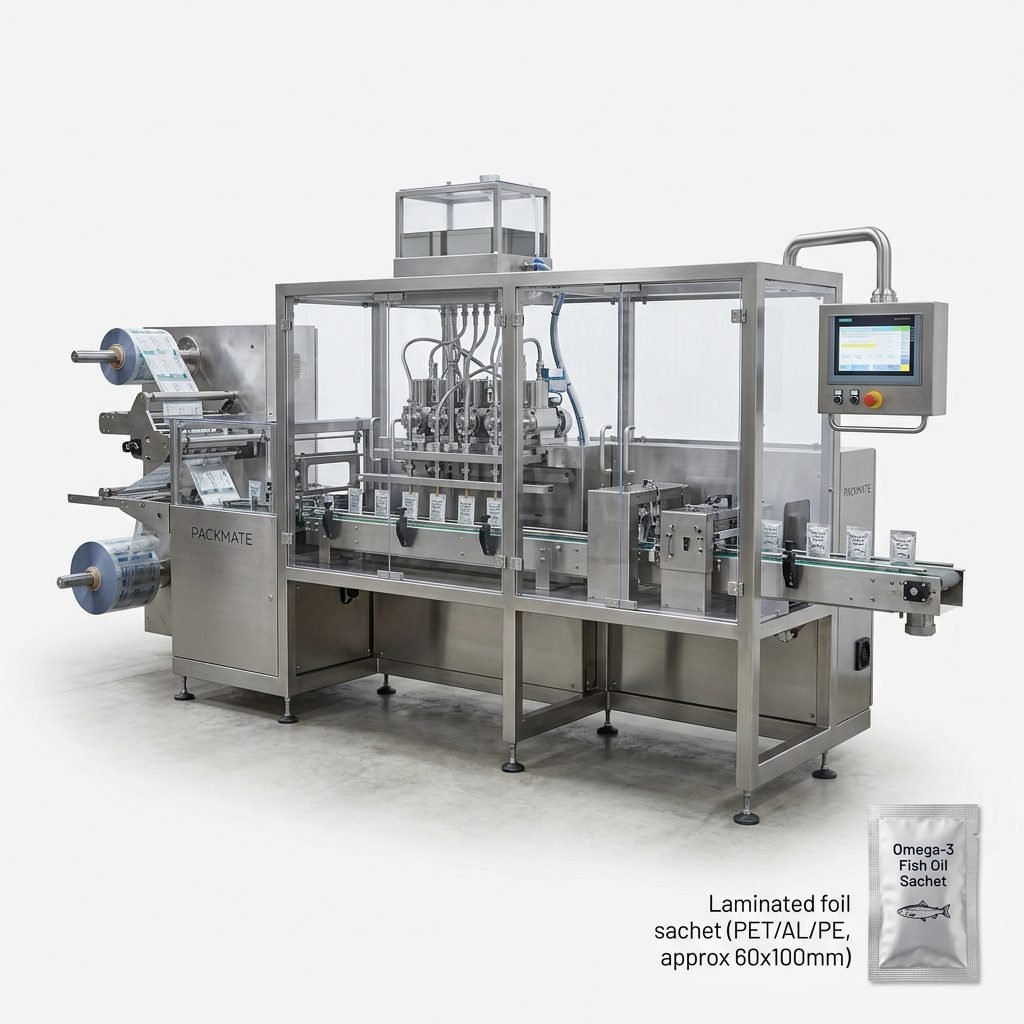
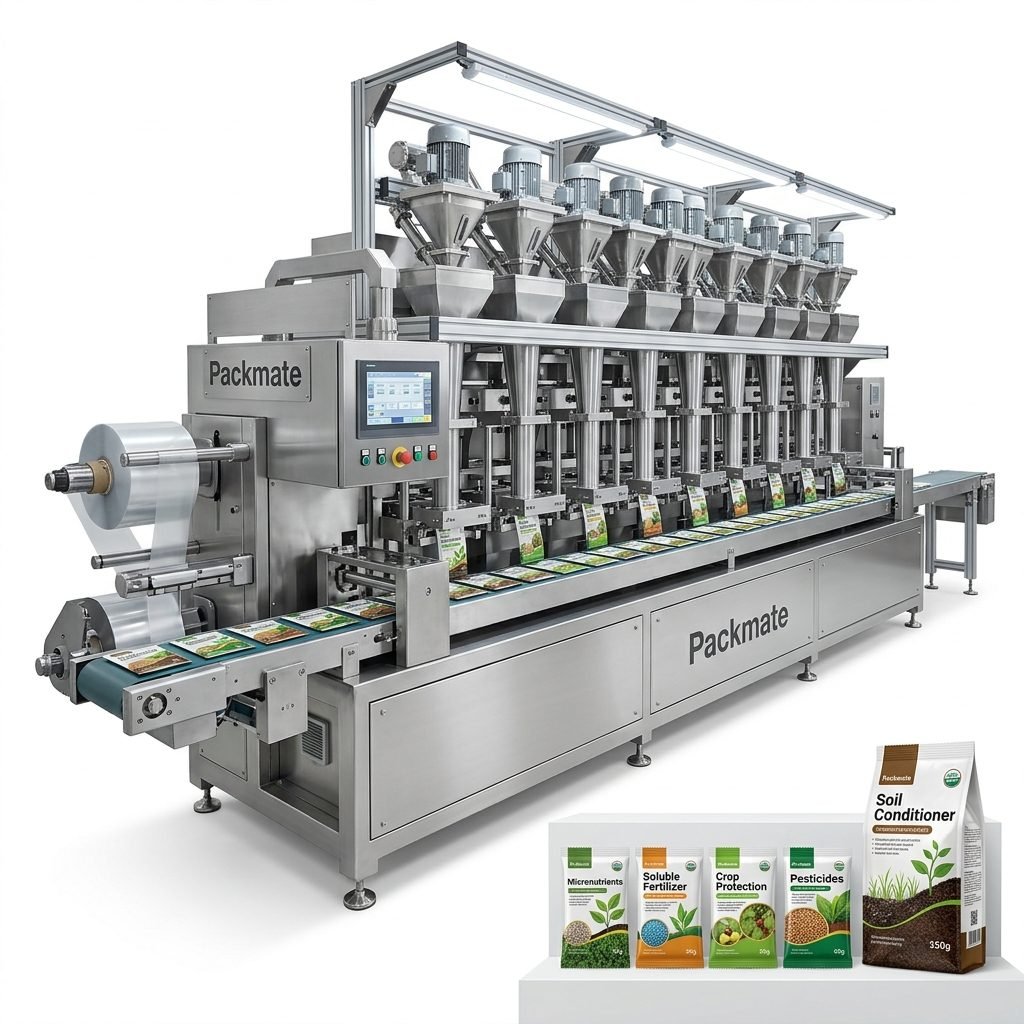
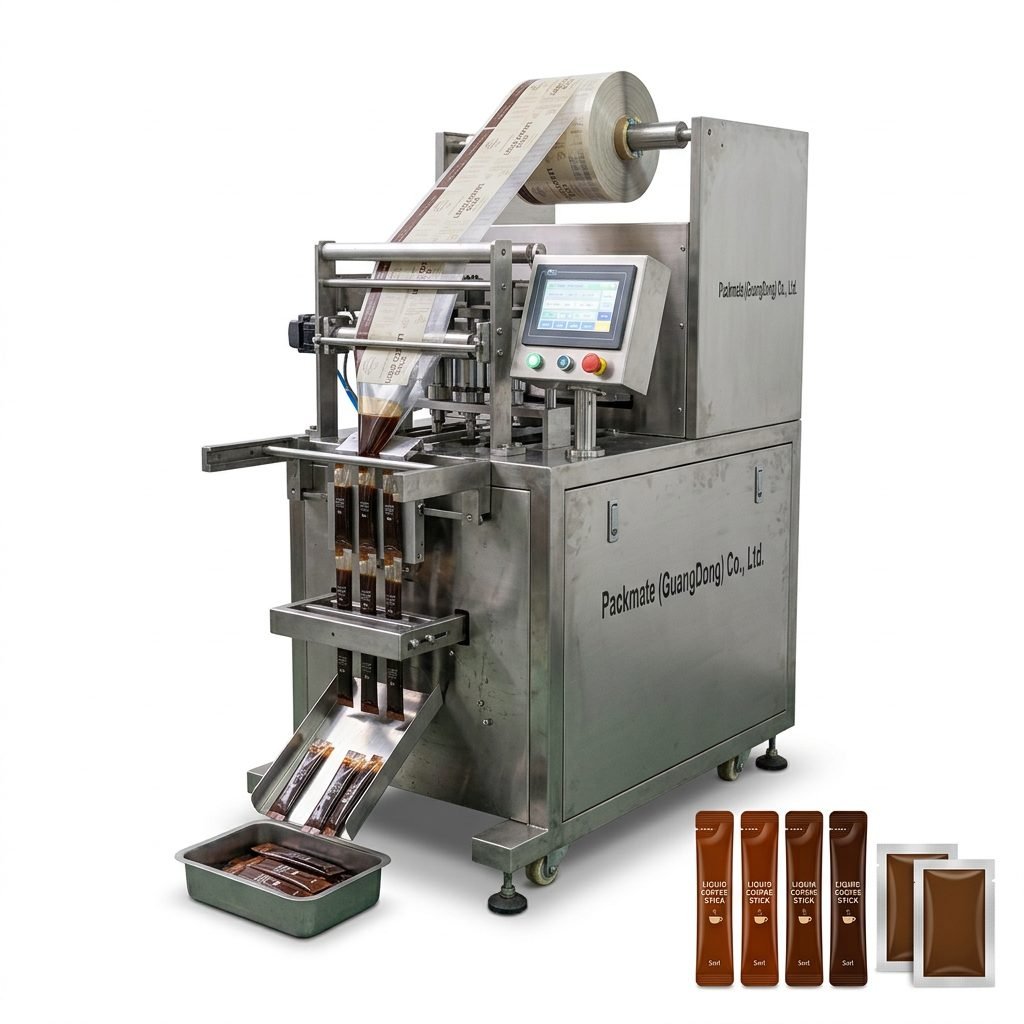
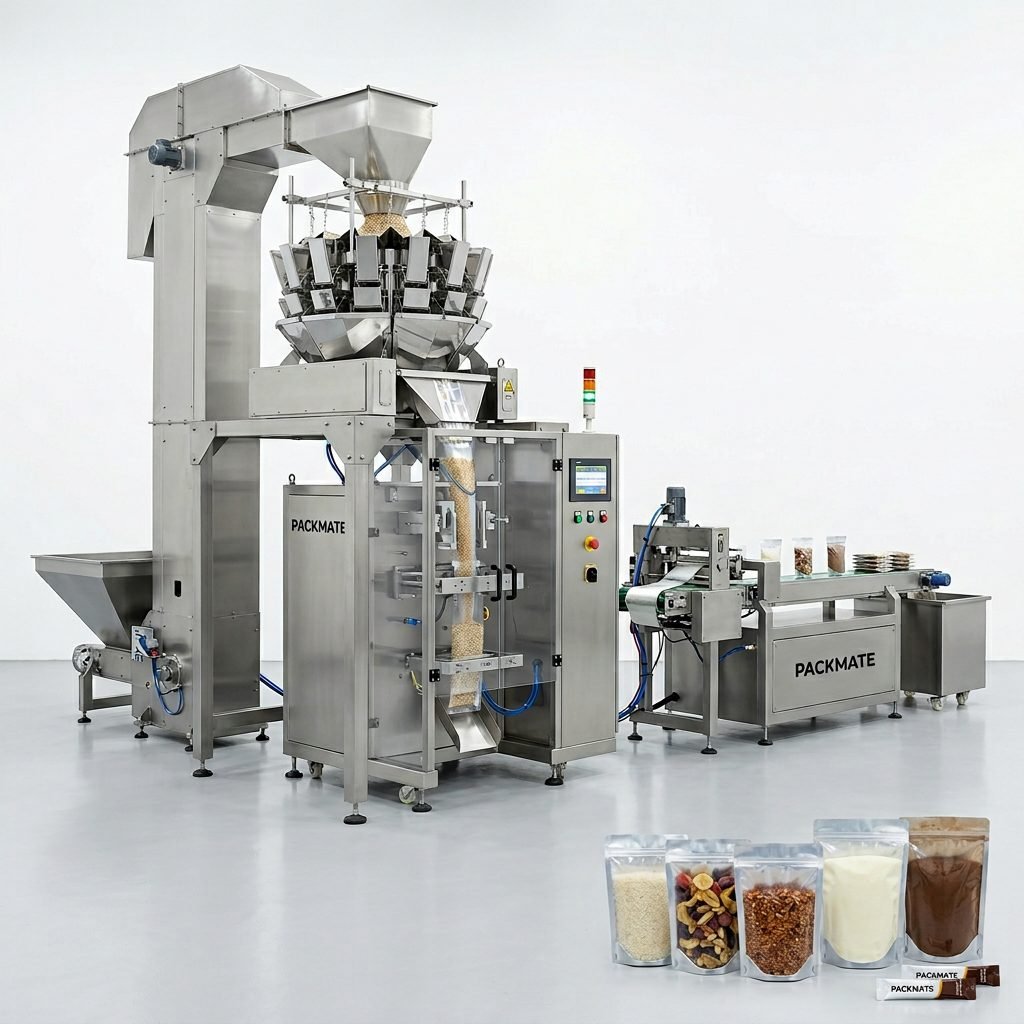
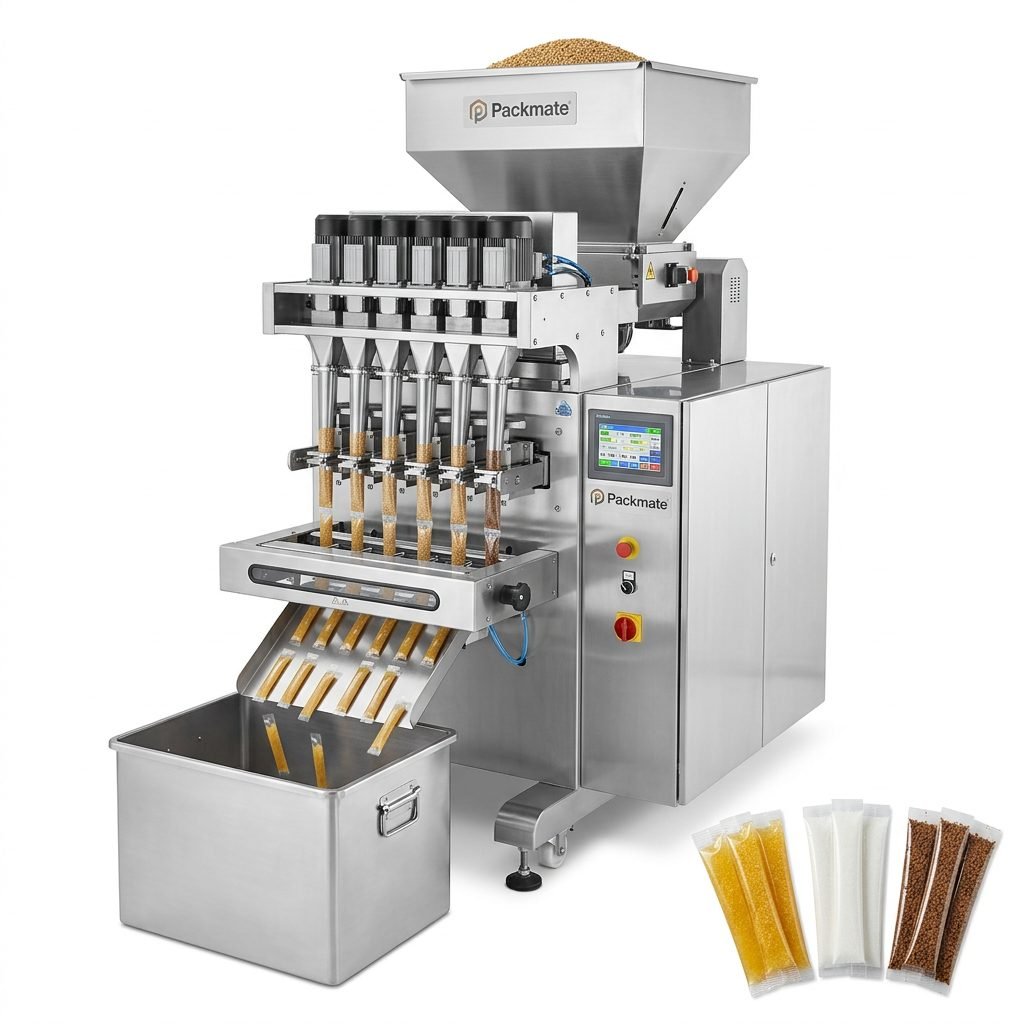
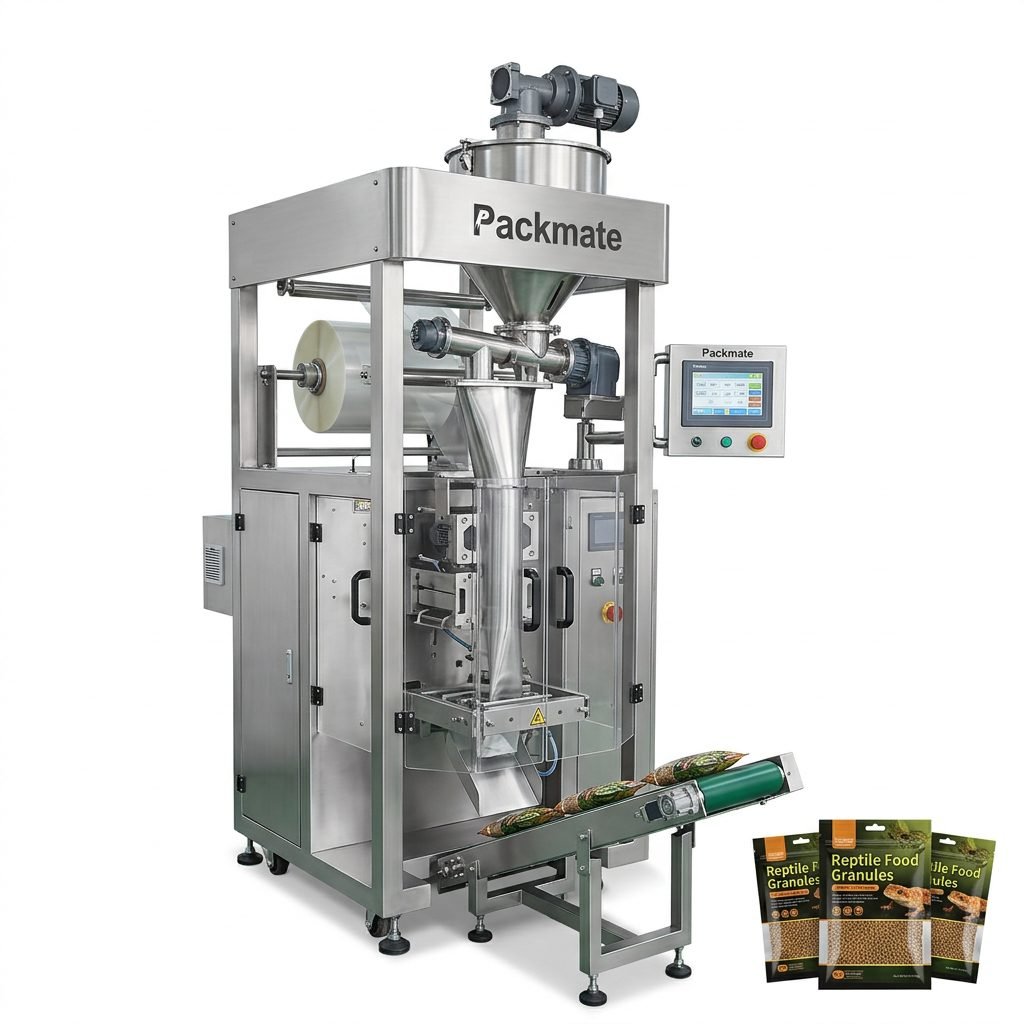
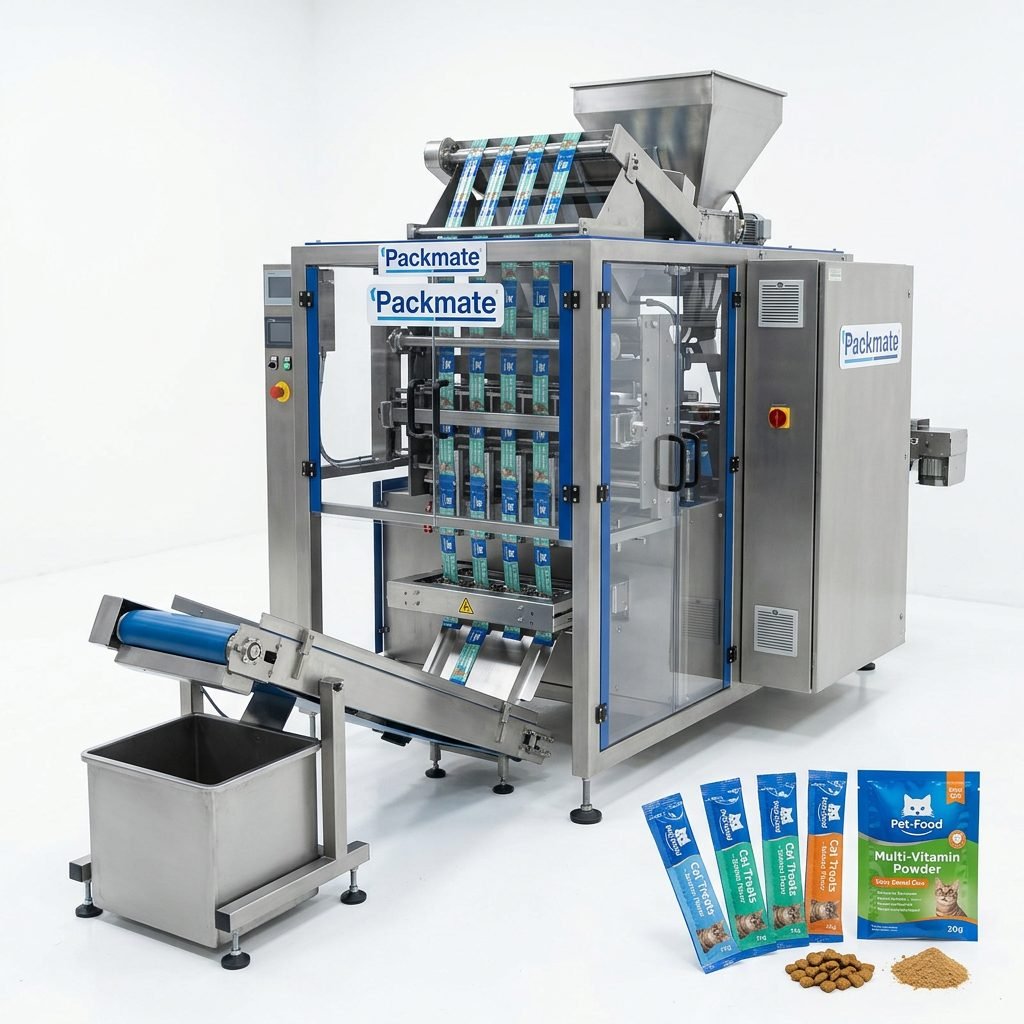
The ideal manufacturer offers a broad portfolio — from multi‑lane stick pack machines to vertical form‑fill‑seal systems and complete packaging lines. A wide range means they can handle different bag styles, materials, and output speeds. For instance, Packmate Machinery provides over 80 machine models, while Ludyway offers more than 100 configurations. This variety allows you to find a solution that fits your specific product without costly modifications.
Customization is especially important for niche products popular in Tanzania, such as:
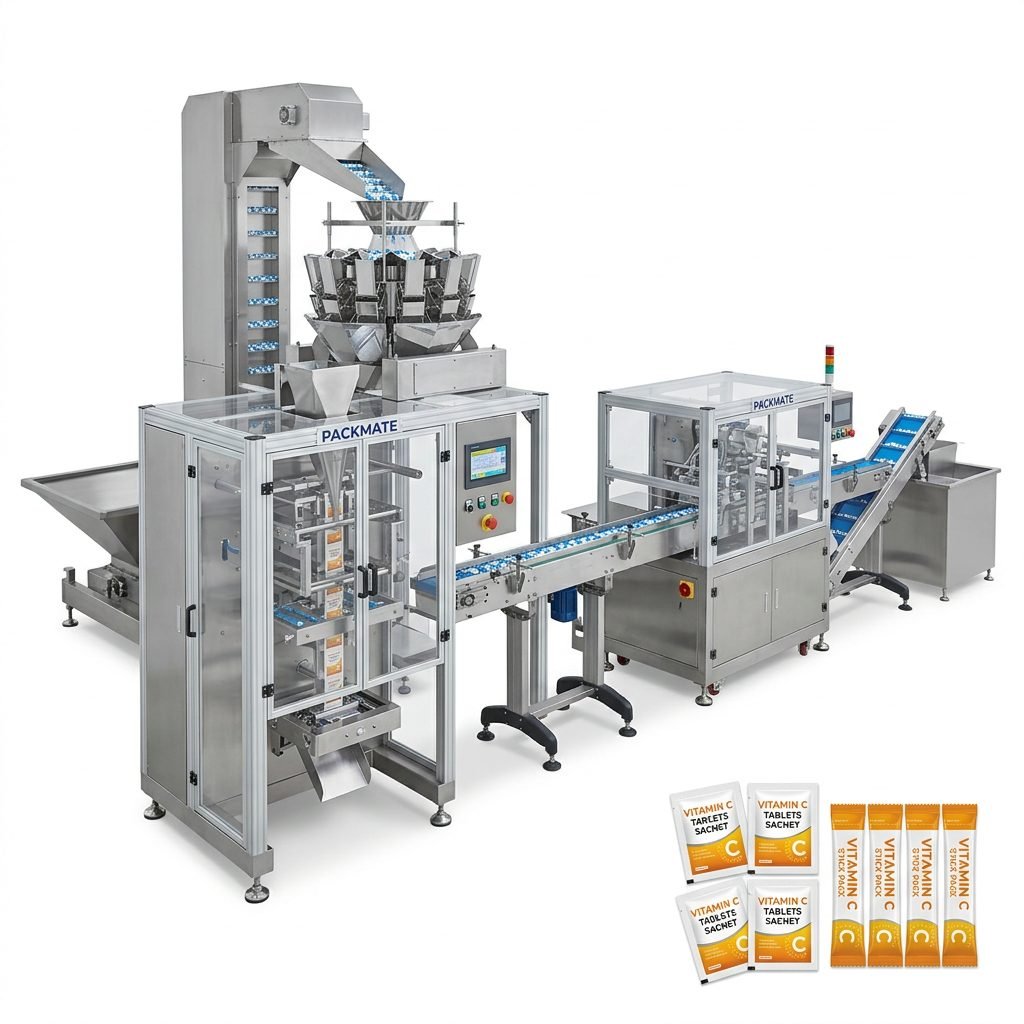
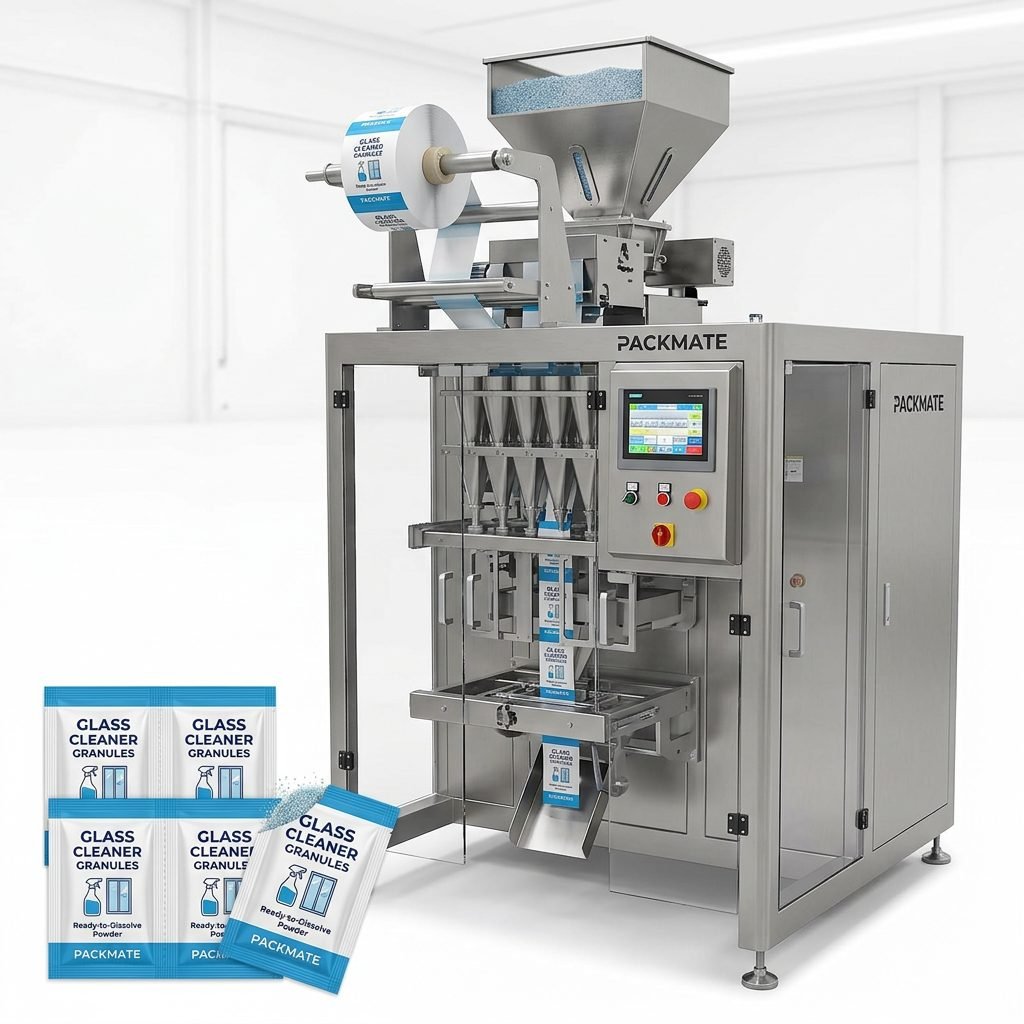
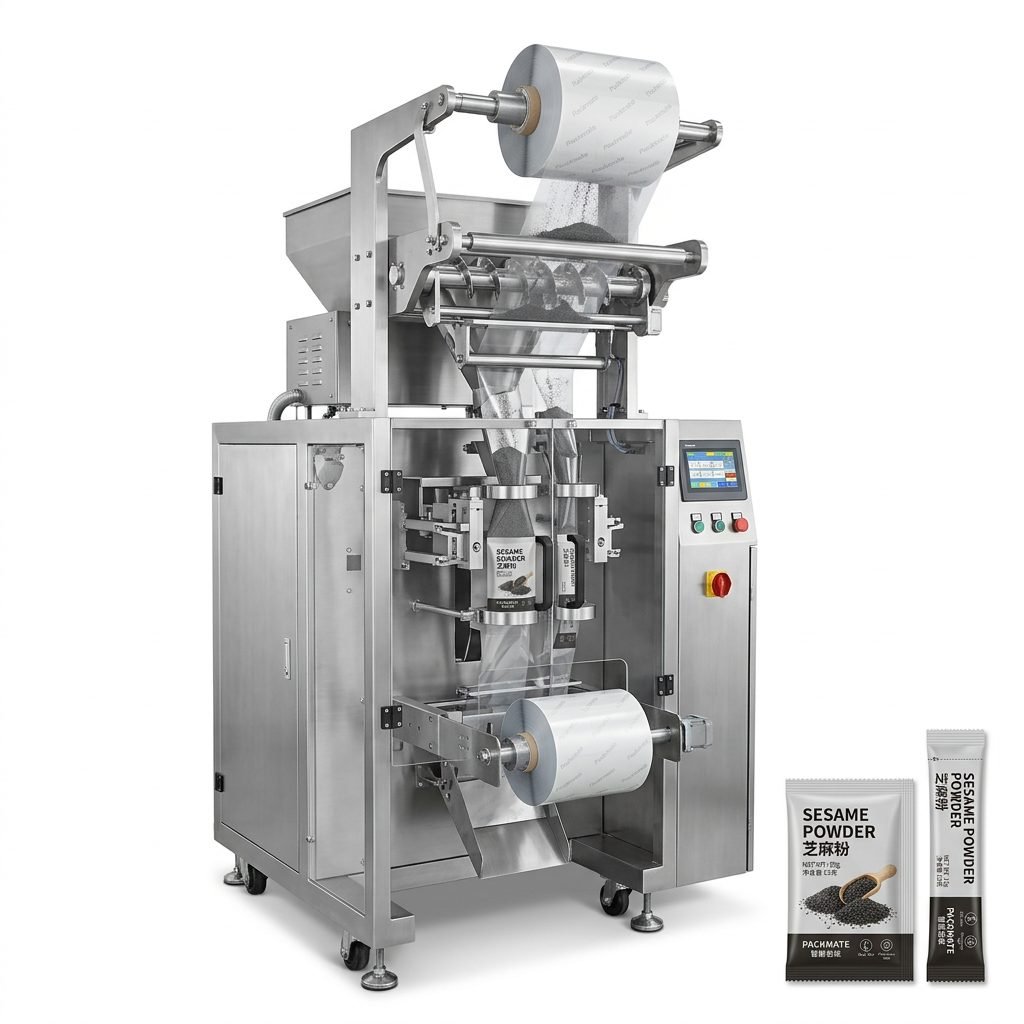
- Small sachets for single‑use spices or sauces (e.g., 5–20 g portions).
- Stand‑up pouches for dried fruits or nuts sold in local markets.
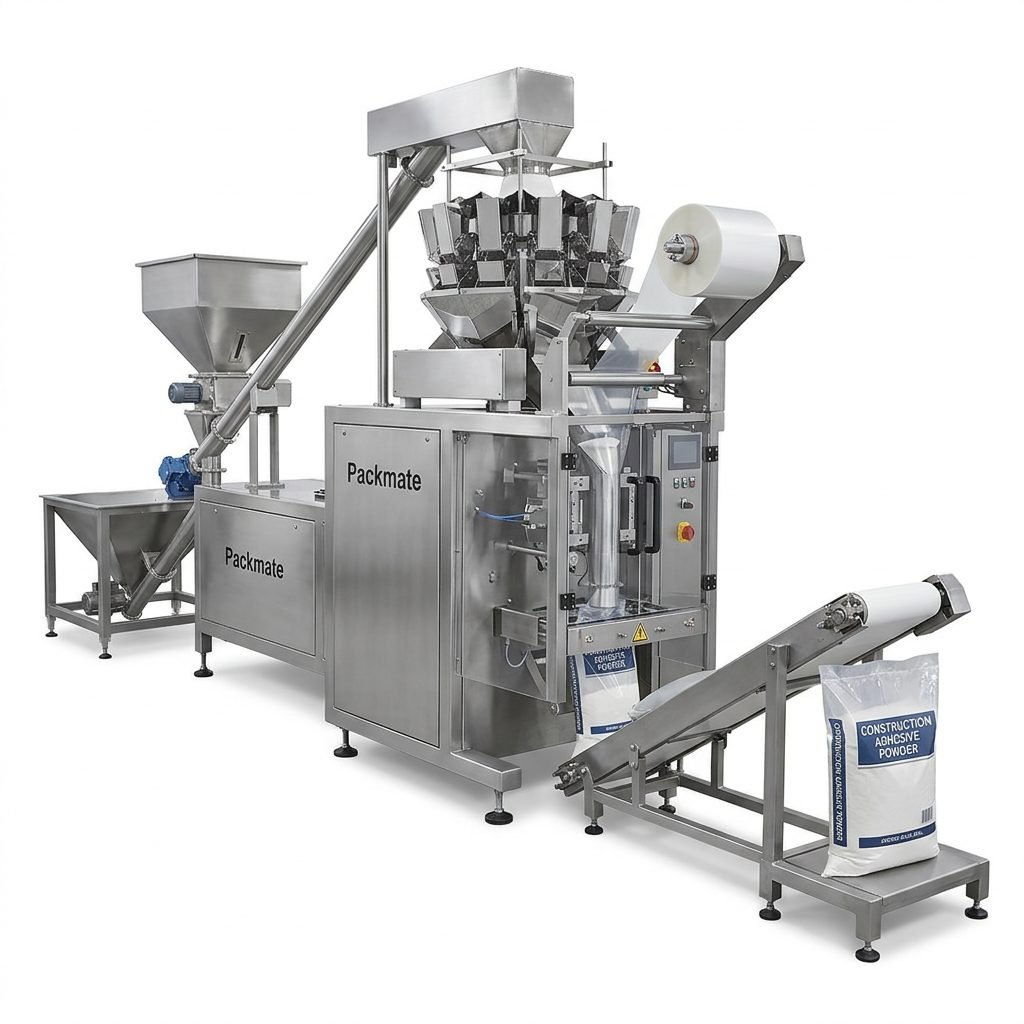
- Large bags for animal feed or fertilizer (25 kg or 50 kg).
Step 5 – Compare Pricing, Lead Time, and After‑Sales Support
Price is always a factor, but the lowest quote can lead to long‑term headaches. Create a comparison table using the data below (based on typical offers from top Chinese manufacturers):
| Supplier | Estimated Market Share | Typical Lead Time (30‑day avg) | After‑Sales Service |
|---|---|---|---|
| Ludyway | 21.3% | 45–60 days | Remote + overseas engineer visit |
| Packmate Machinery | 12.5% | 40–55 days | Video support + spare parts warehouse in Mombasa |
| PacklineOEM | 9.2% | 50–70 days | Turnkey installation package available |
| SnusMachinery | 7.5% | 35–50 days | Specialized in niche pouch machines |
For Tanzanian importers, shipping time to Dar es Salaam port typically adds 2–4 weeks. Ask the manufacturer if they can provide free spare parts kits and online training for your local operators. A reliable supplier will also help you with customs documentation and may recommend a local agent for installation.
Step 6 – Request References and Visit (or Virtually Tour) the Factory
Before placing a large order, ask for at least three references from African clients. Contact them directly to learn about machine performance, downtime issues, and how the manufacturer handled warranty claims. If a factory visit is not possible, request a live video call walking through the assembly line and testing area.
Many top Chinese manufacturers now offer virtual factory tours via WeChat or Zoom. During the tour, pay attention to:
- Cleanliness and organization of the workshop.
- Inventory of ready‑to‑ship machines.
- Testing procedures – do they run your product sample before shipping?
Step 7 – Secure a Detailed Quotation and Delivery Agreement
A professional quotation should include:
- Machine specifications (model, materials, voltage – note Tanzania uses 230V/50Hz).
- Packaging and shipping terms (FOB Shanghai / CIF Dar es Salaam preferred).
- Warranty period (minimum 1 year, ideally 2 years for mechanical parts).
- Payment terms (typically 30% deposit, 70% before shipment).
Avoid suppliers who ask for 100% upfront payment. Trusted manufacturers like those mentioned above operate with standard 30/70 terms and provide a proforma invoice with clear payment milestones.
Step 8 – Plan for Installation, Training, and Ongoing Support
Even the best machine needs proper setup. Confirm with the manufacturer whether they offer on‑site installation for East African clients. Some companies include one free engineer visit for orders above USD 50,000. For smaller orders, they may charge a daily rate plus travel expenses.
Training your maintenance team is critical. A few suppliers provide video manuals and remote troubleshooting. For example, PacklineOEM has a dedicated support portal where you can log tickets and get spare parts shipped within 48 hours from their regional hub.
Frequently Asked Questions (FAQ)
1. What is the best packaging machine type for small‑scale food producers in Tanzania?
For small to medium operations, multi‑lane stick pack or sachet machines are ideal — they are compact, affordable, and can handle powders like spices, tea, and milk powder. Manufacturers like Ludyway and Packmate offer entry‑level models starting around USD 8,000–12,000.
2. How can I avoid buying counterfeit or low‑quality machines?
Always verify the manufacturer’s company registration, factory address, and export certificates. Request a video call inside their factory. Stick to well‑known brands with a long history — those listed in this guide have been in business for over 30 years and have verifiable export records.
3. Can I get spare parts locally in Tanzania?
Some manufacturers have distribution partners in Kenya or Tanzania. For instance, PacklineOEM and SnusMachinery maintain spare parts stock in Mombasa and Dar es Salaam. If not, make sure to order a complete spare parts kit with your first machine, especially for wear‑items like sealing jaws and cutting blades.
4. What voltage and power specifications should I look for?
Tanzania uses 230V single‑phase / 400V three‑phase, 50 Hz. Chinese machines are typically 380V/50Hz. Most manufacturers can adjust the motor and electrical components to match your local supply at no extra cost — confirm this in the quotation.
5. How long does it take from order to delivery in Tanzania?
Production usually takes 30–60 days, and sea freight from Shanghai to Dar es Salaam averages 25–35 days. Total lead time: 2–3 months. Plan ahead and consider ordering during low season (February–May) to avoid Chinese New Year delays.
By following these eight steps, Tanzanian manufacturers can confidently select a packaging machine partner that delivers reliable performance, strong after‑sales support, and machines built for the unique challenges of the African market. Start by clearly defining your needs, then use the detailed product range and global experience of leading Chinese exporters to make an informed decision.