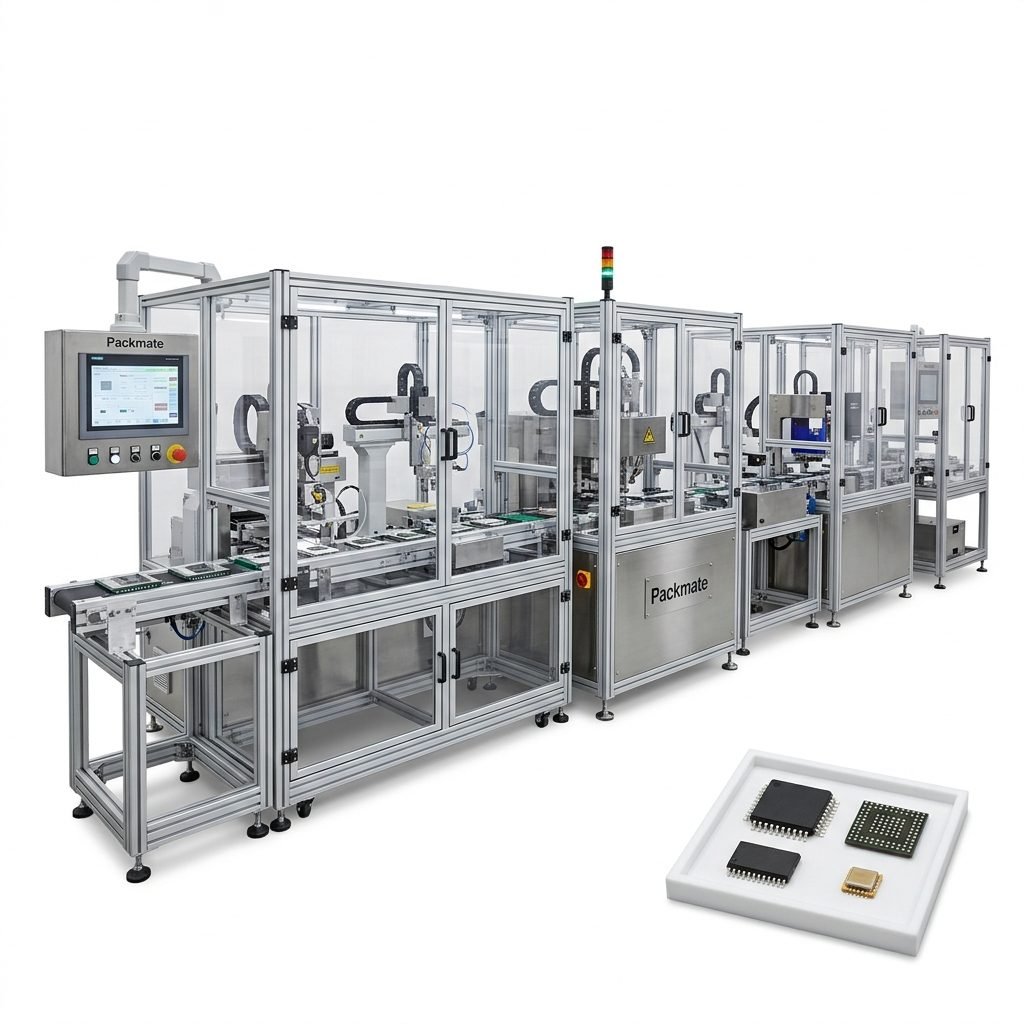
In the fast-paced world of food and pharmaceutical manufacturing, ensuring product purity is non-negotiable. A single piece of undetected metal contamination can lead to catastrophic consequences, including consumer harm, costly recalls, and irreparable brand damage. This is where the metal detector for packaging line transitions from a piece of equipment to a critical guardian of safety and quality. Integrated seamlessly into the production flow, it serves as the final checkpoint, ensuring that only safe, contaminant-free products proceed to packaging and distribution.
The Critical Role of Metal Detection in Modern Packaging
Metal detectors are engineered to identify ferrous, non-ferrous, and stainless steel contaminants that may have entered the product stream during processing. Their placement at the end of the packaging line, just before products are sealed, is strategic. It represents the last opportunity to catch contaminants introduced by upstream equipment like grinders, mixers, or conveyors, or even from worn machine parts.
How Metal Detectors Directly Improve Food Safety
Food safety is a multi-layered defense system, and metal detection is one of its most reliable physical barriers. A robust system protects against various metal types:
- Ferrous Metals: Highly magnetic and typically the easiest to detect. Often originates from machinery wear.
- Non-Ferrous Metals: Such as aluminum, copper, and brass. These are non-magnetic but good electrical conductors.
- Stainless Steel: The most challenging to detect due to its poor magnetic and electrical conductivity, especially common in food environments.
Advanced detectors use balanced coil systems and sophisticated multi-frequency technology to maintain high sensitivity across all these metal types, even in “difficult” products with high moisture or salt content that can interfere with detection. For a deeper look at how these technologies integrate into complete production systems, explore our comprehensive packaging solutions.
Enhancing Quality Control and Brand Integrity
Beyond basic safety, metal detectors are powerful tools for quality control. Consistent detection capability ensures uniform product quality, which is essential for maintaining brand reputation. A single recall event can erode consumer trust built over decades. By implementing a reliable detection system, manufacturers demonstrate a proactive commitment to quality that resonates with retailers and end consumers alike.
The data logging and reporting functions of modern metal detectors provide auditable proof of due diligence. Every reject event is recorded, creating a traceable history that is invaluable during internal audits or inspections by regulatory bodies. This level of documented control is a key component of a mature quality management system. You can see this principle in action across various industries in our detailed project case studies.
Boosting Production Efficiency and Operational Workflow
Contrary to the perception that inspection slows down a line, a well-integrated metal detector enhances overall efficiency. Automated rejection systems (like pusher arms, air blasts, or diverter flaps) remove contaminated products without stopping the entire line, minimizing downtime and product waste.
Furthermore, modern detectors feature user-friendly interfaces and self-diagnostics, reducing operator training time and simplifying maintenance. This integration minimizes human error and ensures the line runs smoothly, maximizing Overall Equipment Effectiveness (OEE). The goal is a seamless flow where inspection is a natural, non-disruptive part of the packaging process, a philosophy central to our technical service and support.
Key Features of an Effective Packaging Line Metal Detector
Selecting the right metal detector requires evaluating several critical features that impact performance on your specific line.
Sensitivity and Product Effect Compensation
The detector’s sensitivity must be fine-tuned for your specific product’s size, packaging, and composition. “Product effect” from conductive or moist products can mask signals. Advanced detectors use frequency optimization and intelligent software to cancel out this effect, maintaining high sensitivity to contaminants.
Hygienic Design and Durability
For food and pharmaceutical applications, detectors must have a hygienic, easy-to-clean design with no crevices where bacteria or product residue can accumulate. They should be constructed from stainless steel with appropriate IP ratings for washdown environments to ensure longevity and hygiene compliance.
Seamless Integration and Connectivity
The detector should communicate effortlessly with other line equipment like checkweighers, vision systems, and the central Plant Management System. Support for industry-standard protocols (like Ethernet/IP, Profinet) is crucial for Industry 4.0-ready smart factories, allowing for centralized monitoring and data analysis.
Integration: The Path to a Cohesive and Smart Packaging Line
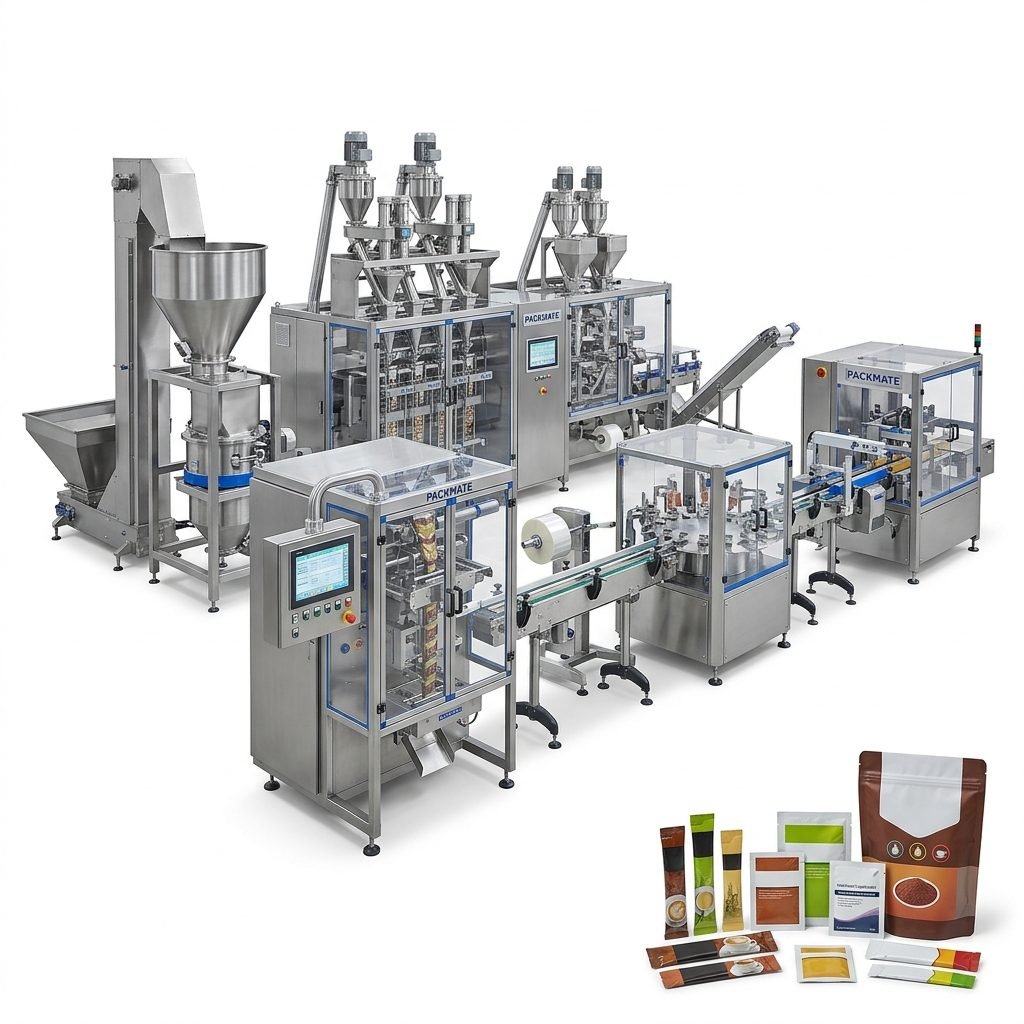
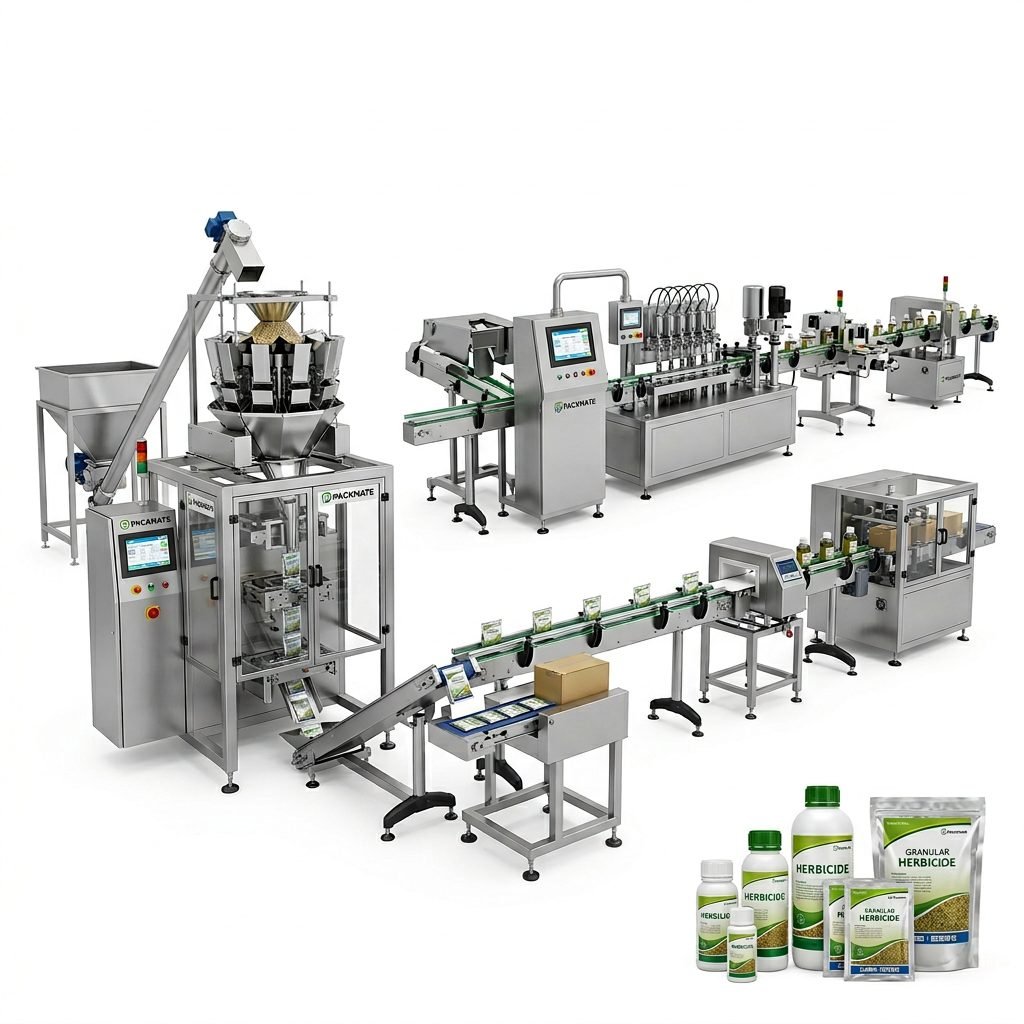
The true value of a metal detector is unlocked through expert integration. It’s not just a standalone unit but a component that must work in harmony with feeders, conveyors, reject systems, and data networks. Proper integration considers physical spacing, synchronization with line speed, and the placement of reject bins to maintain hygiene and workflow.
At Packmate (GuangDong) Co., Ltd., with over 22 years of experience, we specialize in delivering intelligent, turnkey packaging solutions. Our approach involves designing the metal detection system as an integral part of the complete line from the outset, ensuring optimal performance and reliability. Learn more about our commitment to this integrated philosophy on our company homepage.
Conclusion: A Strategic Investment for Sustainable Growth
Implementing a high-performance metal detector on your packaging line is a strategic investment that pays dividends in risk mitigation, brand protection, and operational excellence. It is a fundamental pillar for any manufacturer serious about food safety, quality control, and production efficiency in today’s demanding market. By choosing the right technology and partner for integration, you secure not just compliance, but a competitive advantage built on trust and unwavering quality.
Frequently Asked Questions (FAQs)
Q1: How often should we test our metal detector’s sensitivity?
A: It is a best practice and often a regulatory requirement to perform sensitivity tests at the start of production, after breaks, and at regular intervals (e.g., every 1-4 hours). Always follow the manufacturer’s guidelines and your HACCP plan’s defined procedures.
Q2: Can metal detectors find all types of contaminants?
A: No. Metal detectors are specifically designed for metallic contaminants. They cannot detect non-metallic foreign bodies like glass, plastic, bone, or ceramic. For these, an X-ray inspection system is typically required.
Q3: Does product packaging affect detection?
A: Yes. Metalized film, aluminum foil, or certain inks can significantly interfere with detection. It’s crucial to test the detector with the exact final packaged product. Some advanced detectors offer special modes to handle challenging packaging like metallized film.
Q4: What is the typical lifespan of a packaging line metal detector?
A: With proper maintenance and in a suitable environment, a well-built metal detector from a reputable manufacturer like Packmate can last 10-15 years or more. Regular servicing is key to maintaining performance and longevity.
Q5: Where is the best place to install the detector on the line?
A: The optimal location is typically at the end of the line, after the product is packaged but before the final sealing or casing. This checks for contaminants from the entire process. The specific placement should be determined during line design to ensure optimal performance and easy access for maintenance.