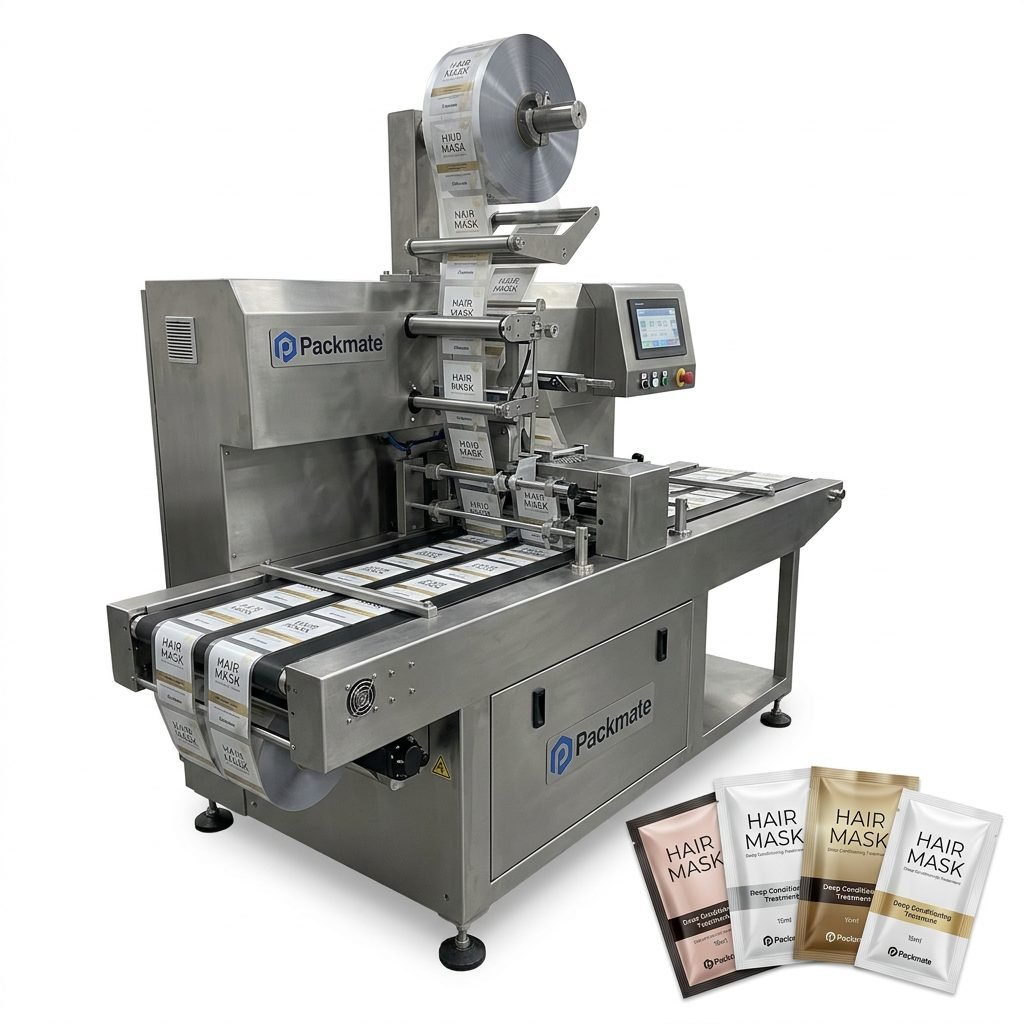
Maintaining a packaging line is not just about fixing things when they break; it’s a strategic discipline that ensures consistent output, protects your capital investment, and safeguards product quality. Unplanned downtime is the single biggest threat to packaging line profitability, leading to missed deadlines, wasted materials, and frustrated customers. A proactive, well-documented maintenance program is your most powerful defense. This guide outlines the best practices, schedules, and practical tips to help you minimize downtime and maximize the lifespan and efficiency of your packaging equipment.
The Pillars of Effective Packaging Line Maintenance
Successful maintenance rests on three core principles: Prevention, Precision, and People. Moving from a reactive “run-to-failure” model to a proactive one requires a shift in mindset across the entire operation.
Why Proactive Maintenance Wins
Reactive maintenance costs up to five times more than proactive care. It leads to catastrophic failures, longer repair times, and inconsistent product quality. A proactive schedule, in contrast, identifies wear before it causes failure, plans downtime efficiently, and keeps parts costs predictable.
1. Developing a Comprehensive Maintenance Schedule
Your maintenance schedule is the blueprint for reliability. It should be tailored to your specific equipment, operating hours, and product types. A robust schedule incorporates multiple tiers of care.
Daily/Shift Checks (Operator-Led)
These are visual and operational checks performed by line operators. They are the first line of defense.
- Visual Inspection: Check for leaks (air, oil, product), loose fasteners, worn belts, or accumulated debris.
- Lubrication Points: Verify oil levels and grease points as per the machine manual.
- Safety Systems: Test emergency stops and guarding interlocks.
- Cleanliness: Basic wipe-down to prevent product contamination and component clogging.
Weekly/Bi-Weekly Tasks
These tasks require a bit more time and technical knowledge, often performed by a technician.
- Detailed cleaning of sensors, lenses, and sealing jaws.
- Checking and adjusting drive chain tension and belt alignment.
- Verification of pneumatic filter regulators and draining moisture from air tanks.
- Inspection of electrical connections for tightness.
Monthly/Quarterly Planned Maintenance
This is scheduled downtime for deeper inspection and part replacement.
- Replace filters (air, oil, suction).
- Inspect and replace worn seals, gaskets, and hoses.
- Calibrate critical components like weigh cells, temperature controllers, and fill volume settings.
- Perform vibration analysis on motors and gearboxes.
Annual Overhaul
A comprehensive teardown and inspection, often with support from the original equipment manufacturer (OEM) like Packmate (GuangDong) Co., Ltd.. This validates the machine’s foundational integrity.
2. Best Practices for Implementation
Having a schedule is one thing; executing it effectively is another. These practices turn plans into results.
✔ Create Clear, Visual Work Instructions
Use photos, diagrams, and simple language in checklists. Laminated guides at the machine point are far more effective than a manual in an office. For complex systems, consider the tailored solutions provided by experts who understand your line’s intricacies.
Standardize Procedures: Ensure every technician performs the same task the same, correct way. This reduces variability and errors.
Invest in Training: Your operators and technicians are your most valuable diagnostic tool. Train them to hear unusual noises, spot misalignments, and understand basic machine functions. Continuous learning is key.
Maintain a Digital Log: Move from paper to a digital Computerized Maintenance Management System (CMMS). This tracks work history, schedules tasks, manages spare parts inventory, and generates performance reports to identify chronic issues.
Manage Spare Parts Strategically: Keep critical wear parts (sealing jaws, belts, sensors) in stock. For expensive, non-urgent parts, establish a reliable supply chain with your OEM partner. Reviewing real-world case studies can help identify commonly needed parts for similar applications.
3. Advanced Tips to Reduce Downtime Further
Go beyond the basics with these advanced strategies.
- Root Cause Analysis (RCA): Don’t just replace the failed part. Ask “why” five times to find the underlying cause—was it improper installation, contamination, or a design flaw?
- Condition Monitoring: Use tools like infrared thermometers to check motor temperatures, ultrasonic detectors for air leaks, and vibration pens for bearing wear. This is predictive maintenance.
- Pre-Shift “Power-On” Tests: Run the line at low speed for 5-10 minutes before production starts to identify any issues that arose during idle time.
- Standardize Tooling & Components: Where possible, use the same brand and model of sensors, motors, or valves across different machines to simplify troubleshooting and spare parts stocking.
Building a Maintenance-First Culture
Ultimately, the most sophisticated schedule fails without the right culture. Leadership must champion maintenance as a value-driver, not a cost center. Celebrate teams that identify potential failures early. Integrate maintenance KPIs (e.g., Overall Equipment Effectiveness – OEE, Mean Time Between Failures – MTBF) into performance reviews. A company’s commitment to excellence is often reflected in its operational discipline; learn more about how this philosophy is embedded in the mission and vision of leading providers.
Partnering with an experienced OEM like Packmate provides a significant advantage. Their deep knowledge of the equipment’s design, access to genuine parts, and expert technical service can drastically improve your maintenance outcomes. They can help you develop a customized plan, train your staff, and provide remote support to diagnose issues quickly.
Frequently Asked Questions (FAQs)
How often should I lubricate my packaging machine?
Answer: Always follow the OEM’s manual. Generally, grease points may need attention weekly or monthly, while oil baths and gearboxes are checked weekly and changed quarterly or annually. Over-lubrication can be as harmful as under-lubrication.
What is the most commonly overlooked maintenance task?
Answer: Cleaning. It’s not just for appearance. Dust, product residue, and grease buildup are leading causes of sensor misreads, mechanical jams, and premature wear on moving parts. Make it a non-negotiable part of every shift.
Can I use generic spare parts instead of OEM parts?
Answer: While sometimes cheaper upfront, generic parts often have shorter lifespans, different tolerances, and can void warranties. For critical components affecting speed, accuracy, or safety (like sealing jaws or PLC boards), OEM parts are a wise investment for reliability and performance.
How do I calculate the ROI of a proactive maintenance program?
Answer: Track metrics before and after implementation: Reduced downtime hours, lower emergency repair costs, decreased scrap/waste rates, and improved line speed (OEE). The ROI typically comes from the avoidance of losses rather than direct revenue.
When should I call for professional service vs. handling it in-house?
Answer: Use your trained staff for scheduled preventive tasks and minor adjustments. Call professional service for annual overhauls, complex electrical/PLC issues, major mechanical rebuilds, or when repeated failures indicate a deeper root cause you can’t identify. Building a relationship with your OEM’s service team is crucial.