In today’s competitive manufacturing landscape, efficiency, hygiene, and precision are non-negotiable. For producers in the food, pharmaceutical, and health product sectors, these demands are amplified by stringent regulatory standards and consumer expectations for quality. Implementing an automated packaging line is no longer a luxury but a critical strategic investment. These sophisticated systems streamline the entire packaging process—from filling and sealing to labeling and cartoning—minimizing human intervention, reducing contamination risks, and dramatically boosting output.
The Critical Need for Specialized Automation
The requirements for packaging food, pharmaceuticals, and health products are uniquely complex. Each industry faces its own set of challenges that generic machinery simply cannot address.
Food Industry Imperatives
Food manufacturers must ensure product freshness, prevent spoilage, and maintain consistent portioning. Automated lines provide gas flushing for modified atmosphere packaging (MAP), precise weight filling to avoid giveaway, and high-speed sealing that maintains barrier integrity against moisture and oxygen. This is crucial for everything from coffee granules and soup powders to liquid sauces and snacks.
Pharmaceutical & Health Product Standards
This sector operates under the most rigorous conditions. Packaging lines must guarantee sterility, accurate dosing, and impeccable traceability. Automated solutions for stick packs or sachets handle potent powders and sensitive liquids with minimal cross-contamination, while integrated vision systems and serialization capabilities ensure every unit meets Good Manufacturing Practice (GMP) standards. For health supplements, consistency in filling capsules or powder sticks is paramount for consumer trust.
Choosing a partner with deep domain expertise is essential. Companies like Packmate (GuangDong) Co., Ltd. have built their reputation on understanding these nuanced needs, designing solutions that are not just machines, but reliable production partners.
Core Benefits of an Integrated Packaging Line
- Unmatched Efficiency & Scalability: Automated lines run 24/7 with consistent speed, eliminating bottlenecks and easily scaling with demand.
- Superior Product Protection & Hygiene: Closed systems and automated handling drastically reduce human contact, a key factor for product safety.
- Remarkable Cost Reduction: Savings manifest through lower labor costs, minimized material waste (precise filling), and reduced product loss from errors.
- Enhanced Flexibility & Quick Changeover: Modern lines allow rapid switching between package sizes, formats (e.g., sachet to stick pack), and products.
- Data-Driven Quality Control: Integrated sensors and software provide real-time monitoring of weight, seal integrity, and fill levels, ensuring every unit is perfect.
Key Components of a Turnkey Solution
A complete automated packaging line is a symphony of interconnected machines. Understanding the role of each component helps in planning an effective system.
1. Primary Packaging: The Heart of the Line
This is where the product meets its immediate container. Options include:
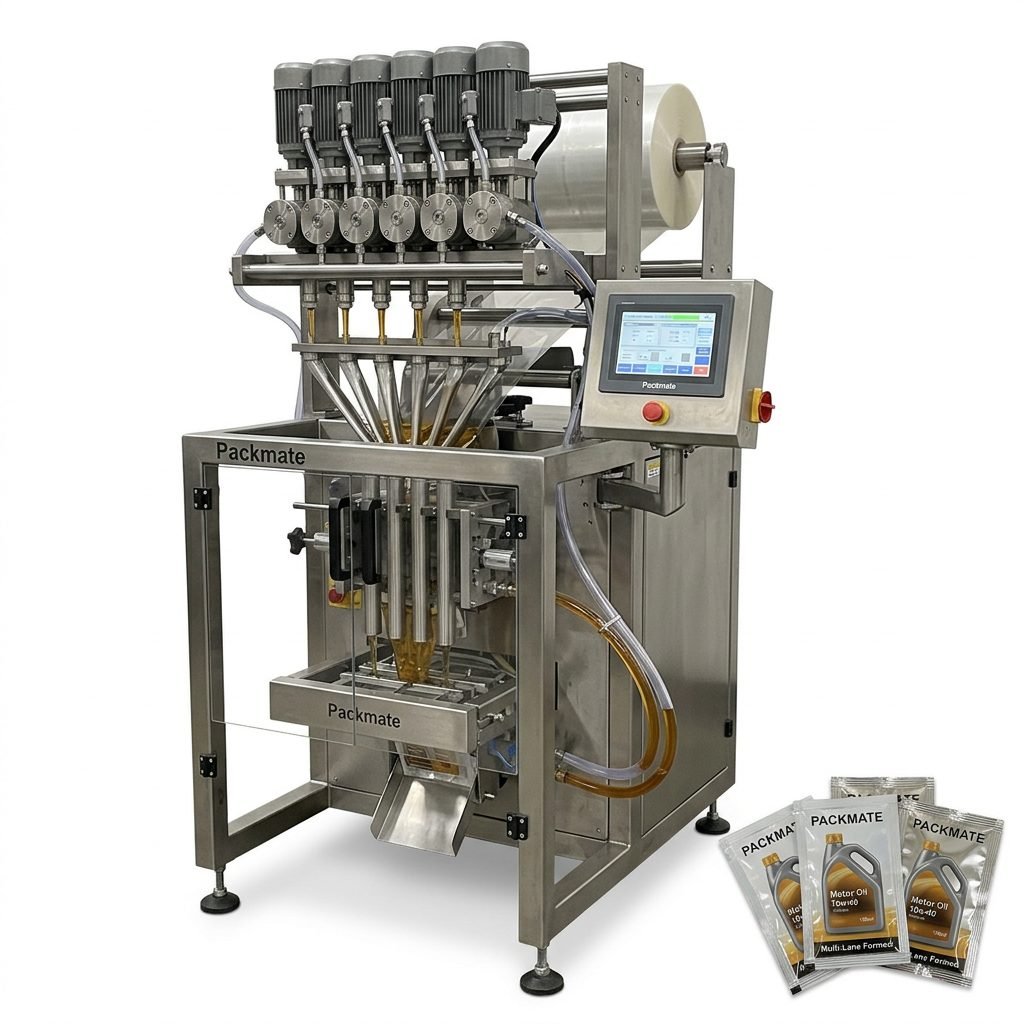
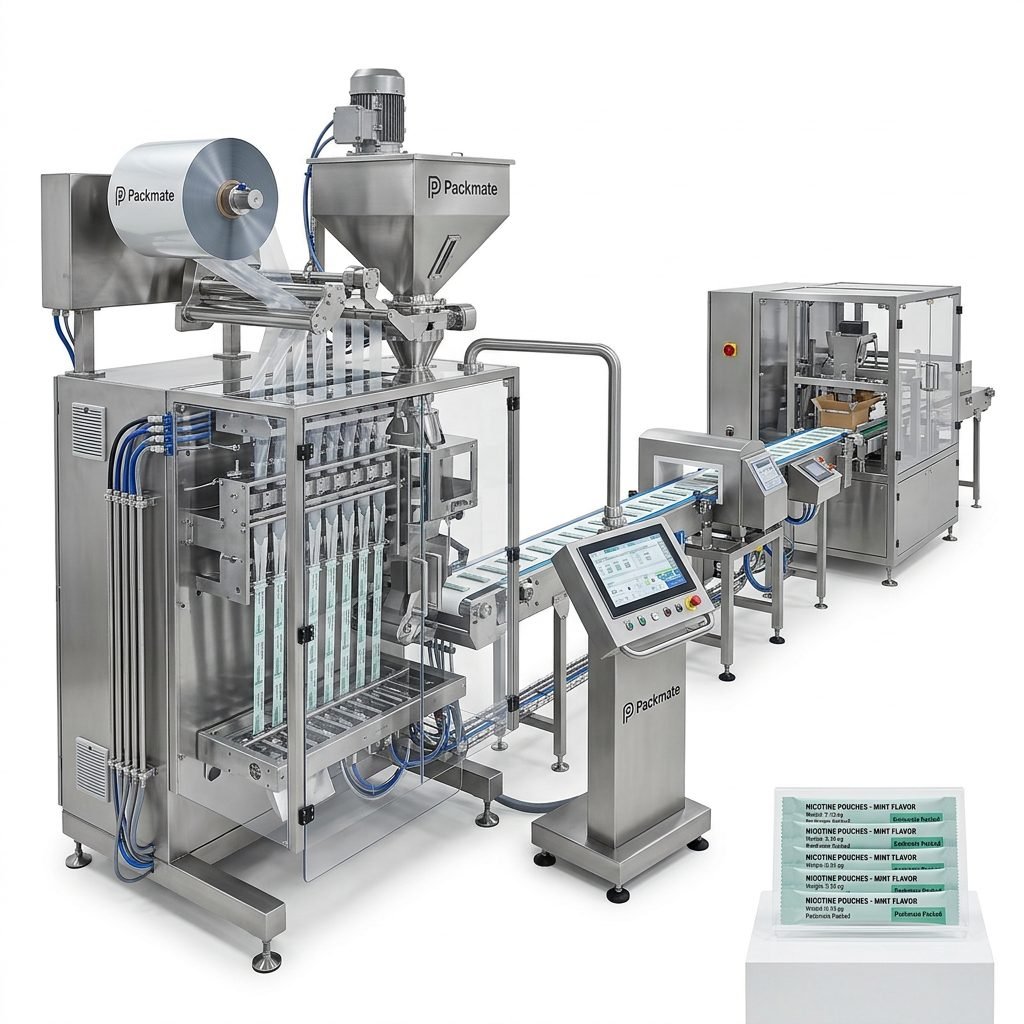
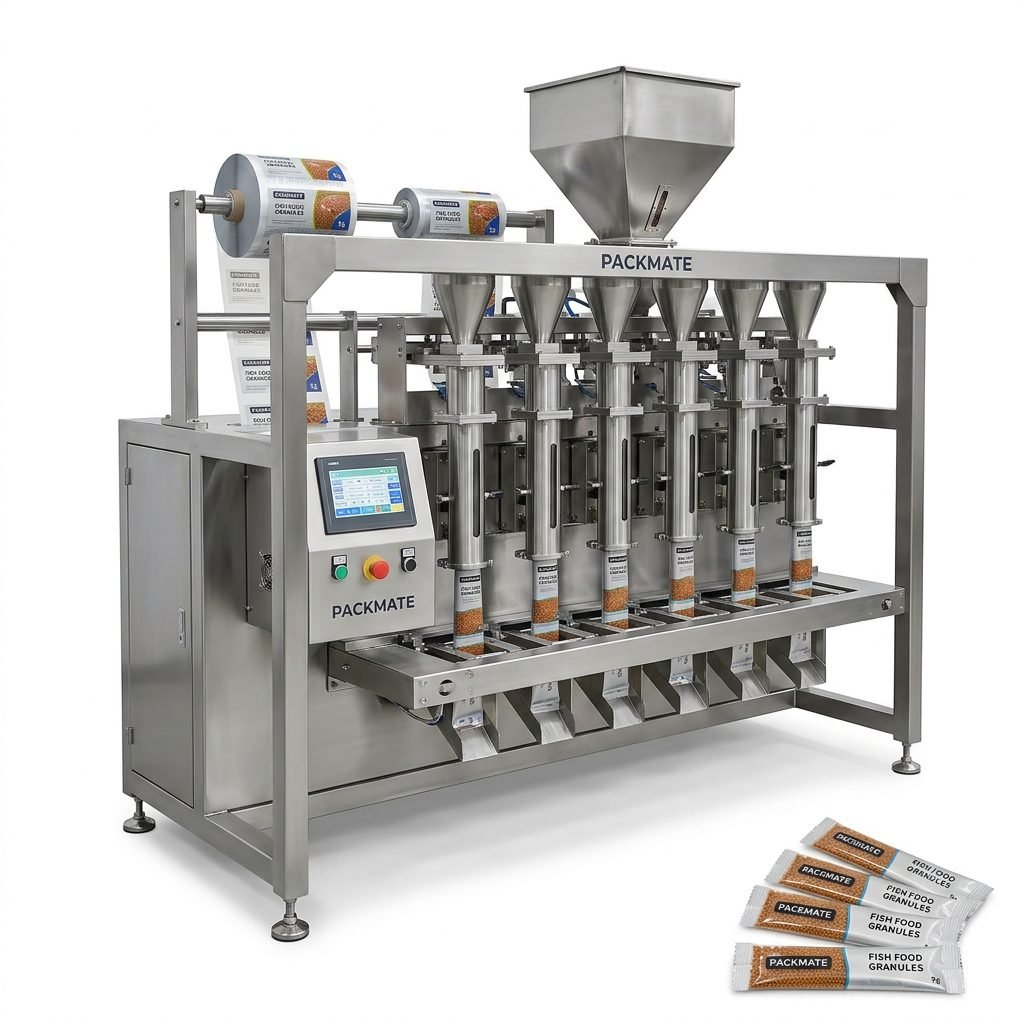
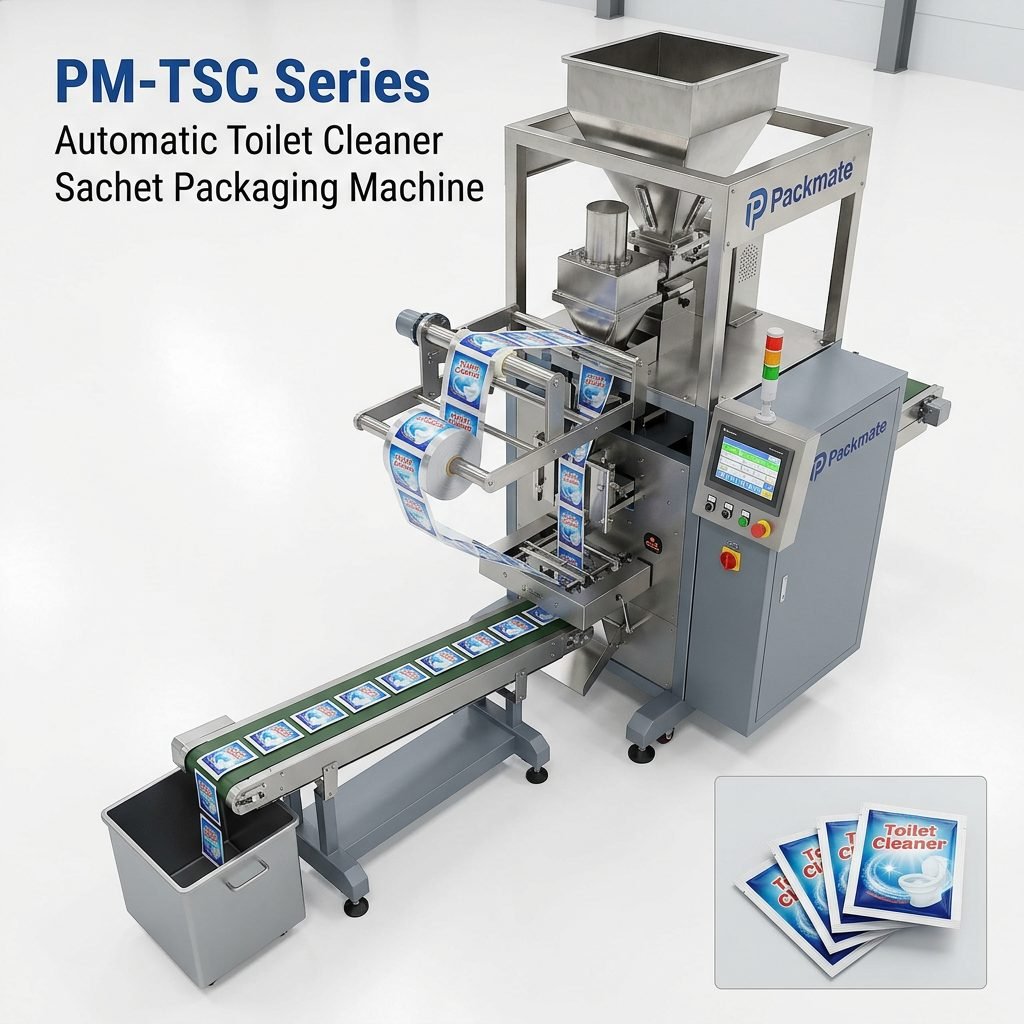
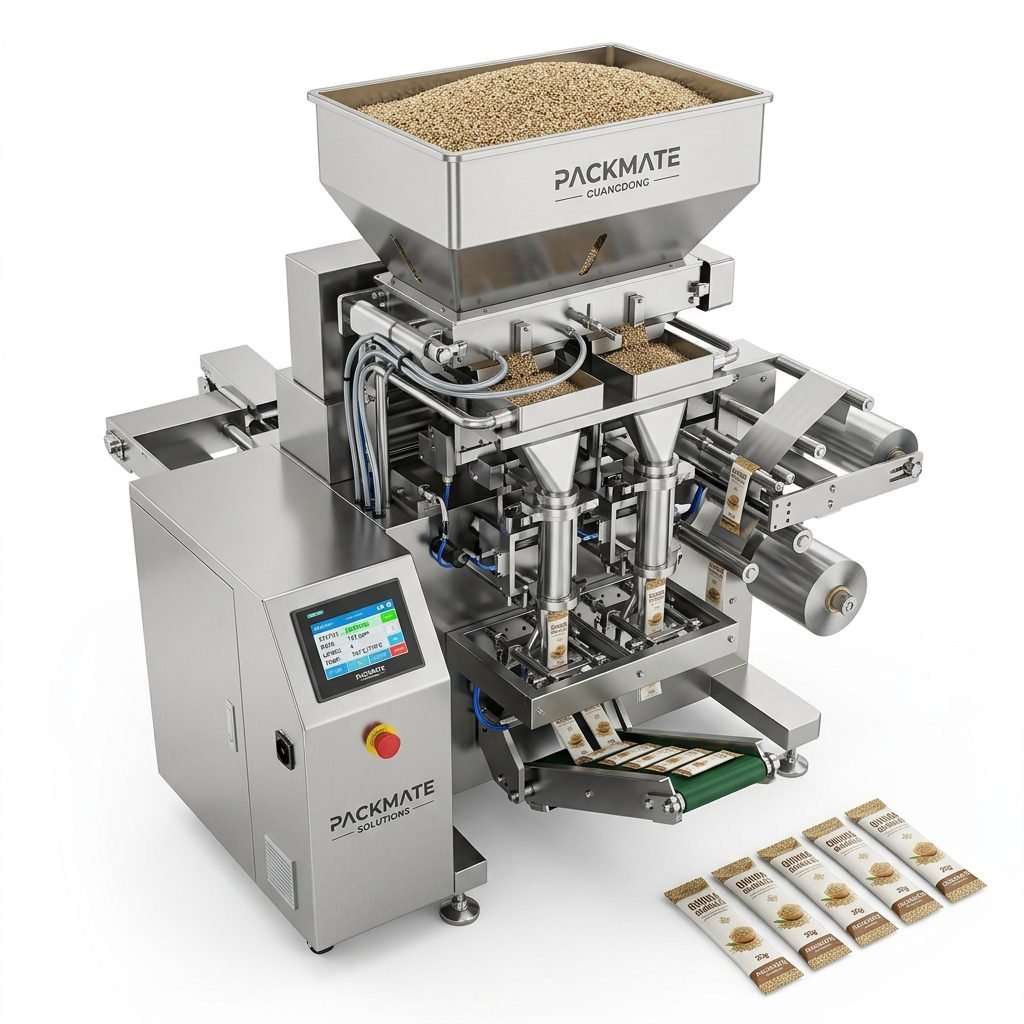
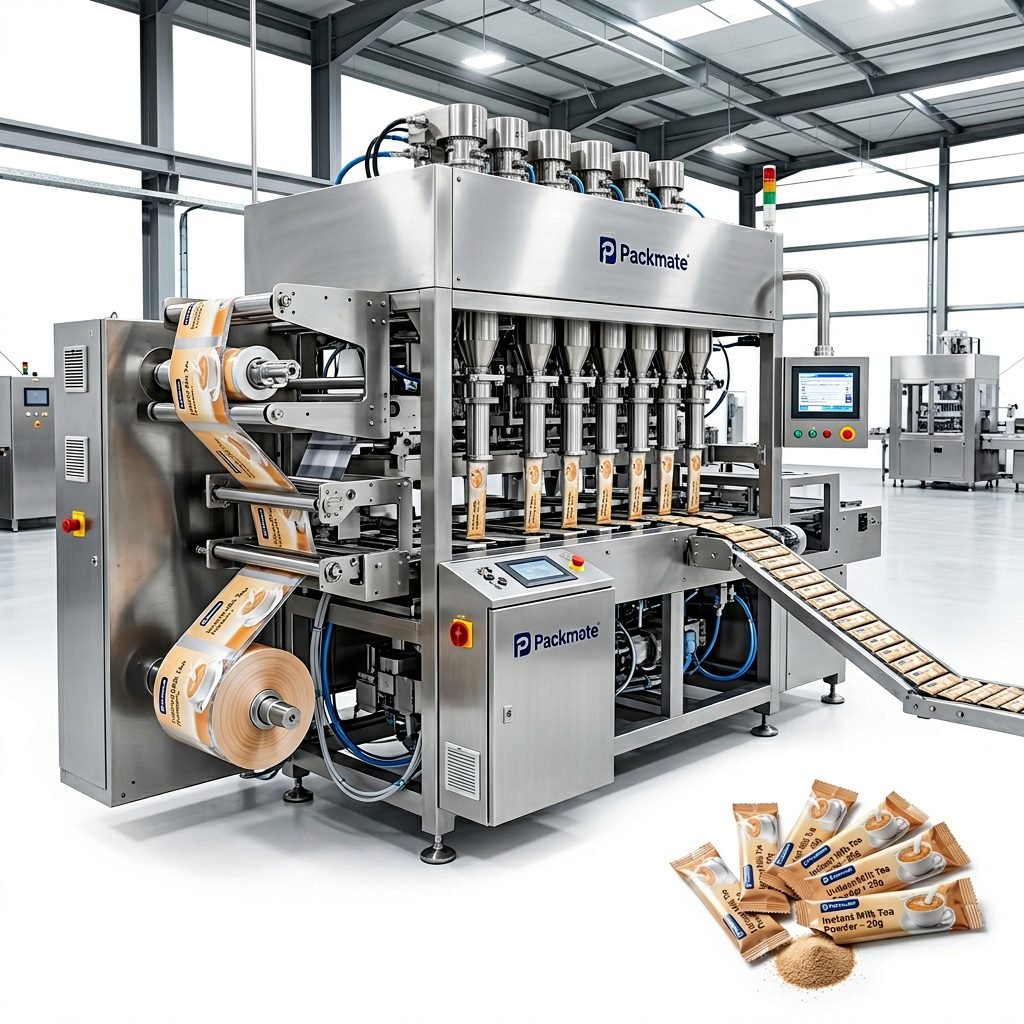
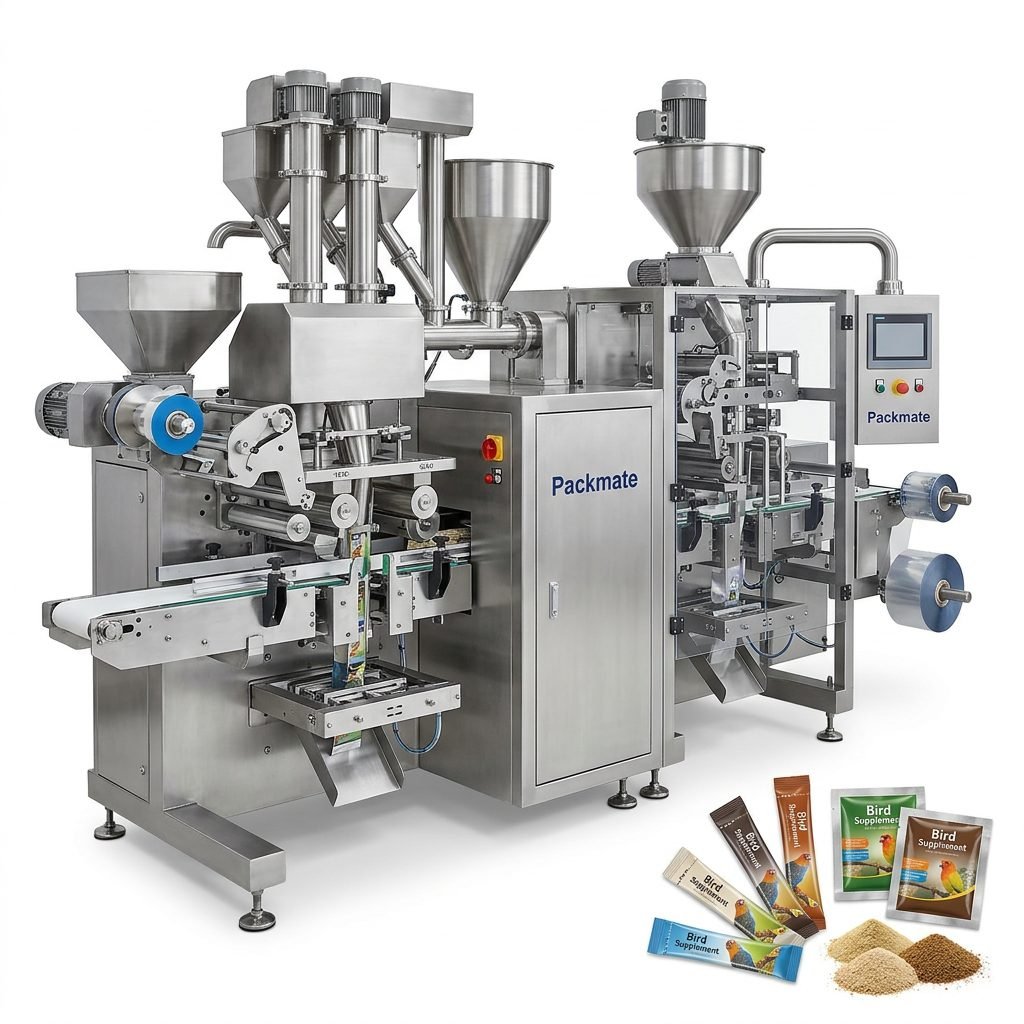
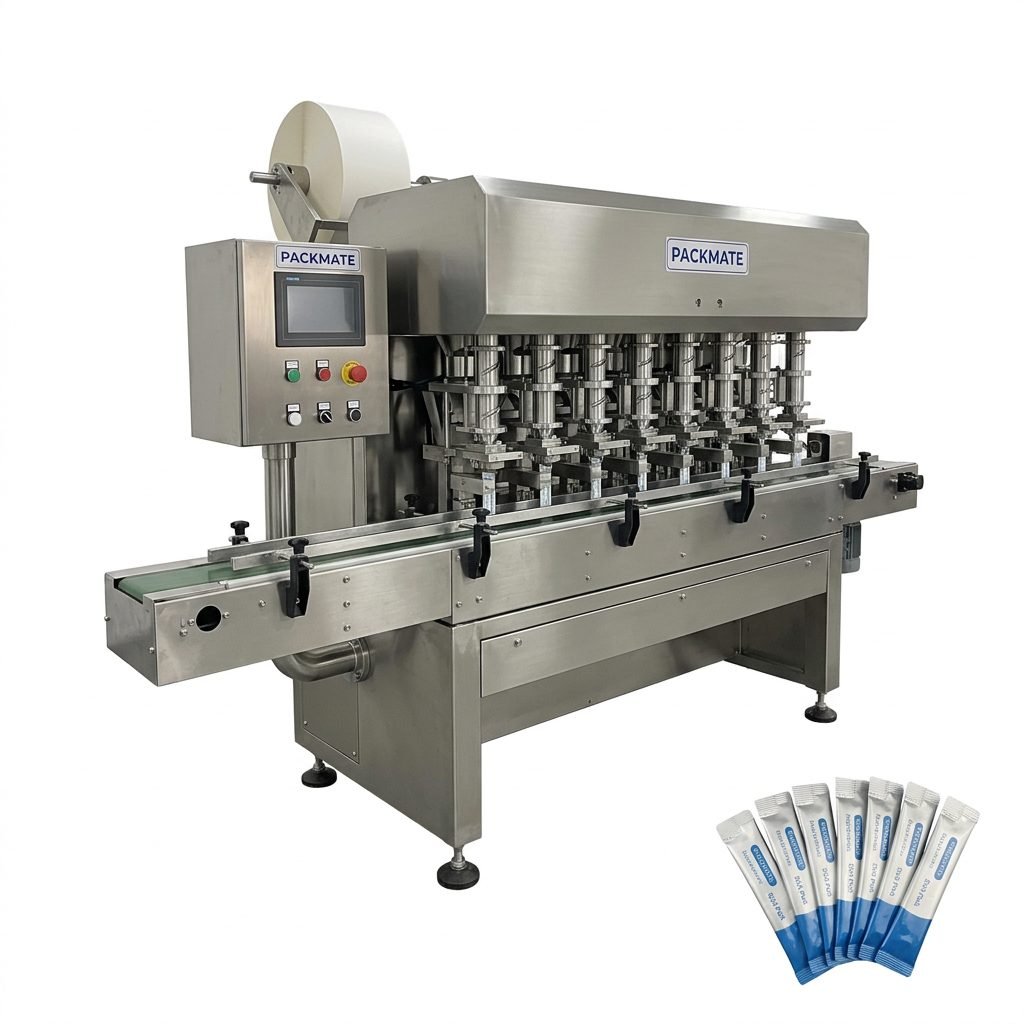
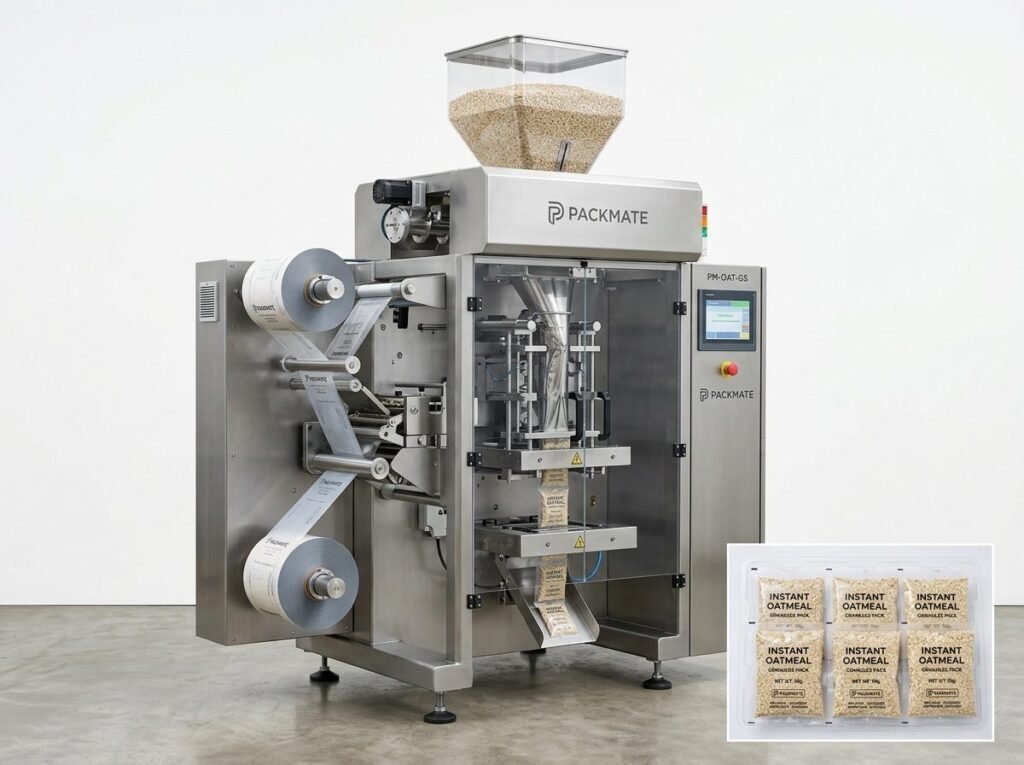
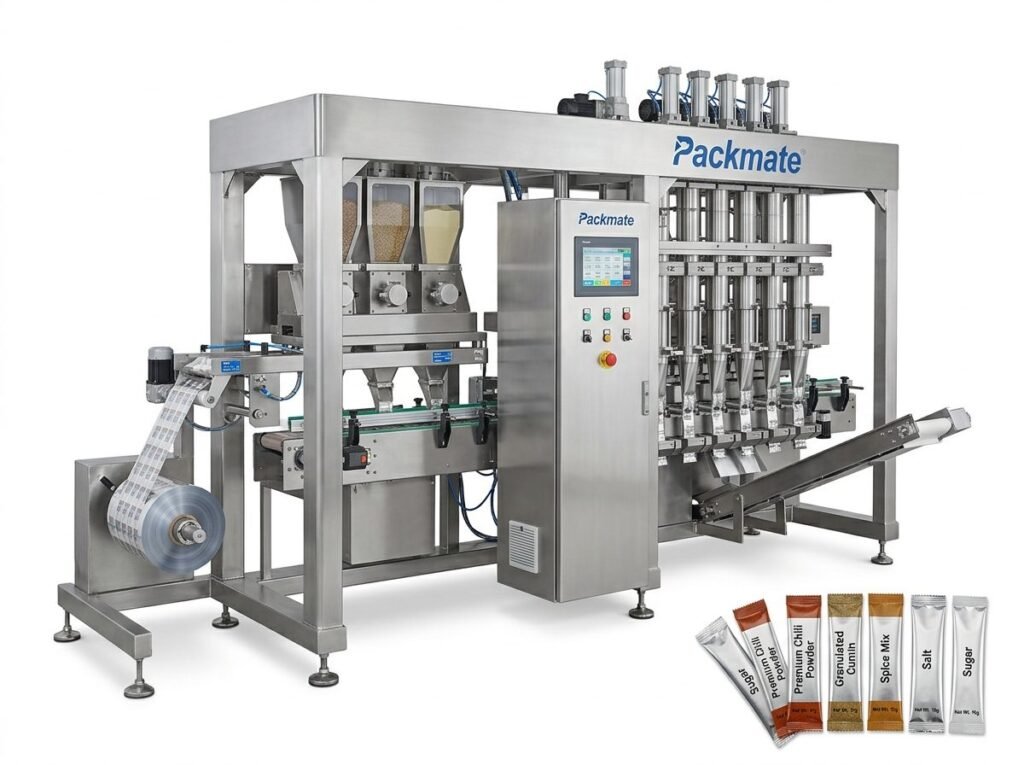
- Form-Fill-Seal (FFS) Machines: The workhorses for creating sachets, stick packs, or pouches from roll film, filling them, and sealing them in one continuous operation. Multi-lane FFS machines exponentially increase output.
- Pre-Made Pouch Fillers: Ideal for larger volumes or complex products, these systems automate the opening, filling, and sealing of pre-manufactured stand-up pouches or bags.
- Liquid & Viscous Fillers: Precision piston or pump fillers designed to handle everything from water-thin liquids to thick pastes and creams without dripping or air inclusion.
2. Secondary & Tertiary Packaging
Once the primary package is sealed, the automation continues:
- Cartoning Machines: Automatically erect cartons, insert the primary packs (like sachets or bottles), and close them. They can also include leaflet or desiccant insertion.
- Case Packers & Palletizers: For bulk shipping, these robots or mechanical systems collate finished cartons into cases and stack them onto pallets in stable, optimized patterns.
3. The Control & Intelligence Layer
The true “brain” of the operation. A centralized Programmable Logic Controller (PLC) and Human-Machine Interface (HMI) allow operators to control speed, monitor production data, and diagnose issues. Advanced lines incorporate Industrial Internet of Things (IIoT) connectivity for predictive maintenance and production analytics, offering insights you can explore in our detailed Solution portfolio.
Selecting the Right Partner for Your Line
Investing in an automated line is a significant decision. The right equipment provider acts as a long-term strategic ally.
What to Look For in a Supplier:
Proven Industry Experience: Seek a partner with a documented history in your specific sector (food, pharma, etc.). Their case studies should reflect challenges similar to yours.
Turnkey Capability: The ability to design, manufacture, integrate, install, and commission the entire line ensures seamless compatibility and single-point accountability.
Compliance & Certification: For pharmaceutical and health products, ensure the supplier understands and can build to GMP, FDA, or other relevant regulatory guidelines.
After-Sales & Support: Comprehensive training, readily available spare parts, and responsive technical support are critical for minimizing downtime. A global service network is a major advantage for international manufacturers.
With over 22 years of company development and a 20,000㎡ modern manufacturing facility, Packmate embodies these qualities. From initial concept to final commissioning, their approach is collaborative, ensuring the final system aligns perfectly with production goals, as detailed in their company profile.
Future Trends: The Smart Packaging Line
The evolution of automated packaging is toward greater intelligence and connectivity. Future-forward lines will feature:
- Advanced Robotics: For delicate handling tasks, complex pick-and-place operations, and adaptive packaging.
- Artificial Intelligence (AI) Vision Systems: Going beyond simple detection to predictive quality analysis and self-correcting processes.
- Sustainable Packaging Integration: Machines designed to handle biodegradable, compostable, or mono-material films efficiently, supporting corporate environmental goals.
Adopting an automated packaging line is a transformative step toward securing a competitive, compliant, and profitable future in manufacturing. By partnering with an expert provider, companies can navigate this complex investment with confidence, unlocking new levels of productivity and quality assurance.
Frequently Asked Questions (FAQs)
1. What is the typical ROI timeframe for an automated packaging line?
Return on investment varies based on line complexity, labor costs, and production volume. However, most manufacturers see a full ROI within 1 to 3 years through labor savings, reduced waste, and increased throughput. A detailed analysis from your supplier can provide a more precise projection.
2. Can one packaging line handle different products and package sizes?
Yes, modern lines are designed for flexibility. Quick-change tooling and recipe-driven PLC controls allow for rapid changeover between different products, powders, liquids, and package formats (e.g., from 10g sachets to 50g stick packs). Discuss your specific product range with your supplier during the design phase.
3. How do automated lines ensure compliance with pharmaceutical GMP standards?
GMP-compliant lines use stainless steel construction, clean-in-place (CIP) systems, and enclosed mechanisms to prevent contamination. They feature comprehensive documentation, validated cleaning procedures, and often include integrated checkweighers and metal detectors. Suppliers with pharma experience, like Packmate, are adept at building to these stringent requirements.
4. What kind of maintenance is required, and how is downtime minimized?
Preventive maintenance is key. This includes regular lubrication, seal inspections, and part replacements per the manufacturer’s schedule. Leading suppliers offer remote diagnostics and predictive maintenance tools that alert you to potential issues before they cause a stoppage, and provide comprehensive service support.
5. How do we get started with implementing an automated line for our factory?
The process typically begins with a consultation and feasibility study. You’ll share your product details, desired output, packaging materials, and factory layout. A reputable supplier will then conduct tests (if needed), propose a line layout, and provide a detailed quotation. The final step involves factory acceptance testing (FAT) before installation and commissioning at your site.