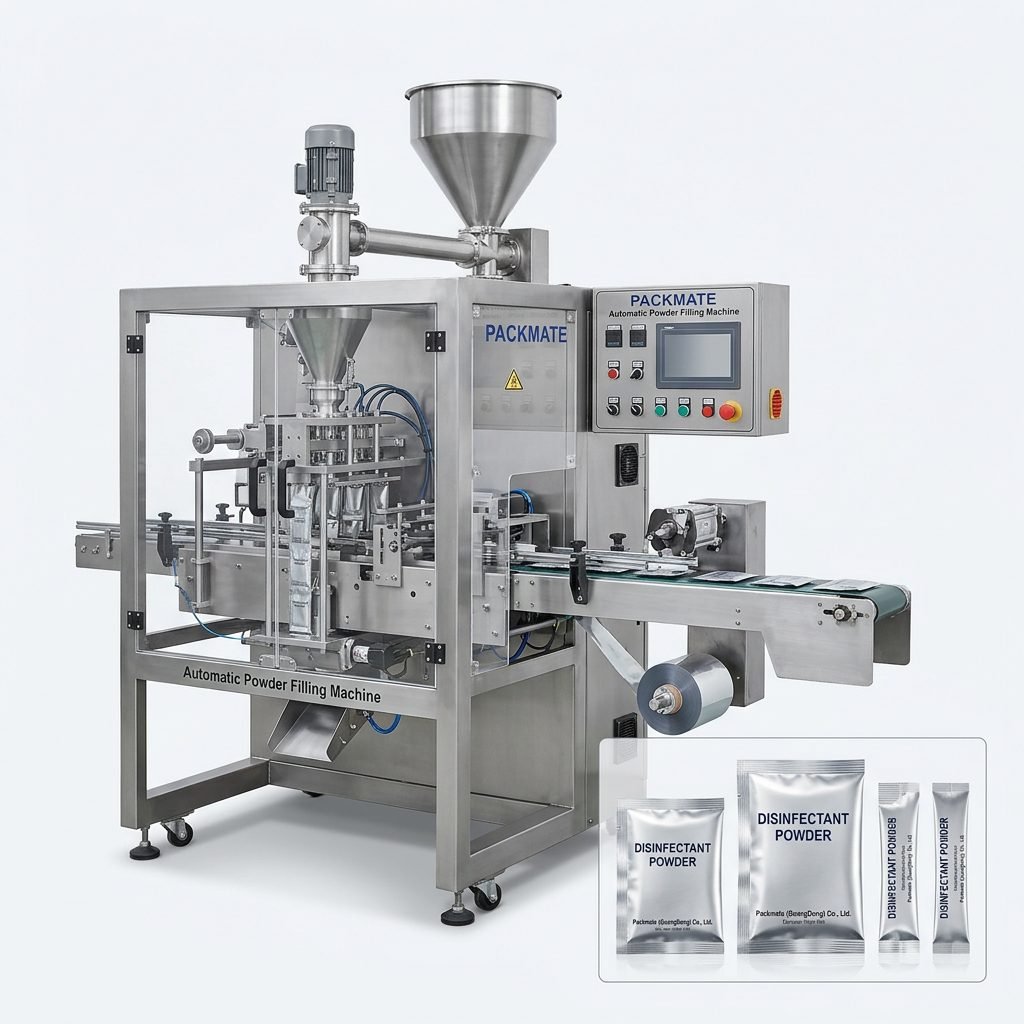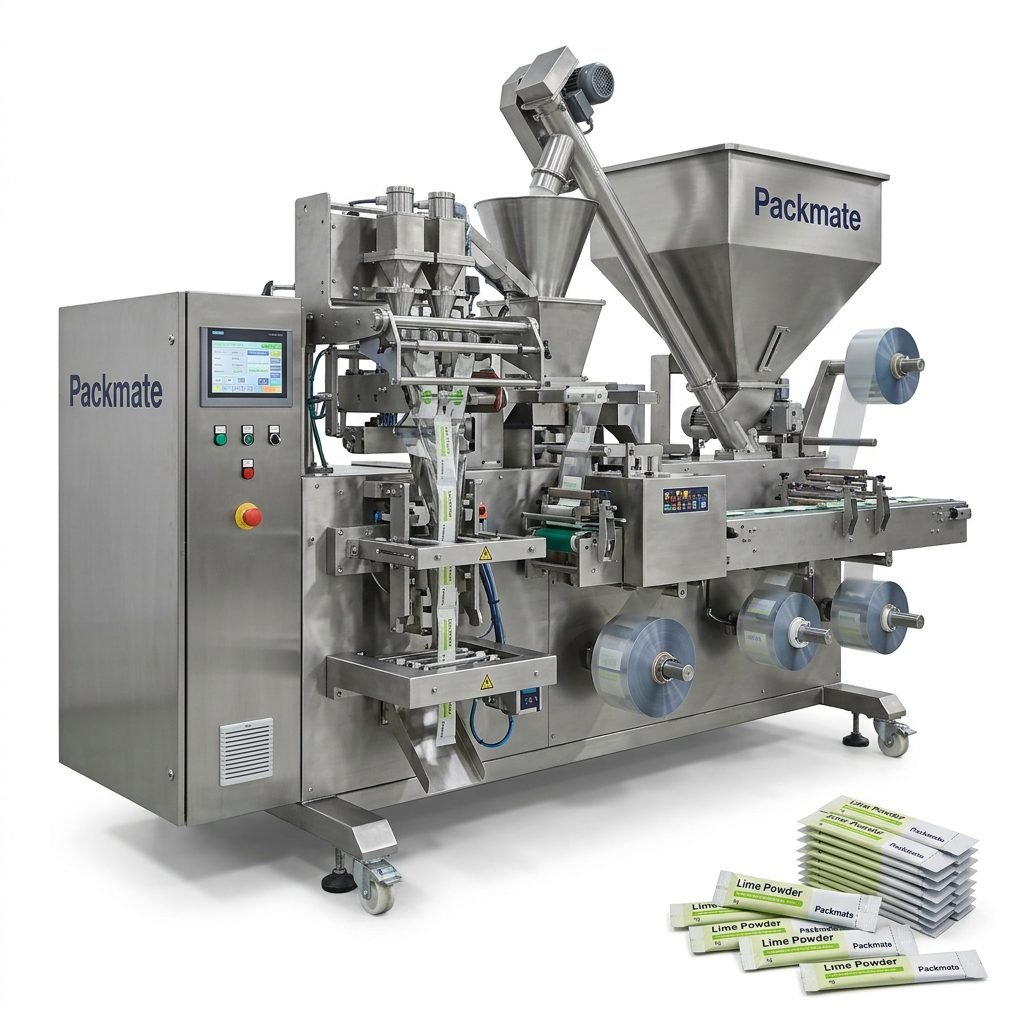
In today’s fast-paced consumer market, efficiency, hygiene, and presentation are paramount for food producers. An automated food packaging line is no longer a luxury but a critical investment for businesses aiming to scale, ensure product consistency, and meet stringent safety standards. For companies seeking comprehensive solutions, partnering with a manufacturer that provides turnkey systems for sachets, stick packs, and bulk packaging can be transformative. This article explores the capabilities of such manufacturers and the strategic advantages of integrated packaging solutions.
The Evolution of Food Packaging Automation
The journey from manual filling to fully automated lines represents a significant leap in manufacturing technology. Early packaging was labor-intensive, prone to contamination, and inconsistent. The advent of automated machinery revolutionized this, introducing precision, speed, and reliability. Modern lines integrate various processes—from dosing and filling to sealing, coding, and cartoning—into one seamless operation. This evolution is driven by demands for higher output, reduced waste, and compliance with global food safety regulations. A specialist manufacturer like Packmate (GuangDong) Co., Ltd. embodies this progress, leveraging decades of experience to engineer solutions that address these complex needs.
Core Benefits of a Turnkey Packaging Line
Choosing a turnkey solution from a single manufacturer offers distinct advantages over piecing together equipment from multiple vendors.
- Unified System Integration: All components—feeders, scales, form-fill-seal machines, conveyors, and checkweighers—are designed to work in perfect harmony, minimizing bottlenecks and communication errors between machines.
- Simplified Project Management: The manufacturer assumes responsibility for the entire line’s design, installation, commissioning, and staff training, significantly reducing the client’s administrative burden.
- Optimized Performance & Support: With a single point of contact for technical support and spare parts, maintenance is streamlined, and downtime is minimized.
- Future-Proof Scalability: A reputable manufacturer designs lines with flexibility in mind, allowing for easy upgrades or reconfiguration to accommodate new products, formats, or increased speeds in the future.
Specialized Solutions: Sachet, Stick Pack, and Bulk Packaging
A premier automated food packaging line manufacturer typically excels in multiple packaging formats, each serving specific market segments and product types.
High-Speed Sachet Packaging Lines
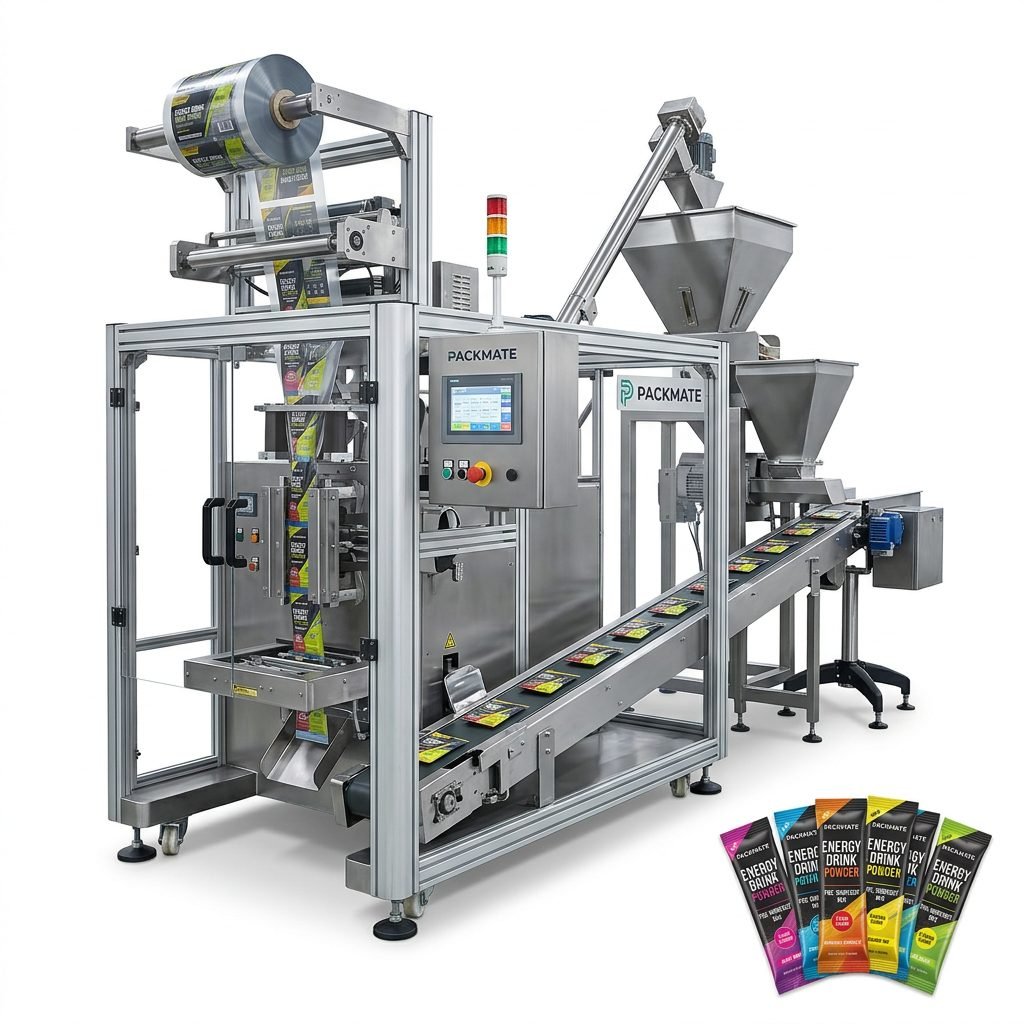
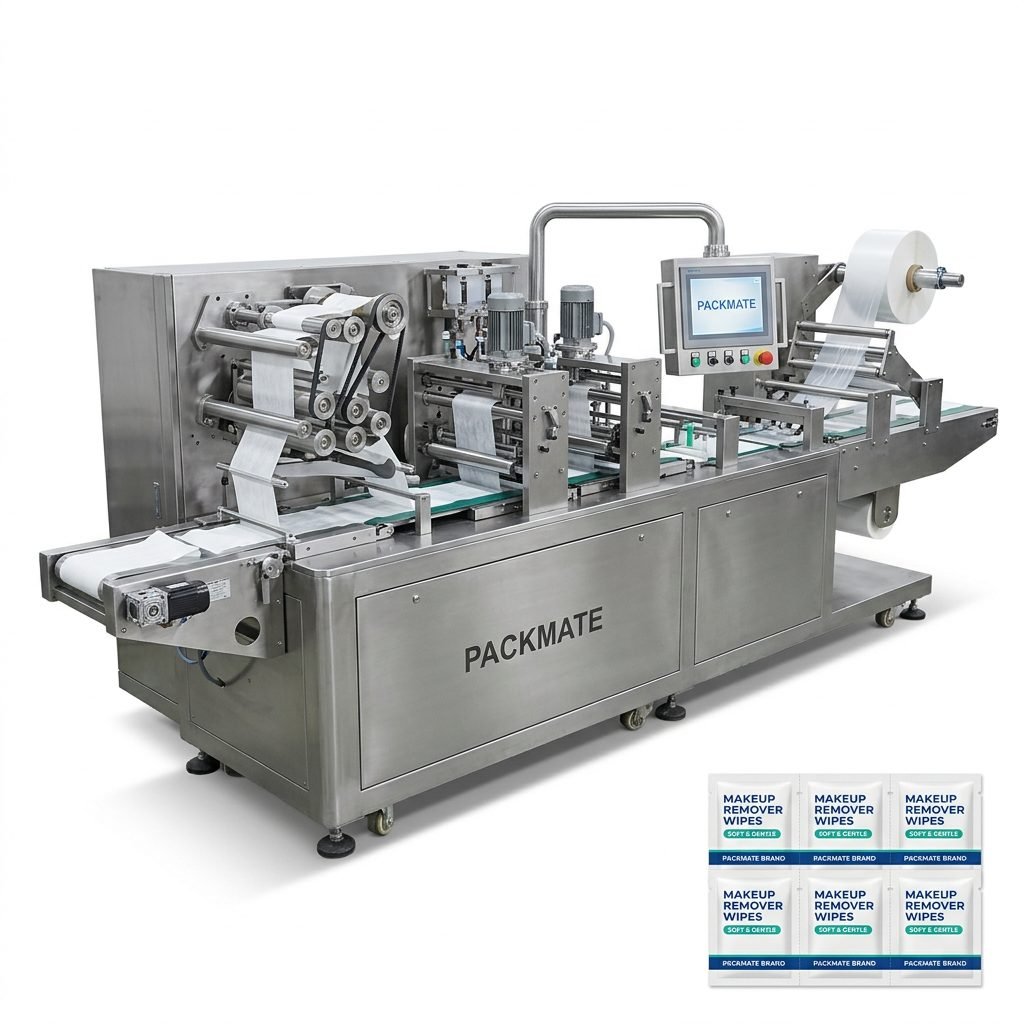
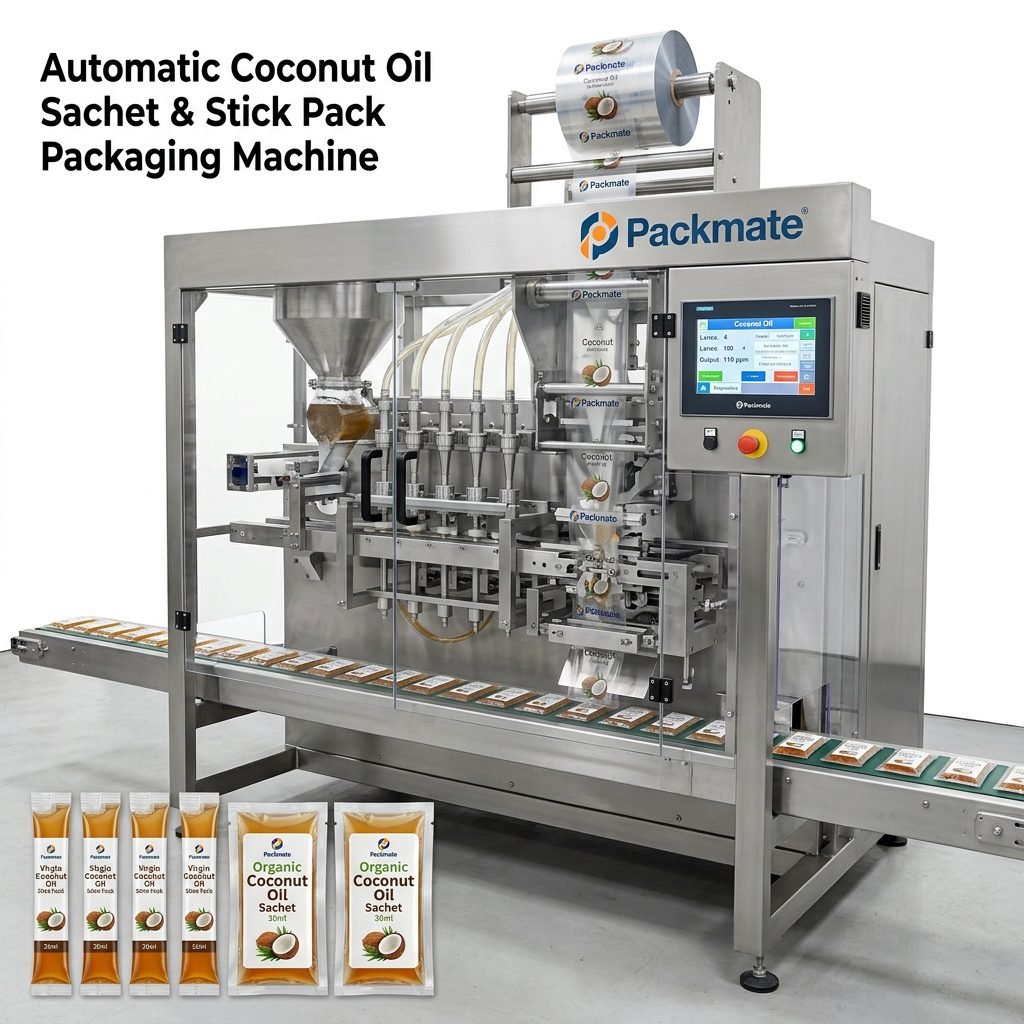
Sachets are ideal for single-serve portions of products like sauces, dressings, spices, and instant beverages. An advanced sachet packaging line focuses on:
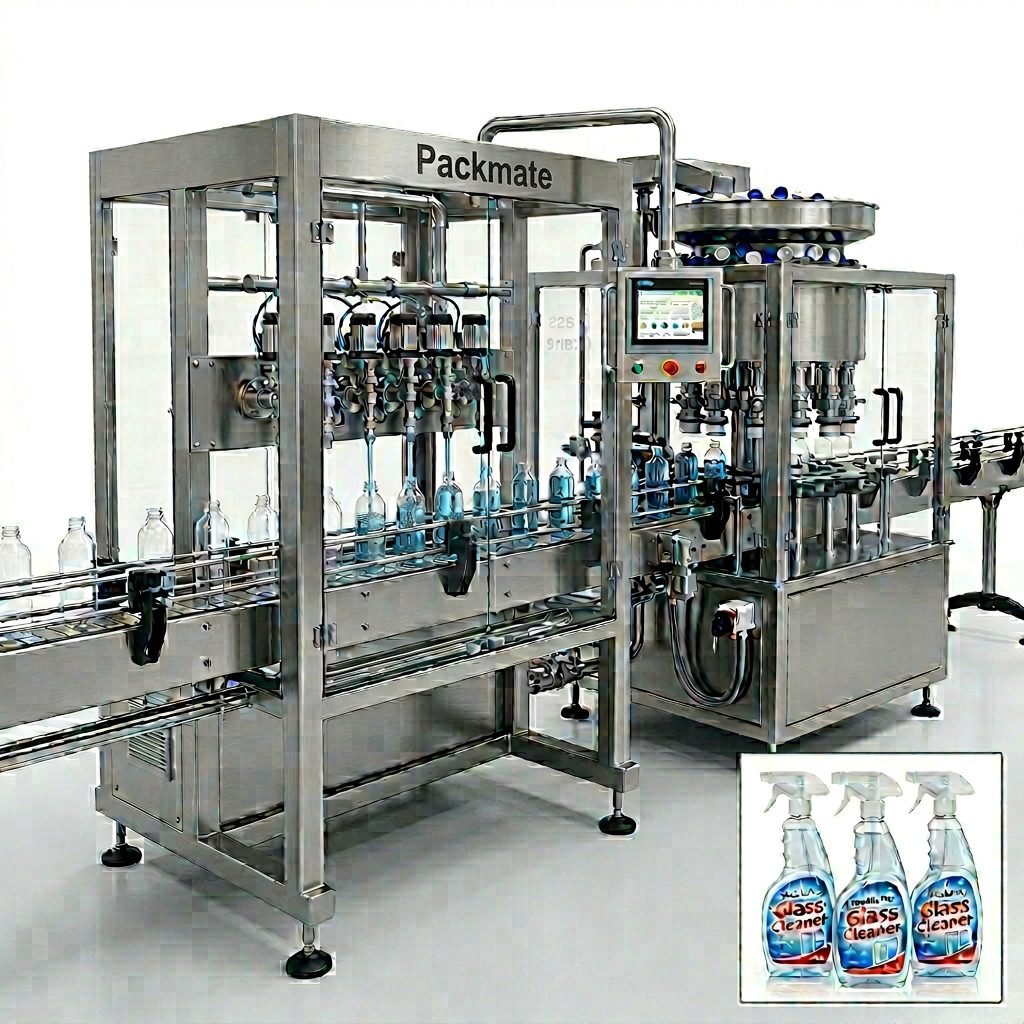
- Precision Liquid & Paste Filling: Utilizing piston or pump fillers for accurate, drip-free dosing of viscous products.
- Robust Sealing Integrity: Ensuring strong, leak-proof seals even with oily or particulate-containing products, crucial for brand reputation and shelf life.
- Flexible Film Handling: Efficiently running a variety of laminated films that provide necessary barriers against moisture, oxygen, and light.
These lines are often multi-lane, dramatically increasing output for high-volume consumer goods. You can explore specific applications in our detailed packaging solutions portfolio.
Efficient Stick Pack Packaging Systems
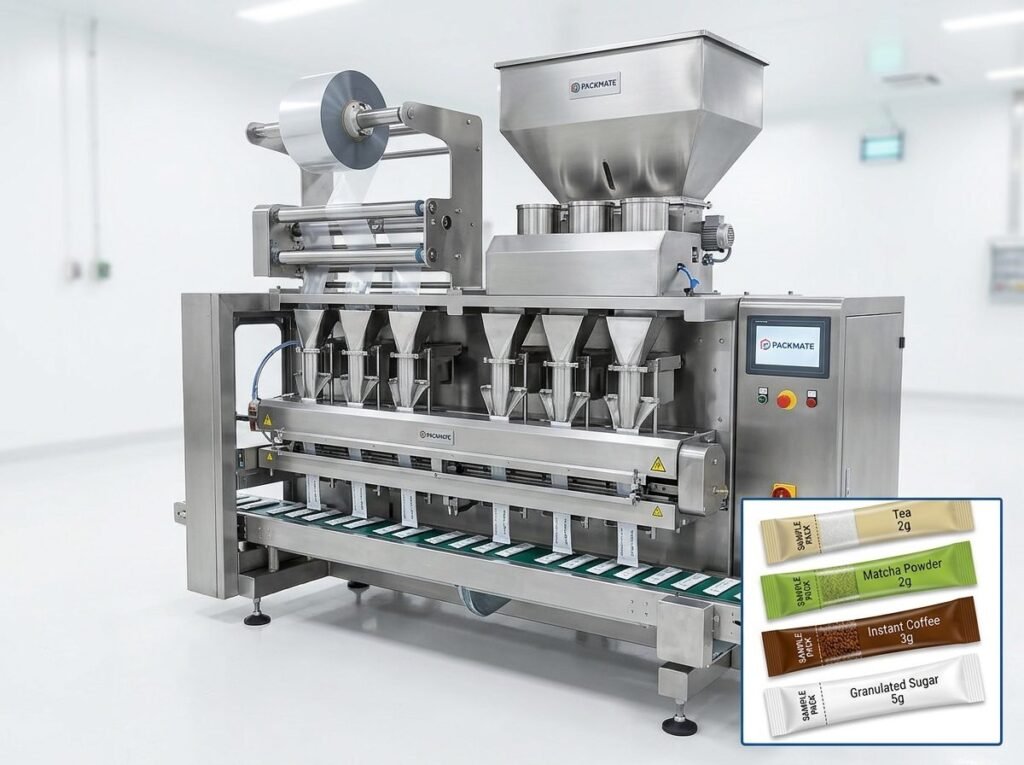
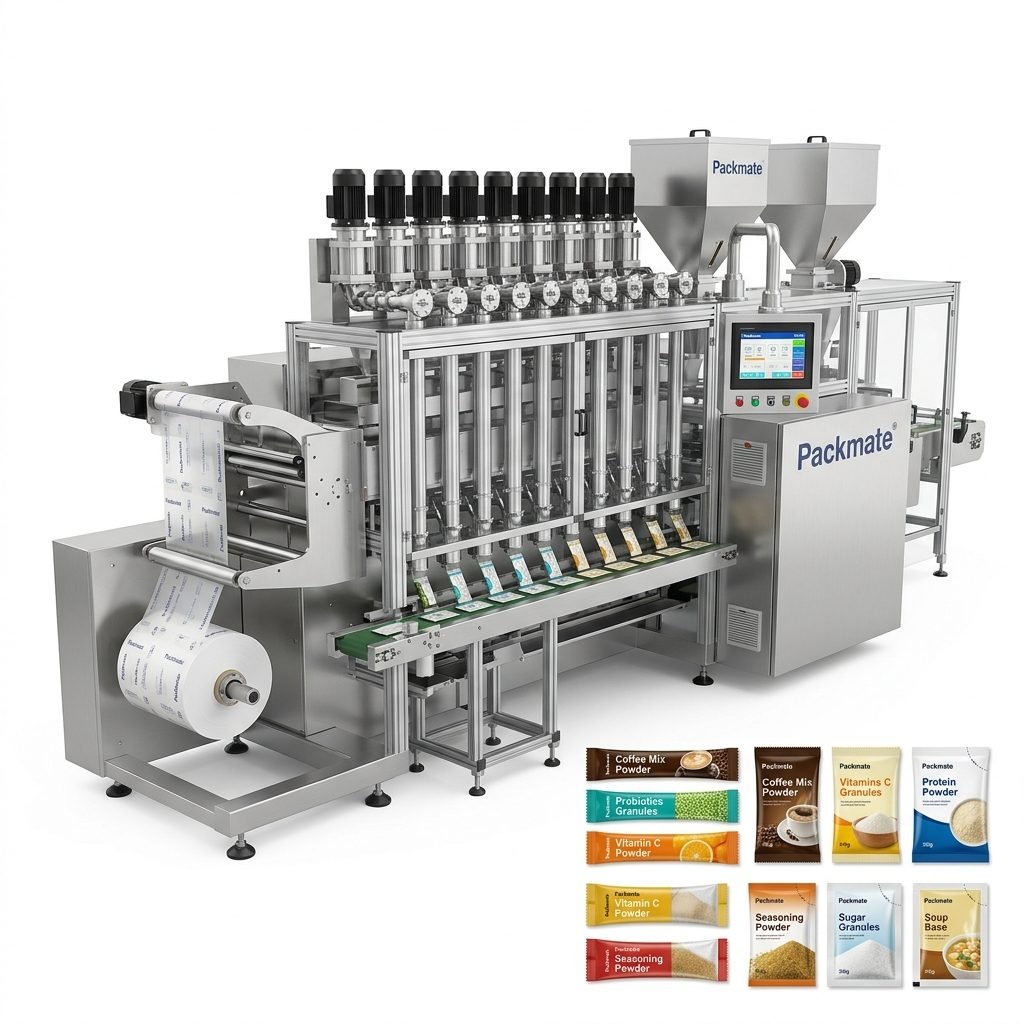
Stick packs have gained immense popularity for powdered foods (coffee, protein powder, sweeteners), grains, and supplements due to their sleek design and convenience. Key features of a modern stick pack line include:
- Ultra-Fine Powder Handling: Incorporating auger fillers with anti-bridging and de-aeration technology to ensure consistent fill weights of challenging powders.
- Compact and Hygienic Design: The vertical form-fill-seal process creates a space-efficient pack with minimal surface area for potential contamination.
- Excellent Dispensability: The shape and seal are designed for easy tearing and complete product evacuation, enhancing the user experience.
Heavy-Duty Bulk Packaging Solutions
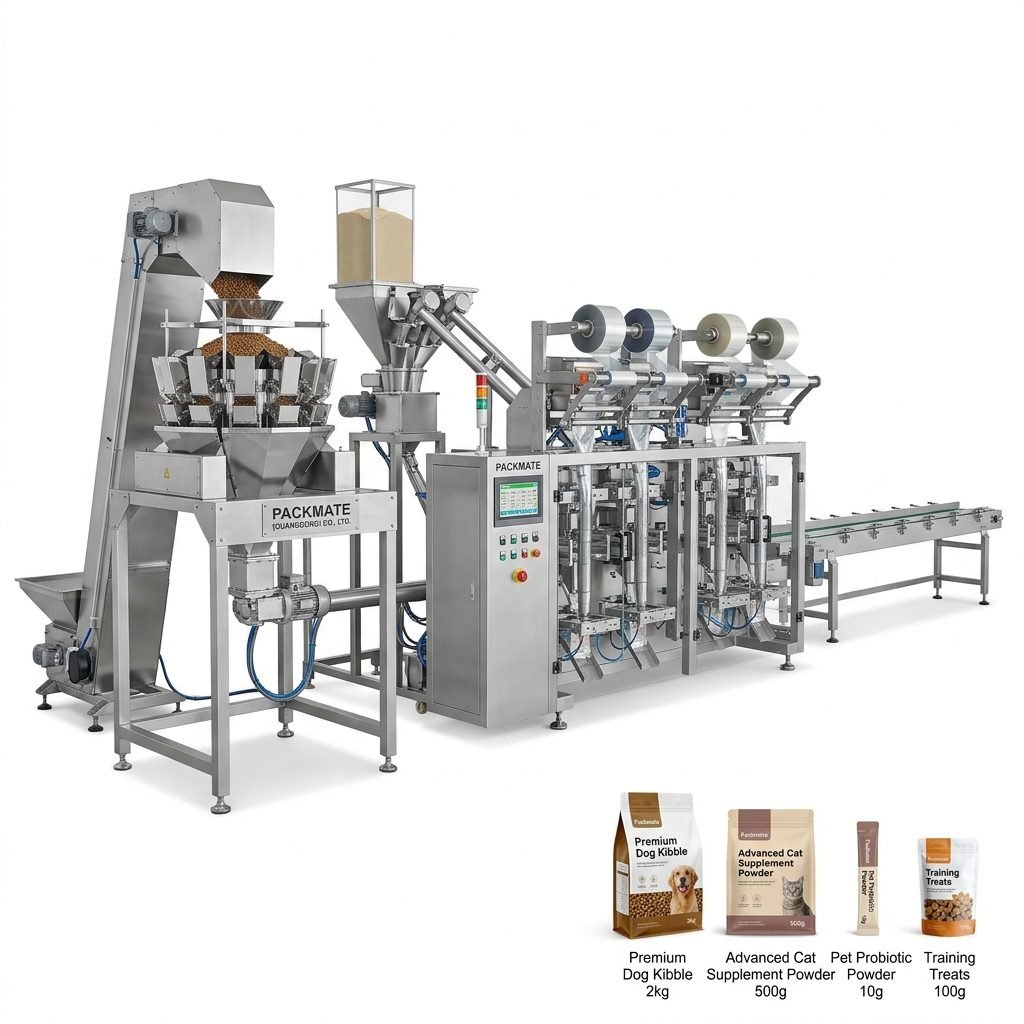
For ingredients, commodities, or products sold in large quantities (e.g., flour, sugar, rice, pet food), bulk packaging lines offer robustness and efficiency. These systems are characterized by:
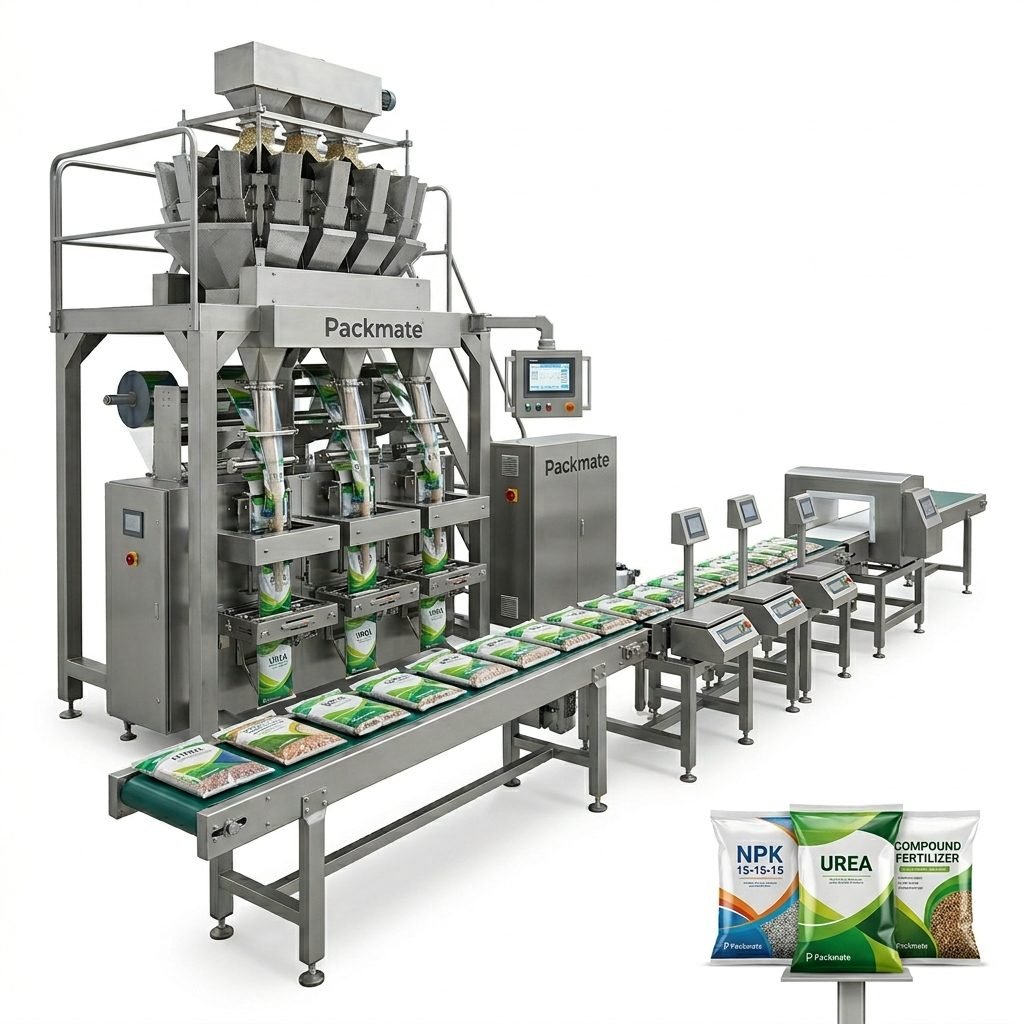
- High-Capacity Weighing & Filling: Using multi-head weighers or gross weigh scales to handle large volumes at high speed.
- Durable Bag Forming: Creating sturdy pillow bags, gusseted bags, or open-mouth sacks from heavier-grade films or woven materials.
- Integrated Palletizing: Often linked to automated bag placers and palletizers to handle the finished, heavy bags, completing the automation cycle from product to shipment.
Why Choose an Experienced Manufacturer Like Packmate?
With over 22 years of company development and a 20,000㎡ modern manufacturing facility, Packmate represents the caliber of partner needed for such critical investments. Our story, beginning in a small workshop in 1993, is built on a foundation of solving technical challenges and a passion for automation. This history translates into tangible benefits for our clients:
✓ Deep Application Knowledge: We understand the unique handling properties of granules, powders, and liquids.
✓ In-House Engineering & Testing: Our team of 125+ professional members designs, builds, and rigorously tests every line in our facility before shipment.
✓ Global Compliance Focus: Equipment is built to meet international safety and quality standards, facilitating exports to diverse markets.
✓ End-to-End Service: From initial consultation to after-sales support, we provide a cohesive partnership. See our global project case studies for real-world examples.
Key Considerations When Selecting Your Packaging Line Partner
Investing in an automated line is a major decision. Beyond the machinery specs, evaluate the manufacturer’s holistic capabilities.
Technical Expertise and Customization
Can they adapt a standard machine to your specific product’s flow characteristics, packaging material, or factory layout? True partners offer engineering support for customization.
Production Scale and Flexibility
Does their offering range from semi-automatic machines for startups to ultra-high-speed lines for multinationals? Your chosen line should match your current output needs while allowing for growth.
Total Cost of Ownership (TCO)
Look beyond the initial purchase price. Consider energy efficiency, maintenance costs, spare parts availability, and the potential cost of downtime. A reliable, well-supported line from a reputable manufacturer often offers a lower TCO.
Training and Ongoing Support
Comprehensive training for your operators and maintenance staff is essential for long-term success. Ensure the manufacturer provides detailed manuals, on-site training, and responsive technical support. Our commitment to client success is detailed in our comprehensive service package.
Conclusion: The Path to Packaging Excellence
The decision to implement an automated food packaging line is a strategic move towards greater profitability, consistency, and market competitiveness. By partnering with a seasoned, turnkey manufacturer specializing in sachet, stick pack, and bulk solutions, businesses gain more than just machinery—they gain a technology partner dedicated to their production success. This collaboration ensures a smooth transition to automation, maximizes line efficiency, and provides the foundation for scalable growth in an ever-evolving marketplace. For a closer look at our company’s ethos and journey, visit our homepage or learn more about our corporate profile.
Frequently Asked Questions (FAQs)
1. What is the typical lead time for a complete turnkey packaging line?
Lead times vary significantly based on the line’s complexity, level of customization, and current production schedule. A standard system may take 3-6 months from order to delivery, while highly customized solutions can take longer. Detailed timelines are provided during the project quotation phase.
2. Can your packaging lines handle both food and non-food products?
Yes. While we specialize in food-grade applications, our engineering principles and machine construction are applicable to a wide range of industries, including pharmaceuticals, nutraceuticals, chemicals, and agriculture. Material contact parts are selected based on the specific product’s properties.
3. How do you ensure the packaging line will work with our specific product?
We strongly recommend product testing. Clients can send samples of their product and packaging film to our facility. We run trials on appropriate equipment, optimizing parameters like filling accuracy, sealing temperature, and speed. This data-driven approach guarantees performance before installation.
4. What kind of training and after-sales support do you provide?
We provide comprehensive on-site training during installation and commissioning for machine operators, mechanics, and electricians. This includes operational procedures, routine maintenance, and basic troubleshooting. Our after-sales support includes remote assistance, a supply of genuine spare parts, and optional annual maintenance contracts.
5. Are your machines compliant with international safety and electrical standards?
Absolutely. Our machines are designed and built to comply with major international standards such as CE (Europe) and are configured to meet the specific electrical and safety requirements of the destination country. All relevant documentation and certificates are provided.