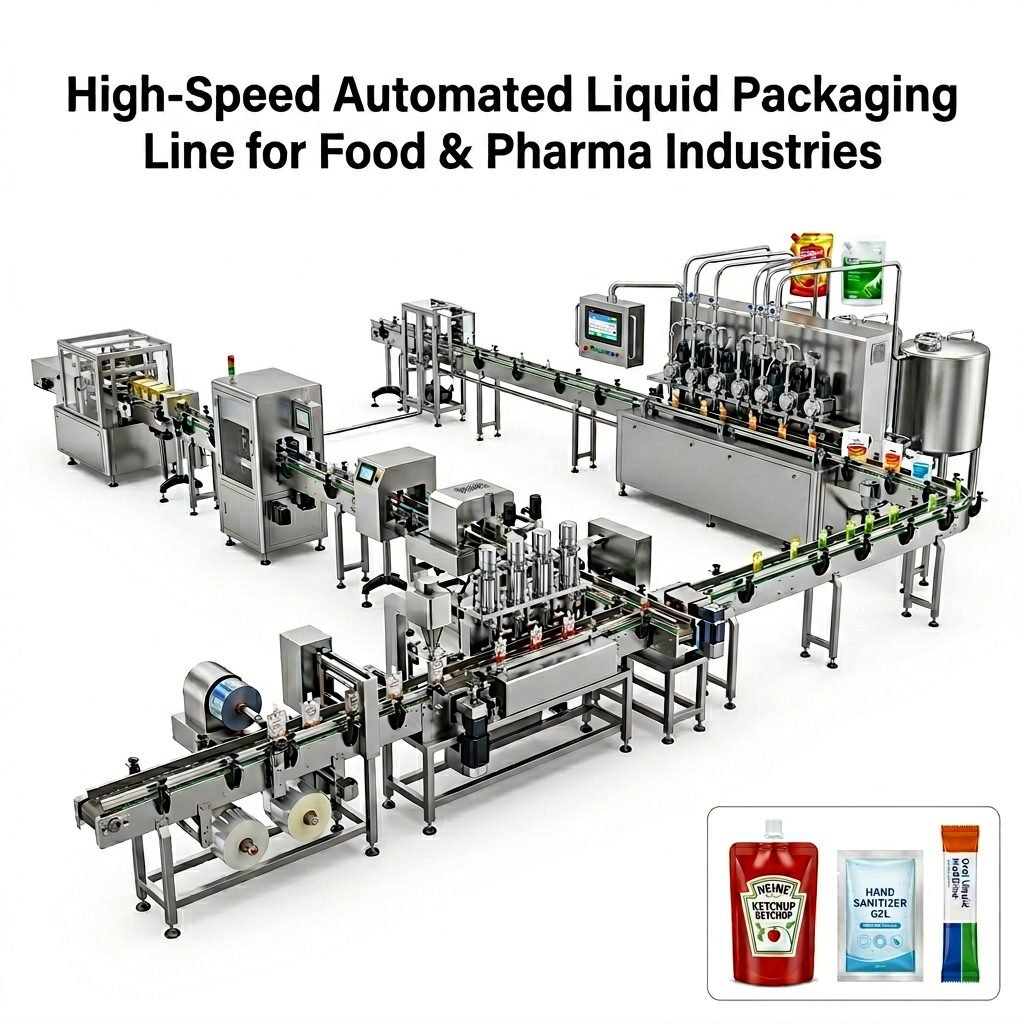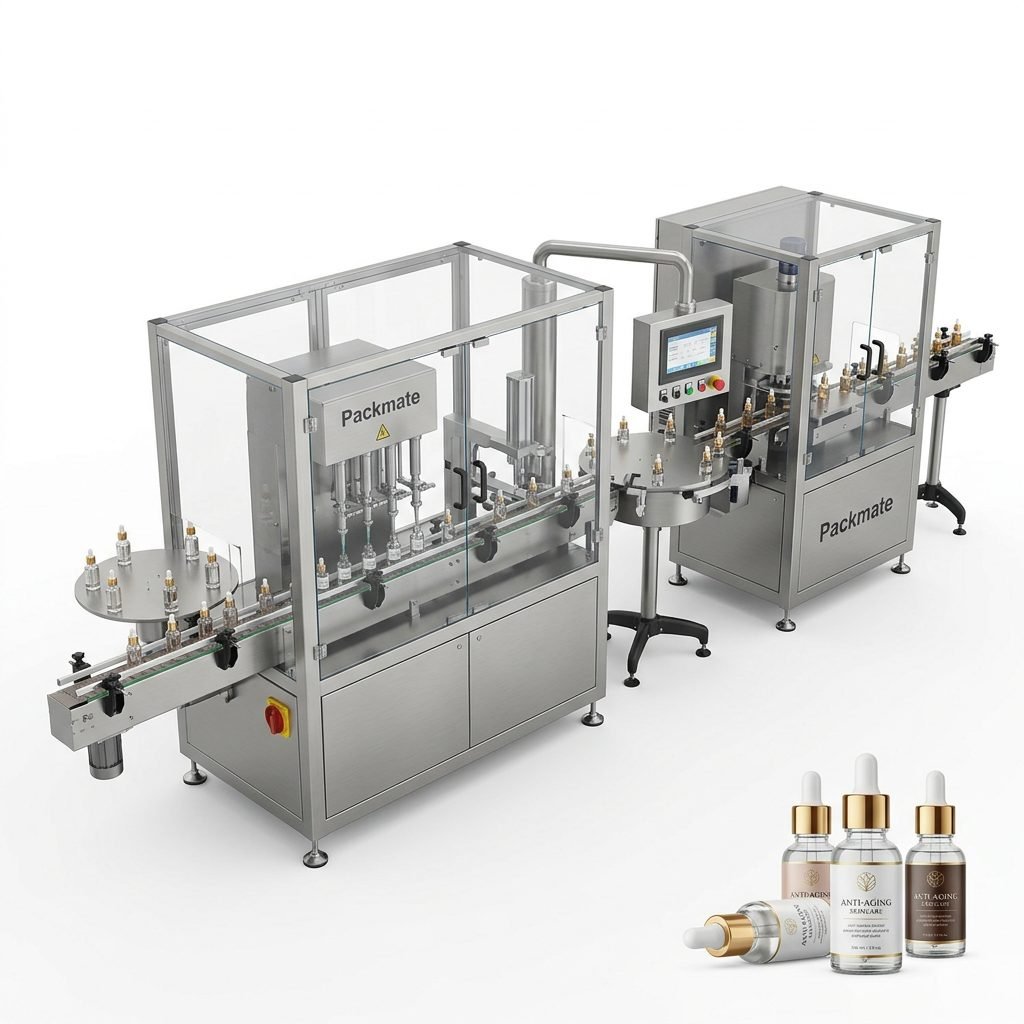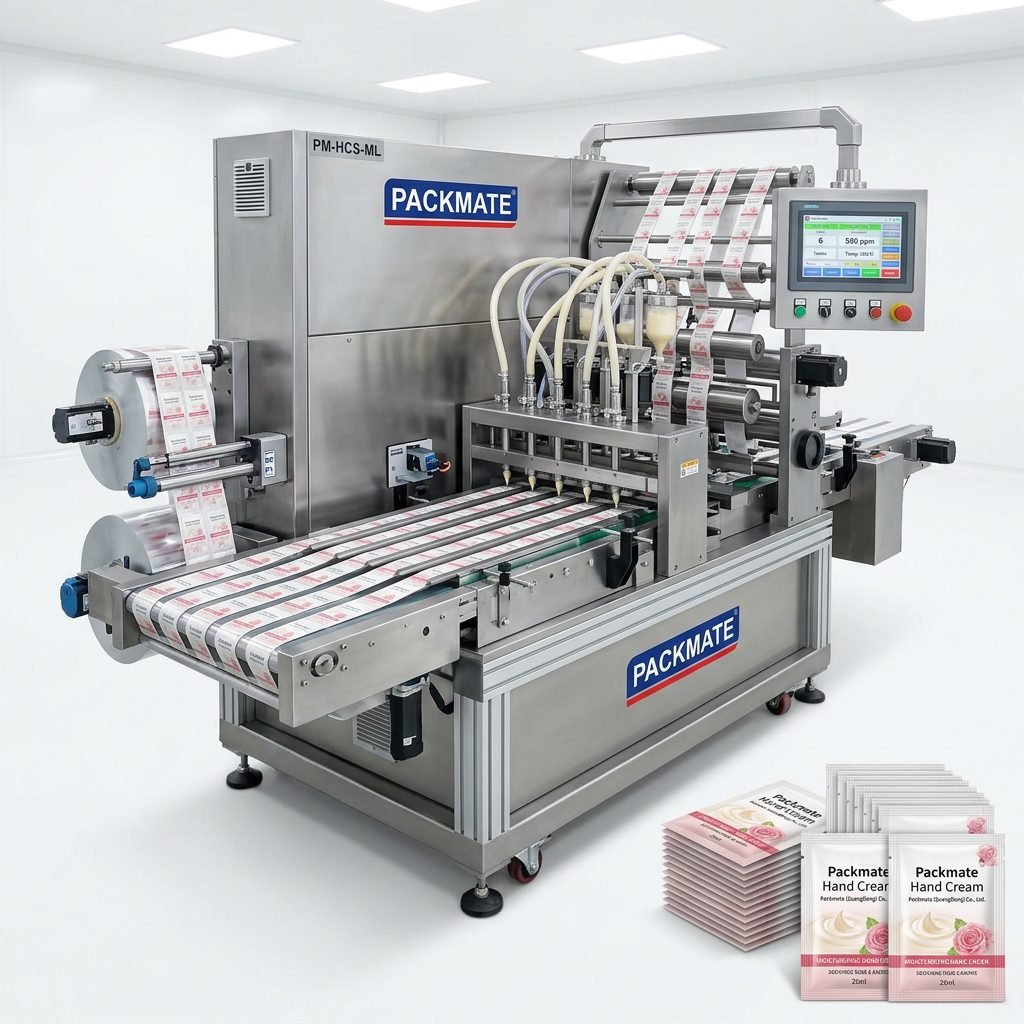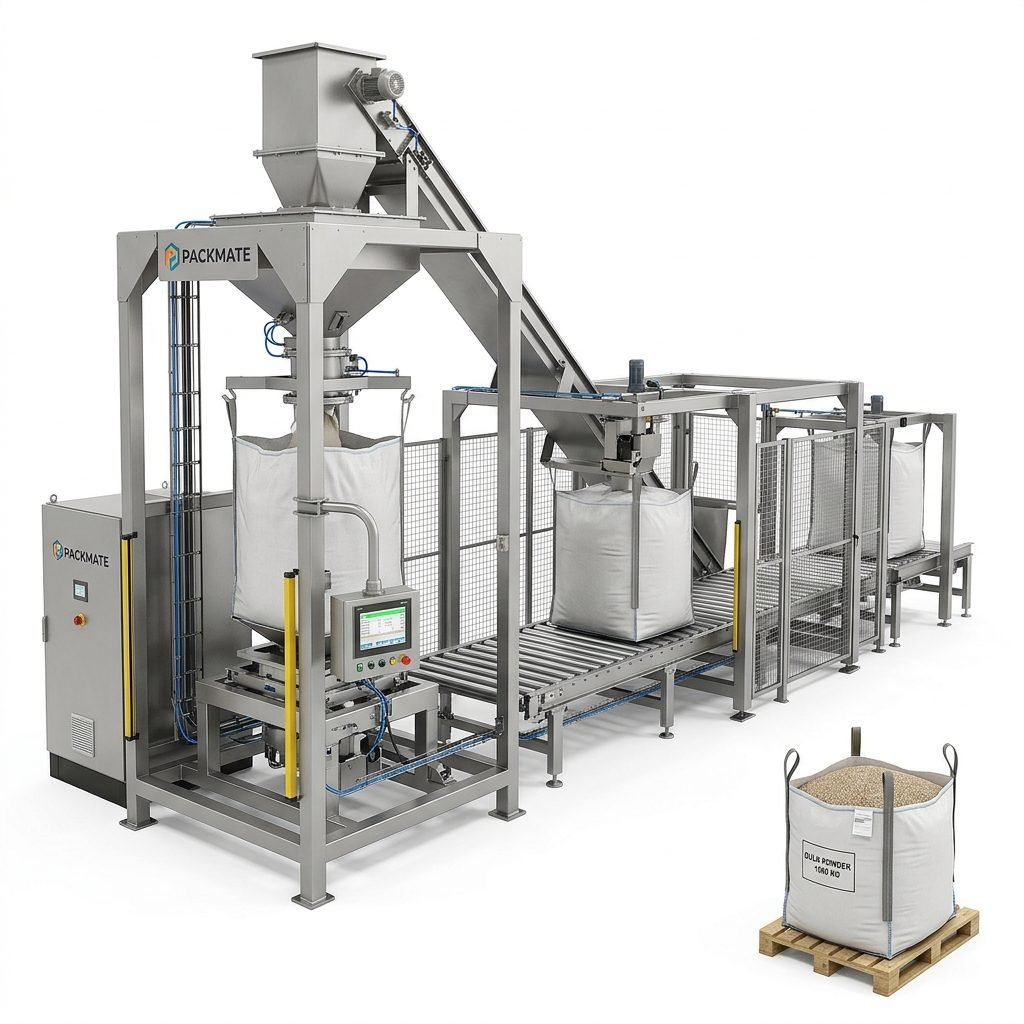
In today’s fast-paced and quality-conscious manufacturing landscape, achieving peak efficiency in the final packaging stage is not just an advantage—it’s a necessity. For producers in the food, pharmaceutical, and health product sectors, where hygiene, precision, and speed are paramount, a robust road gate packaging line represents the cornerstone of a successful operation. This article delves into the world of turnkey automatic packing solutions, exploring how integrated systems streamline production, ensure product integrity, and drive business growth.
The Critical Role of Packaging in Modern Industries
Packaging is far more than a final step; it is a critical component of product safety, brand identity, and consumer trust. In the food industry, packaging protects against contamination, preserves freshness, and extends shelf life. For pharmaceuticals, it ensures dosage accuracy, tamper evidence, and compliance with stringent global regulations. Health and wellness products, including supplements and nutraceuticals, rely on packaging to maintain potency and provide clear, compliant labeling.
A disjointed or manual packaging process introduces risks: inconsistencies in fill weight, potential for human contamination, slower throughput, and higher operational costs. This is where a fully integrated, automatic packing line transitions from a luxury to an essential strategic investment.
What is a Turnkey Road Gate Packaging Line?
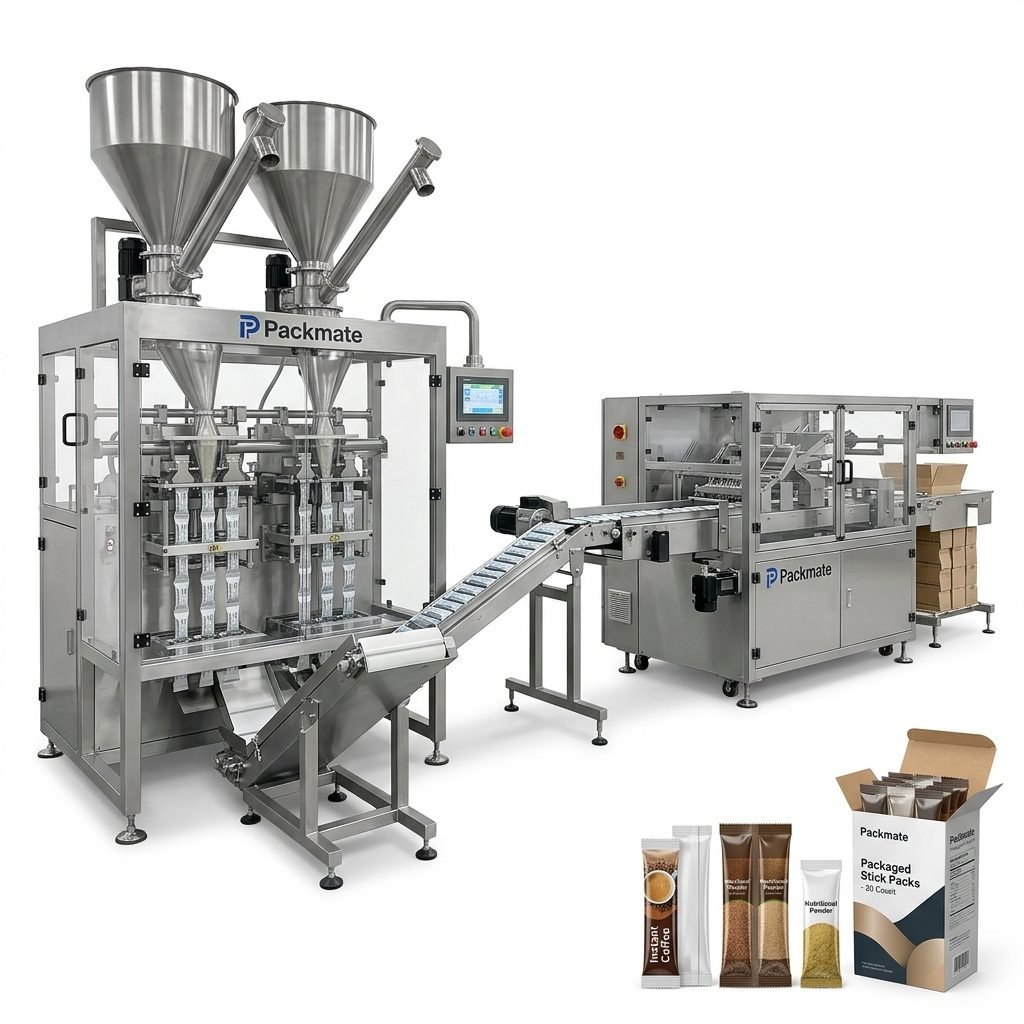
The term “road gate” in packaging automation often refers to the final sealing and discharge section of a form-fill-seal (FFS) line, crucial for creating a secure, finished pack. A turnkey solution, however, encompasses the entire journey—from product feeding and weighing to bag forming, filling, sealing, coding, and cartoning. It’s a complete, ready-to-operate system provided by a single manufacturer, such as Packmate Packaging Line, eliminating the complexity of sourcing and integrating disparate machines from multiple vendors.
Key Components of an Automatic Packing Solution
A sophisticated turnkey line is a symphony of coordinated machinery. Each component plays a vital role:
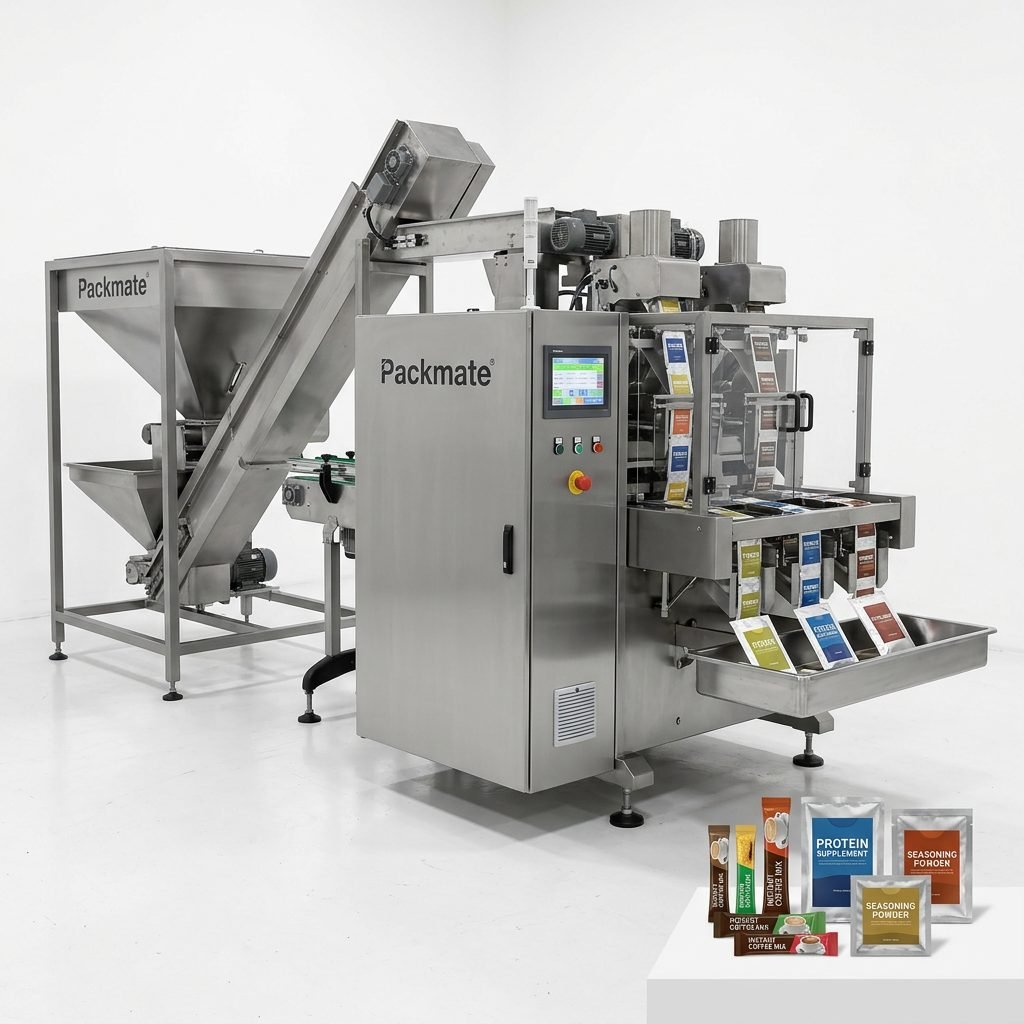
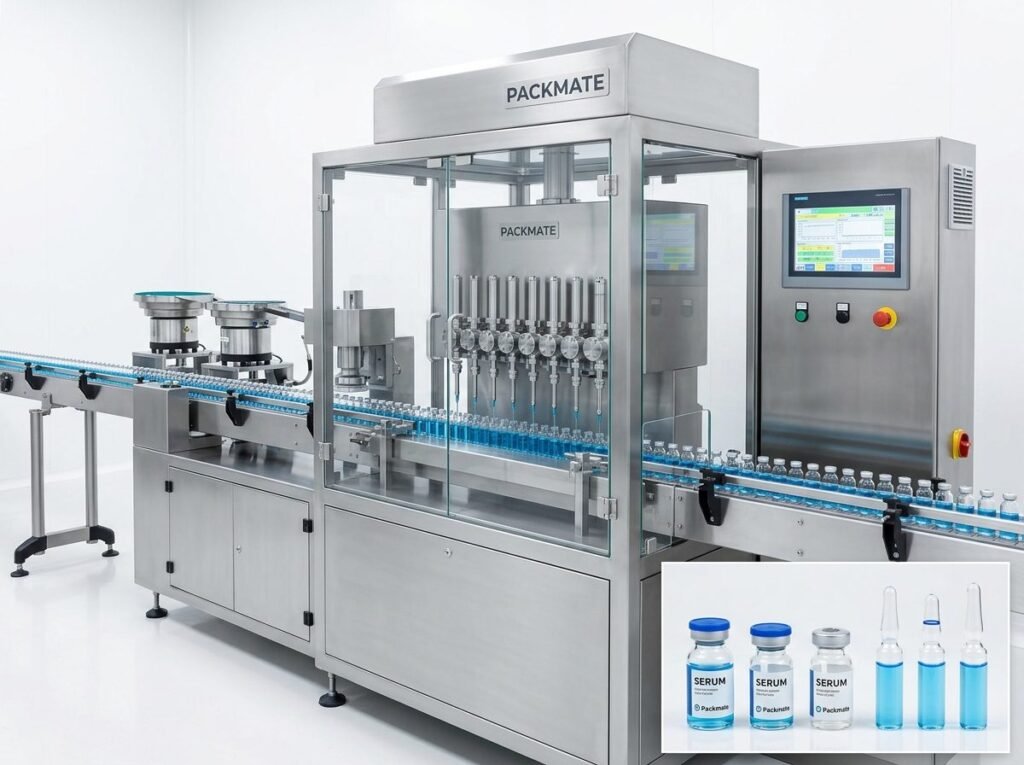
- Product Feeding & Dosing Systems: Precision augers, volumetric cups, or advanced weigh scales ensure accurate measurement of granules, powders, or liquids.
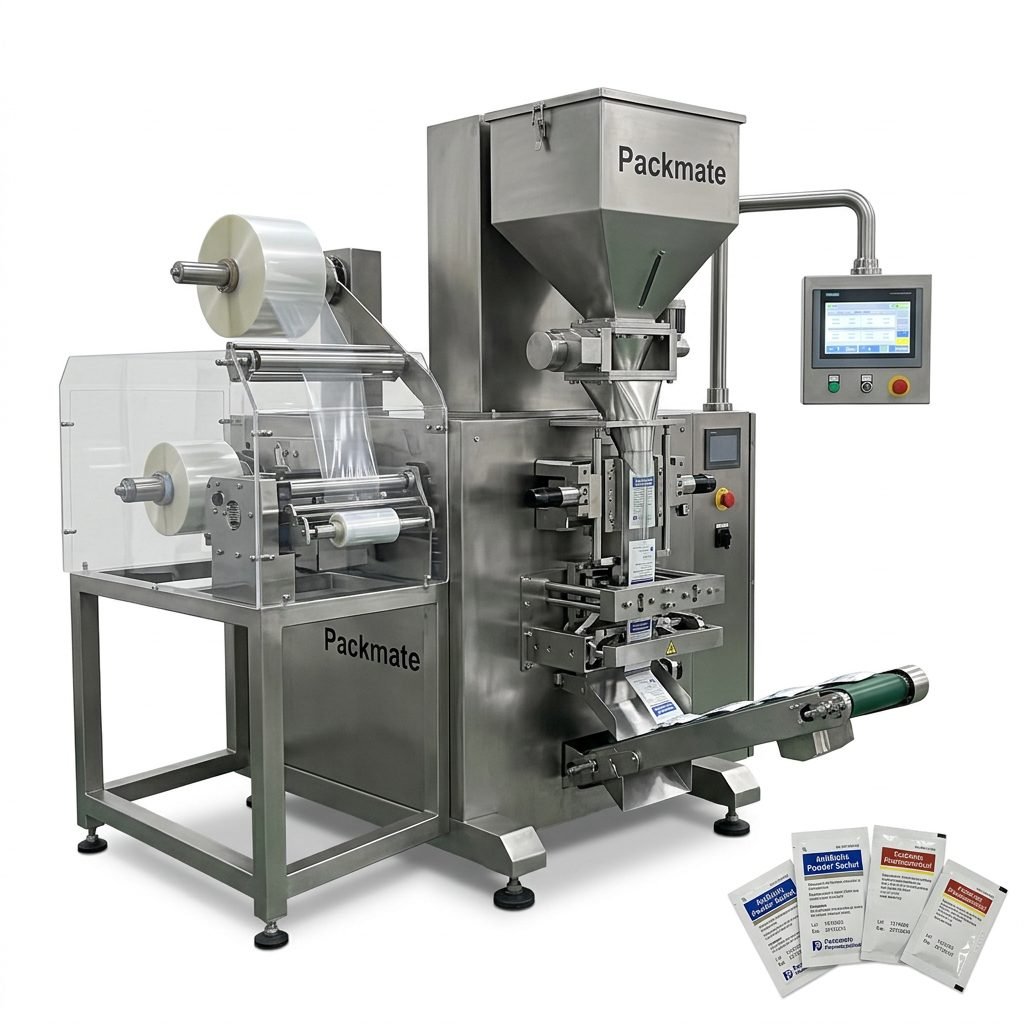
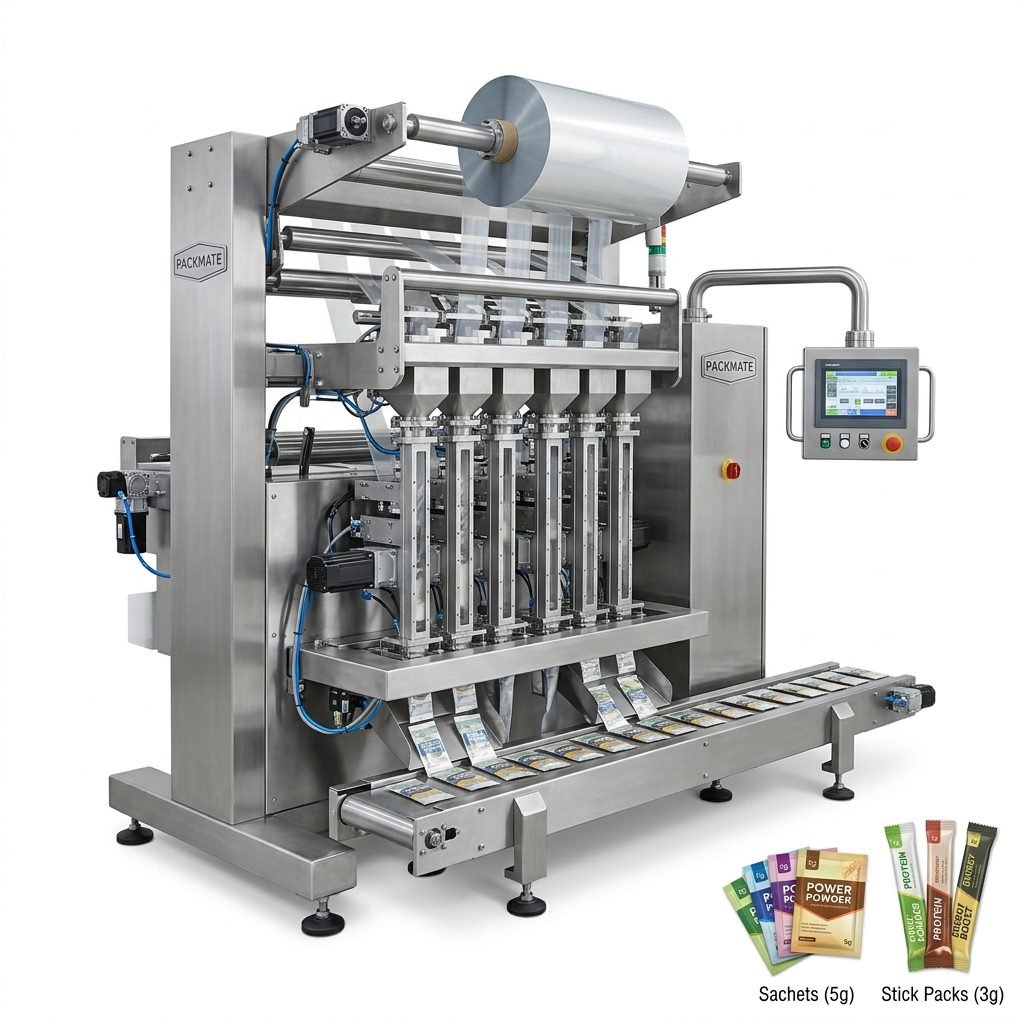
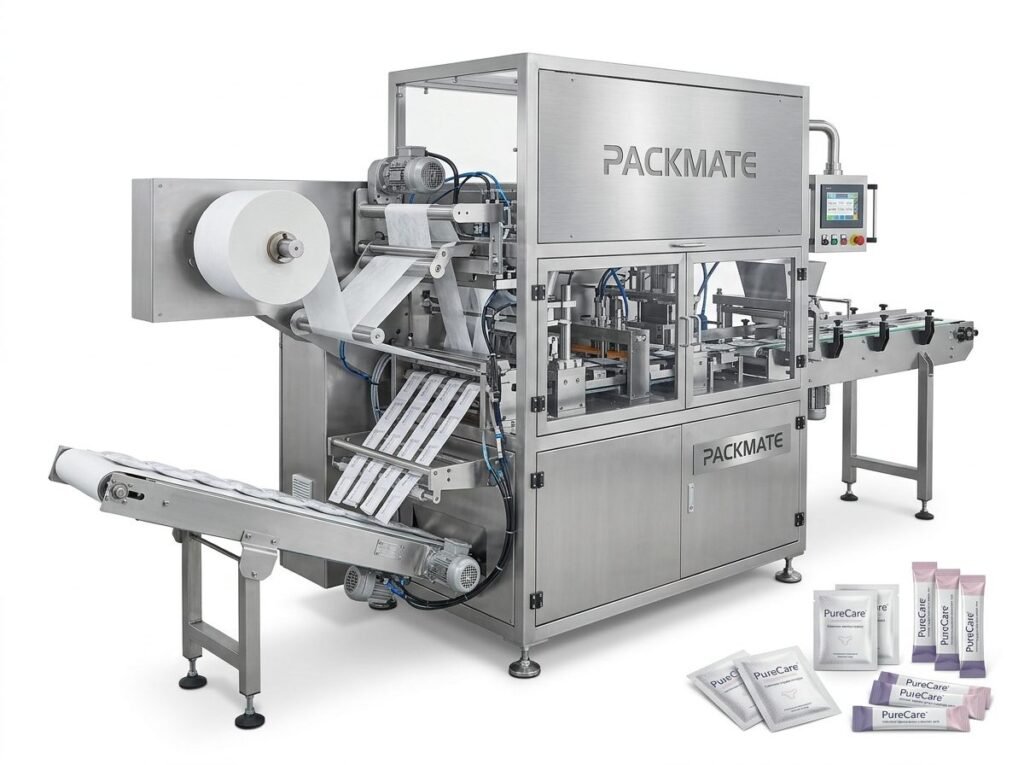
- Form-Fill-Seal (FFS) Machine: The heart of the line. It forms packaging from a roll of film, fills it with the product, and hermetically seals it, creating sachets, stick packs, or pouches.
- Road Gate Sealing & Discharge Unit: This unit provides the final cross-seal, cuts individual packs, and neatly discharges them onto a conveyor for the next stage.
- Secondary Packaging: Automatic cartoners, case packers, and palletizers handle the bundling of primary packs into boxes and larger units for shipping.
- Control & Monitoring System: A centralized PLC or HMI interface allows for easy operation, recipe management, production data tracking, and diagnostic monitoring.
Exploring a manufacturer’s portfolio of solutions will reveal configurations tailored for different outputs, from high-speed multi-lane stick packs for instant beverages to large bag packaging for bulk food ingredients.
Benefits of Investing in a Turnkey System
The transition to an automated, integrated packaging line delivers transformative benefits that directly impact the bottom line.
1. Unmatched Efficiency & Scalability
Automation drastically increases output speeds while reducing labor requirements. A single line can often replace several manual stations. Furthermore, modern lines from experienced providers are designed for flexibility, allowing quick changeovers between pack sizes or products, enabling manufacturers to scale production up or down to meet market demand efficiently.
2. Consistent Quality & Reduced Waste
Machines eliminate human error. Every seal is uniform, every fill weight is precise. This consistency minimizes product giveaway (overfilling) and reduces the rate of rejected packs due to sealing faults. The result is higher overall equipment effectiveness (OEE) and significant savings on raw materials.
3. Enhanced Hygiene and Safety Compliance
Closed automated systems limit product exposure to the environment, a critical factor for GMP (Good Manufacturing Practice) compliance in pharma and food. They also improve worker safety by minimizing direct contact with moving parts or products, creating a cleaner, more controlled production environment.
4. Lower Total Cost of Ownership (TCO)
While the initial investment is significant, the long-term savings are substantial. Reduced labor costs, lower material waste, higher throughput, and minimal downtime due to the reliability of a single-vendor system all contribute to a compelling return on investment (ROI). Viewing real-world application cases can provide concrete evidence of these financial benefits.
Why Partner with an Experienced Manufacturer Like Packmate?
Choosing the right partner is as crucial as choosing the right technology. Packmate (GuangDong) Co., Ltd. brings over two decades of specialized expertise to the table. Operating from a modern 20,000㎡ facility, their deep understanding of the unique challenges in food, pharma, and health product packaging translates into reliable, innovative solutions.
Their turnkey approach means they handle everything from initial concept and design to manufacturing, installation, commissioning, and after-sales support. This single-point accountability ensures seamless integration and peace of mind. You can learn more about their journey and capabilities on their detailed company profile page.
Implementation: From Concept to Production
Deploying a new packaging line is a structured process. It begins with a comprehensive consultation to understand production goals, product characteristics, and site constraints. The manufacturer then designs a customized solution, followed by factory acceptance testing (FAT) where the client can see the line in operation before shipment. Expert engineers then oversee installation and commissioning at the client’s facility, providing thorough training for operational staff.
Future-Proofing Your Investment
The best systems are designed with the future in mind. This includes the ability to integrate with Industry 4.0 platforms for data analytics, connectivity for remote monitoring and support, and modular designs that allow for future upgrades or expansion as business needs evolve.
In conclusion, a turnkey road gate packaging line is not merely a piece of equipment; it is a strategic asset that drives operational excellence. For businesses in the food, pharmaceutical, and health product spaces looking to enhance quality, boost productivity, and secure a competitive edge, investing in a comprehensive automatic packing solution from a trusted manufacturer is a decisive step toward sustainable growth.
Frequently Asked Questions (FAQs)
1. What is the typical lead time for a complete turnkey packaging line?
Lead times vary based on the complexity and customization of the line. For standard configurations, it can range from 3 to 6 months from order confirmation to delivery. Complex, highly customized systems may require longer. A reputable manufacturer will provide a detailed project timeline during the quotation phase.
2. Can an automatic line handle different packaging formats, like switching from sachets to stick packs?
Most lines are dedicated to a specific primary packaging type (e.g., sachet FFS or stick pack FFS) due to the fundamental differences in machine mechanics. However, within a type, lines are designed for quick changeovers between different sizes or materials. For producing multiple formats, a manufacturer may recommend separate, modular lines or a highly flexible machine designed for format conversion.
3. How do you ensure the line meets our industry’s hygiene and safety standards (e.g., FDA, GMP)?
Professional manufacturers design lines with compliance in mind. This includes using food-grade or pharmaceutical-grade stainless steel in contact parts, implementing easy-clean designs with minimal crevices, and offering options like CIP (Clean-in-Place) systems. They can also provide documentation and material certifications to support your validation processes.
4. What kind of after-sales support and training is provided?
A comprehensive support package is vital. This should include detailed on-site training for your operators and maintenance technicians, a supply of critical spare parts, access to technical documentation, and remote/on-call support. Many companies, like Packmate, offer annual service contracts for preventive maintenance. Visit their service page for specifics.
5. What is the expected ROI for automating our packaging process?
Return on Investment is calculated based on savings from reduced labor, lower material waste, increased output, and improved quality (fewer rejects). While the exact figure depends on your current costs and new line’s capacity, most businesses see a full ROI within 1 to 3 years. A detailed feasibility study from the supplier can model this specifically for your operation.