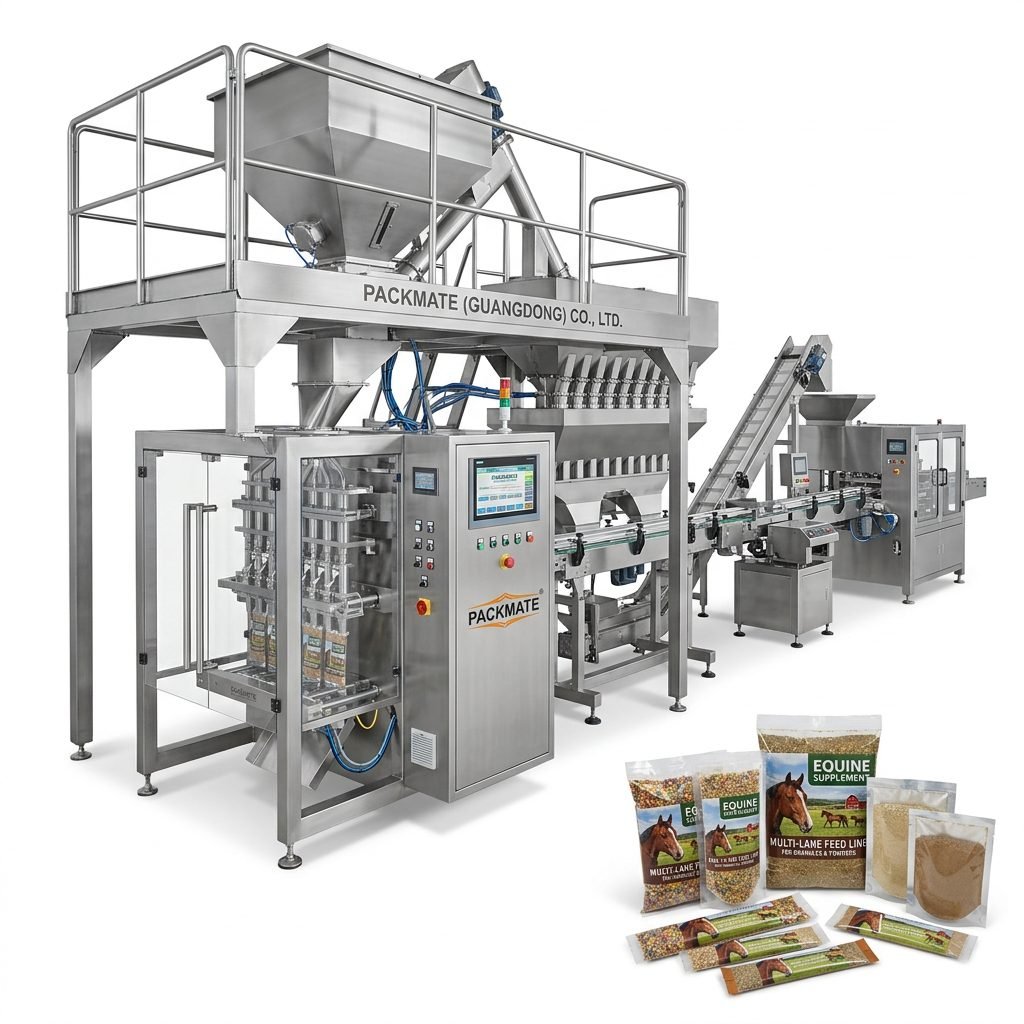
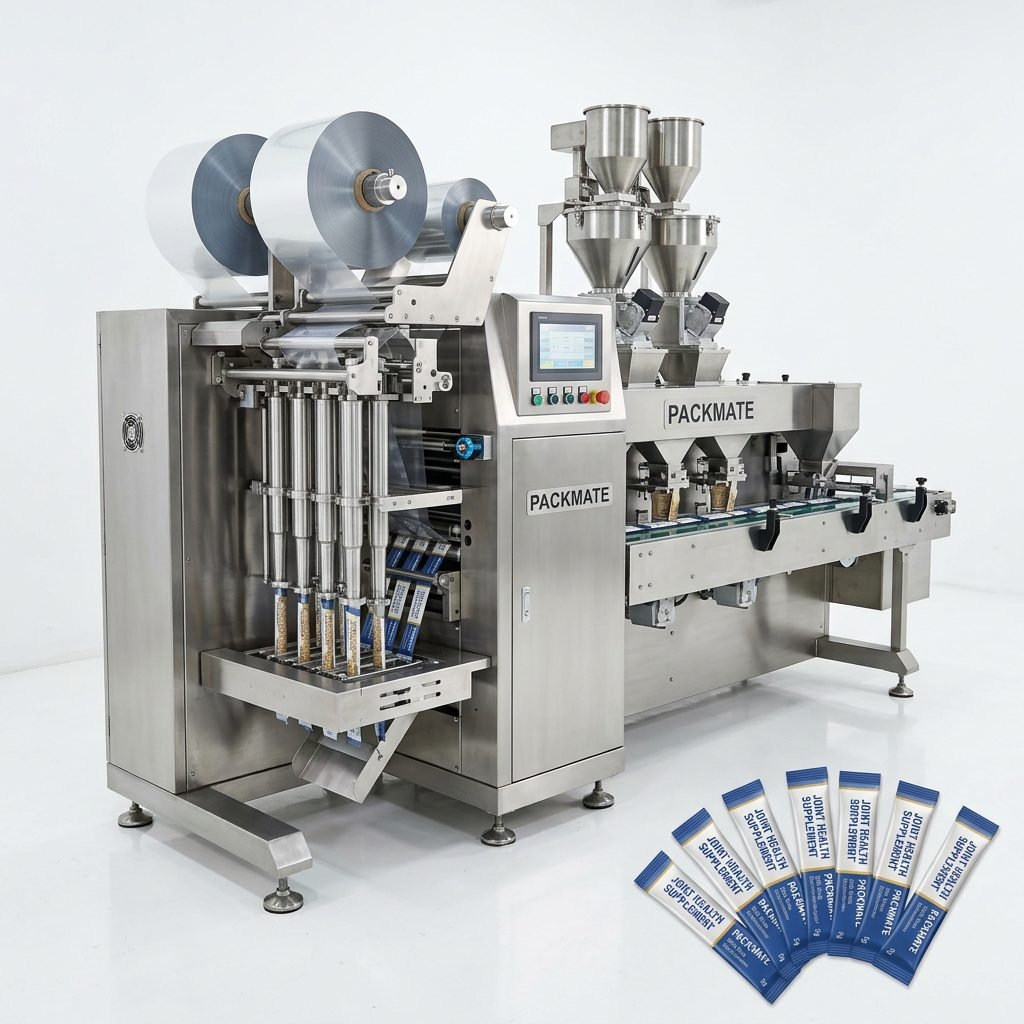
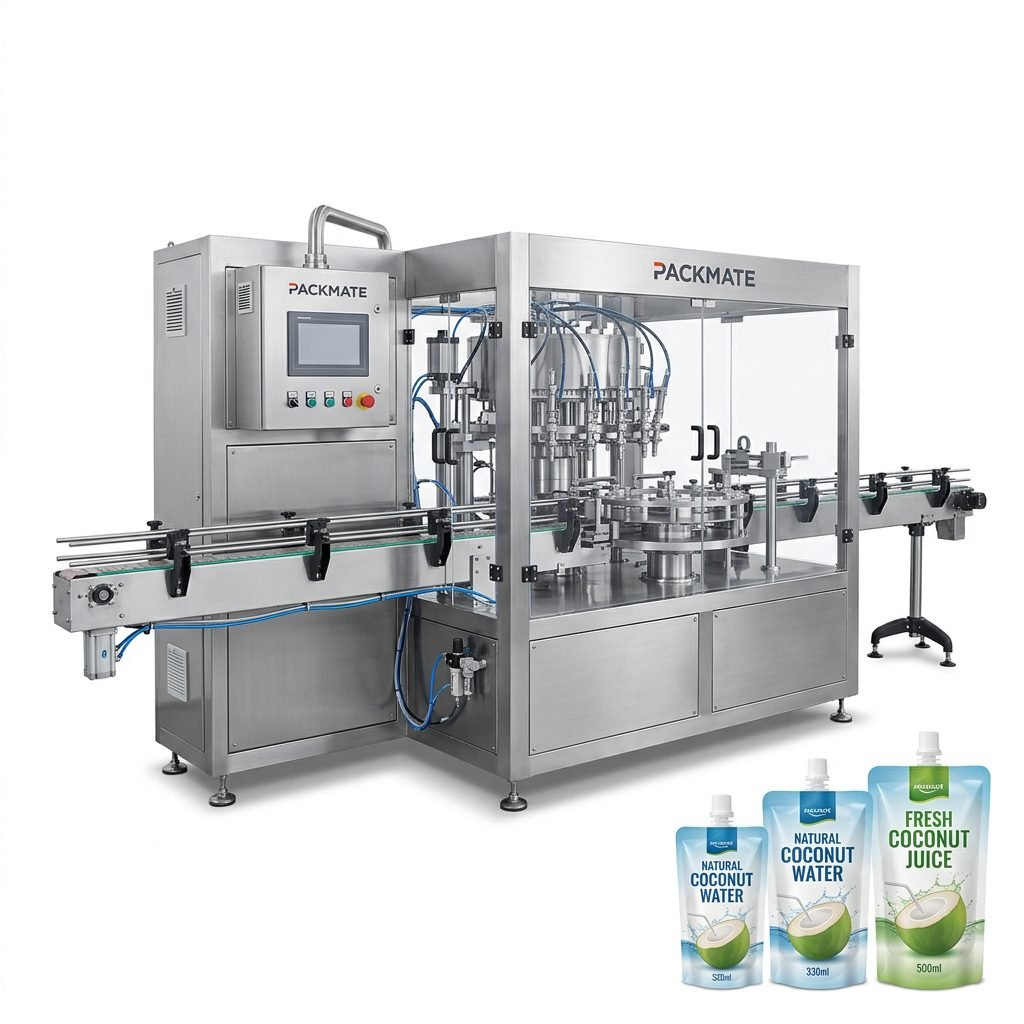
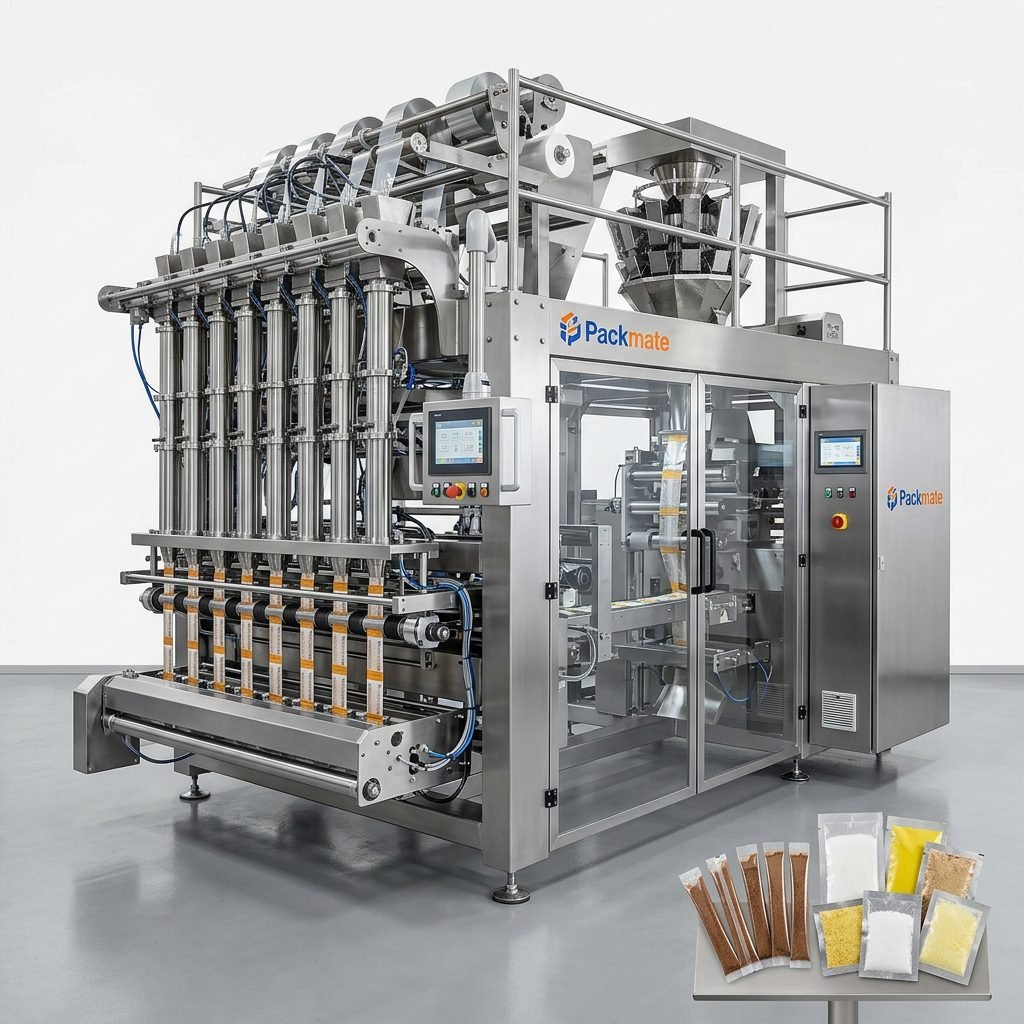
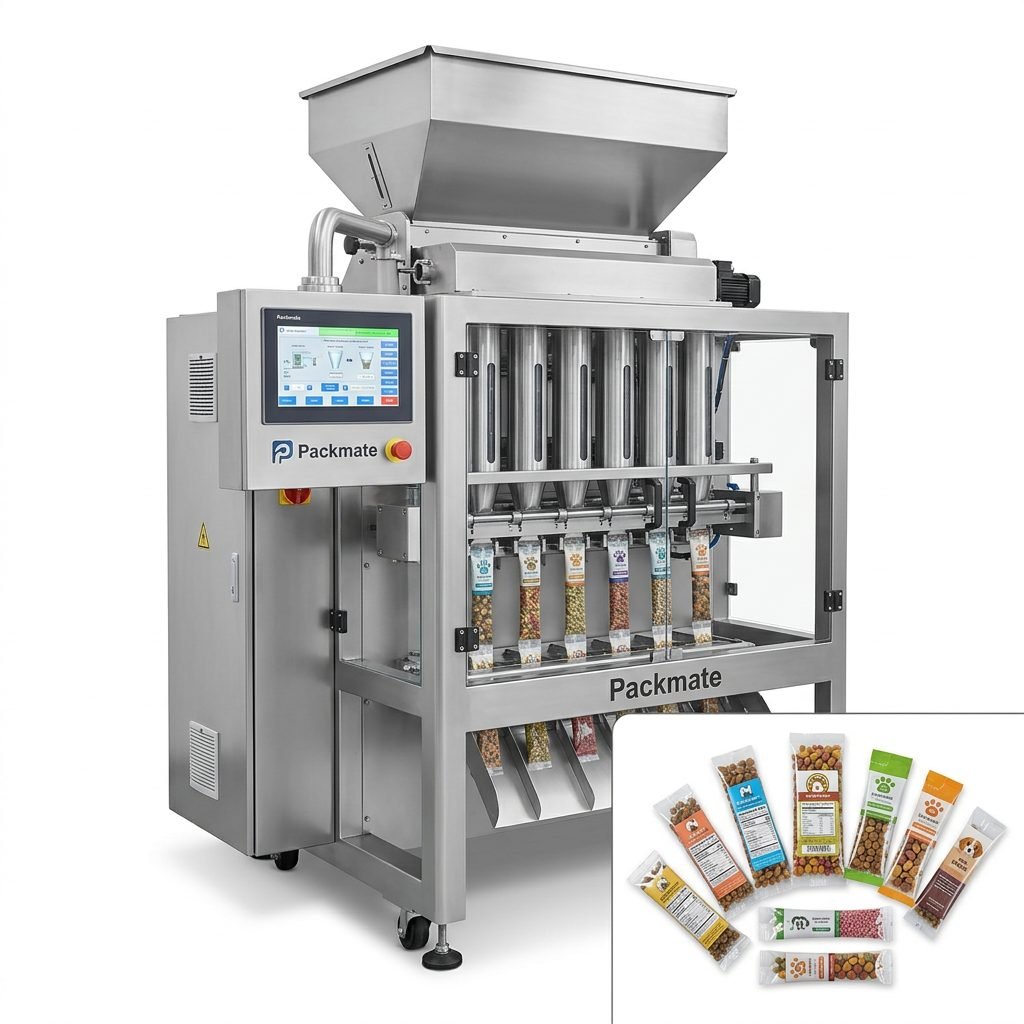
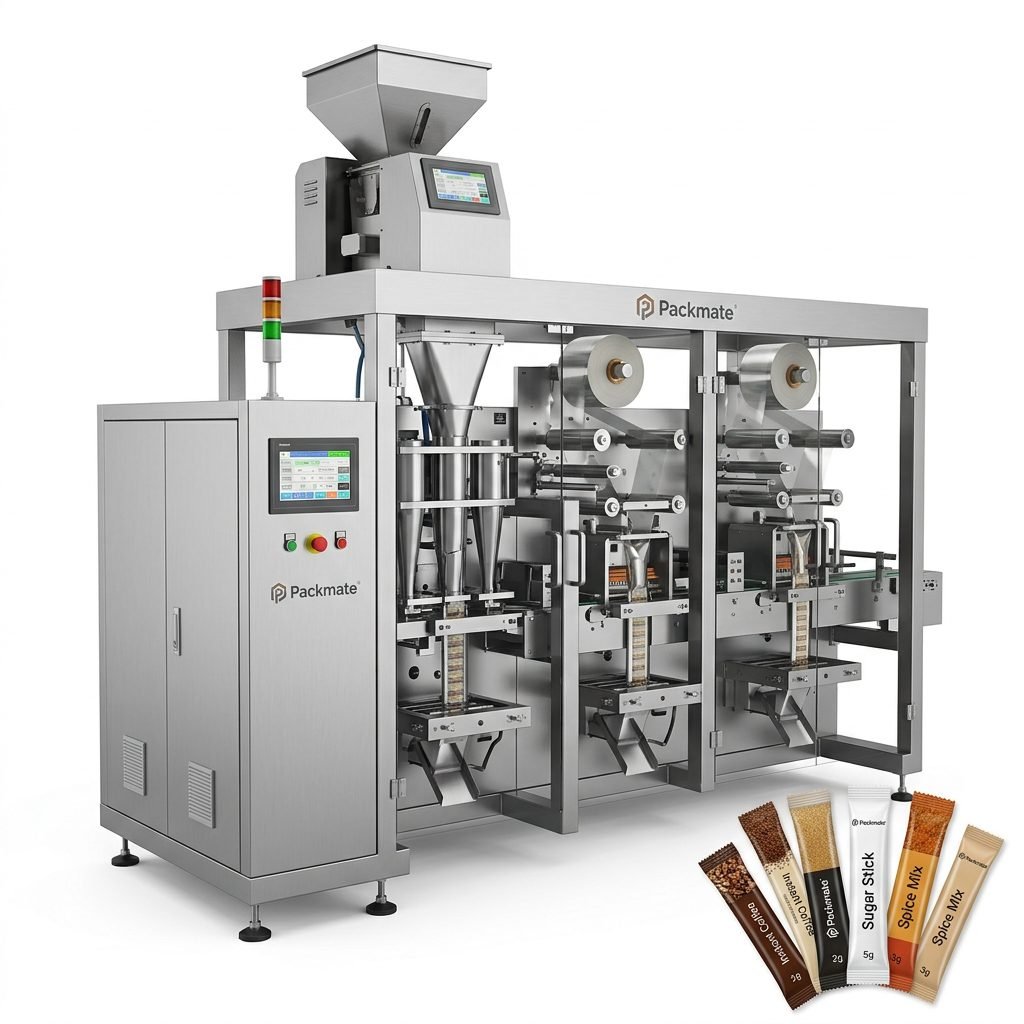
In the fast-paced world of manufacturing, efficiency, hygiene, and precision are non-negotiable, especially for sensitive sectors like food, pharmaceuticals, and health products. Choosing the right packaging machinery is not just an operational decision; it’s a strategic investment in product integrity, brand reputation, and market competitiveness. This guide delves into the critical considerations for selecting automated vertical packaging machines, helping you navigate the complex landscape to find the perfect solution for your specific needs.
Understanding Vertical Packaging Machines
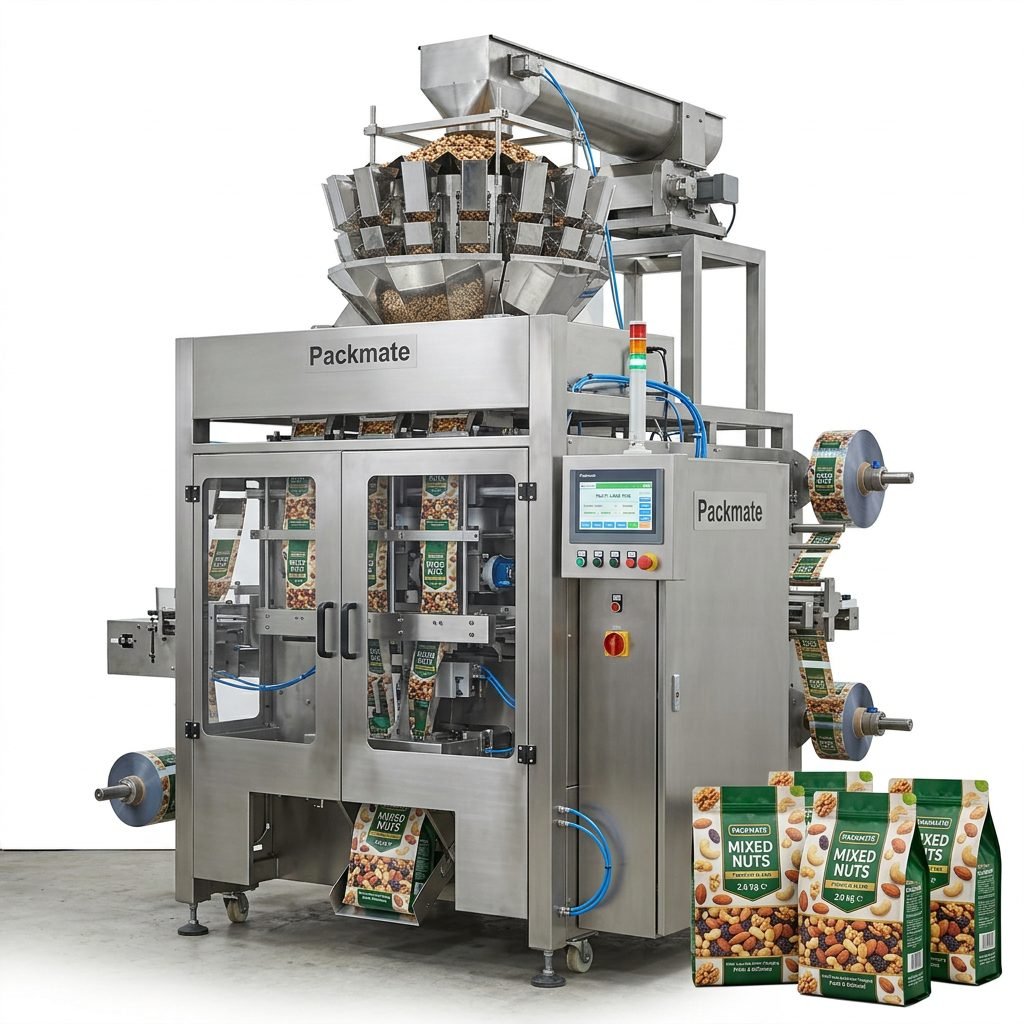
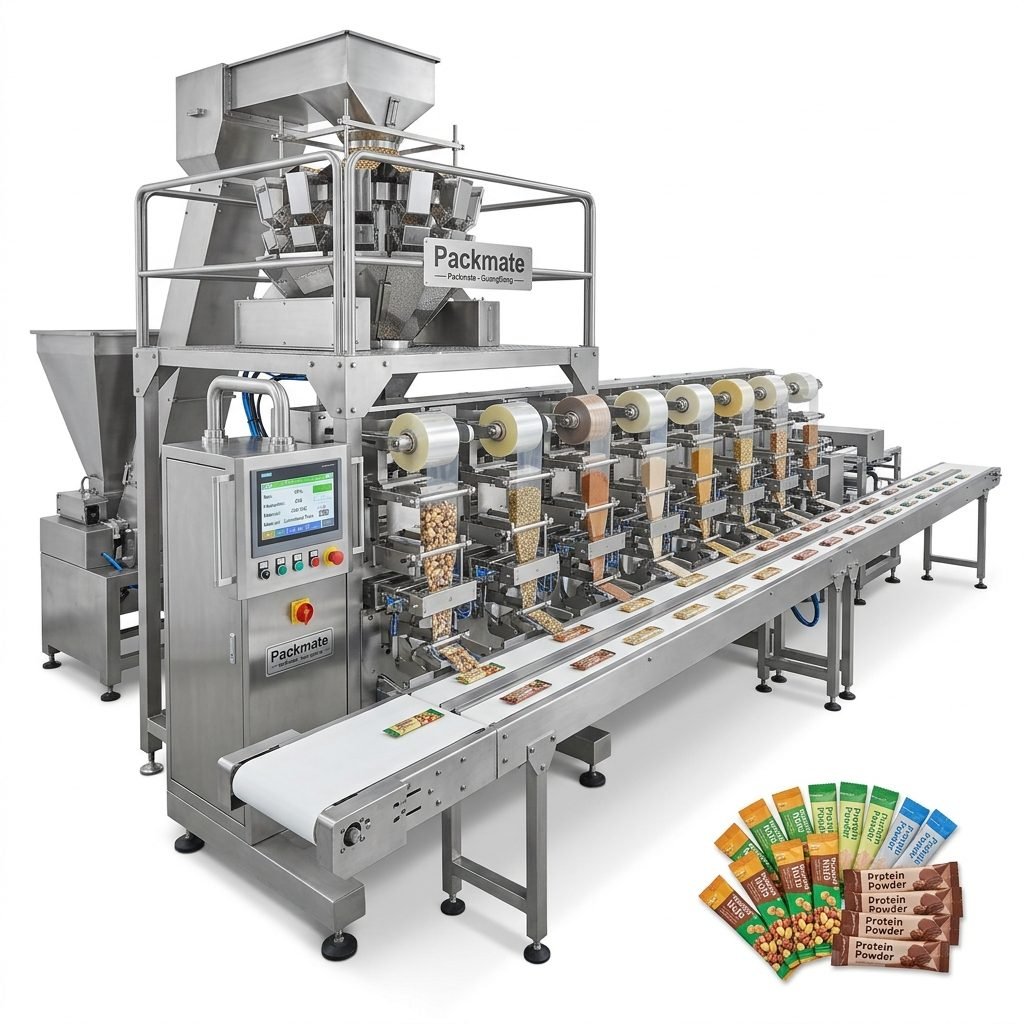
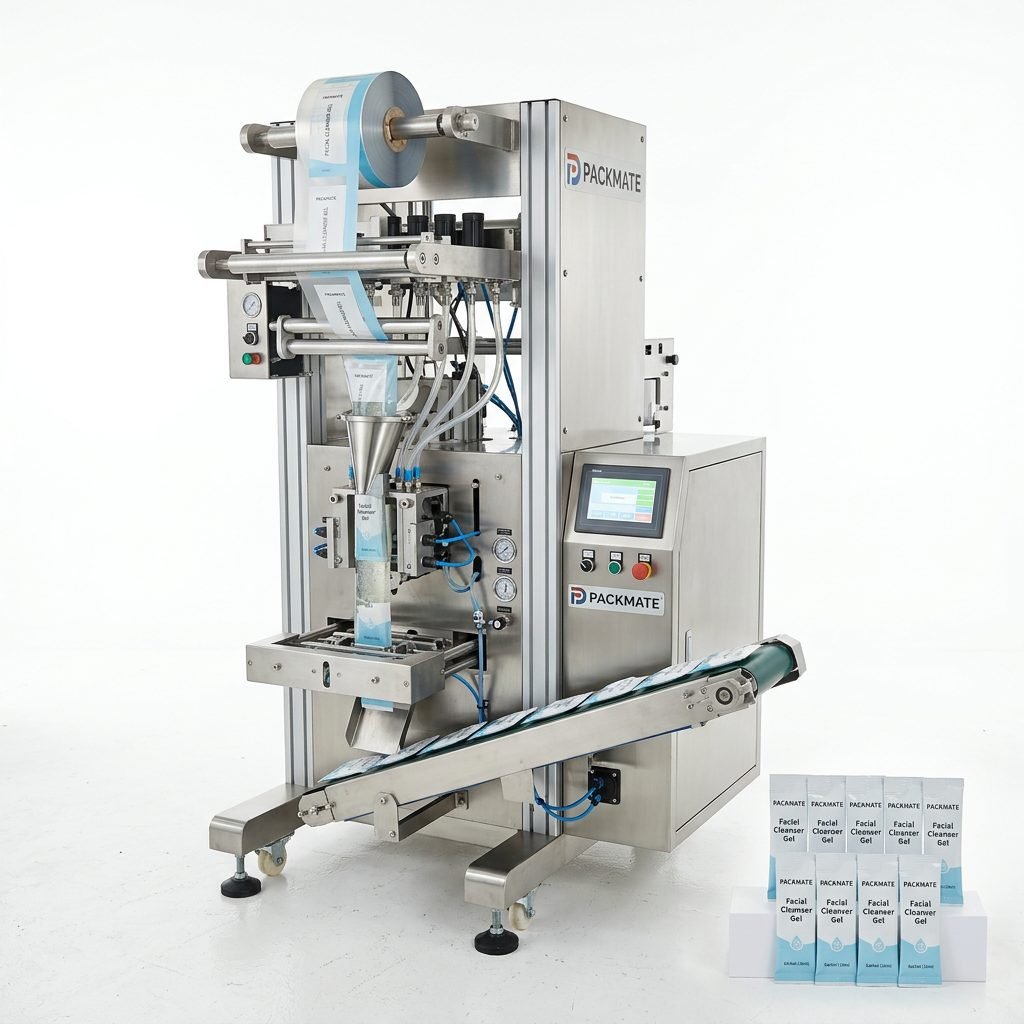
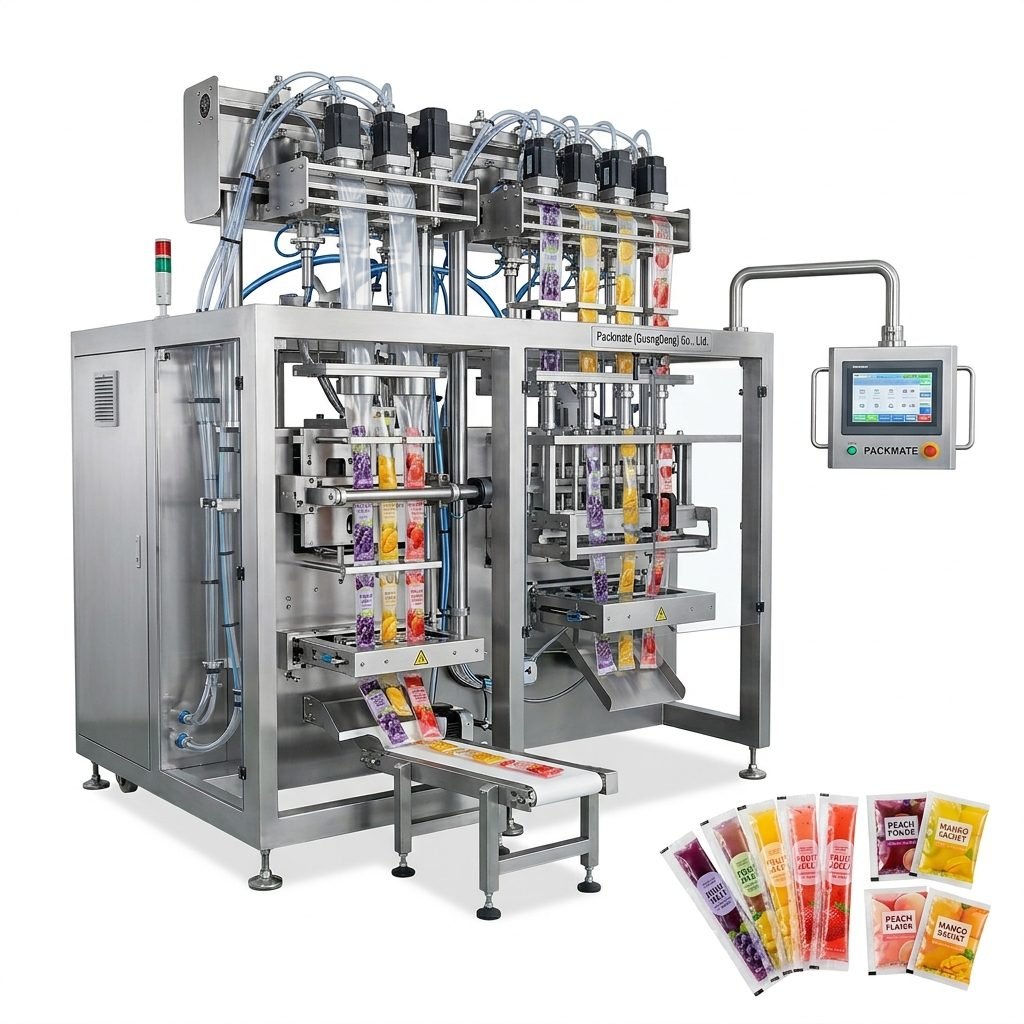
Vertical form-fill-seal (VFFS) machines are the workhorses of modern packaging lines. They create packages from a roll of film, forming a tube, filling it with product, and sealing it—all in a continuous vertical motion. Their compact footprint, high speed, and versatility make them ideal for a vast array of products, from snack foods and coffee to pharmaceutical powders and herbal supplements. The automation they bring reduces labor costs, minimizes human error, and ensures consistent, high-quality packaging output.
Core Advantages of Automation:
→ Enhanced Speed & Output: Dramatically increases production rates compared to manual or semi-automatic processes.
→ Superior Consistency: Every package has identical weight, seal integrity, and appearance.
→ Reduced Contamination Risk: Limited human contact is crucial for food safety and pharmaceutical-grade hygiene.
→ Material Efficiency: Precise control reduces film waste and optimizes material usage.
→ Data & Traceability: Integrated systems can monitor production data, aiding in quality control and compliance.
Key Selection Criteria by Industry
The “one-size-fits-all” approach fails in packaging. Requirements diverge significantly across industries. A partner with deep cross-sector experience, like Packmate (GuangDong) Co., Ltd., understands these nuances and can tailor solutions accordingly.
1. For the Food Industry
Food packaging demands a balance of speed, preservation, and appeal. Machines must handle diverse products—granules (like sugar), powders (spices), liquids (sauces), and solids. Key features include:
- Hygienic Design: Easy-to-clean surfaces, stainless-steel construction, and protection against pest ingress.
- Gas Flushing Capability: For modified atmosphere packaging (MAP) to extend shelf life of snacks, coffee, or meats.
- Versatile Feeding Systems: Auger fillers for powders, volumetric cups for granules, and liquid pumps.
- High-Speed Operation: To meet large-volume production demands common in food manufacturing.
2. For the Pharmaceutical & Nutraceutical Industry
Precision and compliance are paramount. Packaging must protect potency and ensure patient safety.
- GMP Compliance: Machinery design must adhere to Good Manufacturing Practice guidelines, with cleanroom-compatible options.
- Ultra-High Precision Dosing: Micro-auger or weight-based fillers for accurate dosing of active ingredients, crucial for sachets of powder or stick packs.
- Traceability & Documentation: Systems that support serialization and provide audit trails for regulatory bodies.
- Dust Containment: Sealed systems to prevent cross-contamination, especially for potent powders.
Exploring specific packaging solutions designed for pharma can reveal specialized features like CIP (Clean-in-Place) systems.
3. For Health & Wellness Products
This growing market, encompassing protein powders, herbal teas, and supplements, often blends requirements from both food and pharma.
- Brand-Oriented Packaging: Ability to run high-quality, visually appealing films for shelf impact.
- Flexible Batch Sizes: Adaptability for both large production runs and smaller, niche product batches.
- Gentle Product Handling: To preserve the structure of delicate ingredients like tea leaves or fragile granules.
- Moisture & Oxygen Barrier: To protect sensitive organic compounds from degradation.
Technical Specifications to Scrutinize
Beyond industry fit, dive into the machine’s core specifications. These determine its capability and longevity.
Essential Checklist:
Speed (Bags/Minute): Match the machine’s maximum speed to your current and future output goals.
Bag Size Range: Ensure it can produce the smallest and largest package sizes you require.
Film Type & Width: Compatibility with your chosen material (laminate, polyethylene, etc.) and roll size.
Filling Accuracy: The tolerance level (e.g., ±0.5% or ±1 gram) is critical for cost control and compliance.
Control System: User-friendly HMI (Human-Machine Interface), programmability for different products, and connectivity for Industry 4.0 integration.
Construction & Warranty: Robust frame, quality of components (servo motors, seals), and the supplier’s support terms. A company’s history, like Packmate’s 22+ years of development, often correlates with reliable engineering.
The Importance of a Reliable Partner
Purchasing a machine is the start of a long-term relationship. The supplier’s expertise and support are invaluable.
Customization & Integration: Can they modify the machine for your unique product or integrate it into a full turnkey packaging line? A provider with a 20,000㎡ modern facility likely has the R&D and production capacity for custom projects.
Testing & Validation: Always insist on a live production test using your actual product and materials. This is the only way to verify performance claims.
After-Sales Service: Availability of spare parts, technical support, training, and maintenance services locally or within a reasonable timeframe. Review their service commitments carefully.
Proven Track Record: Ask for case studies or references from clients in your industry. Real-world application speaks volumes.
Conclusion: Making an Informed Investment
Selecting the right vertical packaging machine is a multifaceted process that balances technical specifications, industry-specific regulations, and strategic partnership. By thoroughly assessing your product characteristics, production goals, and compliance needs, you can identify a solution that not only automates a task but becomes a driver of quality, efficiency, and growth. Partnering with an experienced manufacturer who offers comprehensive support from design to installation and beyond is the surest path to a successful, future-proof packaging operation.
Frequently Asked Questions (FAQs)
1. What is the typical lead time for a new vertical packaging machine?
Lead times vary based on customization and model complexity. For standard models from established suppliers, it can range from 8 to 16 weeks. Custom or fully integrated line solutions require more time for design, manufacturing, and testing. Always confirm timelines during the quotation process.
2. Can one machine handle both food and pharmaceutical products?
It is not recommended due to strict cross-contamination risks. While the core mechanics may be similar, pharmaceutical-grade machines require specific hygienic design, materials (like higher-grade stainless steel), and documentation for GMP compliance. Dedicated machines for each product category are the standard for safety and regulatory adherence.
3. How do I ensure the packaging film works well with my chosen machine?
Film compatibility is critical. Provide your potential supplier with samples of your intended film for testing. They will evaluate its sealing properties, tensile strength, and feed characteristics on their machine. A reliable partner will assist in film specification or recommend proven suppliers to ensure optimal runnability and seal integrity.
4. What are the most common maintenance requirements for a VFFS machine?
Regular maintenance includes daily cleaning, lubrication of moving parts as per the manual, inspection and replacement of wear parts (like sealing jaws, cutting blades, and film guides), and checking for mechanical looseness. A good supplier will provide a detailed maintenance schedule and training for your operators.
5. Is operator training included with the machine purchase?
Yes, comprehensive operator, maintenance, and basic troubleshooting training should be a standard part of the installation and commissioning service provided by the manufacturer. This ensures your team can run the machine safely and efficiently from day one and handle minor issues, reducing downtime.
For more detailed questions, you can often find extensive resources on a manufacturer’s dedicated FAQs page.