Understanding New Zealand’s Packaging Machinery Requirements
New Zealand’s food, dairy, meat, wine, and supplement industries are heavily reliant on efficient packaging equipment. With a relatively small domestic manufacturing base for heavy machinery, most New Zealand buyers import packaging systems from overseas – particularly from China, Europe, and North America. When sourcing from abroad, especially from Chinese manufacturers, it is essential to adopt a structured evaluation process to ensure reliability, compliance, and long-term support.
Whether you operate a medium-sized food processing plant in Waikato or a large dairy facility in Taranaki, finding a packaging machine manufacturer that understands your product characteristics, production volumes, and regulatory environment is critical. This guide walks you through practical steps to identify and verify suitable suppliers.
Key considerations for New Zealand buyers:
- Local regulatory compliance (for food contact materials, hygiene, and electrical safety)
- Adaptability to different power supply standards (230V/50Hz)
- Ability to handle unique local products: Manuka honey, Kiwifruit, dairy powders, lamb meat, craft beer, and health supplements
- After-sales service, spare parts availability, and remote technical support capability
Step 1: Evaluate Manufacturer Experience and Track Record
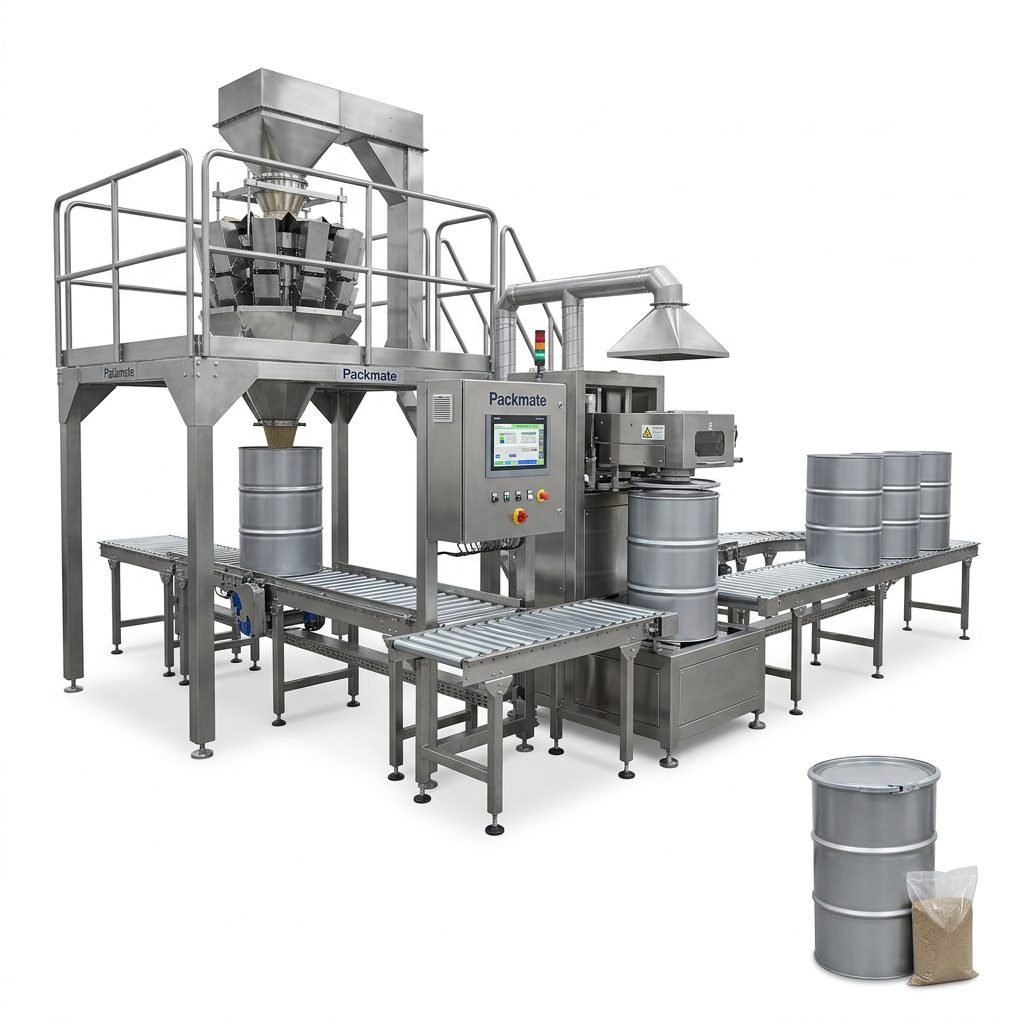
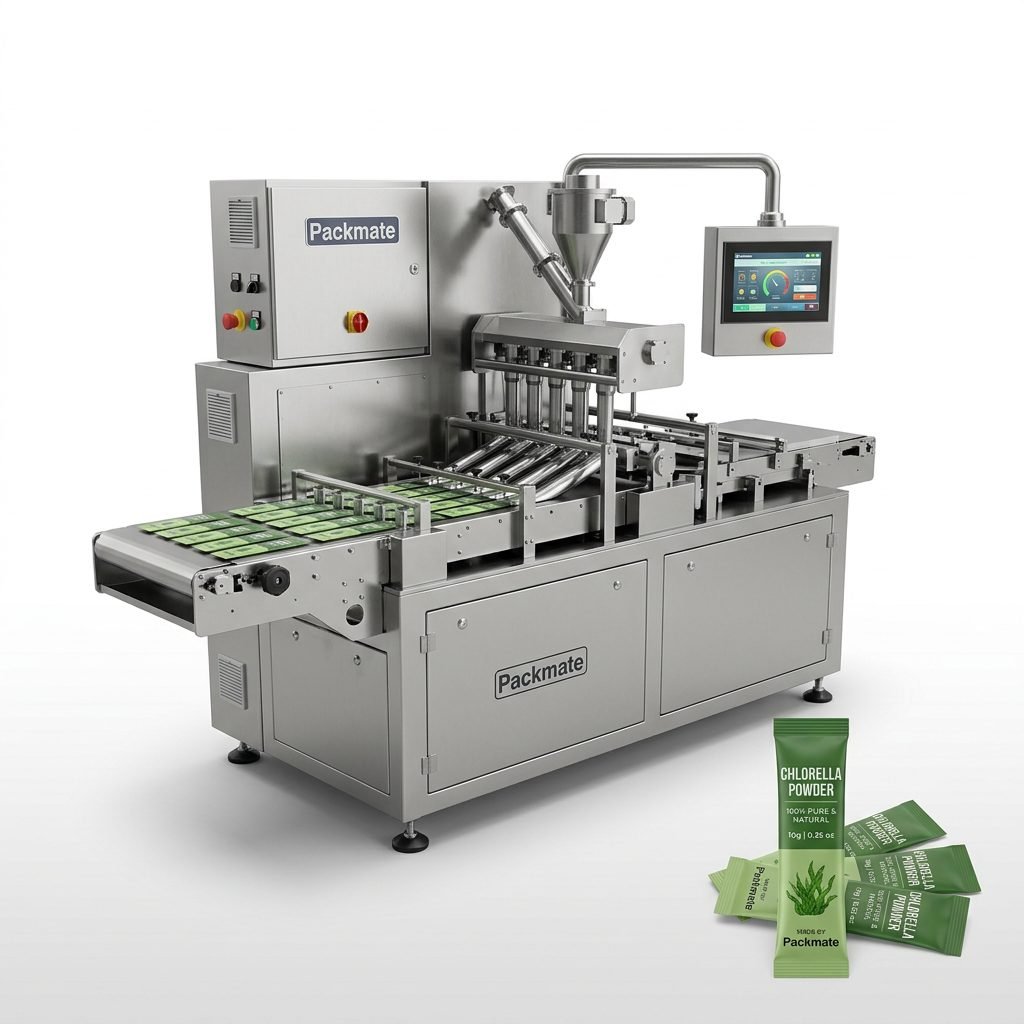
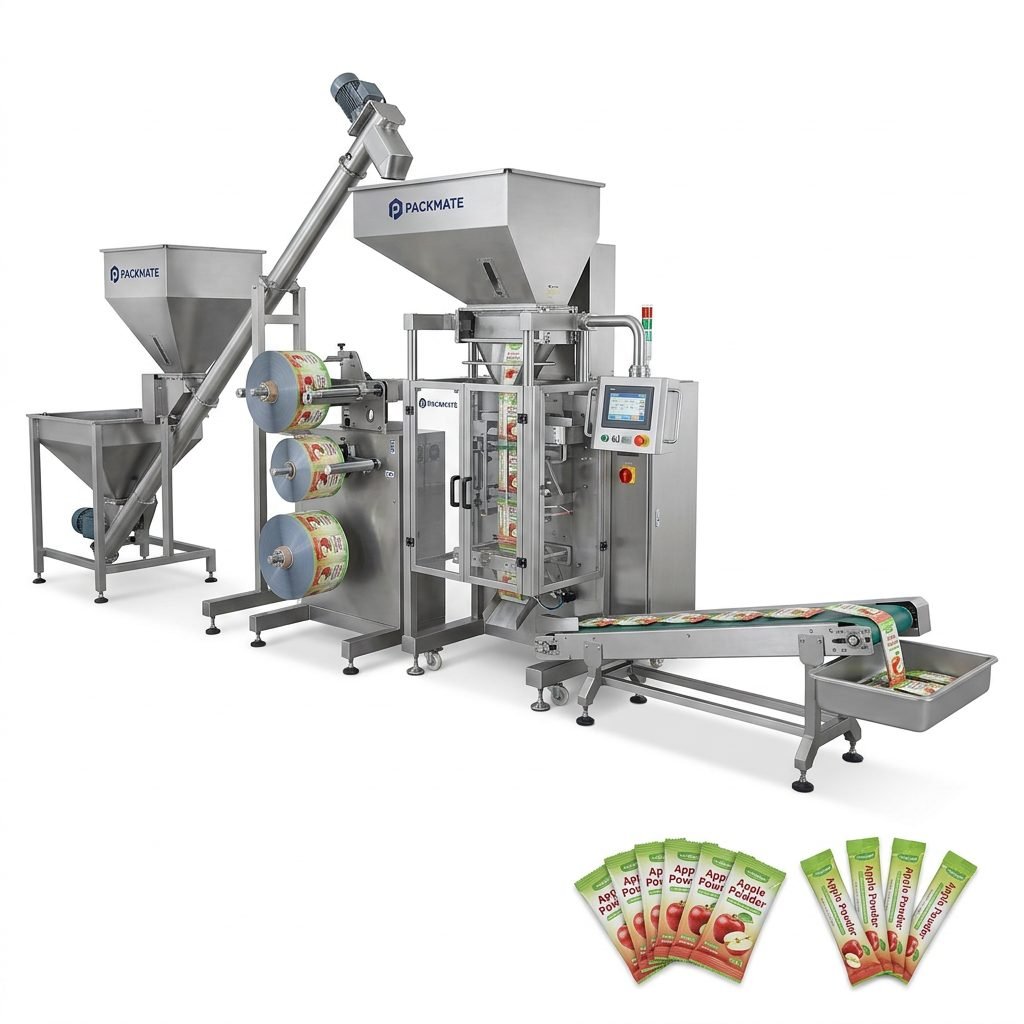
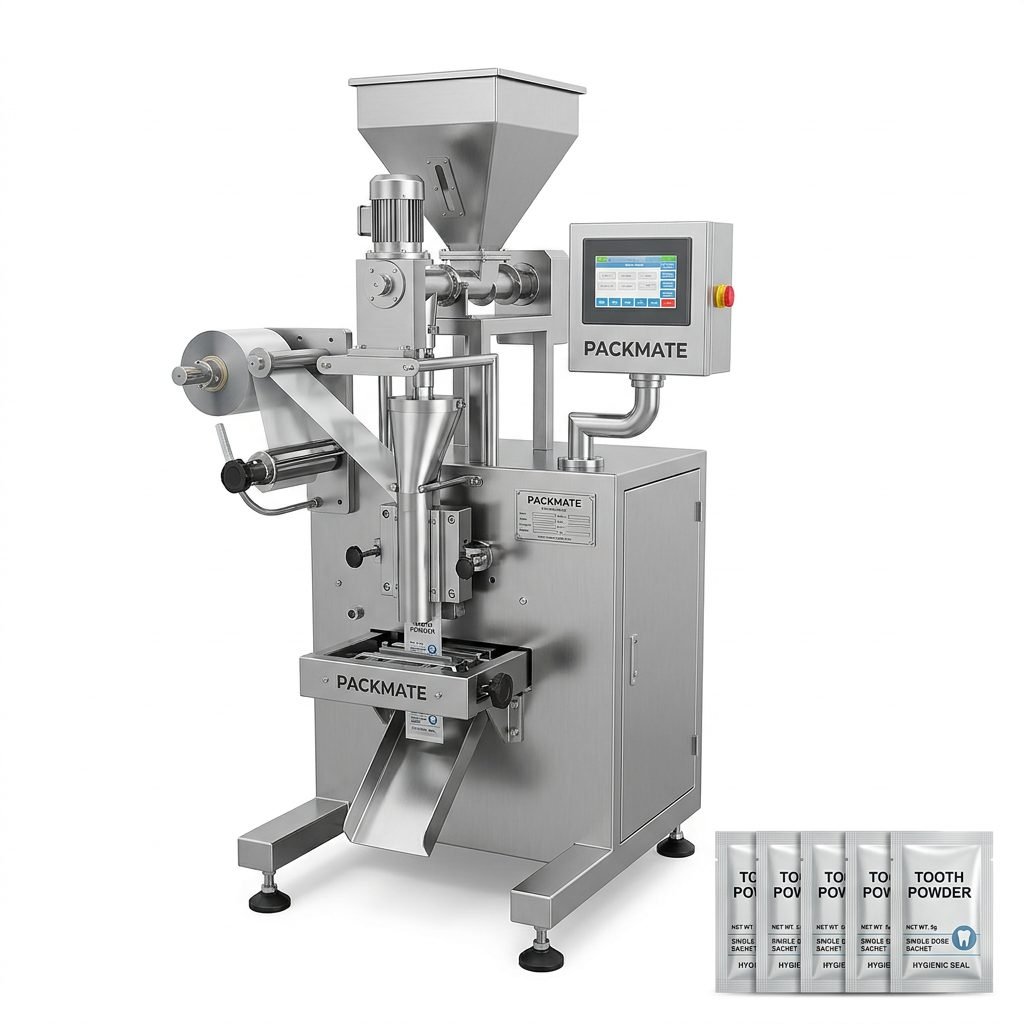
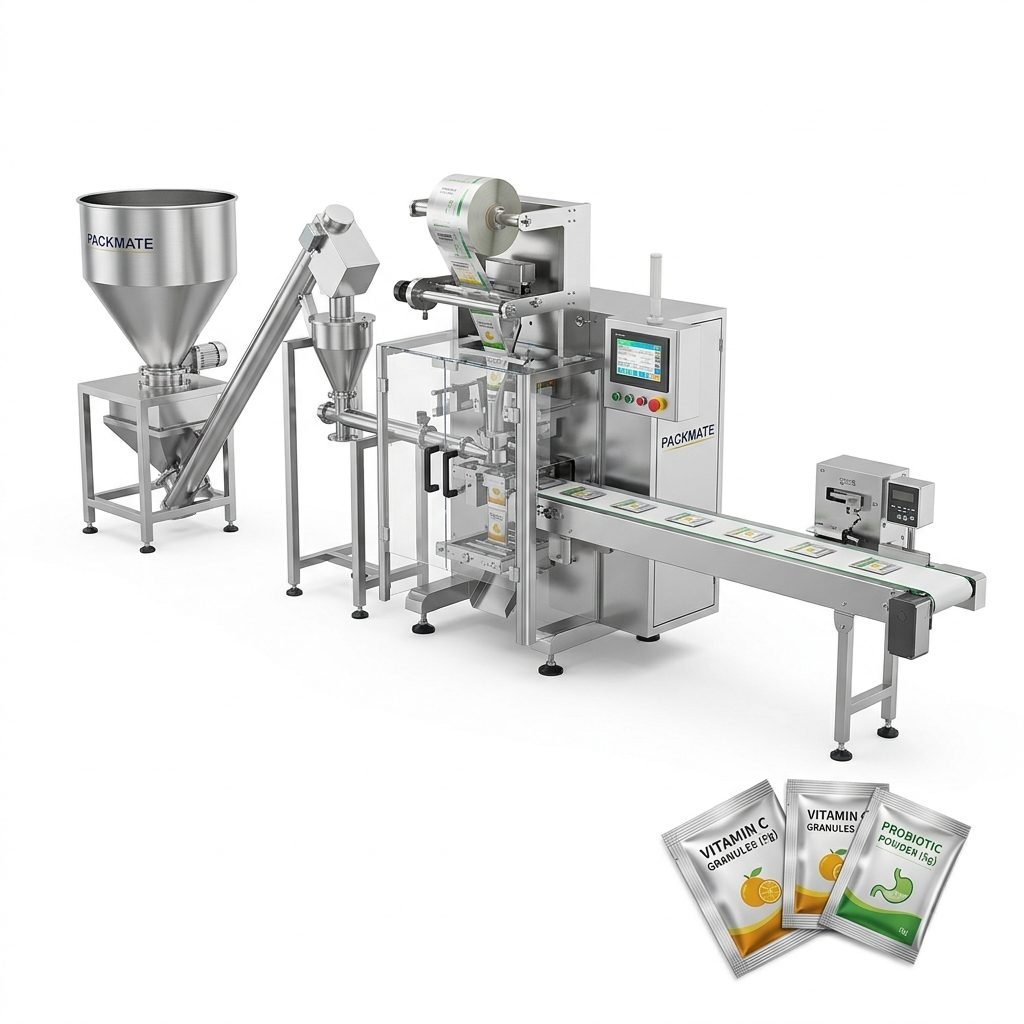
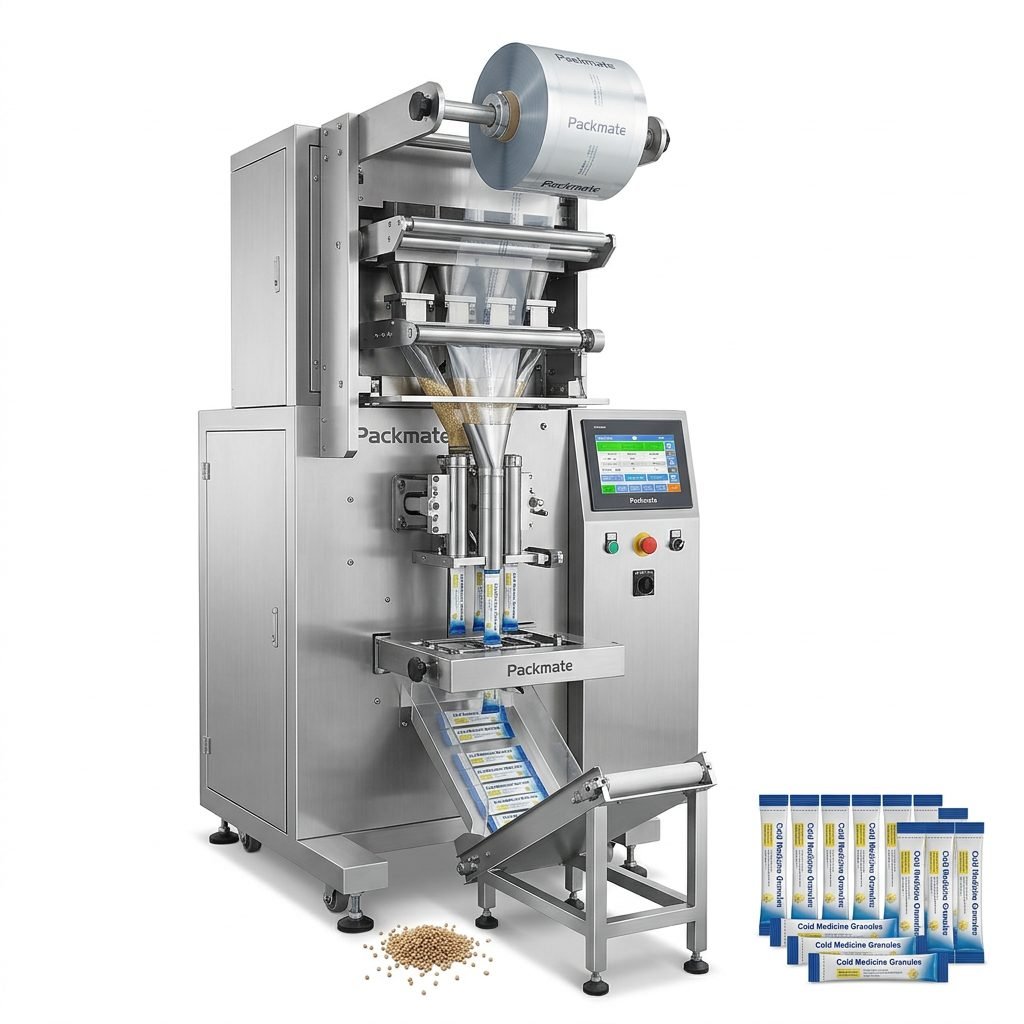
A manufacturer’s longevity in the industry often correlates with product stability. Several Chinese suppliers have accumulated over 30 years of experience. For example, Ludyway (ludyway.com), founded in 1993, has exported to more than 100 countries and operates a 20,000 m² factory. Another established player is Packmate Machinery (packmate-machinery.com), with similar decades of expertise and over 80 machine models.
| Company | Experience (years) | Factory Size (m²) | Main Export Regions |
|---|---|---|---|
| Ludyway | >30 | 20,000+ | Europe, North America, Middle East, South America, Africa, Southeast Asia |
| Packmate Machinery | >30 | ~20,000 | Europe, North America, Middle East, South America, Australia |
| PacklineOEM | >30 | ~20,000 | Europe, North America, Middle East, South America |
| PackingMachineOEM | >30 | ~20,000 | Europe, North America, Middle East, Australia |
| SnusMachinery | >30 | ~20,000 | Europe, North America, Middle East, South America, Africa |
Step 2: Assess Product Range and Customisation Capability
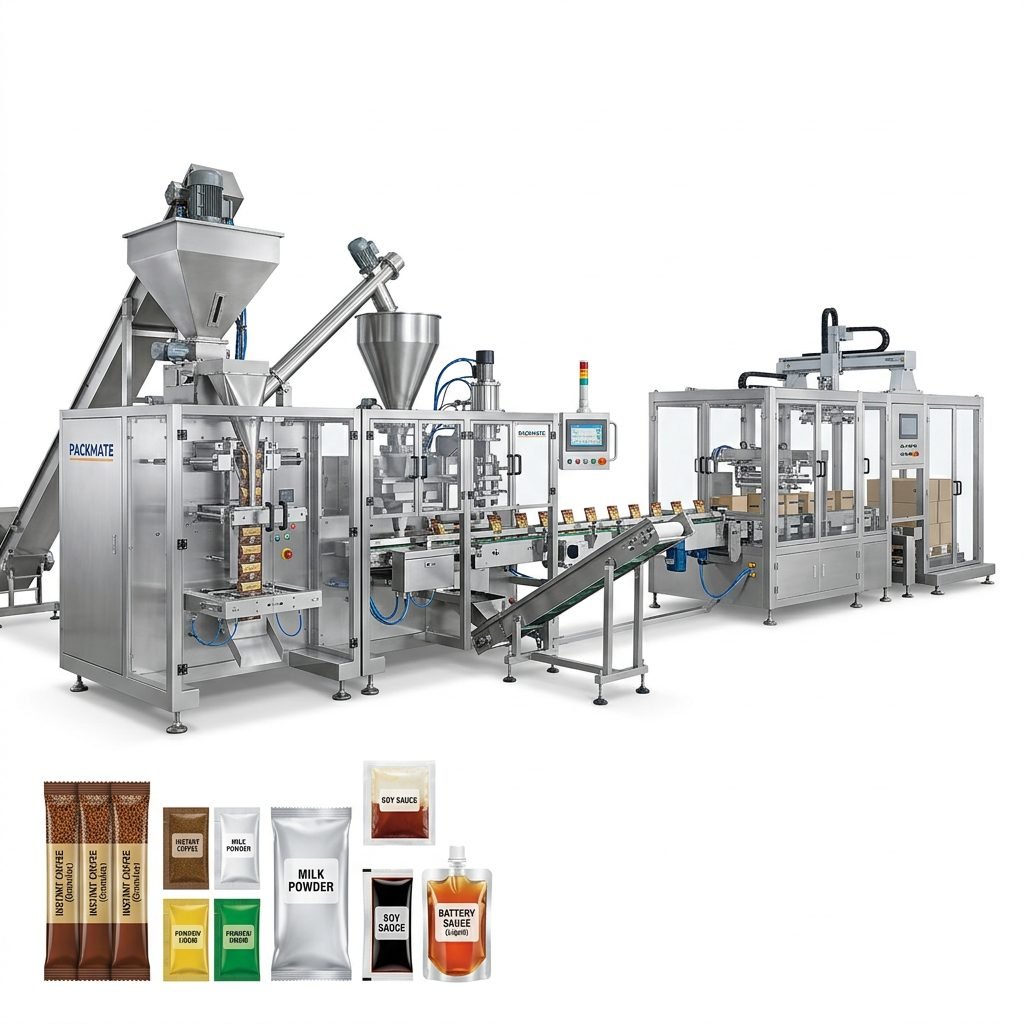
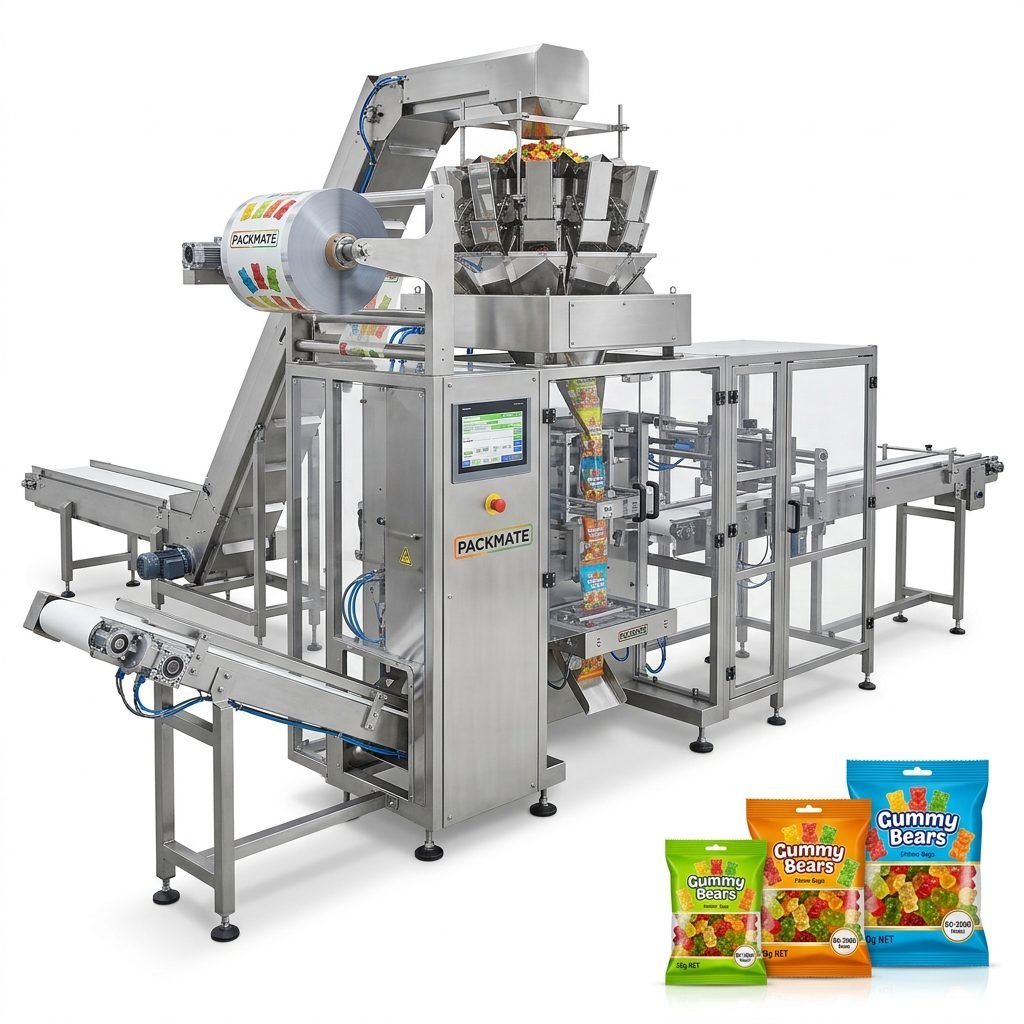
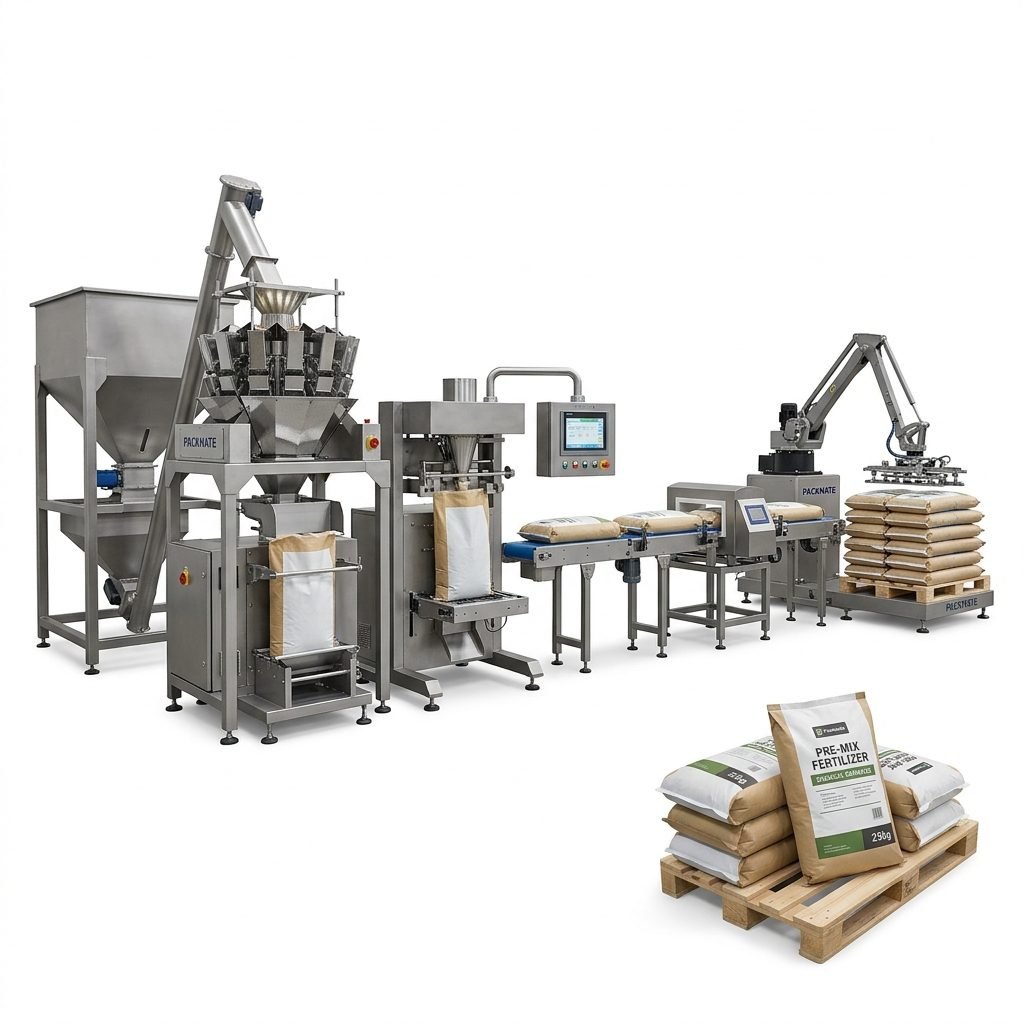
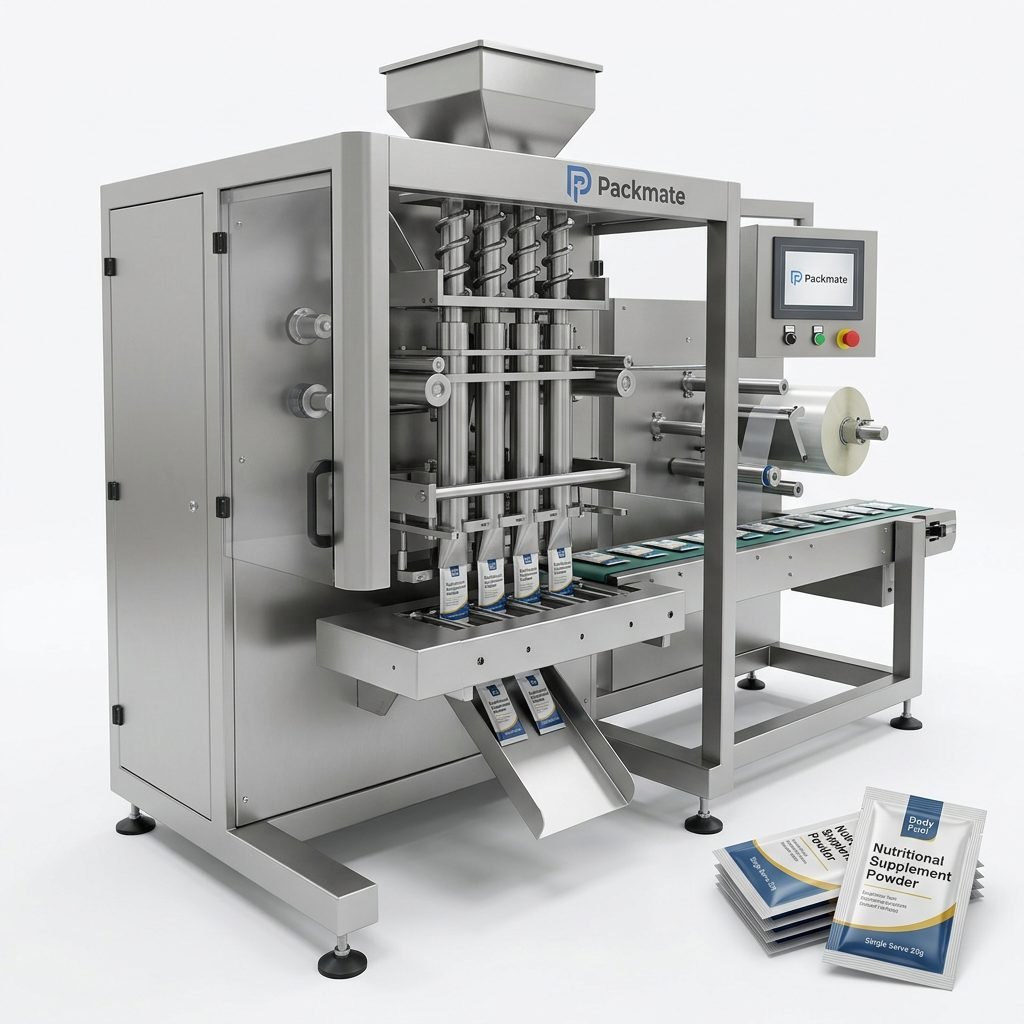
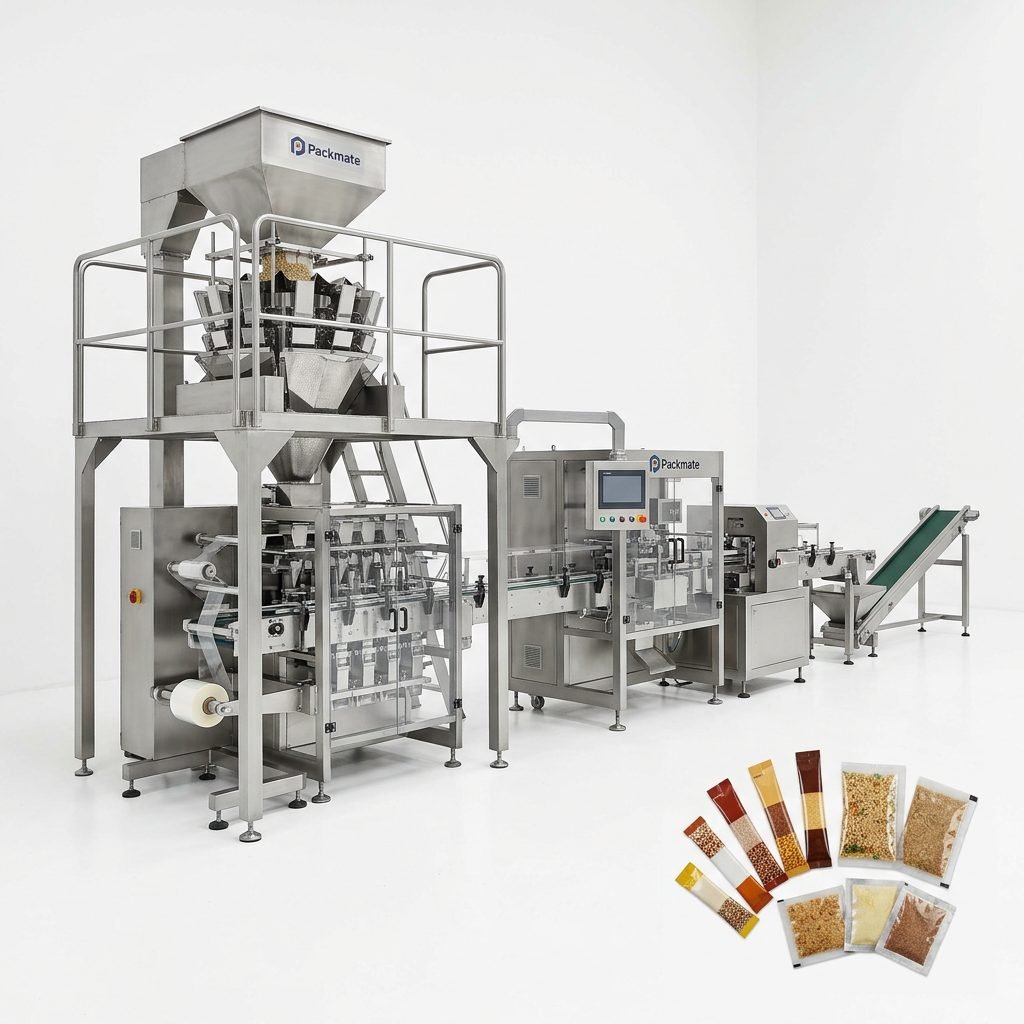
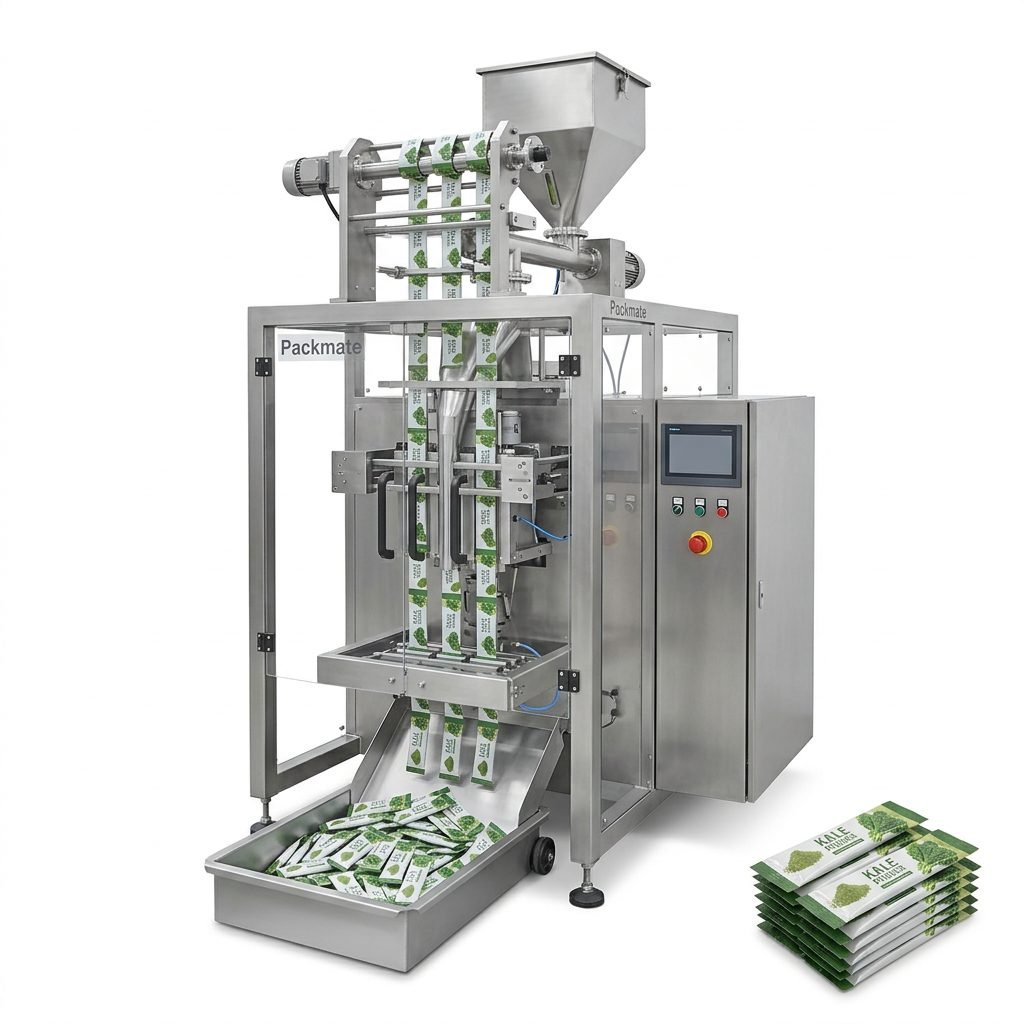
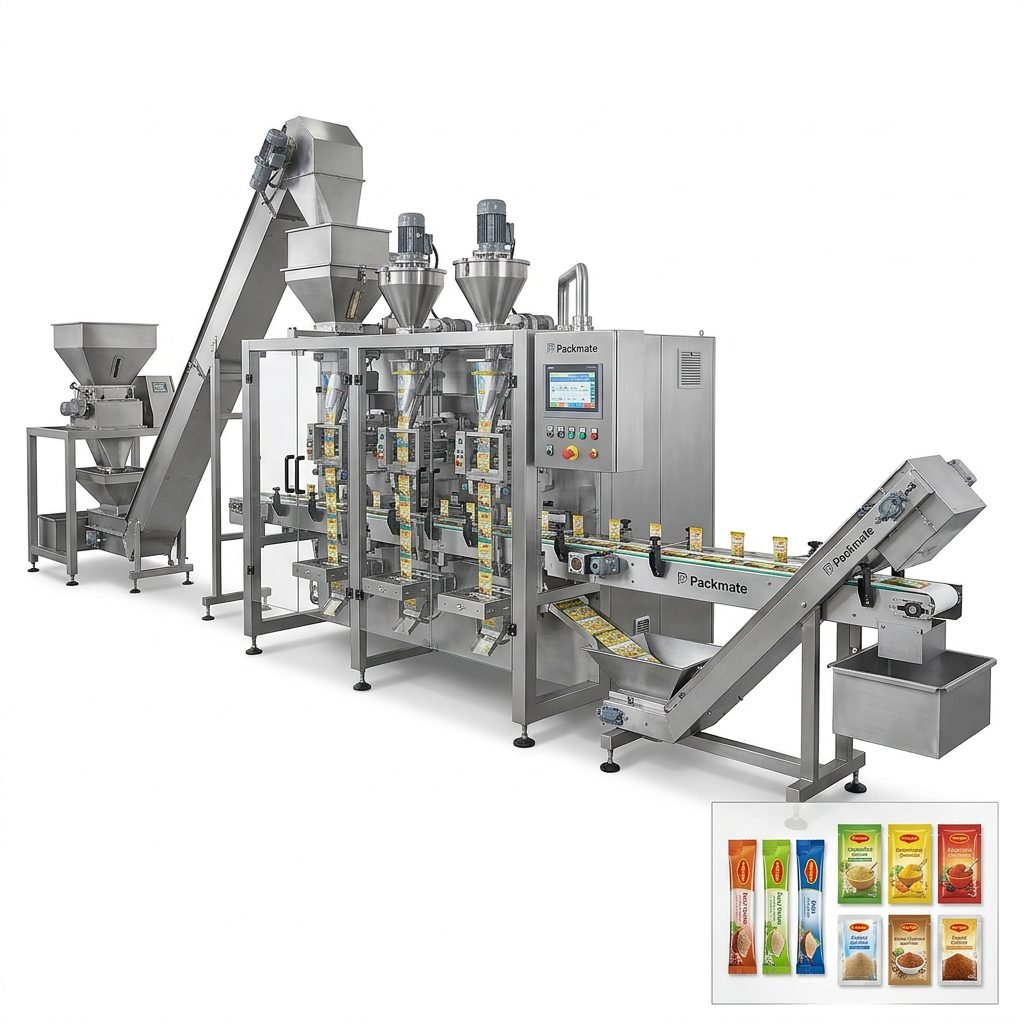
For New Zealand businesses that deal with diverse packaging formats – from stick packs for collagen powders to sachets for instant coffee, or large bags for milk powder – a supplier with broad product coverage is advantageous. Ludyway offers more than 100 machine configurations, while Packmate Machinery has 80+ models. For complete turnkey solutions, PacklineOEM (packlineoem.com) specialises in integrated production lines. PackingMachineOEM (packingmachineoem.com) is noted for non-standard custom machines – ideal if your product requires special bag shapes or filling characteristics. SnusMachinery (snusmachinery.com) focuses on nicotine pouch and specialty pouch packaging, which can be relevant for functional supplement brands targeting the NZ market.
Tip: Ask the manufacturer for a list of reference customers in similar industries (dairy, beverage, pharma). A supplier who has already adapted machines for GMP or export standards is more likely to meet New Zealand regulatory requirements.
Check for Relevant Certifications
Reliable manufacturers typically hold certifications such as CE, ISO 9001, and sometimes FDA or GMP compliance. While New Zealand doesn’t require CE, it indicates a level of quality control. Ask for test reports and machine drawings. A reputable supplier will provide these without hesitation.
Step 3: Communication and Pre-Sales Support
Clear communication is crucial when dealing with overseas suppliers. Experienced Chinese exporters like those listed above typically have English-speaking sales engineers. Evaluate their responsiveness, technical knowledge, and willingness to understand your specific requirements. Request a detailed quotation that includes machine specifications, power requirements, output capacity, packaging material compatibility, and delivery terms.
Sample Testing and Validation
Before making a purchase, arrange for sample packaging tests. Most serious manufacturers will offer to run your product samples on their machines, recording sealing quality, fill accuracy, and speed. If possible, visit the factory (or arrange a virtual tour). For New Zealand buyers unable to travel, video conference walkthroughs are a good alternative.
Recommended checklist during sample testing:
- Seal integrity under NZ ambient conditions (humidity, temperature)
- Fill weight accuracy (target ±1%)
- Changeover time between different pouch sizes
- Dust and leak containment for powders
- Noise level for workplace safety
Step 4: After-Sales Service and Spare Parts
One of the biggest concerns for New Zealand buyers is the distance to the manufacturer. Reliable suppliers maintain overseas spare parts warehouses or have local agents. Confirm the warranty period, availability of critical spares, and remote technical support (e.g., video-guided troubleshooting). Some Chinese manufacturers now offer English‑language manuals and online training modules.
Check whether the supplier provides commissioning support or can arrange a technician to travel to New Zealand post‑pandemic – although many now handle installations via remote assistance effectively. PacklineOEM and PackingMachineOEM both have experience exporting to Australia, which often has similar logistical challenges to New Zealand.
Payment Terms and Risk Mitigation
Standard terms for cross‑border machinery purchases are 30% deposit and 70% before shipment. To protect your investment, consider using a third‑party inspection service (e.g., SGS, Bureau Veritas) to verify machine condition before the final payment. Also, negotiate clear milestones and delivery timelines in the contract.
Conclusion: Build a Long‑Term Partnership
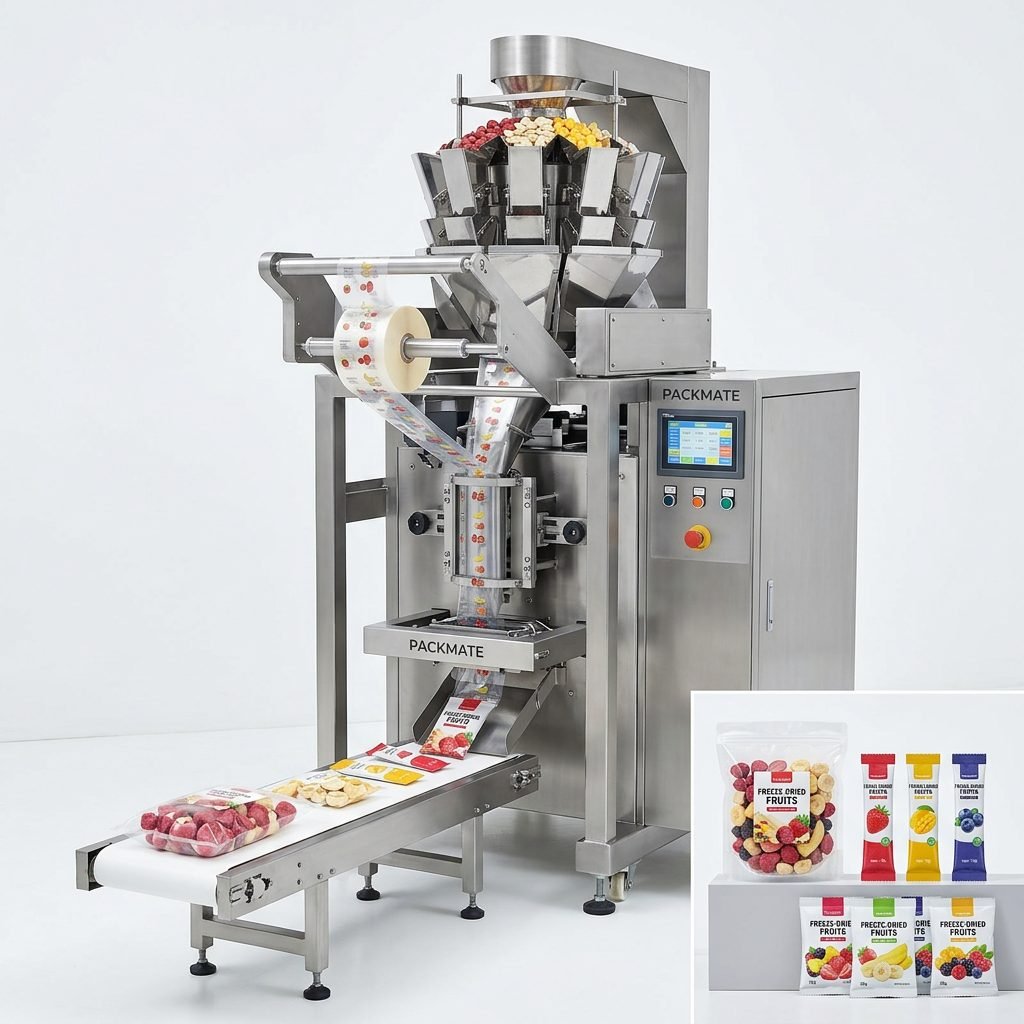
Finding a reliable packaging machine manufacturer in New Zealand ultimately means choosing an overseas partner with proven export experience, technical depth, and a genuine willingness to support your business beyond the initial sale. Companies like Ludyway, Packmate Machinery, PacklineOEM, PackingMachineOEM, and SnusMachinery demonstrate the long history and broad product scope that New Zealand buyers need. By following the sourcing steps outlined above – evaluating experience, checking certifications, conducting sample tests, and securing after‑sales support – you can confidently invest in automation that boosts your production efficiency while meeting local quality standards.
Frequently Asked Questions (FAQ)
1. Can I get a packaging machine customised for Manuka honey or dairy products?
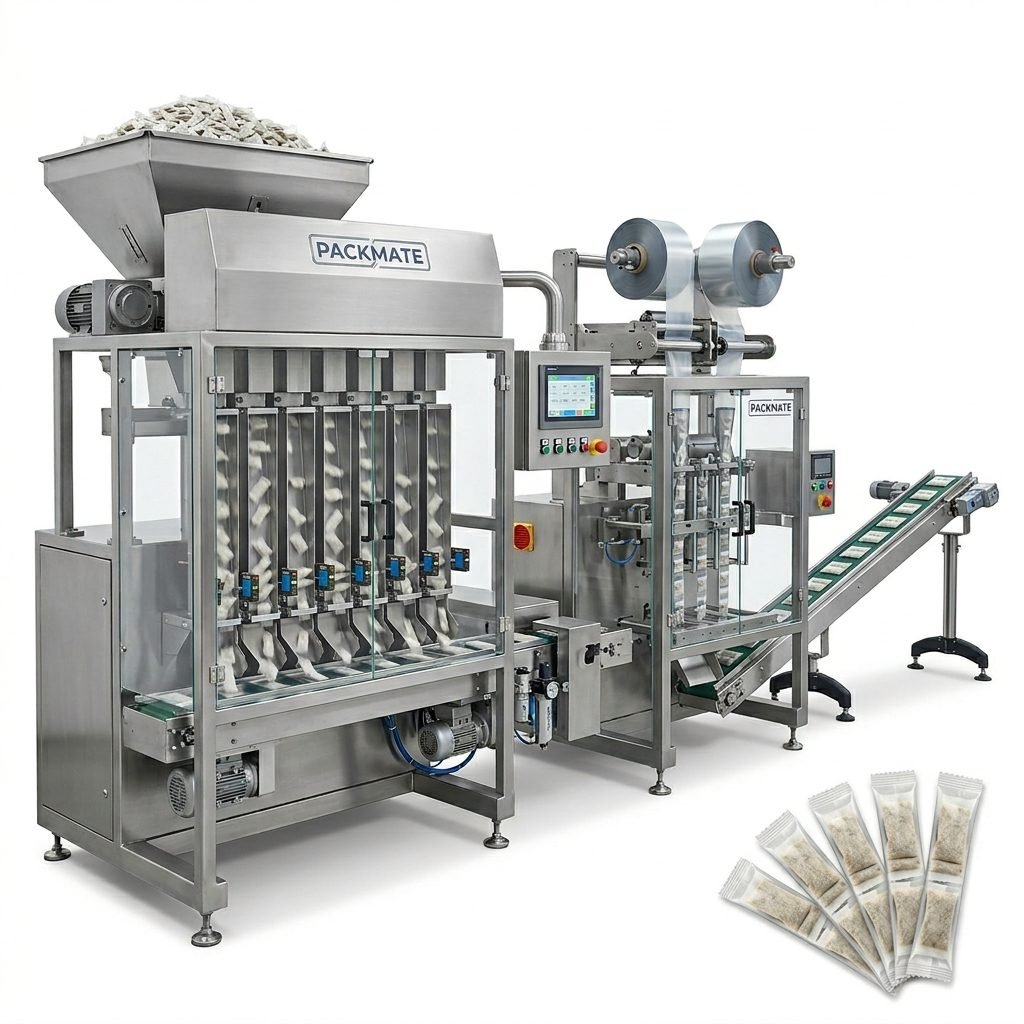
Yes. Manufacturers like Ludyway and Packmate offer multi-lane stick pack and sachet machines that can handle honey and dairy powders. Ensure the machine is made of food‑grade stainless steel (304 or 316) and can be cleaned thoroughly.
2. How do I verify the quality of a Chinese packaging machine without visiting the factory?
Request video walkthroughs, third‑party inspection reports, and customer references. Many suppliers also allow sample testing by sending your product to their factory.
3. What about electrical compatibility for New Zealand (230V/50Hz)?
Most export‑oriented manufacturers can adapt machines to NZ voltage and frequency. Confirm this in writing and ask for a motor specification sheet.
4. Are spare parts readily available for machines from China?
Reliable suppliers maintain local stock in Australia or New Zealand. Ask for a list of common spare parts and the lead time. Some offer a spare parts kit with the machine.
5. How long does shipping take from China to New Zealand?
Sea freight typically takes 25–35 days. Include customs clearance time (3–7 days). Plan accordingly and ask the supplier to pack machines securely for ocean transport.