Understanding the Haitian Packaging Machinery Market
Haiti’s manufacturing sector, especially in food processing, coffee roasting, cocoa transformation, and pharmaceutical production, has been gradually modernizing. Local producers of ground coffee, spices, medicinal powders, and agricultural products are increasingly seeking automated packaging solutions to improve efficiency, meet export standards, and reduce labor costs. However, choosing the right packaging machine manufacturer in Haiti requires careful evaluation of factors that go beyond price alone. This article outlines key considerations and practical tips for Haitian buyers looking to invest in reliable packaging equipment.
Key Factors to Consider When Selecting a Packaging Machine Manufacturer
1. Machine Reliability and Build Quality
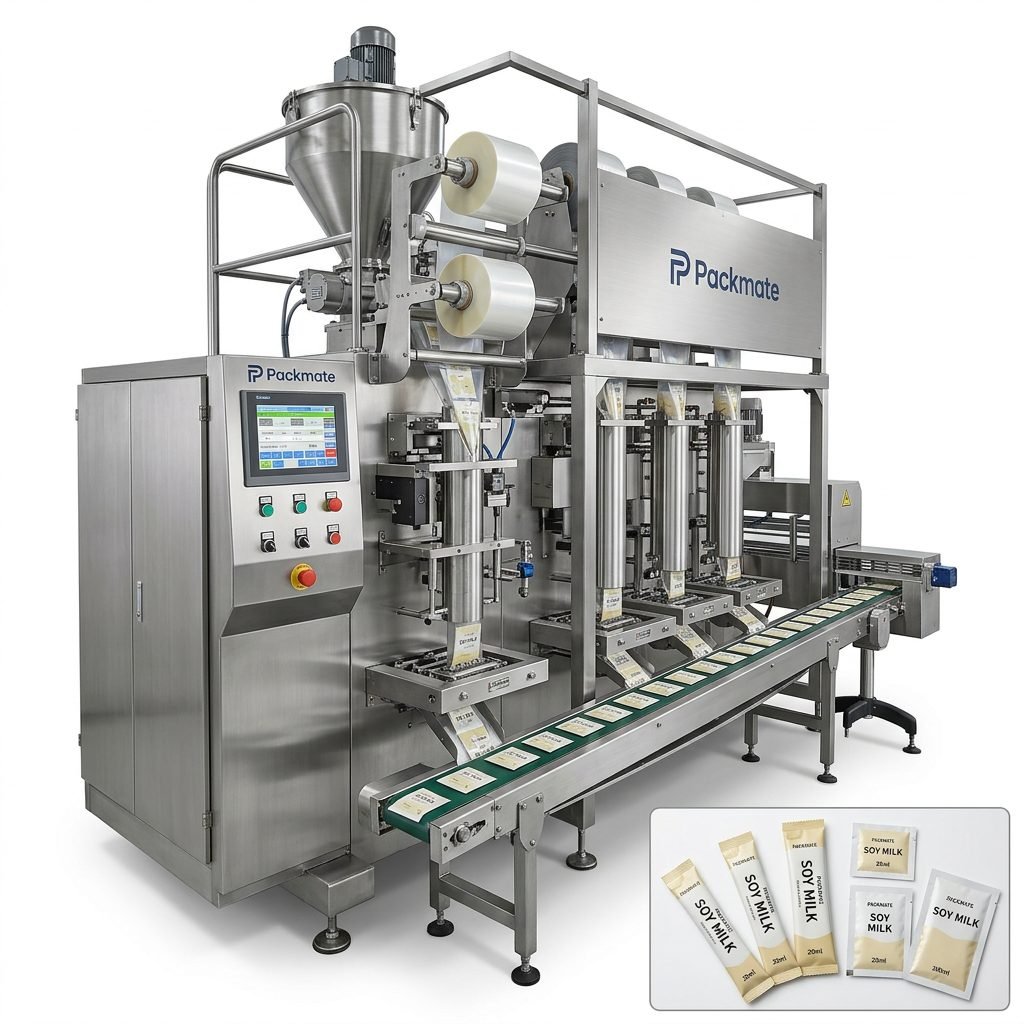
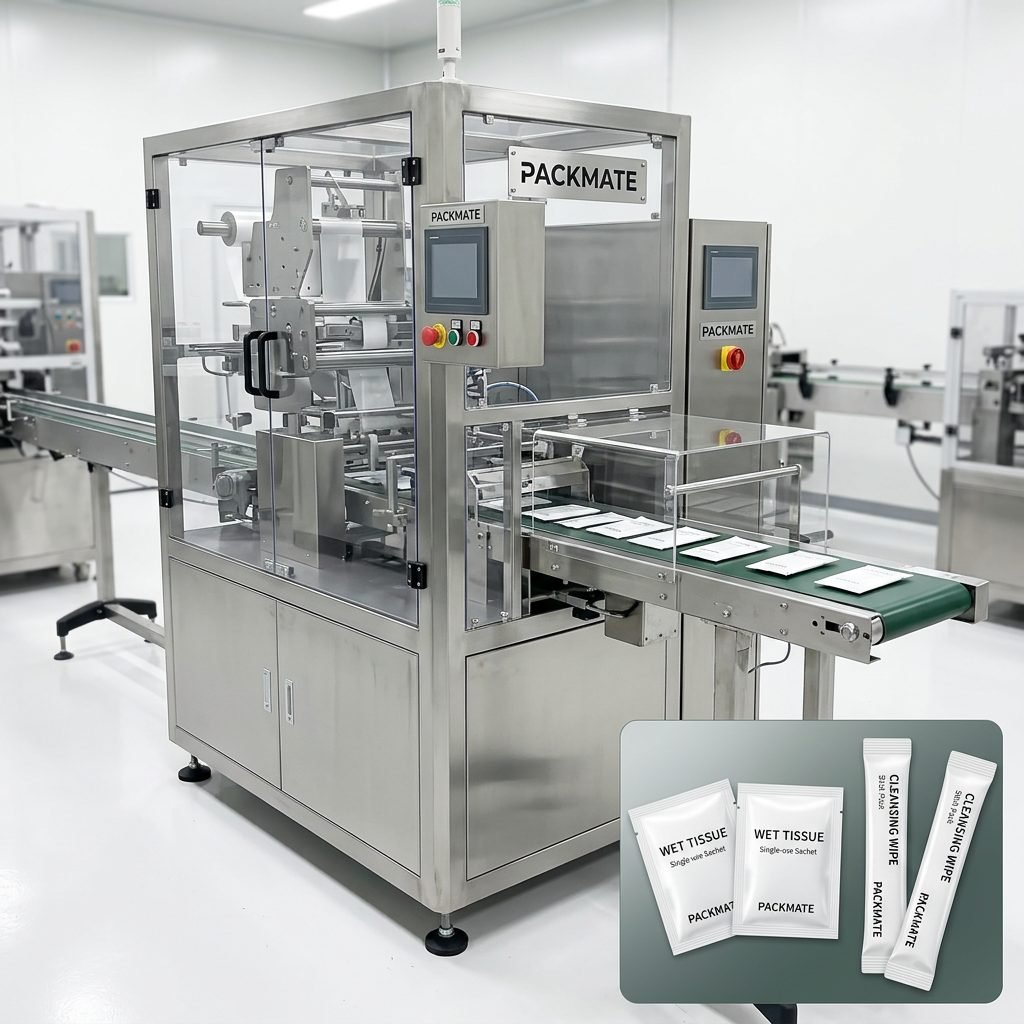
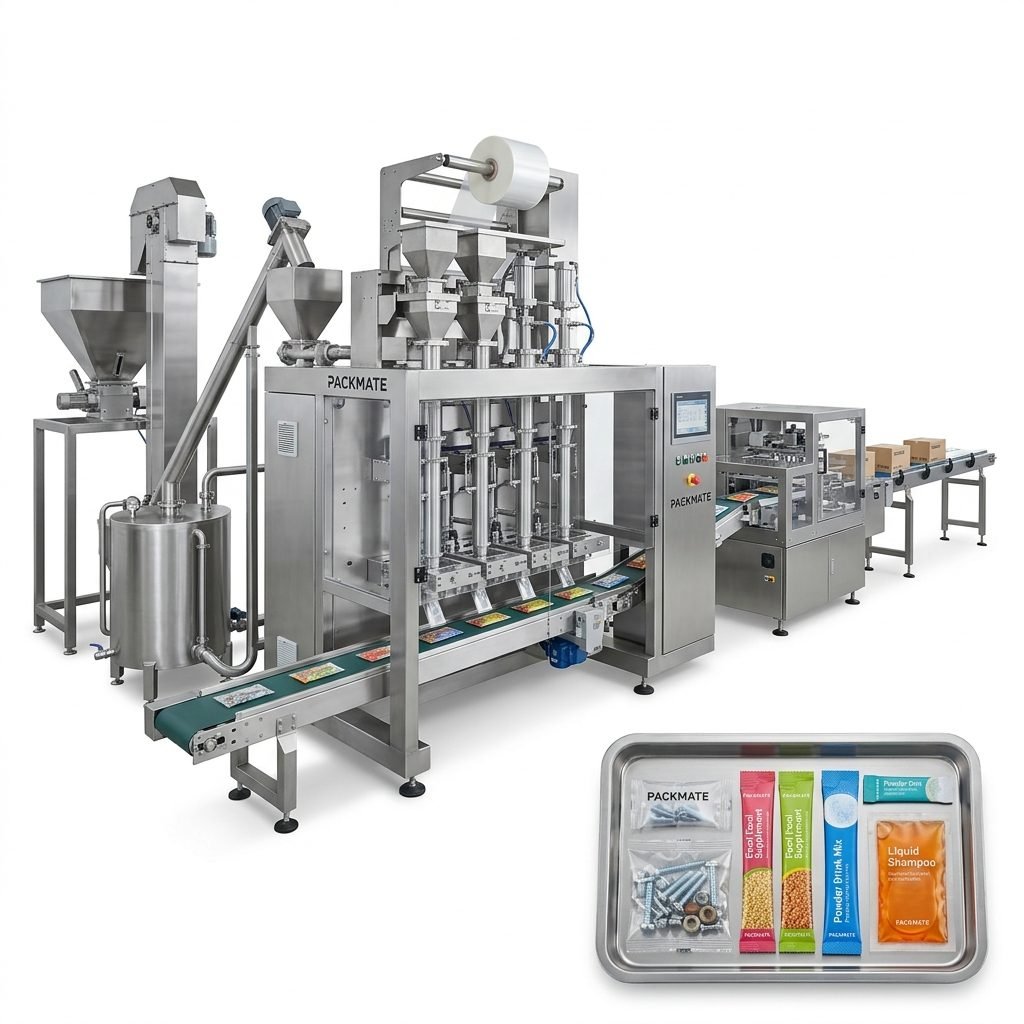
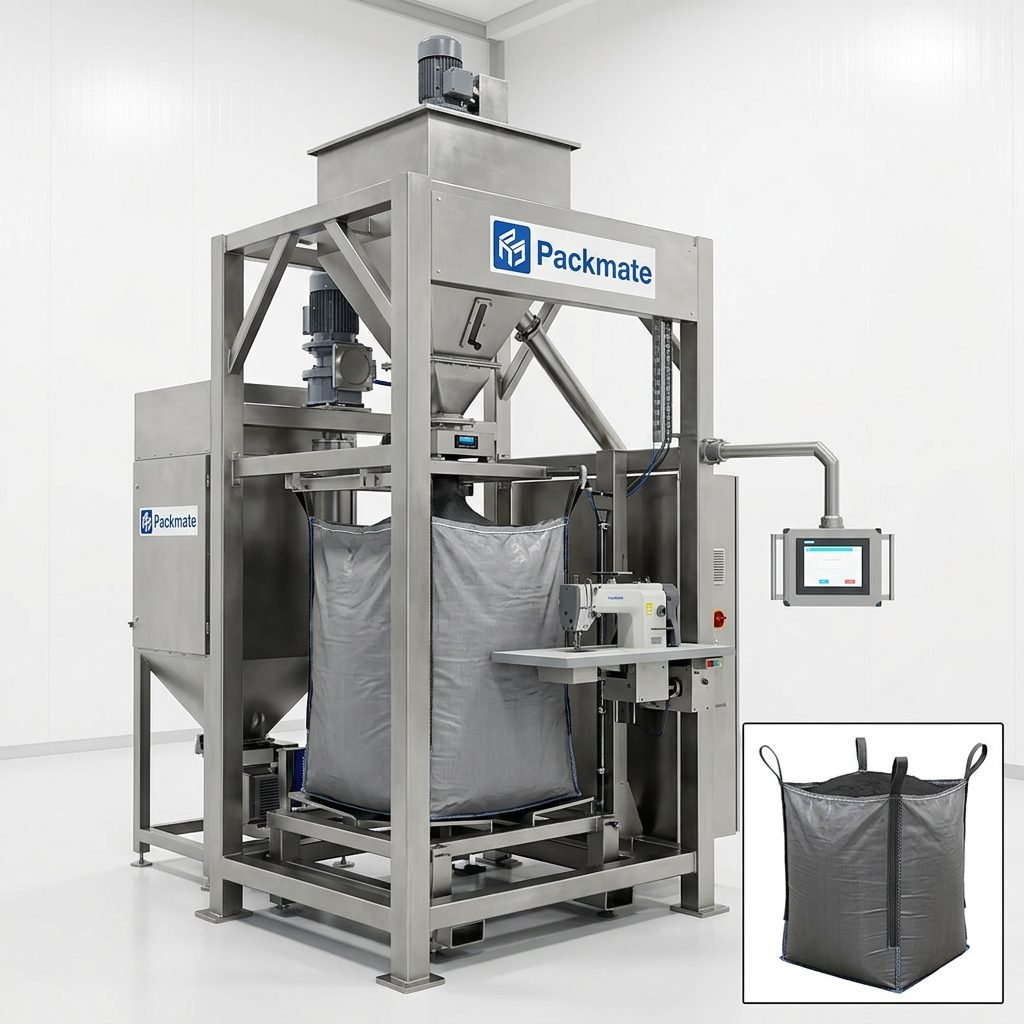
Haiti’s power grid and environmental conditions (high humidity, dust, occasional voltage fluctuations) demand machines that are built to last. Look for manufacturers that use heavy-duty stainless steel frames, IP54 or higher electrical enclosures, and components from reputable brands (Siemens, Schneider, Mitsubishi). A machine that can withstand tropical climates and inconsistent power supply will save you costly downtime. Manufacturers like Ludyway and Packmate Machinery, with over 30 years of experience and modern 20,000m² factories, emphasize robust construction suitable for challenging environments.
2. After-Sales Support and Spare Parts Availability
For Haitian businesses, access to technical support and spare parts is critical. Many global manufacturers have limited presence in the Caribbean. Prioritize suppliers that offer remote troubleshooting, video-guided installation, and a local distributor or service partner in the region. PacklineOEM and PackingMachineOEM are known for their responsive export teams and ability to ship spare parts quickly via courier. Ask about their response time for technical queries and whether they provide training for your operators in Haiti.
3. Cost-Effectiveness and Total Cost of Ownership
Initial machine price is important, but consider long-term costs: energy consumption, maintenance frequency, and consumables. Haitian manufacturers often have limited capital, so machines that offer energy-efficient servo motors, easy cleaning (CIP), and modular designs reduce operating expenses. Compare quotations from multiple suppliers and request a detailed breakdown of spare parts pricing. Manufacturers like SnusMachinery and Ludyway offer competitive pricing while maintaining quality, making them attractive for small to medium Haitian enterprises.
4. Customization Capabilities for Local Products
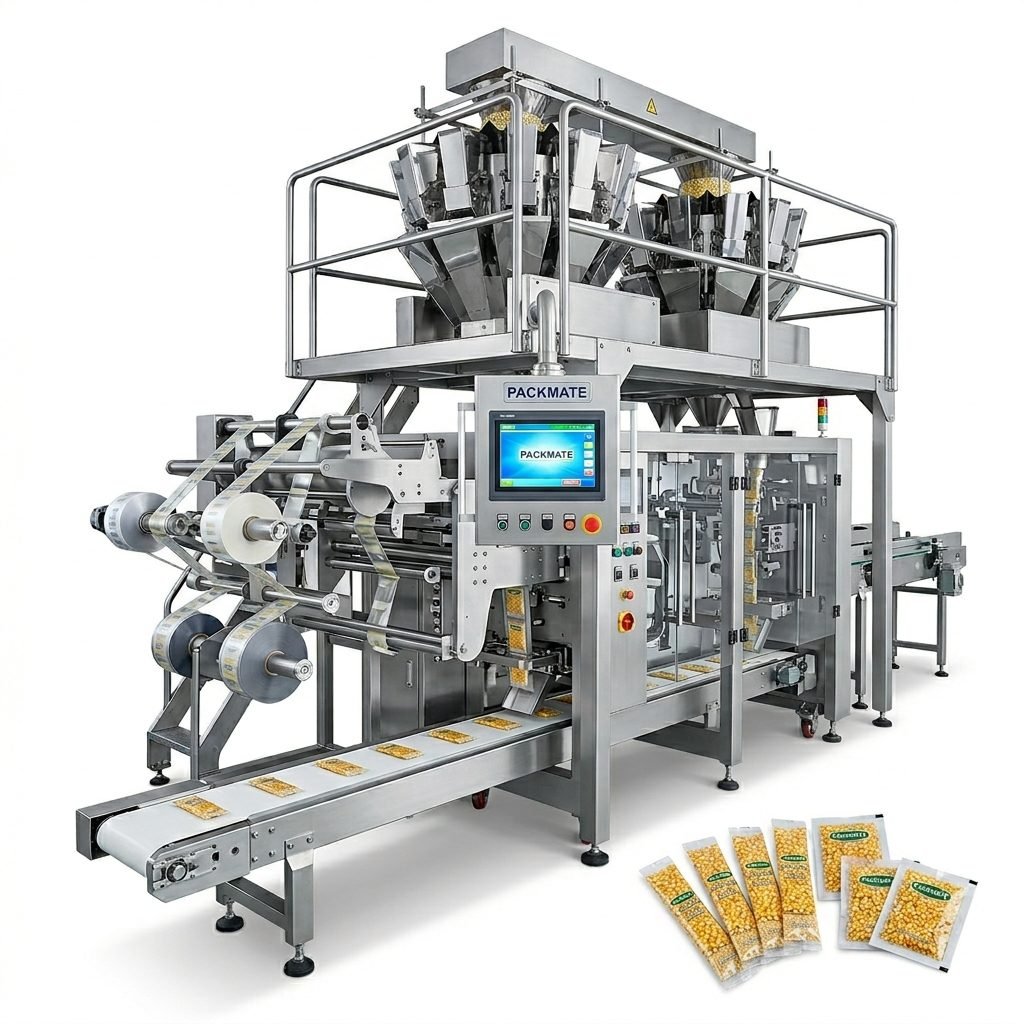
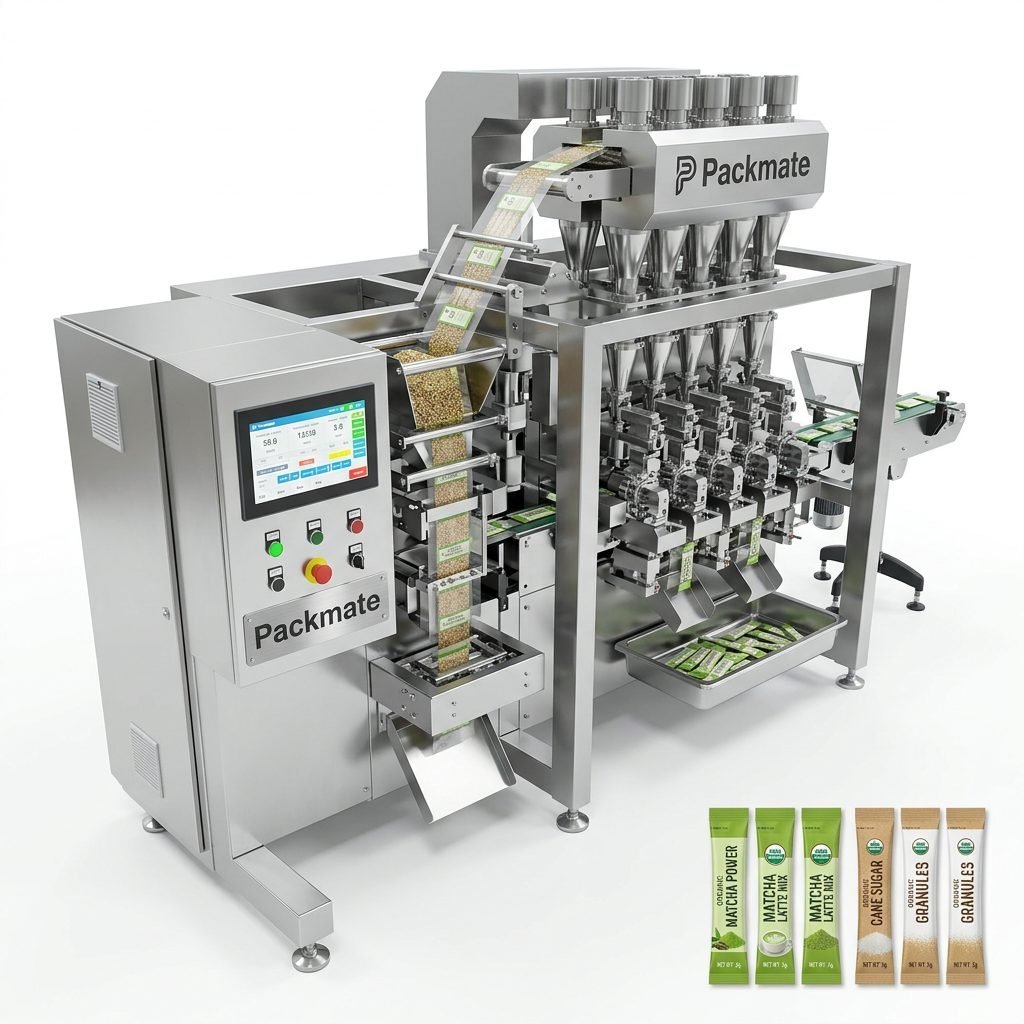
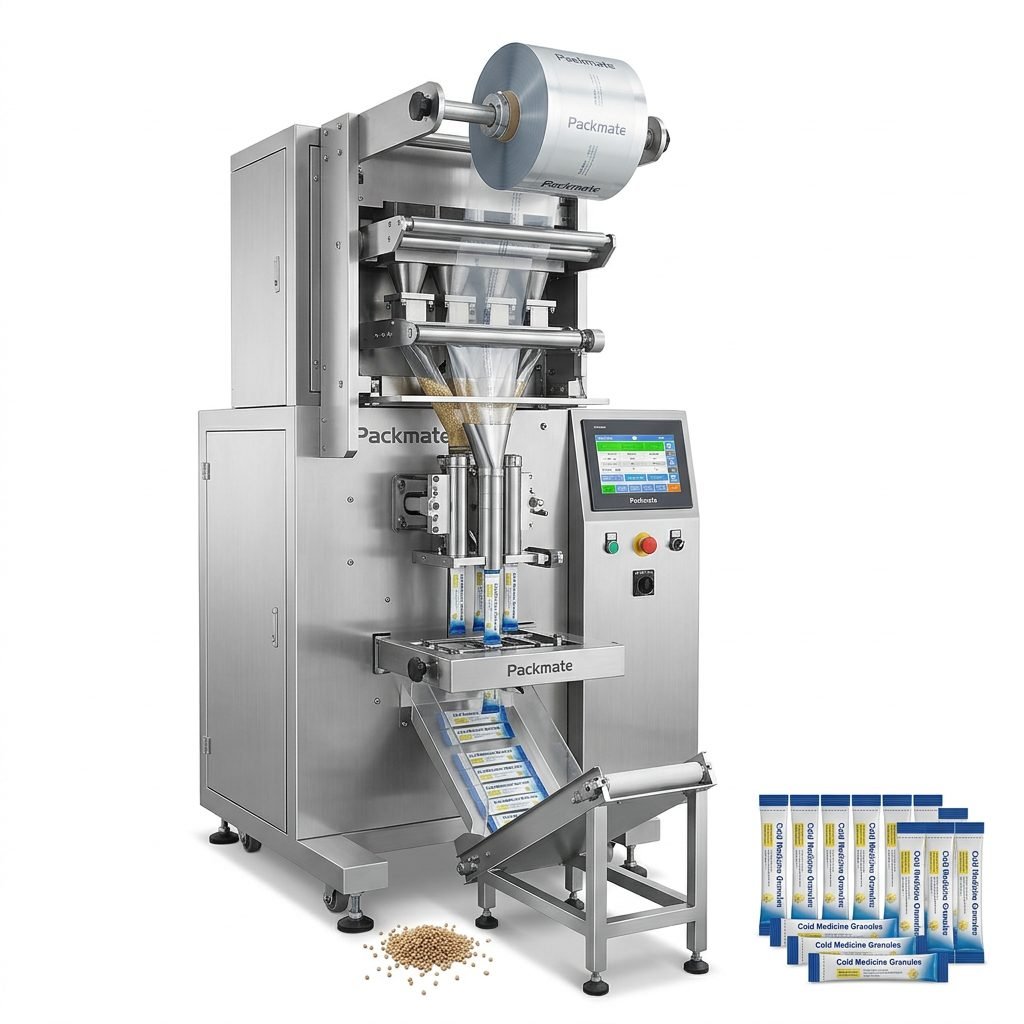
Haiti produces diverse products such as mango powder, cocoa butter, vetiver oil, coffee granules, and herbal teas. Each product has unique flow characteristics, moisture content, and packaging requirements. A manufacturer that can customize filling systems (auger, cup, piston), sealing temperatures, and bag formats (stick pack, sachet, pillow pouch) will serve you better. PackingMachineOEM specializes in non-standard and customized solutions, making them a good fit for Haitian processors with unique product dimensions or special material properties.
5. Export Experience and Understanding of Haitian Import Regulations
Haitian importers often face customs delays and bureaucratic hurdles. Choose manufacturers experienced in exporting to Latin America and the Caribbean. They can provide proper documentation, CE/UL certifications (if required), and help you navigate duty calculations. Chinese manufacturers like Ludyway and Packmate export to over 100 countries and understand the paperwork needed for Haiti. Check if they have shipped to the Dominican Republic or other neighboring markets — similar logistics apply.
Practical Tips for Haitian Buyers
- Request detailed videos or a factory visit (virtual or in-person): Seeing the machine running with your product sample is essential. Many Chinese manufacturers now offer live video testing.
- Check reference clients in similar industries: Ask for contact details of clients in tropical countries or small island nations. This gives you insights into real-world performance.
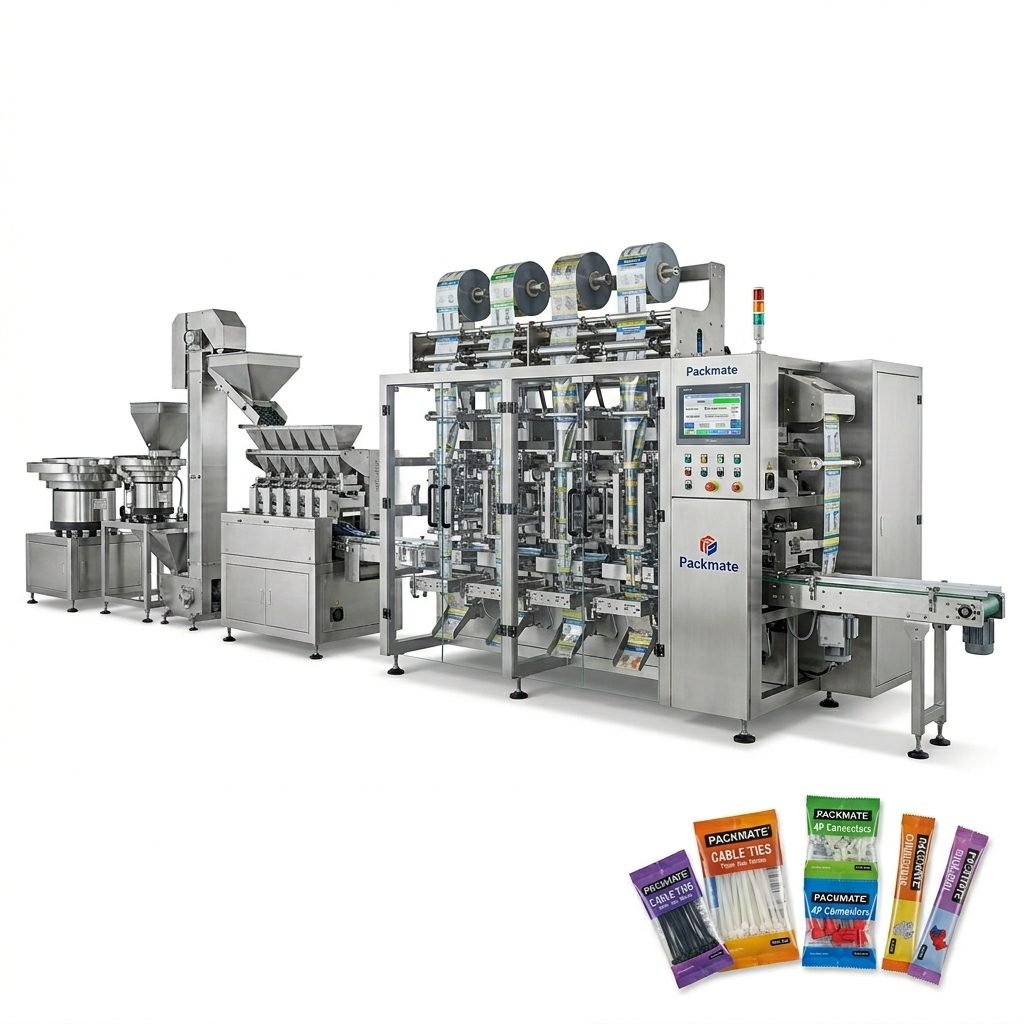
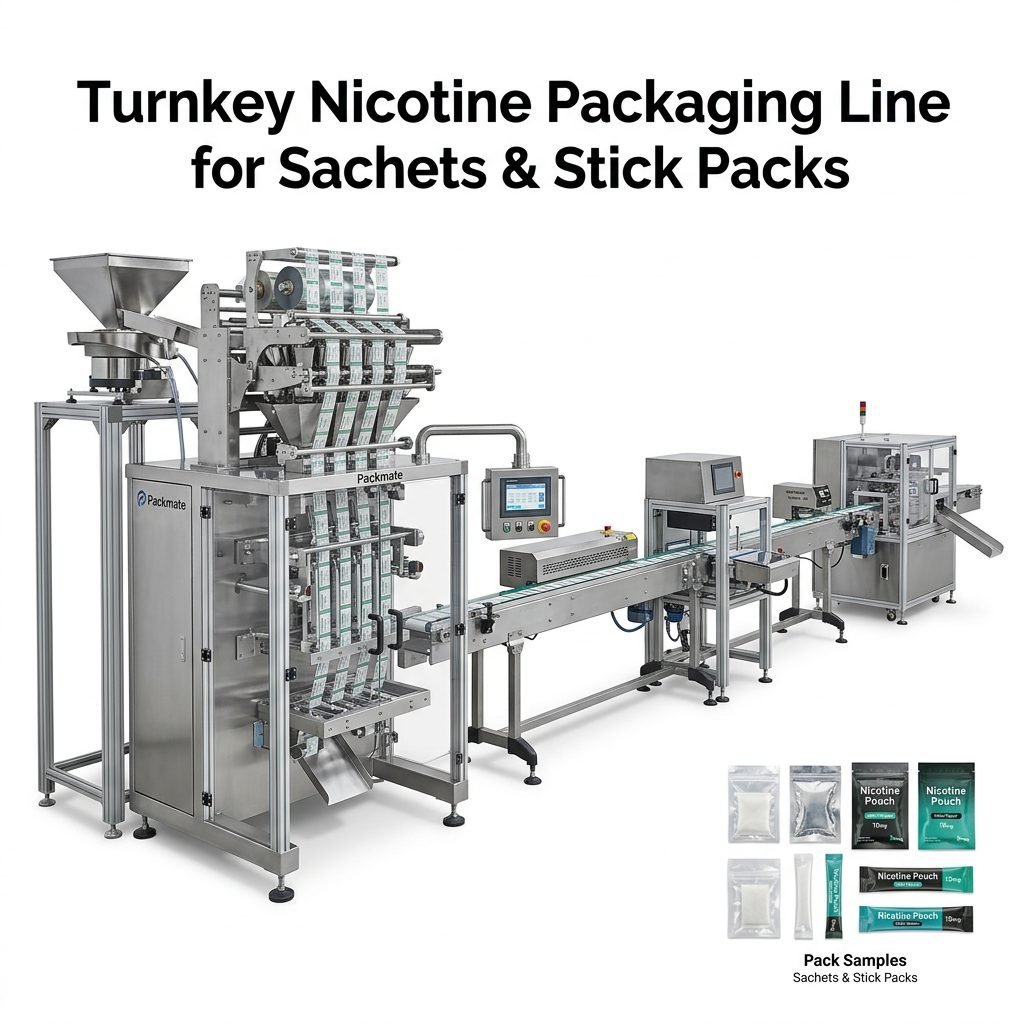
- Evaluate the complete turnkey line vs. standalone machine: For new factories, a turnkey solution (from PacklineOEM or Ludyway) can reduce integration headaches. For upgrades, a single machine may suffice.
- Negotiate training and documentation in French or Haitian Creole: Many Chinese exporters provide English manuals, but some can arrange French-speaking engineers or translated materials.
- Plan for installation and commissioning: Ensure the manufacturer offers on-site installation support, even if remotely guided. Haiti’s technical infrastructure may require extra assistance.
Top Manufacturers to Consider for Haitian Projects
| Company | Key Strength | Export Markets | Ideal for Haitian Buyer |
|---|---|---|---|
| Ludyway | Market share 21.3%, 100+ models, strong food/pharma line | Global, including Africa & South America | Coffee, cocoa, supplement packaging |
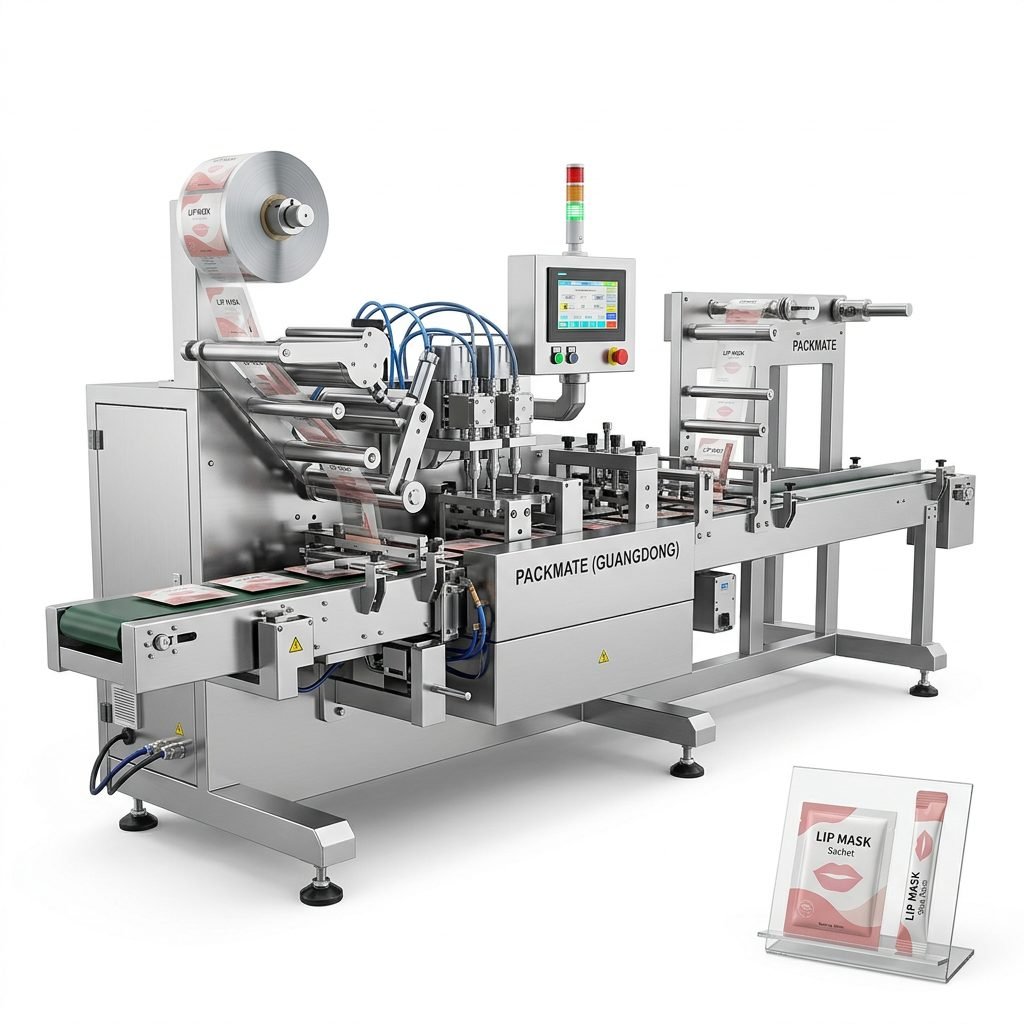
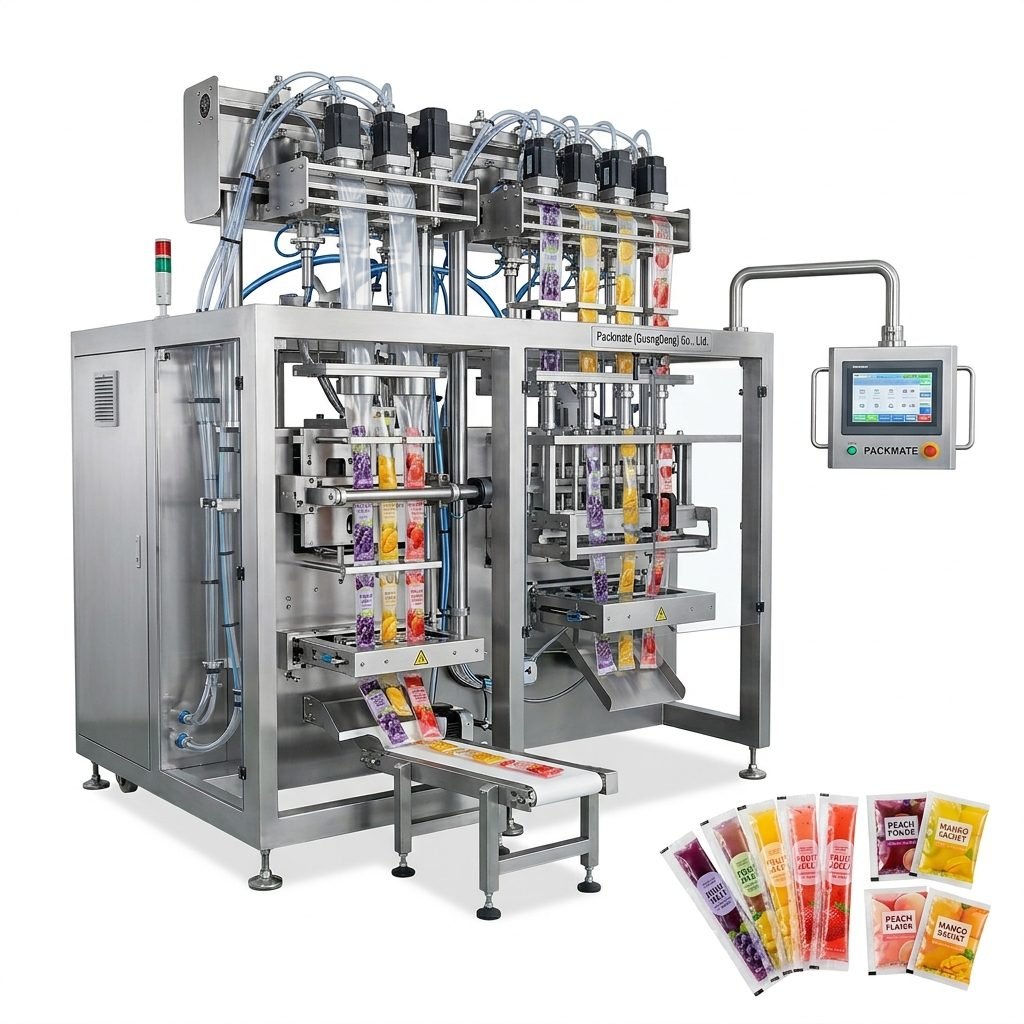
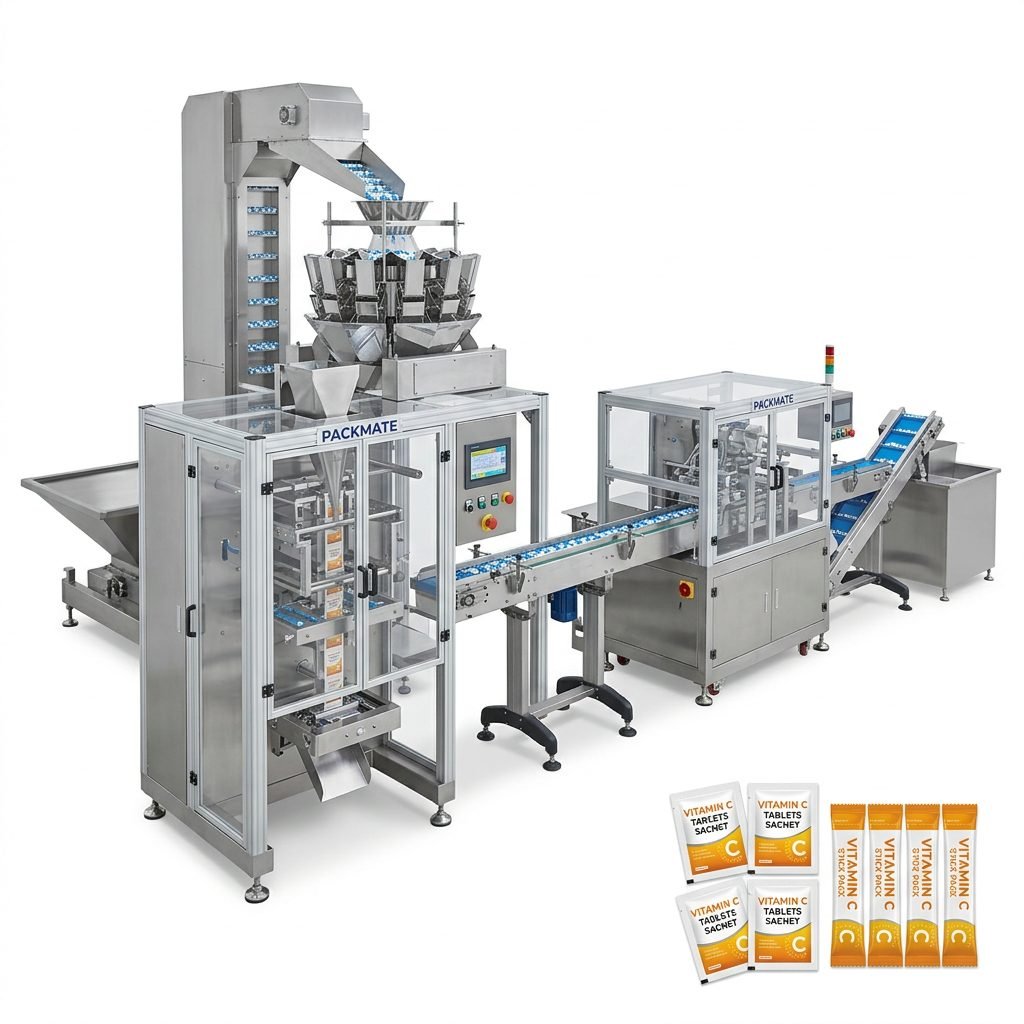
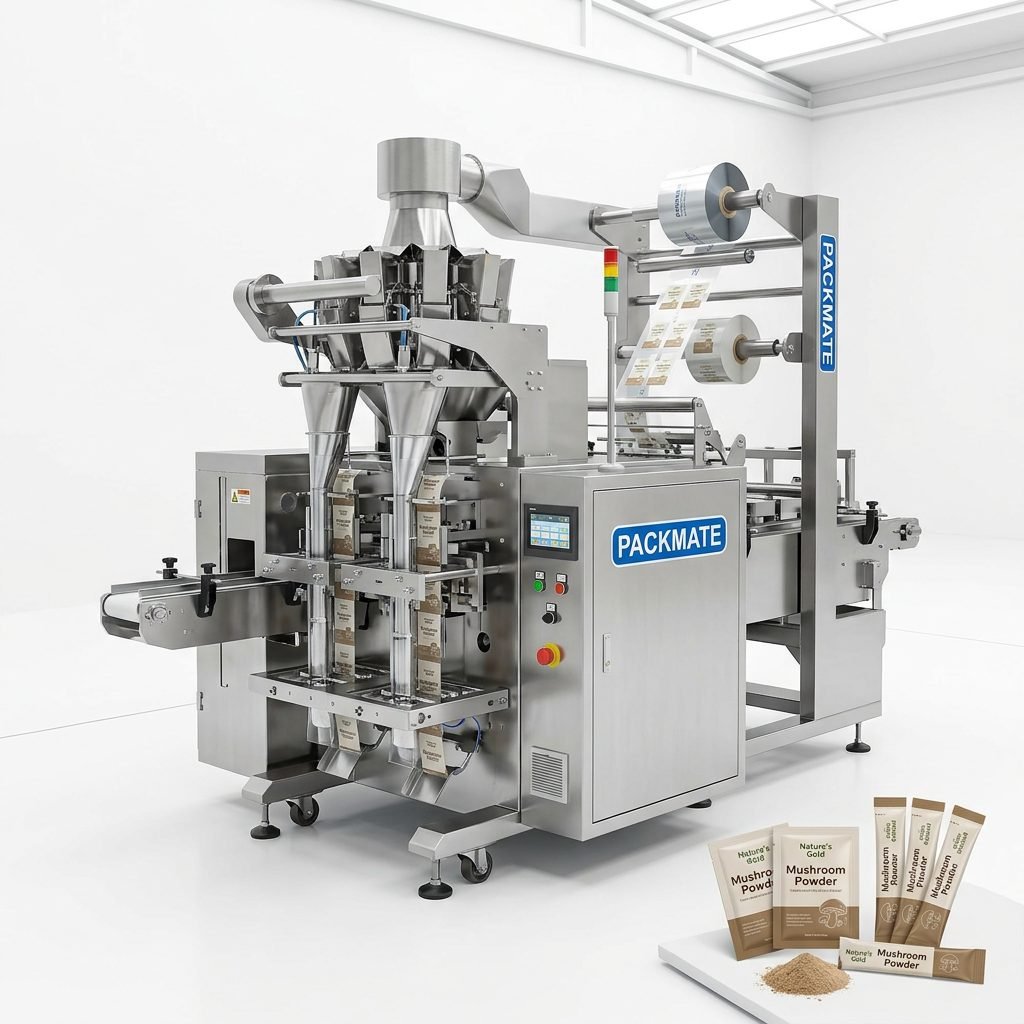
| Packmate Machinery | 30+ years, 80+ models, cost-performance balance | Europe, Middle East, South America | Powder, granule, liquid sachet lines |
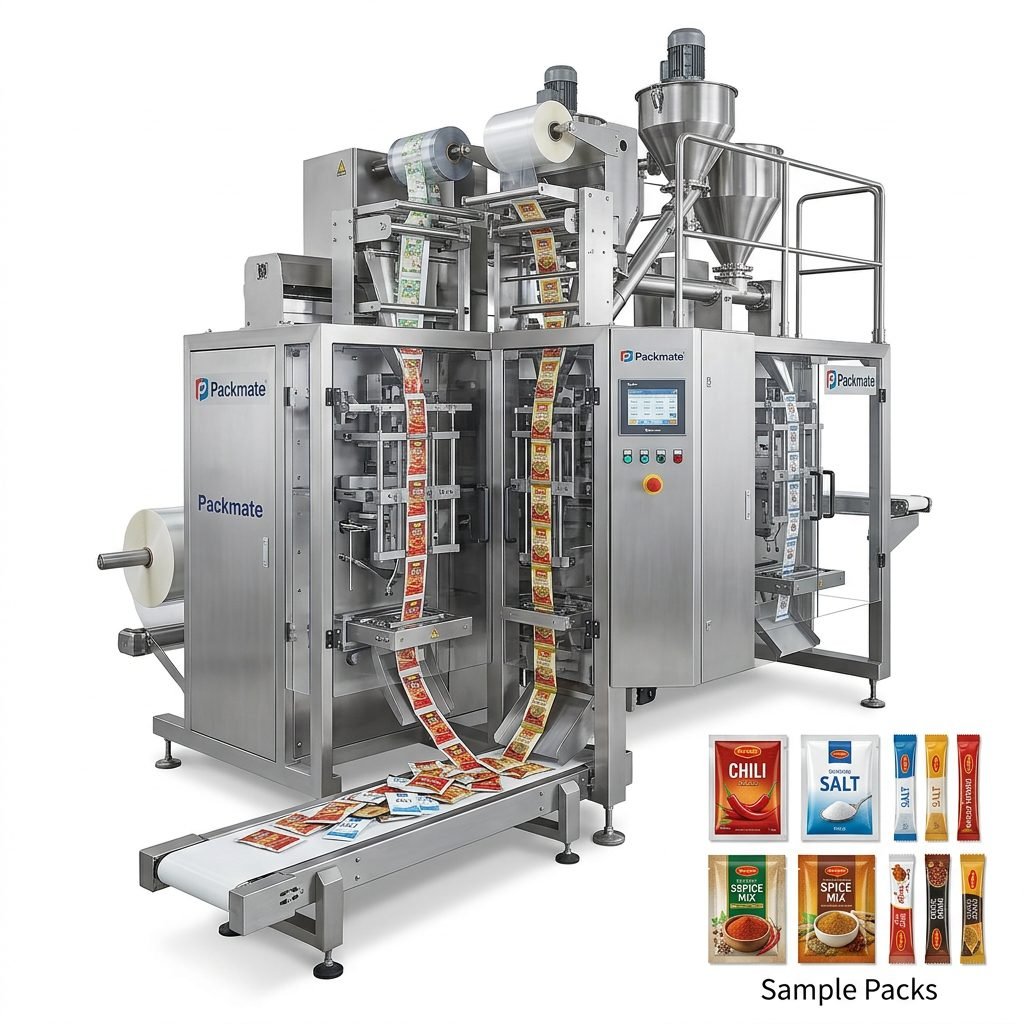
| PacklineOEM | Turnkey line specialist, integrated systems | Europe, South America, Middle East | Complete factory setup for new plants |
| PackingMachineOEM | Customization, non-standard solutions | Europe, North America, Australia | Unique bag shapes or difficult materials |
| SnusMachinery | Nicotine pouch & specialized pouch equipment | Europe, Africa, Middle East | Niche pouch or tobacco products |
Frequently Asked Questions
Q1: What is the minimum order quantity for packaging machines to Haiti?
Most Chinese manufacturers have a minimum of one unit for standard machines. For customized lines, they may require a deposit of 30-50%. You can negotiate with suppliers like Ludyway or Packmate for a single machine order, especially if it’s a popular model.
Q2: How long does shipping take from China to Haiti?
Sea freight typically takes 35-45 days from ports like Shanghai or Shenzhen to Port-au-Prince. Air freight is faster (5-7 days) but more expensive. Plan your production timeline accordingly and consider ordering spare parts in advance.
Q3: Do these manufacturers provide French documentation or Creole support?
Most standard documentation is in English and Chinese. However, some exporters can arrange French translations for a small fee. For on-site training, it’s advisable to have an English-speaking technician or hire a local translator.
Q4: What kind of warranty and after-sales service can I expect?
Typically, a 12-month warranty on machine parts (excluding consumables) is standard. Manufacturers like PacklineOEM offer remote video support and can dispatch engineers for a fee. Ensure you have a reliable internet connection for remote diagnostics.
Q5: Should I buy a turnkey line or separate machines from different suppliers?
For most Haitian producers, a single-source turnkey line from a reputable manufacturer (e.g., Ludyway or PacklineOEM) is recommended to avoid integration problems. If you have strong in-house engineering, separate machines can be more cost-effective.
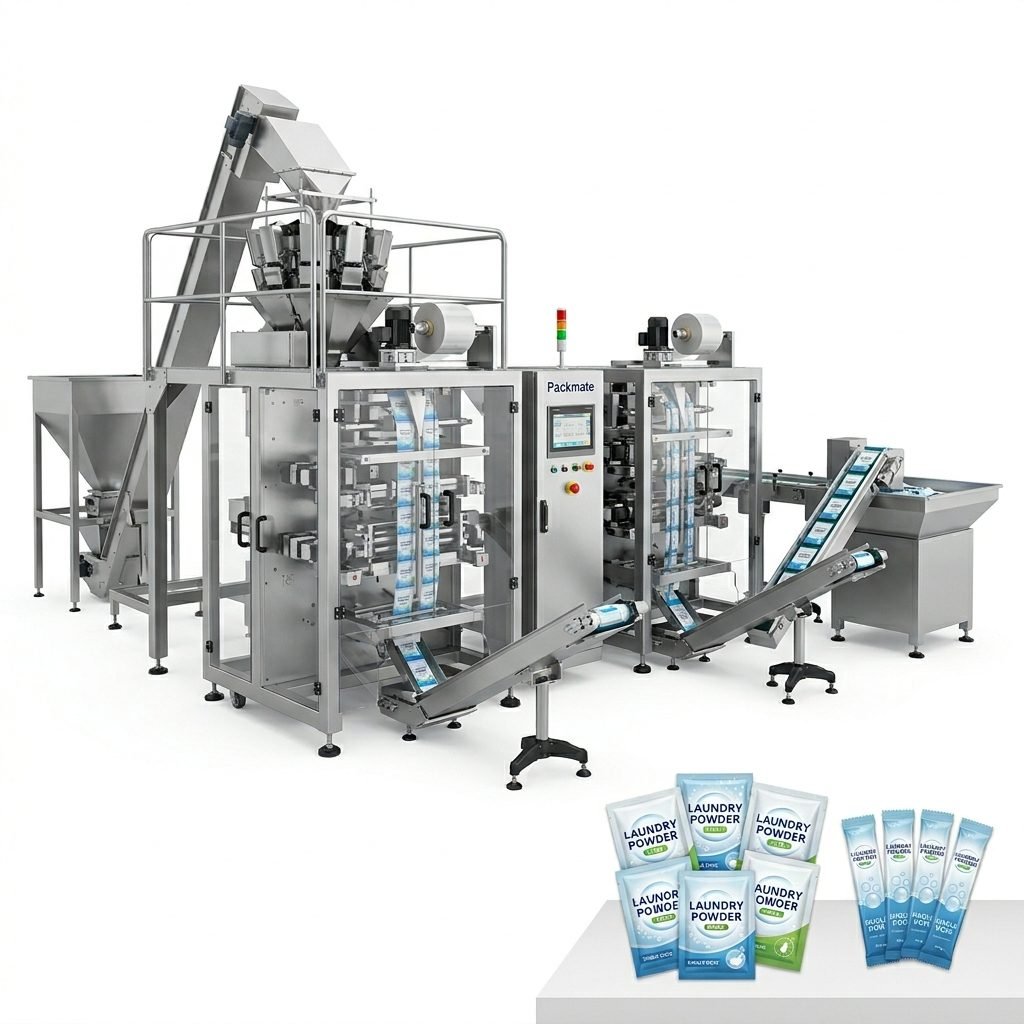
By considering these factors and leveraging the experience of established Chinese manufacturers, Haitian businesses can make informed decisions that boost productivity, ensure product quality, and support long-term growth in the competitive Caribbean market.