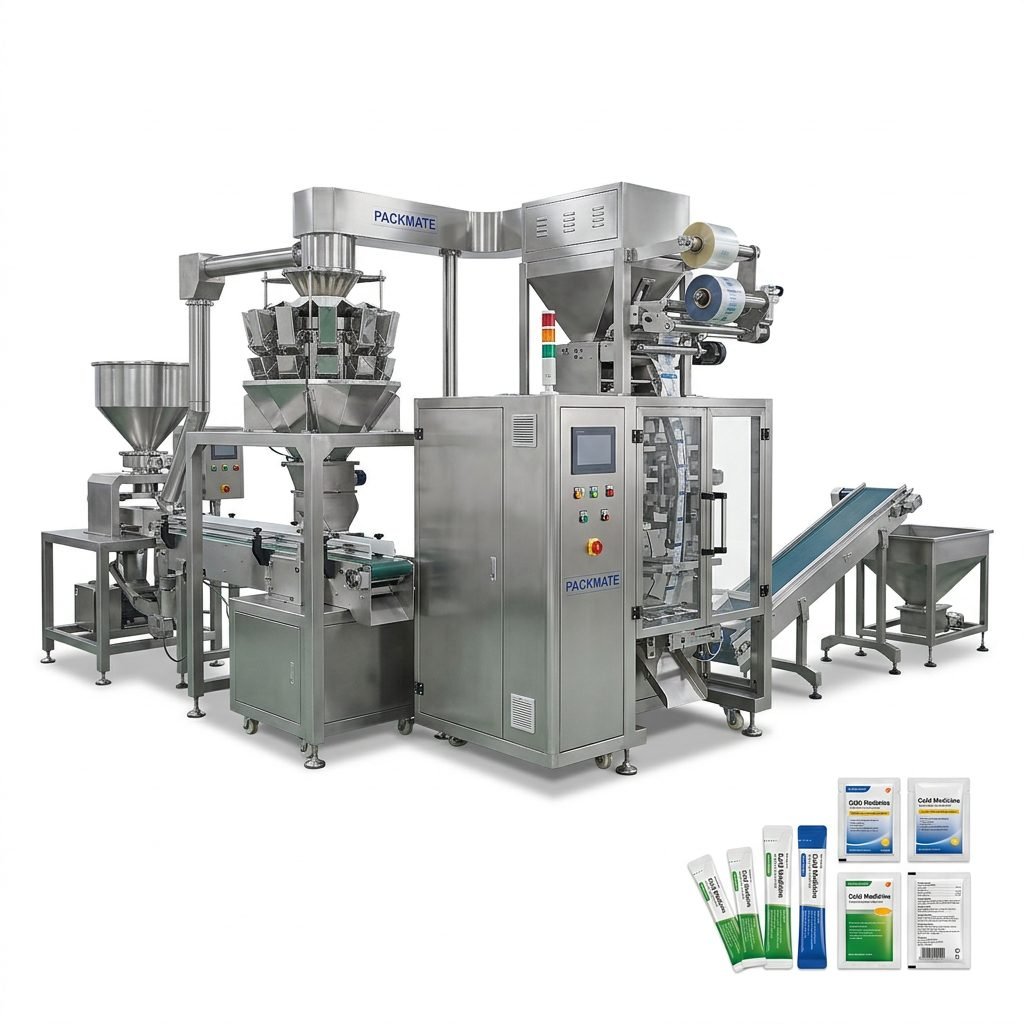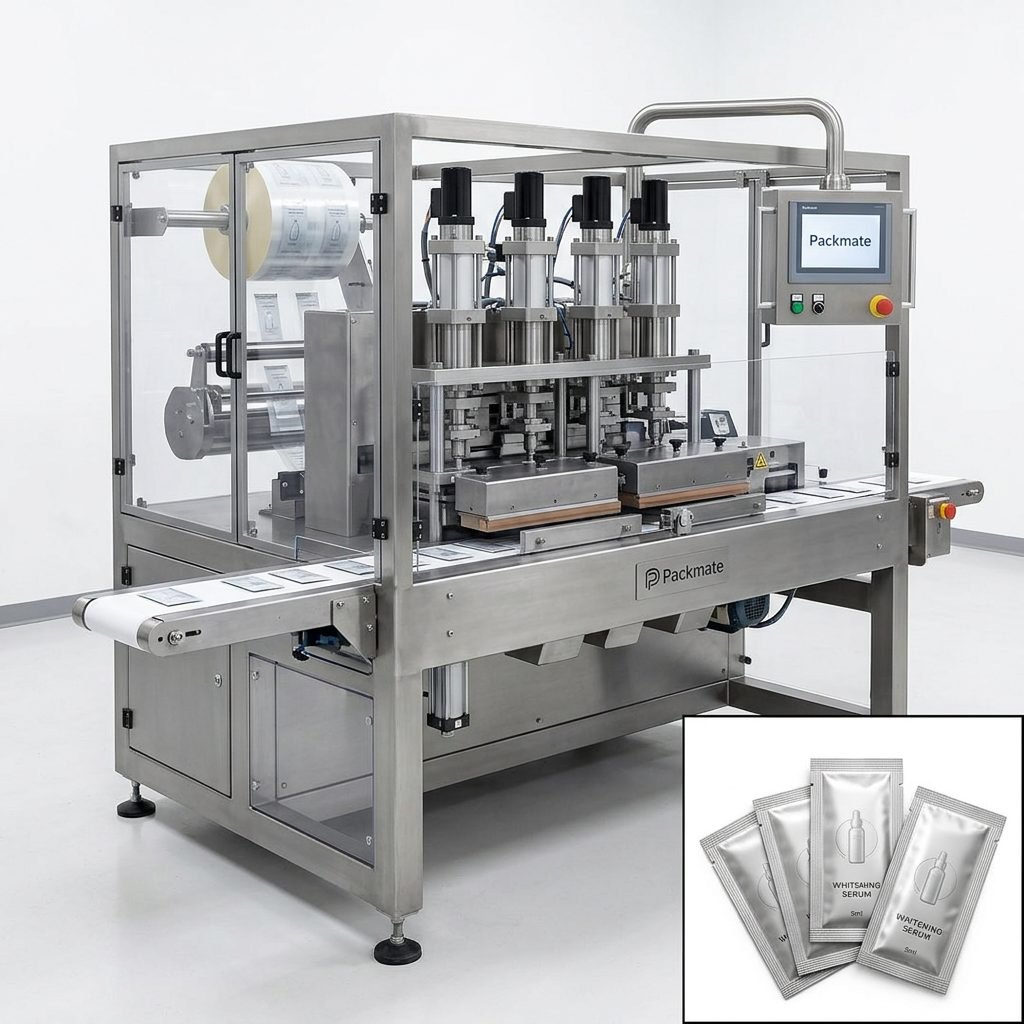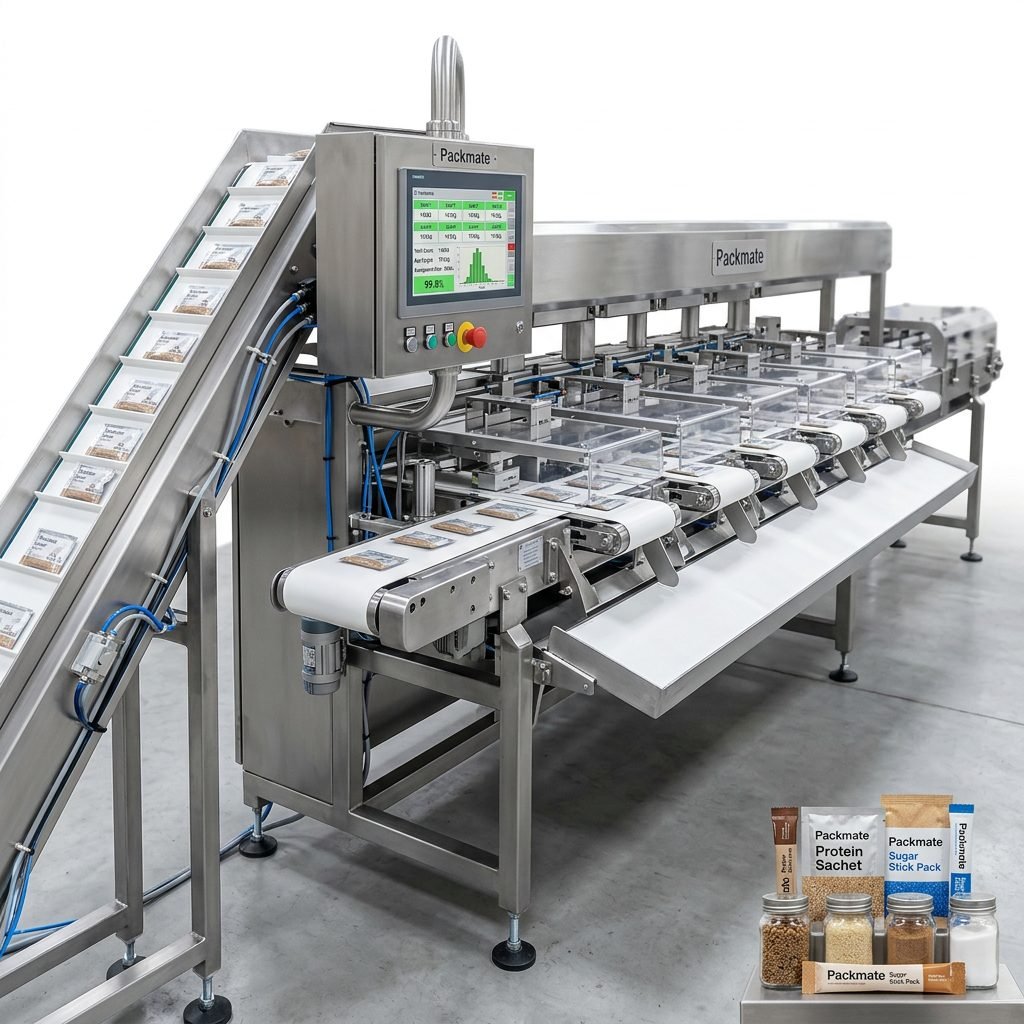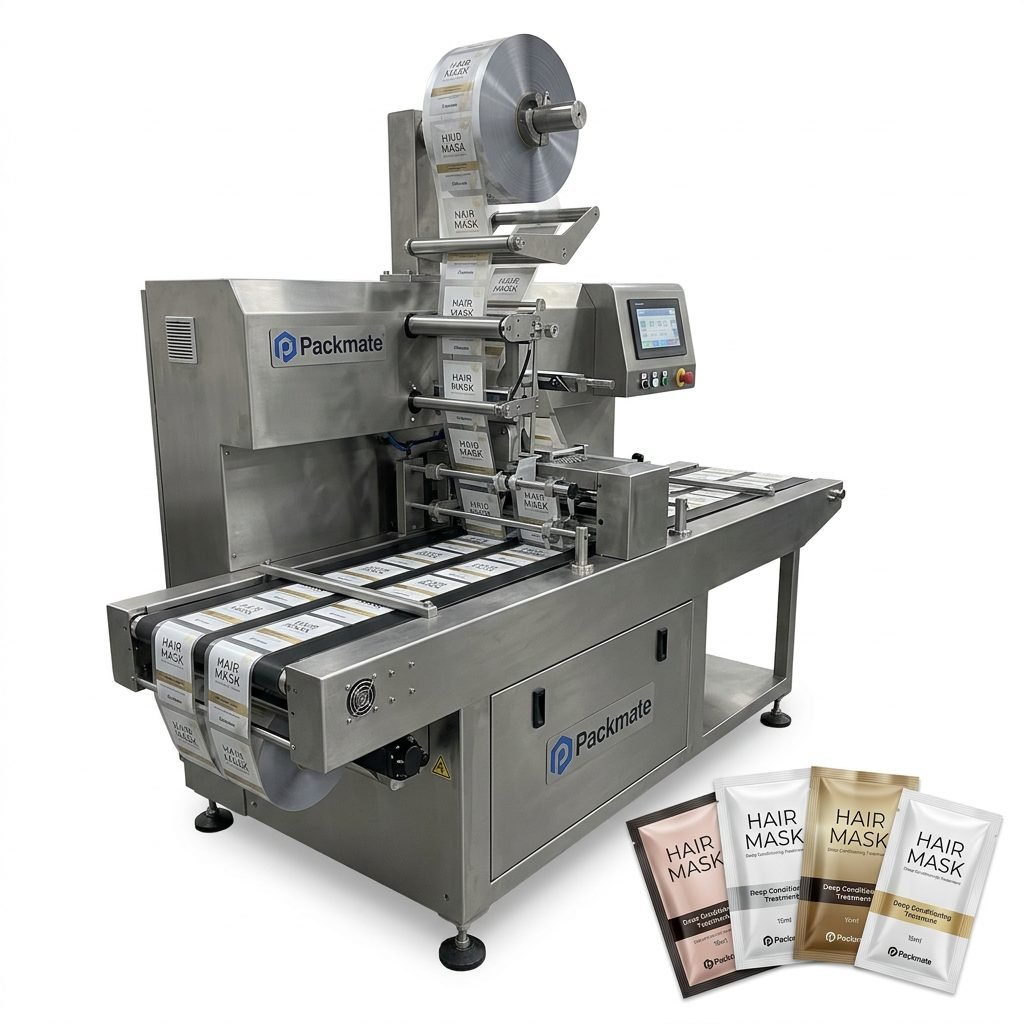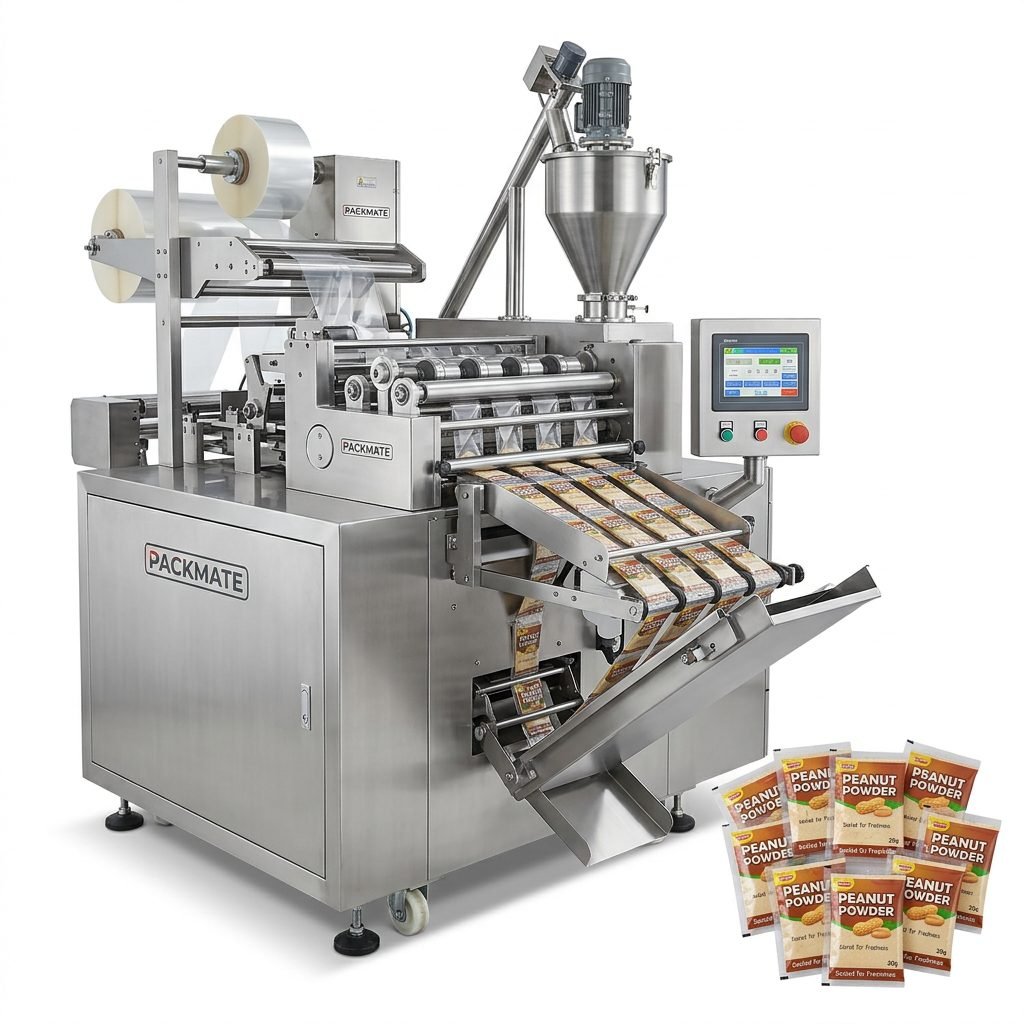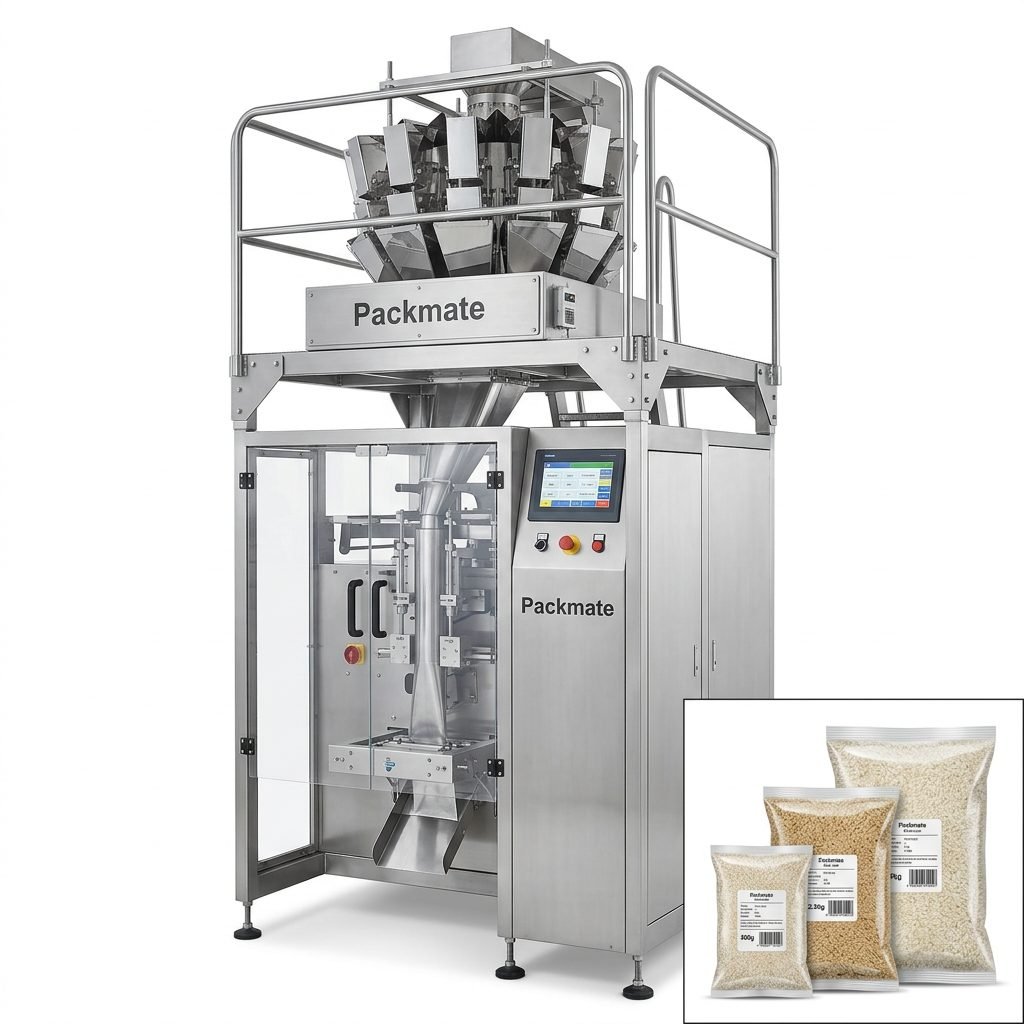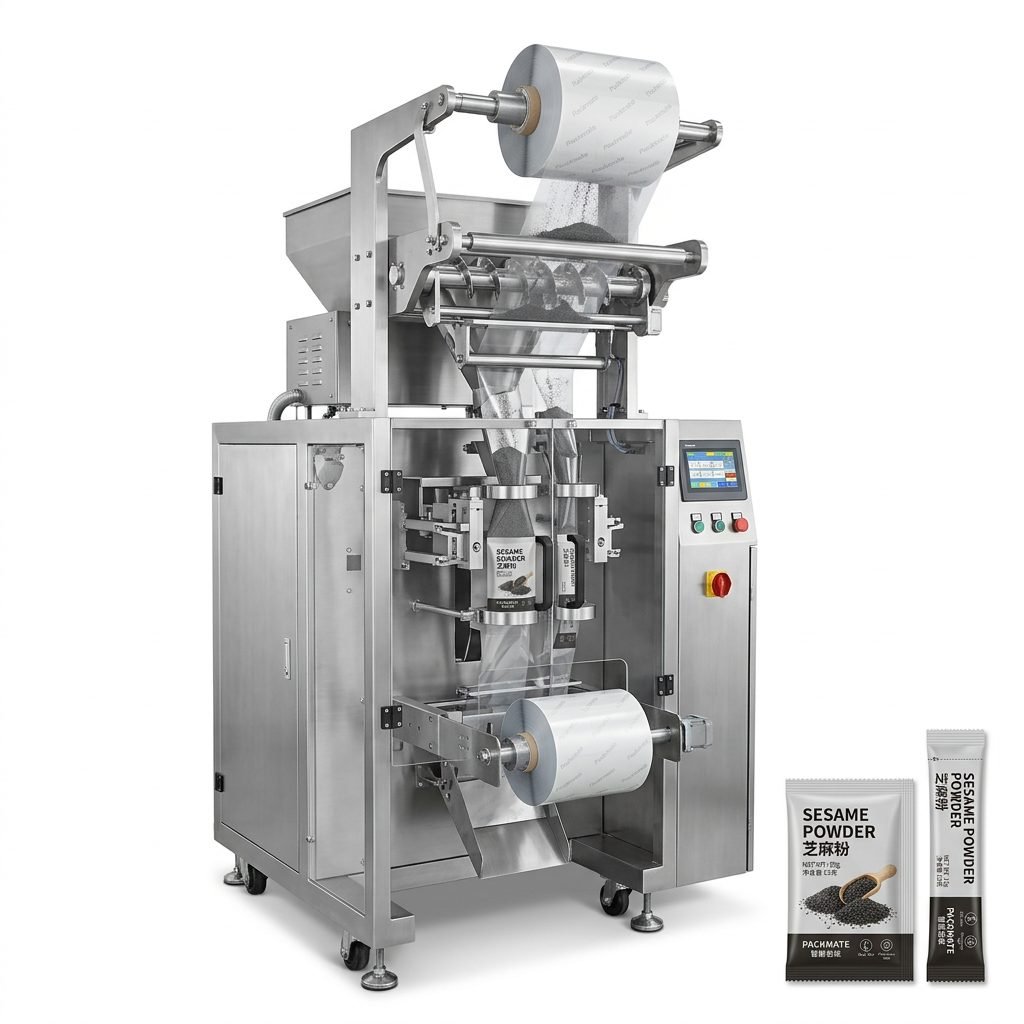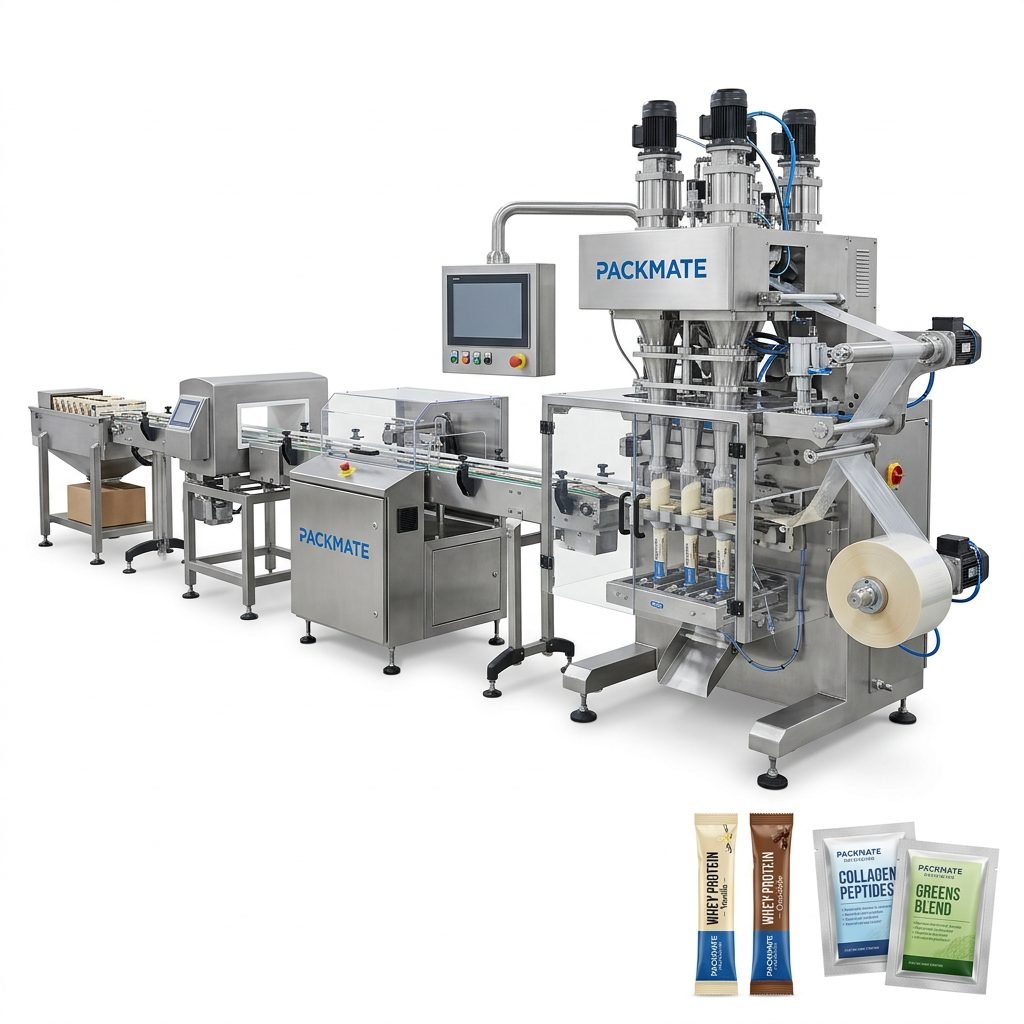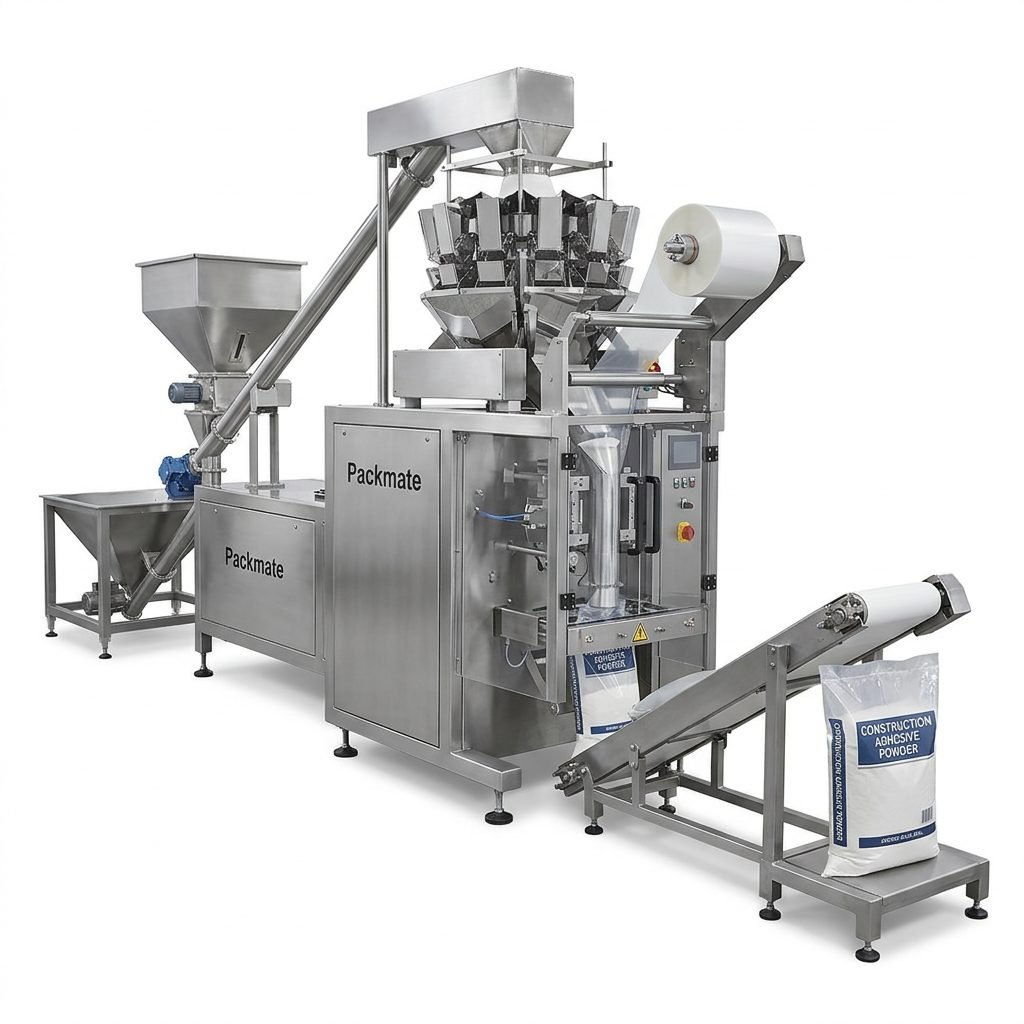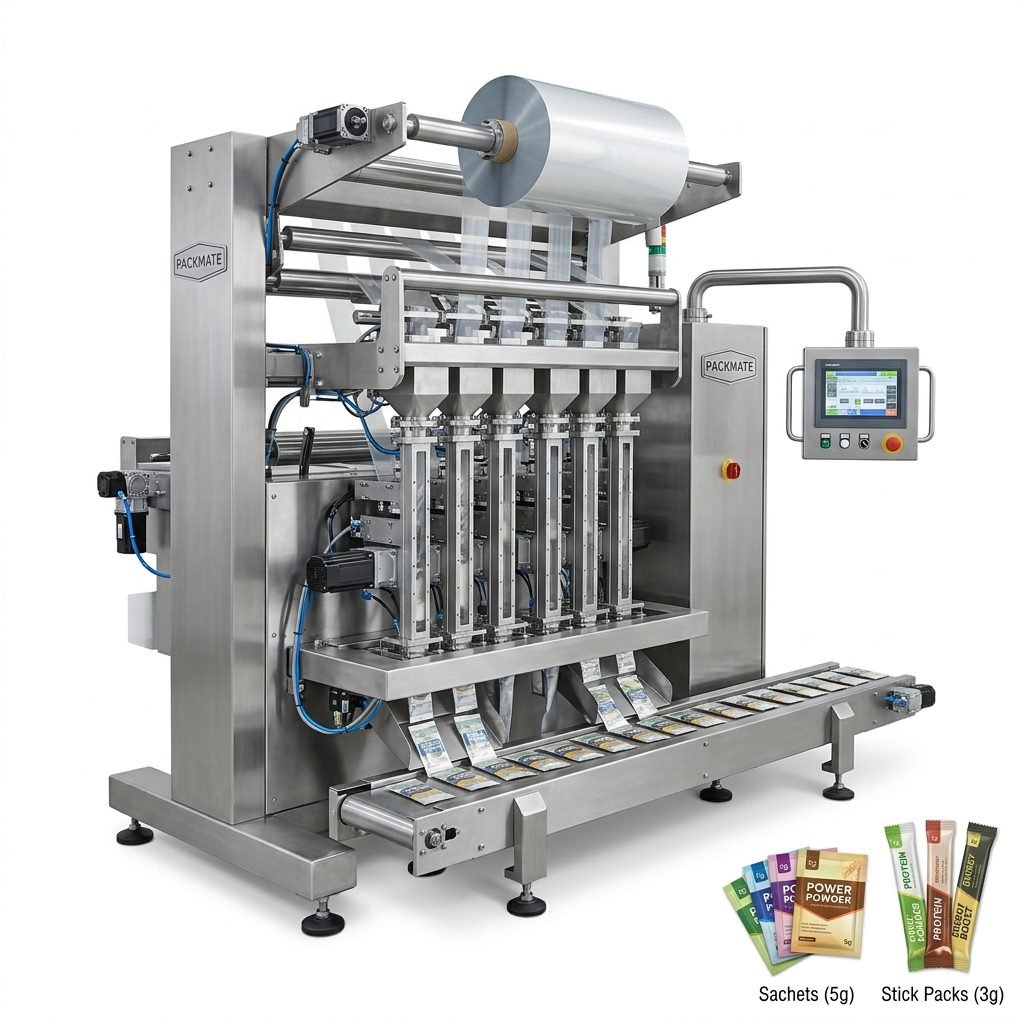
The pharmaceutical and nutraceutical industries operate under the most stringent regulations, where product integrity, safety, and consistency are non-negotiable. At the heart of delivering these high standards lies the packaging process. A complete automatic tablet packaging line is no longer a luxury but a critical investment for manufacturers aiming to ensure compliance, maximize efficiency, and build consumer trust. This guide delves into the essential components, benefits, and considerations for implementing a robust packaging solution tailored for tablets, capsules, and softgels.
Core Components of a Modern Tablet Packaging Line
An integrated production line is a symphony of specialized machines, each performing a critical function. Understanding these components is the first step toward optimizing your packaging operation.
1. Feeding and Sorting Systems
The process begins with precise feeding. Systems like vibratory feeders or elevators gently transport bulk tablets to sorting mechanisms. Vision inspection systems or weight-based sorters are often integrated here to reject broken, misshapen, or under/overweight products before they enter the primary packaging stage, ensuring only perfect units proceed.
2. Primary Packaging: Blister, Bottle, or Strip?
This stage seals the tablet in its first layer of protection. The choice depends on product needs and market preferences.
- Blister Packaging Machines: Ideal for unit-dose compliance and product visibility. They form cavities from a roll of thermoformable film, insert tablets, and seal with a lidding material (foil or paper). High-speed rotary blister machines are common for large-volume production.
- Bottle Filling & Capping Lines: Used for bulk tablets or capsules. These lines automate counting (via slat or rotary counters), filling into bottles, inserting desiccants or cotton, and applying screw caps or child-resistant closures with precise torque control.
- Strip Packaging Machines: Create sealed pouches in a continuous strip, often used for over-the-counter medicines and dietary supplements. They offer a good balance of protection and material efficiency.
For a deep dive into the machinery that powers these processes, explore our comprehensive packaging solutions portfolio.
3. Secondary & Tertiary Packaging
Once primary packaging is complete, the line continues to bundle and prepare for shipment.
- Cartoning Machines: Automatically erect cartons, insert blisters, bottles, or leaflets, and close the flaps. They can handle varied carton styles and often include batch coding and expiry date printing.
- Bundling & Case Packing: Multiple cartons are grouped into bundles, shrink-wrapped, or loaded into shipping cases. Robotic case packers offer flexibility for different patterns.
- Palletizing: The final step, where cases are automatically stacked onto pallets for warehouse storage and distribution.
Key Advantages of Full Automation
Transitioning to a complete, automated line delivers transformative benefits that directly impact the bottom line and brand reputation.
Unmatched Efficiency and Output
Automated lines run continuously at high speeds, dramatically increasing throughput compared to manual or semi-automatic processes. They eliminate bottlenecks and enable 24/7 production cycles to meet demanding market schedules.
Enhanced Product Safety and Compliance
Automation minimizes human contact with the product, a critical factor in GMP (Good Manufacturing Practice) environments. Integrated checkweighers, metal detectors, and vision systems provide 100% in-line inspection, creating a robust quality assurance barrier and detailed traceability data for regulators.
Significant Cost Reduction
While the initial investment is substantial, automation reduces long-term labor costs, material waste (through precise dosing and sealing), and product giveaway. Consistent, reliable operation also lowers maintenance and downtime expenses.
Operational Flexibility
Modern lines with PLC controls and HMI interfaces allow for quick changeovers between different product sizes, formats, or packaging materials. This agility is vital for contract manufacturers or brands with diverse product portfolios. See how we’ve implemented flexible systems in real-world scenarios on our case studies page.
Critical Considerations for Implementation
Selecting the right line requires careful analysis beyond just the machinery specs.
Regulatory Landscape
Pharma lines must be designed for easy cleaning and validation, often requiring 316L stainless steel construction, CIP/SIP capabilities, and documentation for IQ/OQ/PQ protocols. Nutraceutical lines, while still needing cGMP compliance, may have slightly different material and design focuses.
Product Characteristics
The line design is dictated by your product. Fragile tablets need gentle handling systems. Hygroscopic products require low-humidity environments and high-barrier packaging materials. The shape and size determine feeder and cavity design.
Integration and Support
The best equipment is only as good as the support behind it. Partner with a supplier who offers a true turnkey solution—from design and factory acceptance testing to installation, training, and lifelong after-sales service. Learn about our commitment to partnership on our About Us and Service pages.
Future-Proofing
Consider scalability. Can the line handle a 30% increase in demand? Is the control system capable of integrating with factory MES or ERP software for Industry 4.0 data analytics? Planning for growth prevents costly retrofits later.
Partnering with an Experienced Provider
The complexity of a complete automatic production line necessitates a partnership with a seasoned expert. A provider like Packmate (GuangDong) Co., Ltd. brings over two decades of specialized experience in designing and delivering intelligent packaging solutions. With a proven track record and a modern 20,000㎡ facility, they understand the nuanced needs of the pharma and nutrition sectors, ensuring the line is not just a collection of machines, but a cohesive, validated, and high-performing asset for your business.
Frequently Asked Questions (FAQs)
1. What is the typical lead time for a complete automatic tablet packaging line?
Lead times vary significantly based on line complexity, customization, and current order backlog. For a standard, configured line, it can range from 4 to 8 months from order confirmation to delivery. This includes design, manufacturing, and factory acceptance testing. Always discuss timelines in detail with your supplier during the planning phase.
2. How do we ensure the line meets FDA or EMA regulatory standards?
Reputable suppliers design lines with regulatory compliance in mind, using appropriate materials (e.g., FDA-approved lubricants, 316L stainless steel) and providing necessary documentation (machine drawings, material certificates, risk assessments). However, ultimate validation (IQ/OQ/PQ) is the responsibility of the pharmaceutical manufacturer on-site. Choose a partner with extensive experience in validated environments.
3. Can one line handle both blister and bottle packaging?
While some flexibility exists, a single line typically specializes in one primary packaging format due to the fundamental differences in mechanics. Switching from blister to bottle packaging usually requires a major changeover involving different core machines. For facilities needing both, two dedicated lines or a highly modular system designed for swift format change is recommended.
4. What is the importance of a Factory Acceptance Test (FAT)?
The FAT is a critical milestone. It is conducted at the machine builder’s factory before shipment. You verify that the equipment meets all agreed-upon specifications, performs at the required speed and accuracy, and is built correctly. Resolving issues here is far easier and less costly than after installation at your facility. It is a non-negotiable step for any major capital equipment purchase.
5. What kind of after-sales support should we expect?
Comprehensive support includes detailed installation supervision, on-site operator and maintenance training, a supply of spare parts, and access to remote technical assistance. A clear service level agreement (SLA) should define response times for breakdowns. Long-term support ensures maximum uptime and return on investment. For more questions, visit our dedicated FAQs resource.