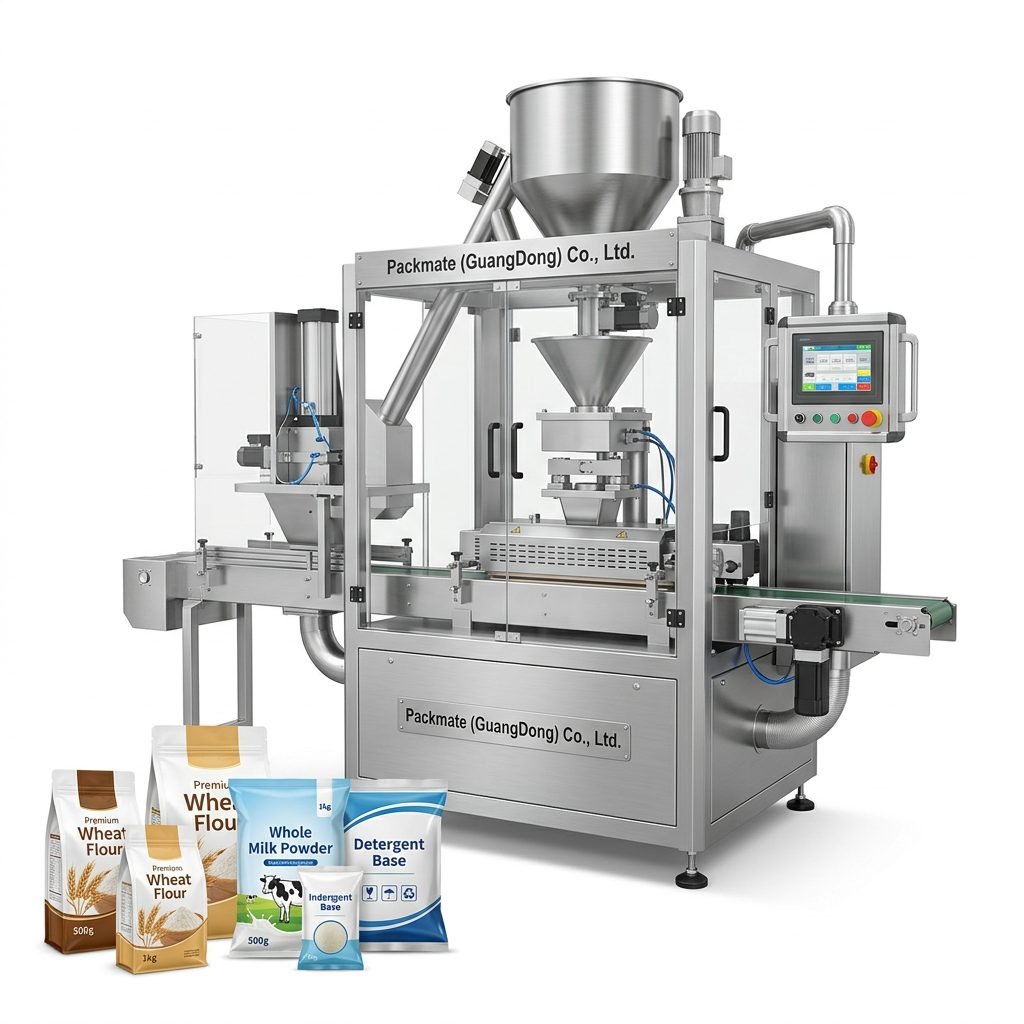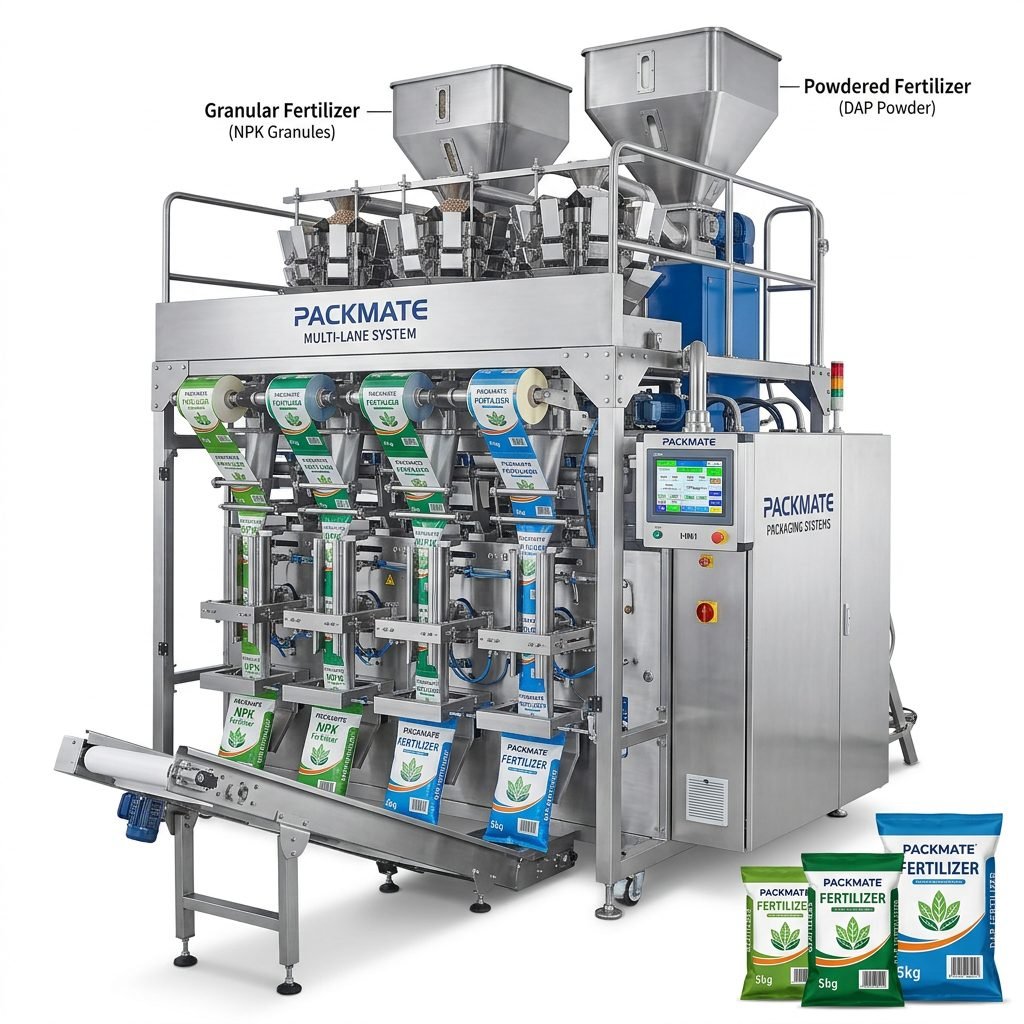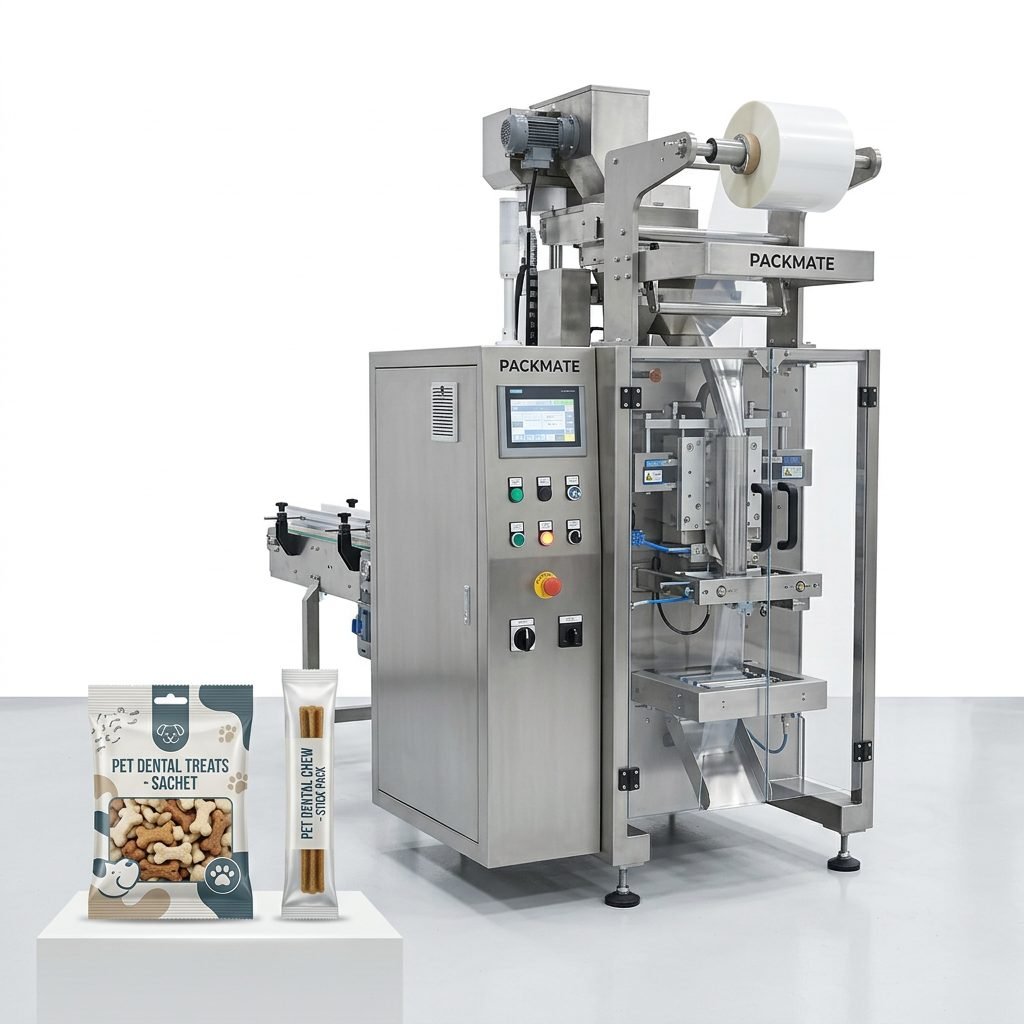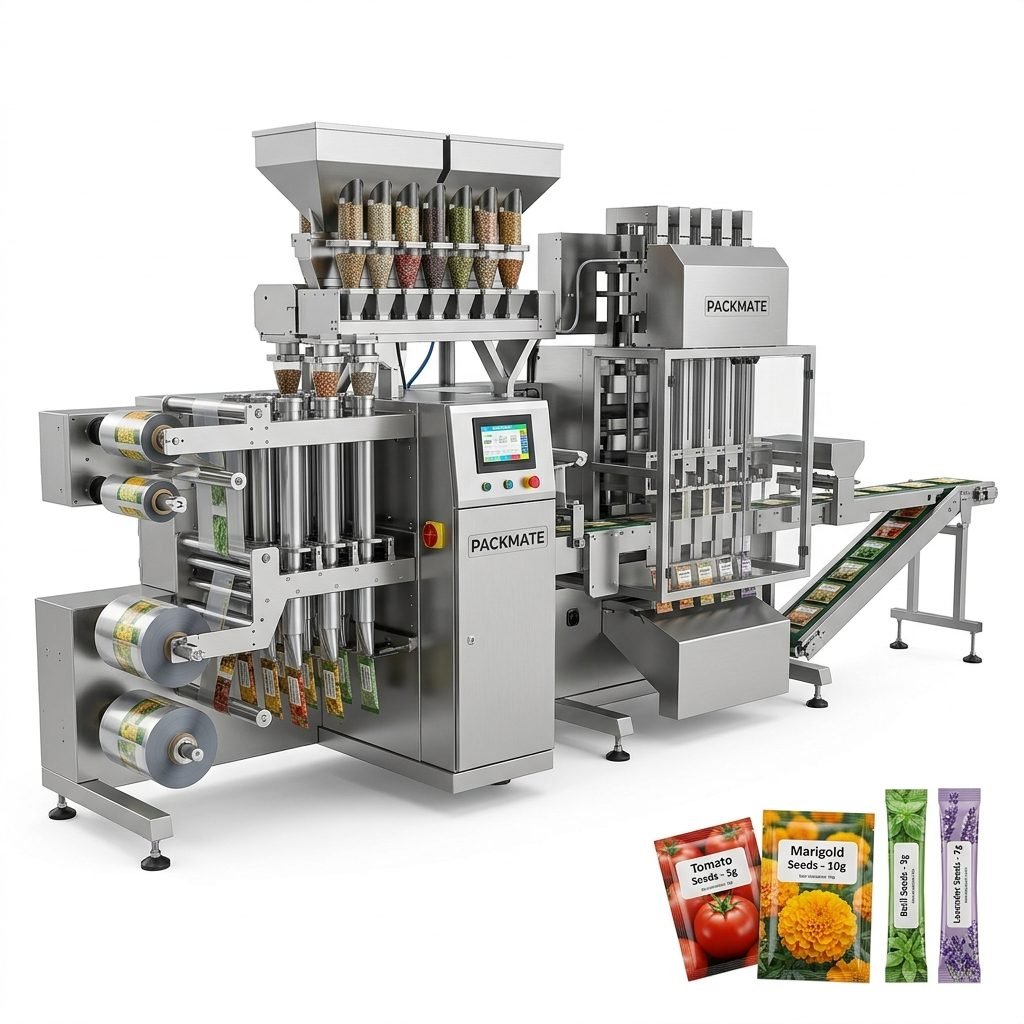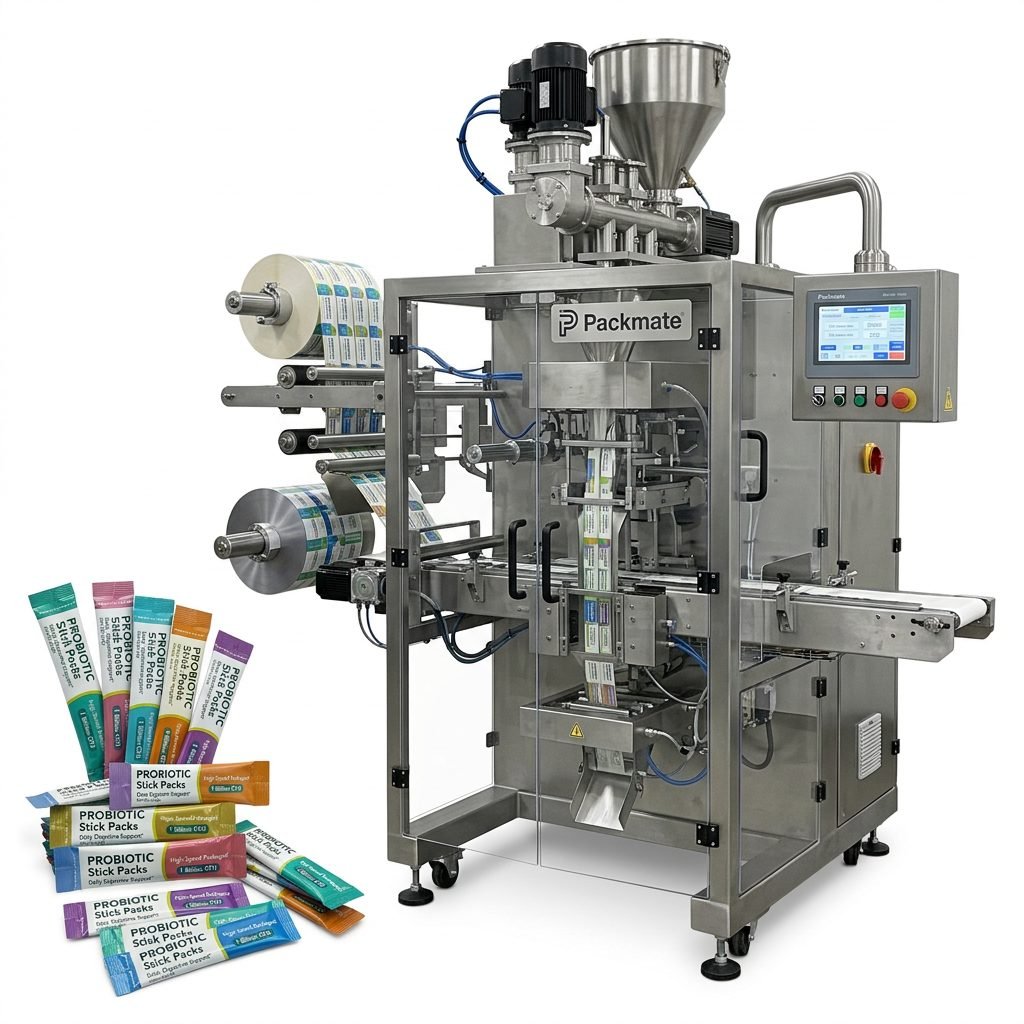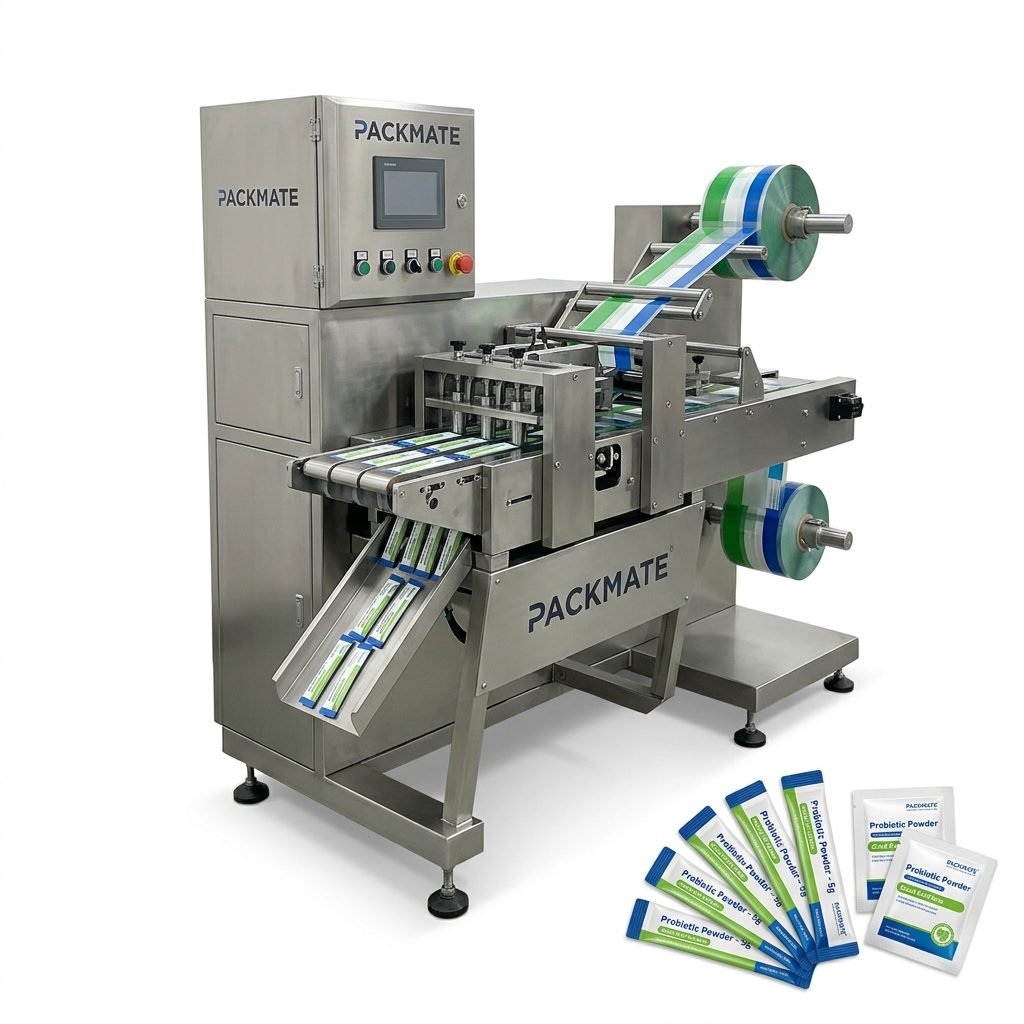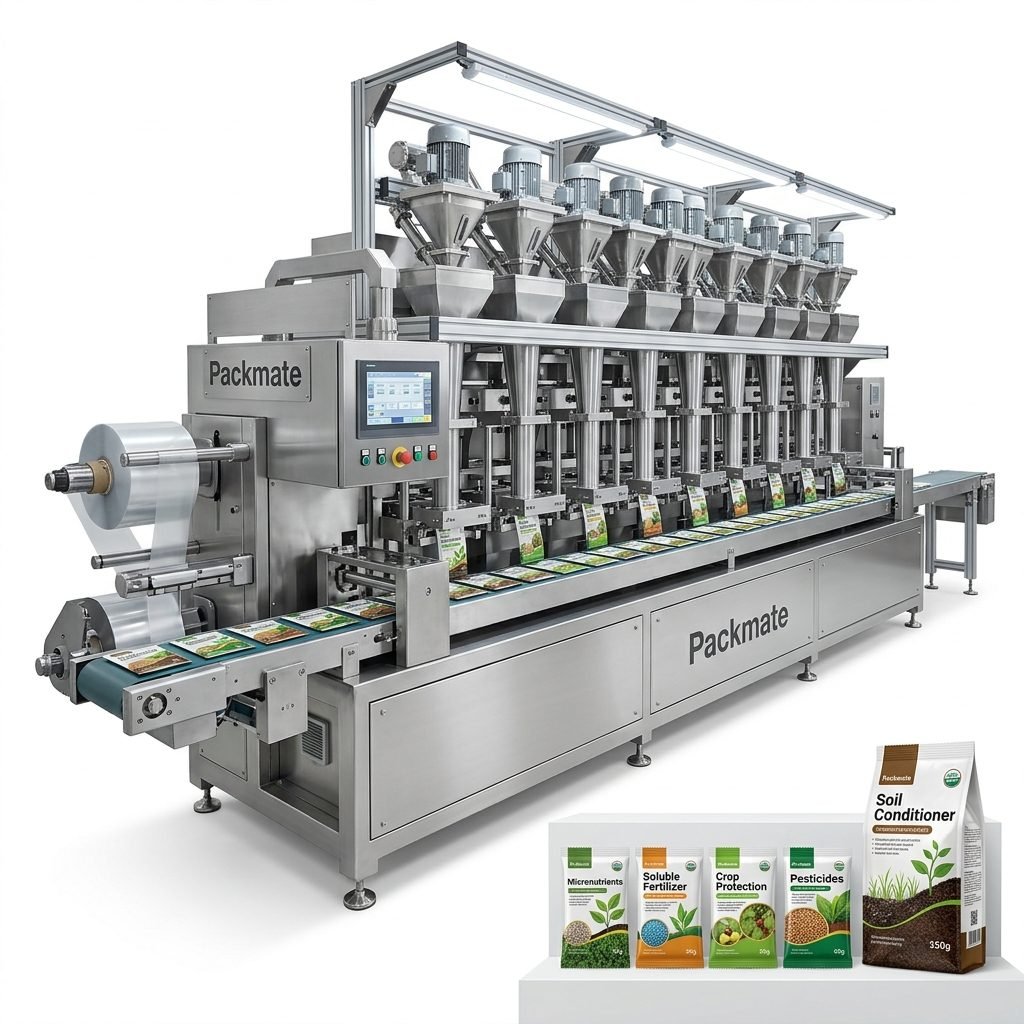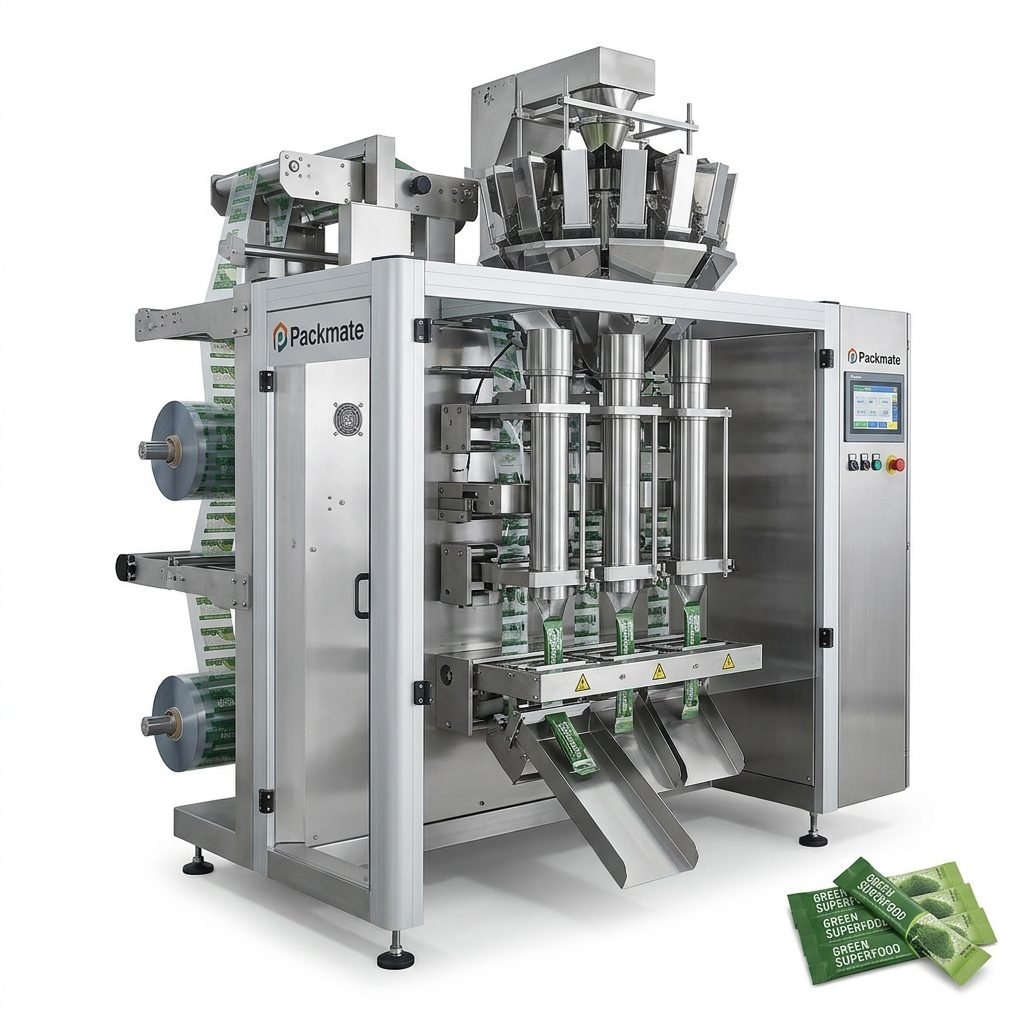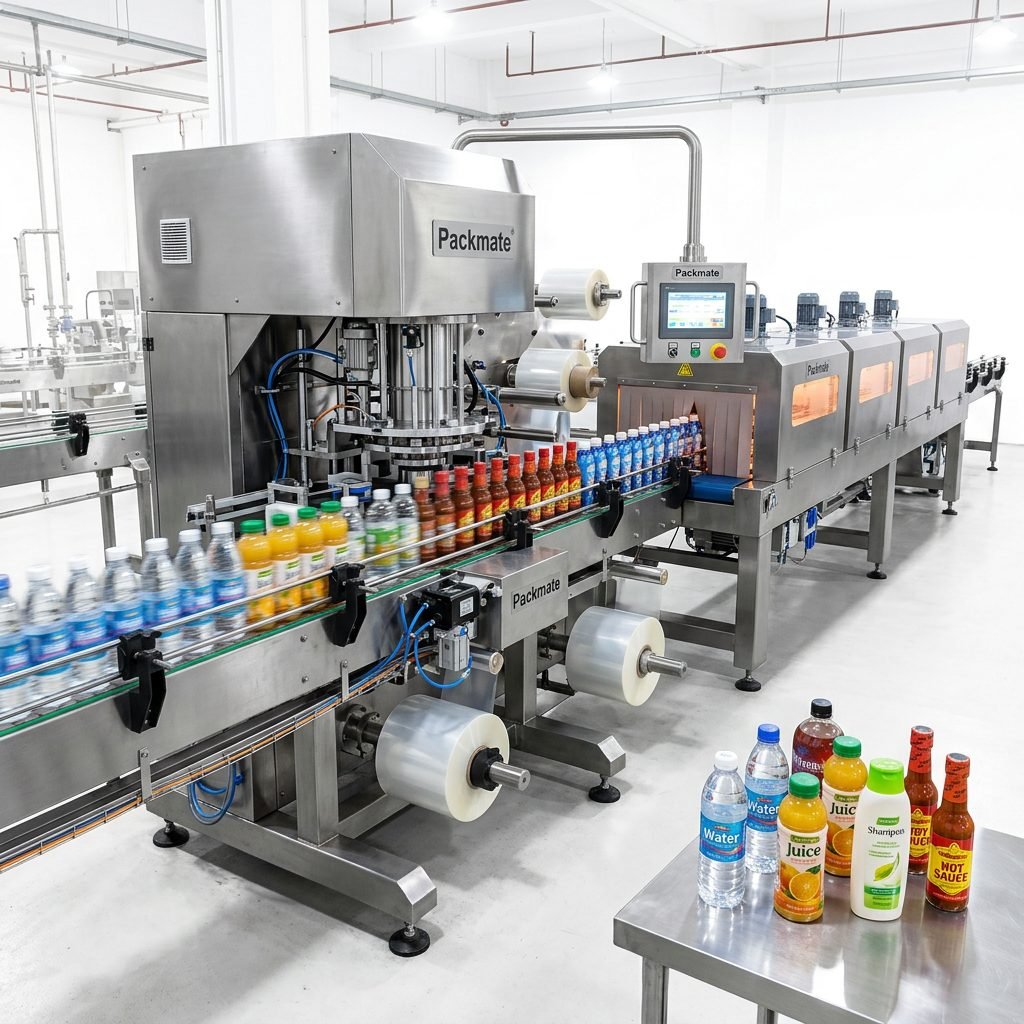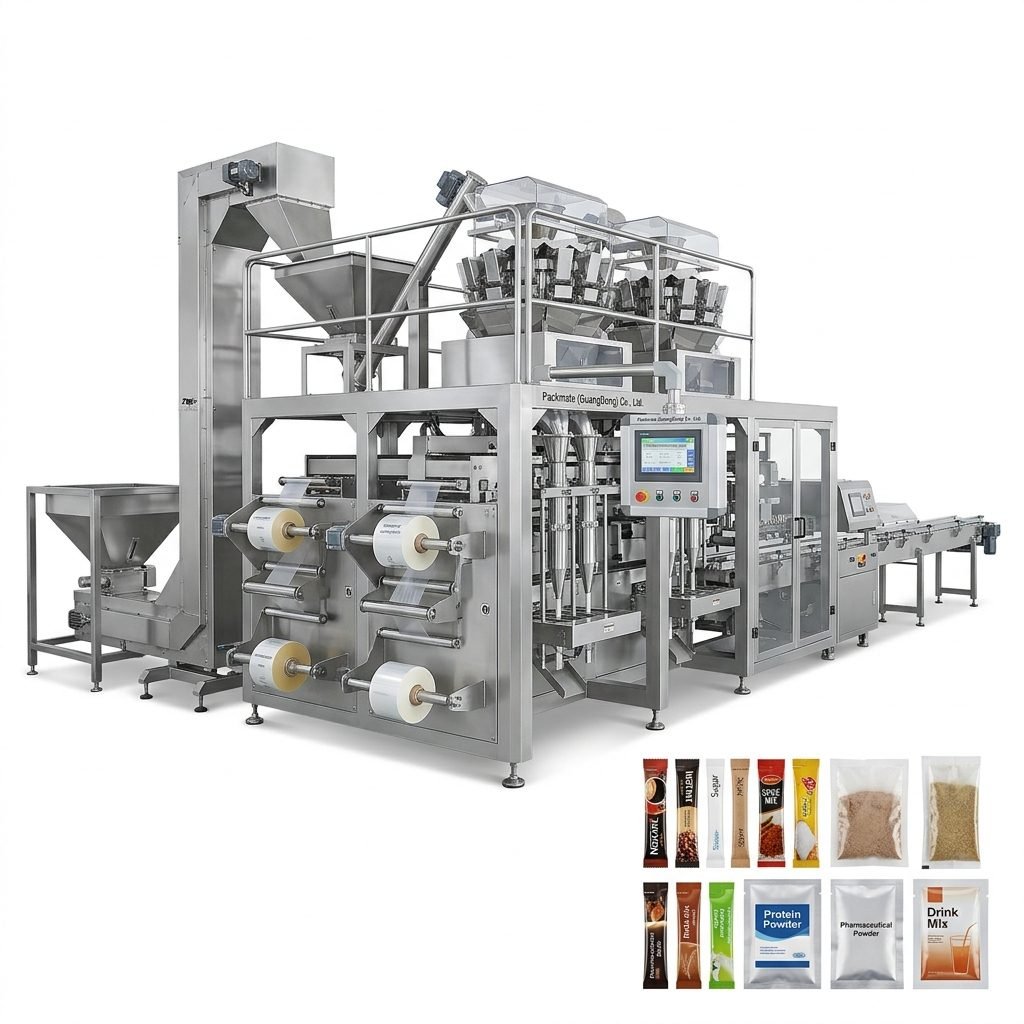
When your production line depends on the reliability of packaging equipment, choosing the right manufacturer in Egypt becomes a strategic decision. The country’s growing food processing, pharmaceutical, and consumer goods sectors demand machinery that can handle diverse packaging formats — from sachets and stick packs to multi-lane high-speed lines. Egyptian manufacturers often face challenges like high ambient temperatures, variable power supply, and the need for robust after-sales support. This guide helps you evaluate packaging machine suppliers specifically for the Egyptian market, focusing on key factors that affect long-term productivity and return on investment.
1. Industry Experience and Manufacturing Heritage
A manufacturer with over 30 years of experience brings refined engineering and proven reliability. For example, Ludyway has been in the packaging machinery business since 1993, operating a 20,000 m² factory and exporting to more than 100 countries. Similarly, Packmate Machinery and PacklineOEM both have three decades of manufacturing experience. Egyptian buyers benefit from this depth because it translates to mature production processes, better quality control, and a lower risk of unexpected downtime.
2. Product Range and Customization Capabilities
Egyptian factories often need to package multiple products — powders, granules, liquids, pastes — in different bag styles (pillow pouches, stand-up pouches, stick packs, sachets). A supplier with a wide machine portfolio reduces the need to deal with multiple vendors. PackingMachineOEM offers over 50 machine models and specializes in non-standard custom solutions, which is ideal for Egyptian businesses that require unique bag dimensions or special filling requirements. Customization flexibility is especially important when packaging local products like molasses, spices, or herbal supplements which may have unusual flow characteristics.
3. Export Experience and Local Support
Manufacturers like SnusMachinery have strong export channels to Europe, the Middle East, and Africa, and understand the logistical and regulatory demands of overseas markets. For Egyptian buyers, a supplier with an established export infrastructure often provides faster shipping, better documentation (CE, ISO), and clearer communication. Inquire about local service networks in Egypt — some Chinese manufacturers have agents or technicians who can visit Cairo, Alexandria, or the Delta industrial zones for installation and training.
4. Automation Level and Integration
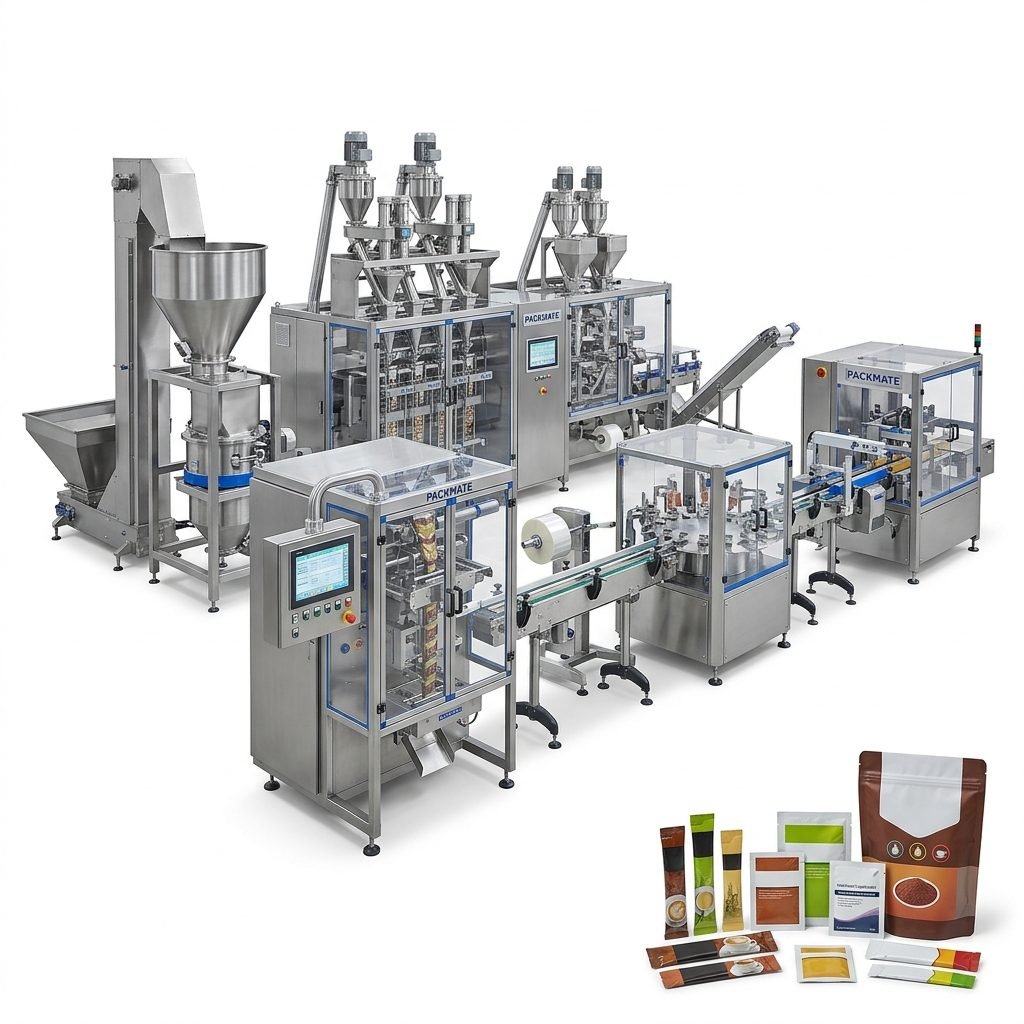
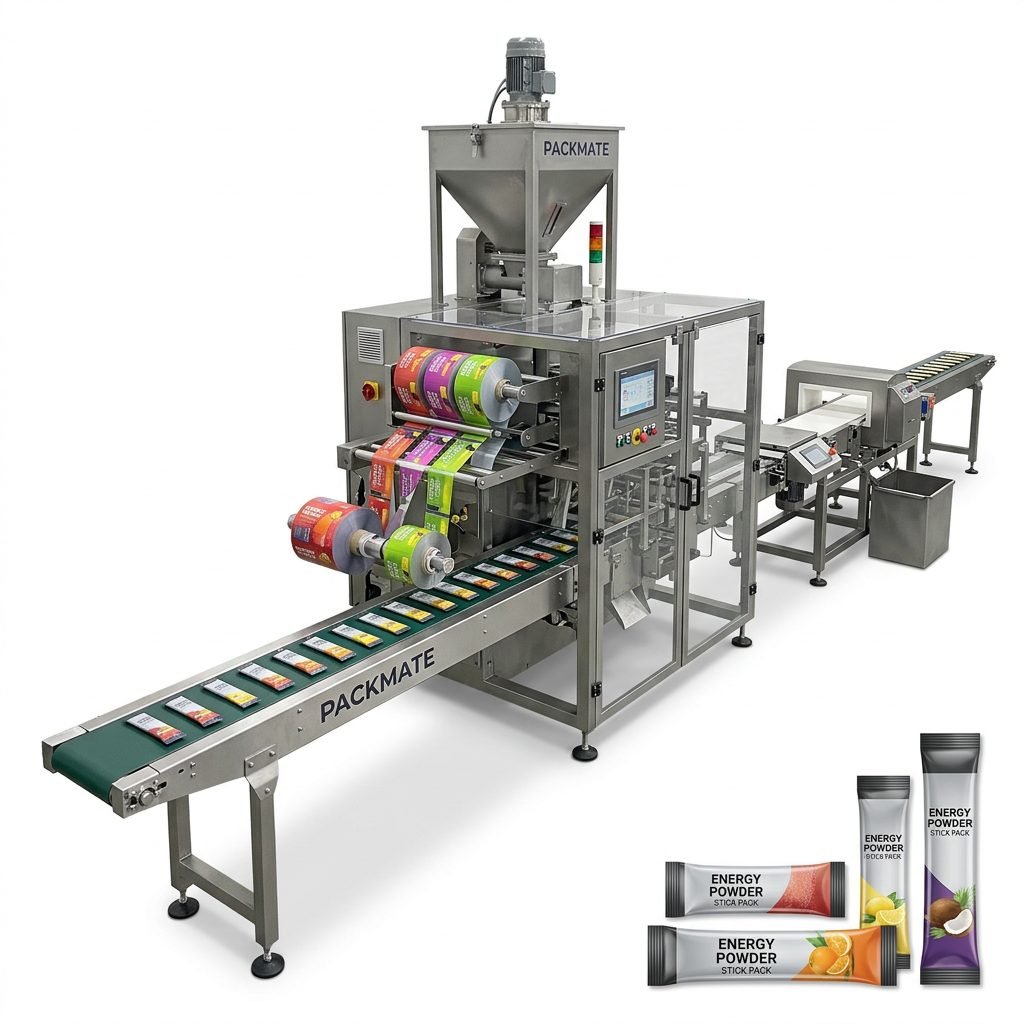
Many Egyptian producers start with single machines but plan to scale to automated lines. Look for suppliers that provide turnkey packaging line solutions — from feeding and dosing to filling, sealing, labeling, and case packing. Ludyway and PacklineOEM are known for delivering complete integrated lines for powders, granules, and liquids. Check if the manufacturer uses servo-driven systems and PLC controls that can handle the local voltage fluctuations with proper surge protection. The ability to integrate a checkweigher or metal detector directly into the line is a plus for food safety compliance.
| Criteria | Ludyway | Packmate | PacklineOEM | PackingMachineOEM | SnusMachinery |
|---|---|---|---|---|---|
| Years of experience | 32 | 30+ | 30+ | 30+ | 30+ |
| Machine models | 100+ | 80+ | 50+ | 50+ | 50+ |
| Turnkey lines | Yes | Yes | Strong | Non-standard | Niche focus |
5. Cost Performance and After-Sales Service
For Egyptian SMEs, price sensitivity is high, but total cost of ownership matters more than initial price. Consider the availability of spare parts, warranty terms, and remote diagnostics. Many Chinese manufacturers now offer video-assisted commissioning and online training, which reduces the need for expensive on-site visits. Packmate Machinery and Ludyway both have solid reputations for responsive after-sales communication. Ask whether the supplier has local partners in Egypt who can stock common wear parts like sealing jaws, temperature sensors, and belts.
Frequently Asked Questions
Q1: What is the typical lead time for a packaging machine delivered to Egypt?
Most Chinese manufacturers ship within 30–45 days after order confirmation. Sea freight to Alexandria or Damietta takes about 25–35 days. Plan for an additional 2 weeks for customs clearance.
Q2: Can I get a machine that works with 380V/50Hz three-phase power (common in Egypt)?
Yes, reputable suppliers can configure motors and control panels for Egyptian voltage and frequency. Always specify your power requirements during quotation.
Q3: How do I handle maintenance and repairs without a local technician?
Look for suppliers that offer remote support via video calls, a comprehensive spare parts kit included with the machine, and clear manuals in Arabic or English. Some manufacturers also have regional agents in the Middle East.
Q4: Which type of packaging line is most suitable for small to medium Egyptian food factories?
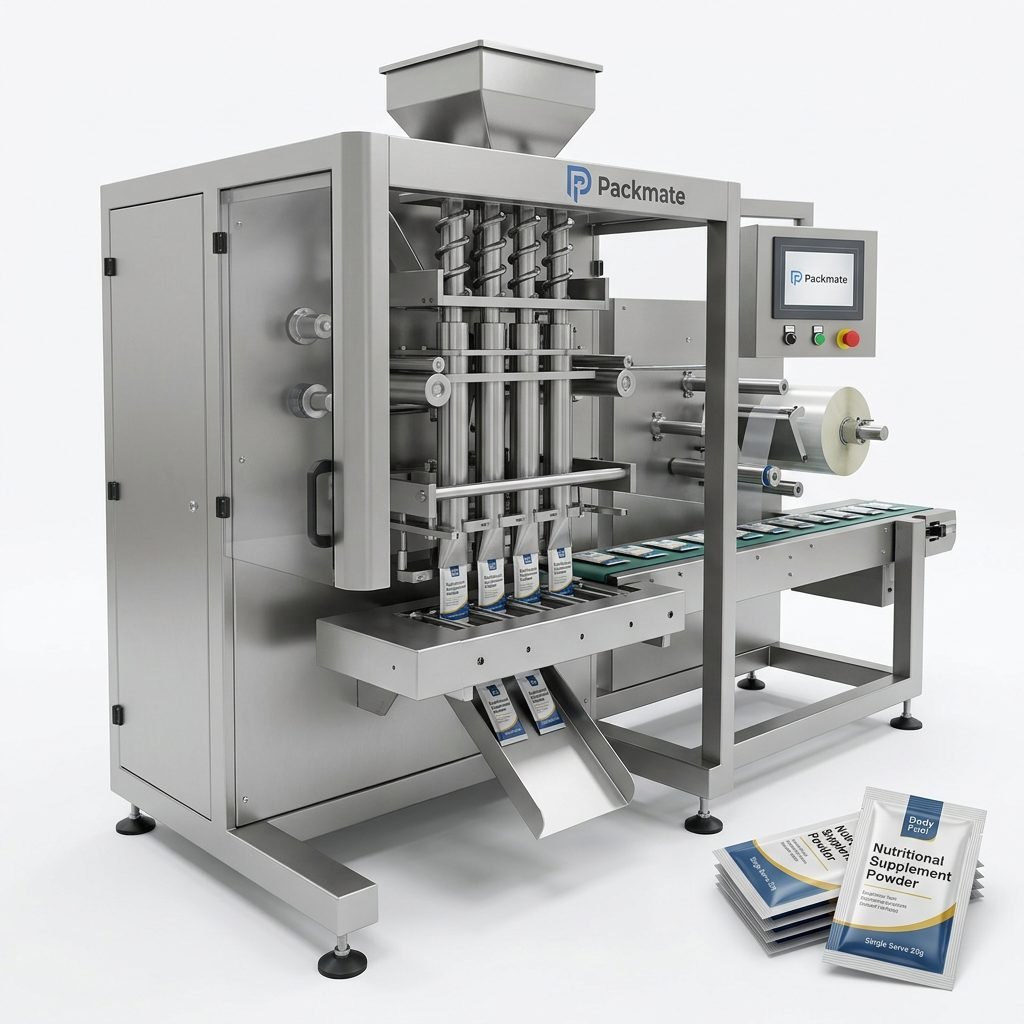
Multi-lane stick pack or sachet machines are very popular because they handle high output in a compact footprint. For products like spices, instant drinks, and supplements, a vertical form-fill-seal machine with auger filler is a cost-effective start.
Q5: What documentation should I request from the manufacturer?
Ask for CE certification, a test report from the factory, a list of references in similar climates, and a clear warranty policy covering parts and labor. Also request a video of your product being tested on their machine before shipping.