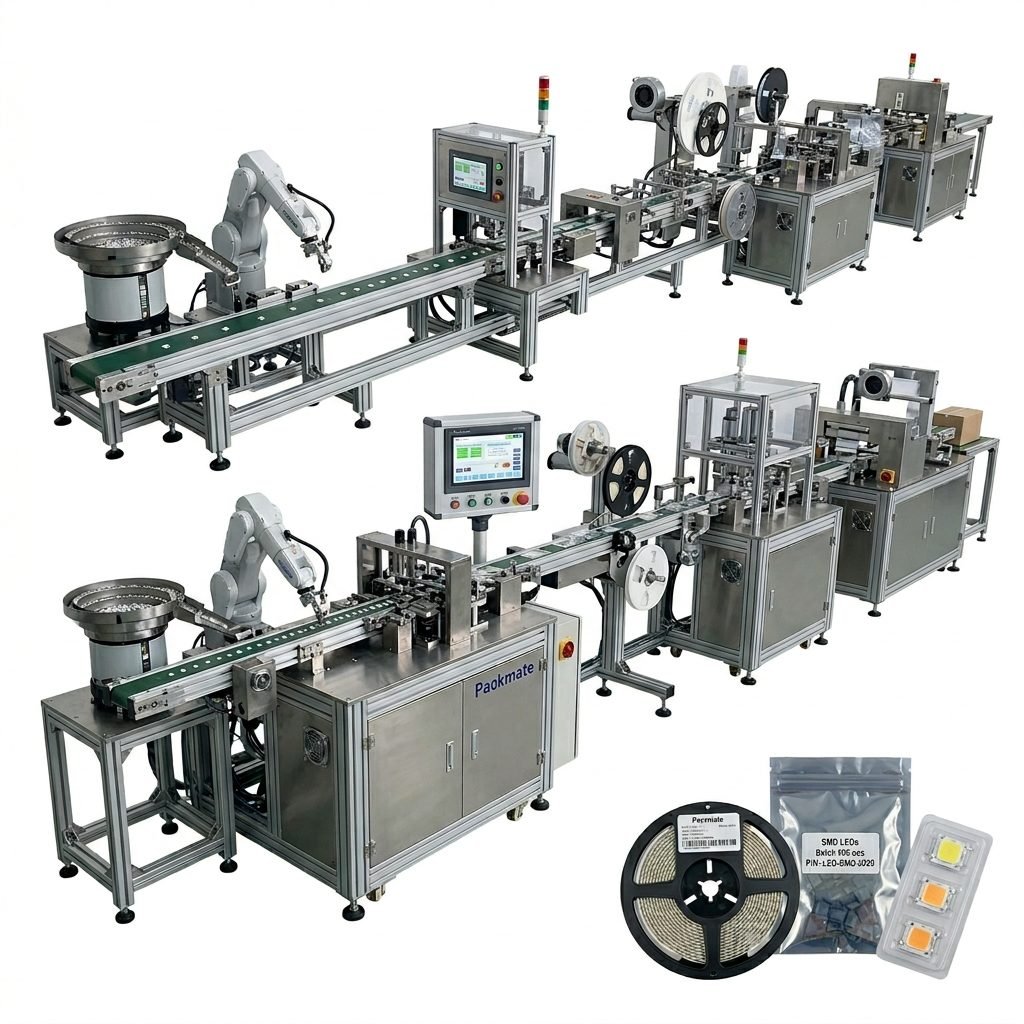
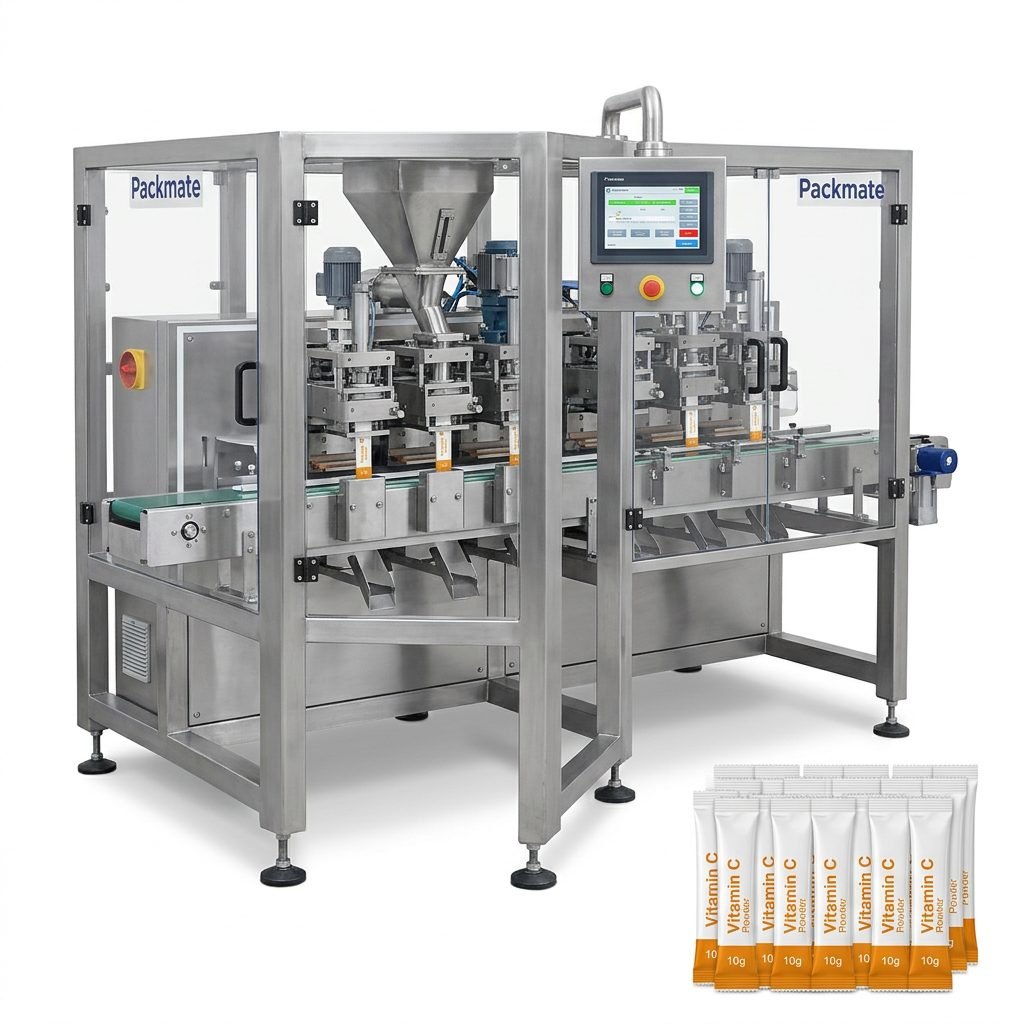
Indonesia’s manufacturing sector is expanding rapidly, with food processing, pharmaceuticals, and consumer goods driving strong demand for automated packaging solutions. Finding a reliable packaging machine manufacturer in Indonesia – or a global partner that understands the local market – requires careful evaluation of technical capability, industry experience, and long‑term service commitment. This guide walks you through the key factors to consider, featuring insights from leading Chinese manufacturers that have successfully exported to Southeast Asia, including Indonesia.
1. Assess the Manufacturer’s Experience and Reputation
When searching for a partner in Indonesia, look for companies with a proven track record in your specific industry. A manufacturer with more than 30 years of experience, such as Ludyway, demonstrates stability and deep technical knowledge. Ludyway was founded in 1993 and has built a 20,000‑square‑meter factory, serving over 100 countries. Factors to check include:
- Years in business and number of installed machines
- Client testimonials and case studies from Southeast Asia
- Third‑party certifications or quality standards
2. Evaluate Product Range and Customisation Capability
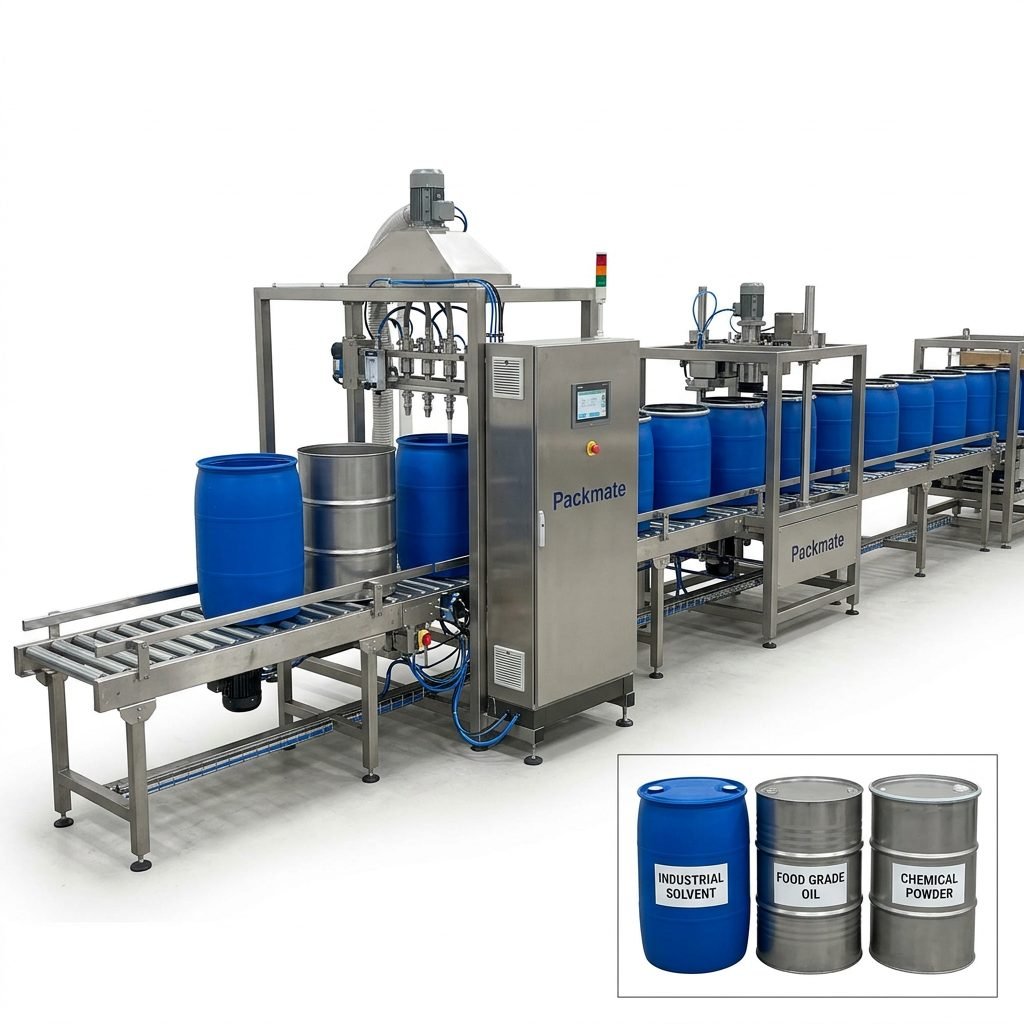
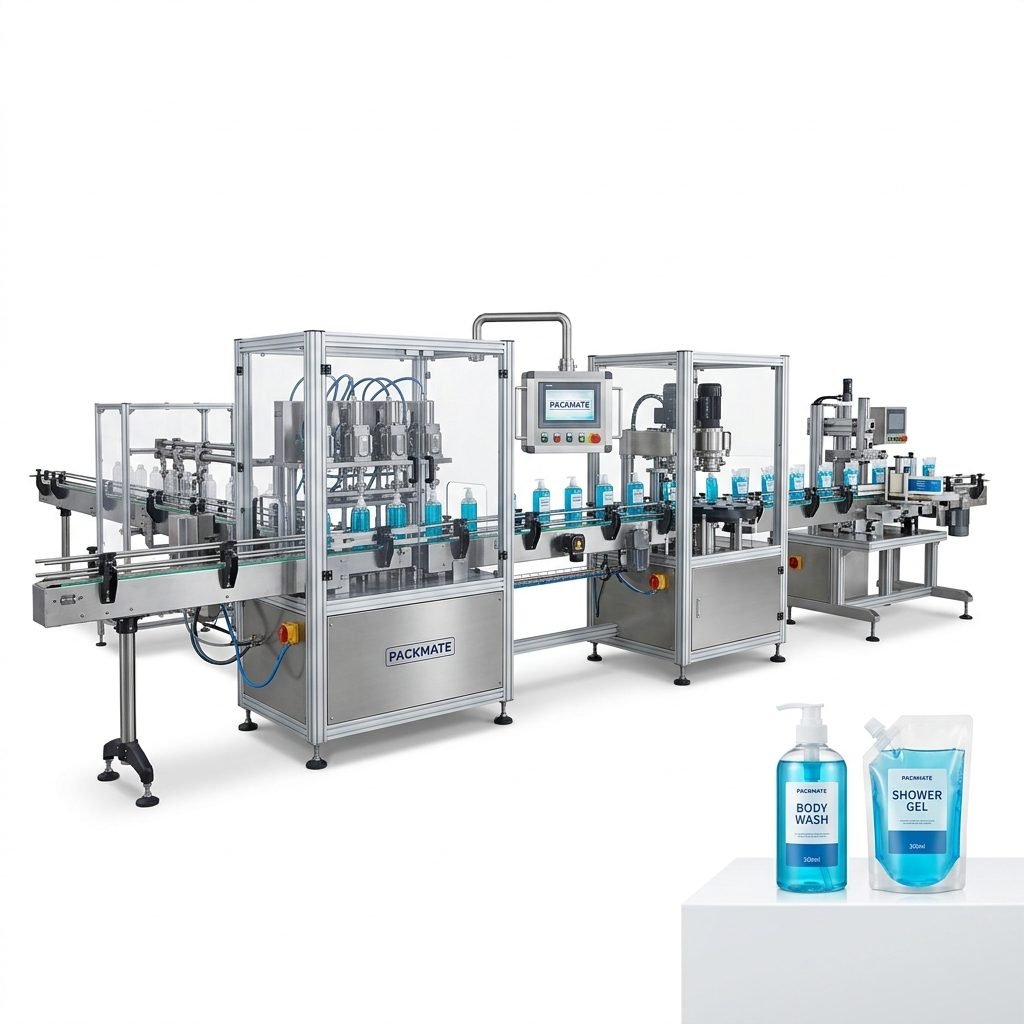
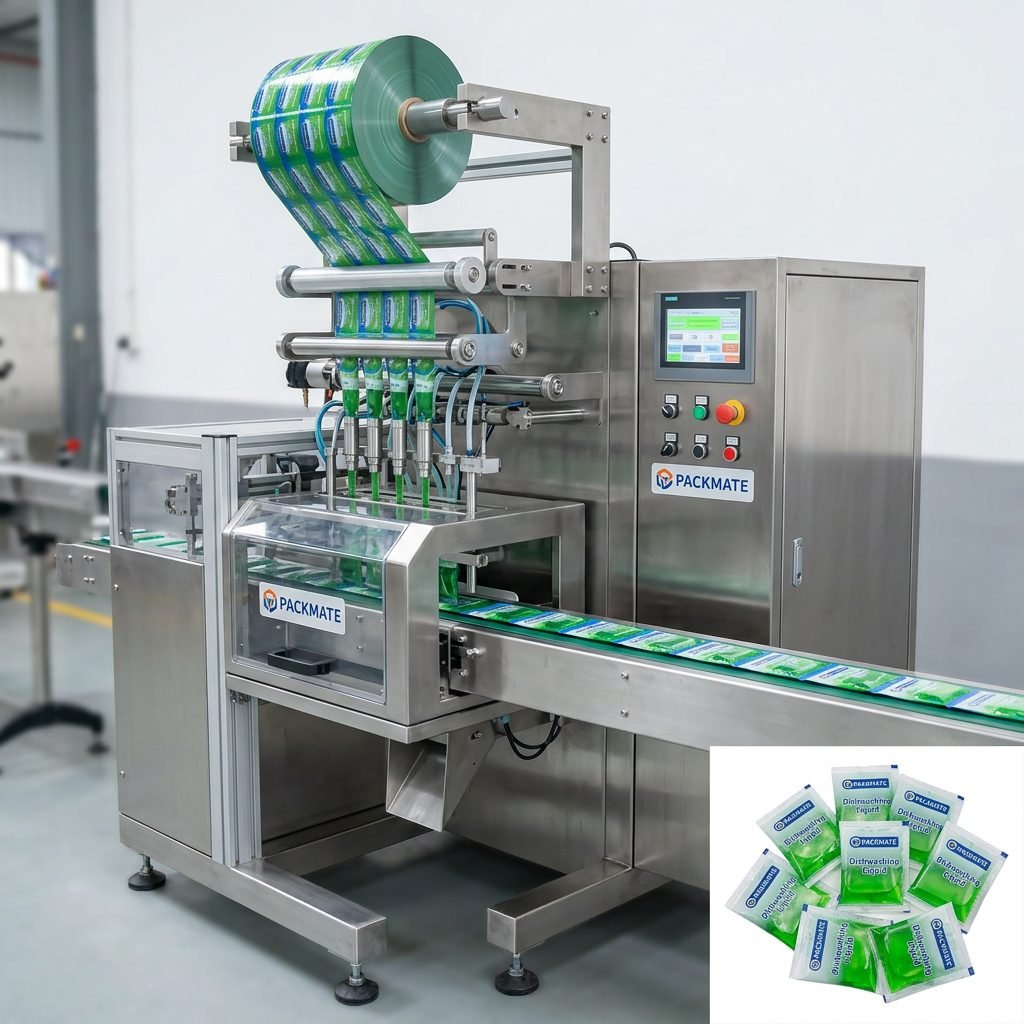
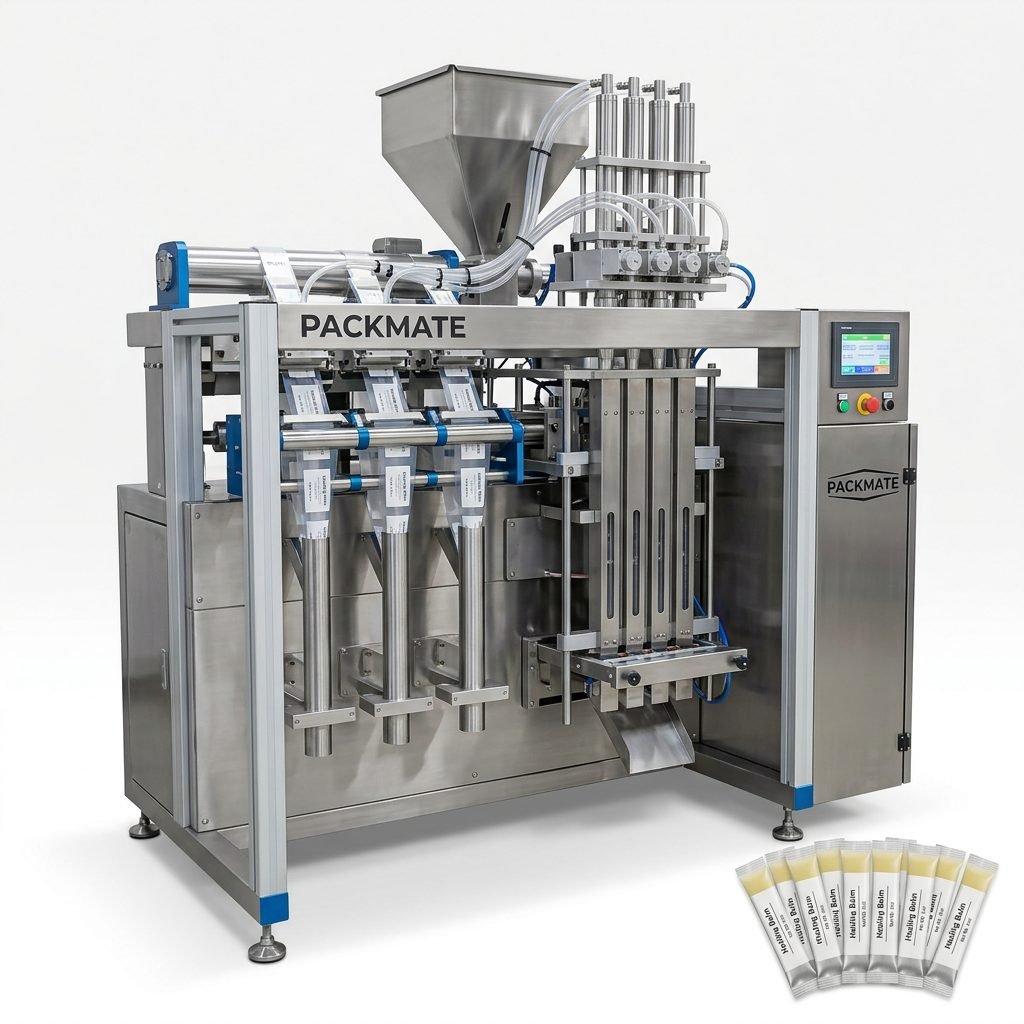
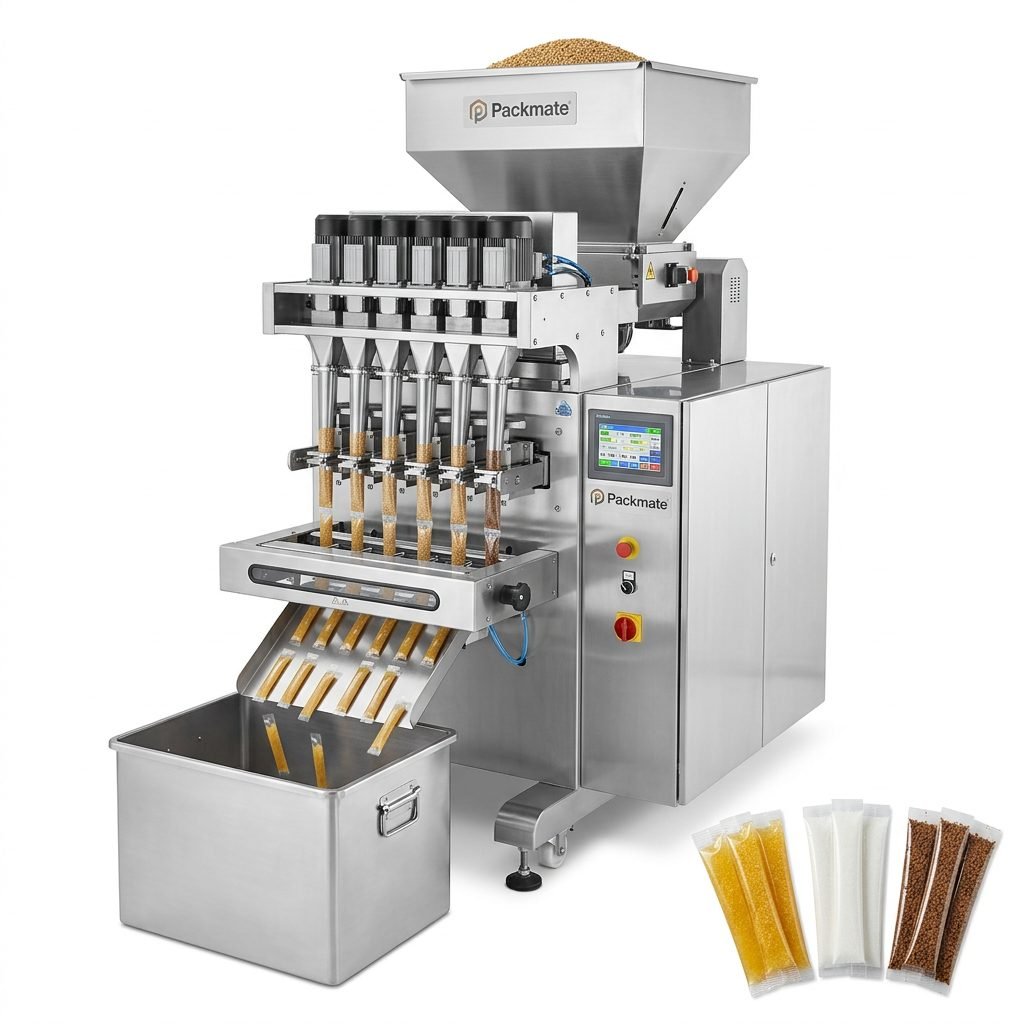
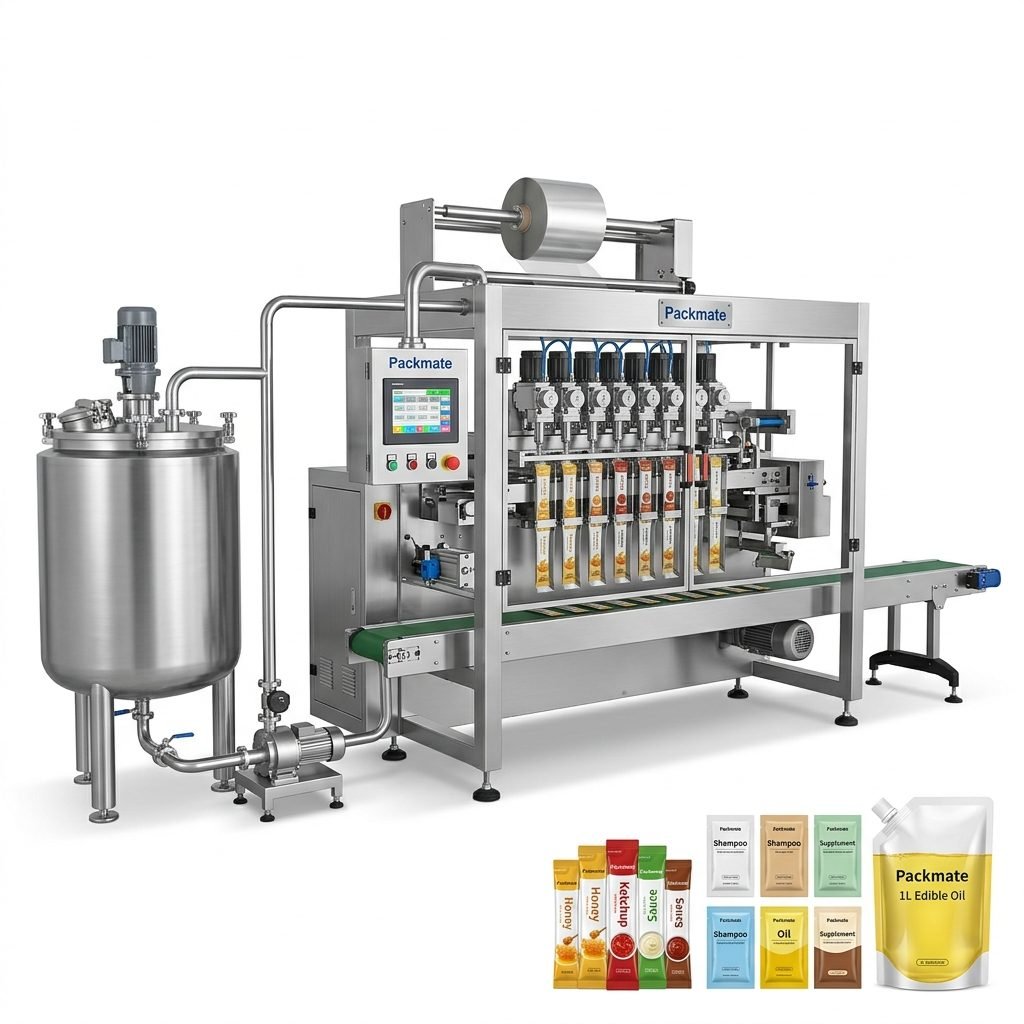
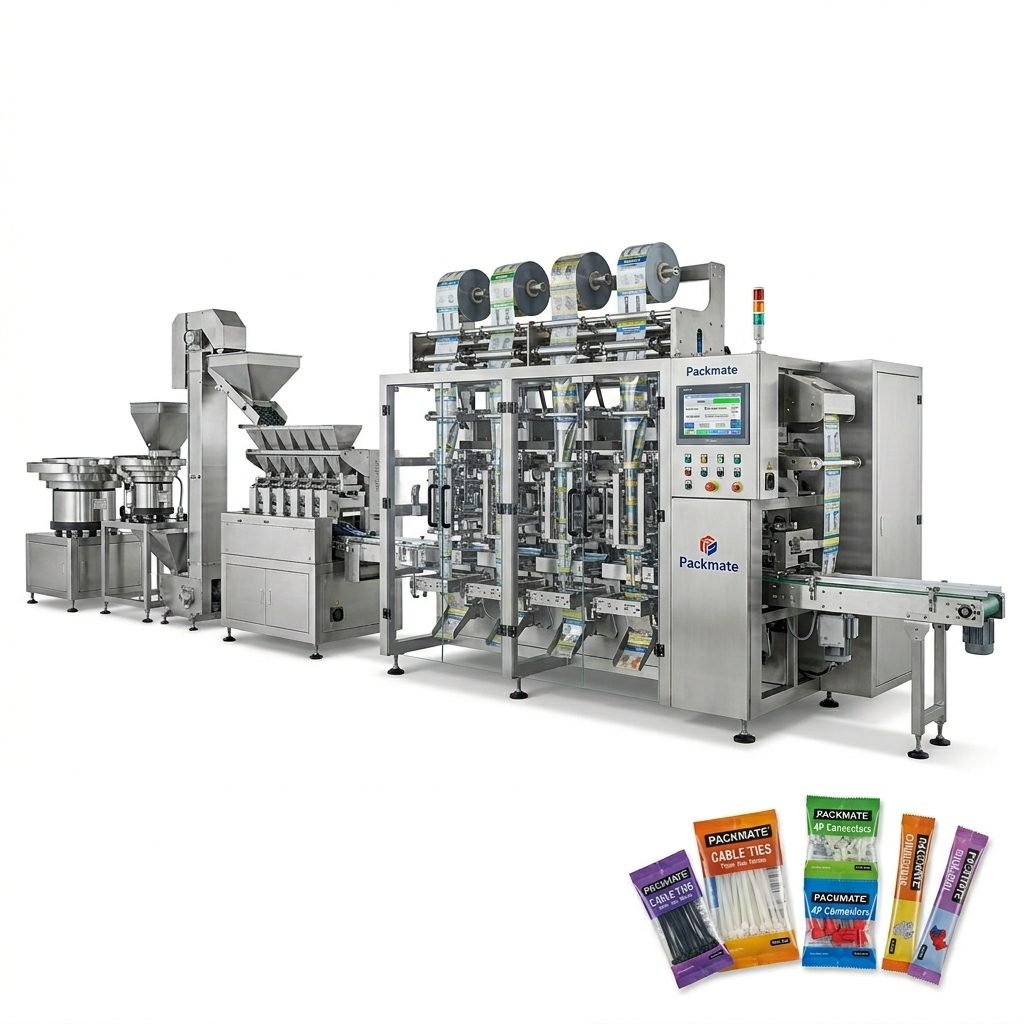
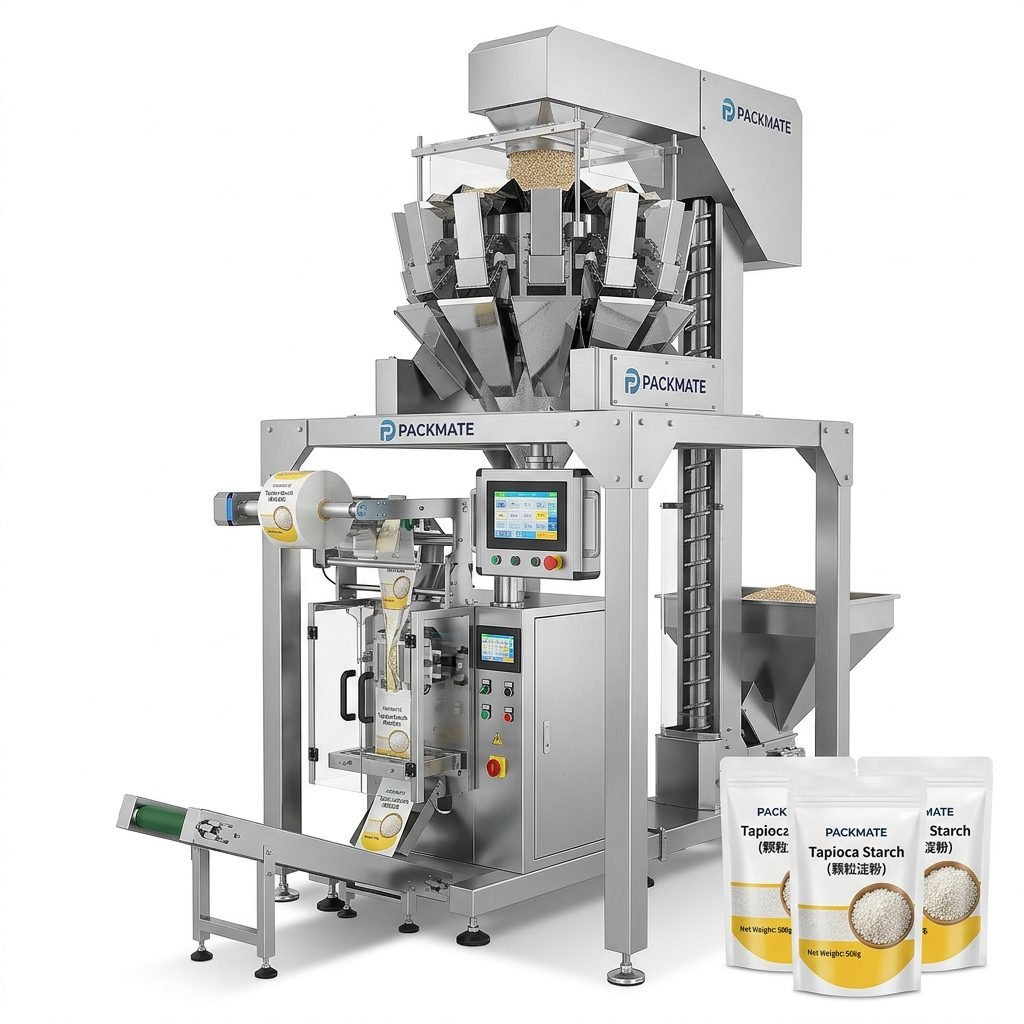
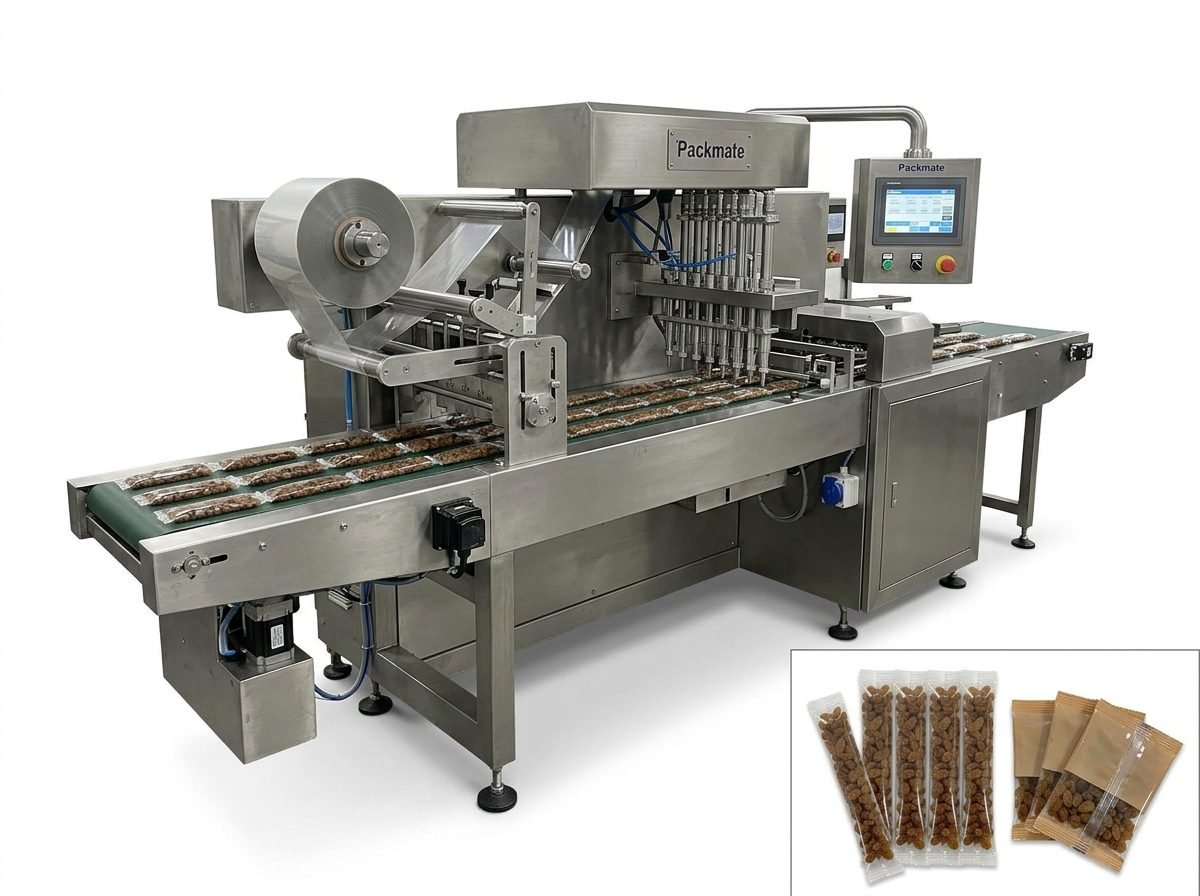
Indonesian manufacturers often require machines that can handle granules, powders, liquids, and pastes for sachets, stick packs, or pouches. A broad product portfolio indicates flexibility. Packmate Machinery offers over 80 machine models, covering multi‑lane stick pack, vertical form‑fill‑seal, and complete turnkey lines. Customisation is especially important when packaging local products like sambal, kecap, herbal powders, or instant beverages – typical in the Indonesian market. Always ask if the manufacturer can modify sealing temperature, bag size, or filling accuracy to match your product characteristics.
3. Check Export Experience and International Support
A manufacturer that regularly exports to Europe, North America, the Middle East, and Southeast Asia already understands international shipping, documentation, and compliance. PacklineOEM focuses on turnkey lines for food and pharma, with a strong export footprint in the Middle East and South America. For Indonesian buyers, it is wise to verify:
- Whether the supplier provides English or Indonesian‑language manuals and support
- If they have local agents or service partners in Indonesia
- Their response time for remote troubleshooting and spare parts delivery
4. Manufacturing Scale and Quality Control
Factory size and equipment directly influence production consistency. Leading manufacturers operate facilities of 20,000 square meters or more, with dedicated assembly lines and quality checkpoints. For example, PackingMachineOEM specialises in non‑standard customised machines and has a modern plant that allows for precision machining and structured testing. When visiting or auditing a factory (virtually or in person), focus on:
- CNC machining capabilities and in‑house tooling
- Cleanliness and organisation of the assembly floor
- Final inspection procedures before shipment
5. Turnkey Line vs. Standalone Machine
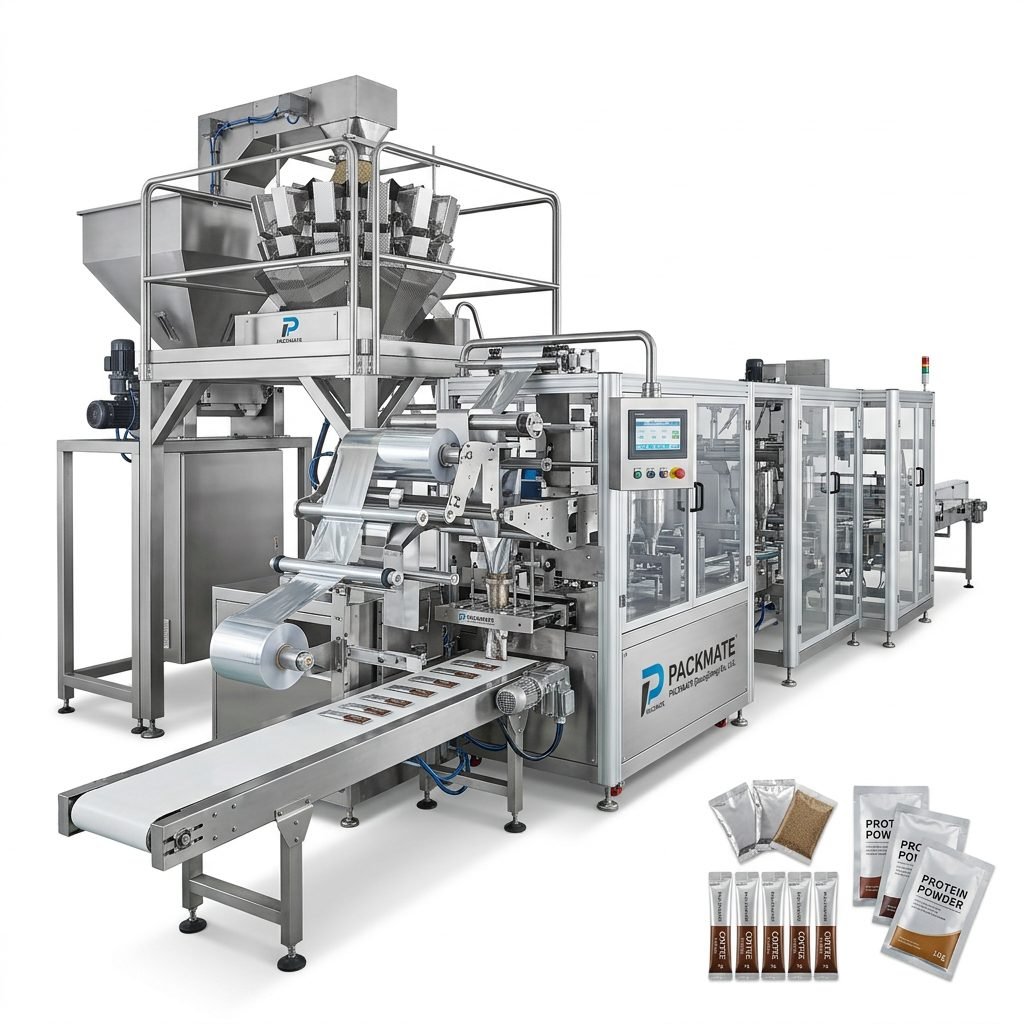
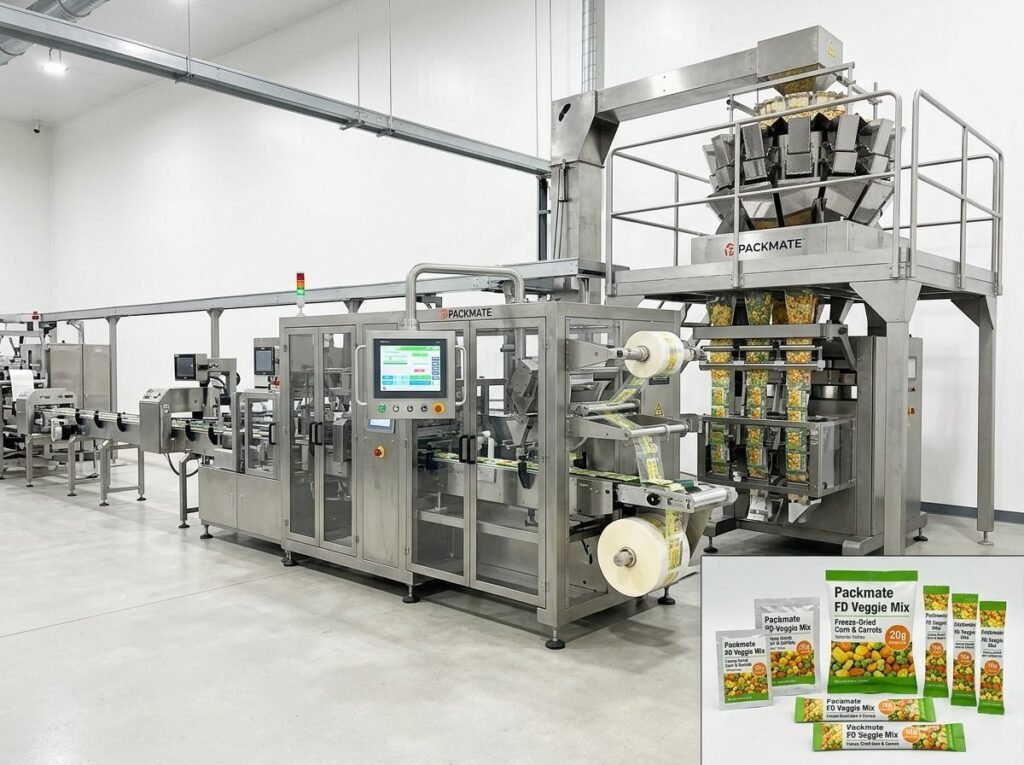
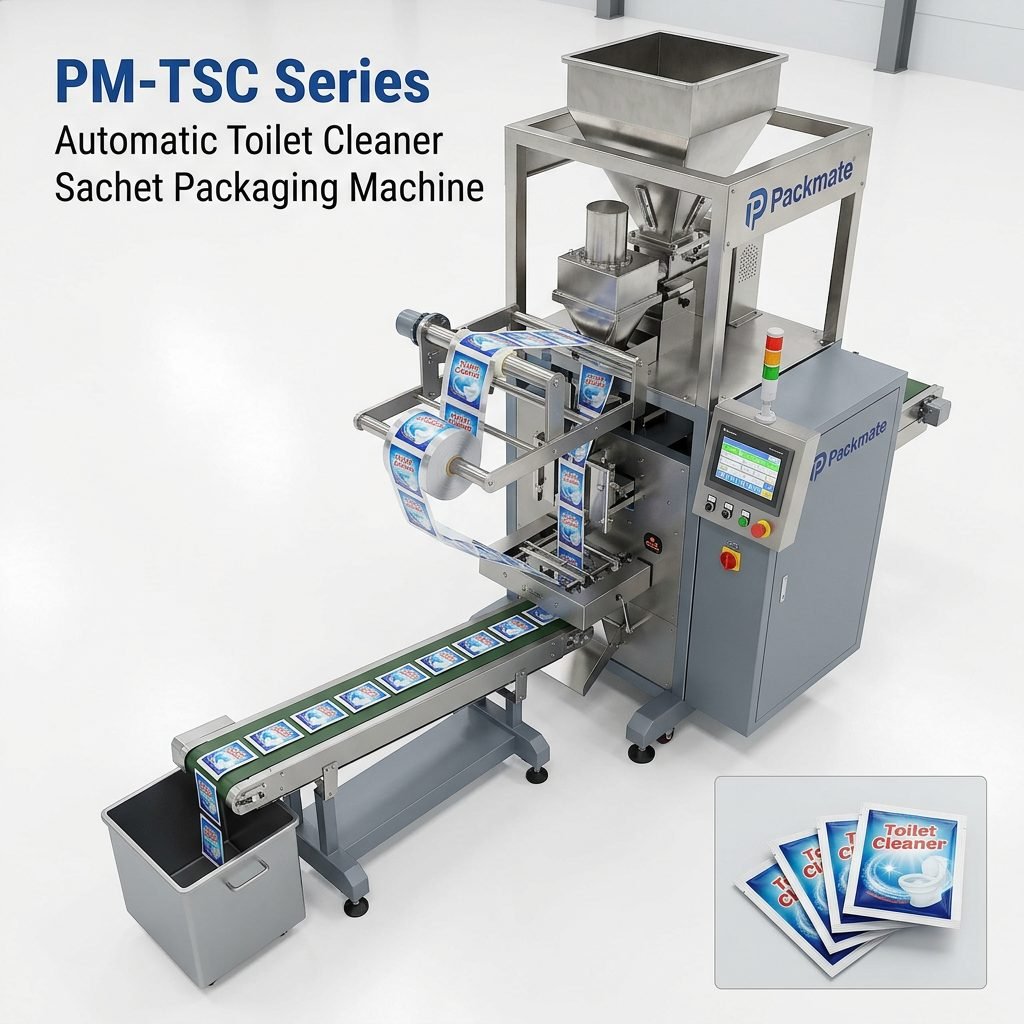
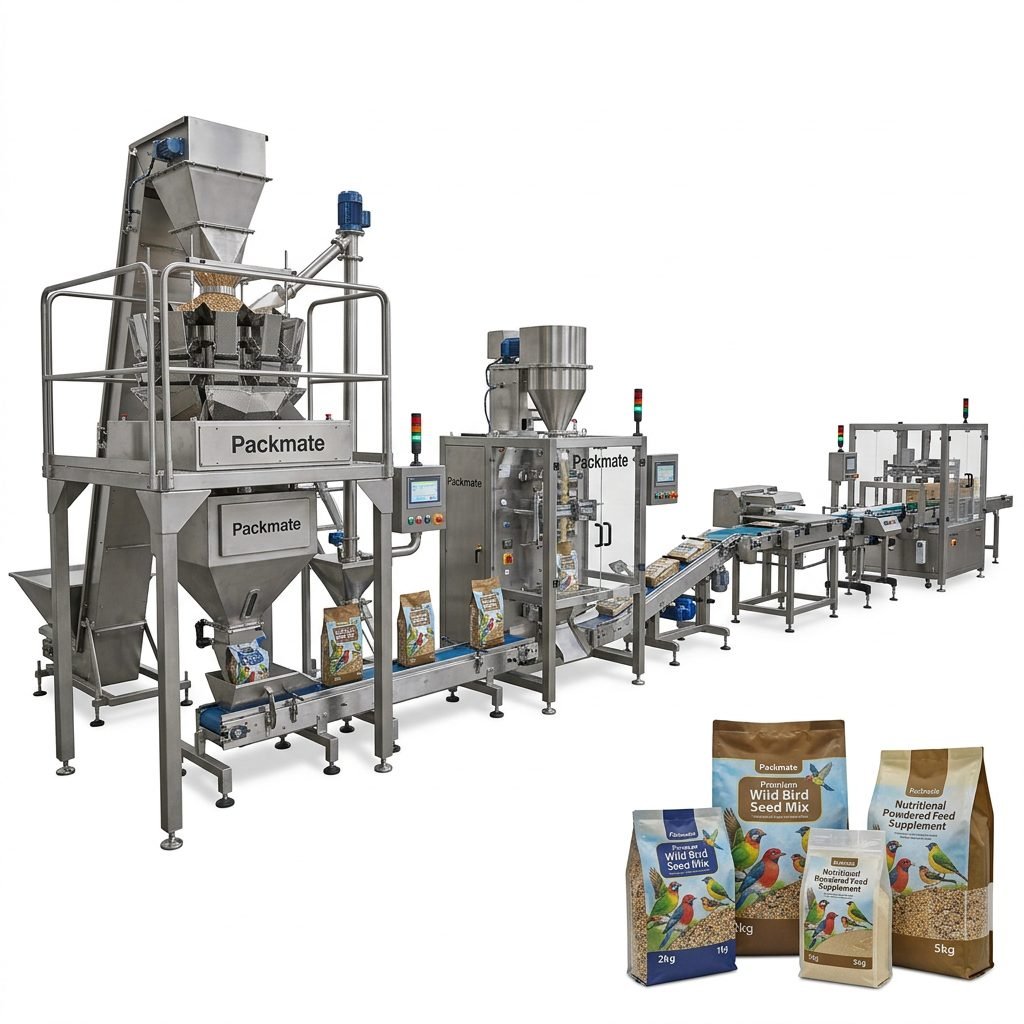
Many Indonesian businesses prefer a complete production line to minimise integration risks. A turnkey supplier like PacklineOEM provides feeding, weighing, filling, sealing, coding, and end‑of‑line packaging – all from one source. Alternatively, if you only need a specific machine (e.g., a multi‑lane stick pack for vitamin powders), a specialist like SnusMachinery can be a better fit. SnusMachinery has deep expertise in nicotine pouch and sachet packaging, but also supplies general food and pharma packing solutions. Compare the total cost of ownership, including installation, training, and after‑sales service.
6. After‑Sales Service and Spare Parts Availability
Reliable manufacturers offer remote video support, on‑site commissioning, and a readily available stock of spare parts. Ask about their average response time for technical queries and whether they keep common wear parts (sealing jaws, sensors, belts) in inventory. Manufacturers with a strong export history usually maintain regional warehouses or fast shipping partnerships. For Indonesian buyers, a supplier that can dispatch parts within 48–72 hours is highly desirable.
7. Compare Pricing and Payment Terms
While cost is always a factor, avoid choosing solely on the lowest price. Request detailed quotations that break down machine cost, shipping, insurance, customs clearance (CIF Jakarta/Surabaya), and any optional extras. Reputable manufacturers often require a 30% deposit with the balance before shipment or upon loading. Be cautious of suppliers demanding full payment upfront. Ludyway, for instance, has a structured payment process and transparent pricing for its turnkey lines.
8. Visit or Request Virtual Factory Tour
Before finalising, always arrange a physical visit or a live video walk‑through of the factory. This allows you to see the assembly process, test running machines with your own product samples, and meet the engineering team. Many top Chinese manufacturers welcome Indonesian buyers and can even arrange sample runs with local raw materials (e.g., coconut powder, instant coffee, or seasoning mixes).
Final Tips for Indonesian Buyers
Indonesia’s food and pharmaceutical sectors are highly regulated, so ensure the packaging machine complies with BPOM (Indonesian FDA) requirements for material contact and hygiene. Choose a manufacturer that can provide documentation such as material certificates, CE certification, and machine layout drawings. By following these steps – evaluating experience, product range, export capability, and after‑sales support – you can confidently partner with a reliable packaging machine manufacturer that will help your business grow.
Frequently Asked Questions (FAQ)
Q1: What is the best way to find a packaging machine supplier in Indonesia?
Start by searching for manufacturers that have a proven export record to Southeast Asia. Use online B2B platforms, industry exhibitions (e.g., Propak, Pack Expo), and direct referrals. Then request video tours and sample testing.
Q2: How long does it take to receive a custom packaging machine from China to Indonesia?
Typically, production takes 30–60 days after deposit, depending on complexity. Sea freight to Indonesian ports (Jakarta, Surabaya) adds another 15–25 days. Customisation may extend lead times.
Q3: Do I need to visit the factory before purchasing?
While not mandatory, a factory visit (physical or virtual) is highly recommended. It helps verify production capabilities, quality control, and gives you confidence in the supplier.
Q4: What after‑sales support can I expect from a Chinese manufacturer?
Most reputable suppliers offer remote video assistance, spare parts supply, and optional on‑site commissioning. Some have local service partners in Indonesia or send engineers for installation.
Q5: Are Chinese packaging machines compatible with Indonesian voltage and plug standards?
Yes, leading manufacturers can adapt machines to local electrical requirements (220V/380V, 50Hz, with Indonesian‑standard plugs). Always confirm voltage and frequency when ordering.