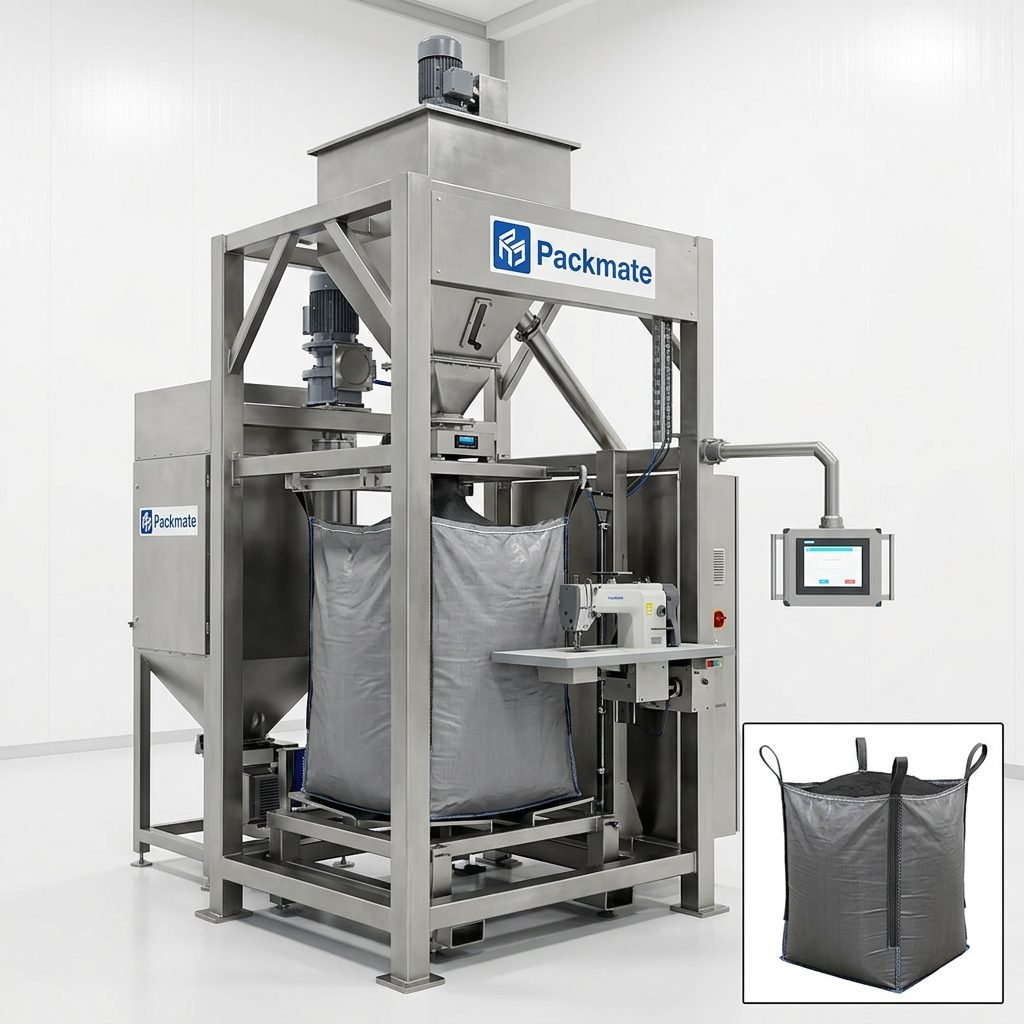
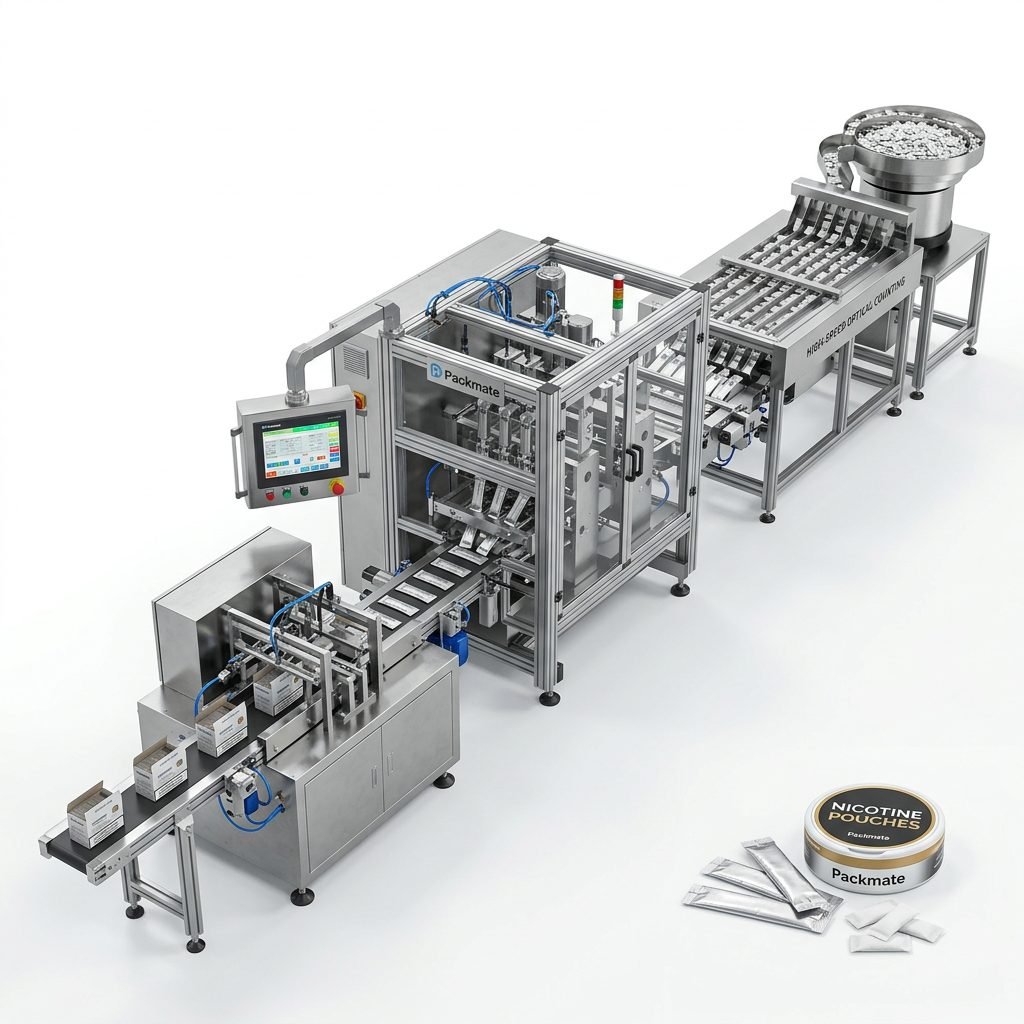
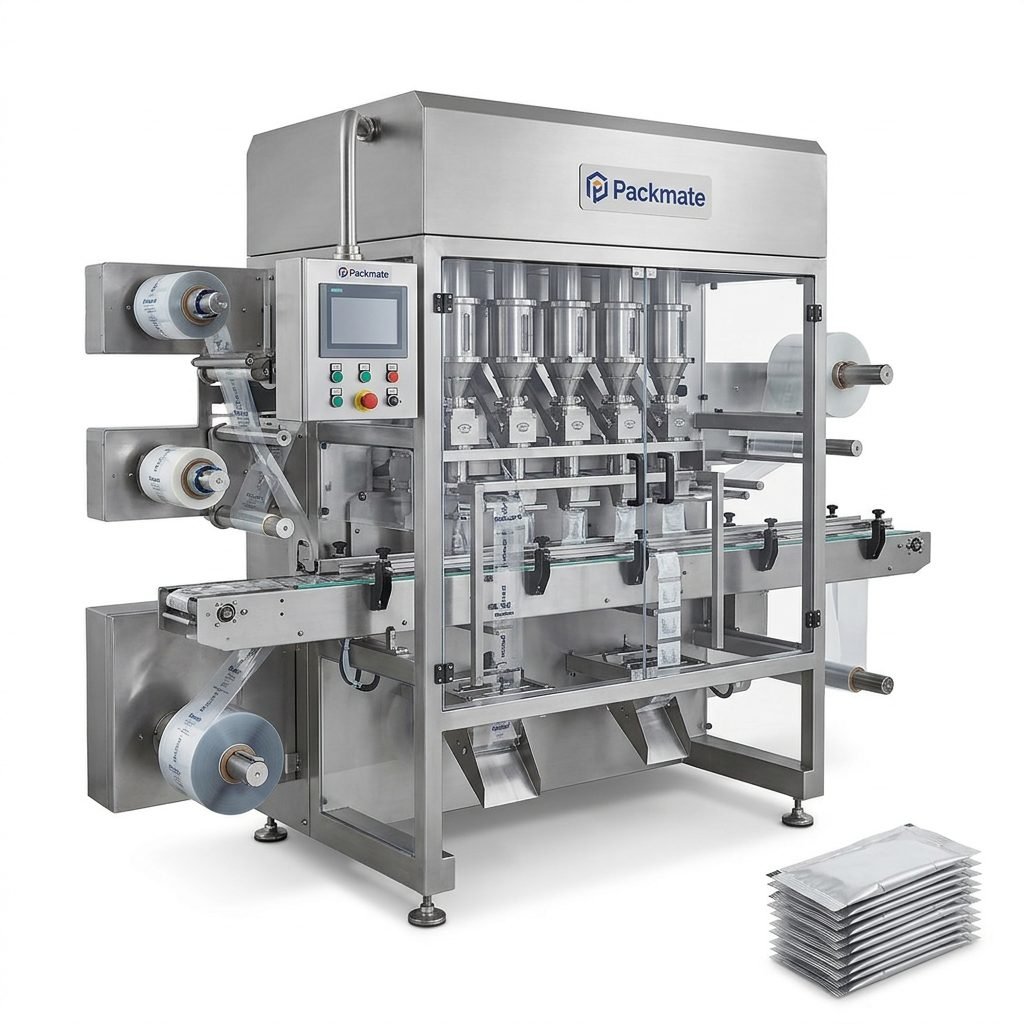
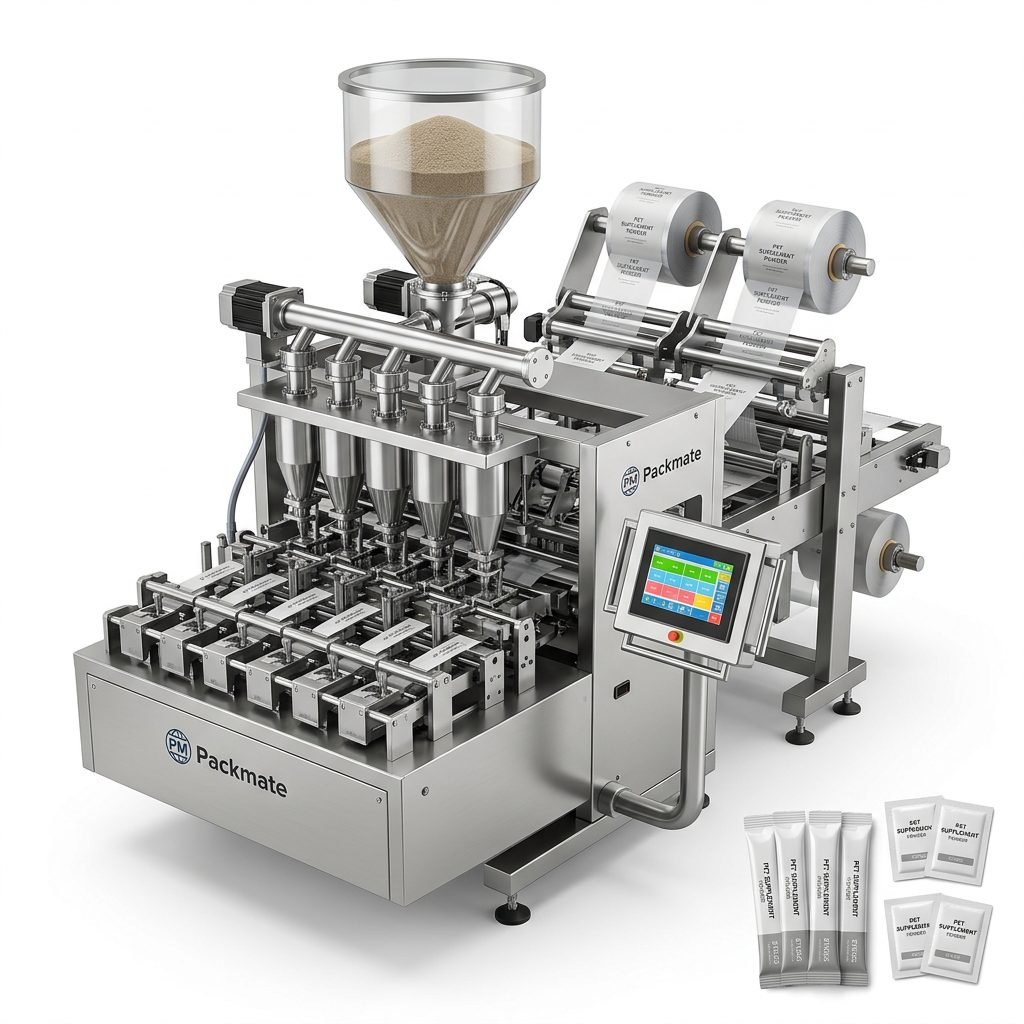
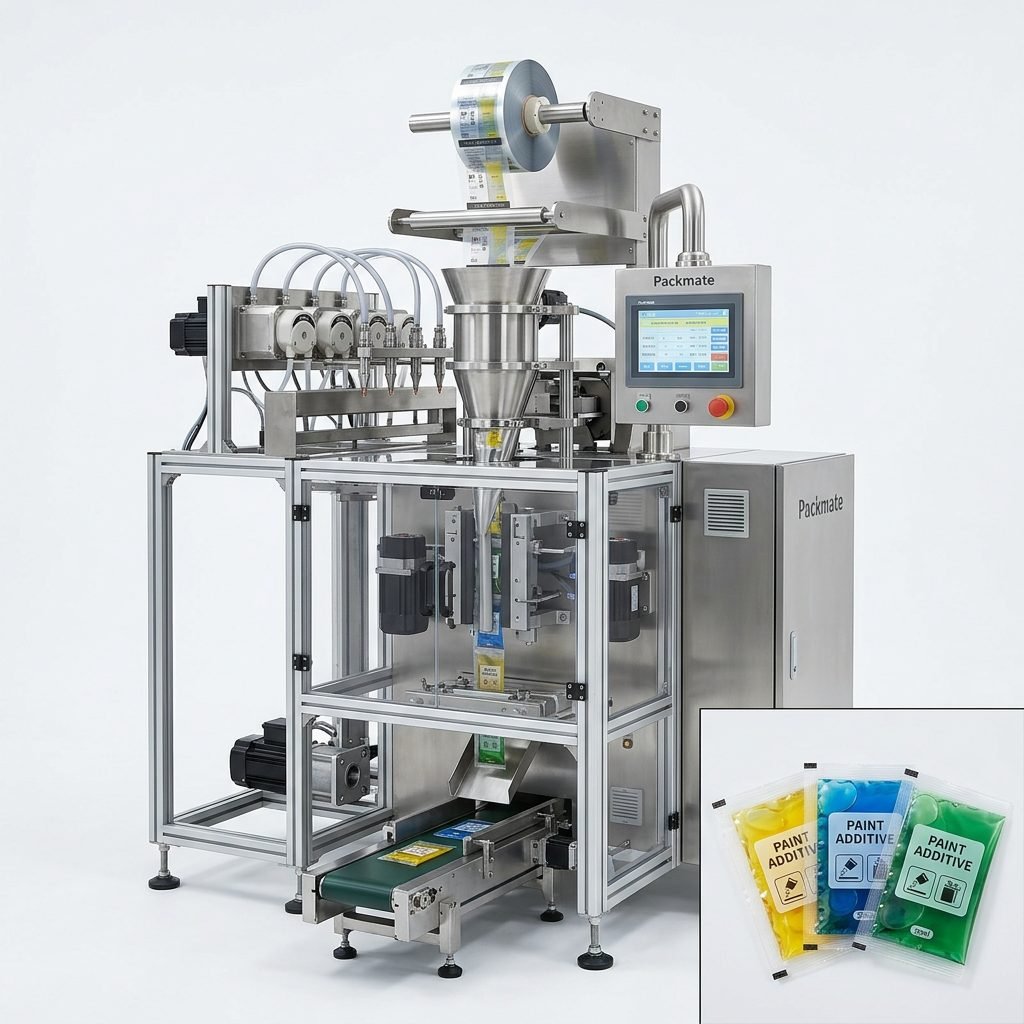
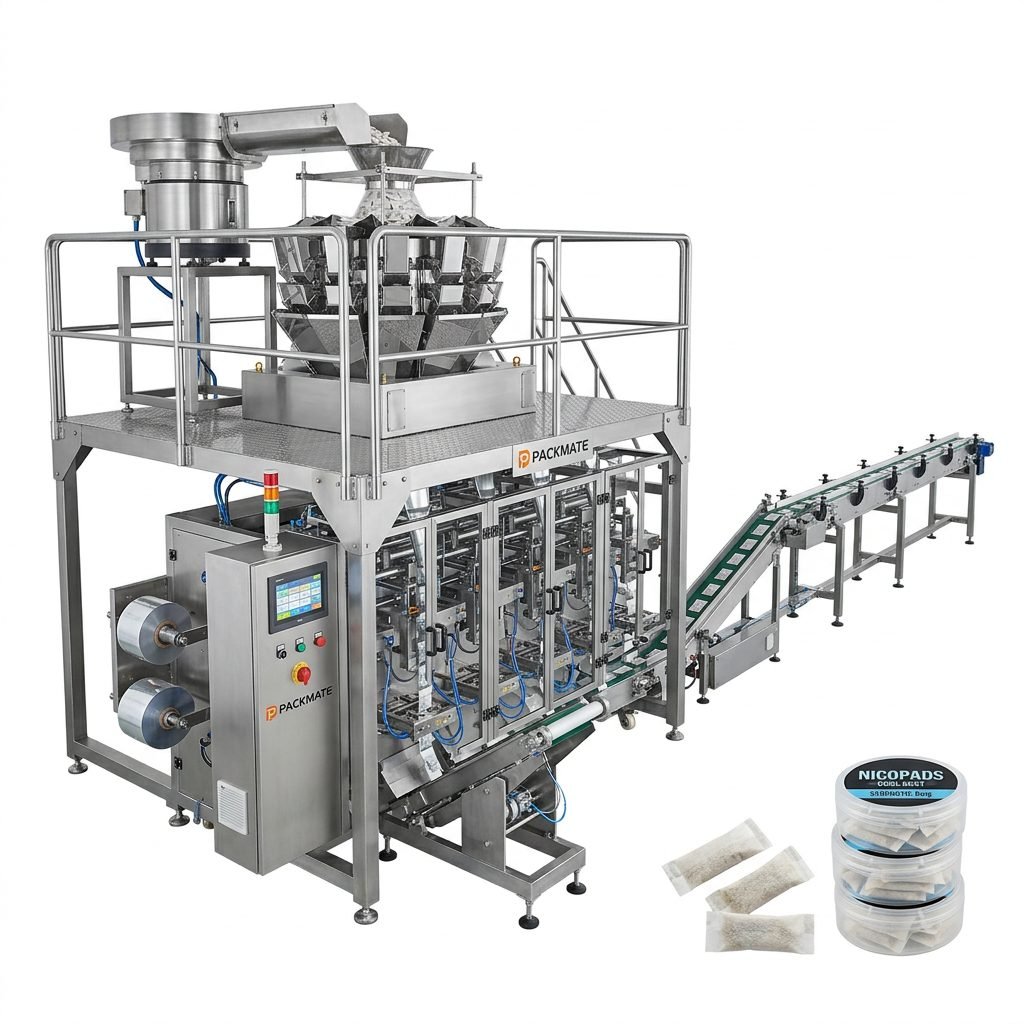
In today’s fast-paced global market, efficiency, reliability, and compliance are non-negotiable for producers in the food, pharmaceutical, and health product sectors. A fragmented packaging process with mismatched equipment from different vendors is a recipe for downtime, contamination risks, and lost revenue. The modern solution lies in turnkey packaging line solutions – fully integrated, ready-to-operate systems designed from the ground up for specific product and industry requirements.
What Defines a True Turnkey Packaging Solution?
Beyond simply selling machines, a turnkey solution represents a comprehensive partnership. It encompasses initial consultation, custom engineering, manufacturing, installation, commissioning, operator training, and ongoing support—all from a single, accountable provider. This holistic approach ensures seamless integration of every component, from feeding and filling to sealing, coding, and cartoning, creating a synchronized production orchestra.
Core Advantages of an Integrated Line
Maximized Operational Efficiency: Perfectly synchronized machines eliminate bottlenecks, optimizing speed and output. Changeovers between products or package sizes are streamlined.
Enhanced Product Integrity & Safety: Designed with hygiene and containment as priorities, these lines minimize human contact and cross-contamination risks—critical for pharmaceuticals and sensitive health products.
Reduced Total Cost of Ownership (TCO): While the initial investment may be significant, savings from reduced downtime, lower maintenance costs, higher yield, and single-source accountability offer a superior long-term ROI.
Scalability for Future Growth: A well-designed turnkey system is modular, allowing for future expansion or adaptation to new products without scrapping the entire line.
Tailored Solutions for Critical Industries
The “one-size-fits-all” approach fails in environments where standards are exceptionally high. Turnkey solutions excel by being meticulously tailored.
For the Food Industry: Speed, Freshness, and Flexibility
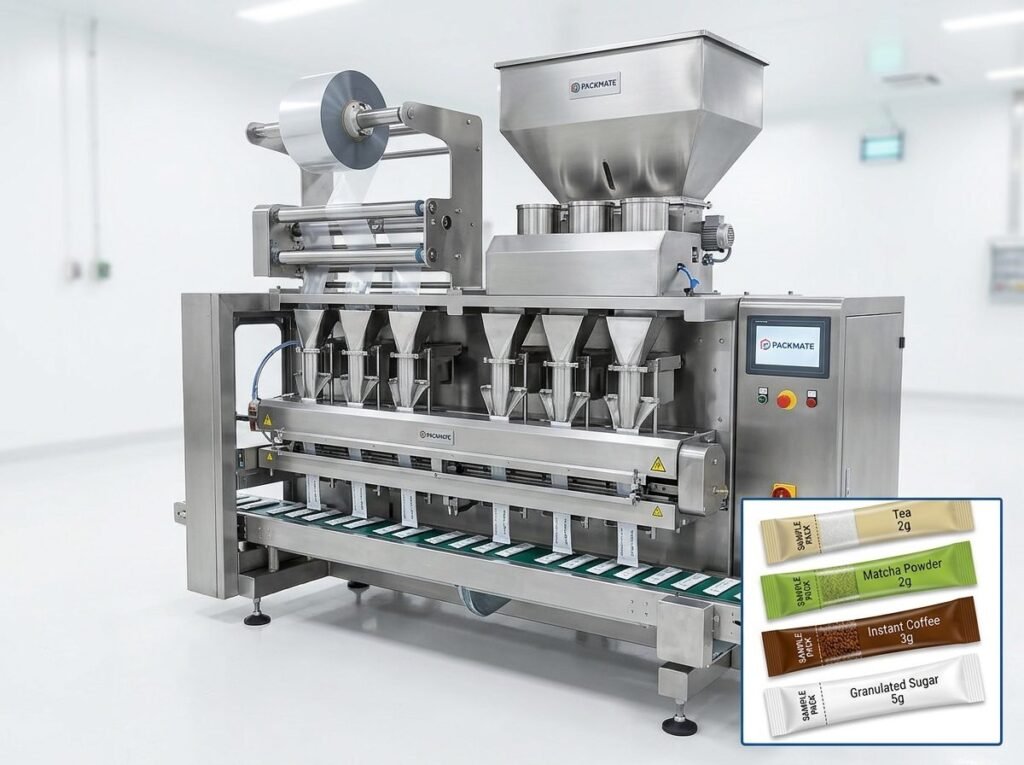
Food packaging demands versatility—handling granules, powders, liquids, and viscous products—while ensuring freshness and appealing presentation. Lines often incorporate nitrogen flushing for extended shelf-life, precision multi-lane fillers for high-speed output of items like coffee sticks or sauce sachets, and robust sealing technology to prevent leaks. Flexibility to run various materials, from laminates to recyclable monomaterials, is increasingly vital. Discover specific applications in our detailed packaging solutions portfolio.
For Pharmaceuticals: Uncompromising Precision and Compliance
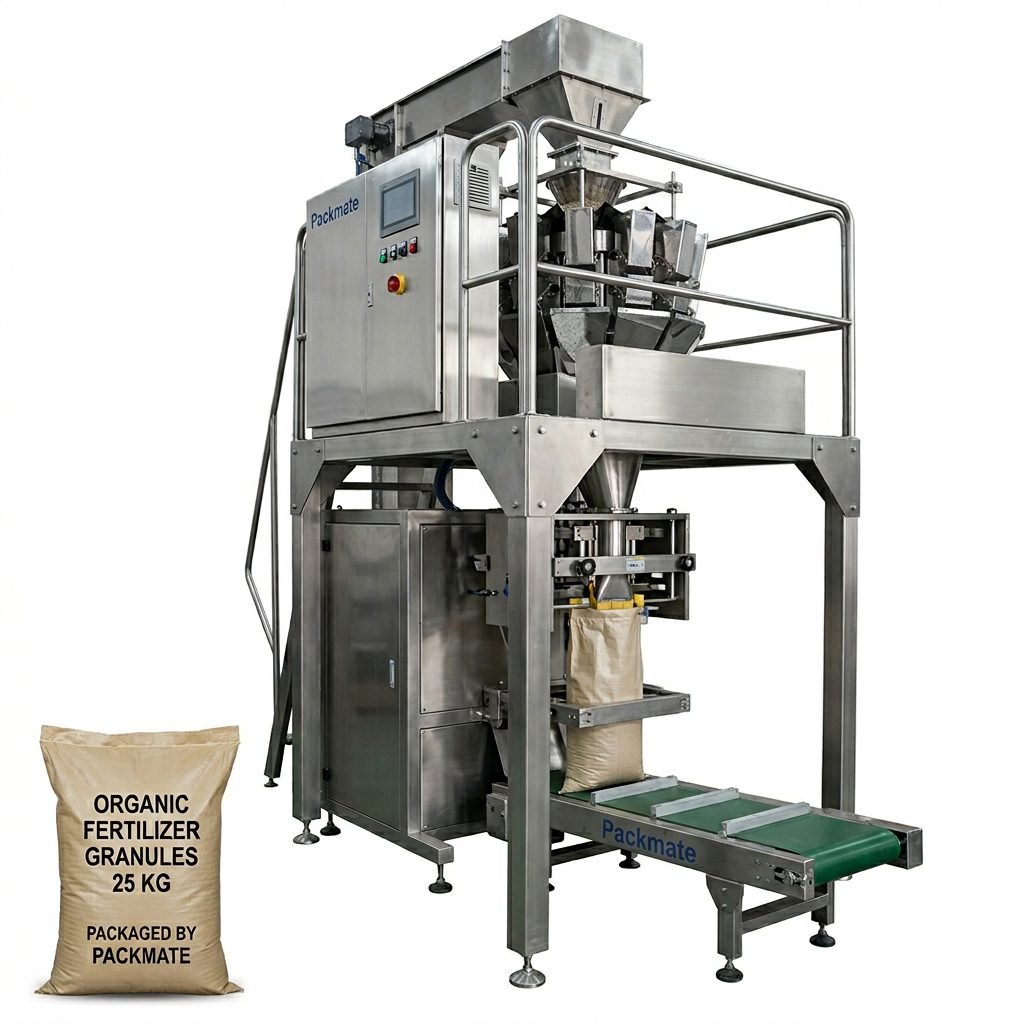
Here, precision is measured in milligrams and compliance is governed by strict regulations like cGMP. Turnkey lines for pharmaceuticals feature clean-design components, easy-to-sanitize surfaces, and unparalleled dosing accuracy for powders and granules. Traceability systems, often integrated, ensure every sachet or stick pack can be tracked. The entire process is validated to meet rigorous audit standards, providing peace of mind for life-saving products.
For Health & Nutraceutical Products: Building Consumer Trust
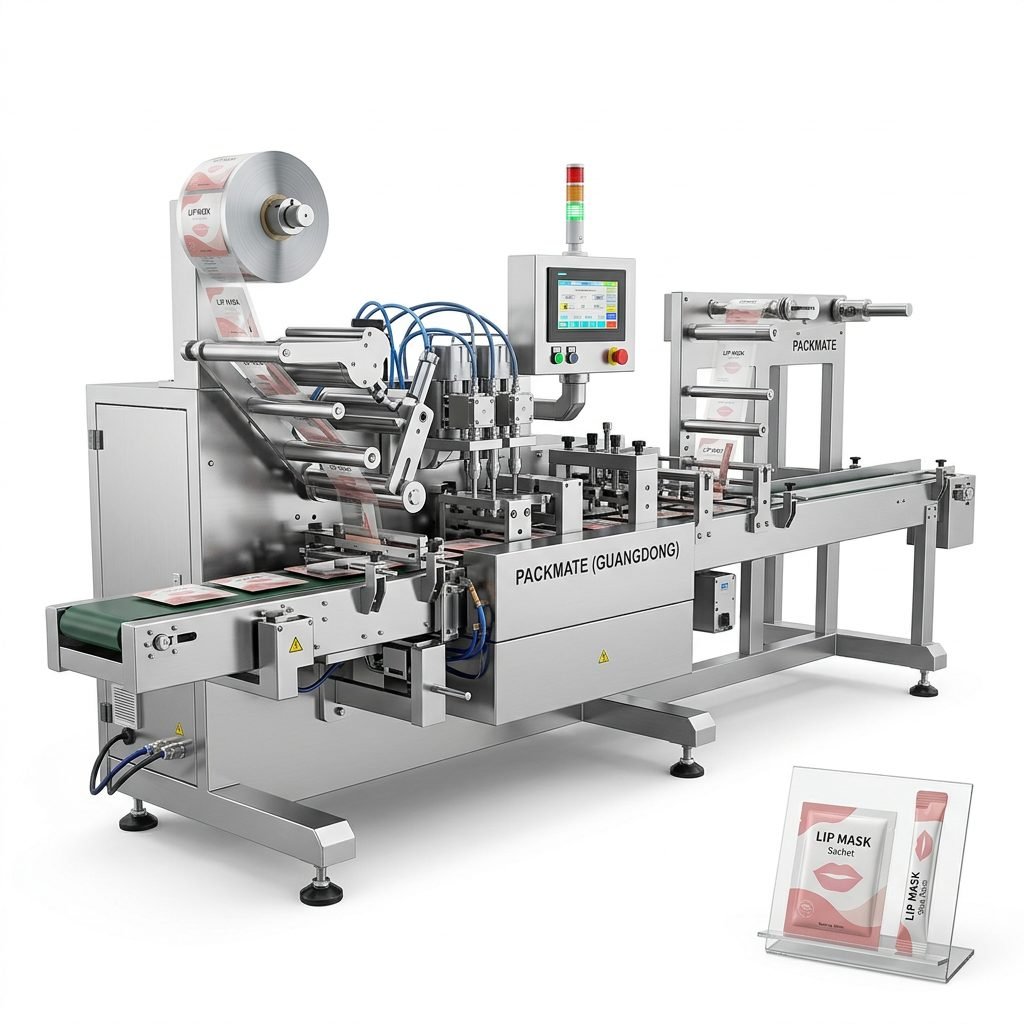
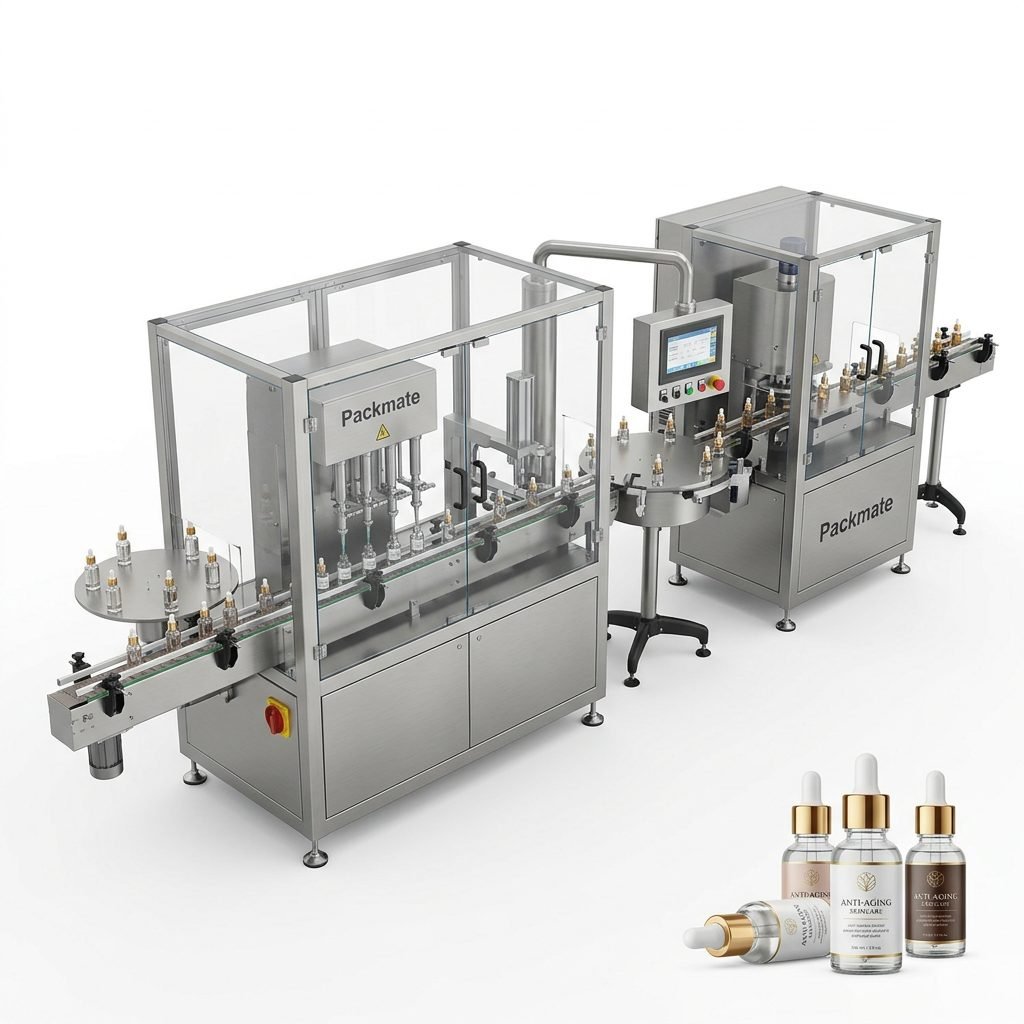
This booming sector blends the demands of food and pharma. Products like protein powders, vitamin supplements, and herbal extracts require accurate dosing, moisture barrier protection, and high-quality packaging that conveys purity and efficacy. Turnkey solutions deliver the precision filling and sealing needed to maintain potency, while offering the branding flexibility through printing and finishing that resonates with health-conscious consumers.
The Partner Behind the Solution: Packmate’s Turnkey Philosophy
Implementing a successful turnkey line requires more than technical specs; it requires a partner with deep expertise and a collaborative spirit. This is where Packmate (GuangDong) Co., Ltd. stands out. With over 22 years of dedicated development, our journey from a visionary workshop to a modern 20,000㎡ manufacturing facility is built on solving real-world packaging challenges.
Our approach is consultative. We begin by thoroughly understanding your product characteristics, target output, factory layout, and compliance needs. Our team of 125+ professional engineers and technicians then designs a cohesive system, selecting from our portfolio of 50+ advanced machine models or engineering custom modules. We manage the entire project lifecycle, ensuring the final delivered line is not just a collection of machines, but a optimized production asset. You can see this philosophy in action across various industries in our project case studies.
Key Stages in Our Turnkey Project Delivery
1 Needs Analysis & Concept Design: Collaborative workshops to define all technical and operational parameters.
2 Detailed Engineering & Planning: Creating detailed layouts, flow diagrams, and a phased project plan.
3 Manufacturing & Factory Acceptance Test (FAT): Building the line in our facility and conducting rigorous testing with client witnesses.
4 Installation & Site Acceptance Test (SAT): Expert technicians install, calibrate, and commission the line on your factory floor.
5 Training & After-Sales Support: Comprehensive training for your operators and maintenance teams, backed by responsive support services.
Future-Proofing Your Investment
Investing in a turnkey line is a strategic decision for the future. Leading providers like Packmate design with tomorrow in mind. This includes integrating IoT sensors for predictive maintenance, using modular designs that allow for easy reconfiguration, and staying ahead of material trends like sustainable packaging. By choosing a partner committed to R&D and continuous improvement, you ensure your packaging operation remains competitive and adaptable for years to come. For a closer look at our technological advancements and global engagements, visit our exhibition page.
Ultimately, a turnkey packaging line is more than capital equipment; it is the backbone of your production, the guardian of your product quality, and a key driver of your brand’s reputation. In the demanding worlds of food, pharmaceuticals, and health, partnering with an experienced, integrated solution provider is not just an option—it is the most reliable path to secure, efficient, and successful packaging operations.
Frequently Asked Questions (FAQs)
1. What is the typical lead time for a complete turnkey packaging line?
Lead time varies significantly based on line complexity, customization level, and current production schedule. A standard, configured line may take 3-6 months from order to delivery, while a highly customized system for a novel product could require 6-12 months of engineering and manufacturing. A detailed project timeline is always provided after the initial design phase.
2. How do you ensure the line will meet our specific production speed (output) requirements?
Output is a foundational design parameter. We calculate speeds based on individual machine cycles, potential bottlenecks, and product characteristics. We often simulate line performance and always conduct a Factory Acceptance Test (FAT) using a product sample to validate the output and efficiency before shipment, guaranteeing it meets the agreed-upon specifications.
3. Can a turnkey line handle multiple different products or package sizes?
Yes, flexibility is a key benefit. Many lines are designed with quick-changeover features for formats, films, and filling volumes. The degree of flexibility (e.g., changeover in minutes vs. hours) is determined during the design phase based on your product portfolio needs. We engineer the appropriate level of modularity and tooling.
4. What kind of training and technical support is provided after installation?
We provide comprehensive on-site training for your operators, mechanics, and electricians on safe operation, routine maintenance, troubleshooting, and changeover procedures. This is complemented by detailed manuals and video guides. Ongoing support includes remote assistance, a supply of spare parts, and available service contracts for periodic maintenance checks.
5. How does a turnkey solution address regulatory compliance (e.g., cGMP, FDA, EU standards)?
Compliance is designed into the system from the start. We select materials (e.g., food-grade stainless steel, compliant seals), incorporate hygienic design principles (easy cleaning, no product traps), and can integrate documentation and traceability systems required for validation. The line is built to facilitate your compliance process, though final regulatory certification is always the responsibility of the product manufacturer.