In today’s fast-paced and highly regulated manufacturing landscape, achieving peak efficiency, maintaining stringent hygiene standards, and ensuring product integrity are non-negotiable. For industries where safety and precision are paramount—namely food, pharmaceuticals, and health products—the packaging process is a critical final frontier. This is where automatic packaging machinery solutions transition from a competitive advantage to an operational necessity. These sophisticated systems are engineered to handle the unique and demanding requirements of each sector, delivering unparalleled speed, accuracy, and reliability.
The Critical Role of Automation in Modern Packaging
Gone are the days of manual, labor-intensive packaging lines prone to human error and contamination risks. Modern automatic packaging systems integrate advanced robotics, precision weighing, intelligent vision inspection, and seamless data connectivity. This evolution is driven by several compelling factors:
- Enhanced Product Safety & Hygiene: Automated systems minimize human contact with the product, a crucial factor for sterile pharmaceutical environments and hygienic food processing. Enclosed systems and Clean-in-Place (CIP) capabilities further reduce contamination risks.
- Unmatched Consistency & Accuracy: From filling exact dosages of medication to portioning precise amounts of nutritional powder, automated machines deliver consistent results that manual processes cannot match, ensuring every unit meets specification.
- Dramatically Increased Throughput: High-speed multi-lane machines can package thousands of units per hour, meeting the scale demands of global supply chains without compromising on quality.
- Operational Cost Efficiency: While the initial investment is significant, automation reduces long-term labor costs, minimizes material waste from overfilling, and decreases product loss due to errors.
- Regulatory Compliance & Traceability: Advanced systems provide detailed production logs, batch tracking, and quality control data, which are essential for meeting FDA, GMP, EU, and other stringent regulatory standards.
Tailored Solutions for the Food Industry
The food sector presents a diverse set of challenges, from packaging sticky sauces and granular spices to preserving the freshness of snacks and coffee. Automatic packaging machinery for food must be versatile, easy to clean, and capable of handling various product consistencies. Key solutions include:
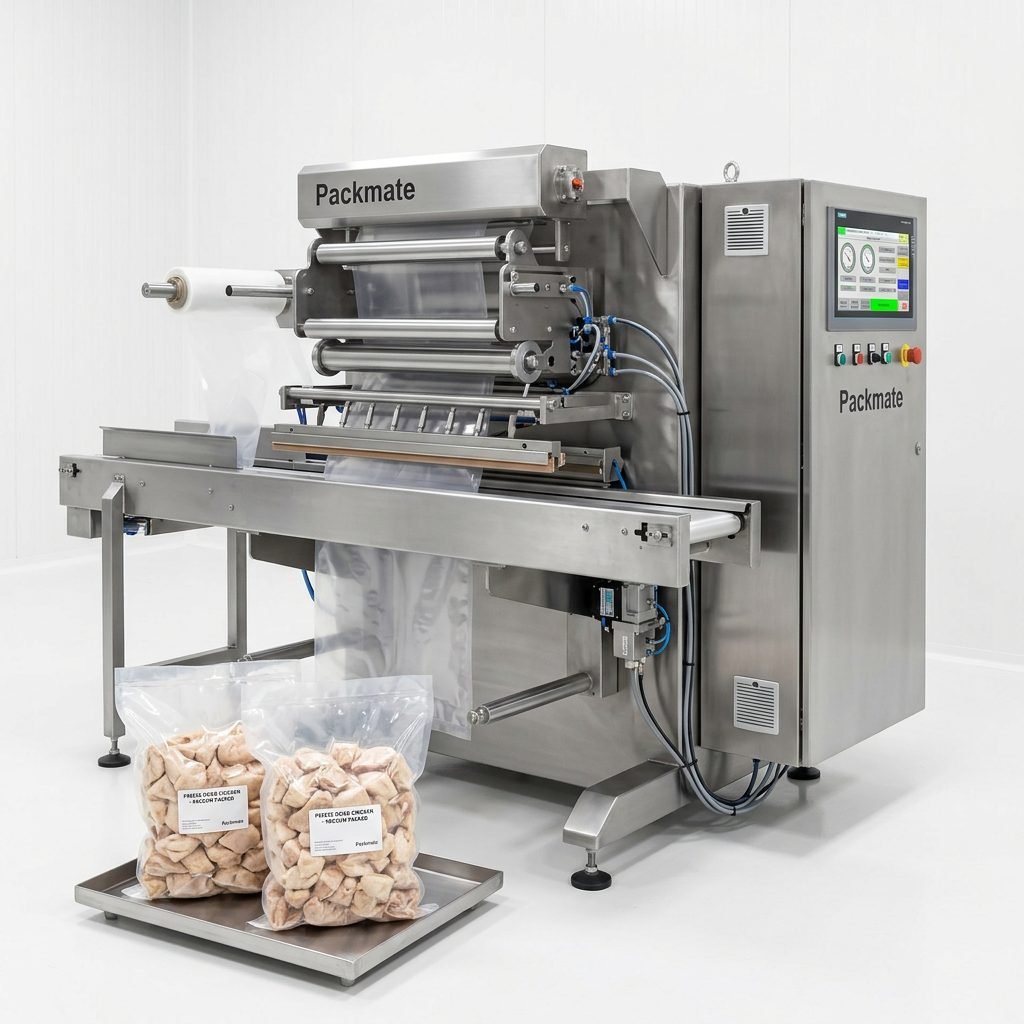
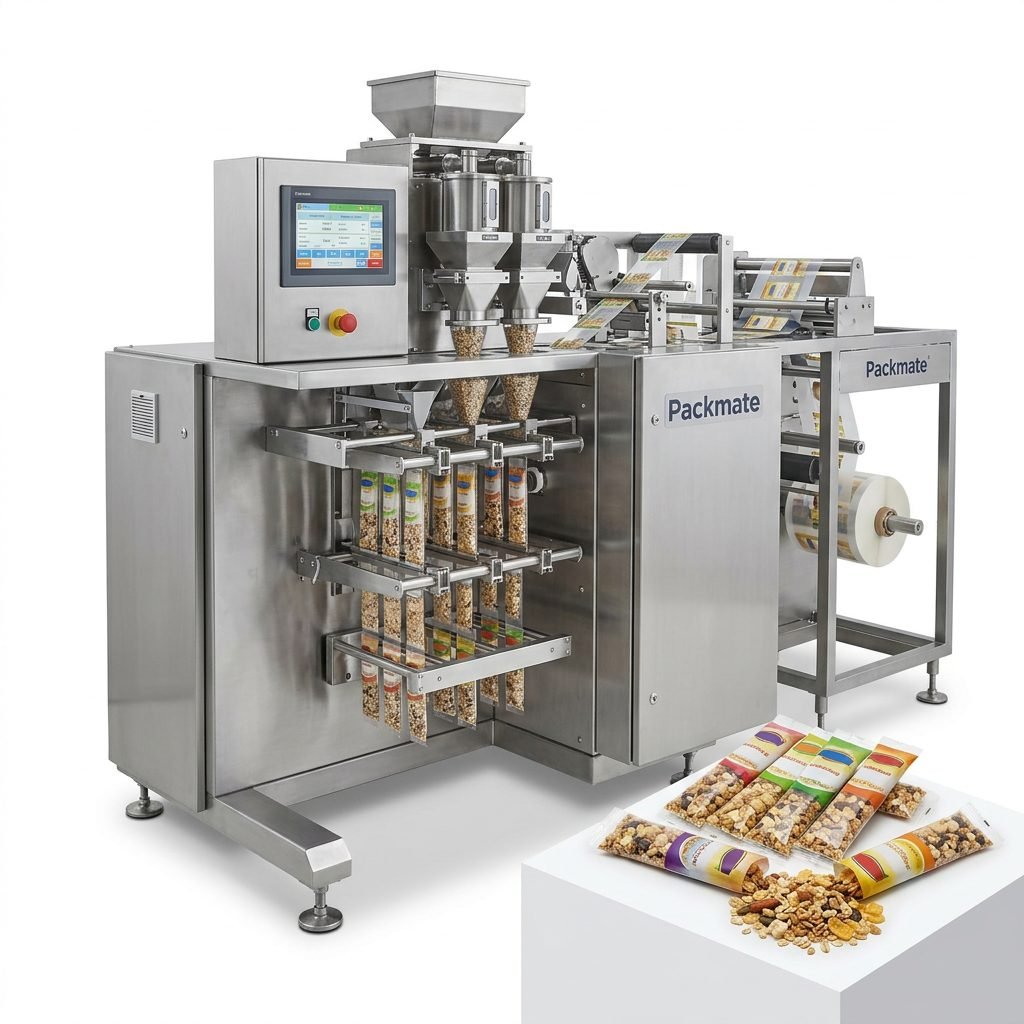
Vertical Form-Fill-Seal (VFFS) Machines: Ideal for packaging chips, nuts, and frozen vegetables into pillow bags. They are renowned for their speed and efficiency in handling free-flowing products.
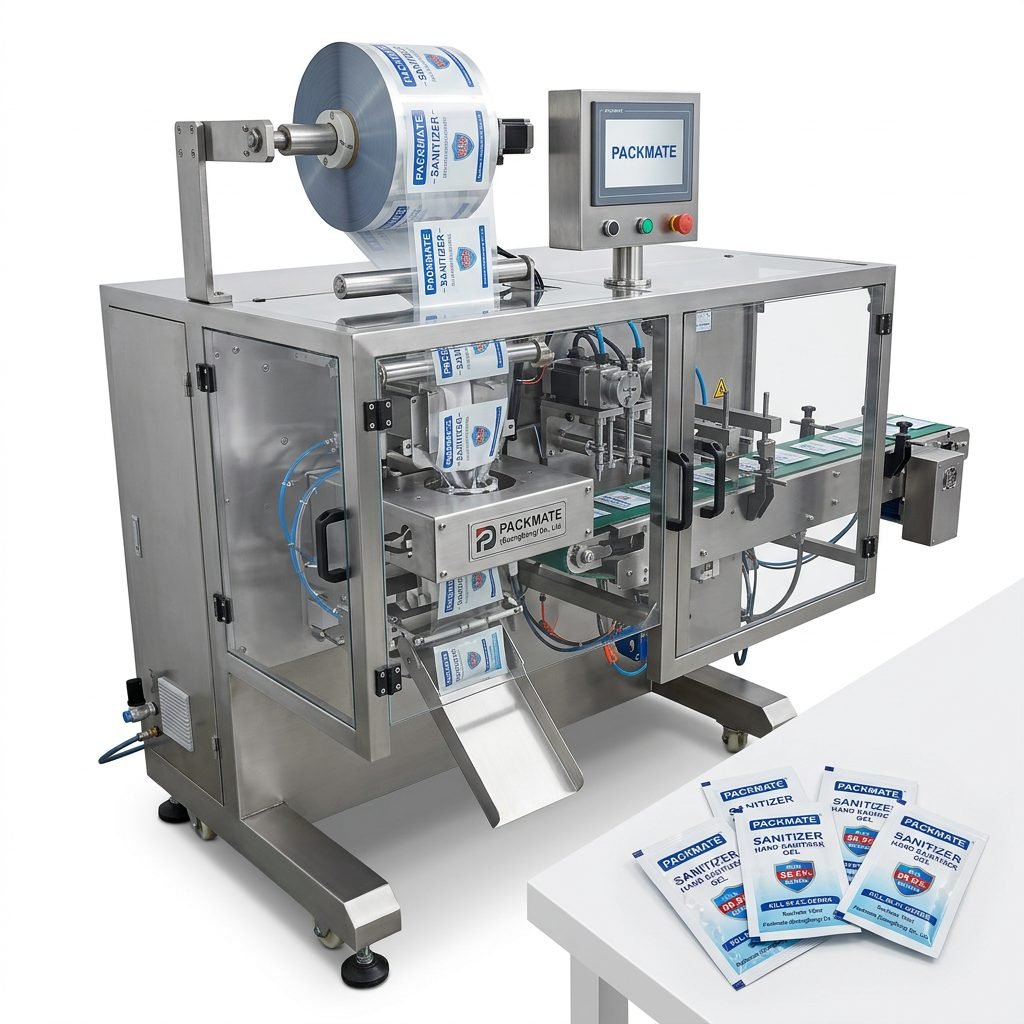
Liquid & Paste Filling Lines: Designed for sauces, oils, and dairy products, these systems offer precise volumetric or weight-based filling with zero-drip nozzles to maintain cleanliness.
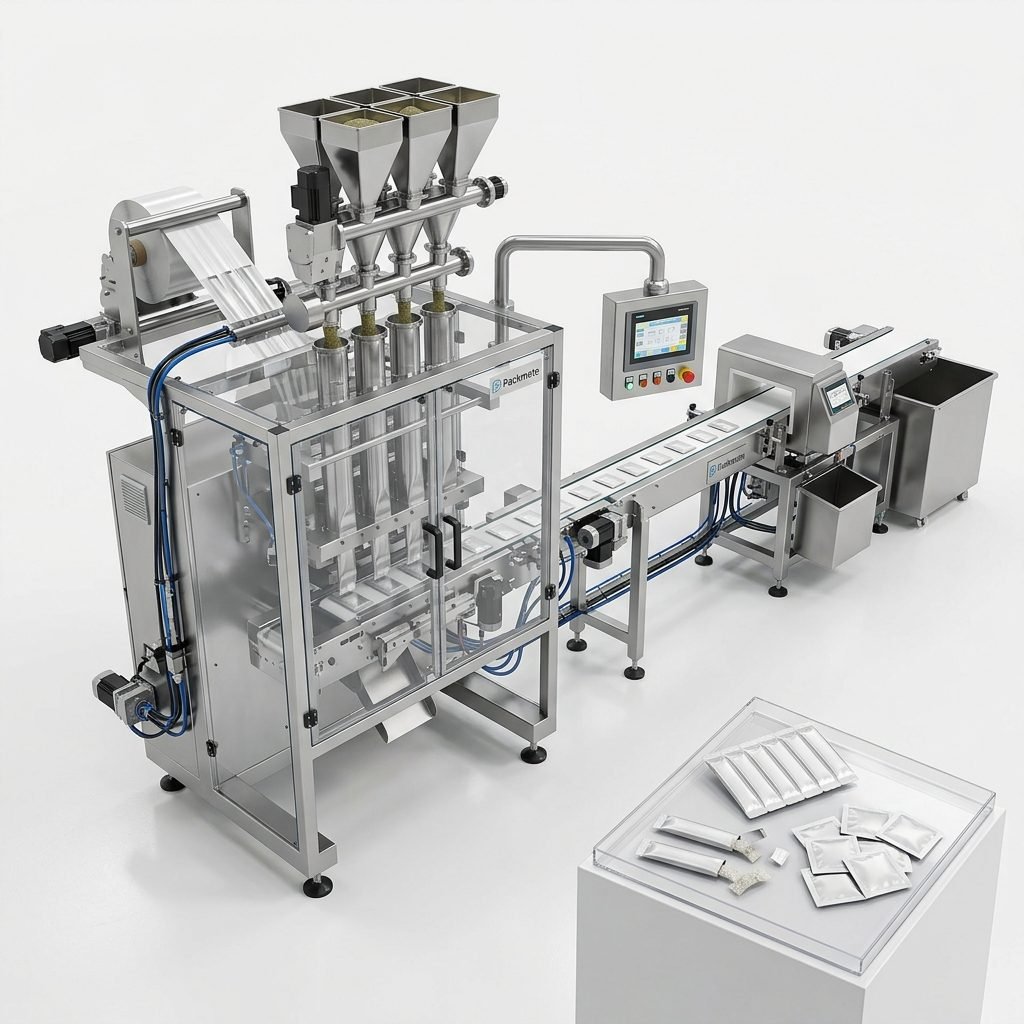
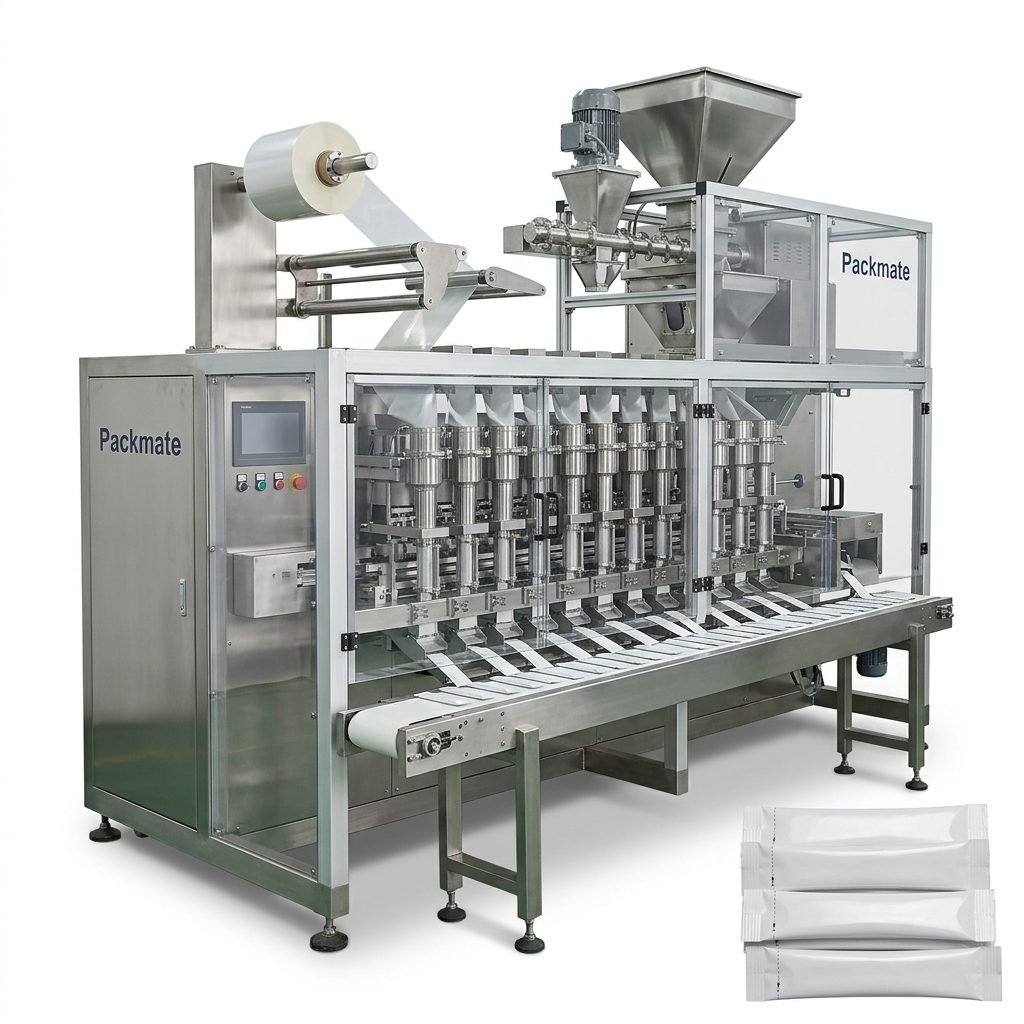
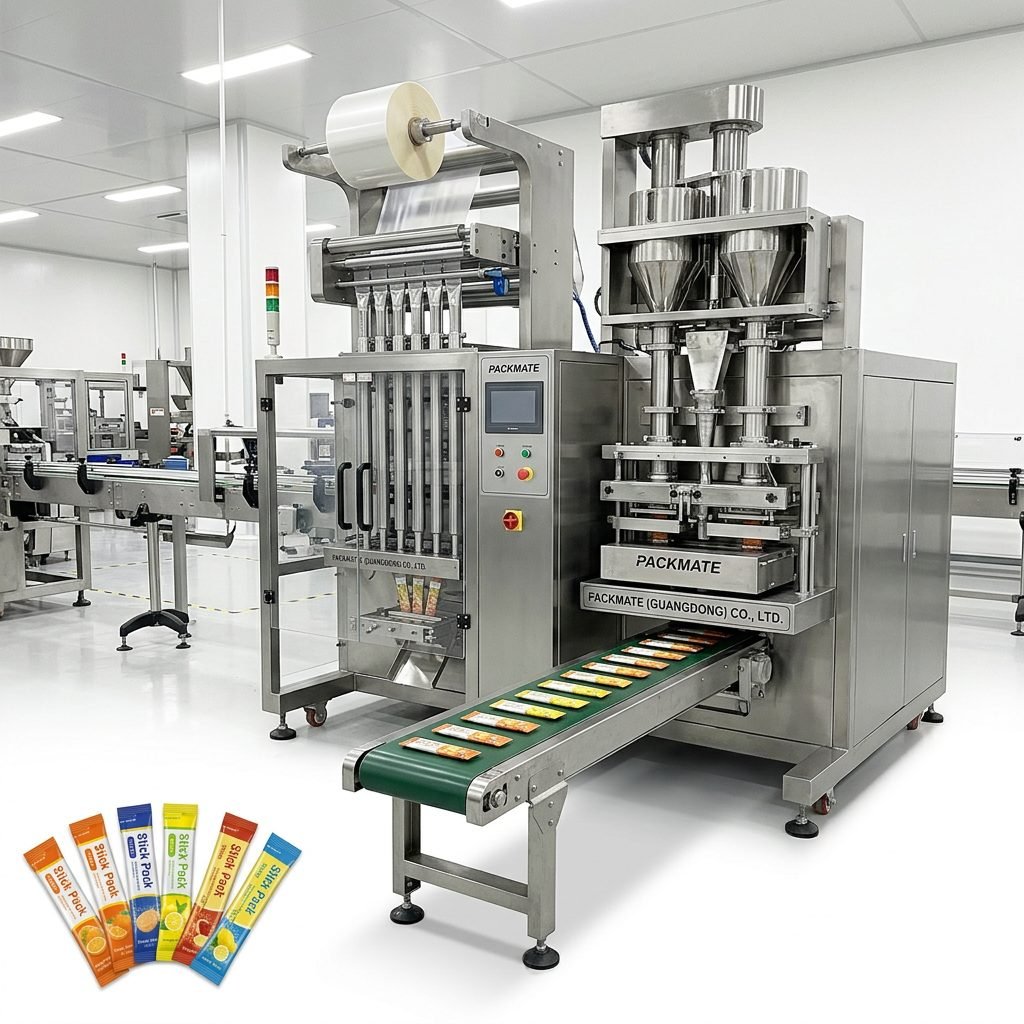
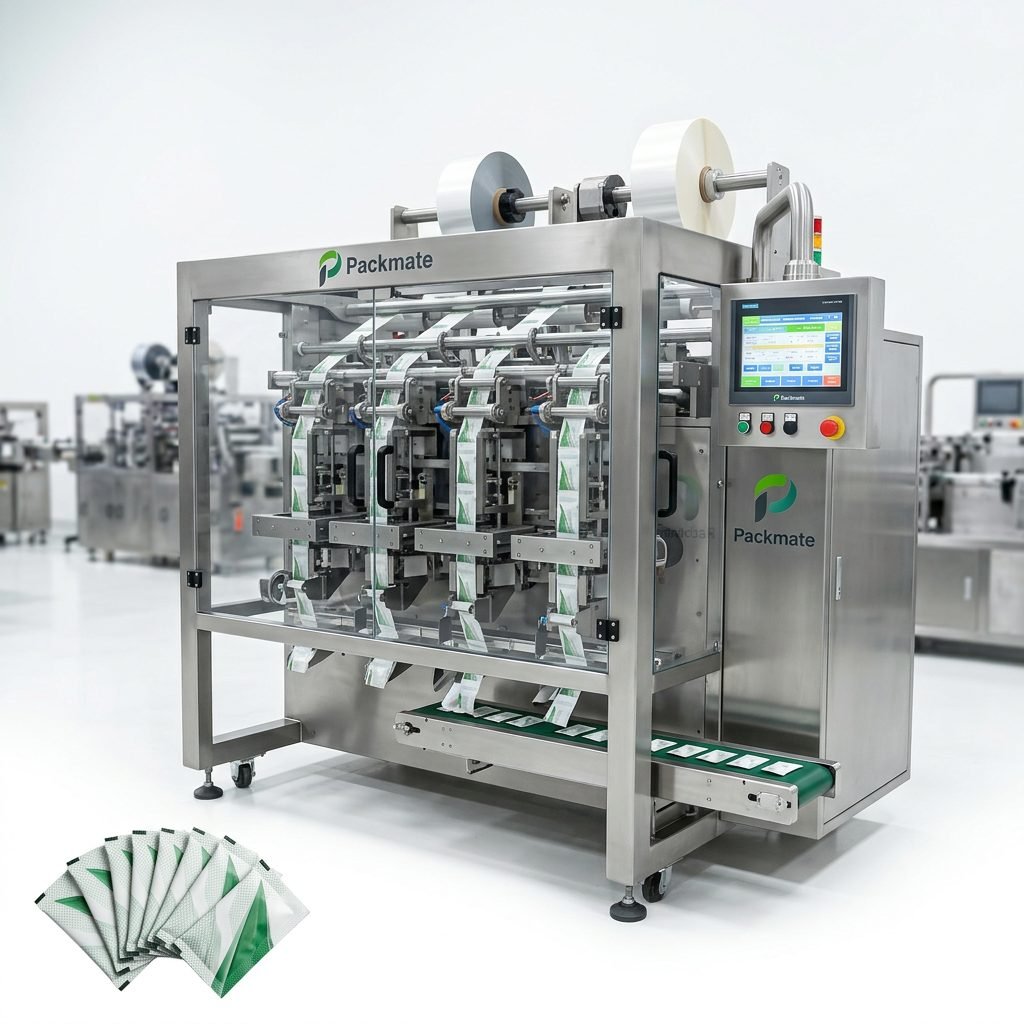
Multi-Lane Stick Pack & Sachet Machines: Perfect for single-serve portions of sugar, instant coffee, condiments, or drink mixes. They enable high-volume production of small, convenient packages.
Discover how these technologies are applied in real-world scenarios by exploring our detailed packaging case studies from food producers worldwide.
Precision Engineering for Pharmaceutical & Nutraceutical Products
In pharmaceutical and nutraceutical manufacturing, precision is not just about weight—it’s about patient safety and therapeutic efficacy. Packaging machinery for this sector must operate in controlled environments and adhere to the highest standards of accuracy and documentation.
Core requirements include:
- Containment Solutions: For potent or hazardous powders, ensuring operator safety through isolated handling systems.
- Ultra-High Accuracy Dosing: Micro-dosing capabilities for active pharmaceutical ingredients (APIs) and precise filling of capsules or blister packs.
- Integrity Testing: In-line leak detection and seal integrity verification for blister packs and pouches.
- Serialization & Aggregation: Equipment capable of applying unique serial codes to individual packages (as per DSCSA, FMD regulations) and aggregating them to cartons and pallets for full traceability.
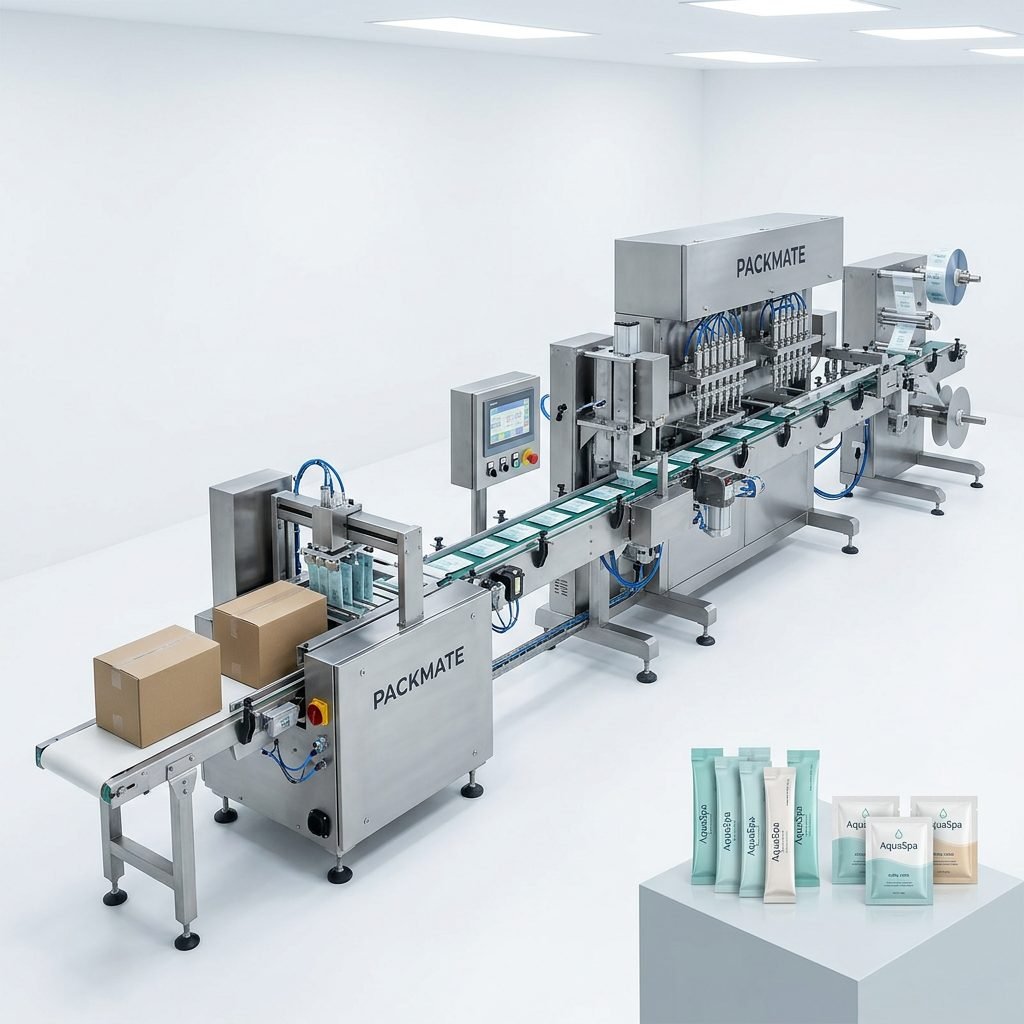
Leading providers like Packmate specialize in designing complete turnkey solutions that integrate these critical functions into a seamless, validated production line.
Meeting the Demands of Health & Wellness Products
The booming health products industry—encompassing protein powders, vitamins, herbal supplements, and meal replacements—requires packaging that protects sensitive ingredients from moisture and oxygen while offering consumer convenience. Automatic packaging solutions here often blend technology from both food and pharma:
→ Nitrogen Flushing & Modified Atmosphere Packaging (MAP): Integrated systems that displace oxygen inside the package to extend shelf life and preserve nutrient potency.
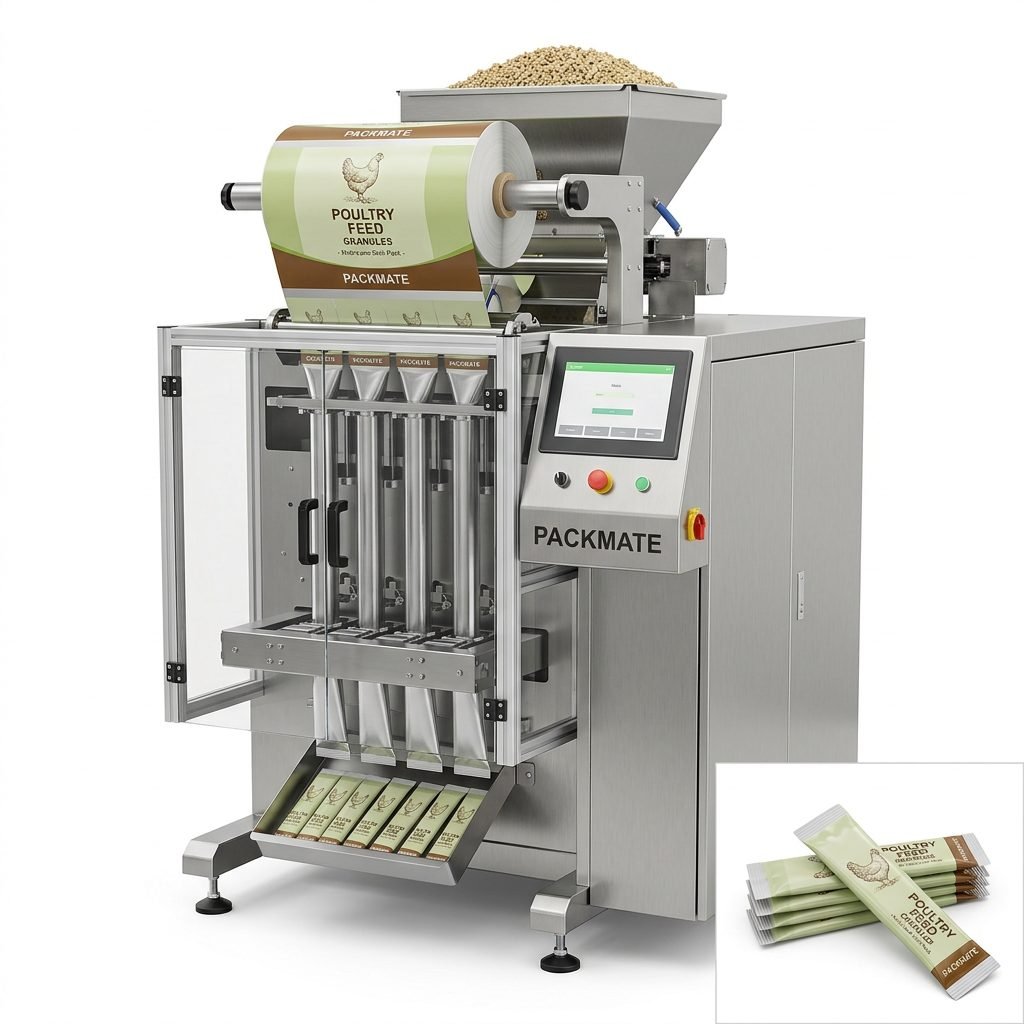
→ Versatile Stick & Pouch Packaging: For single-dose supplements or on-the-go nutrition, offering excellent barrier properties and easy tear-notches.
→ Tamper-Evident Features: Providing consumers with visible assurance of product safety, which is a key purchasing factor in the health sector.
Choosing the right machinery partner is crucial. A company with deep cross-industry experience, such as Packmate Packaging Line, can tailor a system that addresses the specific stability, dosing, and presentation needs of health products.
Key Considerations When Selecting Your Packaging Machinery Partner
Investing in an automatic packaging line is a major decision. Beyond the machine specifications, evaluating the supplier is critical for long-term success.
- Industry-Specific Expertise: Does the provider have proven experience in your specific sector (e.g., sterile pharma, hygroscopic food powders)?
- Solution Completeness: Can they deliver a true turnkey line, from initial design and machinery supply to installation, training, and after-sales support service?
- Compliance & Certification: Are their machines built to comply with relevant international standards (e.g., ISO, GMP, CE)? Request to view their machinery certifications.
- Scalability & Flexibility: Can the system adapt to future product changes, different package sizes, or increased production speeds?
- Global Support Network: For international operations, ensure the supplier can provide timely technical support and spare parts anywhere.
The Future: Smart, Connected Packaging Lines
The next wave of innovation lies in Industry 4.0 integration. Smart packaging machines are equipped with IoT sensors that monitor performance in real-time, predict maintenance needs, and optimize production schedules. Data analytics from the packaging line can provide insights into Overall Equipment Effectiveness (OEE), helping managers make data-driven decisions to further enhance productivity and reduce downtime.
Automatic packaging machinery is the backbone of efficient, safe, and compliant production for food, pharmaceutical, and health products. By automating this critical stage, manufacturers safeguard their product quality, protect their brand reputation, and secure their position in a competitive global market. The key to unlocking these benefits lies in partnering with an experienced, innovative, and reliable solutions provider who understands that packaging is more than just wrapping a product—it’s the final, vital step in delivering trust to the end consumer.
Frequently Asked Questions (FAQs)
1. What is the typical lead time for a custom automatic packaging line?
Lead times vary significantly based on complexity, from 3-6 months for standard configurations to over 12 months for highly customized, validated pharmaceutical lines. A detailed project assessment with your supplier will provide an accurate timeline.
2. How do automatic packaging machines ensure accurate filling for different product types (powder vs. liquid)?
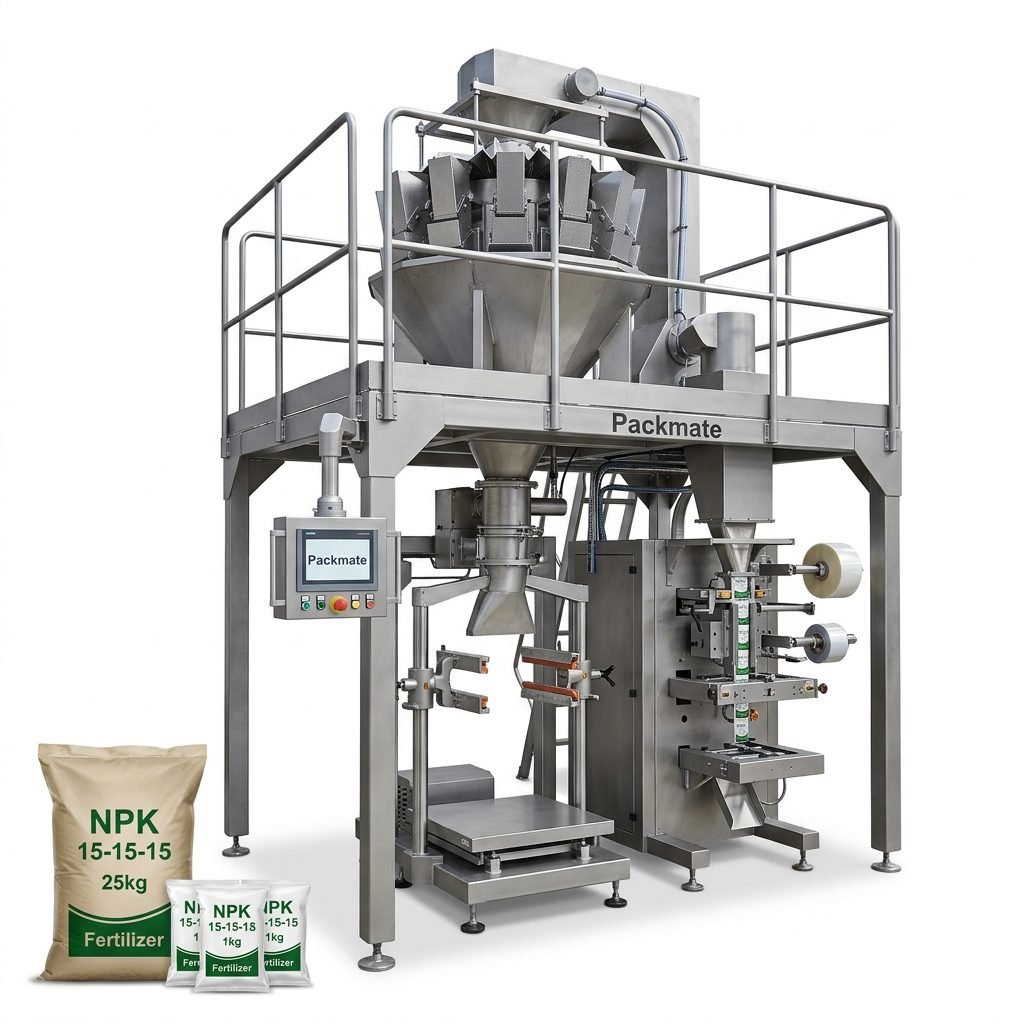
Different filling technologies are employed. Powders often use auger fillers with precise screw mechanisms, while liquids use volumetric piston fillers or advanced mass flow meters. Modern machines often feature multi-head weighers for the utmost accuracy with granular products.
3. Can one packaging line handle multiple different package sizes or formats?
Yes, many machines are designed with quick-changeover capabilities. Features like adjustable forming tubes, interchangeable sealing jaws, and programmable servo drives allow operators to switch between different bag sizes or pouch dimensions with minimal downtime.
4. What are the most important maintenance routines for automatic packaging machinery?
Daily cleaning, lubrication of moving parts as per the manual, and inspection of seals and wear parts are crucial. Regular preventive maintenance schedules, often supported by the supplier, should include deeper mechanical checks, calibration of weighing systems, and software updates.
5. How do I ensure the packaging machinery meets regulatory standards for my export market (e.g., USA FDA, EU)?
Work closely with your machinery supplier from the outset. Specify your target markets, and ensure the machine is constructed with compliant materials (e.g., FDA-grade stainless steel, food-safe lubricants). The supplier should provide documentation (Declarations of Conformity, material certificates) to support your regulatory submissions.