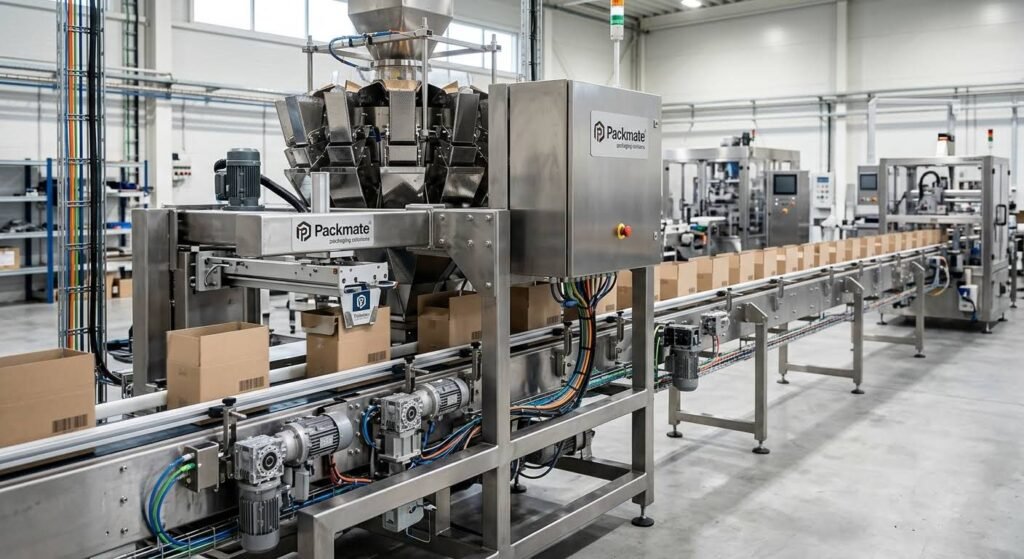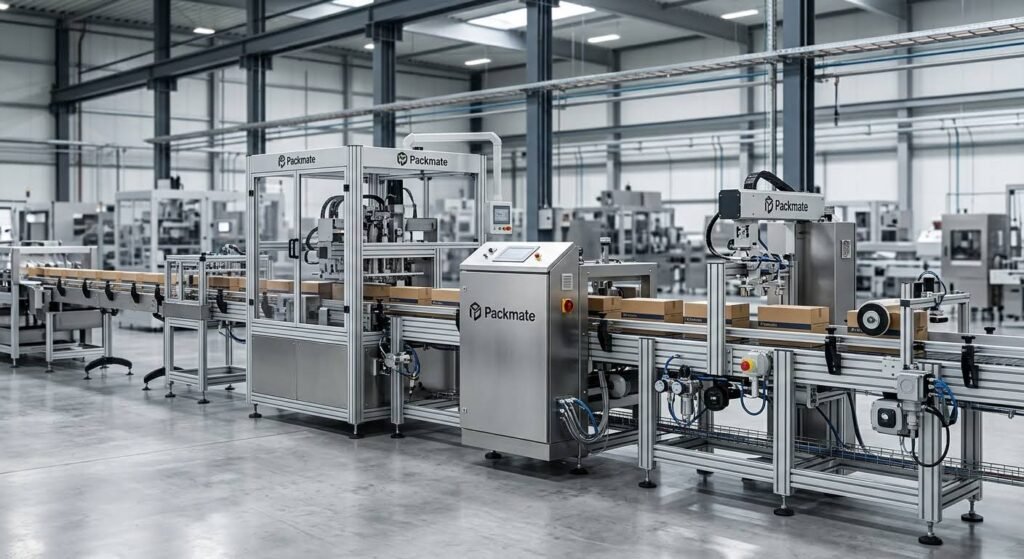
In the fast-paced world of manufacturing, efficiency, precision, and hygiene are non-negotiable, especially for industries like food, pharmaceuticals, and health products. The demand for high-speed, consistent, and contamination-free packaging has never been greater. This is where Automated Commercial Packaging Line Solutions become the cornerstone of modern production. These integrated systems are not just about placing products into containers; they represent a holistic approach to streamlining operations from filling and sealing to labeling and palletizing, ensuring products reach consumers safely and attractively.
The Critical Need for Automation in Sensitive Industries
The food, pharmaceutical, and health supplement sectors are governed by some of the most stringent regulations globally, such as FDA guidelines and GMP (Good Manufacturing Practices). Manual packaging processes are inherently vulnerable to human error, which can lead to inconsistent fill weights, seal integrity issues, and potential contamination. An automated line mitigates these risks dramatically. For instance, in pharmaceutical packaging, even a minute error in dosage or seal can have serious consequences. Automation ensures each unit is handled with robotic precision, maintaining sterility and accuracy from start to finish.
Key Advantage: Beyond error reduction, automation provides unparalleled traceability. Modern lines integrate with MES (Manufacturing Execution Systems), recording data for every single package produced. This is invaluable for quality control audits and swift, targeted recalls if necessary, protecting both consumer safety and brand reputation.
Core Components of a Turnkey Packaging Line
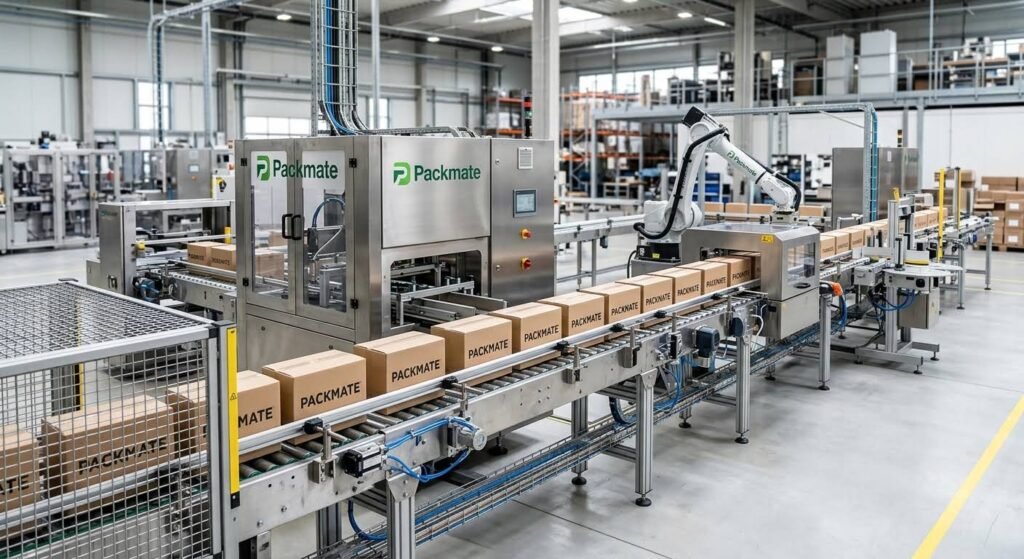
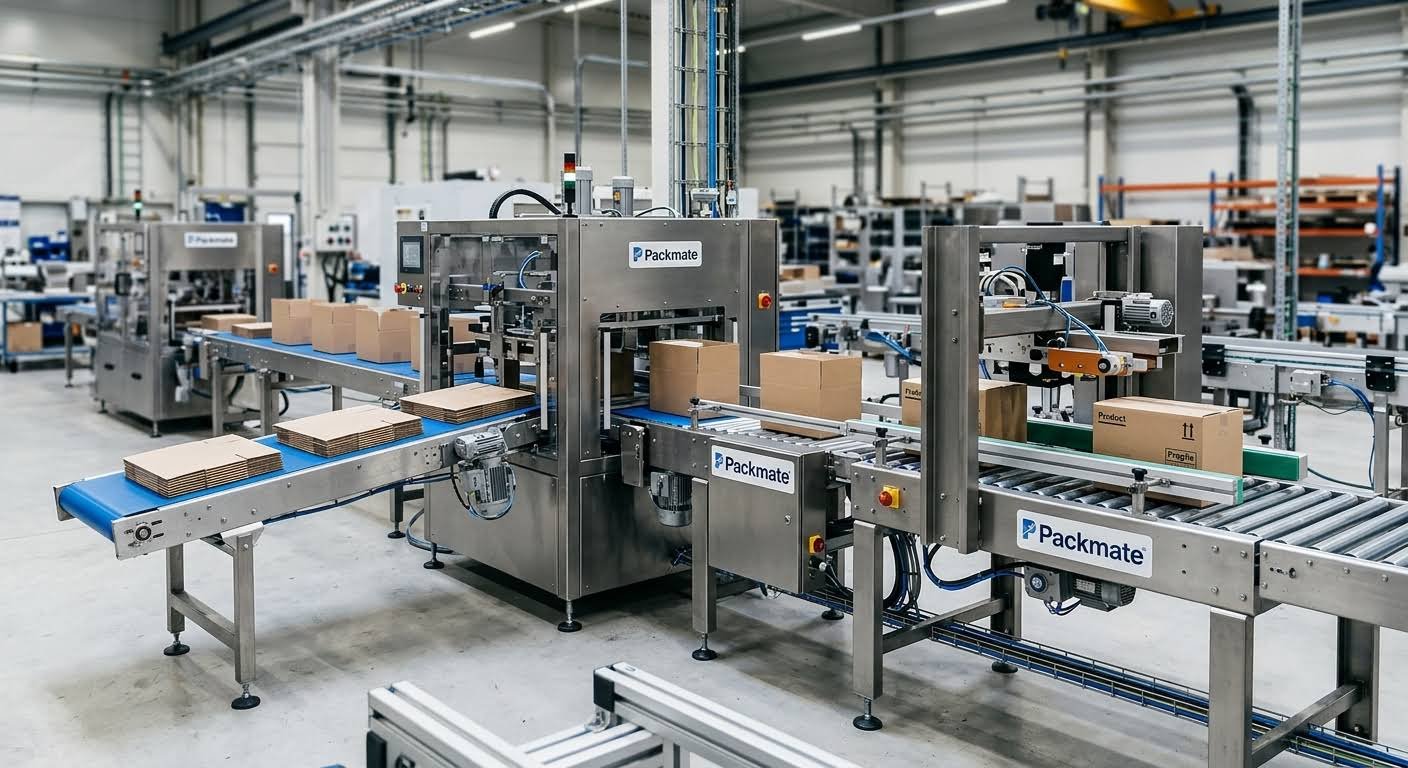
A complete, turnkey solution is more than a collection of machines. It’s a synchronized ecosystem. Leading providers like Packmate (GuangDong) Co., Ltd. design lines that seamlessly integrate several key components:
1. Feeding and Conveying Systems
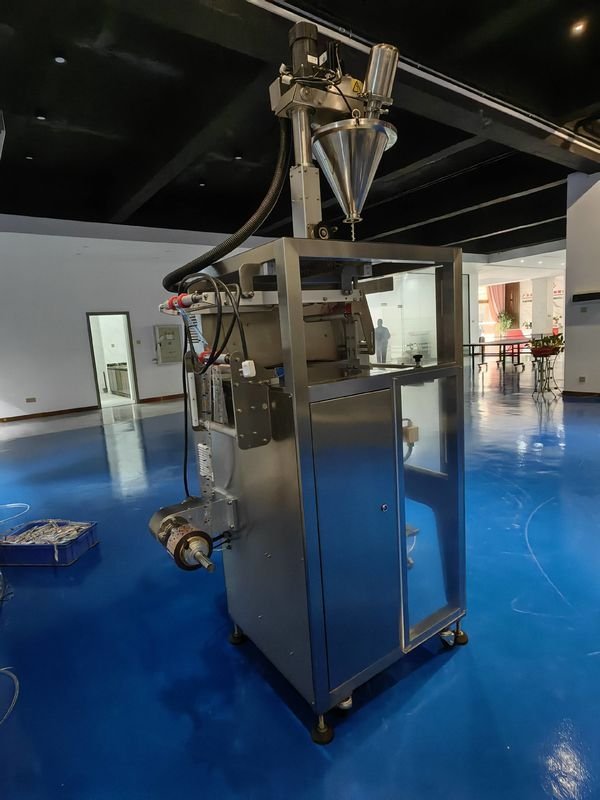
This is the starting point, where bulk product is reliably fed into the line. Systems are tailored to product characteristics—whether it’s delicate granules, fine powders, or viscous liquids—ensuring a consistent flow without degradation or blockage.
2. Primary Packaging Machines
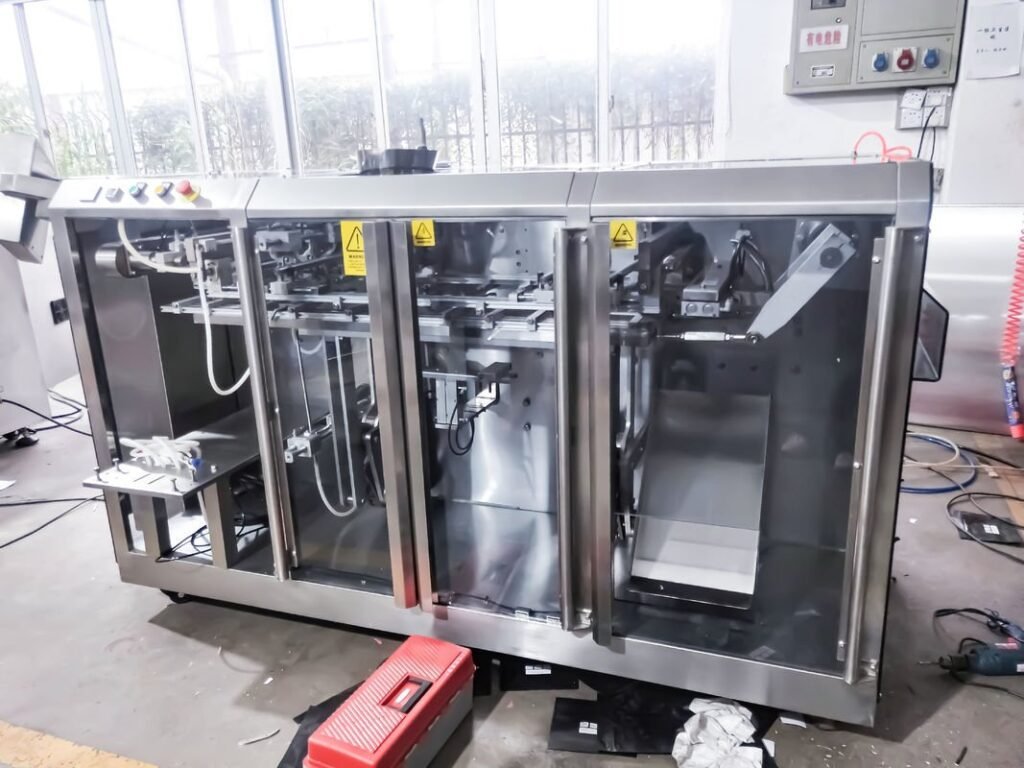
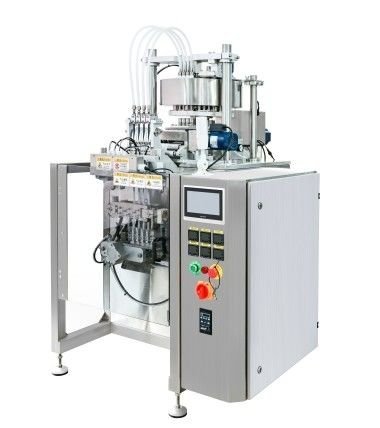
This is the heart of the line, where the product is metered and placed into its primary container (e.g., sachet, stick pack, bottle). Technologies like multi-lane vertical form-fill-seal (VFFS) machines enable incredibly high speeds for portions like sugar, instant coffee, or pharmaceutical powders.
3. Secondary Packaging and Robotics
Once primary packaging is complete, products are collated, cartoned, and case-packed. Robotic arms excel here, performing repetitive tasks like placing sachets into boxes or loading cases onto pallets with gentle, precise movements. You can explore various configurations in our detailed packaging solutions portfolio.
4. Inspection and Quality Control Checkpoints
Integrated vision systems, checkweighers, and metal detectors act as the line’s quality guardians. They automatically reject any package that fails to meet strict criteria for weight, fill level, seal quality, or foreign object contamination.
5. Control and HMI (Human-Machine Interface)
A centralized control panel allows operators to monitor and adjust the entire line’s parameters. Modern HMIs offer intuitive touchscreen controls, real-time diagnostics, and production data analytics.
Tailored Solutions for Each Industry Segment
While the core principles are similar, the application specifics vary significantly across industries. A one-size-fits-all approach does not work.
Food Industry Applications
Speed and flexibility are paramount. Lines must handle diverse products—from powdered milk and spices to liquid sauces and soups. Packaging formats are also varied, including stick packs for on-the-go beverages, stand-up pouches for snacks, and large bags for bulk ingredients. Hygiene is critical, with designs facilitating easy cleaning (CIP – Clean-in-Place) to prevent cross-contamination and meet food safety standards like HACCP.
Pharmaceutical & Health Product Applications
Here, precision and compliance take center stage. Packaging lines for tablets, capsules, and powders must operate in controlled environments, often with integrated dust extraction. The ability to handle blister packs, small sachets for unit-dose medications, and tamper-evident seals is essential. For health supplements like protein powders or vitamins, lines must ensure precise fill weights and often incorporate nitrogen flushing to extend shelf life by displacing oxygen. The reliability of such systems is showcased in our real-world project case studies.
The Strategic Benefits: Beyond Labor Savings
Investing in an automated packaging line delivers a compelling ROI that extends far beyond reducing the number of workers on the floor.
➤ Enhanced Productivity & Output: Automated lines run 24/7 with minimal downtime, dramatically increasing production capacity and throughput.
➤ Superior Product Consistency & Quality: Every package is identical, enhancing brand perception and reducing customer complaints.
➤ Significant Material Savings: Precise filling reduces product giveaway, and accurate sealing minimizes packaging material waste.
➤ Improved Workplace Safety: Automating repetitive and potentially hazardous tasks reduces the risk of worker injury.
➤ Scalability for Future Growth: Modular systems can be upgraded or reconfigured to accommodate new products, formats, or higher speeds as business needs evolve.
Implementing Your Automated Line: A Partnership Approach
Successful implementation requires more than just purchasing equipment. It demands a partnership with a provider who understands your entire workflow. A reputable supplier will conduct a thorough analysis of your products, required outputs, and facility constraints. They will design a layout, supply all compatible machinery, oversee installation and commissioning, and provide comprehensive training and after-sales support.
Companies with deep expertise, such as Packmate, leverage their 22+ years of experience and 20,000㎡ modern facility to build reliability into every line. From the initial concept discussed on our homepage to the final handover, the focus is on delivering a turnkey solution that becomes a dependable asset for your production for years to come.
Conclusion: The Future is Integrated and Intelligent
Automated commercial packaging lines are no longer a luxury but a necessity for competitive, compliant, and scalable manufacturing in the food, pharmaceutical, and health sectors. They transform packaging from a cost center into a strategic advantage, ensuring quality, safety, and efficiency. As technology advances, these lines are becoming smarter, integrating with Industry 4.0 frameworks for predictive maintenance and deeper data analytics, paving the way for the fully connected, agile factory of the future.
Frequently Asked Questions (FAQs)
1. What is the typical lead time for a complete turnkey packaging line?
Lead time varies significantly based on line complexity, customization, and machine availability. A standard, pre-configured line might take 3-4 months, while a highly customized solution for a novel product could require 6-9 months from design to delivery. A detailed project timeline is always provided after the initial consultation and scoping phase.
2. How do you ensure the line will work with our specific product (e.g., a sticky powder or abrasive granule)?
Reputable suppliers conduct product tests in their application labs. You would send a sample of your product, and engineers would run trials on different machine configurations (hopper designs, auger types, film materials) to determine the optimal solution. This empirical testing is crucial to guaranteeing performance before the line is built.
3. What kind of training and technical support is provided after installation?
Comprehensive training for your operators, mechanics, and electricians is a standard part of commissioning. This covers daily operation, routine maintenance, troubleshooting, and safety procedures. Support typically includes a warranty period, access to spare parts, and remote/on-site technical assistance. Many providers also offer service contracts for ongoing support.
4. Can an automated line handle frequent product changeovers?
Yes, modern lines are designed for flexibility. Features like quick-change parts, recipe storage on the HMI, and tool-less adjustments significantly reduce changeover time from hours to minutes. The degree of flexibility should be discussed during the design phase to match your production schedule needs.
5. How do I justify the capital investment in an automated line?
The justification is built on Total Cost of Ownership (TCO) and Return on Investment (ROI) analysis. Key factors include labor savings, increased output and revenue, reduced product and material waste, lower costs from quality rejects/recalls, and improved operational safety. A detailed ROI projection is often provided by the supplier based on your current operational data.