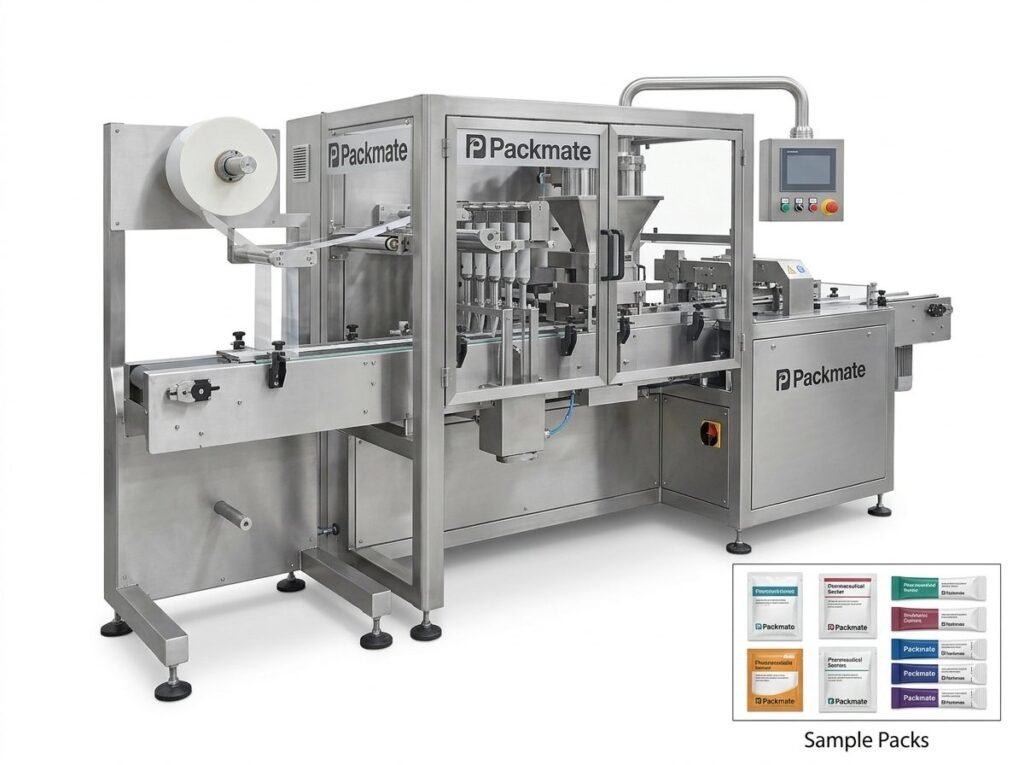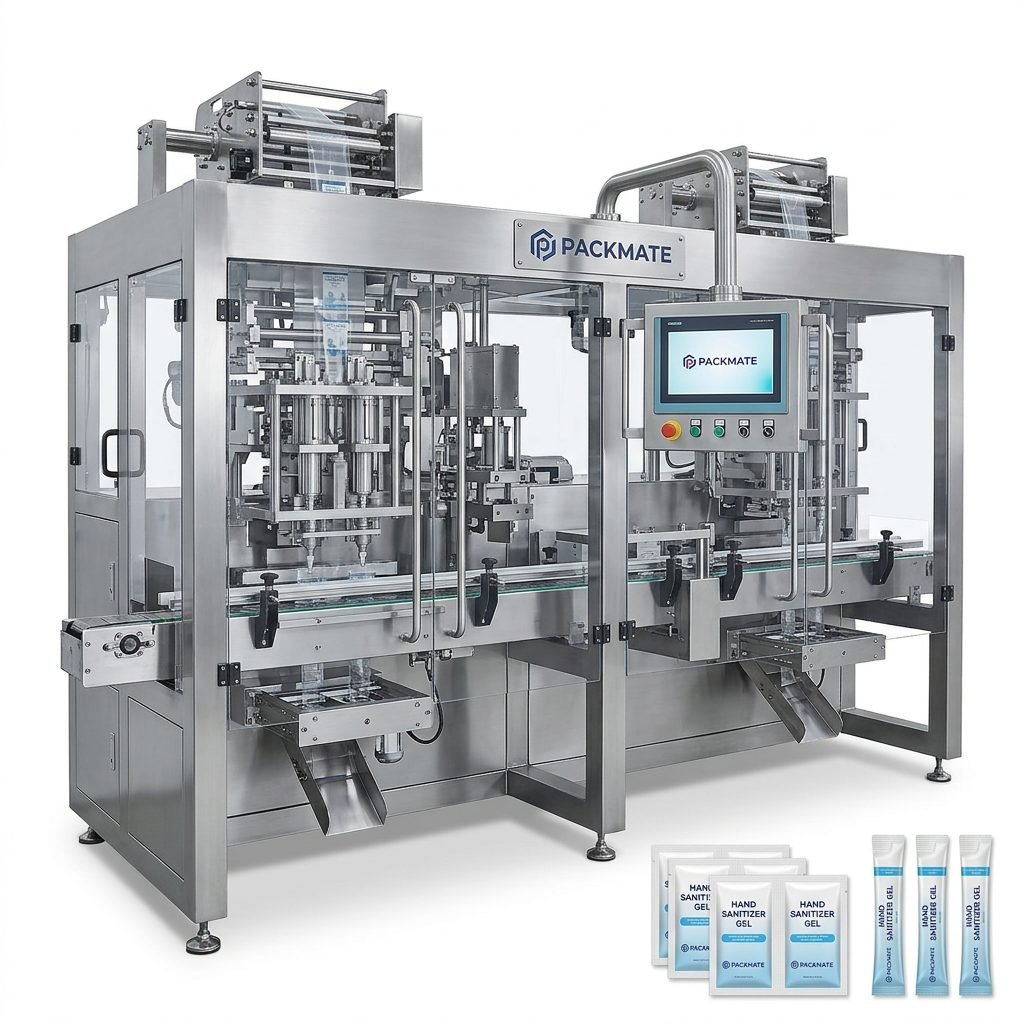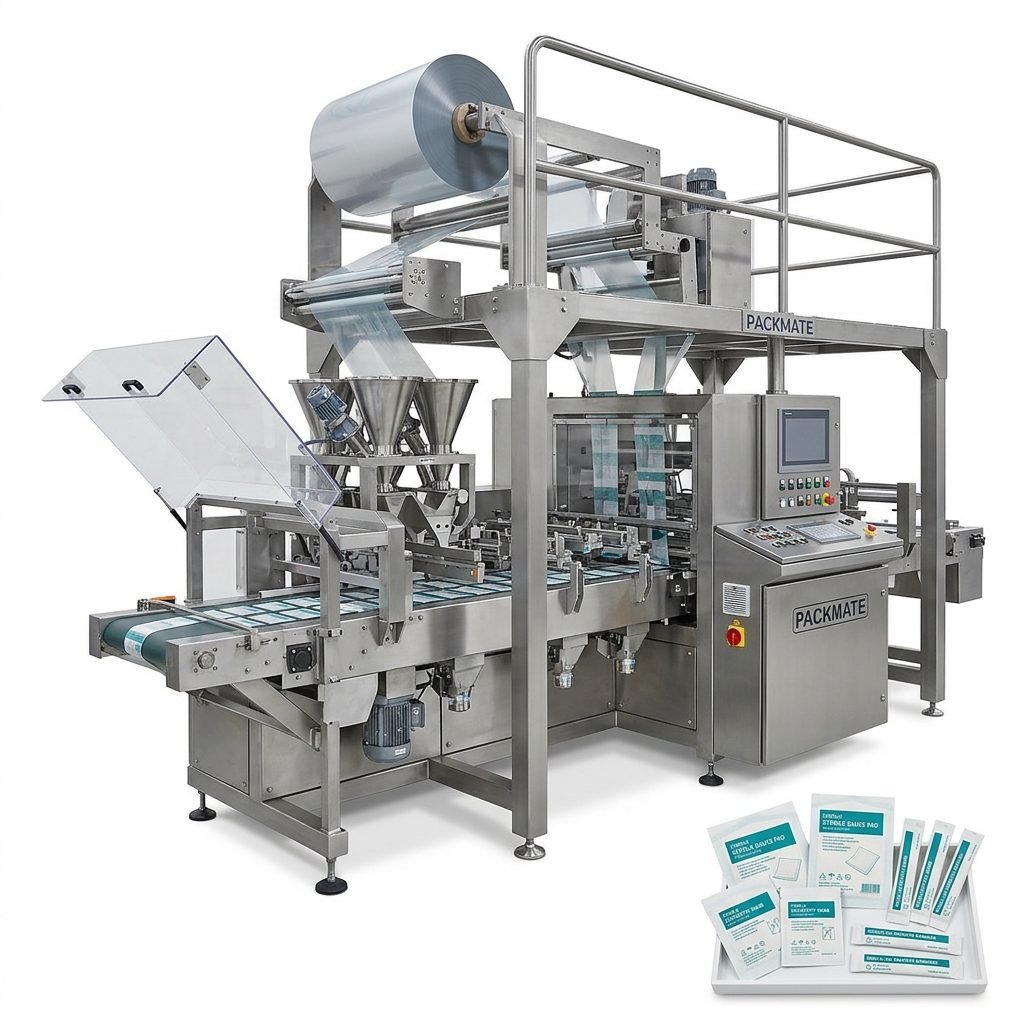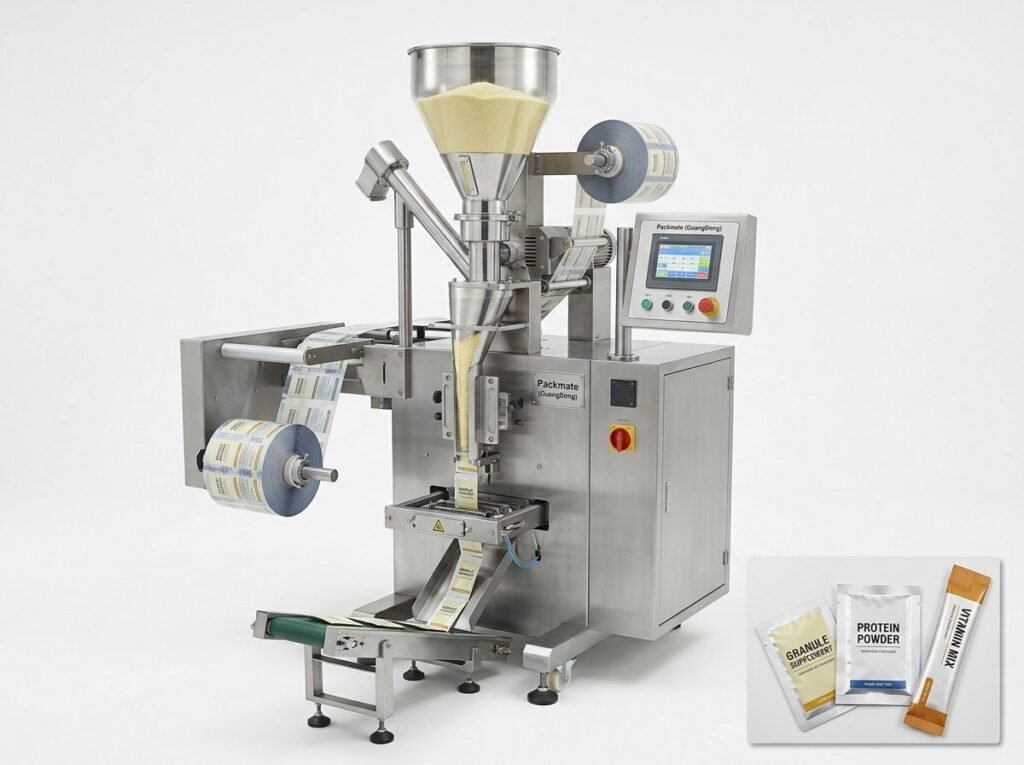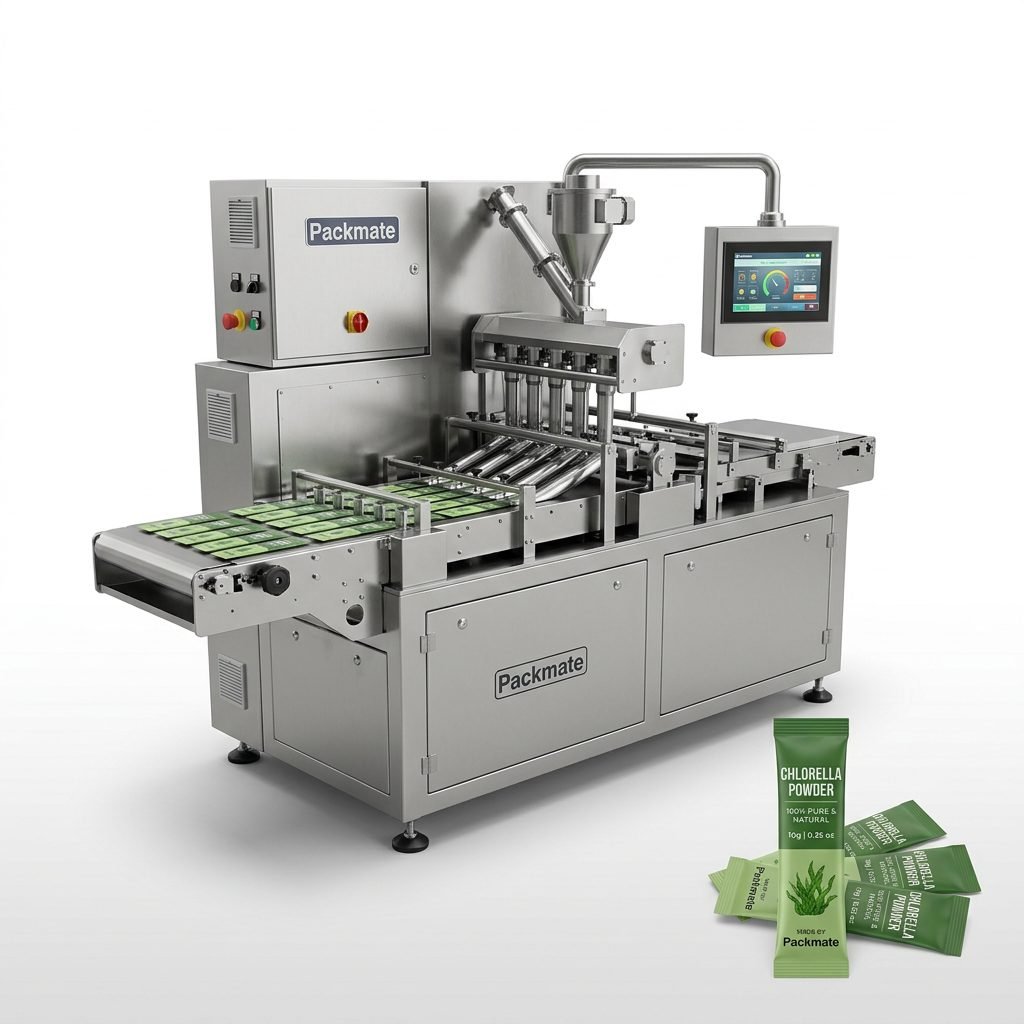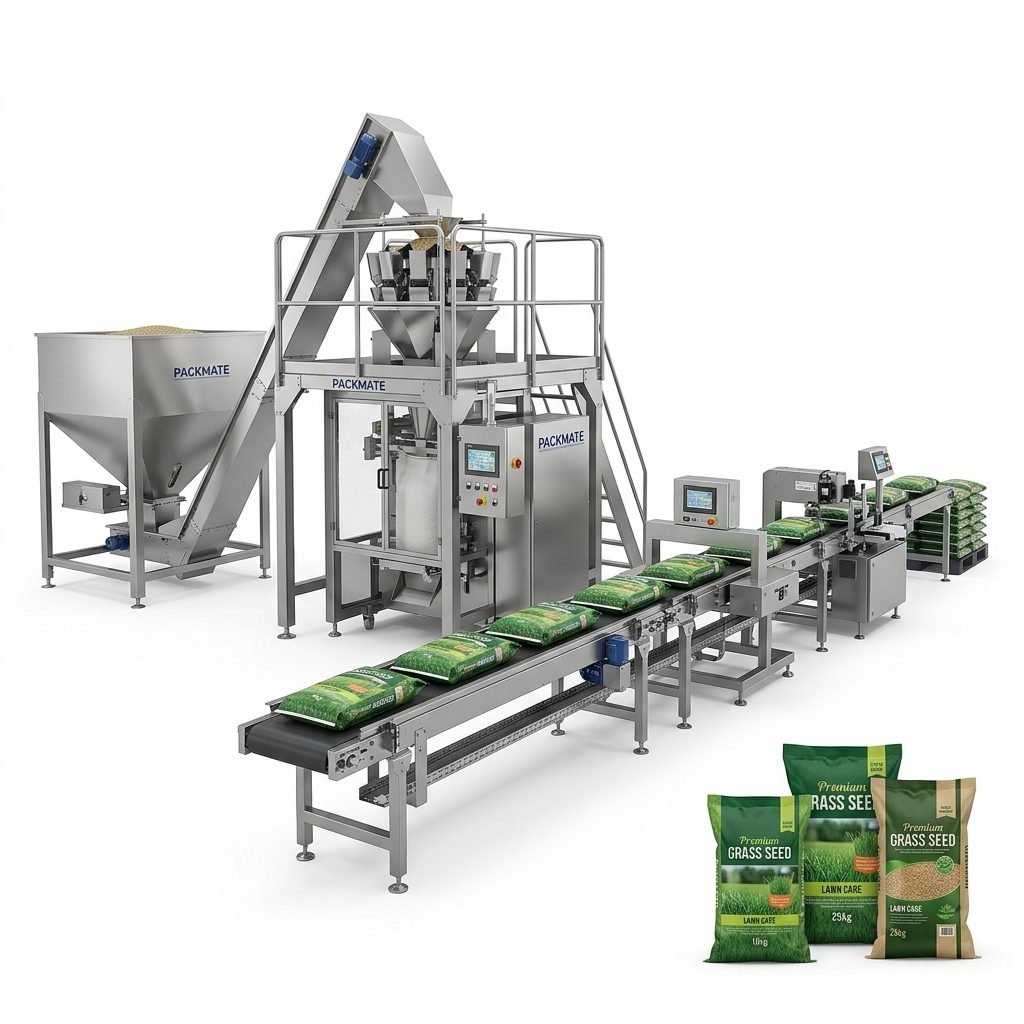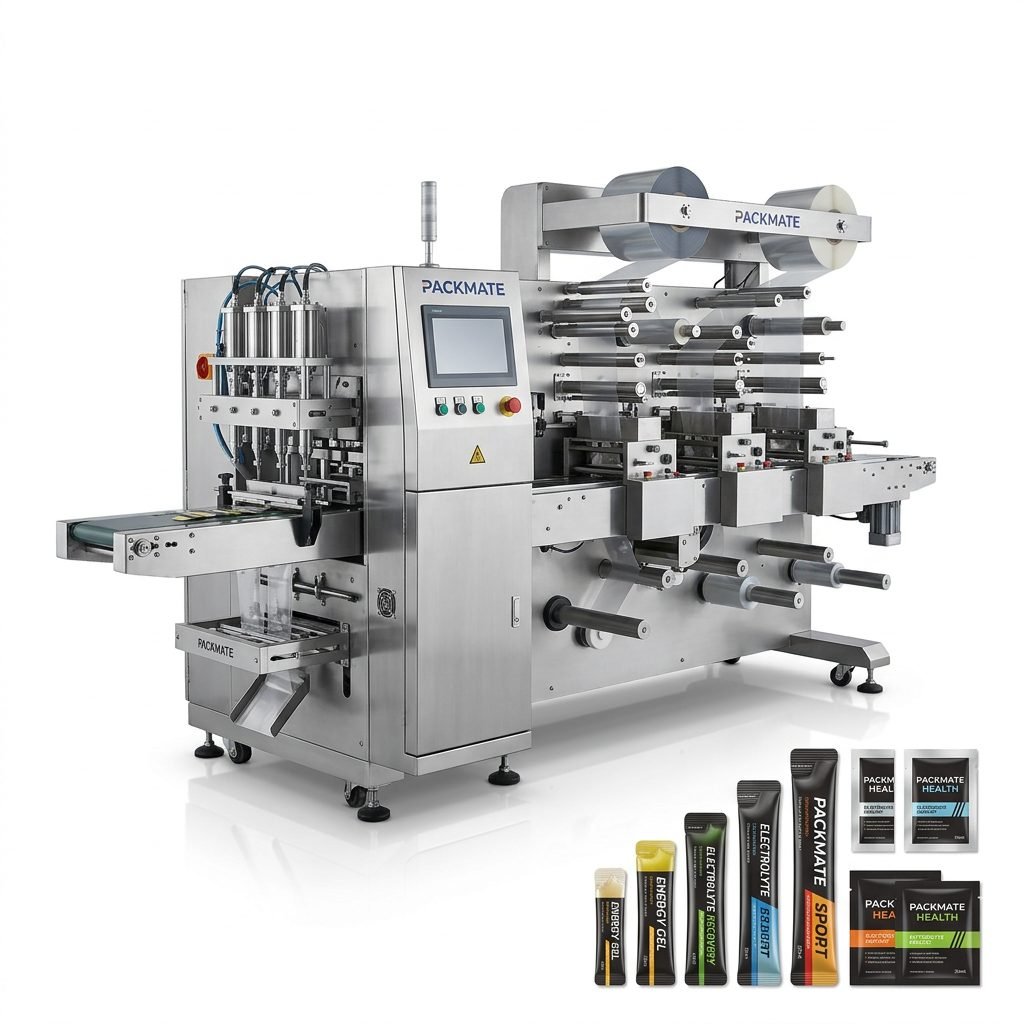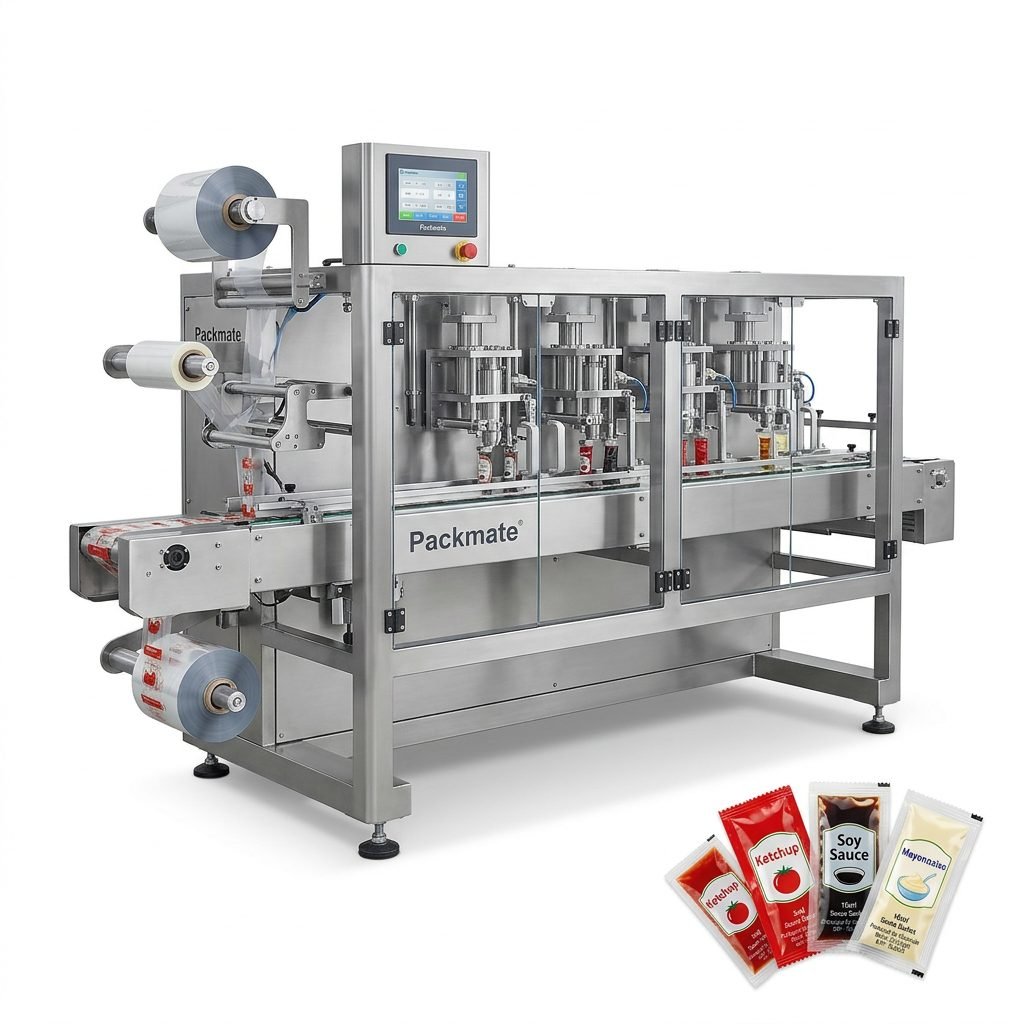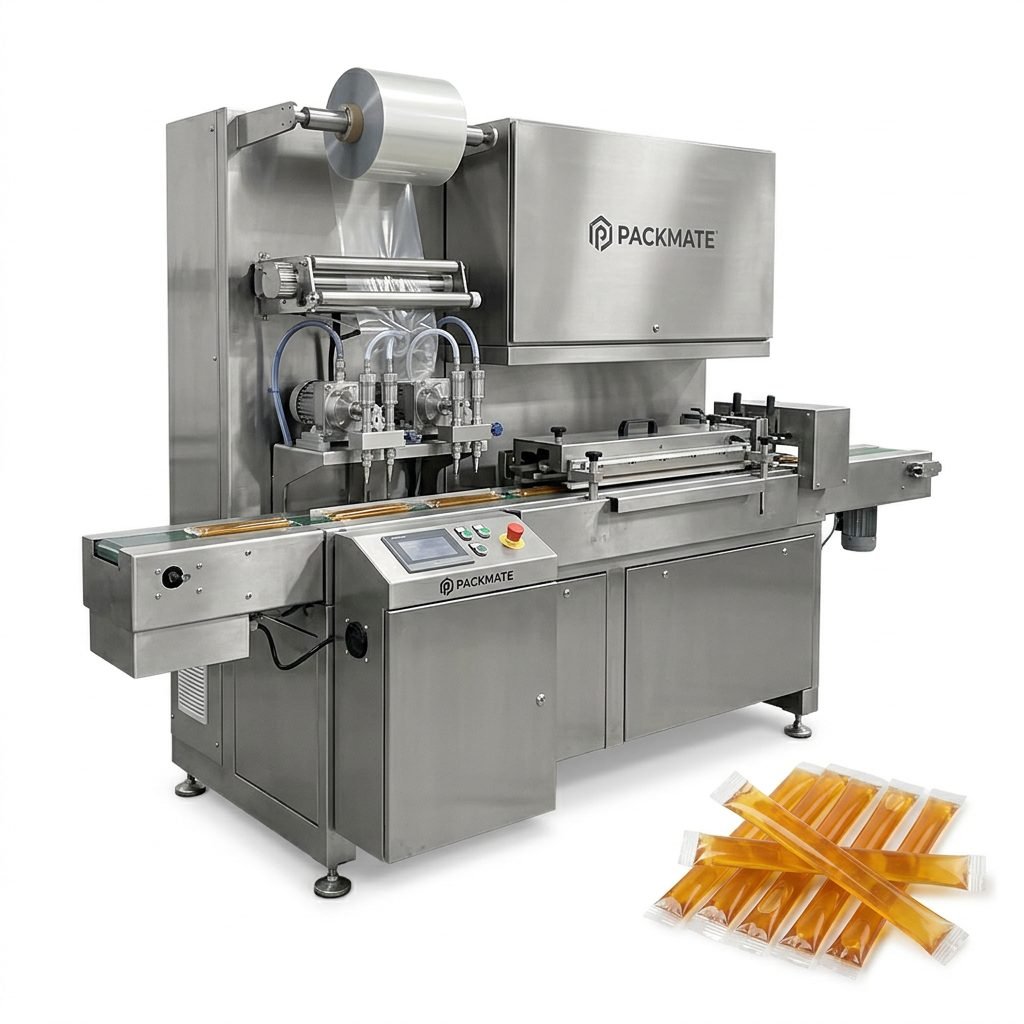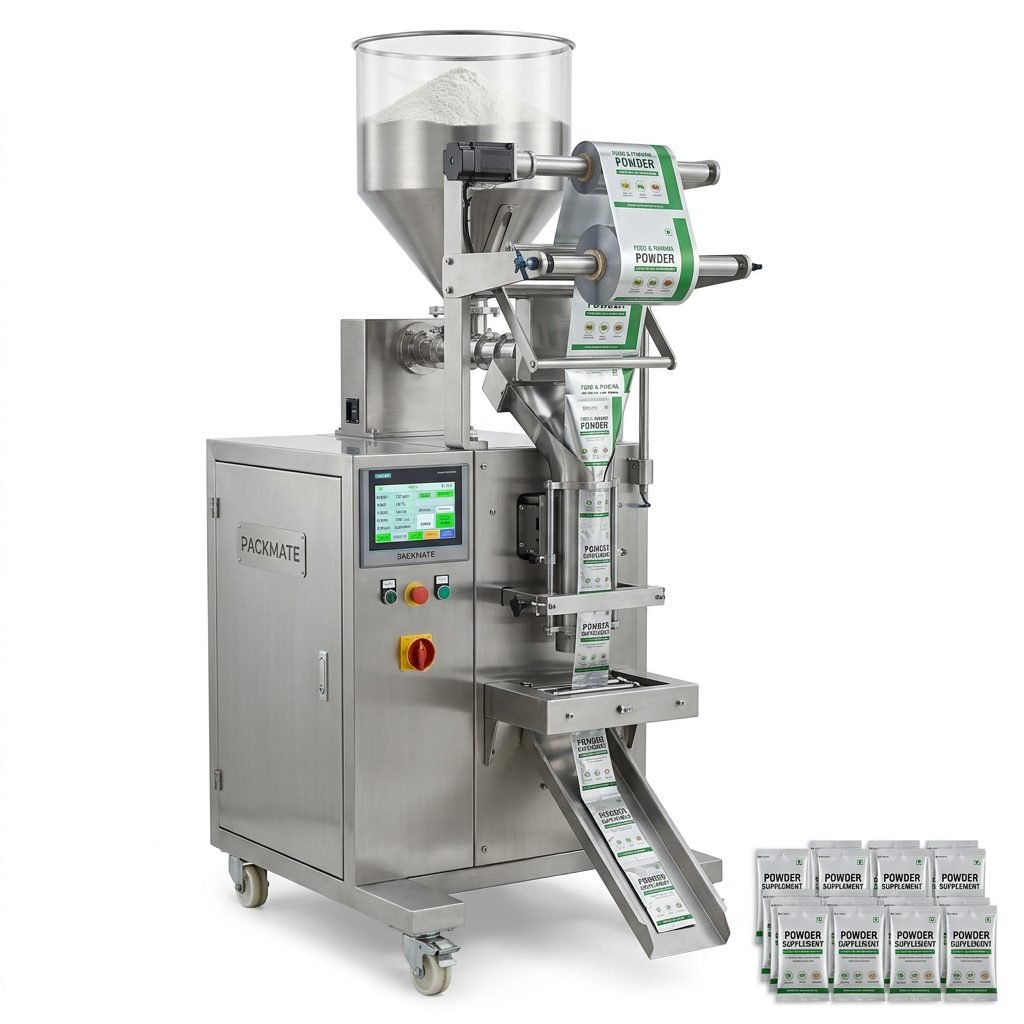
In the dynamic and highly regulated worlds of food, pharmaceuticals, and health products, packaging is far more than a final step—it’s a critical component of product integrity, safety, and market success. The evolution from manual, inconsistent processes to intelligent filling systems represents a paradigm shift. These advanced solutions are engineered to meet the stringent demands of accuracy, hygiene, and efficiency, ensuring that every sachet, stick pack, or large-volume bag meets the highest standards from production line to consumer.
Core Insight: An intelligent filling system integrates precision dosing, real-time data monitoring, and automated adjustment capabilities. It’s the brain of the modern packaging line, transforming raw materials into perfectly sealed, consistently dosed, and traceable final products.
The Pillars of Intelligent Packaging for Critical Industries
The requirements for packaging food, pharmaceuticals, and health supplements, while sharing common ground, each have unique imperatives that intelligent systems are designed to address.
1. Pharmaceutical-Grade Precision & Compliance
In pharmaceuticals, the margin for error is zero. Intelligent filling systems for this sector are built with unparalleled precision to handle potent active ingredients and sensitive compounds. They are designed for easy validation and cleaning (CIP/SIP systems) to prevent cross-contamination. Crucially, they support full traceability, with data logging for every batch to comply with stringent regulations like FDA 21 CFR Part 11 and EU GMP. This ensures not just product safety but also simplifies audit processes for global market access.
2. Food Safety and Preservation Integrity
For the food industry, packaging protects against spoilage, contamination, and preserves freshness. Intelligent systems go beyond simple filling; they often integrate with modified atmosphere packaging (MAP) technology to displace oxygen with inert gases, significantly extending shelf life. Accuracy in filling prevents give-away (overfilling) and protects brand reputation by ensuring every package contains the exact promised weight or volume. Systems handling powders, like milk powder or protein supplements, utilize advanced auger or weigh-cell technology to combat dust and ensure perfect seals.
3. Adaptability for Health & Nutraceutical Products
The health products market is characterized by diverse product forms—fine powders, viscous liquids, granules, and tablets. An intelligent system’s versatility is key. It must seamlessly switch between different product types with quick changeover parts and programmable recipes. For instance, a line can be configured to produce single-serving stick packs of electrolyte powder in the morning and switch to filling bottles with omega-3 oil capsules in the afternoon, all while maintaining the highest accuracy and minimizing waste.
Key Technologies Powering Modern Filling Solutions
The intelligence in these systems stems from a convergence of mechanical engineering and digital innovation.
🔹 Precision Dosing Mechanisms
- Volumetric Cup Fillers: Ideal for uniform granules and chips.
- Auger Fillers: The gold standard for powders, offering excellent accuracy through controlled screw rotation.
- Liquid Piston & Pump Fillers: Provide clean, drip-free filling for oils, sauces, and syrups.
- Net Weight Scales: Use highly sensitive load cells for ultimate accuracy, often used as a check for other filling methods.
Integrated Vision Inspection Systems
No intelligent line is complete without eyes. High-resolution cameras inspect every package for fill level, seal integrity, correct labeling, and the presence of foreign objects. Rejects are automatically removed from the line, ensuring only flawless products proceed to secondary packaging solutions.
IoT and Industry 4.0 Connectivity
The true “intelligence” is unlocked through connectivity. Modern systems feature PLCs and HMIs that collect real-time data on OEE (Overall Equipment Effectiveness), production speed, downtime causes, and material usage. This data can be accessed remotely for monitoring and analysis, enabling predictive maintenance to prevent unplanned stops and facilitating seamless integration into a smart factory ecosystem. You can see how this translates into real-world efficiency in our detailed project case studies.
Implementing a Turnkey Intelligent Packaging Line
Adopting such a system is a significant investment. A successful implementation, like those provided by experienced partners, follows a structured path.
Phase 1: Comprehensive Needs Analysis
This initial consultation is vital. Engineers assess the product characteristics (flowability, hygroscopicity, abrasiveness), required output (packs per minute), available floor space, and compliance needs. This phase determines the optimal machine configuration.
Phase 2: Design & Simulation
Using 3D CAD models, the entire line is designed and simulated. This virtual prototyping identifies potential bottlenecks in material flow or ergonomics before any metal is cut, saving time and cost.
Phase 3: Factory Acceptance Testing (FAT)
Before shipment, the client is invited to the manufacturer’s facility to witness the complete line running with their actual or representative product. This is the time to verify performance metrics and request adjustments.
Phase 4: Installation, Qualification & Training
Expert technicians install and commission the line on-site. They then execute Installation Qualification (IQ) and Operational Qualification (OQ) protocols. Comprehensive training for operators and maintenance staff is conducted to ensure smooth handover and long-term operational success.
💡 The Packmate Advantage: From Concept to Production
With over 22+ years of company development and a 20,000㎡ modern manufacturing facility, Packmate embodies this turnkey philosophy. Our team of 125+ professional members doesn’t just sell machines; we deliver complete, reliable production ecosystems. From the initial granules or powder to the final palletized boxes, we engineer every component—from the intelligent filler to the cartoner—to work in perfect harmony. Our history of innovation, detailed in our Company Profile, is built on solving complex packaging challenges for global clients.
Future Trends: Where Intelligent Filling is Headed
The journey of innovation continues. The next wave of intelligent systems will feature even greater autonomy through AI-driven optimization of filling parameters in real-time and advanced robotics for flexible pack handling. Sustainability will be a core driver, with systems optimized to use minimal packaging material and energy without compromising speed or protection.
Ultimately, investing in an intelligent filling system is an investment in brand equity, regulatory compliance, and operational excellence. It transforms packaging from a cost center into a strategic asset that ensures product quality, maximizes efficiency, and builds consumer trust in every single package delivered to the market.
Frequently Asked Questions (FAQs)
1. What is the typical accuracy range of an intelligent powder filling system?
High-end intelligent auger fillers can achieve remarkable accuracy, typically within ±0.5% to ±1% of the target fill weight for most free-flowing powders. For ultra-critical applications, net weight checkweighers can provide even tighter control. The exact accuracy depends on the product characteristics and the chosen dosing technology.
2. How long does it take to changeover an intelligent line for a different product?
Changeover time varies greatly. Modern systems designed for flexibility can switch between similar products (e.g., different flavors of the same powder) in 15-30 minutes using quick-release parts and stored digital recipes. A complete changeover to a vastly different product form may take several hours. The goal of intelligent design is to minimize this downtime through modular components and intuitive controls.
3. Can these systems handle small batch production runs economically?
Yes, absolutely. The flexibility and quick changeover capabilities of intelligent systems make them suitable for small batches. The reduced waste from precise filling, lower labor requirements due to automation, and faster time-to-market often provide a compelling ROI even for shorter runs, especially in high-value sectors like pharmaceuticals and premium supplements.
4. What kind of after-sales support and service should we expect?
Comprehensive support is crucial. Expect a package including detailed documentation, on-site training, remote technical support via phone or video, and access to a supply of genuine spare parts. Leading providers like Packmate offer global service networks and planned maintenance contracts to ensure maximum uptime and longevity of your investment. Explore our commitment to client success on our dedicated service page.
5. How do intelligent systems help with regulatory compliance and auditing?
They are indispensable tools. They provide electronic batch records, user access logs with audit trails, and validated processes for cleaning and operation. All production data is securely stored and easily retrievable for regulatory audits, significantly simplifying compliance with FDA, EMA, and other international standards.