In the competitive world of detergent manufacturing, efficiency, precision, and hygiene are non-negotiable. A reliable detergent packaging line is the backbone of a successful operation, transforming bulk powder and liquid products into market-ready packages with speed and consistency. This article delves into the world of complete automatic filling and packing systems, exploring the technologies, benefits, and critical considerations for choosing the right solution for your production needs.
The Evolution of Detergent Packaging: From Manual to Fully Automated Systems
The journey of detergent packaging has evolved significantly from labor-intensive manual processes to today’s sophisticated, high-speed automated lines. Early methods were prone to inconsistencies, product waste, and slower output. The advent of automatic filling and packing systems revolutionized the industry, introducing unparalleled accuracy in dosing, superior sealing integrity, and dramatic increases in production capacity. Modern lines integrate various machines into a seamless workflow, handling everything from bulk material feeding to final cartoning. For manufacturers looking to scale, understanding this evolution underscores the importance of investing in a comprehensive packaging solution designed for the future.
Core Components of a Modern Detergent Packaging Line
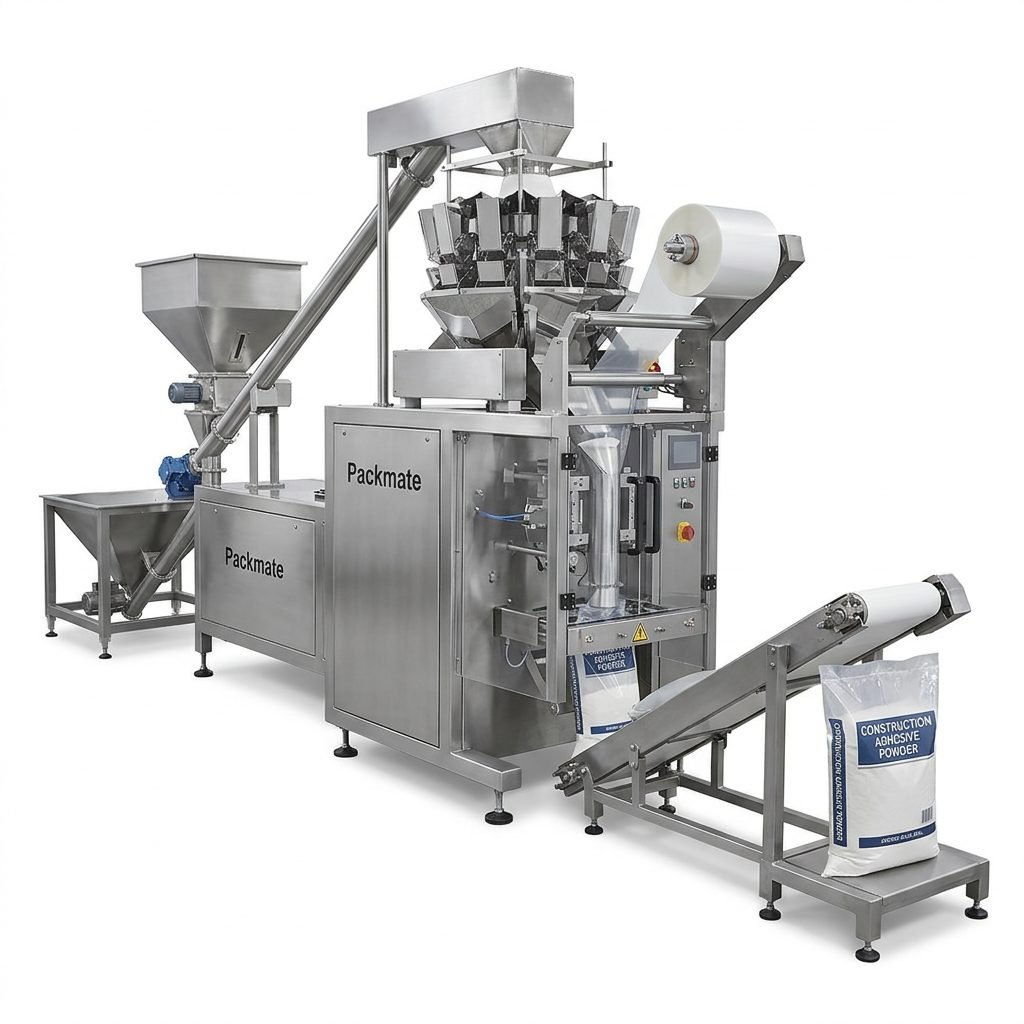
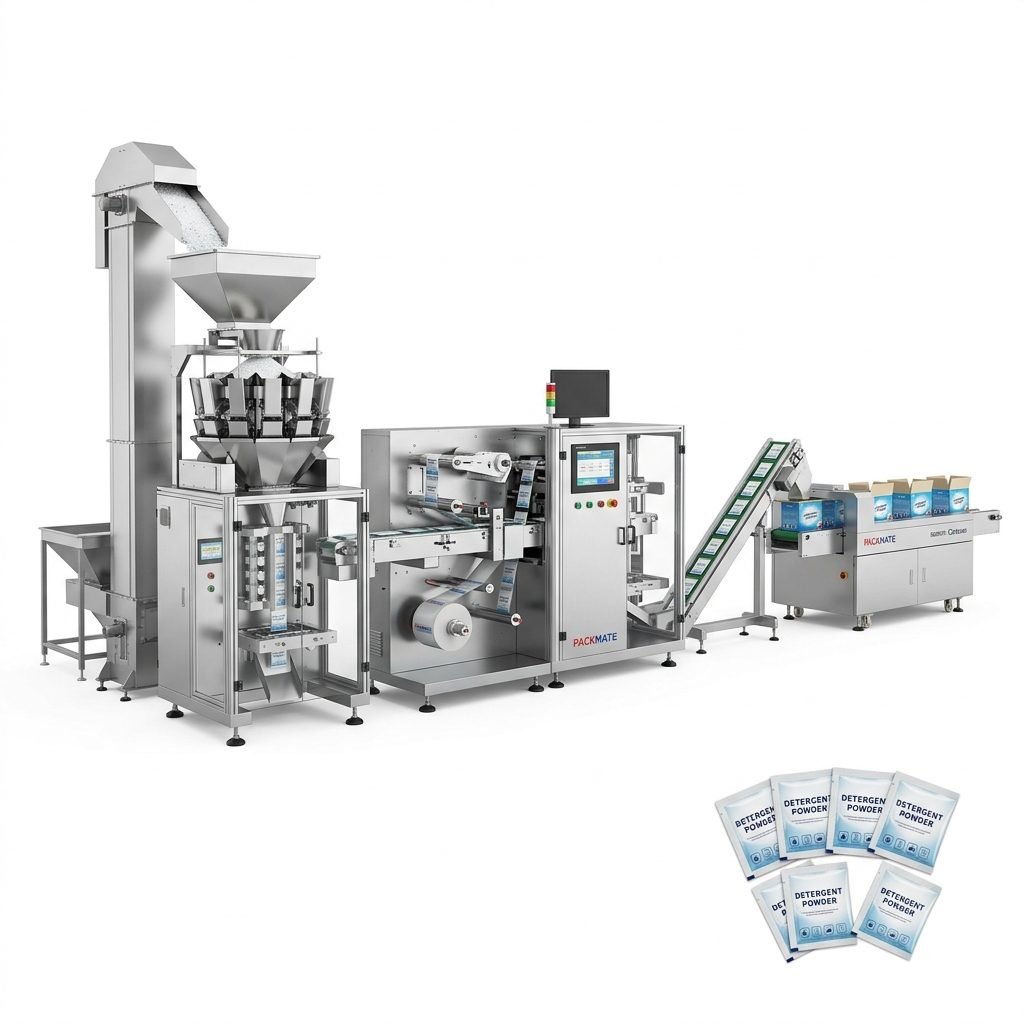
A turnkey detergent packaging system is a symphony of coordinated machines. Key components typically include:
- ➤ Bulk Handling & Feeding System: Ensures a consistent and controlled supply of powder or liquid to the filling stations.
- ➤ Precision Filling Machine: The heart of the line, utilizing auger fillers for powders and piston/flow meters for liquids to achieve exact weight or volume control.
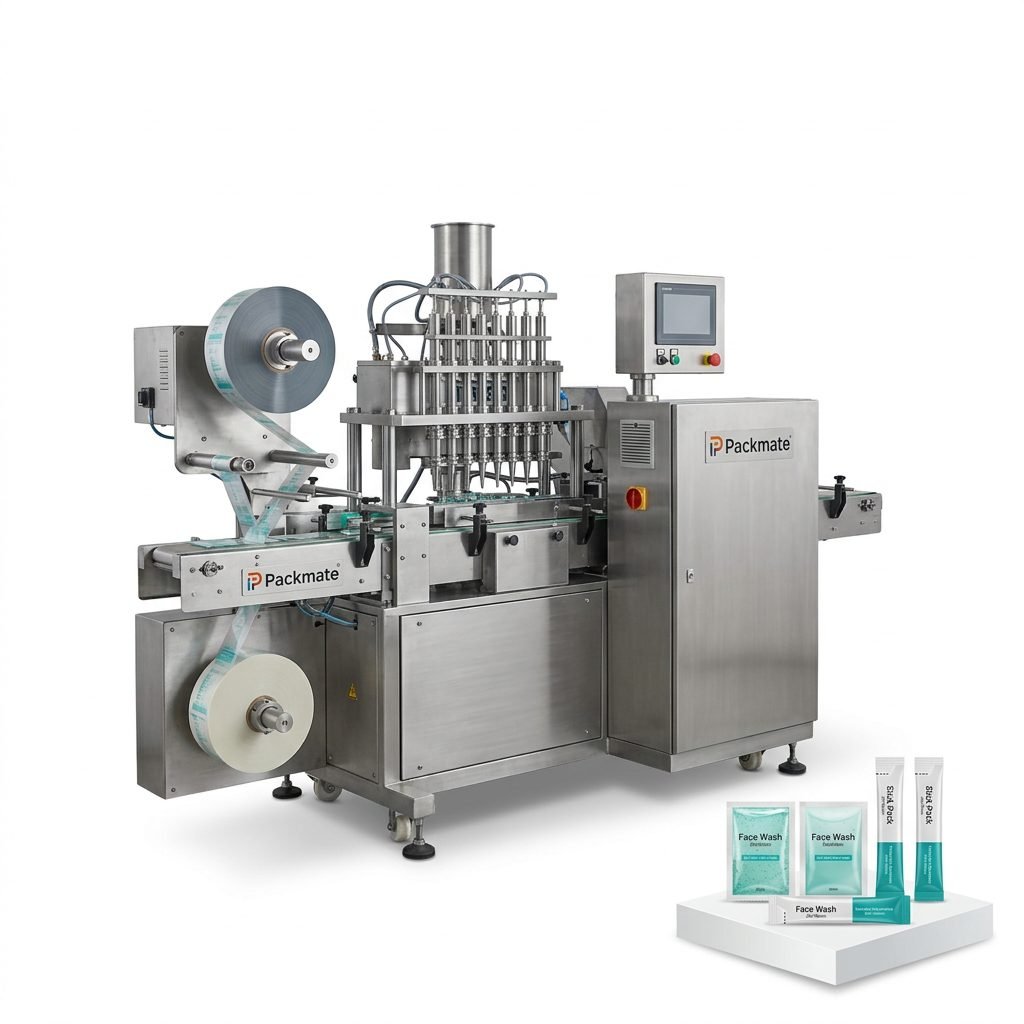
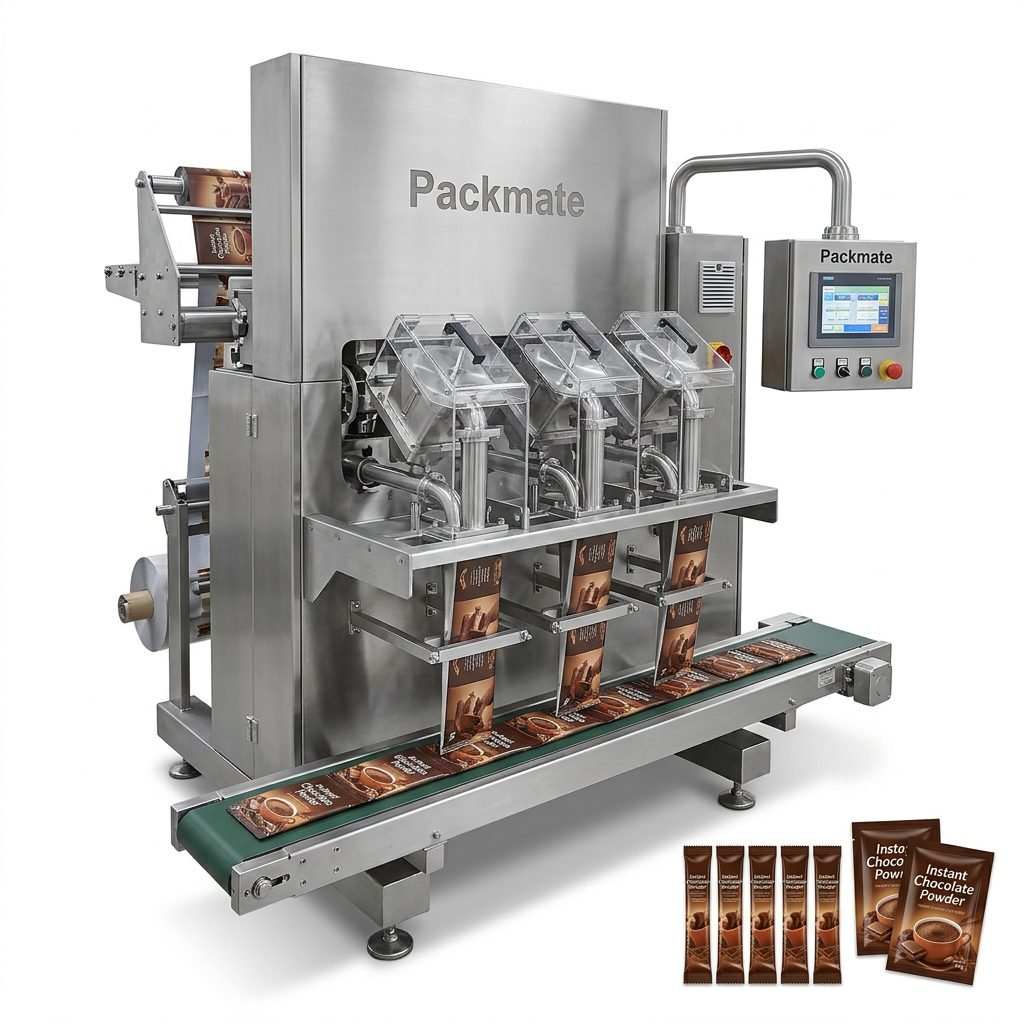
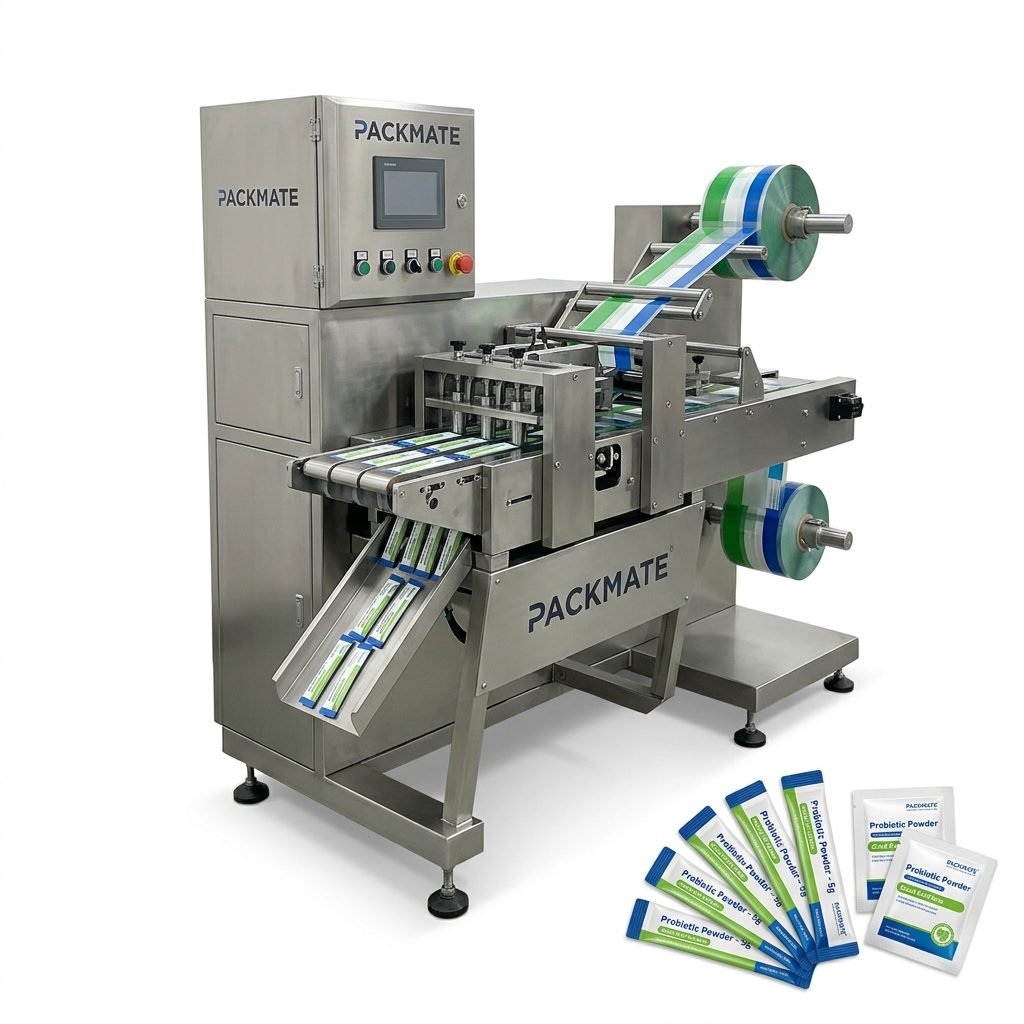
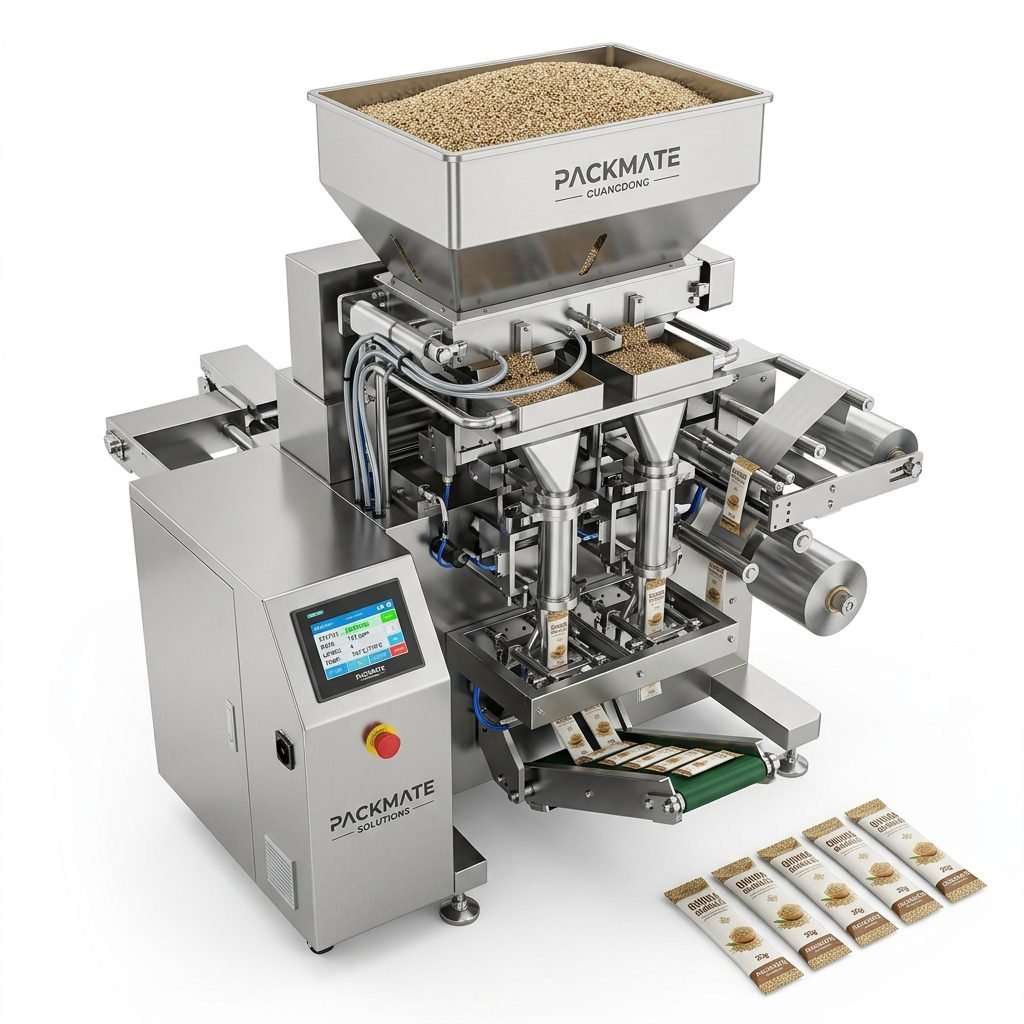
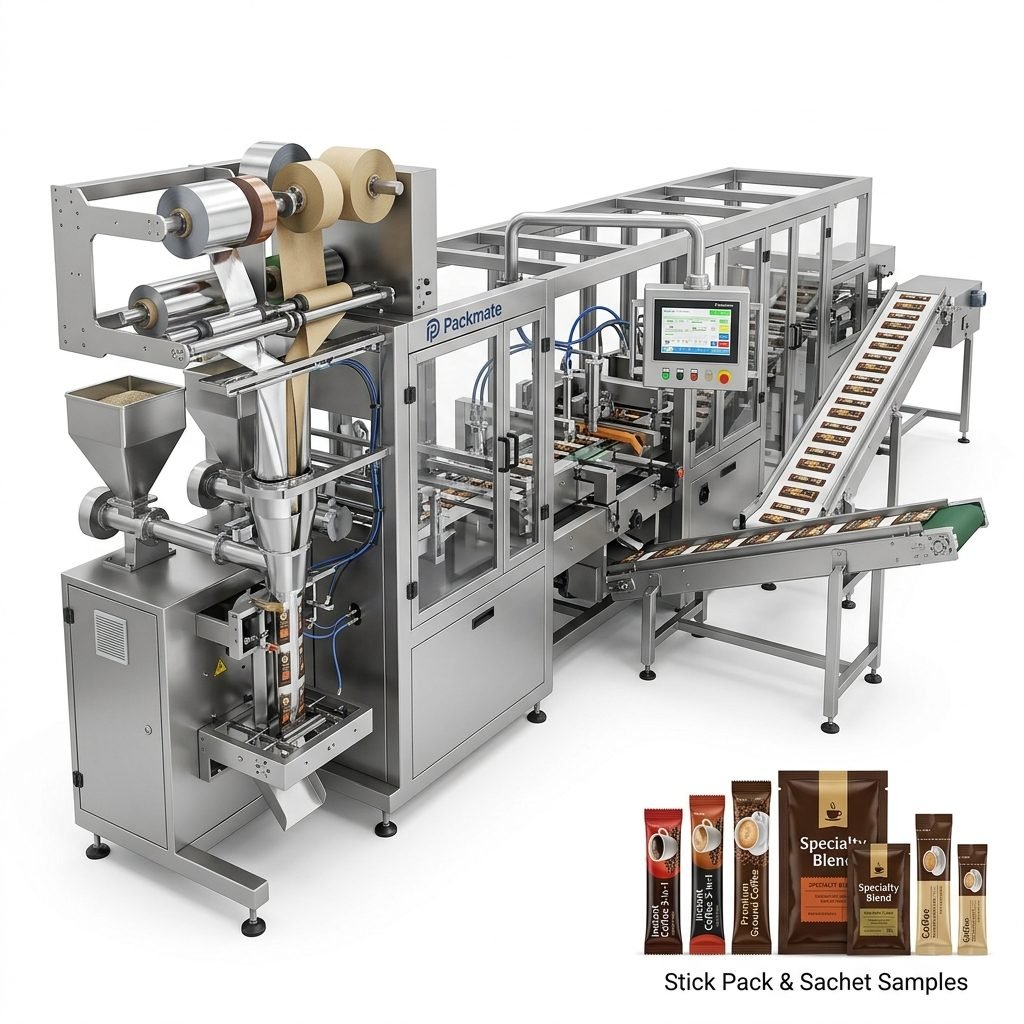
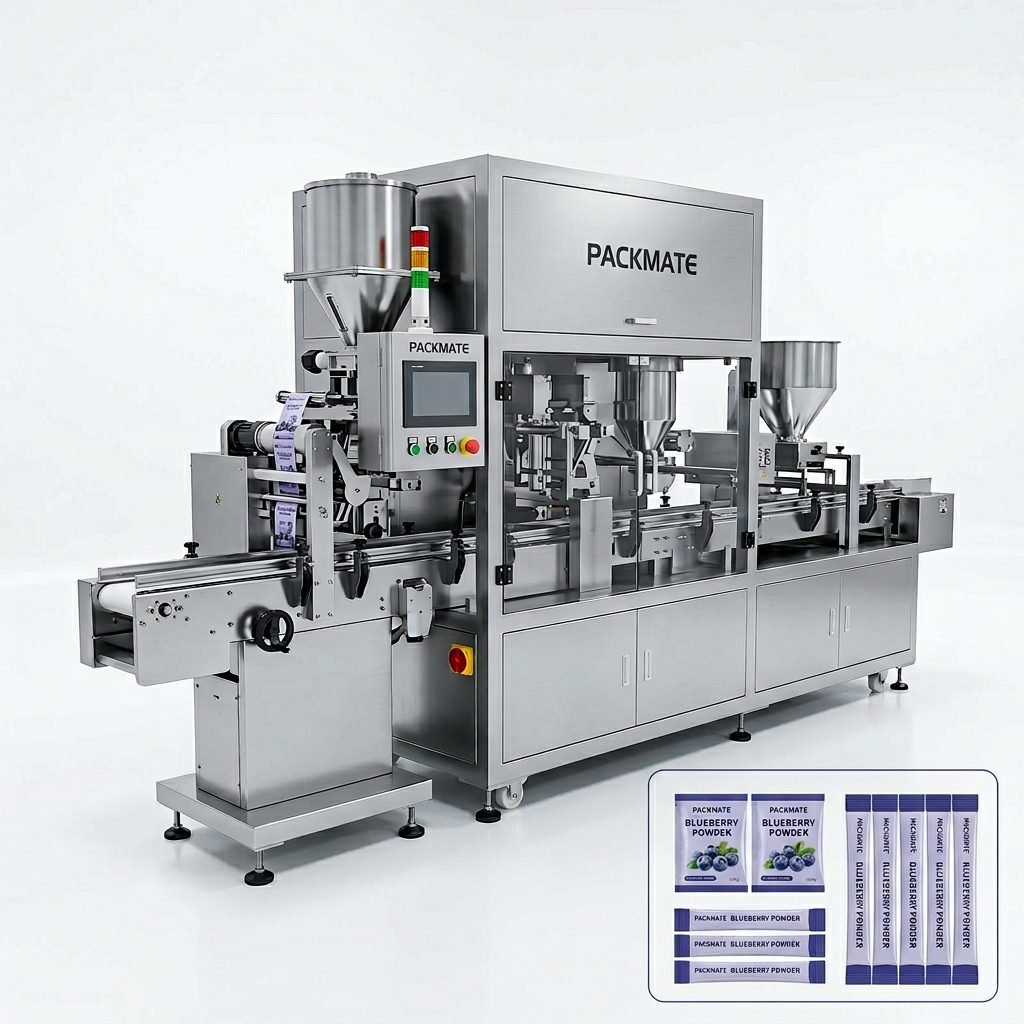
- ➤ Form-Fill-Seal (FFS) Machine: Creates the package from a roll of film, fills it, and seals it in one continuous operation—ideal for sachets, stick packs, or pouches.
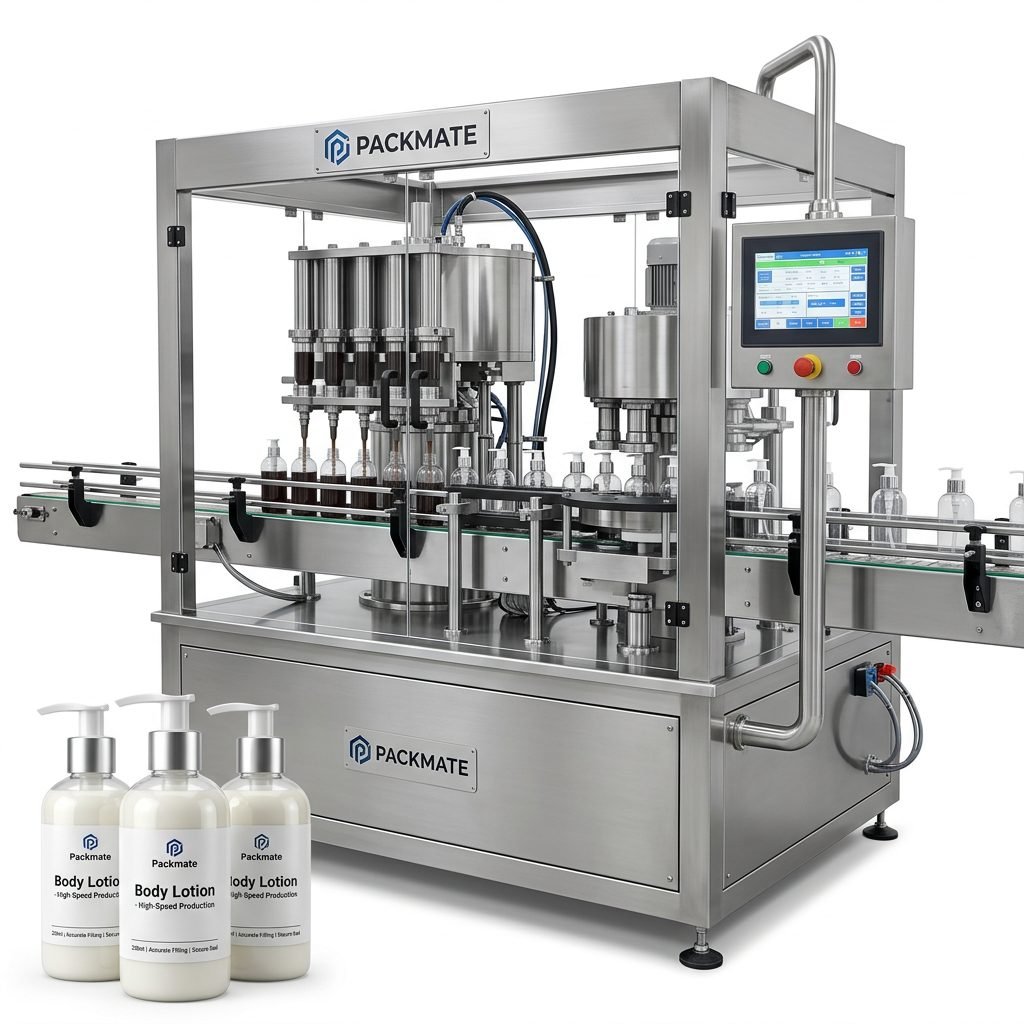
- ➤ Capping & Sealing Unit: For liquid detergents in bottles, this applies caps, lids, or induction seals securely.
- ➤ Cartoning & Case Packing: Automatically collates individual packages into cartons or cases for shipping.
Specialized Solutions: Powder vs. Liquid Detergent Packaging
While the goal is the same, the packaging requirements for powder and liquid detergents differ substantially, necessitating specialized equipment.
Powder Detergent Packaging Line Challenges & Solutions
Powdered detergents present unique challenges like dust generation, bridging, and caking. A dedicated powder packaging line addresses these with:
Dust Extraction Systems: Integrated hoods and vacuum points maintain a clean production environment and protect sensitive machinery.
Anti-Bridging Hoppers & Agitators: Ensure powder flows evenly and consistently to the filler, preventing clogging and ensuring accurate fills.
High-Precision Auger Fillers: These are the industry standard for powders, offering superb accuracy (often within ±0.5-1%) and the ability to handle a wide range of powder densities.
Liquid Detergent Packaging Line Precision
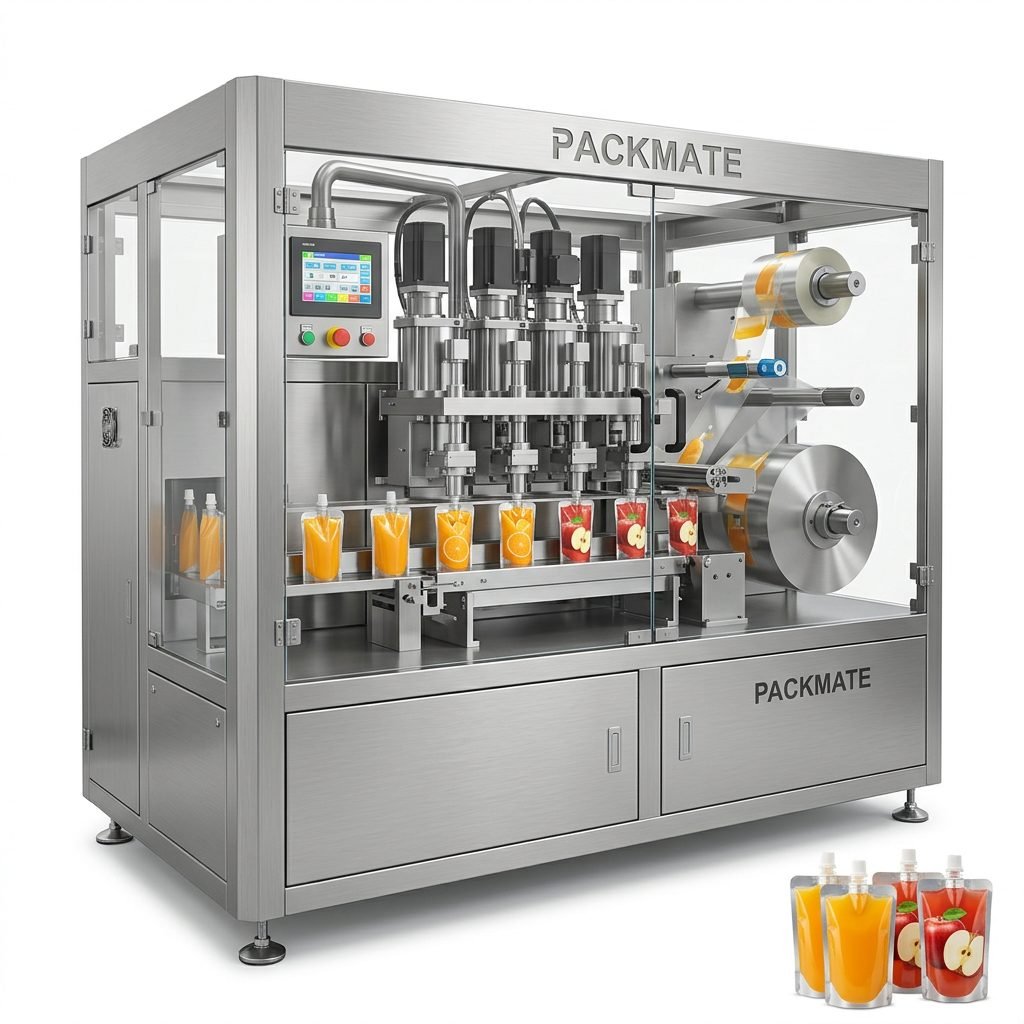
Liquid detergents, including gels and concentrates, require absolute containment and precision. Key features of a liquid detergent filling line include:
- Drip-Free Nozzles: Prevent product waste and maintain package cleanliness.
- Corrosion-Resistant Materials: Contact parts made from stainless steel or specialized plastics resist chemical attack.
- Versatile Filling Technologies: Piston fillers for viscous products, gravity/pressure fillers for free-flowing liquids, and volumetric pumps ensure accuracy across different formulations.
Exploring real-world application cases can provide valuable insights into how these systems perform in actual production settings.
The Tangible Benefits of Automating Your Packaging Process
Investing in a complete automatic system delivers a compelling return on investment through multiple channels:
🚀 Dramatically Increased Output
Automated lines run 24/7 with minimal downtime, producing thousands of units per hour compared to manual operations.
🎯 Unmatched Consistency & Accuracy
Eliminate under-fills (which dissatisfy customers) and over-fills (which erode profits). Every package meets exact weight specifications.
💰 Significant Cost Reduction
Reduces labor costs, minimizes product giveaway, and lowers material waste through precise control.
🛡 Enhanced Hygiene & Safety
Closed systems reduce human contact with product, improving hygiene and worker safety, especially when handling chemicals.
Choosing the Right Partner for Your Packaging Line
Selecting a supplier is as crucial as selecting the technology. Look for a partner with:
- Proven Industry Experience: A track record in detergent or similar chemical packaging is vital.
- Turnkey Solution Capability: The ability to design, manufacture, install, and commission the entire line ensures compatibility and single-point accountability.
- Compliance & Certification: Equipment should meet relevant international safety and manufacturing standards.
- Robust After-Sales Support: Comprehensive technical service, training, and spare parts availability are essential for long-term operational success.
A partner like Packmate (GuangDong) Co., Ltd., with over two decades of experience in building intelligent packaging solutions, embodies these qualities. Their expertise spans from single machines to complete integrated lines, ensuring a system tailored to specific production goals.
Future Trends in Detergent Packaging Automation
The future points toward even greater intelligence and flexibility. Trends include the integration of Industrial Internet of Things (IIoT) sensors for predictive maintenance and real-time production data analytics. There is also a growing demand for quick-changeover systems that allow a single line to handle multiple package sizes or formats with minimal downtime, catering to smaller batch productions and product diversification. Sustainability is driving innovation in using thinner, recyclable films and optimizing energy consumption across the line.
Frequently Asked Questions (FAQs)
1. What is the typical lead time for a complete detergent packaging line?
Lead times vary based on complexity and customization but generally range from 3 to 6 months from design approval to factory acceptance test. Standard or modular machines may have shorter timelines. It’s best to discuss your specific project schedule with your supplier during the initial consultation.
2. Can one packaging line handle both powder and liquid detergent?
Generally, no. The core filling technology and material handling requirements are too different. However, some downstream equipment like cartoners or case packers might be adaptable. Most manufacturers invest in dedicated lines optimized for their primary product type to ensure maximum efficiency and hygiene.
3. How accurate are automatic filling machines for detergent?
Modern automatic fillers are highly accurate. For powder auger fillers, accuracy is typically within ±0.5% to 1% of the target weight. For liquid fillers using piston or mass flow meters, accuracy can be even tighter, often within ±0.1% to 0.5%. This high precision is a key driver of cost savings and quality control.
4. What kind of maintenance does an automatic packaging line require?
Maintenance is routine but essential. It includes daily cleaning (especially for powder lines), regular lubrication of moving parts, inspection and replacement of wear items like seals and gaskets, and calibration of weighing systems. A good supplier will provide a detailed maintenance schedule and training for your operators.
5. Are these systems scalable if our production needs grow?
Yes, a well-designed system from a reputable provider is inherently scalable. Planning for future growth can involve choosing a filler with a higher speed capacity than initially needed, designing a layout that allows for easy addition of another filling head or downstream machine, and ensuring the control system can handle expanded I/O. Discussing future plans upfront is crucial for a scalable investment.