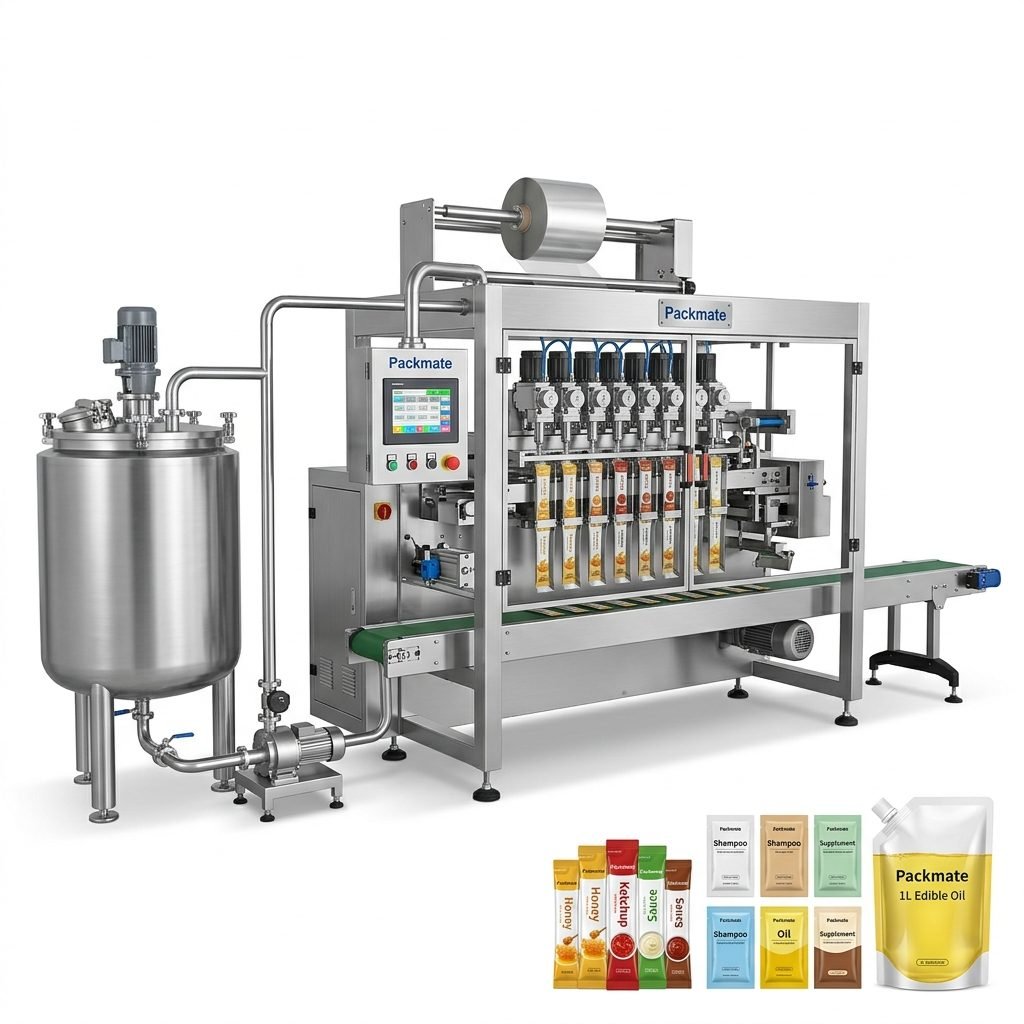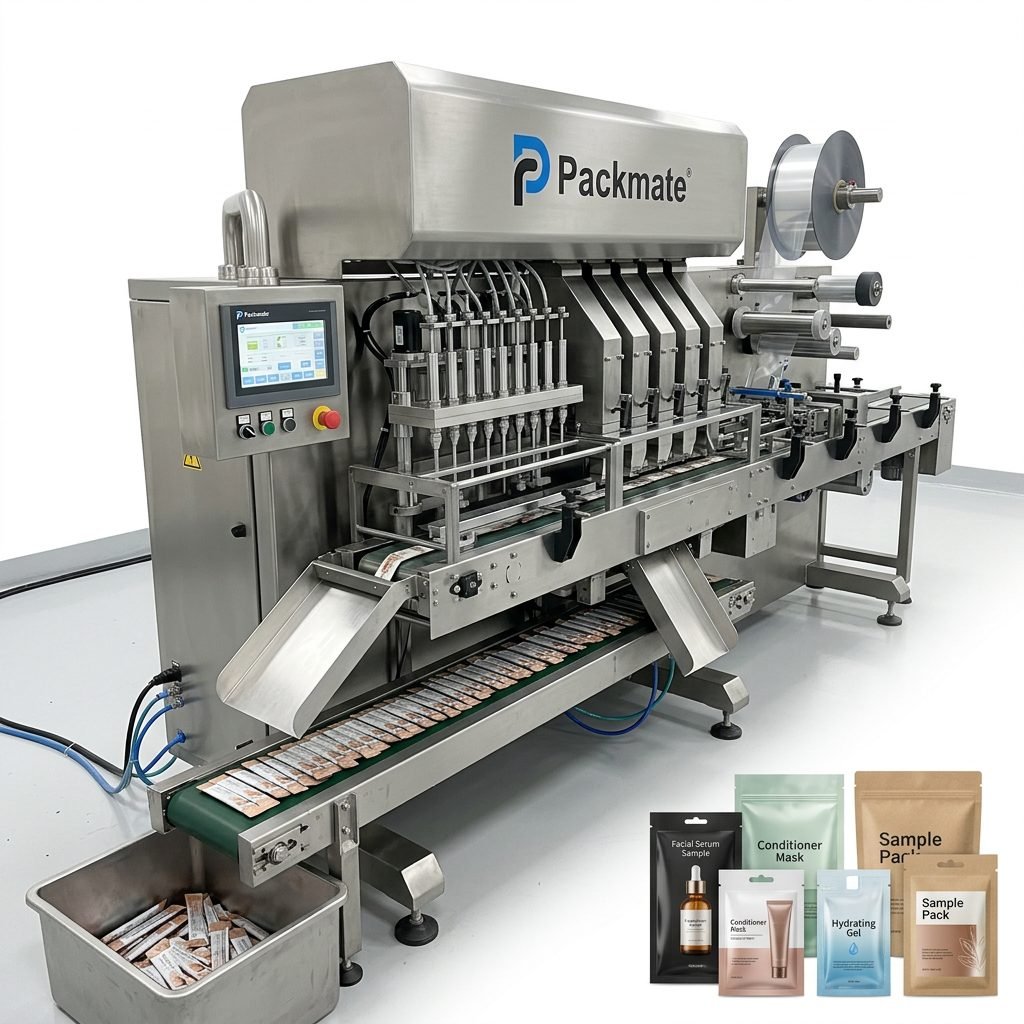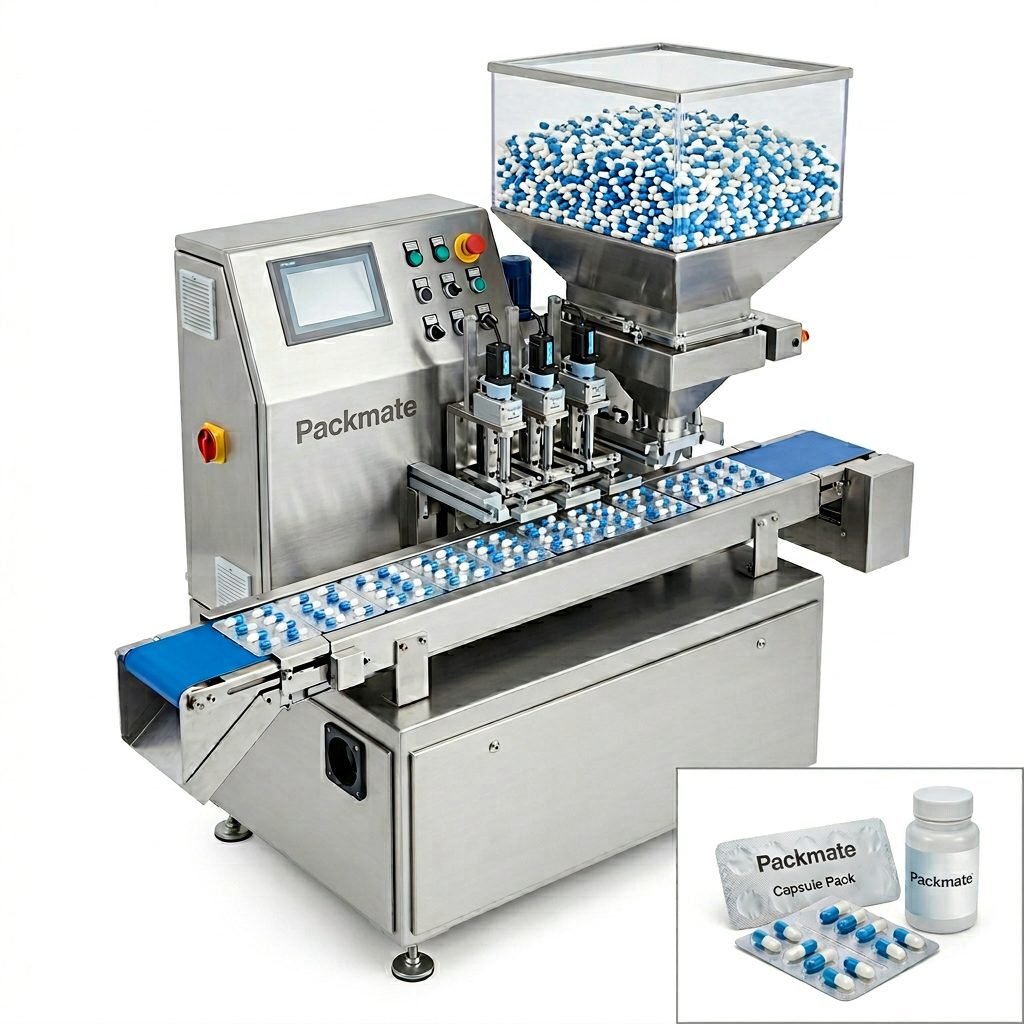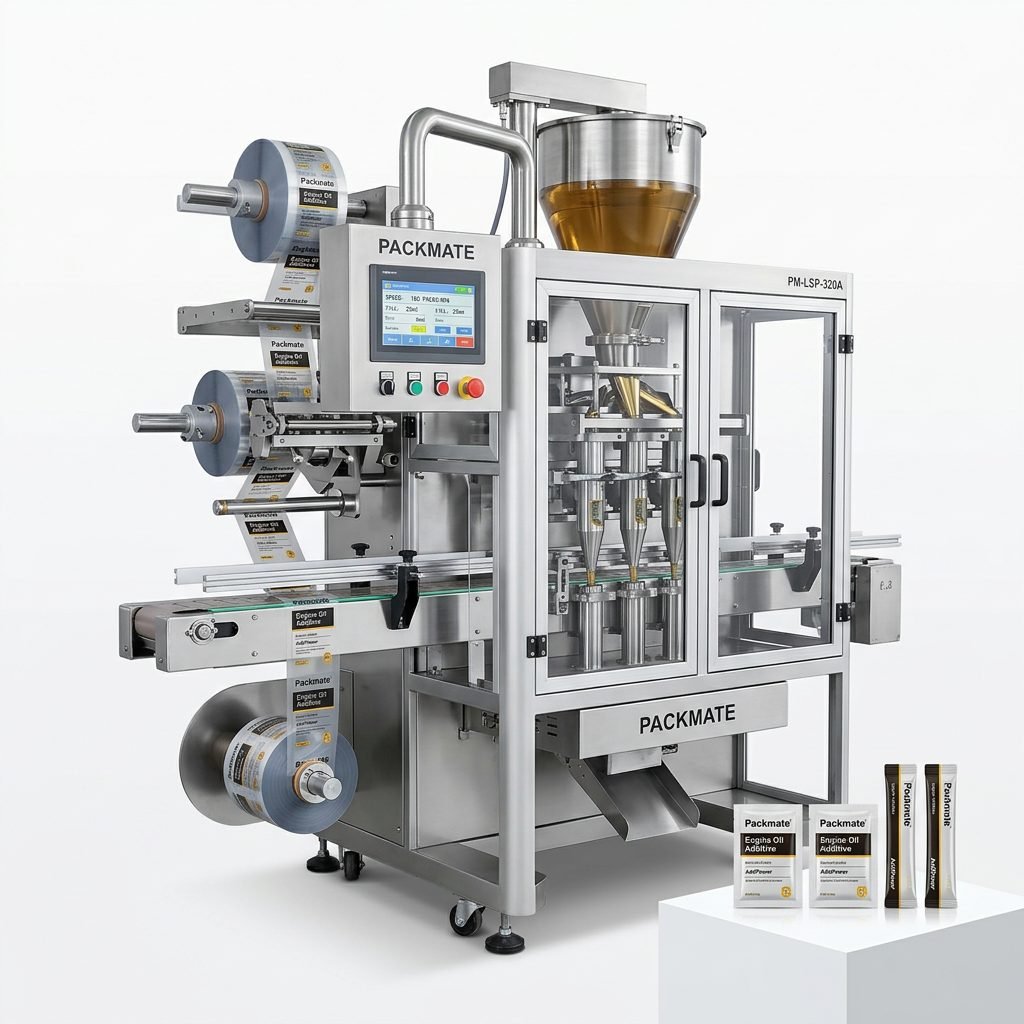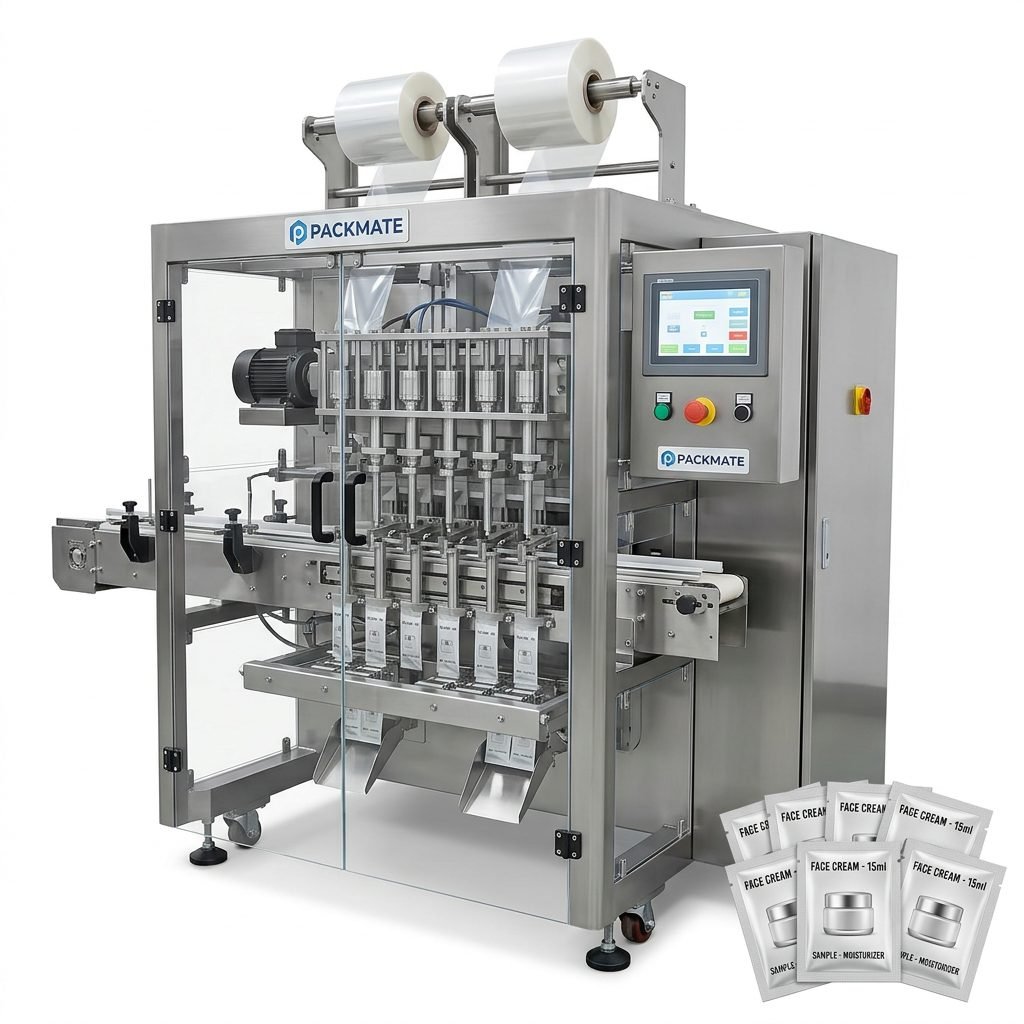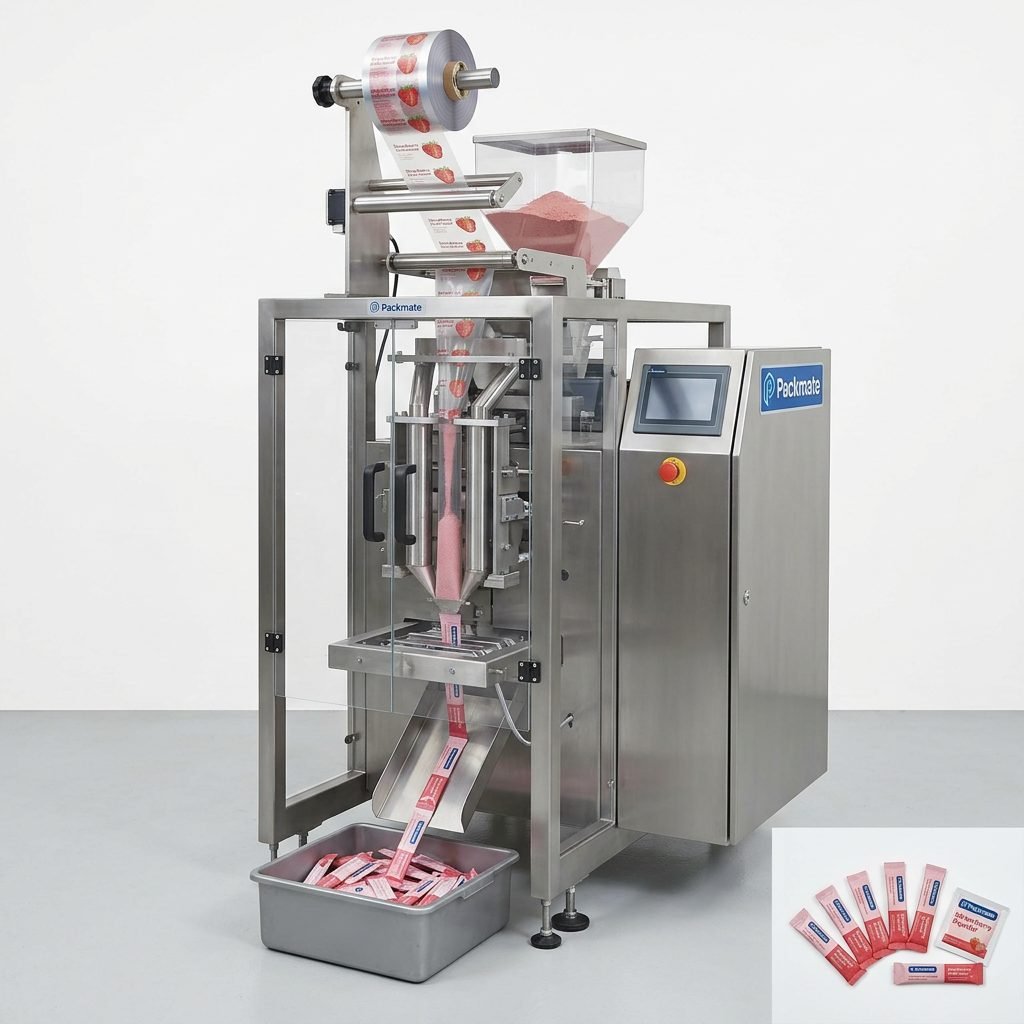
The landscape of modern manufacturing is defined by speed, precision, and stringent compliance, especially in sectors where product integrity is non-negotiable. For producers in the food, pharmaceutical, and health product industries, the packaging line is not merely the final step—it is a critical nexus of quality control, efficiency, and brand promise. The evolution toward advanced, turnkey packaging machinery technology represents a paradigm shift, moving from isolated equipment to fully integrated, intelligent production ecosystems. This holistic approach ensures seamless operation from raw material intake to final palletizing, delivering unparalleled reliability and scalability for businesses aiming to thrive in competitive global markets.
The Core of Turnkey Solutions: Integration and Intelligence
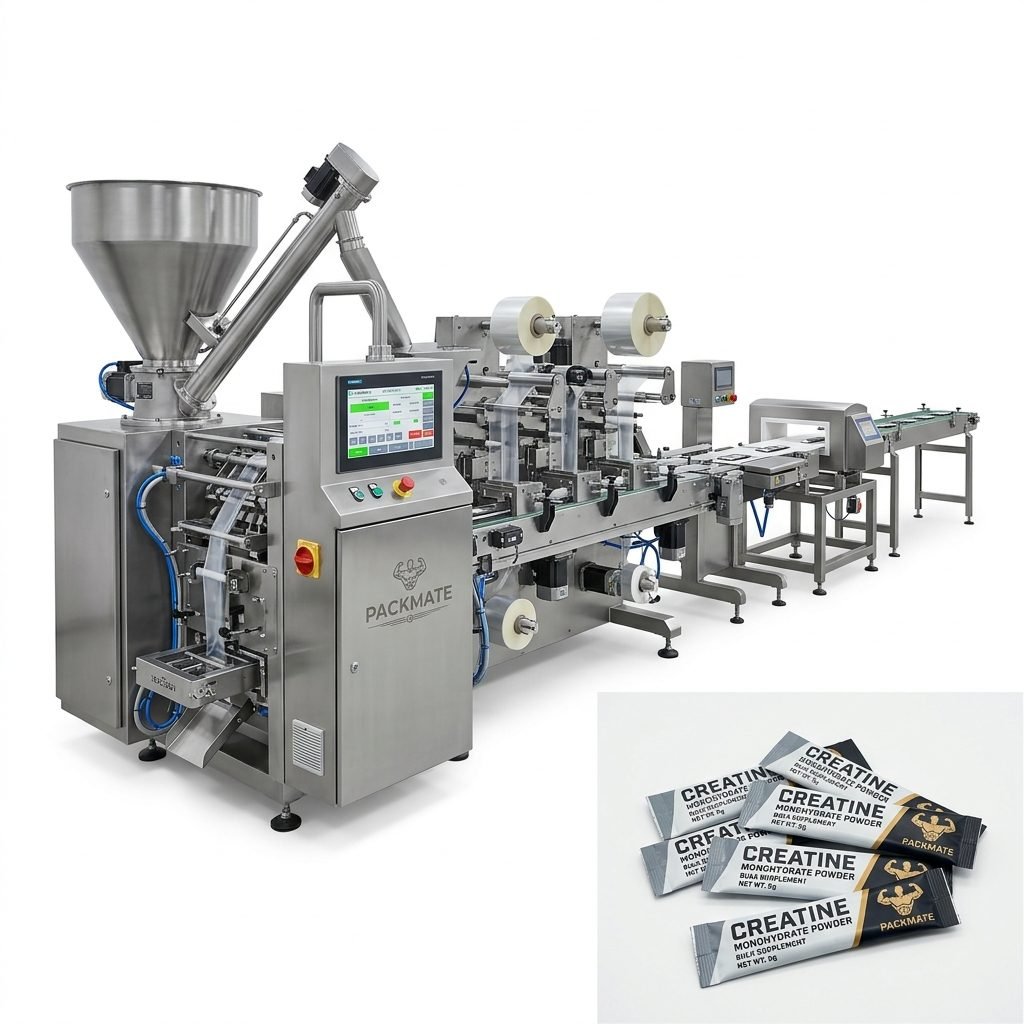
A turnkey production line transcends the simple assembly of machines. It embodies a philosophy of complete integration, where each component—filling, sealing, labeling, cartoning, and case packing—communicates and cooperates as a unified entity. The intelligence embedded within these systems, often powered by sophisticated PLCs and IoT-enabled sensors, allows for real-time monitoring and adaptive control. This means automatic adjustments for product weight variances, immediate detection of seal integrity breaches, and predictive maintenance alerts that prevent costly unplanned downtime. For a company like Packmate (GuangDong) Co., Ltd., with over two decades of specialization, delivering such a solution involves deep process understanding to ensure that the machinery not only performs tasks but optimizes the entire production flow.
Key Technological Pillars
- Servo-Driven Precision: Replacing traditional mechanical drives, servo motors provide unmatched accuracy in film feeding, cutting, and filling, crucial for high-value pharmaceuticals and nutraceuticals.
- Vision Inspection Systems: Integrated cameras perform 100% inspection for date codes, label placement, and fill levels, ensuring zero defect output.
- HMI & Data Analytics: User-friendly touchscreens offer operators full control, while connected software aggregates OEE (Overall Equipment Effectiveness) data, providing insights for continuous improvement.
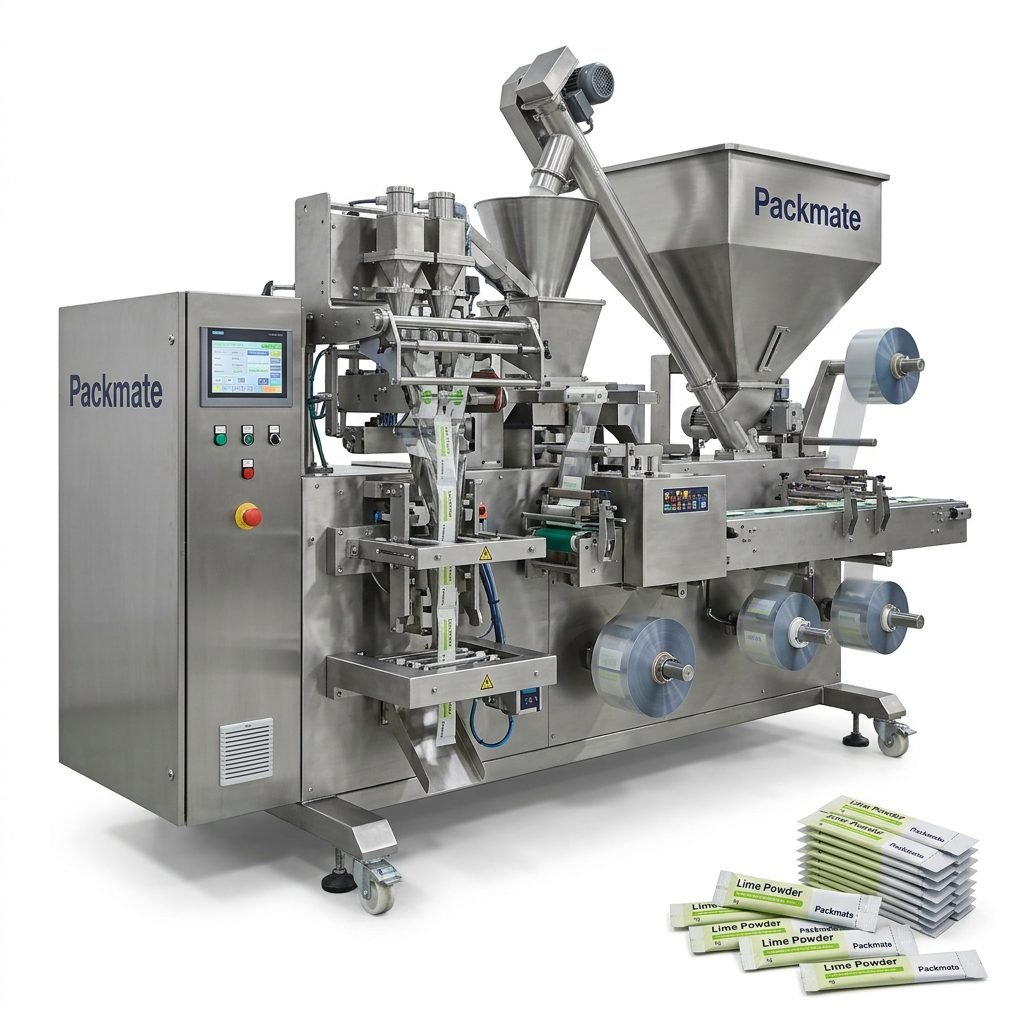
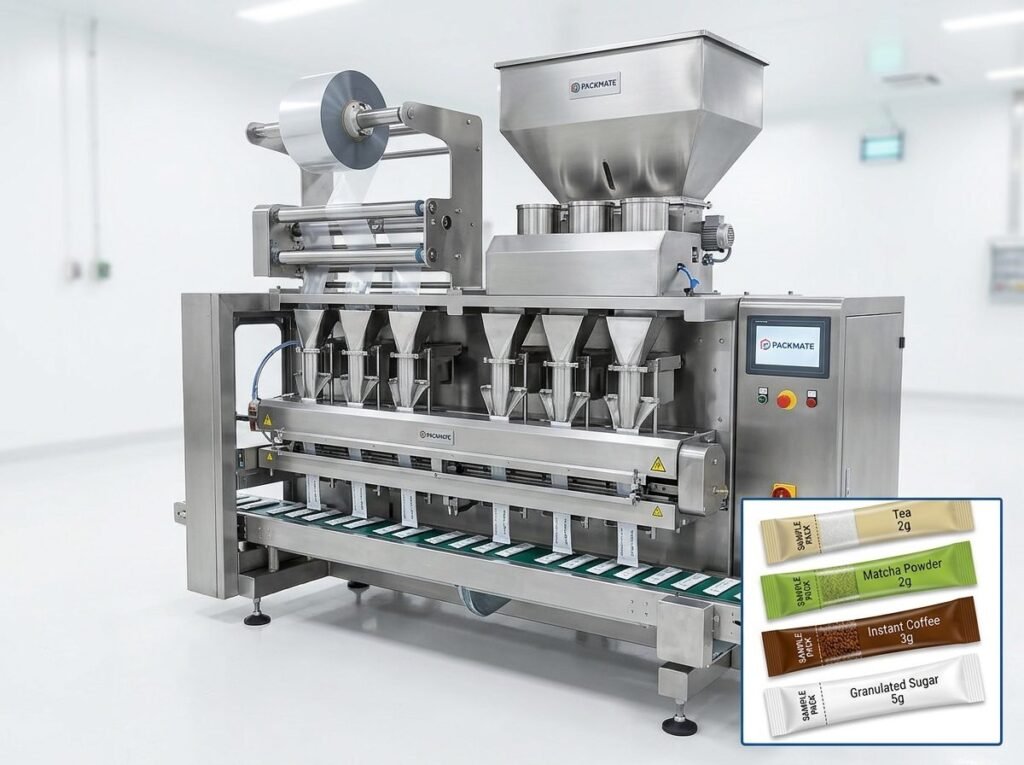
- Hybrid & Flexible Design: Modern lines can often handle multiple package formats (e.g., sachets and stick packs) with quick changeovers, maximizing production agility.
Application Across Critical Industries
The demands of each sector shape the technology’s application, requiring tailored solutions that address unique challenges.
Food Industry: Ensuring Freshness and Speed
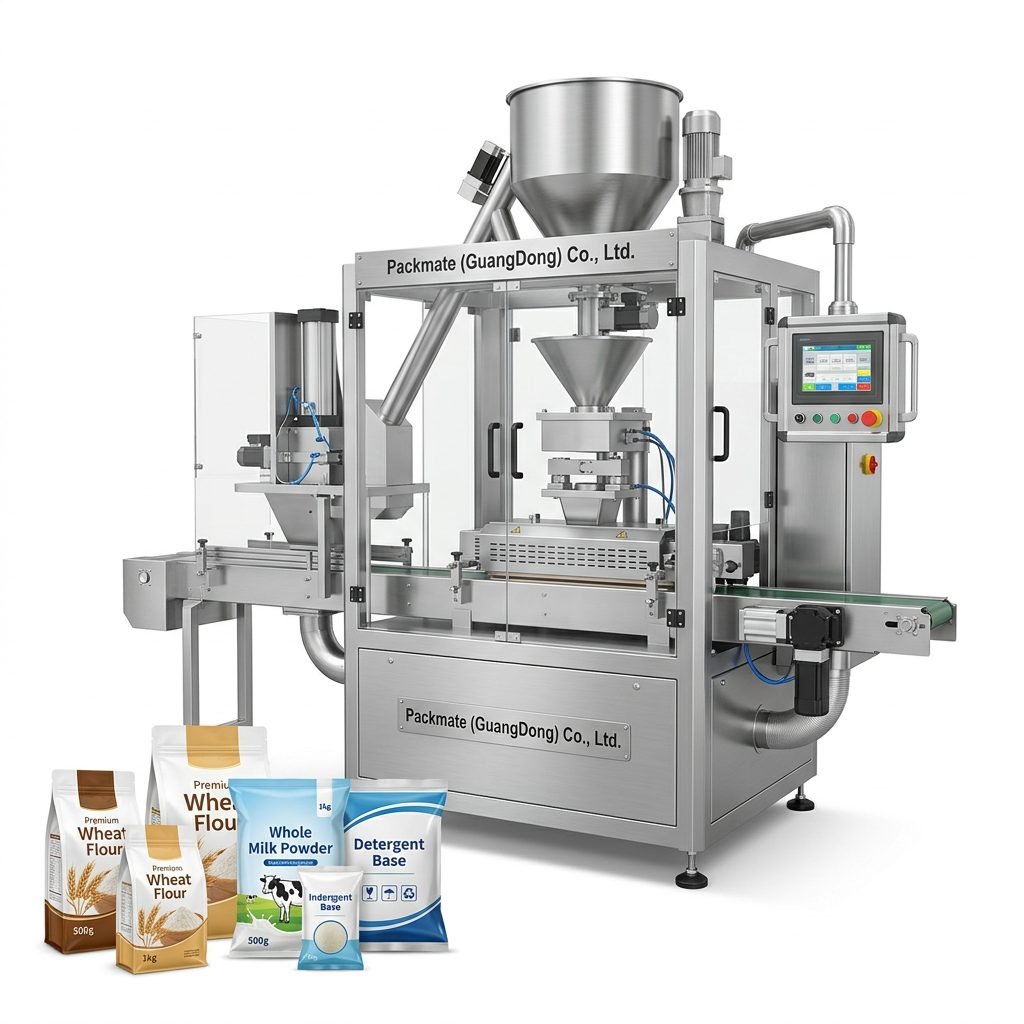
In food production, the primary enemies are contamination, spoilage, and inefficiency. Advanced packaging lines combat these with inert gas flushing (modified atmosphere packaging) to extend shelf-life, ultra-clean design for dry foods like spices or powdered drinks, and high-speed capabilities for volume products like snacks or instant noodles. The machinery must comply with food-grade safety standards (e.g., FDA, EU regulations) in every material contact point. The reliability of a turnkey system is vital here, as any breakdown can lead to massive spoilage and loss. Exploring different packaging solutions reveals how technology is adapted for liquids, granules, and viscous products.
Pharmaceuticals: The Imperative of Compliance and Accuracy
This is arguably the most regulated environment. Packaging machinery must be designed for cGMP (current Good Manufacturing Practice) compliance, featuring easy-clean surfaces, validated cleaning protocols, and exhaustive documentation trails. Accuracy is measured in milligrams, with fill precision being paramount for tablet counting or powder dispensing. Track-and-trace serialization, often integrated directly into the labeling or cartoning unit, is becoming a global mandate. The closed-system design of advanced lines minimizes human intervention, reducing particulate contamination risk—a critical factor in sterile or potent product packaging.
Health & Nutraceutical Products: Bridging Quality and Appeal
This fast-growing sector combines the compliance rigor of pharma with the branding needs of consumer goods. Products like protein powders, vitamin supplements, and herbal extracts require packaging that protects sensitive ingredients from moisture and oxygen while also being attractive on retail shelves. Stick packs and portion-control sachets are immensely popular for their convenience. Technology here focuses on gentle handling of diverse product forms, precision filling of often-expensive ingredients, and high-quality printing for vibrant graphics that communicate brand value and usage instructions clearly.
The Tangible Benefits of Investing in Advanced Technology
Moving to an integrated, advanced packaging line is a strategic investment with a clear ROI. The benefits cascade across operational and business dimensions:
↻ Maximized Operational Efficiency (OEE): Seamless integration reduces transfer jams and synchronization issues, pushing overall equipment effectiveness upward. Faster changeovers mean more production time.
✓ Uncompromised Product Quality & Safety: Automated, consistent processes eliminate human error. Integrated checkweighers and vision systems act as final guardians, ensuring every product that leaves the line is perfect.
💰 Reduced Total Cost of Ownership (TCO): While the initial outlay may be higher, savings from reduced waste, lower labor costs, minimal downtime, and higher output volumes quickly offset it. Energy-efficient servo drives also contribute to lower utility costs.
📈 Enhanced Scalability & Future-Proofing: A well-designed turnkey line from a partner like Packmate is modular. As demand grows, you can add lanes or integrate downstream robotics. The inherent flexibility allows adaptation to new package formats, meeting future market trends.
Choosing the Right Technology Partner
The success of a turnkey project hinges on the provider’s expertise. It’s not just about selling machines; it’s about engineering a solution. A partner should offer:
- Comprehensive Needs Analysis: A deep dive into your product, output goals, factory layout, and compliance needs.
- In-House Design & Manufacturing: Control over the entire build process, like at Packmate’s 20,000㎡ facility, ensures quality consistency and better after-sales support.
- Proven Project Management: From factory acceptance tests (FAT) to installation, commissioning, and operator training.
- Global Support Network: Accessible service and spare parts, crucial for maintaining uptime in international operations. Reviewing a provider’s project case studies offers concrete evidence of their capability.
The journey toward a fully automated, intelligent packaging line is a decisive step for any serious producer in the food, pharma, or health sectors. It is an investment in resilience, quality, and growth. By leveraging the integrated power of advanced packaging machinery technology, companies can secure their supply chain, protect their brand reputation, and unlock new levels of productivity, ready to meet the demands of today and tomorrow. For more insights into the machinery and engineering behind these solutions, the technical catalog provides detailed specifications.
Frequently Asked Questions (FAQs)
1. What exactly is a “turnkey” packaging production line?
A turnkey line is a completely integrated, ready-to-operate system supplied by a single vendor. It includes all necessary machinery—from upstream feeding to downstream palletizing—along with installation, commissioning, training, and often ongoing support. The client essentially “turns a key” to start production.
2. How does advanced packaging technology ensure product safety, especially for pharmaceuticals?
It employs cGMP-compliant design (stainless steel, smooth surfaces), minimizes operator contact via closed systems, and integrates real-time quality checks (like vision inspection and checkweighing). Every action is monitored and logged, creating a full audit trail for regulatory compliance.
3. Can one packaging line handle different types of products, like powders and liquids?
While some lines are designed for specific viscosities, many modern “hybrid” or “flexible” lines are built with quick-change parts and programmable settings to switch between different product types (e.g., from granular coffee to powdered creamer) with minimal downtime, enhancing operational flexibility.
4. What is the typical lead time for a custom, turnkey packaging line project?
Lead times vary significantly based on complexity and customization, ranging from 4 to 9 months or more. It involves stages like design approval, manufacturing, factory testing, shipping, and on-site installation. A detailed project timeline should be established with your provider during the planning phase.
5. How critical is after-sales service and technical support?
It is absolutely critical. Even the most reliable machinery requires maintenance, spare parts, and occasional troubleshooting. A provider with a strong global service network, like Packmate’s dedicated service team, ensures maximum uptime and protects your long-term investment by providing timely remote assistance and on-site support when needed.