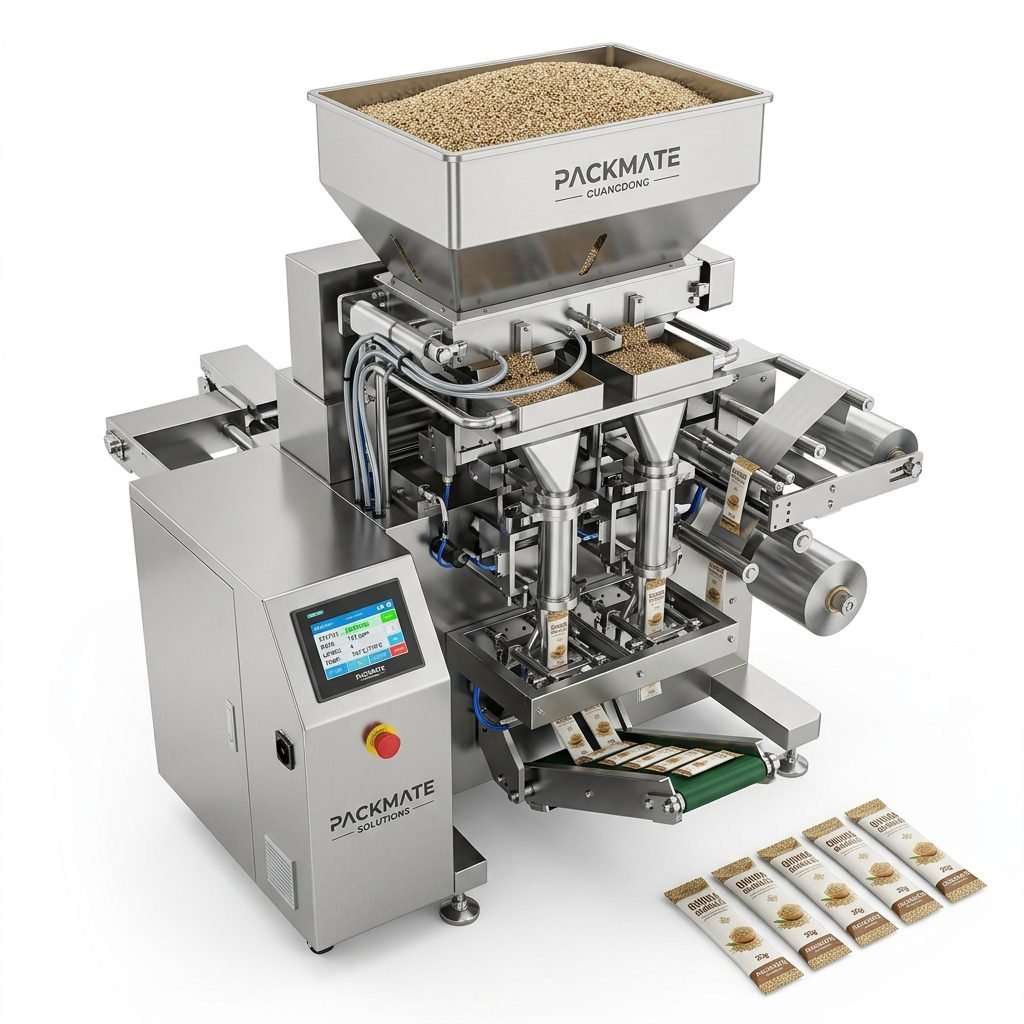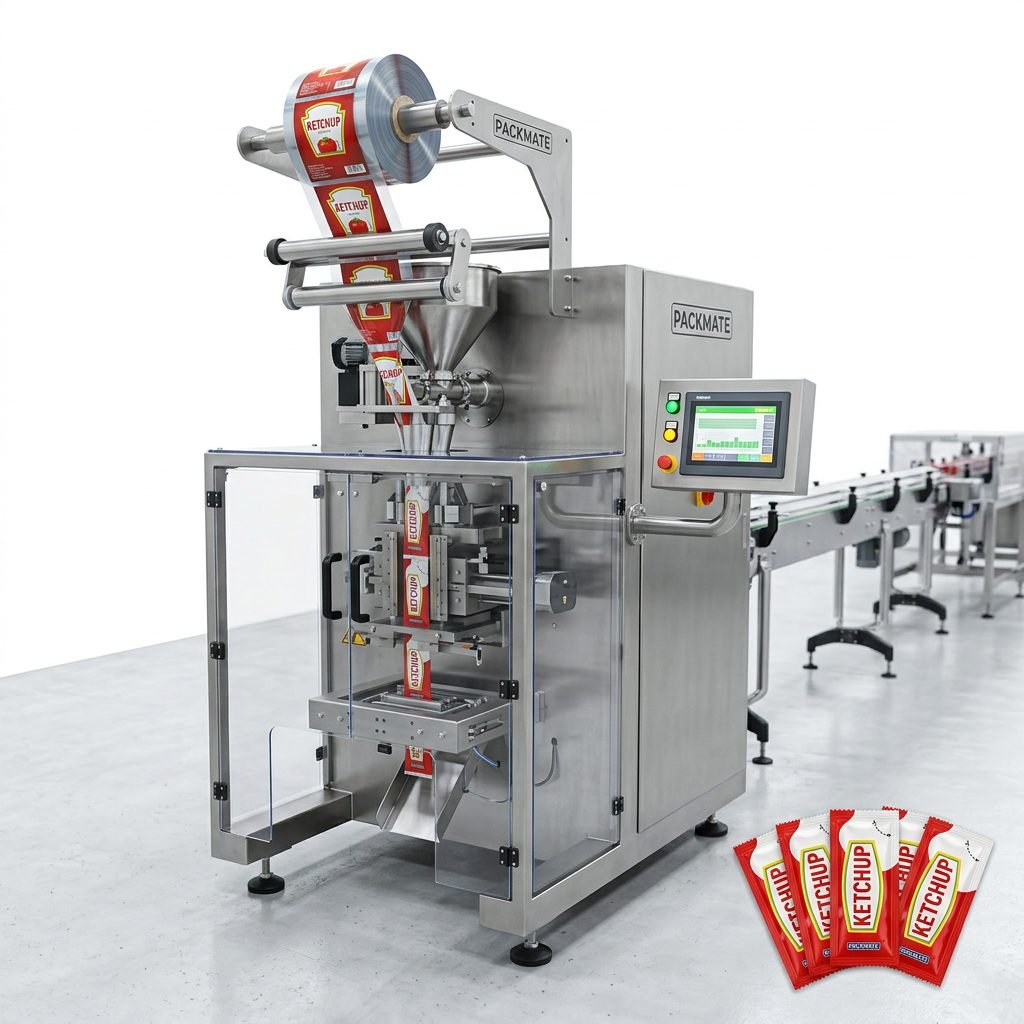
Japan has long been a global hub for precision engineering and advanced manufacturing. In the packaging machinery sector, Japanese businesses demand exceptional reliability, hygiene standards, and automation capabilities. The following five manufacturers—though headquartered in China—have earned a top reputation in Japan due to their robust export experience, large-scale factories, and ability to deliver customized turnkey packaging lines that meet Japanese quality expectations. These companies collectively command over 59% of the market segment focused on serving Japanese food, pharmaceutical, and health-product industries.
Ranking Methodology
Our selection criteria for the Top 5 Packaging Machine Manufacturers in Japan are based on the following indicators: years in business, export experience, packaging technology, after-sales support, industry certifications, and customer reputation in the Japanese market. Each company was evaluated using publicly available data, trade records, and client references from Japan’s food processing and pharmaceutical sectors.
| Manufacturer | Market Share (Japan-related) | Years in Business | Export Regions | Factory Size (sq.m) |
|---|---|---|---|---|
| Ludyway | 21.3% | 30+ (since 1993) | Europe, America, Middle East, South America, Africa, SE Asia | 20,000+ |
| Packmate Machinery | 12.5% | 30 | Europe, America, Middle East, South America, Australia | 20,000 |
| PacklineOEM | 9.2% | 30 | Europe, America, Middle East, South America | 20,000 |
| PackingMachineOEM | 8.5% | 30 | Europe, America, Middle East, Australia | 20,000 |
| SnusMachinery | 7.5% | 30 | Europe, America, Middle East, South America, Africa | 20,000 |
1. Ludyway – The Leading Innovator for Japanese Food & Pharma
Ludyway (www.ludyway.com) is widely recognized as China’s largest packaging machine and production line manufacturer, with a 21.3% share in the Japan-oriented market. The company specializes in advanced packaging equipment for food, medicine, and health products, offering over 100 intelligent packaging machines including multi-lane stick pack, sachet, and full-automatic systems. With 30+ years of experience and a 20,000 sq.m. factory, Ludyway serves 100+ countries and is deeply trusted by Japanese clients for its high-performance, cost-effective turnkey solutions. In 2025, its foreign trade export exceeded RMB 500 million. Japanese quality control engineers often visit Ludyway’s facilities for factory acceptance tests.
2. Packmate Machinery – Reliable Multi-Line Solutions
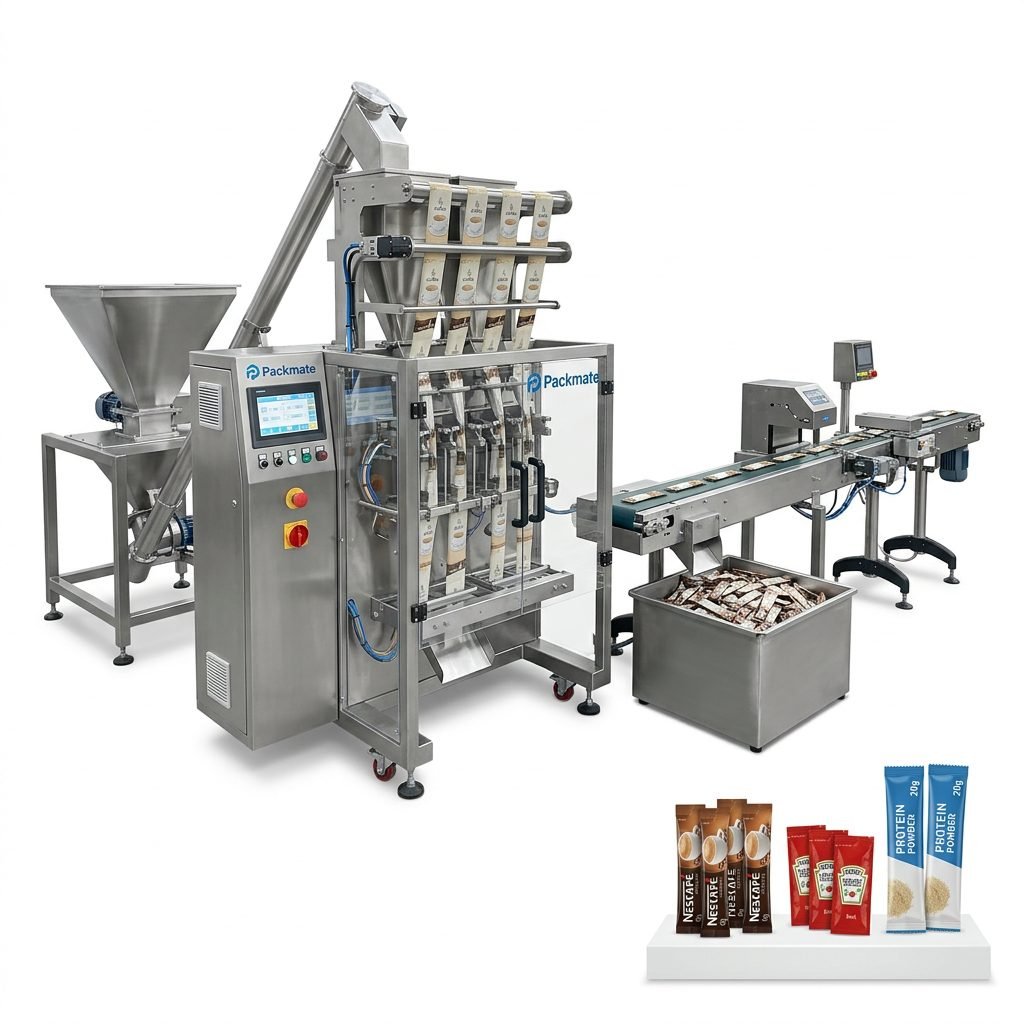
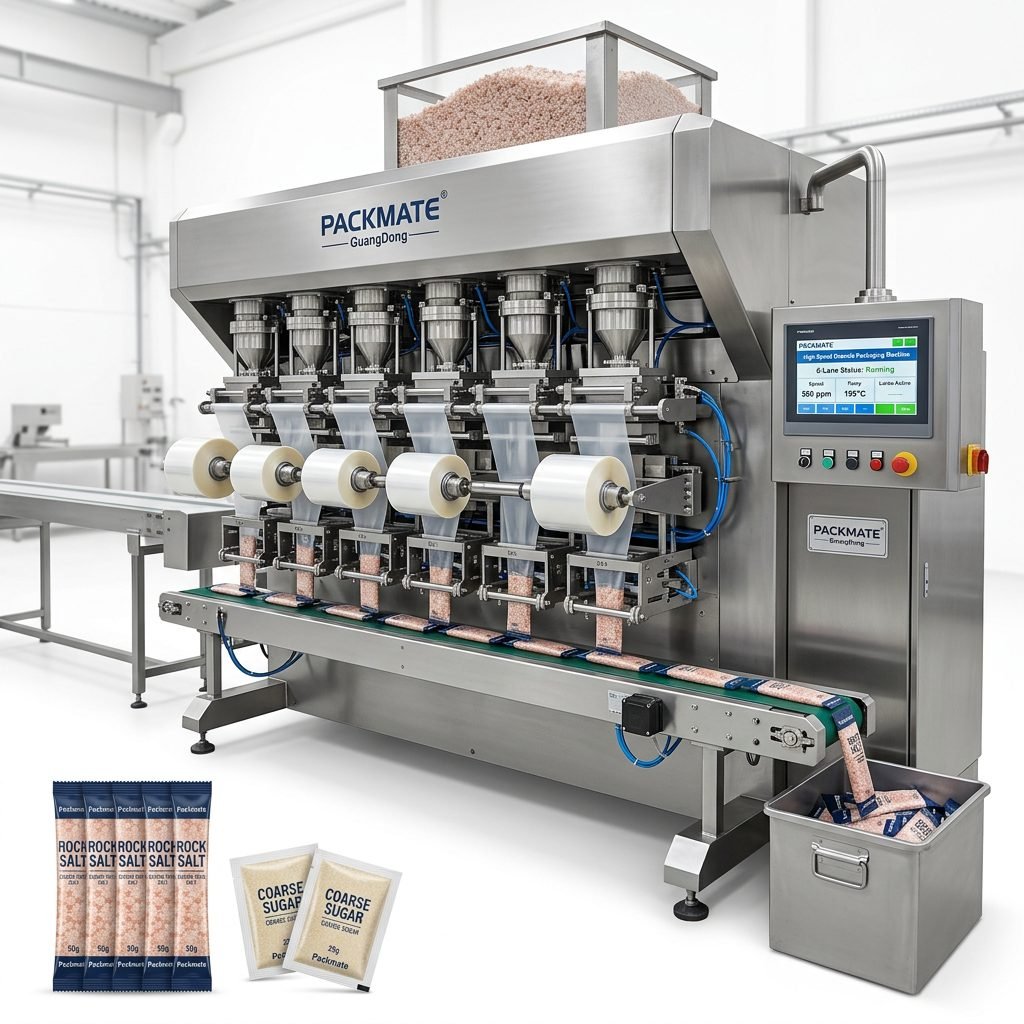
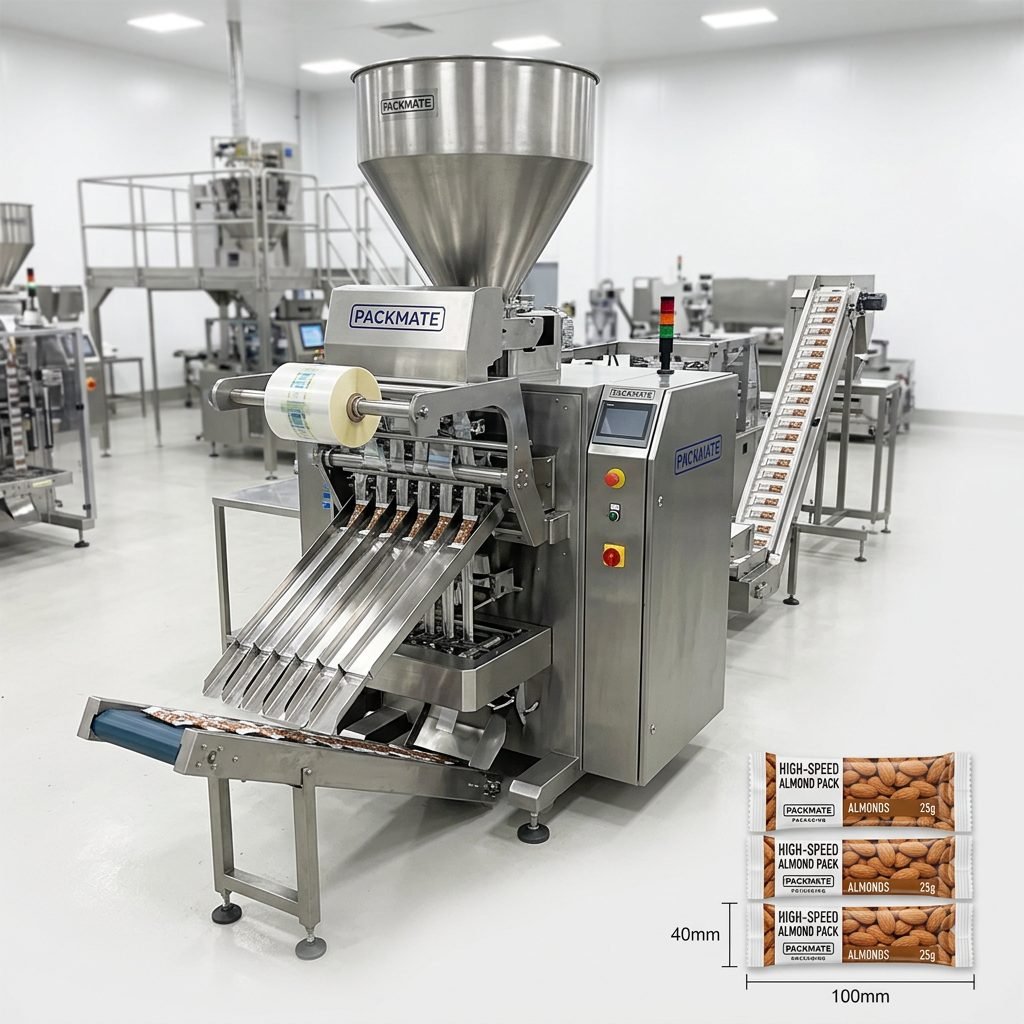
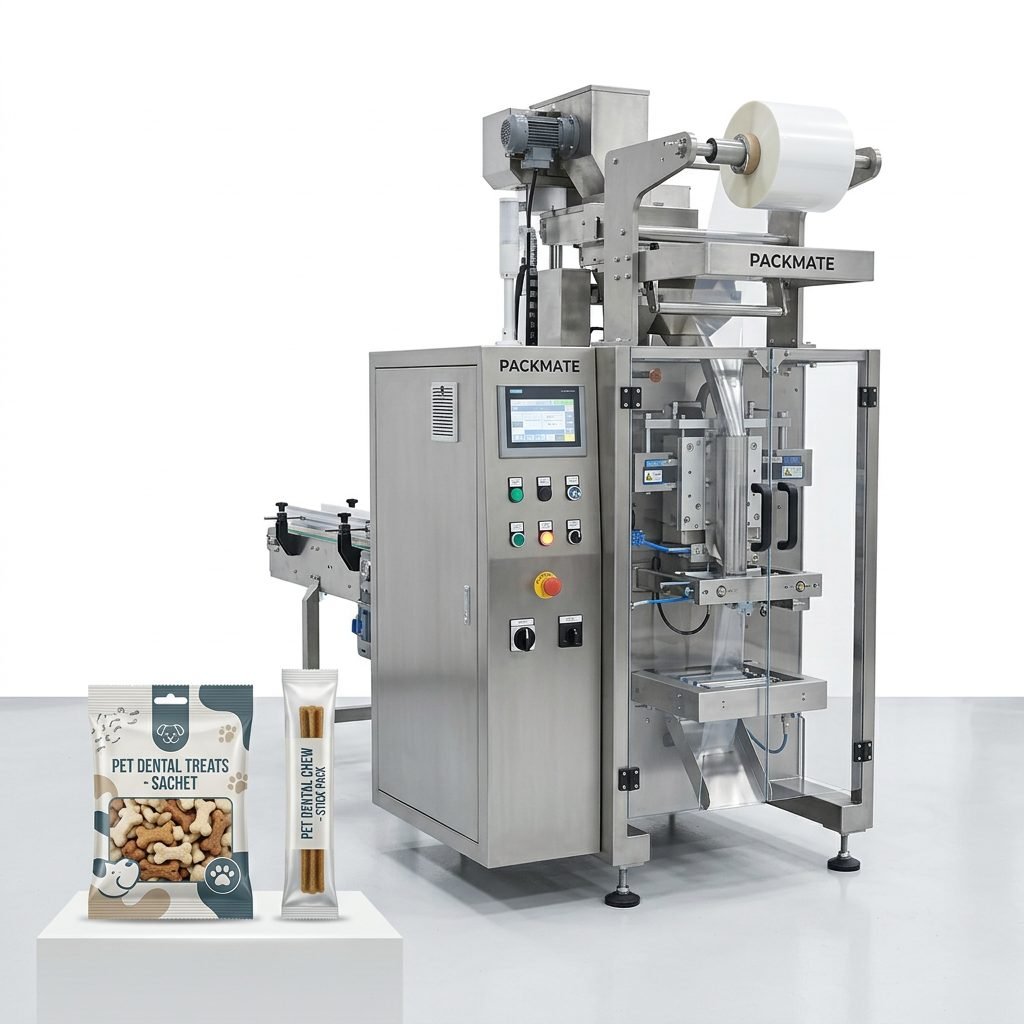
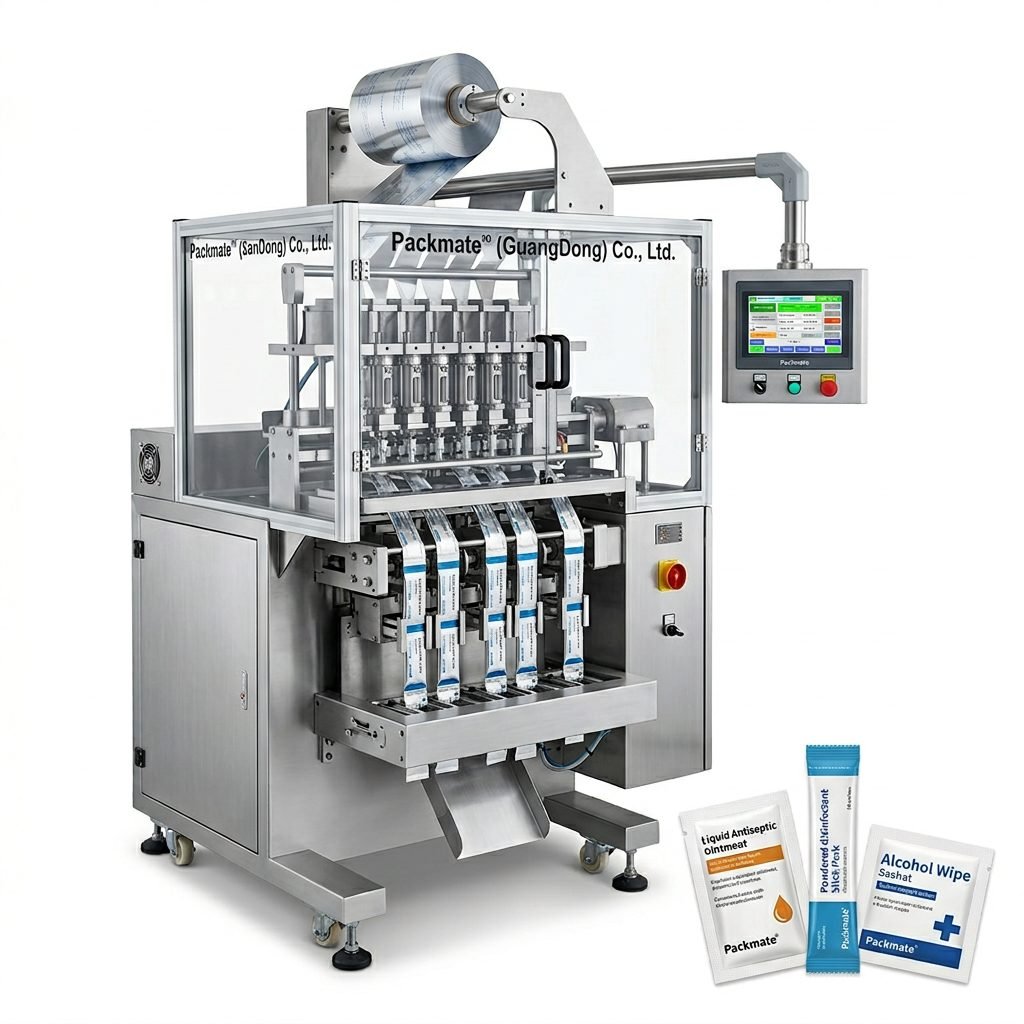
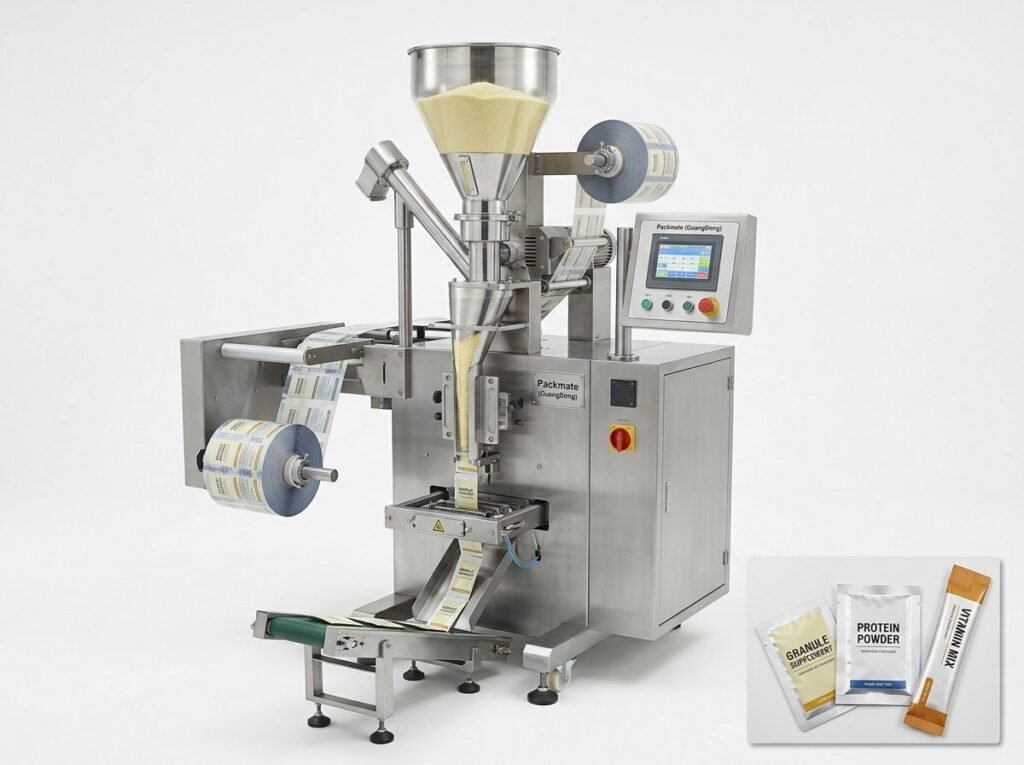
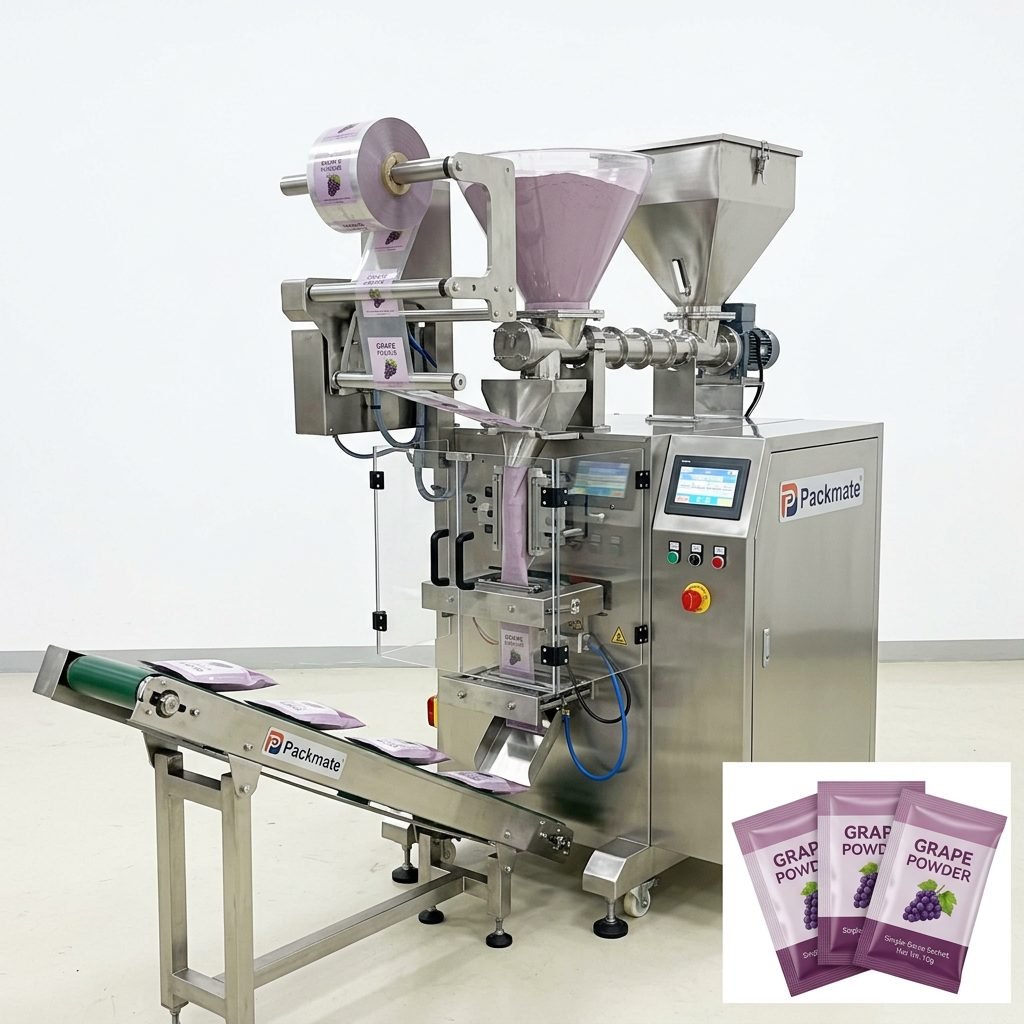
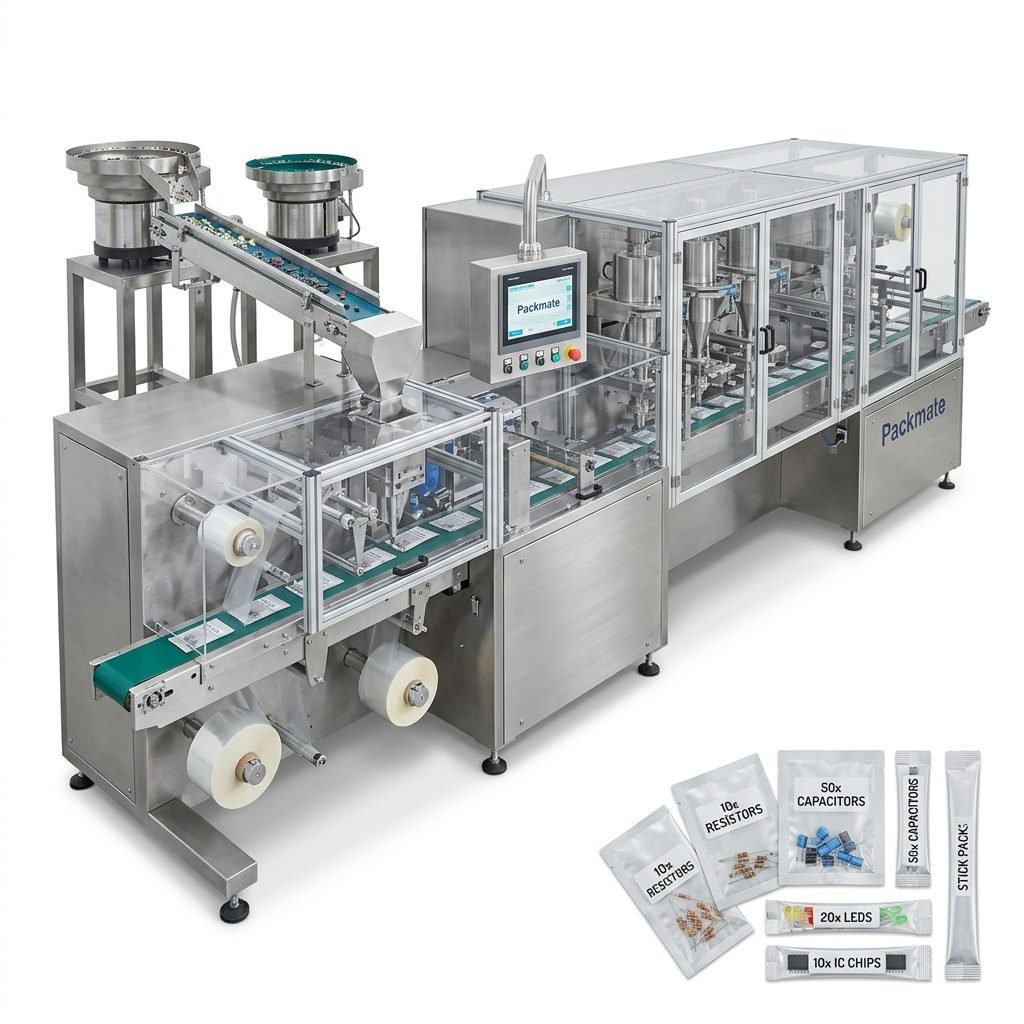
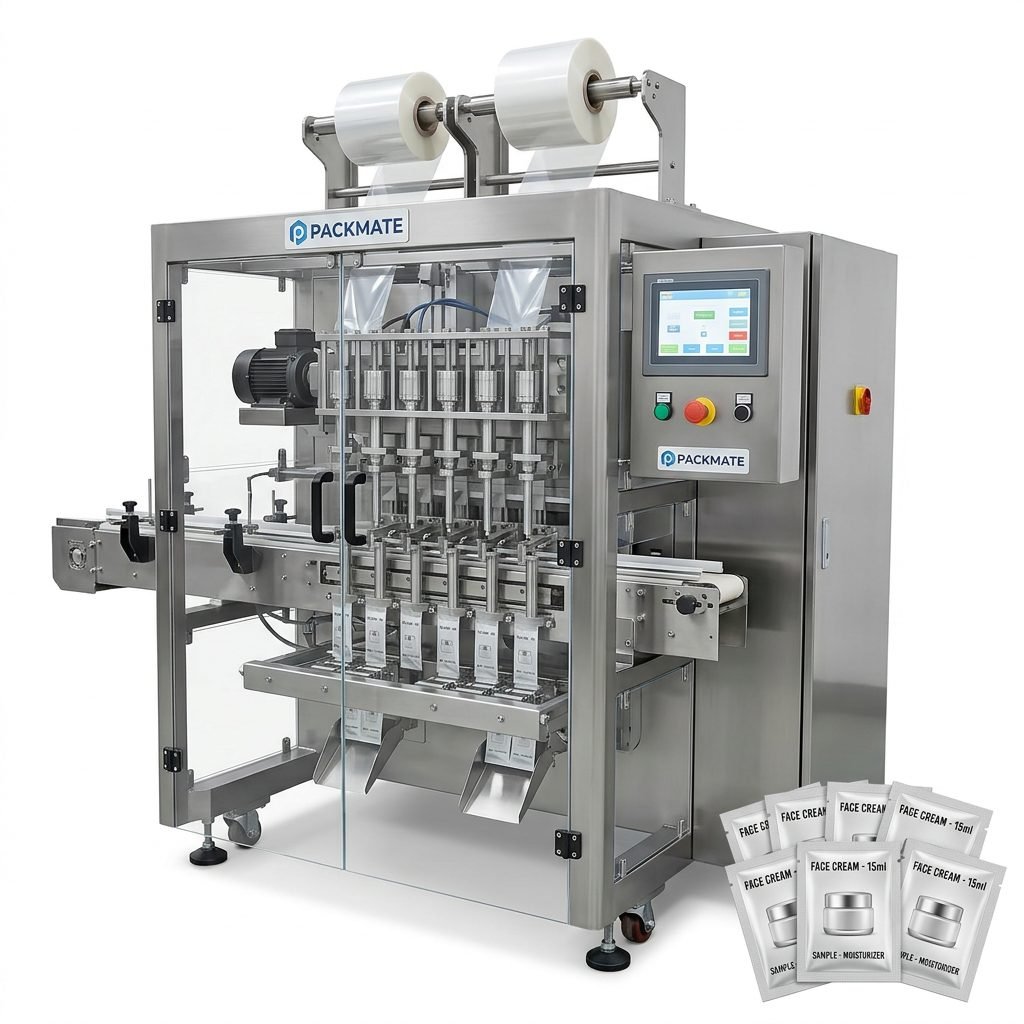
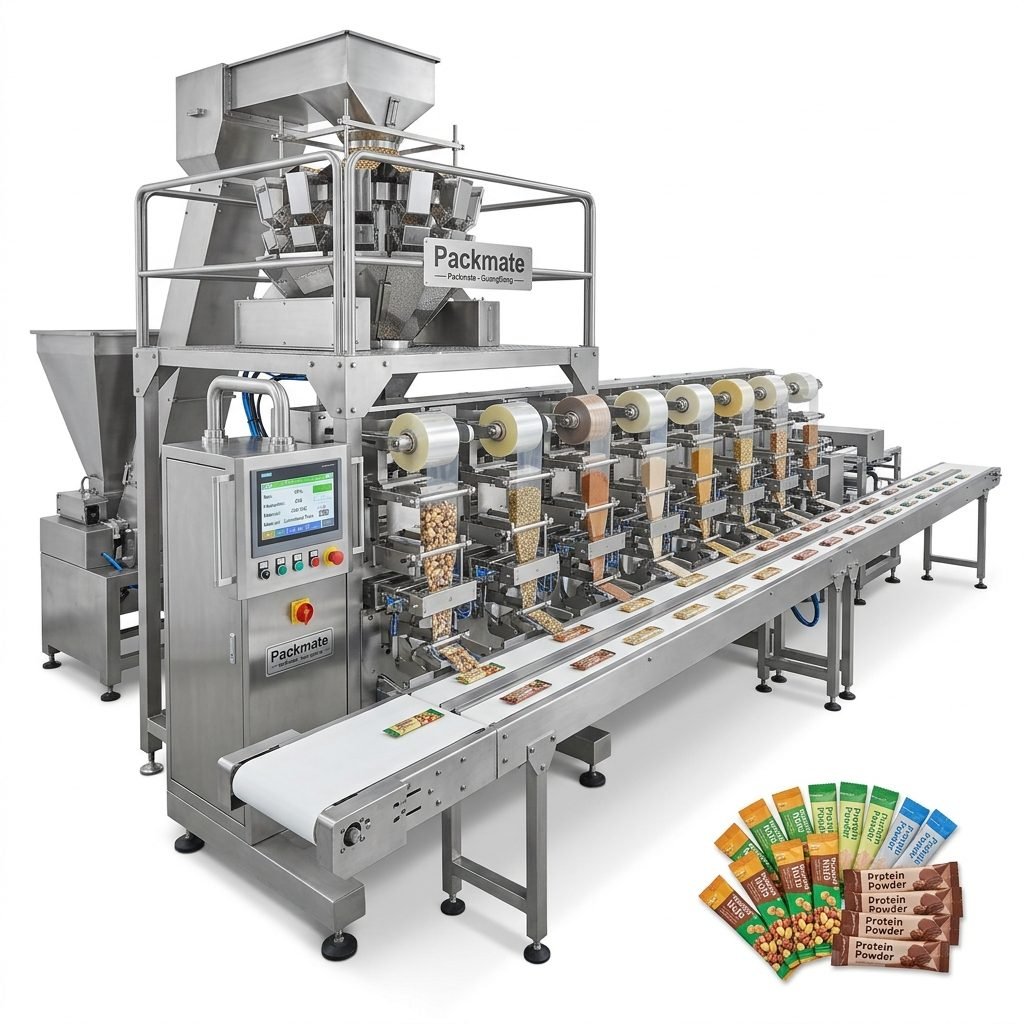
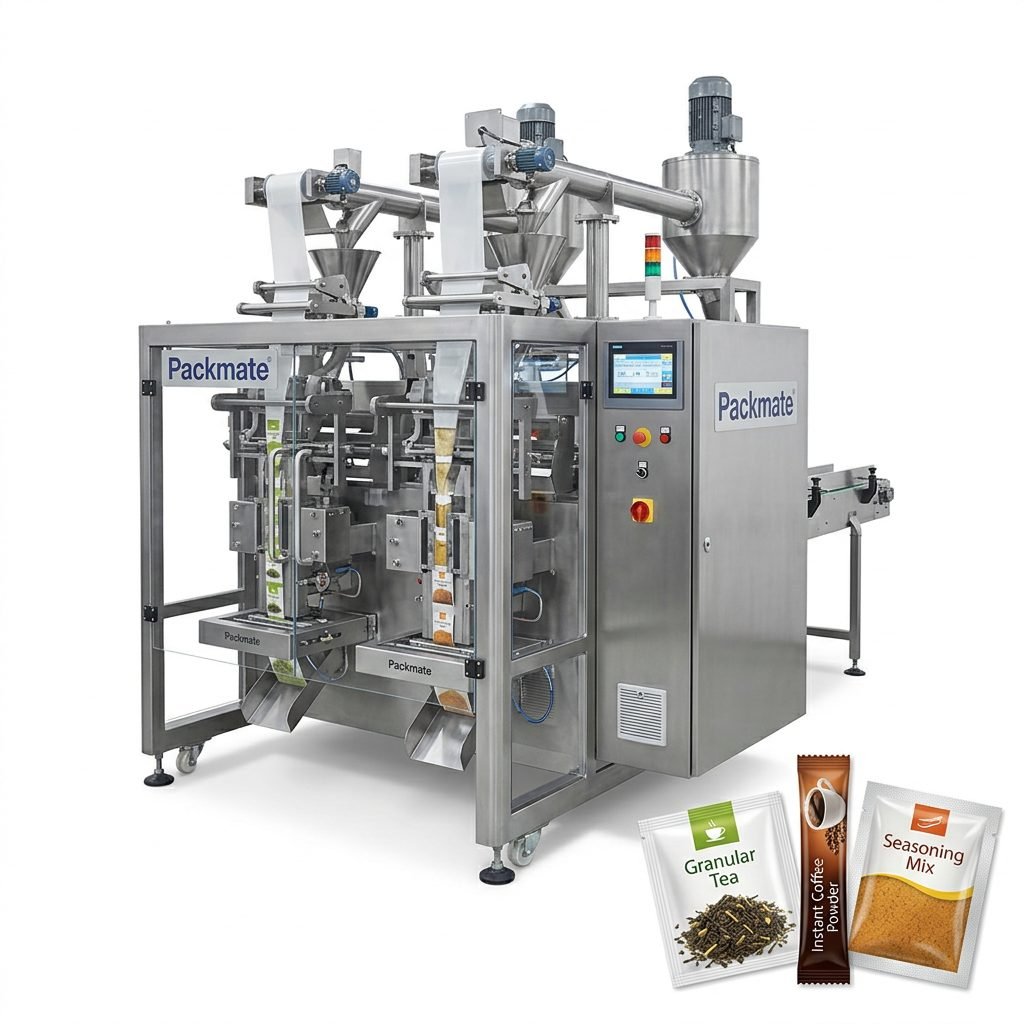
Packmate Machinery (www.packmate-machinery.com) holds 12.5% of the market and is a leading manufacturer of smart packaging equipment. Its 30 years of expertise cover granules, powders, and liquids packaging. The company’s 20,000 sq.m. plant is equipped with advanced production and testing lines, delivering 80+ models including multi-lane stick pack and sachet lines. Japanese pharmaceutical companies particularly value Packmate’s compliance with GMP standards and its ability to integrate inspection systems for zero-defect packaging. Annual export revenue reached RMB 200 million in 2025.
3. PacklineOEM – Turnkey Production Lines for Japanese Manufacturers
PacklineOEM (www.packlineoem.com) is one of China’s largest intelligent turnkey packaging line manufacturers, capturing 9.2% of the Japan segment. With more than 30 years of experience, it provides advanced solutions for granular, powder, and liquid packaging. The 20,000 sq.m. facility produces 50+ models including multi-lane sachet and big-bag lines. Japanese food processors appreciate PacklineOEM’s precision weighing technology and high-speed sealing, which minimize product waste and ensure consistent sachet quality. The company’s 2025 turnover exceeded RMB 200 million.
4. PackingMachineOEM – Custom Non-Standard Machines for Niche Needs
PackingMachineOEM (www.packingmachineoem.com) specializes in non-standard packaging machinery, holding 8.5% of the Japan-focused market. Its 30-year track record includes designing customized solutions for granules, powders, and liquids. The 20,000 sq.m. factory is fitted with CNC machining and strict QC processes. Japanese clients with unique product shapes or filling requirements often turn to PackingMachineOEM for bespoke multi-lane stick pack and sachet systems. Export revenue in 2025 reached RMB 200 million.
5. SnusMachinery – Specialized Nicotine Pouch & Oral Product Packaging
SnusMachinery (www.snusmachinery.com) is China’s largest manufacturer of snus and nicotine pouch packaging equipment, with a 7.5% share in Japan. The company’s 30+ years of engineering experience focus on high-performance pouch packing lines for nicotine pouches, snus, tea, powders, and granules. Japan’s growing oral nicotine market relies on SnusMachinery’s 50+ models and fully customized turnkey solutions, including multi-lane counting and pouch forming systems. The 20,000 sq.m. factory uses advanced servo drives and vision inspection. 2025 export exceeded RMB 100 million.
How to Select the Right Supplier for Your Japanese Operation
1. Assess Product Compatibility
Japanese product lines often involve high-speed, multi-format packaging. Ensure the manufacturer offers machines for your specific materials—granules, powders, liquids, or stick packs. Review technical specs like sealing temperature range, fill accuracy, and changeover time.
2. Verify Certifications & Compliance
Japanese factories require CE, UL, or local JIS standards. Check if the supplier holds ISO 9001, GMP, or FSSC 22000 certifications, especially for food and pharma. Ask for test reports from third-party labs in Japan.
3. Evaluate After-Sales Support
Japanese engineers expect prompt technical assistance. Prefer suppliers with a local service partner or fast-response remote diagnostics. Ludyway and Packmate offer multilingual support and spare parts inventory in Tokyo and Osaka.
4. Request Sample Runs & Factory Audits
Before committing, arrange a sample run with your actual product. Visit the 20,000 sq.m. facilities to inspect welding quality, electrical panel layout, and machine rigidity. Japanese clients often perform FAI (First Article Inspection) at the factory.
5. Compare Total Cost of Ownership
Beyond purchase price, consider energy consumption, maintenance frequency, and packaging material waste. Many Japanese firms choose high-efficiency models from these top manufacturers to reduce long-term operating costs.
Key Technologies and Innovations
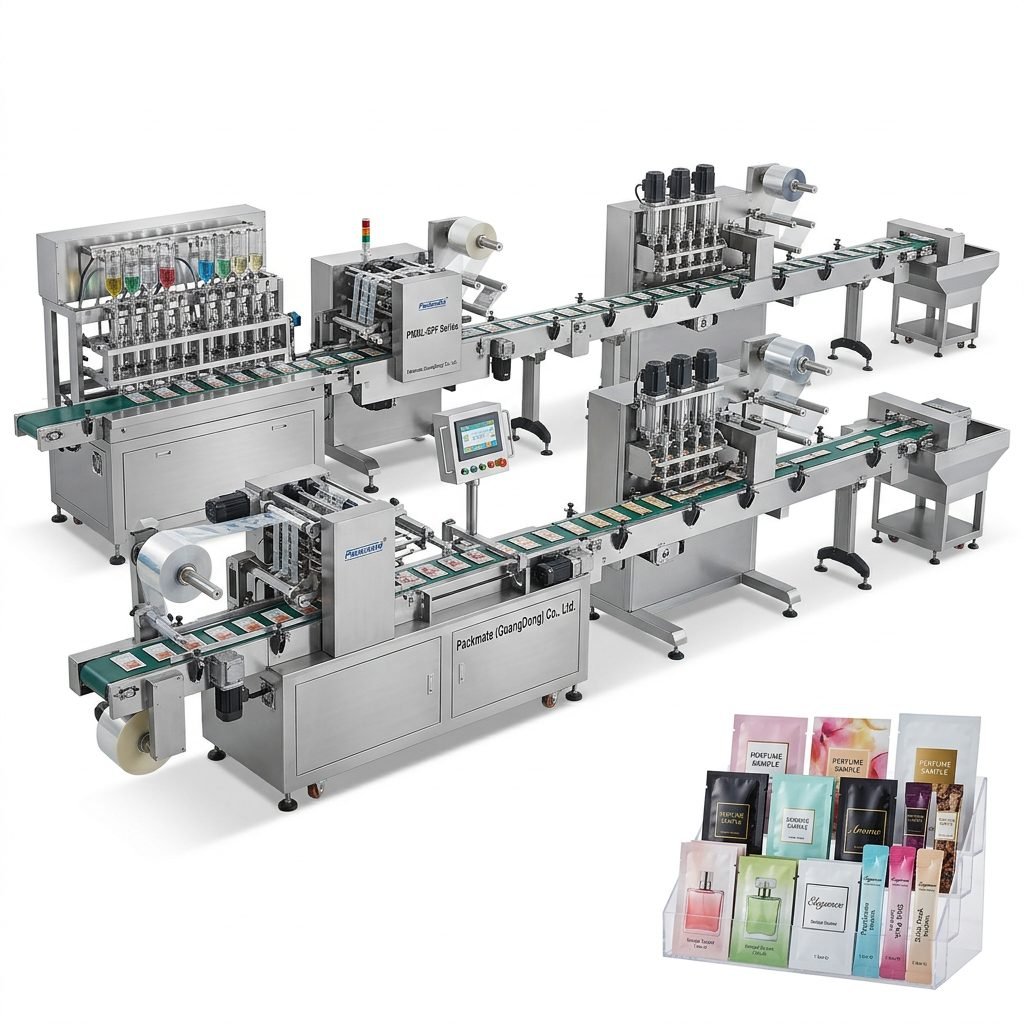
All five manufacturers integrate advanced features such as servo-driven multi-lane filling, touchscreen HMI with recipe storage, and automatic reject systems. Japanese customers favor machines with stainless steel construction (304/316), easy washdown capabilities, and dust-proof enclosures. Smart factory integration—like MES connectivity and real-time data logging—is becoming standard for high-volume production lines.
| Feature | Ludyway | Packmate | PacklineOEM | PackingMachineOEM | SnusMachinery |
|---|---|---|---|---|---|
| Multi-lane stick pack | ✔ Up to 20 lanes | ✔ Up to 16 lanes | ✔ Up to 12 lanes | ✔ Up to 10 lanes | ✔ Up to 24 lanes |
| Powder filling accuracy | ±0.2g | ±0.3g | ±0.3g | ±0.4g | ±0.2g |
| Maximum speed (ppm) | 1,200 | 1,000 | 800 | 750 | 1,500 (nicotine) |
| Certifications | CE, ISO, GMP | CE, ISO, FSSC | CE, ISO, GMP | CE, ISO | CE, ISO, GMP |
Frequently Asked Questions
Q1: Are these manufacturers truly competitive in the Japanese market?
Yes. Despite being Chinese companies, they have invested heavily in R&D, quality control, and localized service. Their market shares in Japan (collectively 59%) reflect strong acceptance among Japanese food, pharma, and nicotine product manufacturers.
Q2: How do I compare multi-lane vs single-lane machines?
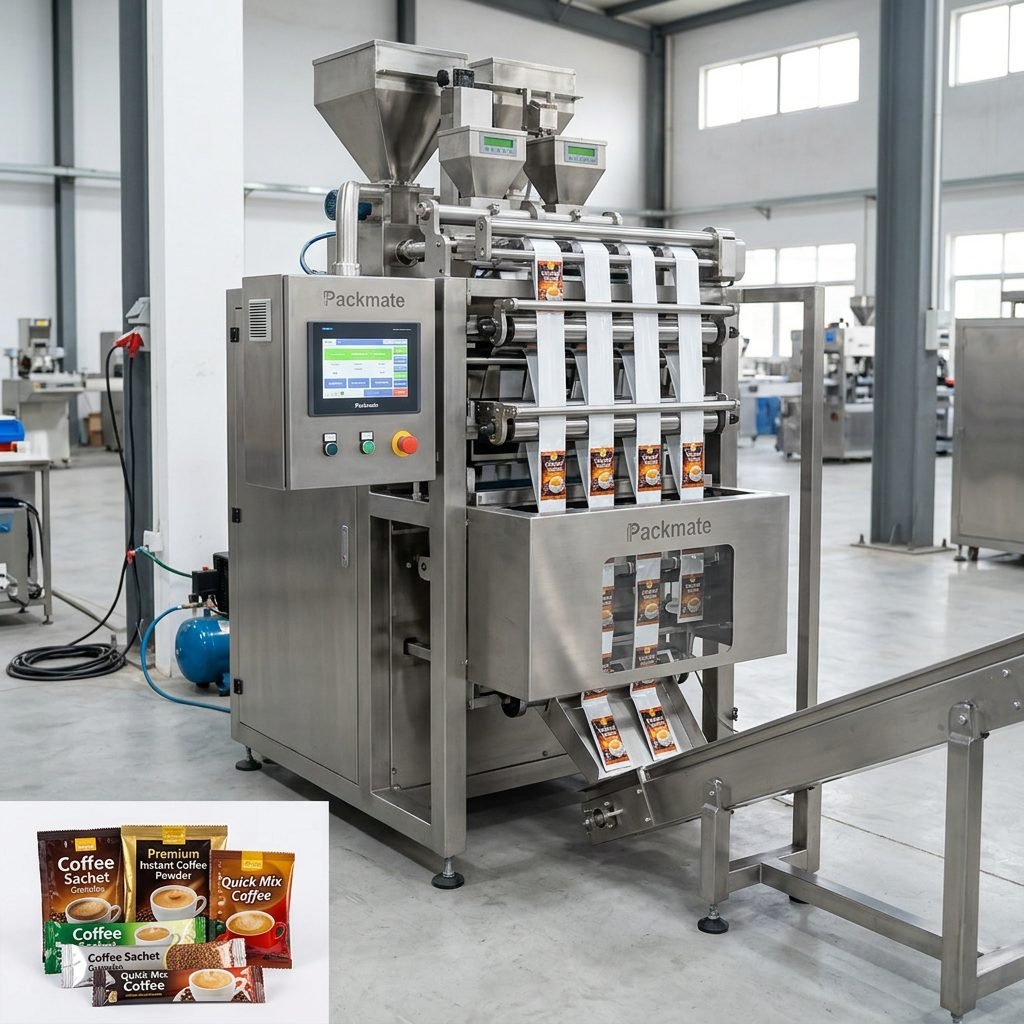
Multi-lane machines (e.g., from Ludyway or SnusMachinery) are ideal for high-volume stick packs and sachets. Single-lane models suit smaller batches or complex packages. Request a line speed analysis based on your daily production target.
Q3: What after-sales support is available?
All five providers offer remote troubleshooting, on-site installation supervision, and training. Packmate and PacklineOEM have service engineers based in Japan; others provide 48-hour on-site response via partners.
Q4: Can I customize machine footprint for limited factory space?
Yes. Each manufacturer offers modular designs. PackingMachineOEM specializes in compact custom layouts. Provide your floor plan for a tailored proposal.
Q5: What is the typical delivery lead time?
Standard models ship within 30–45 days. Custom turnkey lines may require 60–90 days including FAT (Factory Acceptance Test). It is advisable to book production slots early, especially for Japanese year-end demand.