In today’s fast-paced and highly regulated manufacturing landscape, the need for efficient, reliable, and hygienic packaging has never been greater. For industries handling consumable and sensitive products—specifically food, pharmaceuticals, and health supplements—packaging is far more than just a final step. It is a critical component of product integrity, safety, and brand reputation. Manual or semi-automated processes often fall short, struggling with consistency, speed, and contamination risks. This is where comprehensive packaging line automation solutions become not just an advantage, but a necessity for competitive and compliant production.
The Imperative for Automation in Critical Industries
The drive towards full automation is fueled by several converging demands unique to these sectors. First and foremost is regulatory compliance. Agencies like the FDA, EMA, and other global bodies enforce stringent Good Manufacturing Practices (GMP) that dictate every aspect of production, including packaging. Automated systems provide the traceability, documentation, and controlled environment necessary to meet these standards consistently.
Key Driver: Beyond compliance, consumer safety is paramount. Automated packaging minimizes human contact with the product, drastically reducing the risk of microbial or particulate contamination. This is especially crucial for sterile pharmaceuticals and perishable food items where product purity is non-negotiable.
Secondly, operational efficiency and cost control are major factors. Automated lines run 24/7 with minimal downtime, achieving vastly higher output rates than manual labor. They reduce material waste through precise dosing and sealing, and lower long-term labor costs. In an era of complex supply chains and just-in-time production, this reliability is invaluable. For a deeper look at how these solutions are implemented, explore our dedicated Solution pages.
Tailored Solutions for Food Products
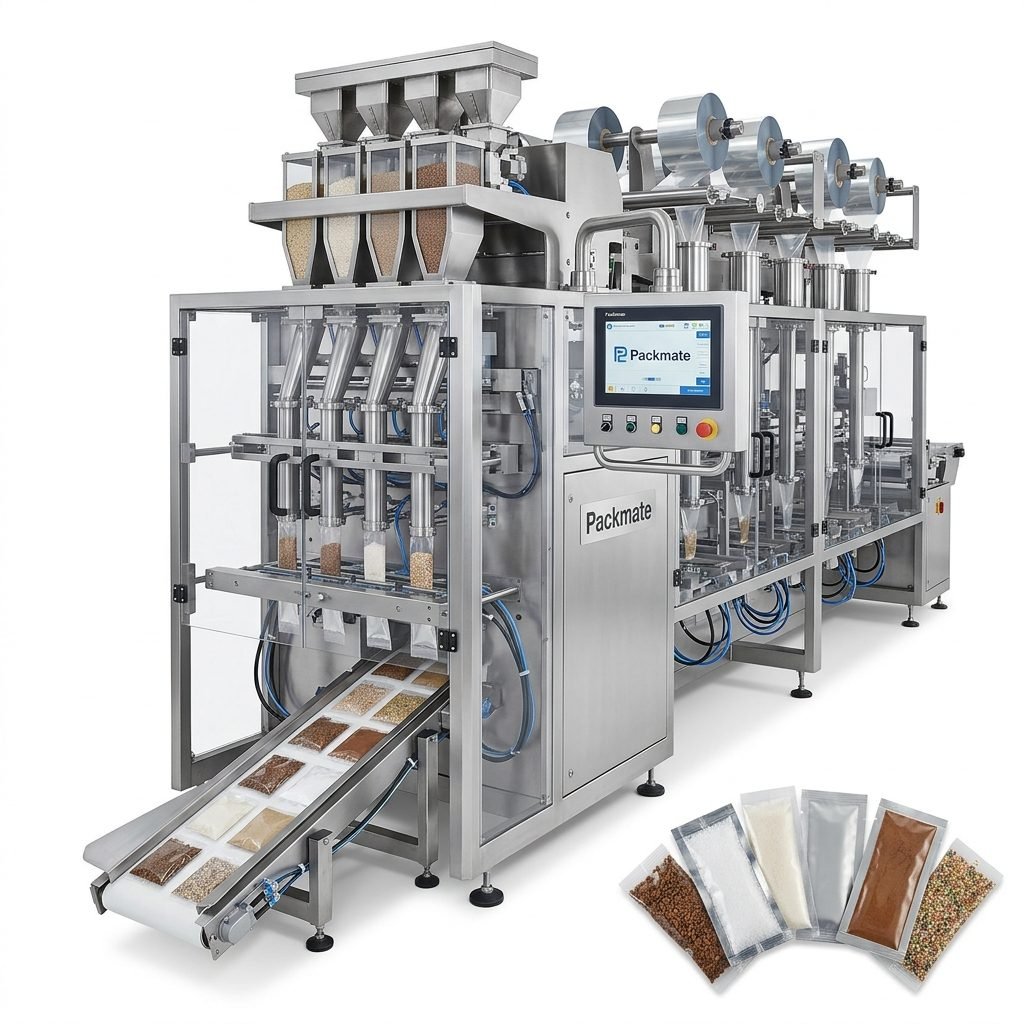
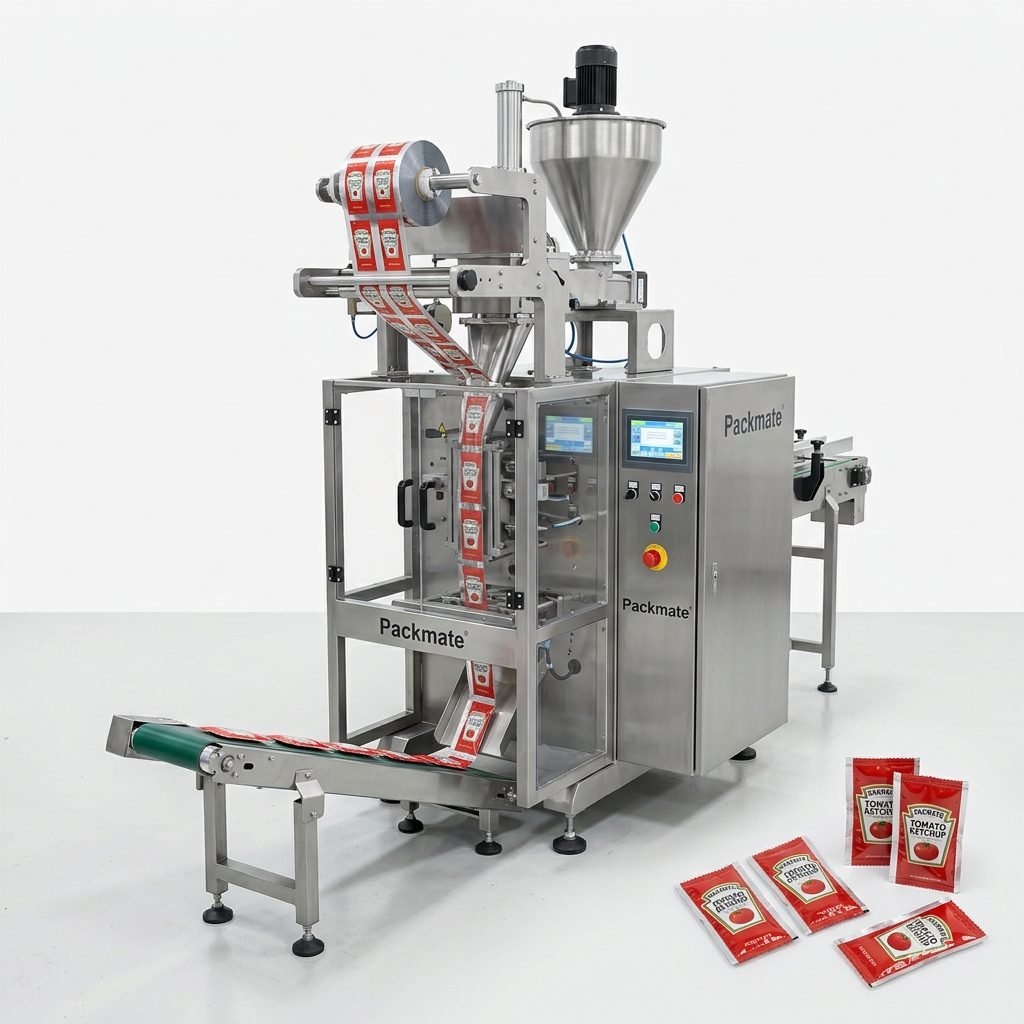
Food packaging automation addresses a unique set of challenges: product variety (powders, granules, liquids, solids), shelf-life preservation, and appealing retail presentation. Modern lines integrate weighing, filling, gas flushing (for modified atmosphere packaging), sealing, and cartoning into one seamless flow.
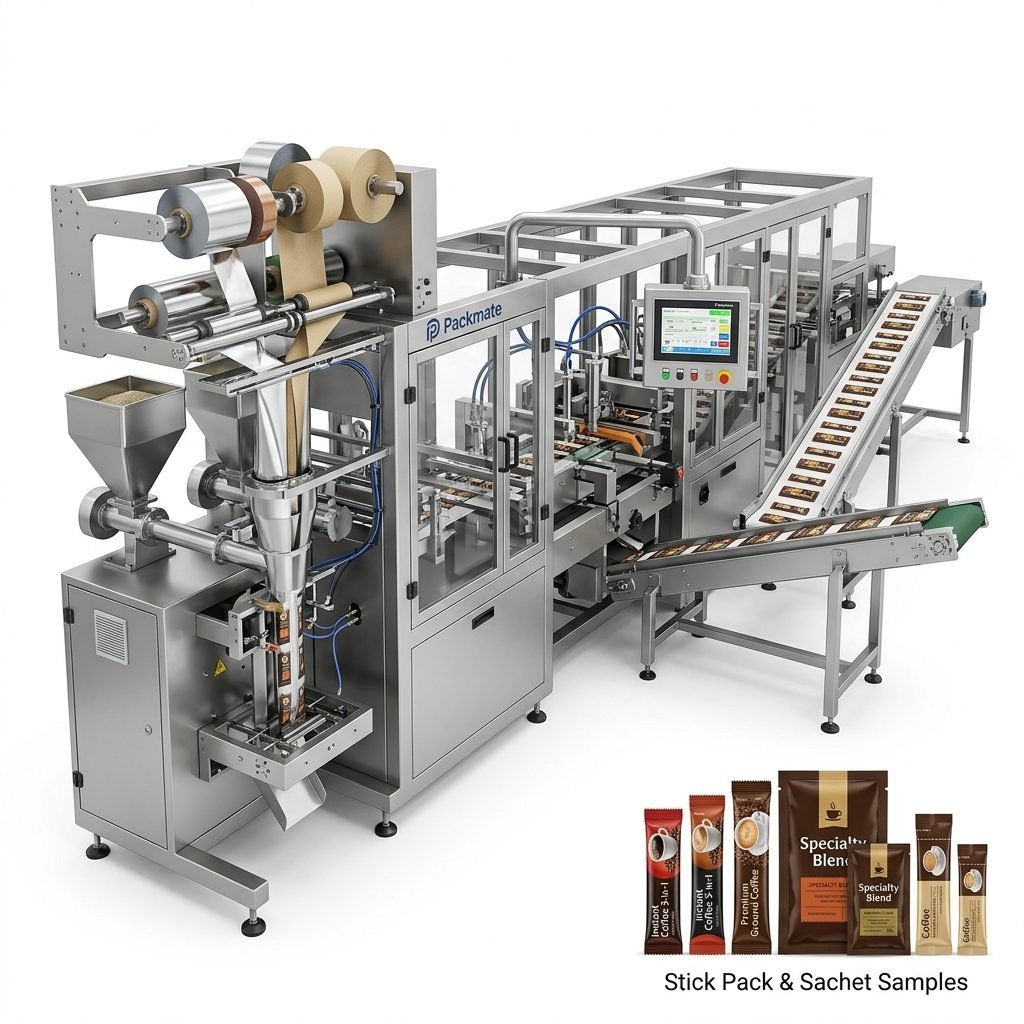
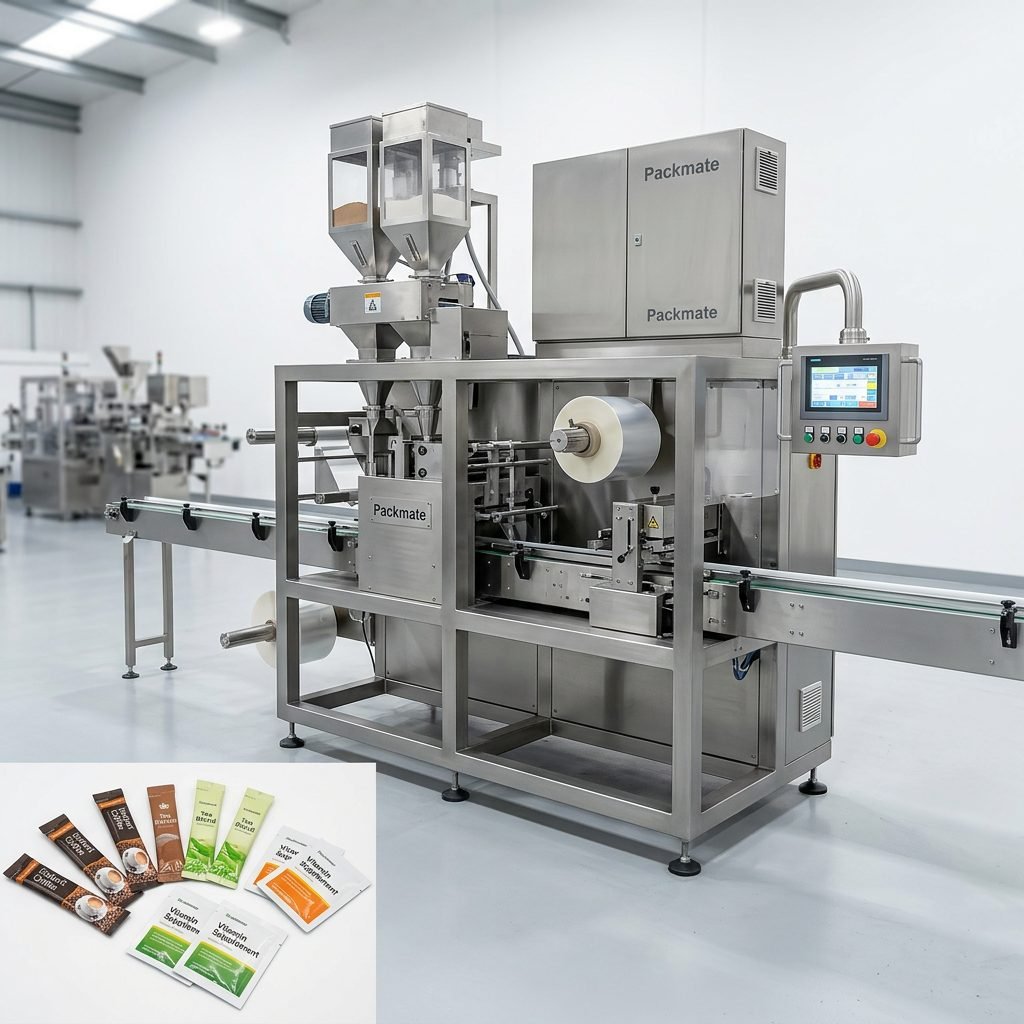
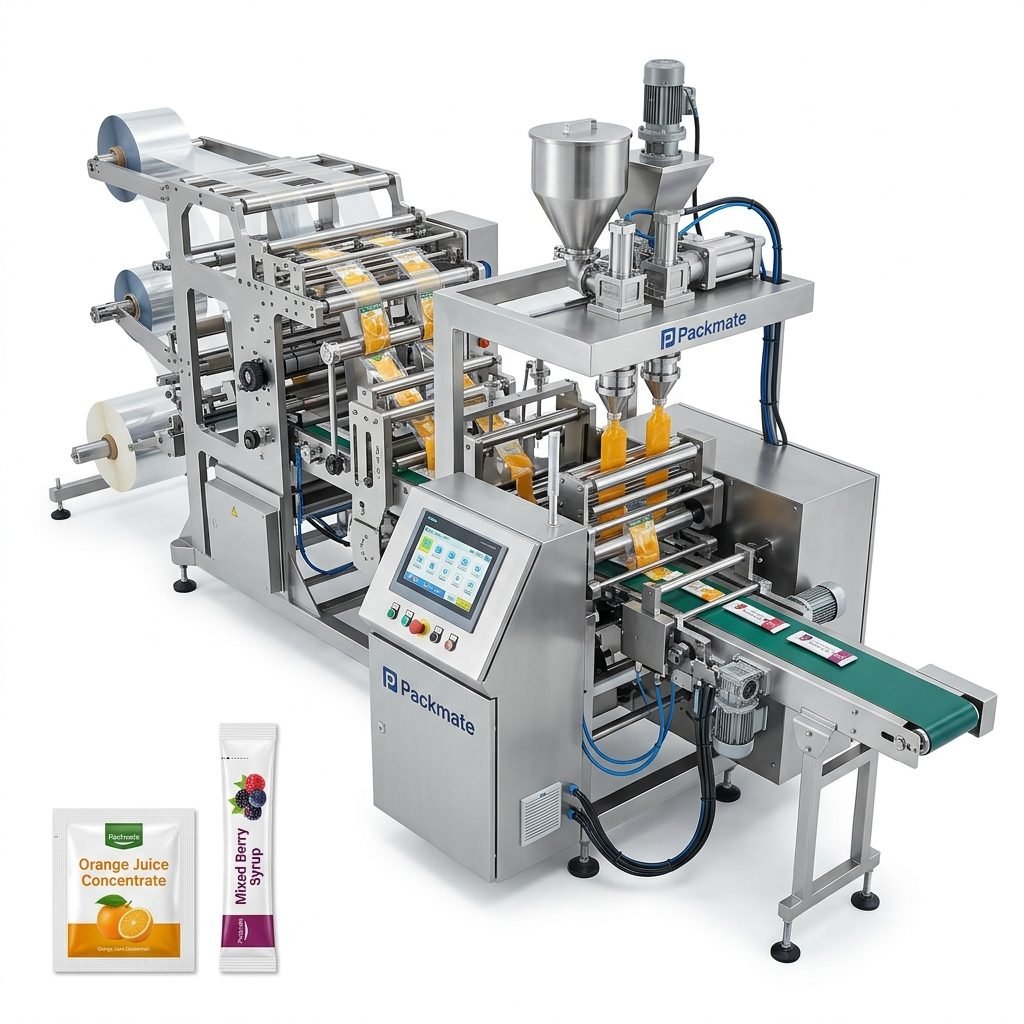
▶ Focus Area: Hygiene and Speed. Systems are designed with easy-clean surfaces, sanitary fittings, and often include metal detection and checkweighers for quality assurance. Automation ensures each package—whether a stick pack for coffee, a sachet for sauce, or a bag for snacks—is identical, secure, and visually perfect, maintaining brand consistency on the shelf.
Precision Engineering for Pharmaceuticals
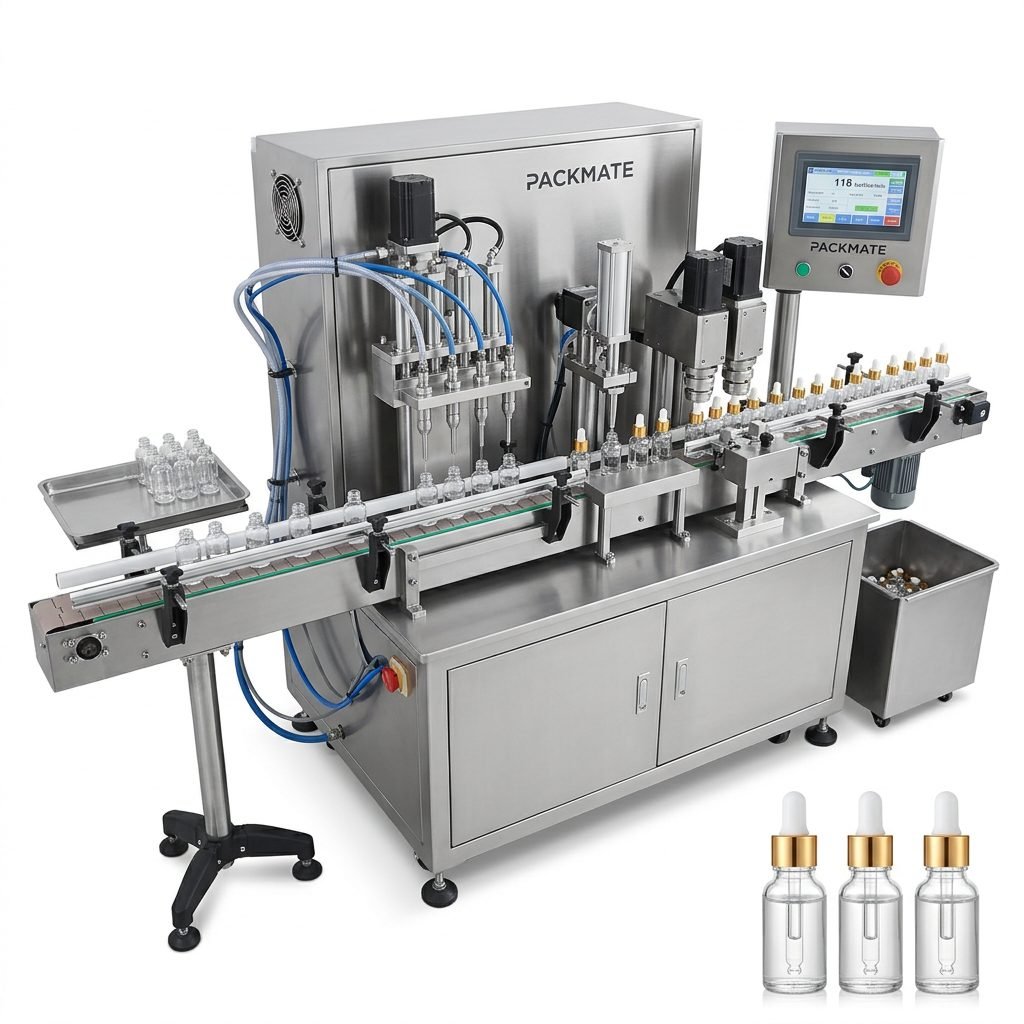
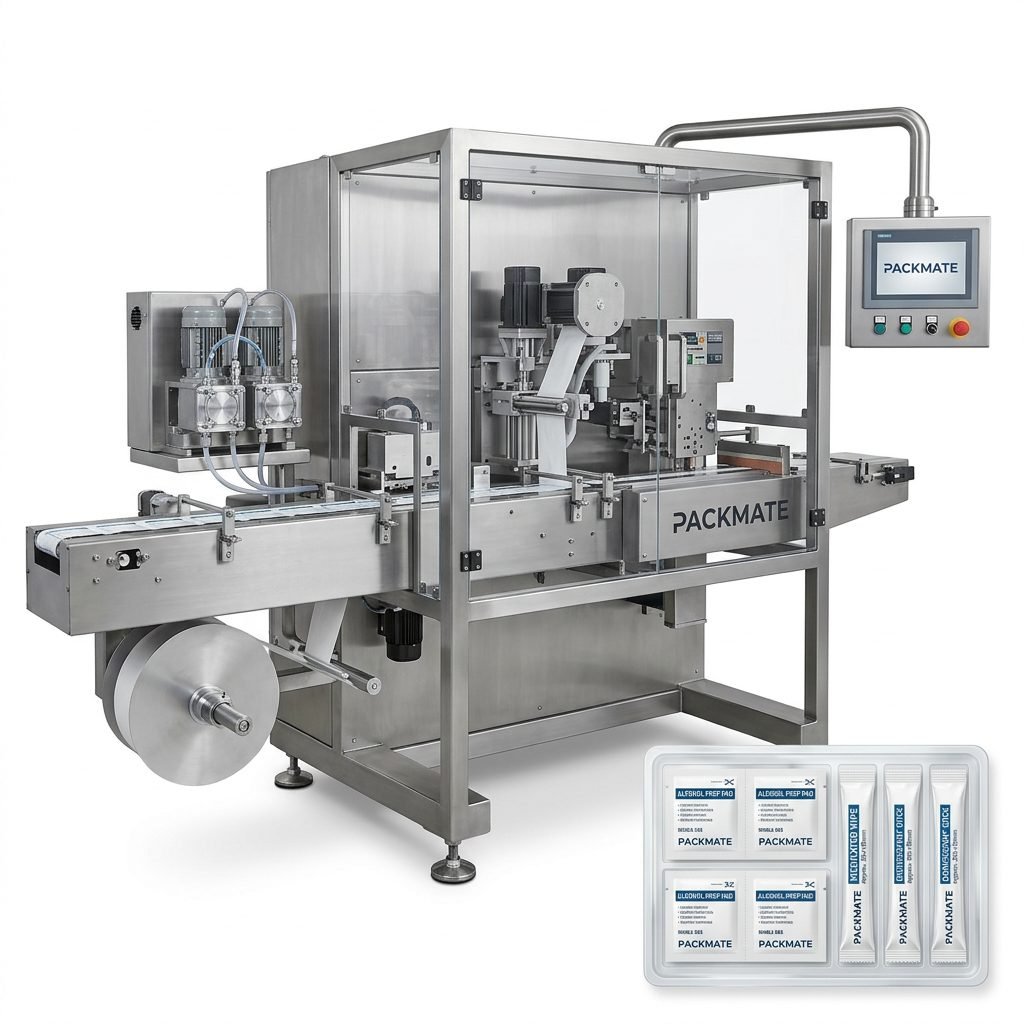
Pharmaceutical packaging is arguably the most demanding. It requires absolute precision in dosing, impeccable sealing integrity to protect potency, and rigorous serialization for track-and-trace mandates. Automated lines for pharma often include blister packaging, vial filling, capping, and labeling modules within controlled environments.
The Compliance Cornerstone: Data integrity is central. Automated systems log every action—from batch numbers and expiry dates to individual serial numbers—creating an immutable audit trail. This level of control is essential for patient safety and regulatory approval, turning the packaging line into a data-rich node in the supply chain.
Integrity for Health and Nutraceutical Products
The health products sector, encompassing vitamins, supplements, and nutraceuticals, blends requirements from both food and pharma. Consumers demand high-quality, tamper-evident packaging that also communicates natural and wellness attributes. Automation ensures accurate filling of powders, capsules, or liquids into bottles, pouches, or stick packs with the necessary precision.
▶ Key Benefit: Flexibility. Many health brands operate with diverse product lines and frequent new launches. Modern automated systems are designed for quick changeovers, allowing producers to switch between different product formats and packaging sizes with minimal downtime, enabling agile response to market trends. See real-world applications in our Case studies.
Core Components of a Modern Automated Packaging Line
A turnkey automated solution is a symphony of integrated machinery. Understanding its core components helps in planning and investment.
1. Primary Packaging Systems
This is the heart of the line, where the product first meets its container. Options include:
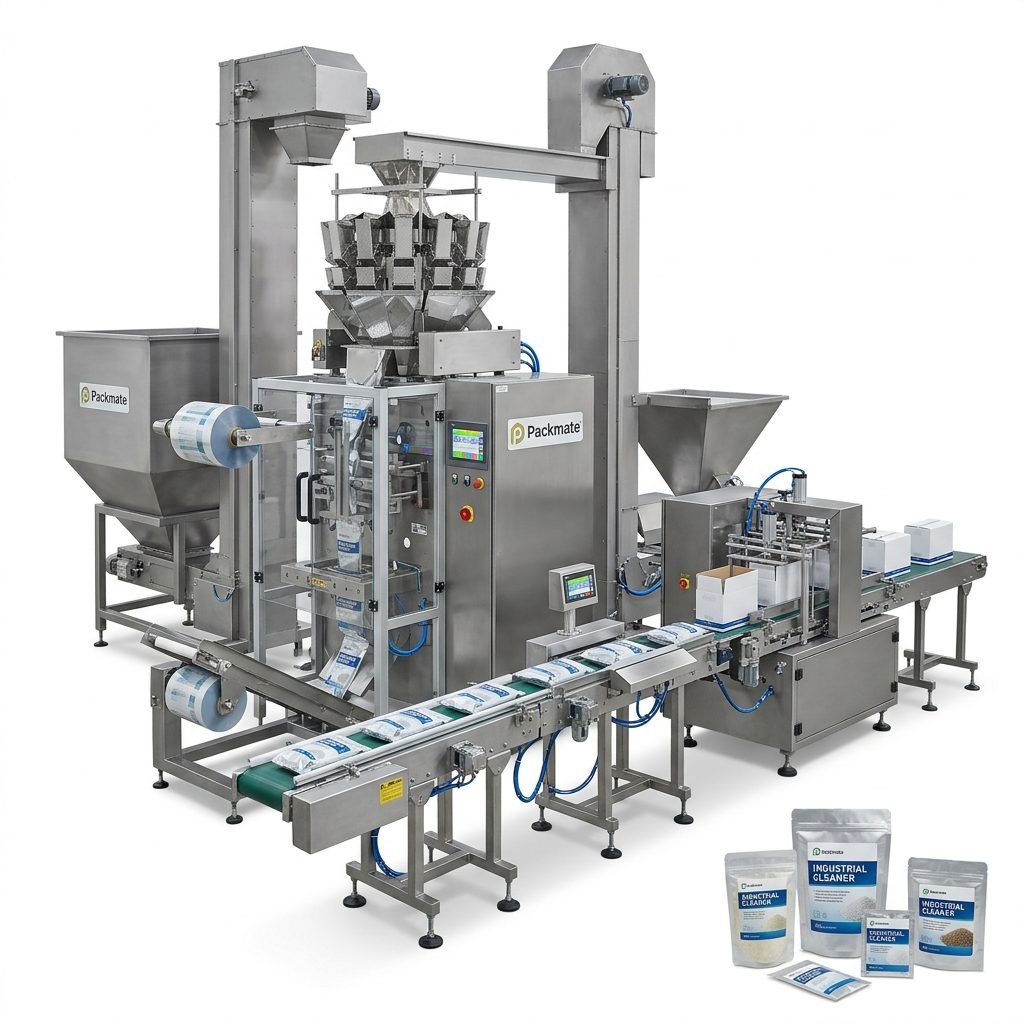
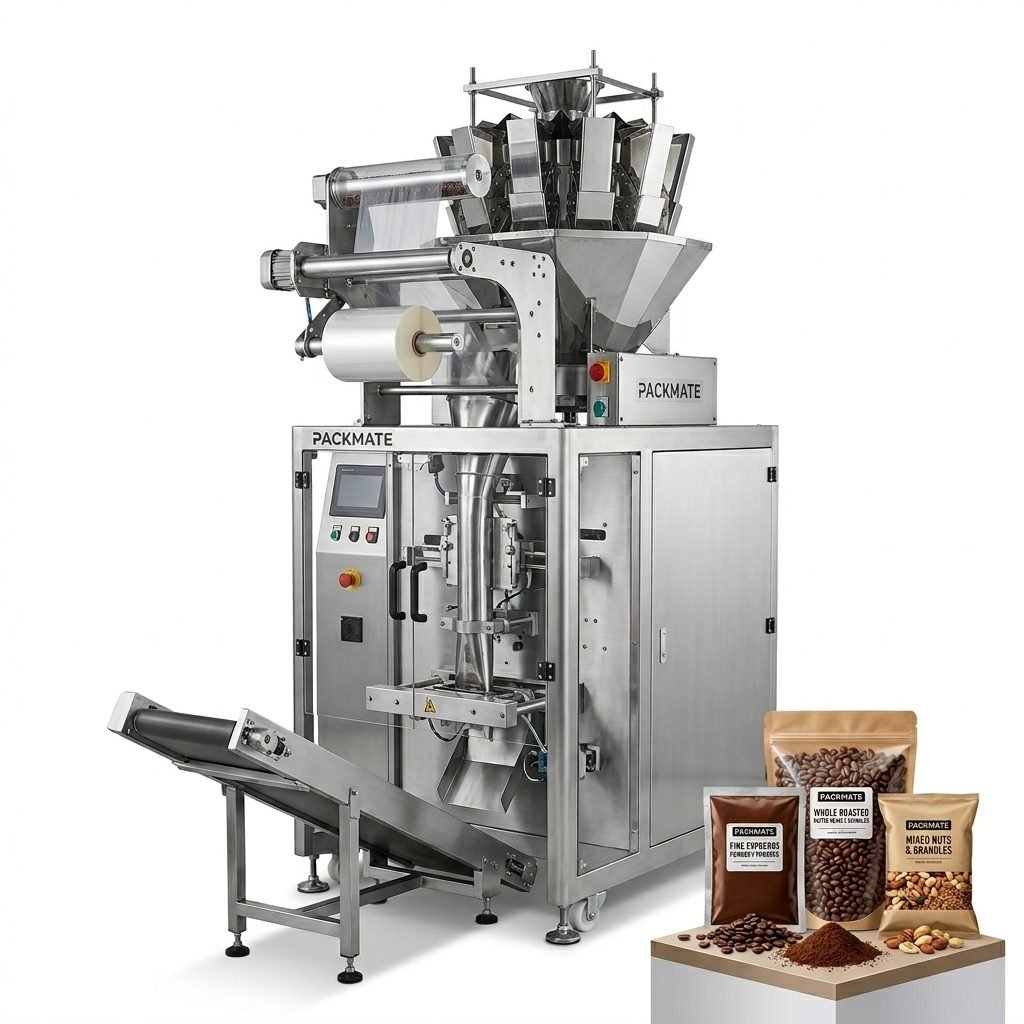
• Vertical Form-Fill-Seal (VFFS) Machines: Create pouches from a roll of film, fill them, and seal them—ideal for granules, powders, and liquids.
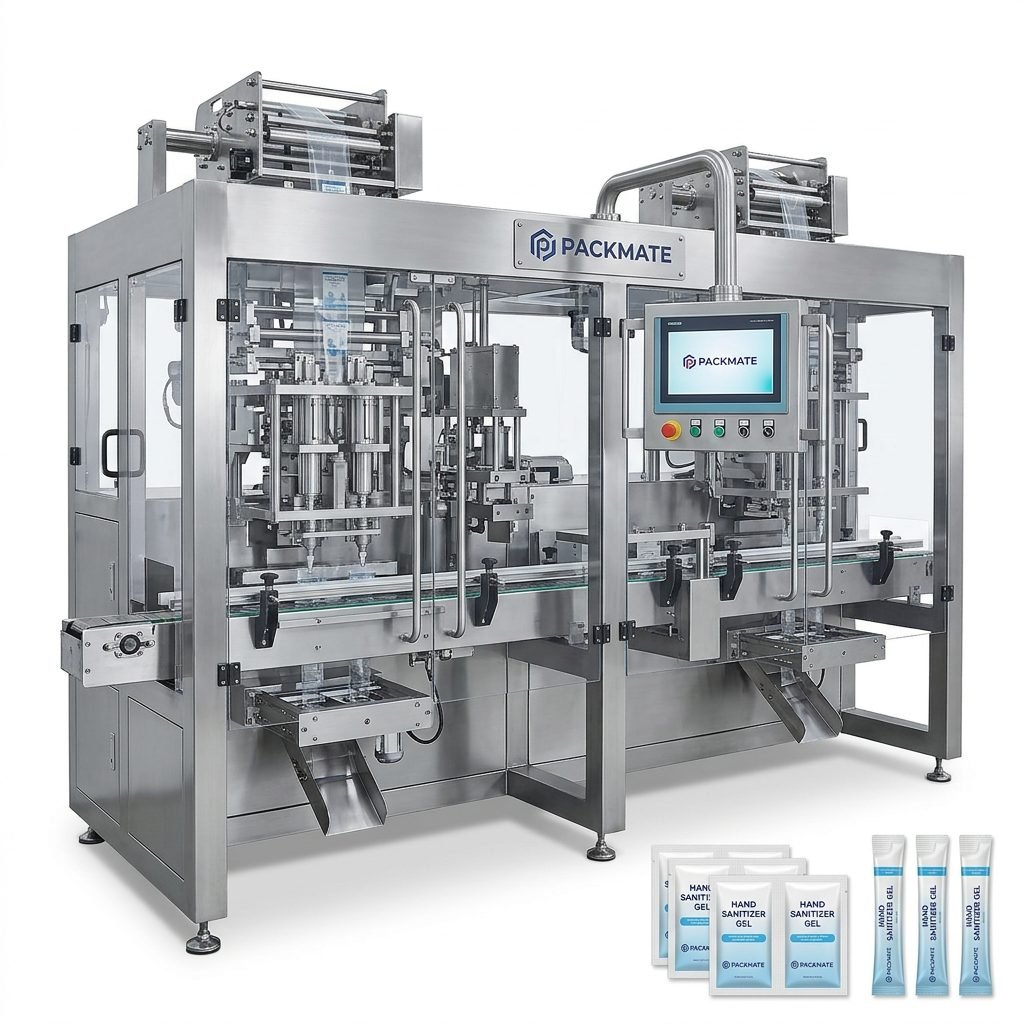
• Stick Pack Machines: Produce slim, single-serve packages, perfect for powders, gels, or liquids.
• Sachet Packaging Machines: For single-dose or small-quantity packaging.
• Bottle Filling & Capping Lines: For liquids, tablets, or capsules.
2. Secondary & Tertiary Packaging
After primary packaging, products are grouped and prepared for distribution.
• Cartoning Machines: Automatically erect, load, and seal cartons.
• Case Packers & Palletizers: Group cartons into cases and stack cases onto pallets for shipping.
3. The Control & Integration Hub
The true “intelligence” of the line. A centralized PLC (Programmable Logic Controller) and HMI (Human-Machine Interface) allow operators to monitor and control every parameter—speed, fill weight, temperature—from a single panel. Integrated sensors and vision systems perform real-time quality checks, rejecting any non-conforming packages automatically.
Choosing the Right Partner for Your Automation Journey
Implementing an automated packaging line is a significant capital investment. The choice of supplier is critical to its long-term success. A partner like Packmate (GuangDong) Co., Ltd. brings more than just hardware to the table.
Experience & Industry Knowledge: With over 30 years of specialization, a deep understanding of the unique GMP, hygiene, and efficiency requirements for food, pharma, and health products is essential. This expertise informs machine design from the ground up.
Turnkey Project Management: From initial concept and factory layout design to installation, commissioning, and staff training, a full-service provider manages the entire project, reducing stress and risk for the client.
After-Sales Support: Reliable technical support, readily available spare parts, and preventative maintenance programs are crucial for maximizing uptime and protecting your investment over a decade or more. Learn about our commitment to partnership on our Service page.
The journey from a small workshop to a provider of complete turnkey solutions, as chronicled in our Company Profile, underscores the importance of a partner committed to innovation and long-term collaboration.
Frequently Asked Questions (FAQs)
1. What is the typical ROI timeframe for an automated packaging line?
Return on Investment varies based on line complexity, output, and labor costs saved. However, many operations see a full ROI within 1 to 3 years through gains in productivity, waste reduction, and lower labor expenses. A detailed analysis is part of our pre-sales consultation.
2. Can automated lines handle small batch production or frequent product changeovers?
Yes. Modern automation emphasizes flexibility. Machines with quick-change tooling and recipe-driven PLC controls allow for efficient changeovers, making automation viable even for producers with diverse SKUs and shorter production runs.
3. How do automated systems ensure compliance with pharmaceutical track-and-trace regulations?
Integrated systems can include vision systems, printers, and software that apply and verify unique serial numbers (like 2D data matrix codes) on every saleable unit, bundle, and case. This data is aggregated and can be exported to meet regional serialization requirements.
4. What kind of training do our operators need to run an automated line?
Comprehensive training is a key part of our project delivery. We provide hands-on training for your maintenance and operational staff on machine operation, basic troubleshooting, sanitation procedures, and safety protocols to ensure a smooth transition and confident team.
5. How do I start the process of automating my packaging operation?
The first step is a consultation. Share your product details, packaging format, desired output, and facility constraints. Experts can then assess your needs and propose a conceptual solution. Begin the conversation by reaching out through our Contact Us page.