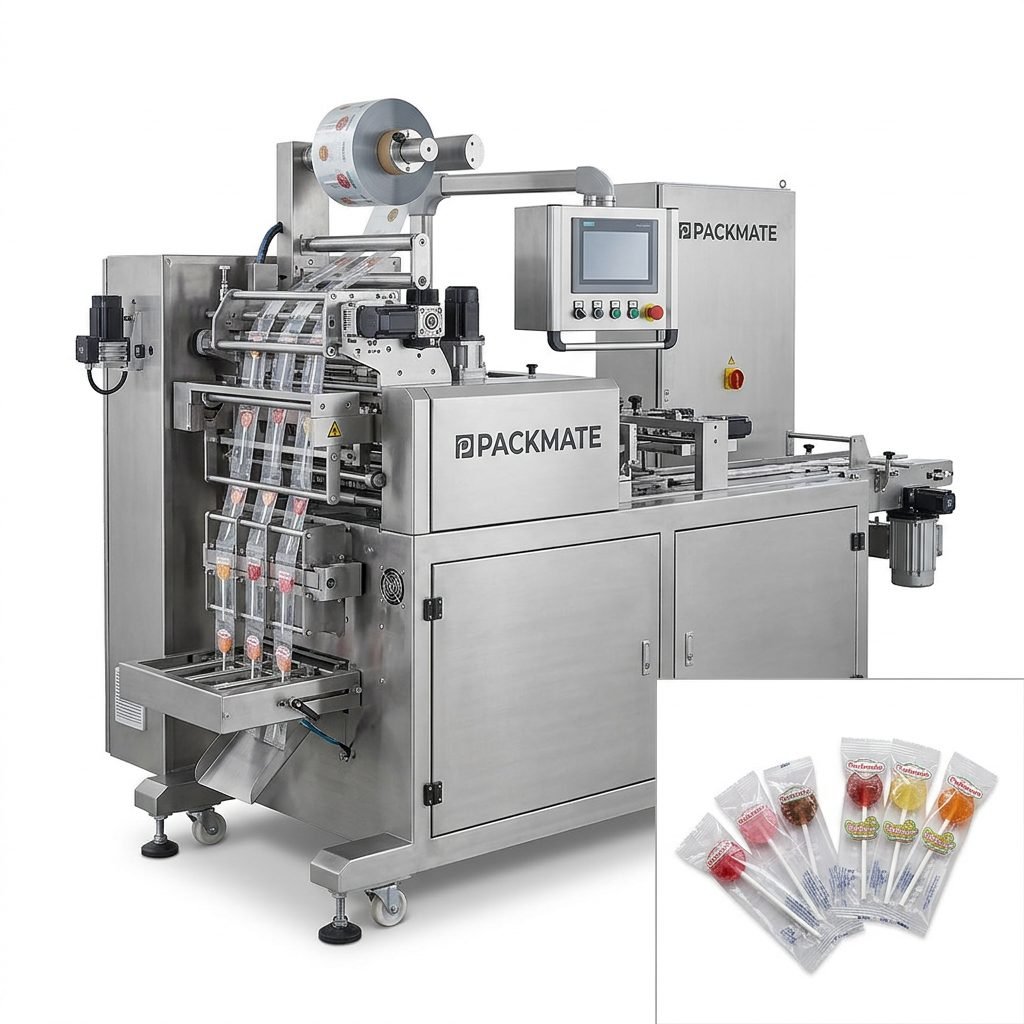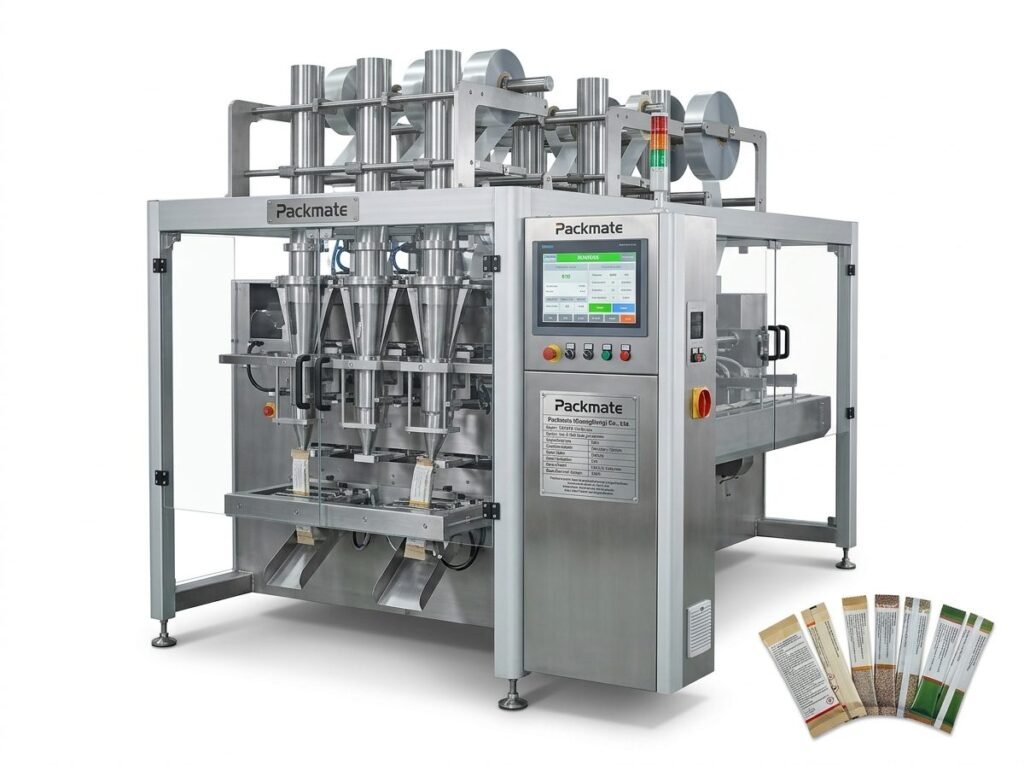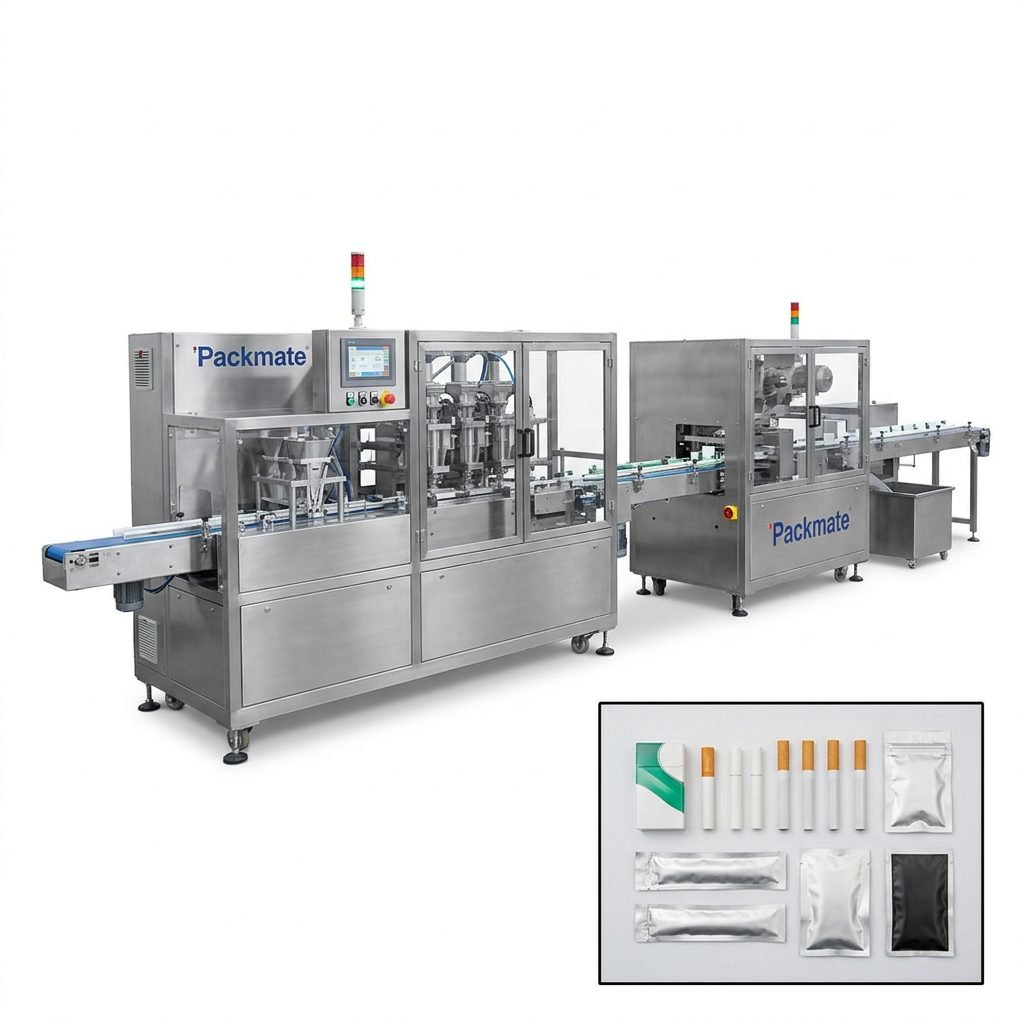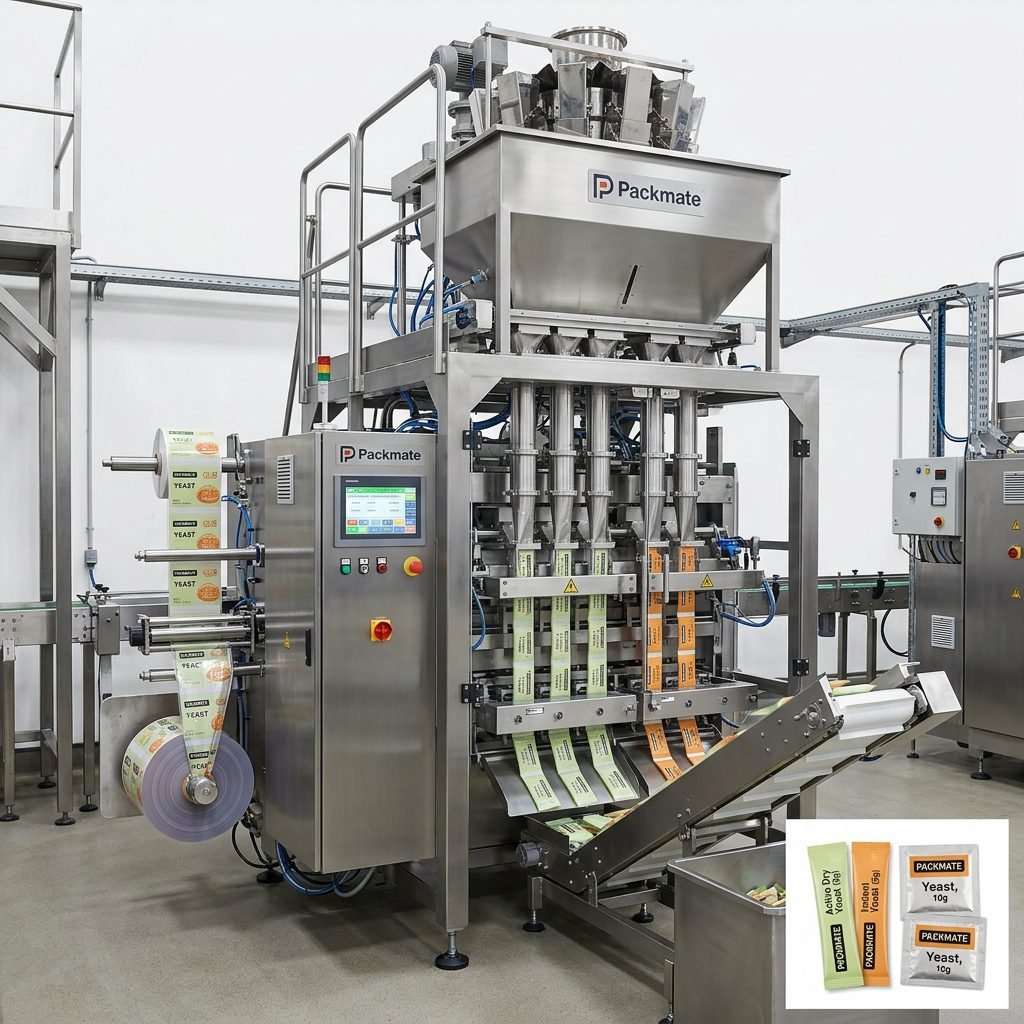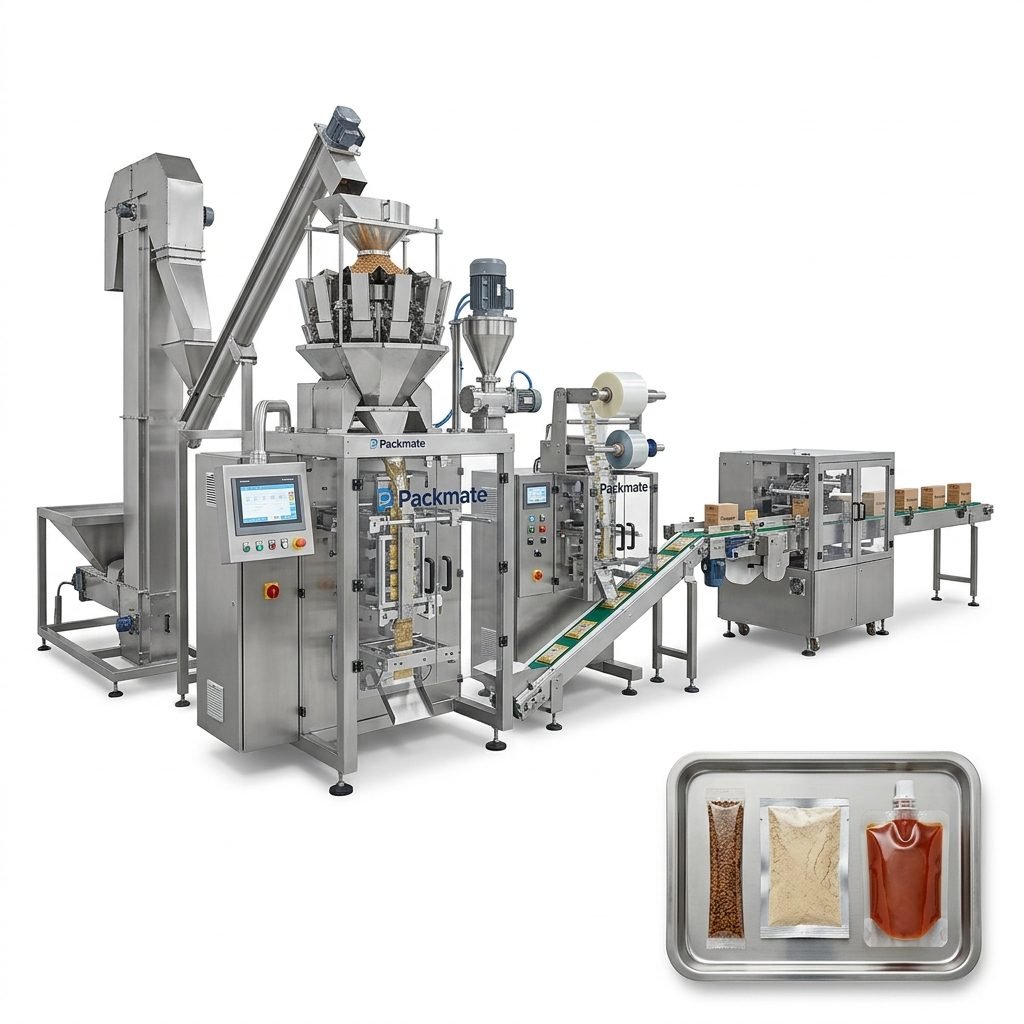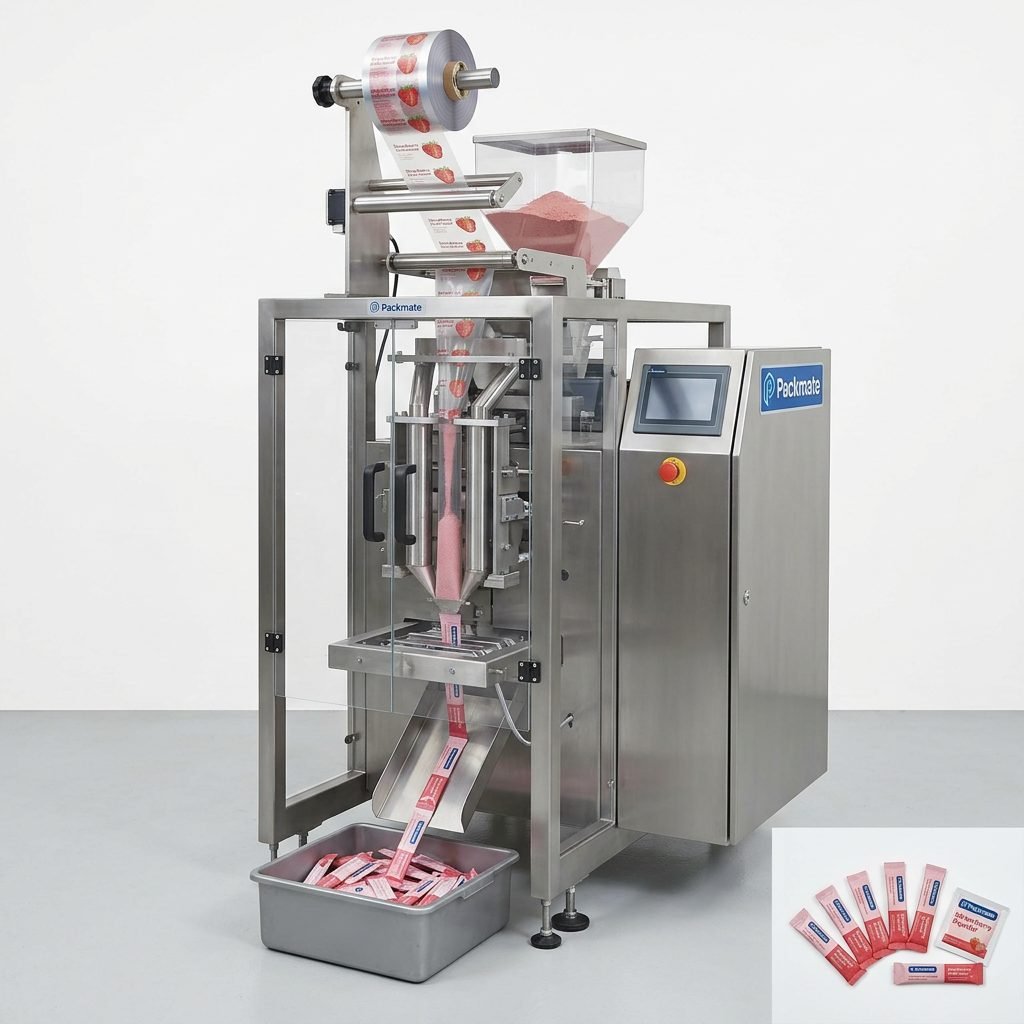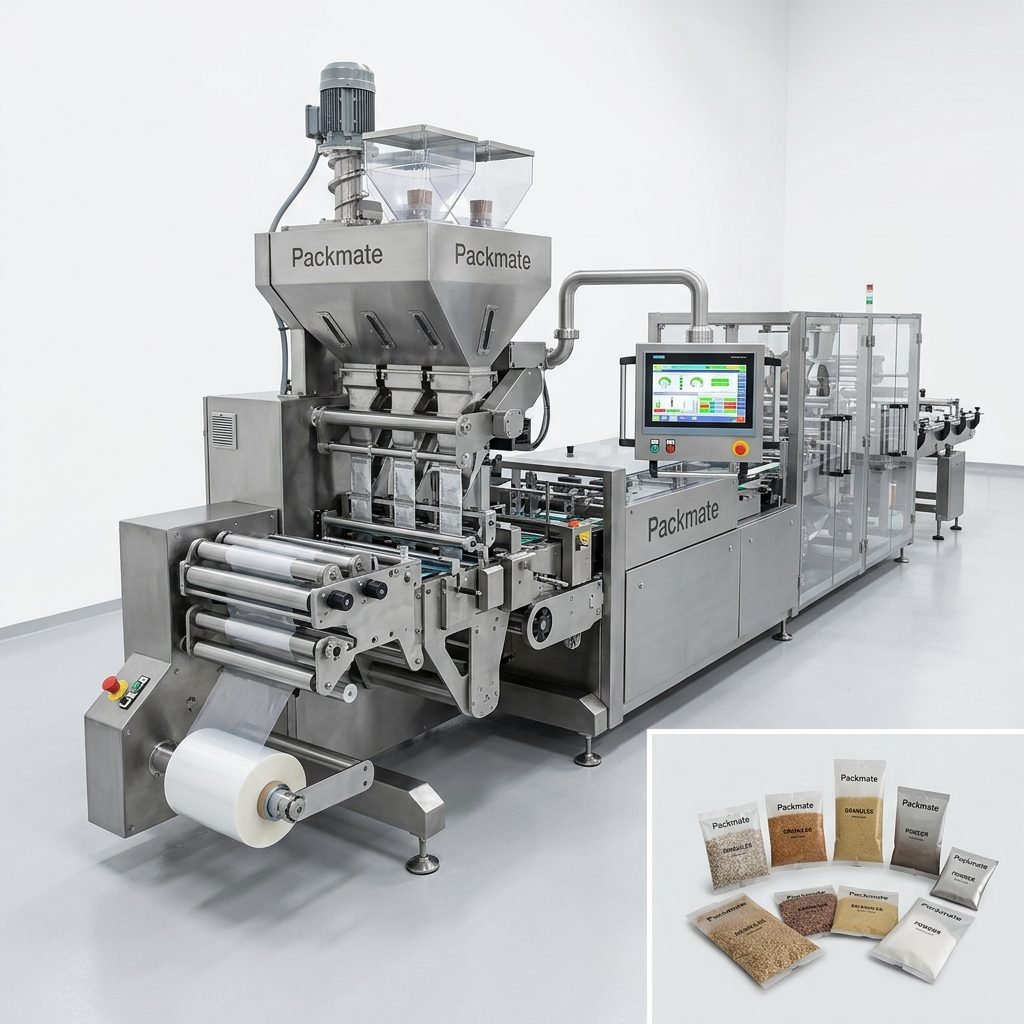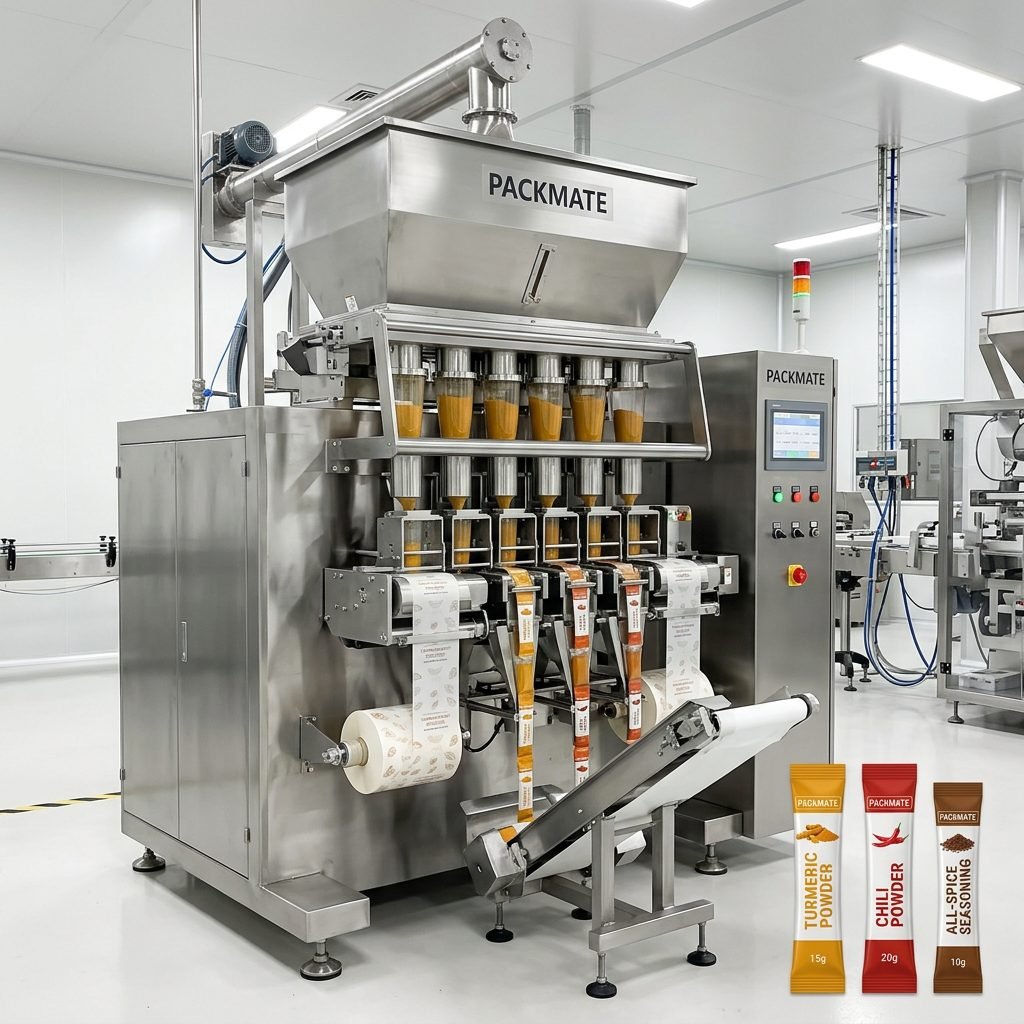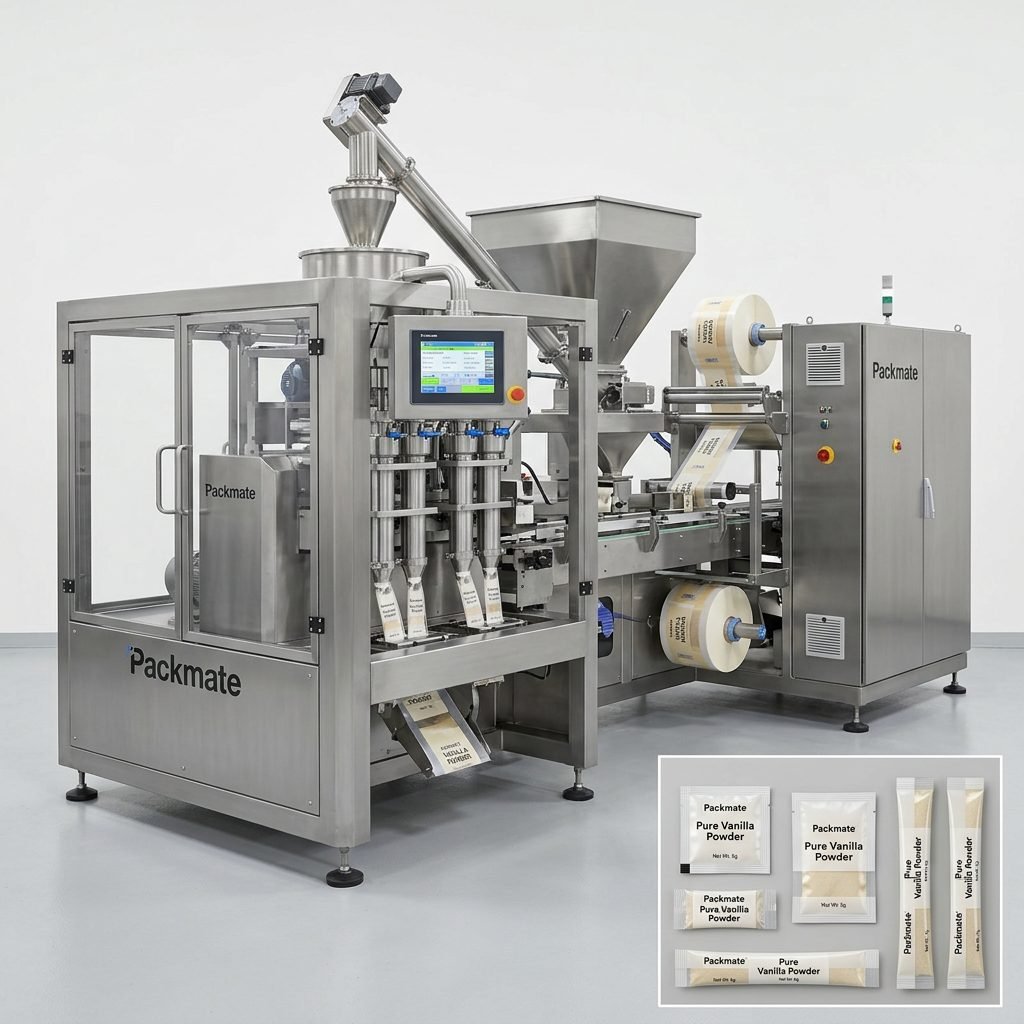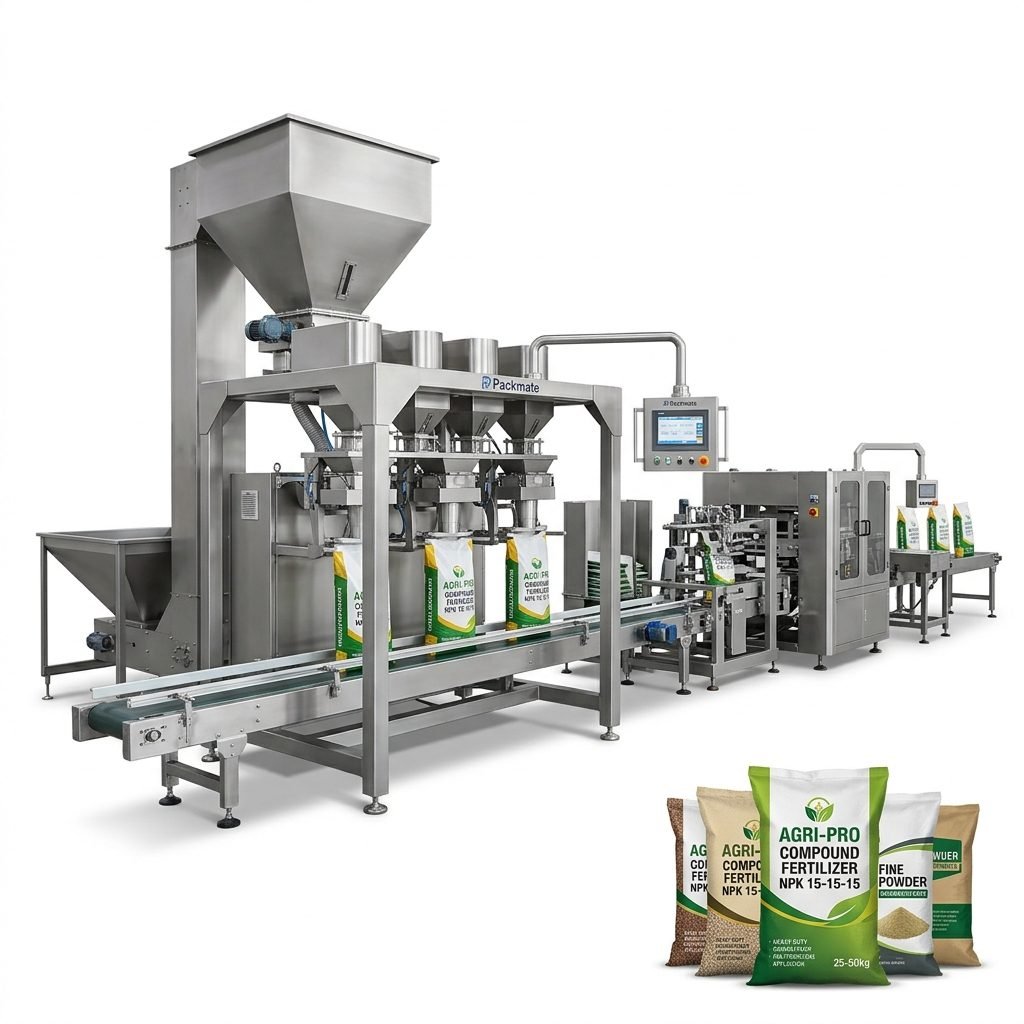
The packaging landscape for the food, pharmaceutical, and health industries is undergoing a profound transformation. Driven by relentless demands for higher efficiency, stringent regulatory compliance, and evolving consumer expectations, modern packaging lines are no longer just about containment. They are sophisticated, integrated systems at the heart of production, embodying the latest trends in automation, connectivity, and sustainability. For industry leaders like Packmate (GuangDong) Co., Ltd., these trends represent the core of innovation, shaping the turnkey solutions they deliver to clients worldwide.
The Rise of Integrated Automation and Robotics
The most dominant trend is the shift from semi-automated stations to fully integrated, robotic packaging lines. This goes beyond simple mechanization. Today’s systems feature collaborative robots (cobots) for delicate pick-and-place tasks, automated guided vehicles (AGVs) for material handling, and vision systems for 100% inspection. In the pharmaceutical sector, this ensures unparalleled accuracy in counting and placing tablets or vials, critical for patient safety. For food producers, robotic palletizing and case packing at high speeds minimize labor costs and physical strain while maximizing throughput. The goal is a seamless flow from primary packaging to secondary packaging and palletizing, creating a “lights-out” ready environment that drives down operational costs and boosts output.
Key Impact:
→ Reduced Human Error: Automated systems drastically lower contamination risks and miscounts, vital in pharma and health supplements.
→ Enhanced Flexibility: Modern lines can be quickly reconfigured for different package sizes or formats, allowing manufacturers to respond swiftly to market changes.
→ Data-Driven Optimization: Every robotic action generates data, feeding into larger analytics platforms for continuous improvement.
Smart Manufacturing and the Industrial Internet of Things (IIoT)
Connectivity is king. Packaging lines are becoming intelligent nodes in a smart factory network. Sensors on fillers, sealers, and labelers collect real-time data on machine performance, OEE (Overall Equipment Effectiveness), temperature, and pressure. This data is visualized on dashboards, allowing for predictive maintenance—fixing a potential motor failure before it causes downtime. For global companies, this means remote monitoring of production lines across different continents from a single control center. This trend is crucial for maintaining consistent quality in granule and powder packaging, where even minor deviations can affect product integrity.
Traceability as a Standard Feature
Driven by regulations like the FDA’s DSCSA in pharma and FSMA in food, end-to-end traceability is now non-negotiable. Smart lines integrate serialization and aggregation seamlessly. Each primary package (a sachet or bottle) receives a unique serial number, which is then aggregated to the case and pallet levels. This creates a digital thread, allowing for instant tracking of a product’s journey from raw material to end-user. This capability is not just for compliance; it enables efficient recall management and builds consumer trust in brand authenticity.
Sustainability: From Material Science to Line Efficiency
Sustainability is a multi-faceted trend impacting every component of the packaging line. It starts with the ability to handle new, eco-friendly materials—mono-material flexible films, compostable pouches, and paper-based alternatives—which often have different sealing and handling characteristics than traditional plastics. Modern machines must be adaptable to these materials without sacrificing speed or seal integrity.
Furthermore, efficiency itself is a sustainability driver. Trends include:
- Energy-Efficient Drives: Servo motors and intelligent controls reduce power consumption by up to 30% compared to older mechanical systems.
- Precision Filling & Reduced Waste: Advanced volumetric or weight-based fillers ensure minimal product giveaway, saving raw materials.
- Lightweighting: Lines designed for thinner, lighter materials reduce both packaging waste and shipping costs.
A Partner in Sustainable Innovation
Companies with deep experience, such as those with over 30 years in the industry, are uniquely positioned to help clients navigate this shift. They understand that a sustainable package requires a line engineered for its successful application. Reviewing real-world case studies can provide invaluable insights into achieving both environmental and economic goals.
Flexibility and Modular Design for Agile Production
The era of rigid, single-purpose packaging lines is over. Market volatility and the demand for personalized products require agility. The leading trend is modular design, where lines are built from standardized, plug-and-play modules. A base machine for stick packs can be easily upgraded with additional lanes, different feeding systems, or enhanced inspection modules. This allows a manufacturer to start with a core investment and scale capacity or functionality as their business grows. This approach is particularly valuable for health and wellness brands that may launch a product in single-serving stick packs and later expand into larger pouch formats for family sizes.
Hybrid and Aseptic Advancements
In specific sectors, flexibility meets advanced technology. Hybrid lines that can handle both solid and liquid formats within a single platform are gaining traction. Meanwhile, in pharma and certain health foods, aseptic and barrier packaging technology is advancing. Newer lines achieve sterility through hydrogen peroxide vapor or e-beam technology without compromising line speed, enabling shelf-stable, preservative-free products—a huge consumer preference.
Enhanced Safety and Operator Experience
Innovation also focuses on the human element. Safety features are more integrated, with intelligent access controls, interlocks, and safe torque-off on all moving parts. Ergonomic design reduces operator fatigue, with touch-screen HMIs (Human-Machine Interfaces) offering intuitive, multilingual controls. Augmented Reality (AR) is emerging for maintenance and training, allowing technicians to see virtual overlays of machine parts and procedures through smart glasses. This reduces training time and improves first-time fix rates for complex equipment.
For a manufacturer, investing in a line from a partner with a strong service and support ethos ensures that these sophisticated systems remain productive and safe throughout their lifecycle. Exploring a company’s certifications and commitments can reveal their dedication to quality and safety standards.
The convergence of these trends—smart automation, data connectivity, sustainable design, modular flexibility, and human-centric engineering—is defining the next generation of packaging lines. They are no longer cost centers but strategic assets that drive brand value, ensure compliance, and create a competitive edge. For businesses looking to modernize, the journey begins with a partner who can translate these global trends into a reliable, high-performance reality on the factory floor.
Frequently Asked Questions
1. What is the biggest benefit of moving to a fully automated packaging line?
The greatest benefit is often a significant improvement in Overall Equipment Effectiveness (OEE). This combines gains in output (higher speed, less downtime), quality (fewer errors, consistent seals), and operational cost (lower labor, less waste). The return on investment is typically realized through increased production capacity and superior product consistency.
2. How difficult is it to integrate new sustainable packaging materials into an existing line?
It can be challenging without the right expertise. Many compostable or paper-based materials have different tensile strength, slip, and thermal properties. Retrofitting may require changes to film tension controls, sealing jaws (temperature/pressure/dwell time), and forming shoulders. A modular line design or consulting with your machine provider, like the team at Packmate, is crucial for a successful transition.
3. Is smart manufacturing/IIoT only relevant for very large companies?
No. While large enterprises may have more complex networks, the core principles of data collection and predictive maintenance are scalable. Even for small to mid-sized operations, basic machine monitoring sensors and software can prevent catastrophic downtime by alerting to irregular vibrations or temperature rises, making the technology accessible and valuable for businesses of all sizes.
4. What should I prioritize: maximum speed or flexibility?
This depends entirely on your product portfolio and business strategy. If you produce a very high volume of a single SKU long-term, ultimate speed may be key. However, for most modern markets, flexibility offers greater long-term value. The ability to quickly changeover between package sizes, formats, or materials allows you to respond to trends, run smaller batches profitably, and extend the useful life of your capital investment.
5. How important is supplier support after the line is installed?
It is critically important. The sophistication of modern lines means support goes beyond spare parts. Look for providers offering comprehensive training, remote diagnostics access, software updates, and readily available technical support. A strong partnership ensures your line operates at peak performance, adapts to future needs, and maximizes your return on investment over a decade or more.