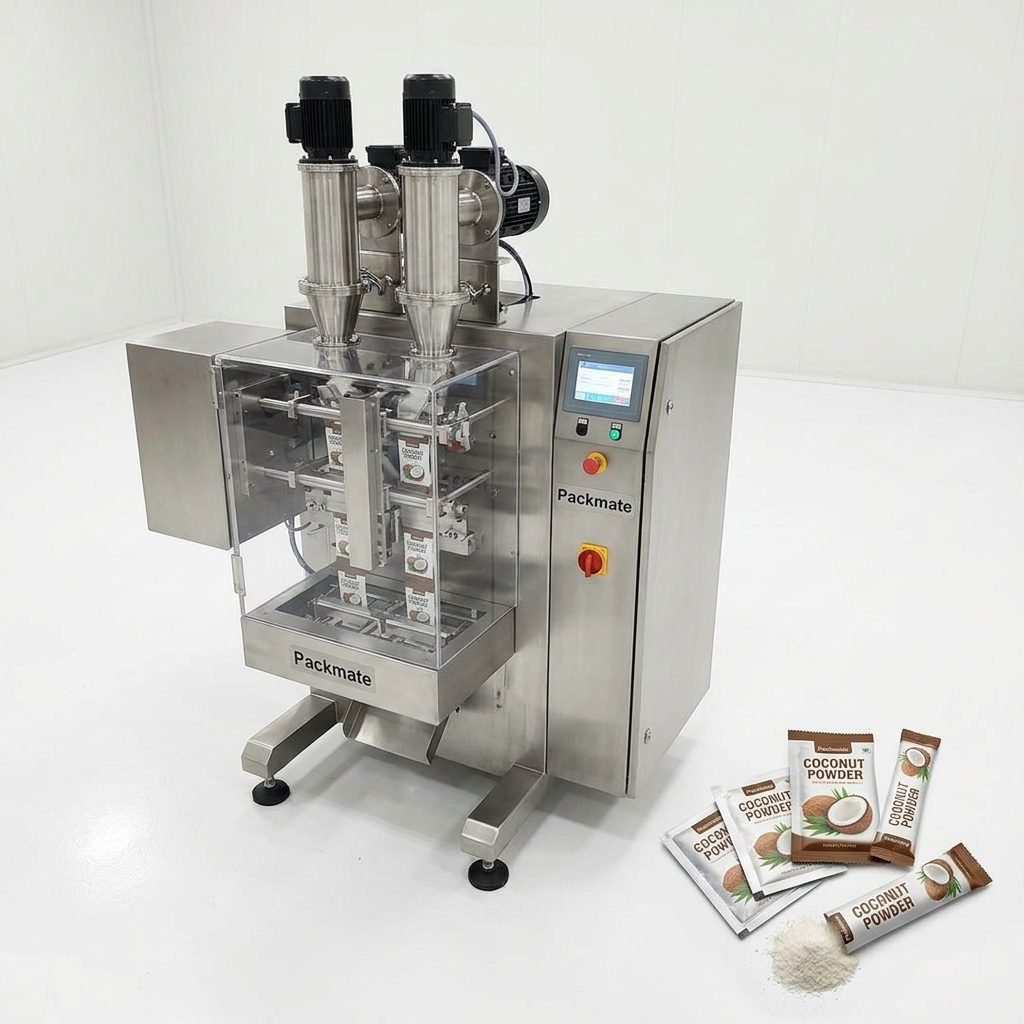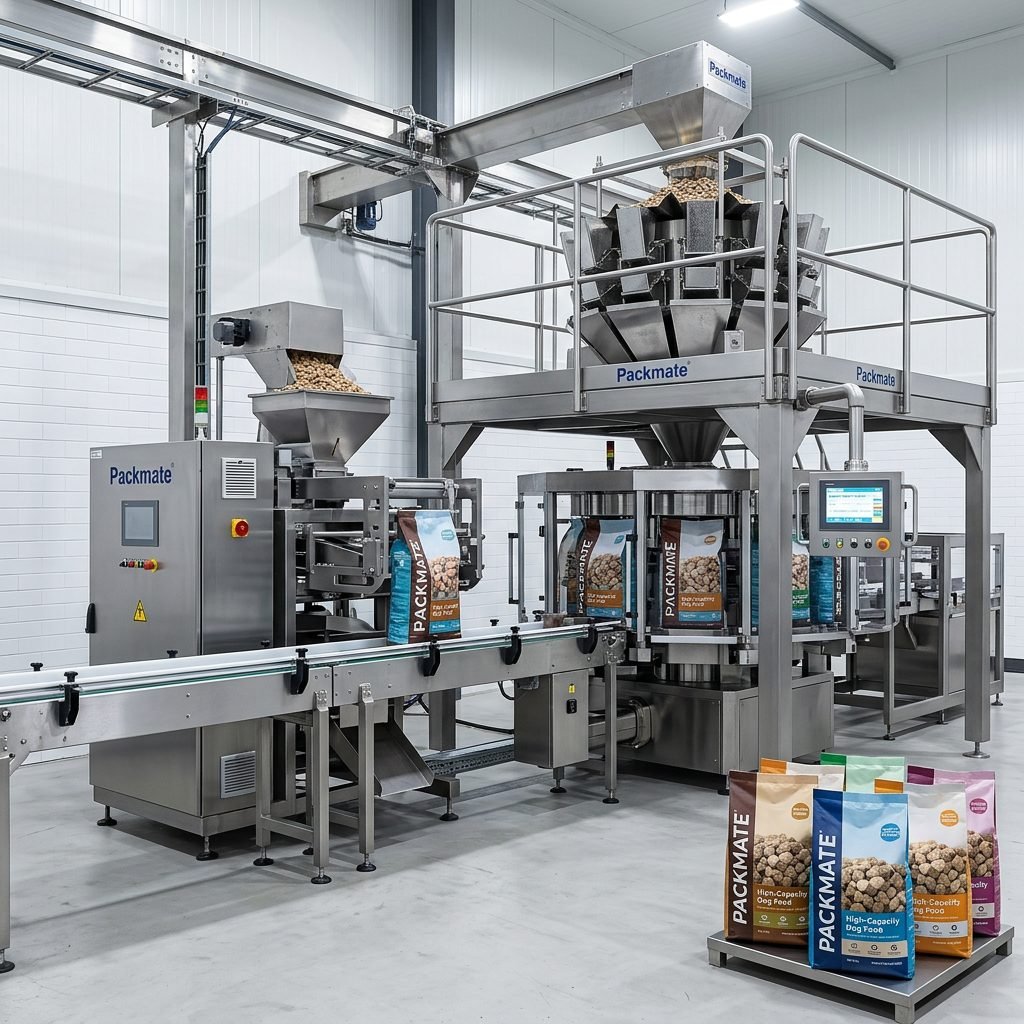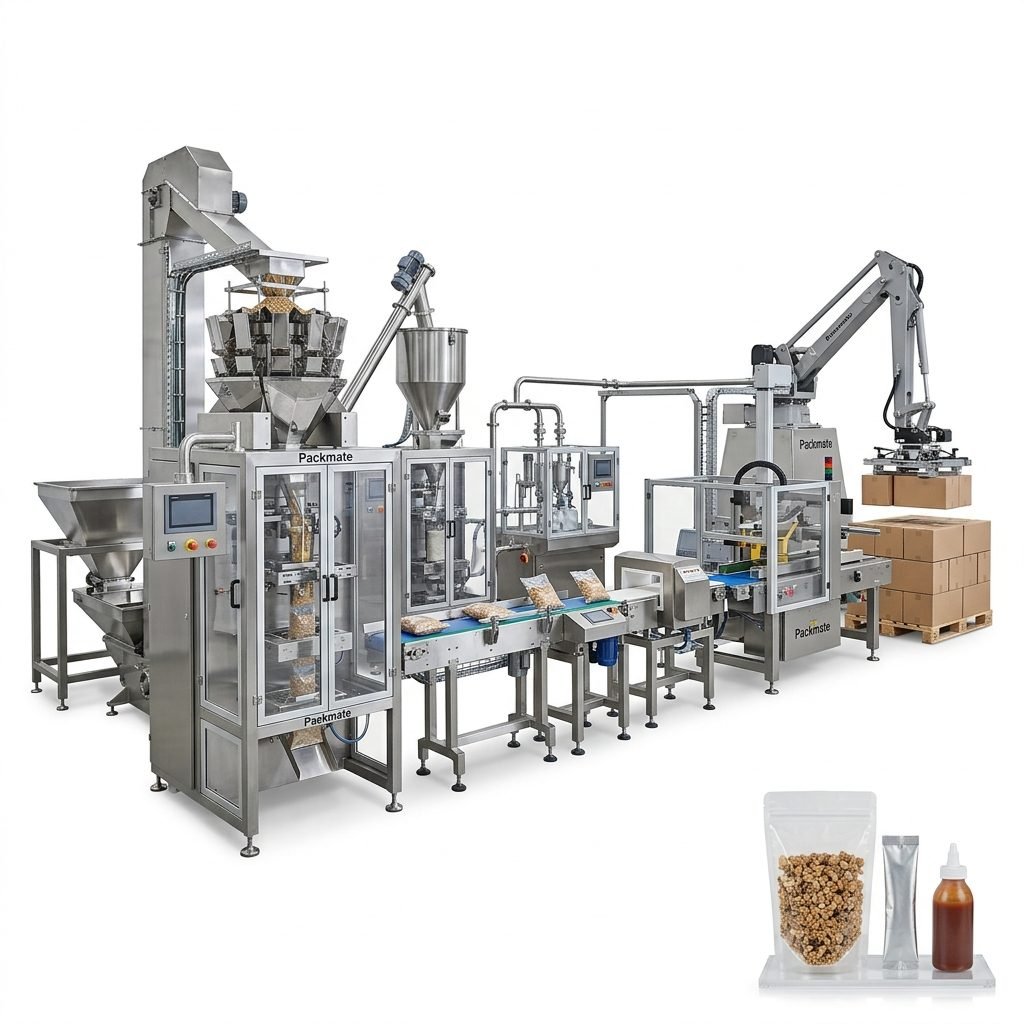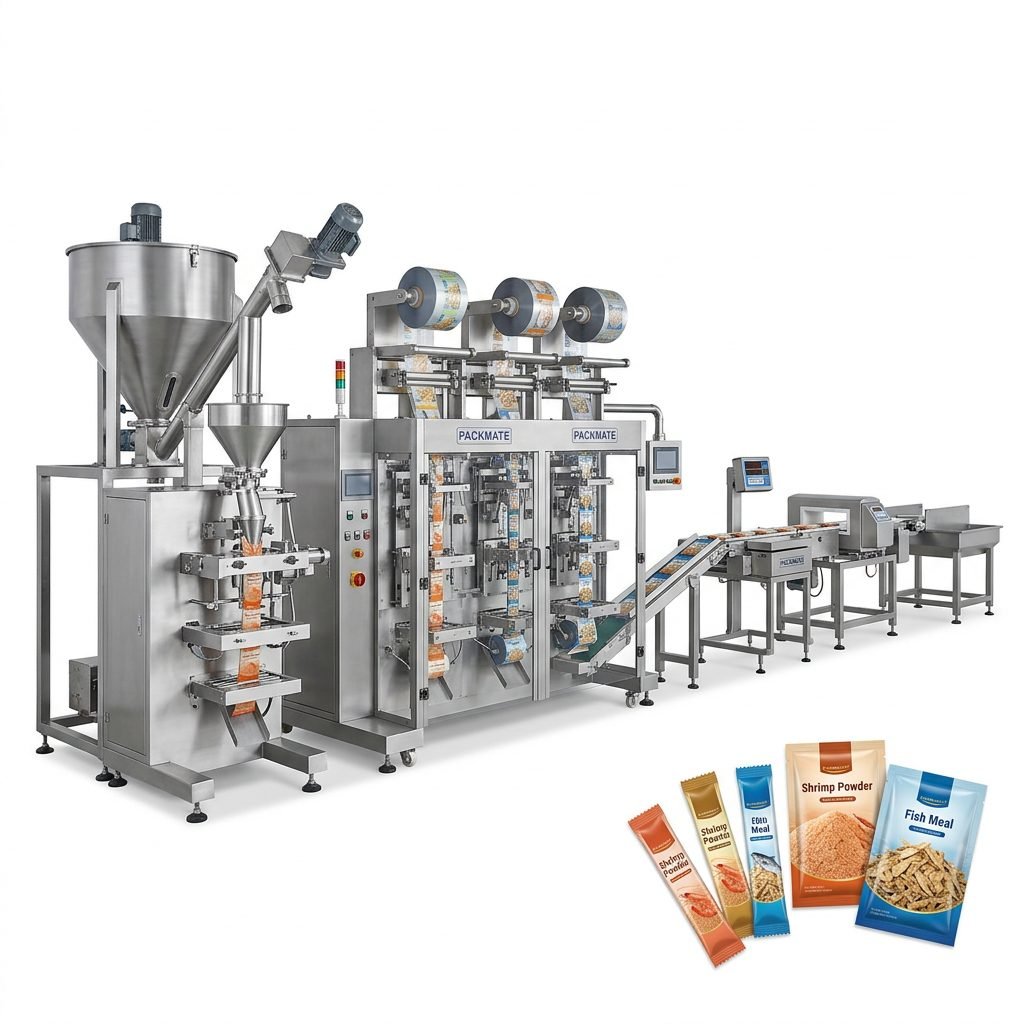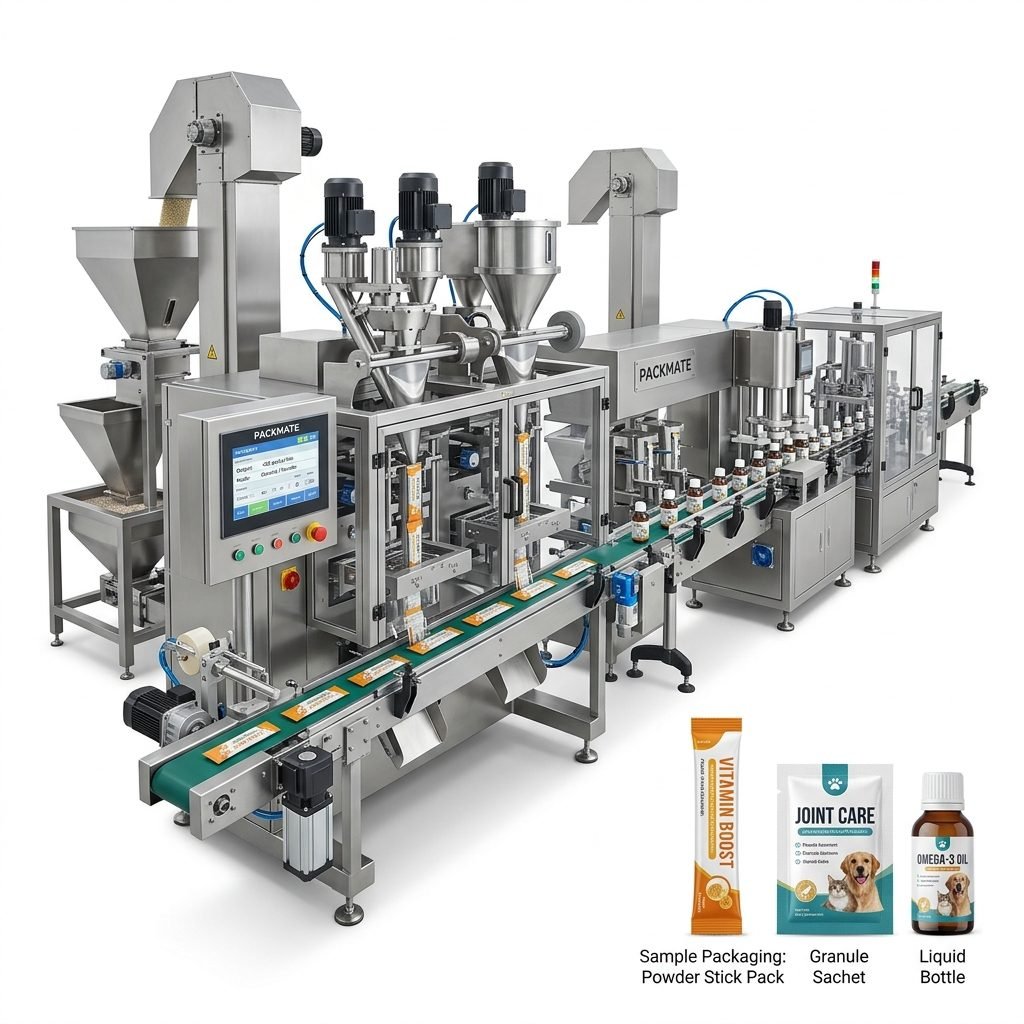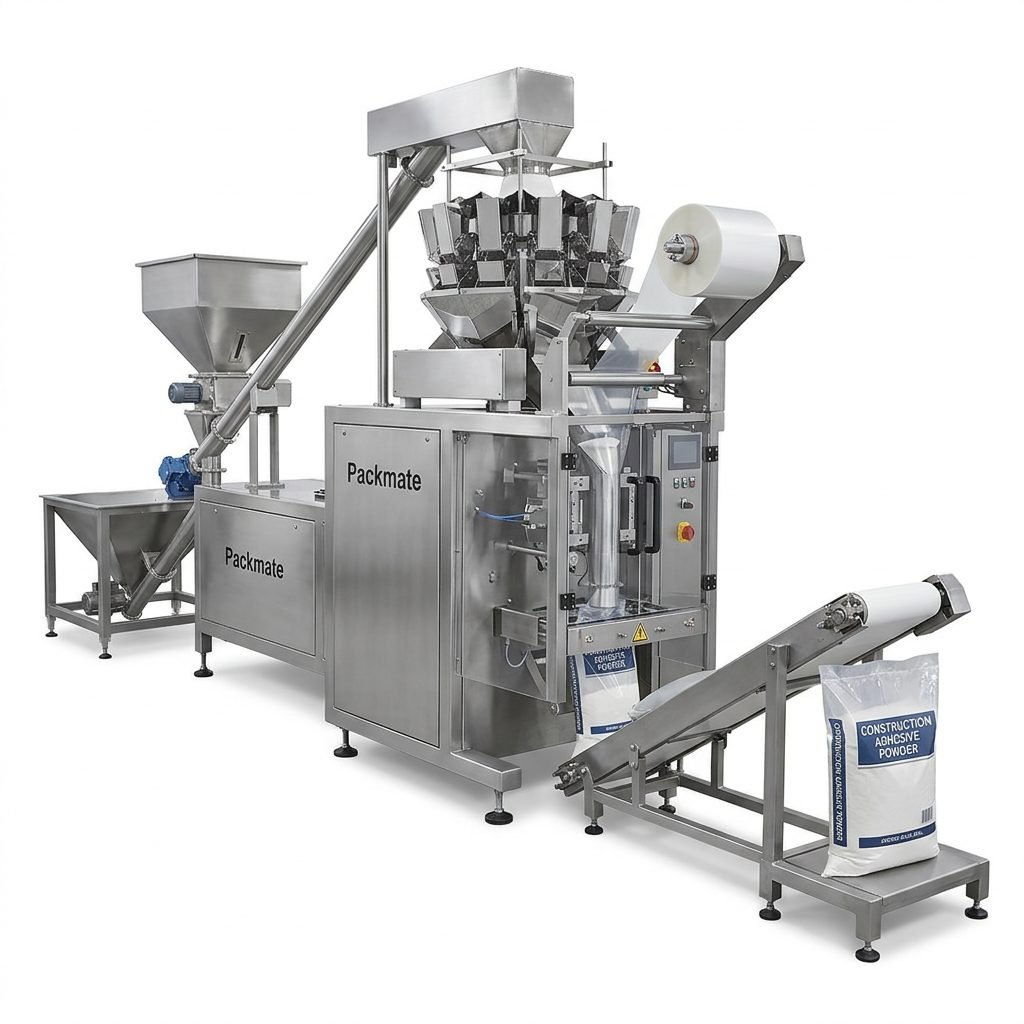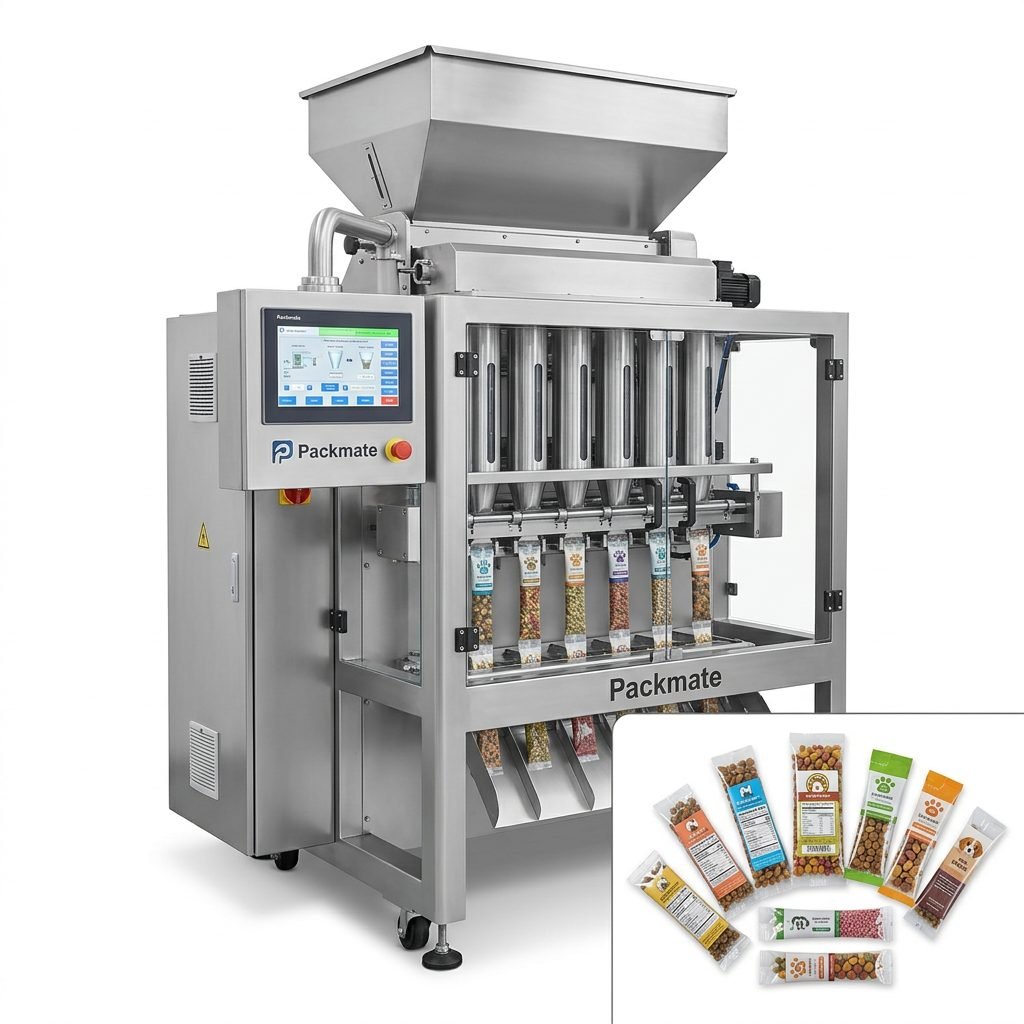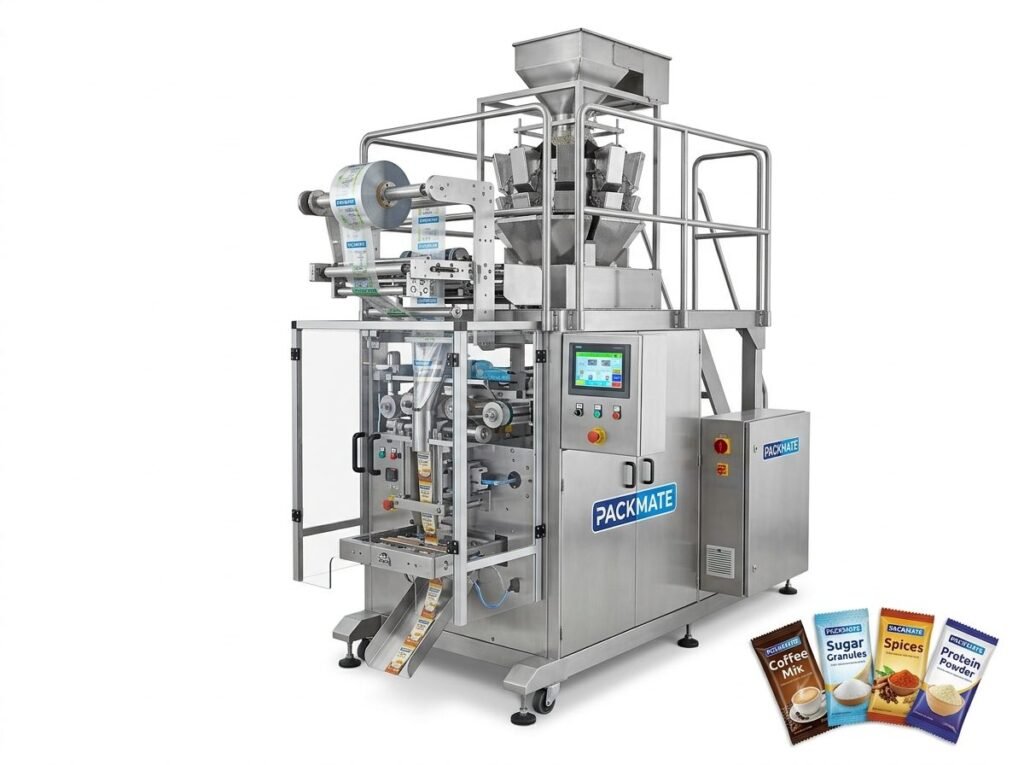
In today’s fast-paced and quality-conscious global market, the packaging of food, pharmaceutical, and health products is more than just a final step in production—it is a critical component of product integrity, safety, and brand reputation. For manufacturers in these highly regulated and sensitive sectors, achieving consistent, hygienic, and efficient packaging at scale is a paramount challenge. This is where automated cartoning systems, integrated within complete packaging lines, transition from a luxury to an absolute necessity. They represent the pinnacle of operational efficiency, ensuring that products from nutritional supplements to life-saving medications are delivered to consumers with uncompromising quality and precision.
The Critical Role of Automation in Sensitive Industries
The journey from raw material to finished, shelf-ready product is fraught with potential pitfalls. Manual handling introduces risks of contamination, inconsistencies in pack presentation, and bottlenecks that limit throughput. Automated cartoning systems eliminate these variables. By seamlessly integrating with upstream processes like filling, sealing, and labeling, these systems create a closed, controlled environment. This is especially vital for pharmaceuticals, where traceability and sterility are governed by stringent regulations like cGMP, and for food products, where hygiene and freshness preservation are non-negotiable. The automation of the cartoning process—the folding, loading, and closing of boxes—ensures every unit meets the same high standard, batch after batch.
Core Components of a Complete Packaging Line Solution
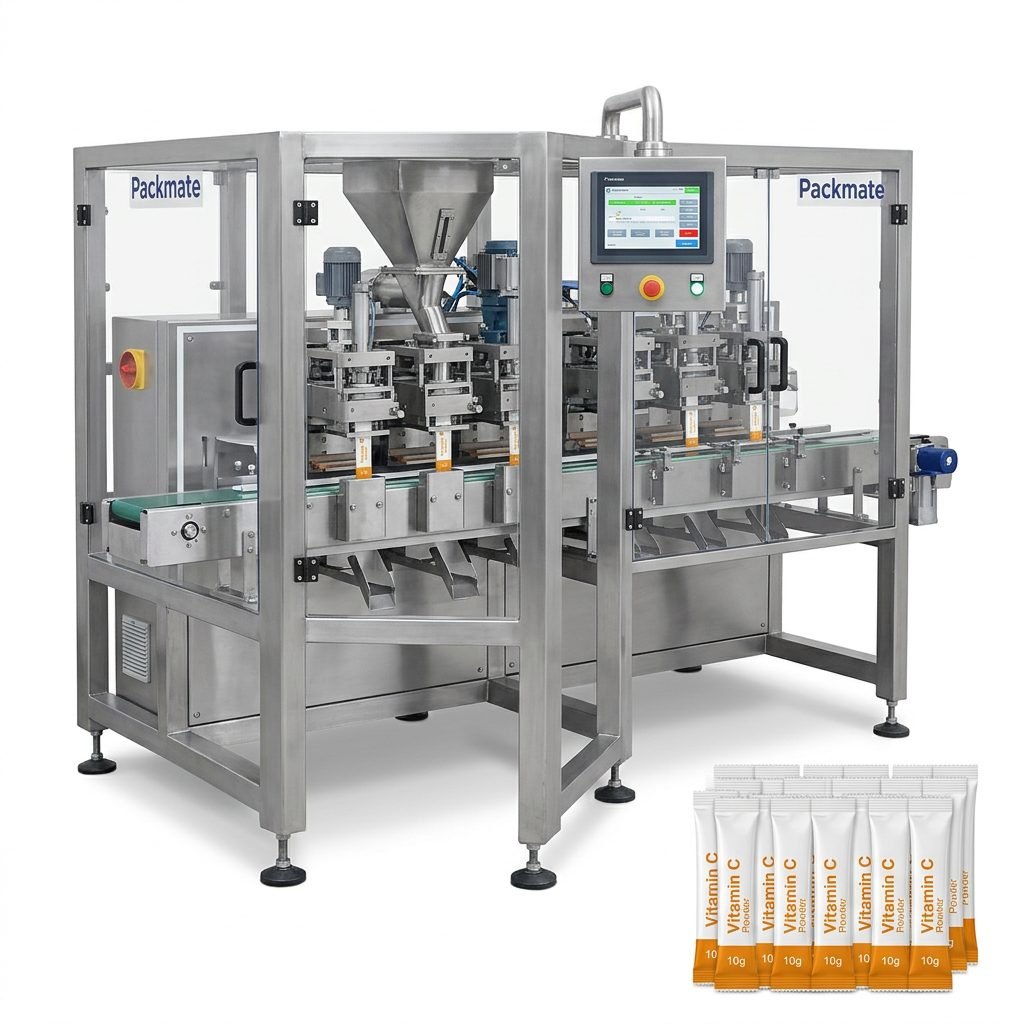
A truly effective automated packaging solution is not a standalone machine but a symphony of synchronized equipment. A complete line typically encompasses:
- Product Infeed & Orientation: Systems that gently receive products from the previous station (e.g., blister packs, vials, sachets) and correctly orient them for loading.
- Carton Erector/Loader: The heart of the system. It takes flat carton blanks, forms them into boxes, and precisely inserts the products, along with any required leaflets or desiccants.
- Closing & Sealing Mechanism: This can include tuck-in flaps, glue sealing, or hot melt sealing, ensuring the carton is securely closed for shipping and retail.
- Integrated Vision Inspection Systems: Critical for quality control, these cameras verify correct product placement, label accuracy, and carton integrity, rejecting any non-conforming units.
- Downstream Handling: Includes collating, case packing, and palletizing units to prepare finished cartons for distribution.
Tailored Solutions for Food, Pharma, and Health Products
The “one-size-fits-all” approach fails in specialized industries. A provider like Packmate (GuangDong) Co., Ltd. understands that each sector has unique demands.
For the Pharmaceutical Industry
Compliance is king. Systems must be constructed with cleanability in mind, often using stainless steel and smooth surfaces. They must support serialization and aggregation for track-and-trace mandates. Speed is balanced with unparalleled accuracy to ensure every carton contains the exact right product and documentation.
For the Food & Health Products Industry
Here, speed and flexibility often take center stage to handle high volumes and frequent product changeovers. Systems need to accommodate various carton sizes and styles, from simple tuck-end boxes for tea bags to more complex designs for premium supplement kits. The focus is on protecting product freshness and creating attractive retail-ready packaging.
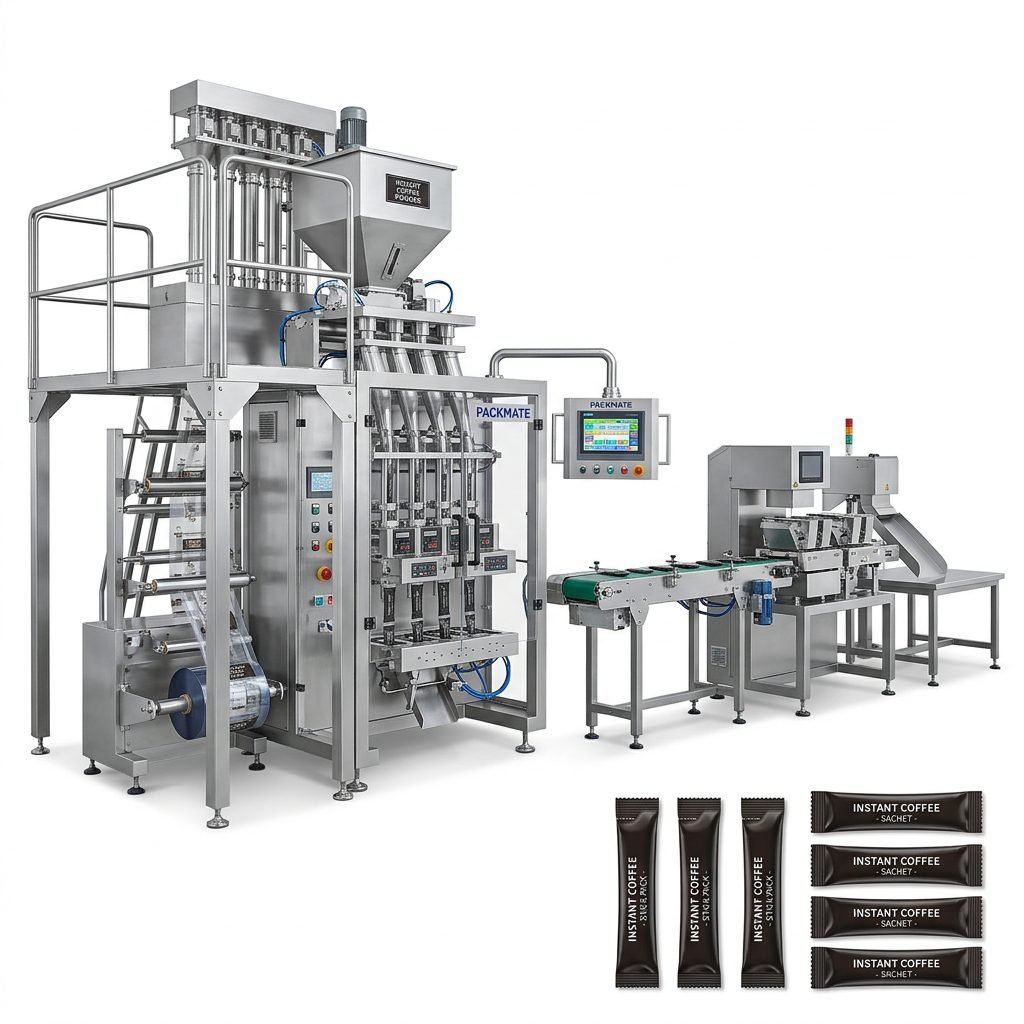
Exploring a provider’s portfolio of solutions will reveal specific machines designed for different product formats, whether it’s loading stick packs of instant coffee or delicate bottles of herbal tinctures.
Benefits Beyond Speed: The Tangible ROI of Automation
Investing in a complete automated cartoning line delivers a compelling return on investment that extends far beyond increased output.
“By automating our cartoning process, we reduced our labor requirements on the line by 70% and virtually eliminated packaging errors and product waste.” – A satisfied client in the nutraceutical sector.
1. Unmatched Consistency & Quality Assurance: Automated systems perform the same task identically millions of times, guaranteeing uniform package presentation and eliminating human error in product placement or leaflet insertion.
2. Significant Labor Savings & Reallocation: Automating repetitive and physically demanding tasks frees skilled personnel to focus on supervision, quality control, and process optimization, improving overall operational intelligence.
3. Enhanced Safety & Hygiene: Reducing direct human contact with products minimizes contamination risks—a critical factor in pharma and food packaging. It also improves worker safety by removing them from repetitive strain injuries.
4. Scalability & Future-Proofing: Modern systems from experienced providers are designed with modularity in mind. As your business grows, lines can often be upgraded or reconfigured to handle new products or higher speeds, protecting your capital investment.
Real-world applications of these benefits can be seen in detailed project case studies, which illustrate the transformative impact on actual production floors.
Choosing the Right Partner for Your Packaging Line
Selecting an automation partner is a strategic decision. Look for a provider with deep domain expertise, proven reliability, and a commitment to partnership. A company like Packmate, with over 22 years of development and a 20,000㎡ modern facility, brings not just machinery but a holistic understanding of production line dynamics. The ideal partner will offer:
- Comprehensive Support: From initial consultation and line design to installation, training, and ongoing maintenance service.
- Proven Technology & Innovation: A portfolio of over 50 machine models, constantly refined through experience, indicates an ability to tailor solutions.
- Global Compliance Understanding: Knowledge of international standards and regulations affecting your target markets.
The company’s certifications and industry recognition serve as a testament to their quality and reliability standards.
Implementing an automated cartoning system is a decisive step toward building a more resilient, efficient, and competitive manufacturing operation. For businesses in the food, pharma, and health product spaces, it is an investment in product quality, brand trust, and sustainable growth. By integrating these sophisticated systems into a complete, turnkey packaging line, companies can secure their place at the forefront of their industry, ready to meet the demands of today and tomorrow.
Frequently Asked Questions (FAQs)
1. What is the typical lead time for a complete automated packaging line?
Lead times vary significantly based on the line’s complexity, customization level, and current production schedules. A standard system might take 3-6 months from order to delivery, while highly customized solutions for unique products can take longer. A detailed project timeline is always provided during the quotation and planning phase.
2. How do automated cartoners handle different product sizes or changeovers?
Modern systems are designed for flexibility. Many offer quick-changeover features where adjustments for different carton sizes can be made via a human-machine interface (HMI) in minutes, with minimal manual tooling changes. For frequent changeovers, discuss “recipe-based” changeover systems with your provider.
3. What kind of maintenance do these systems require?
Regular preventative maintenance is crucial for longevity and uptime. This typically involves daily cleaning, lubrication of moving parts, and inspection of wear components. A reliable provider will offer comprehensive training for your team and provide detailed maintenance manuals and schedules, along with accessible spare parts support.
4. Can the system integrate with our existing production equipment?
In most cases, yes. A key part of the initial consultation is assessing your current line (fillers, cappers, labelers) to ensure seamless integration. Experienced engineers design the cartoning system’s infeed and discharge to match the speed and interface of your existing machinery, creating a cohesive line.
5. What safety features are included?
Standard safety features include guarded moving parts, emergency stop buttons along the line, safety interlocks on access doors, and light curtains. Systems are designed and built to comply with international machinery safety standards (e.g., CE, UL) to ensure a safe operating environment for personnel.
For more detailed answers, visit our dedicated FAQ resource page.