In today’s fast-paced and highly regulated manufacturing environment, the selection of a weighing and packaging system is a critical decision that impacts efficiency, compliance, and ultimately, profitability. For industries where precision, hygiene, and product integrity are non-negotiable—such as food, pharmaceuticals, and health products—investing in the right automated solution is paramount. This article delves into the essential considerations for weighing and packaging system solutions and explores the advantages of implementing complete, integrated automated lines.
Core Challenges in Modern Packaging
The packaging process for sensitive products extends far beyond simply placing items into a container. It encompasses a complex interplay of accuracy, speed, contamination control, and traceability. Manual or semi-automated processes often struggle with consistency, leading to giveaway (overfilling), which erodes margins, or underfilling, which can violate strict regulatory standards and damage brand trust. Furthermore, human handling increases the risk of contamination, a severe concern in pharma and health sectors. The need for precise data logging for batch tracking adds another layer of complexity that manual systems cannot reliably provide.
Key Industry-Specific Requirements:
- Food Industry: High-speed throughput, versatility for different product forms (granules, powders, liquids), and compliance with food safety standards (e.g., HACCP, FDA). Hygiene in design to prevent bacterial growth is crucial.
- Pharmaceutical Industry: Uncompromising accuracy for active ingredients, containment of potent compounds, validation according to GMP (Good Manufacturing Practice), and complete audit trails. Systems often require clean-in-place (CIP) capabilities.
- Health & Nutraceutical Industry: A blend of food and pharma needs—high accuracy for supplement dosing, attractive consumer packaging, and adherence to relevant health authority regulations.
The Evolution Towards Complete Automated Lines
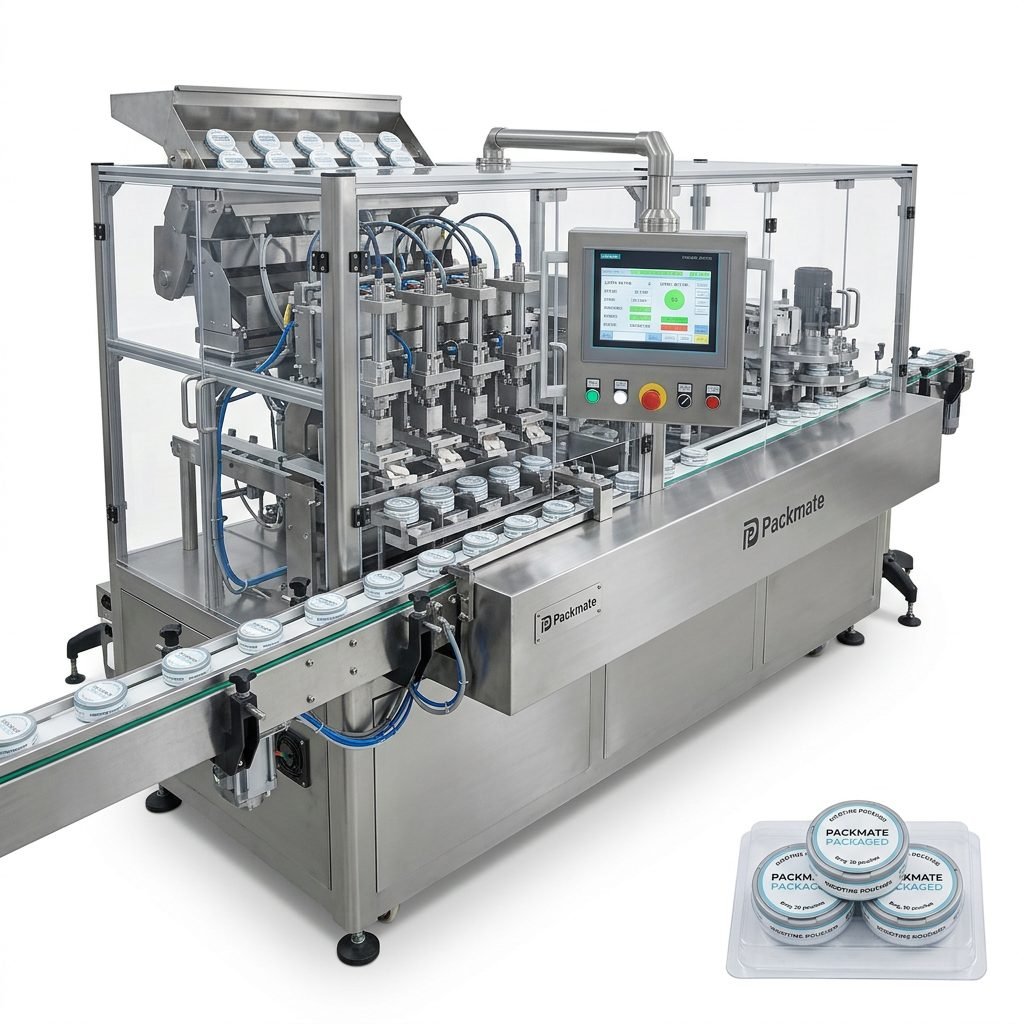
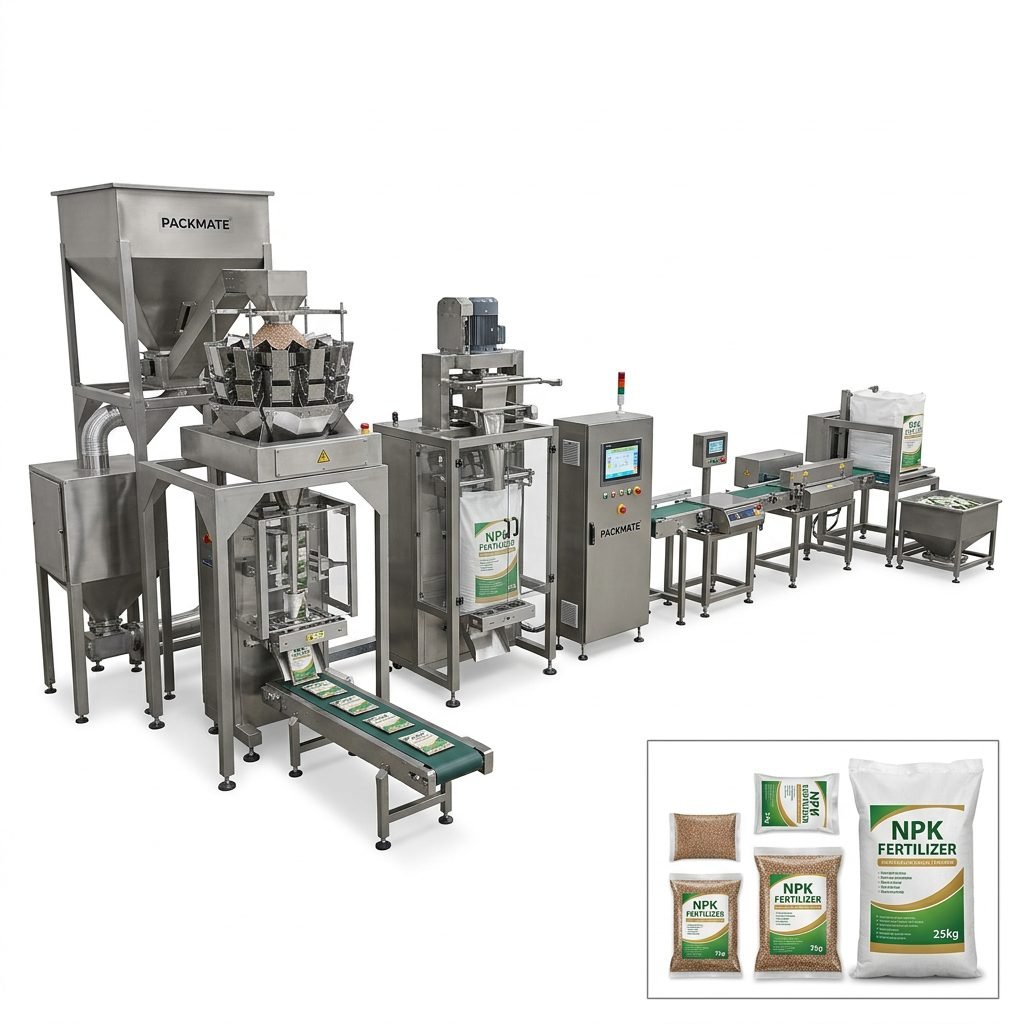
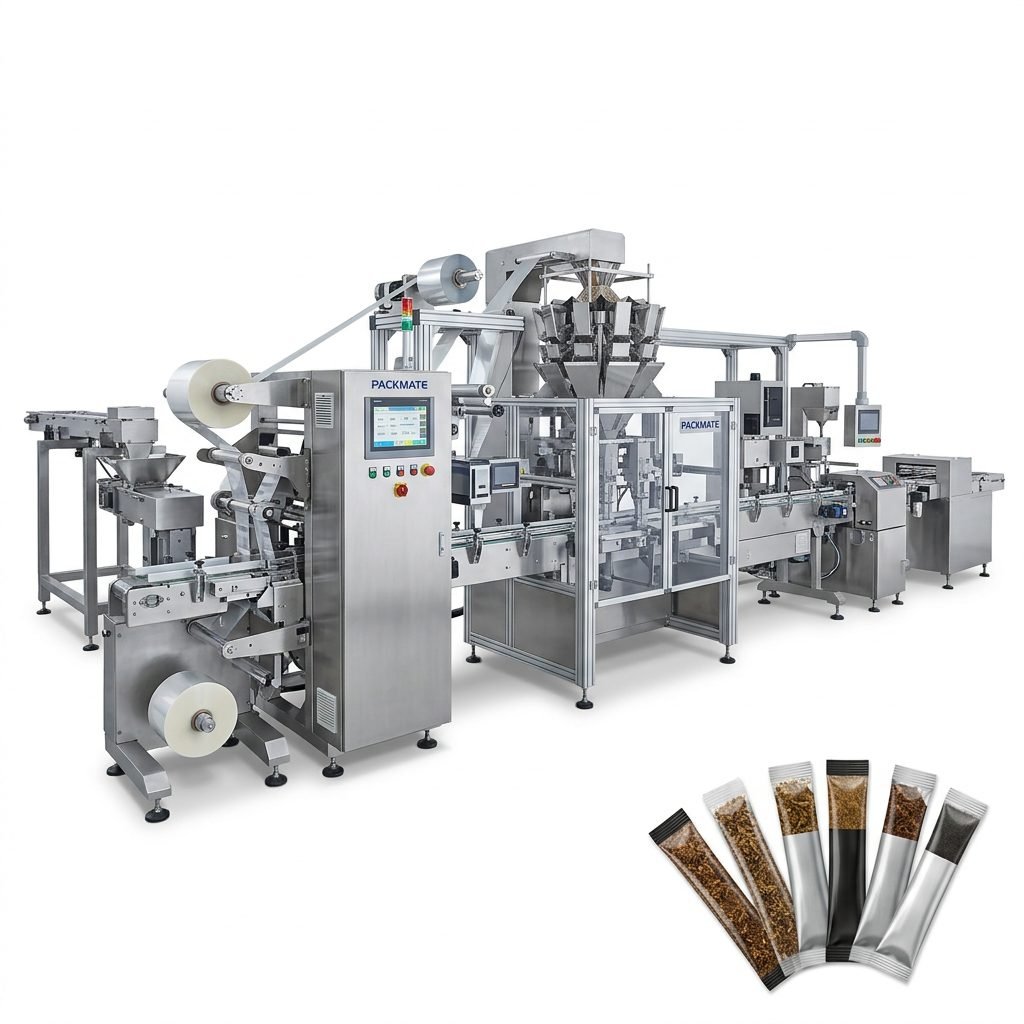
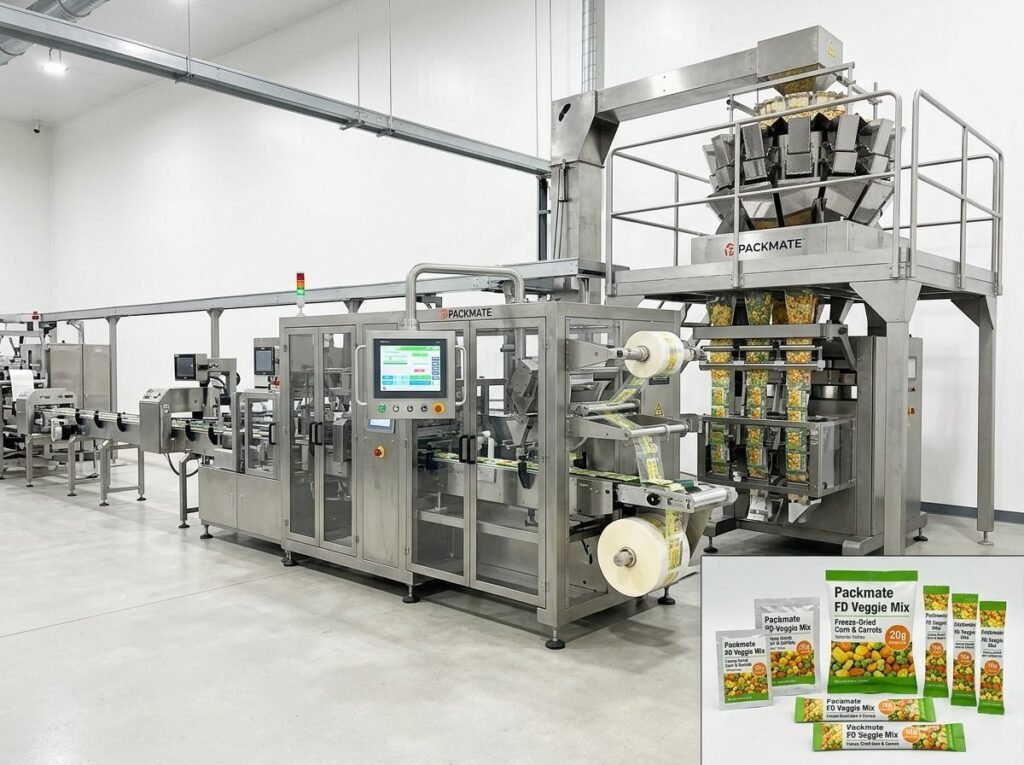
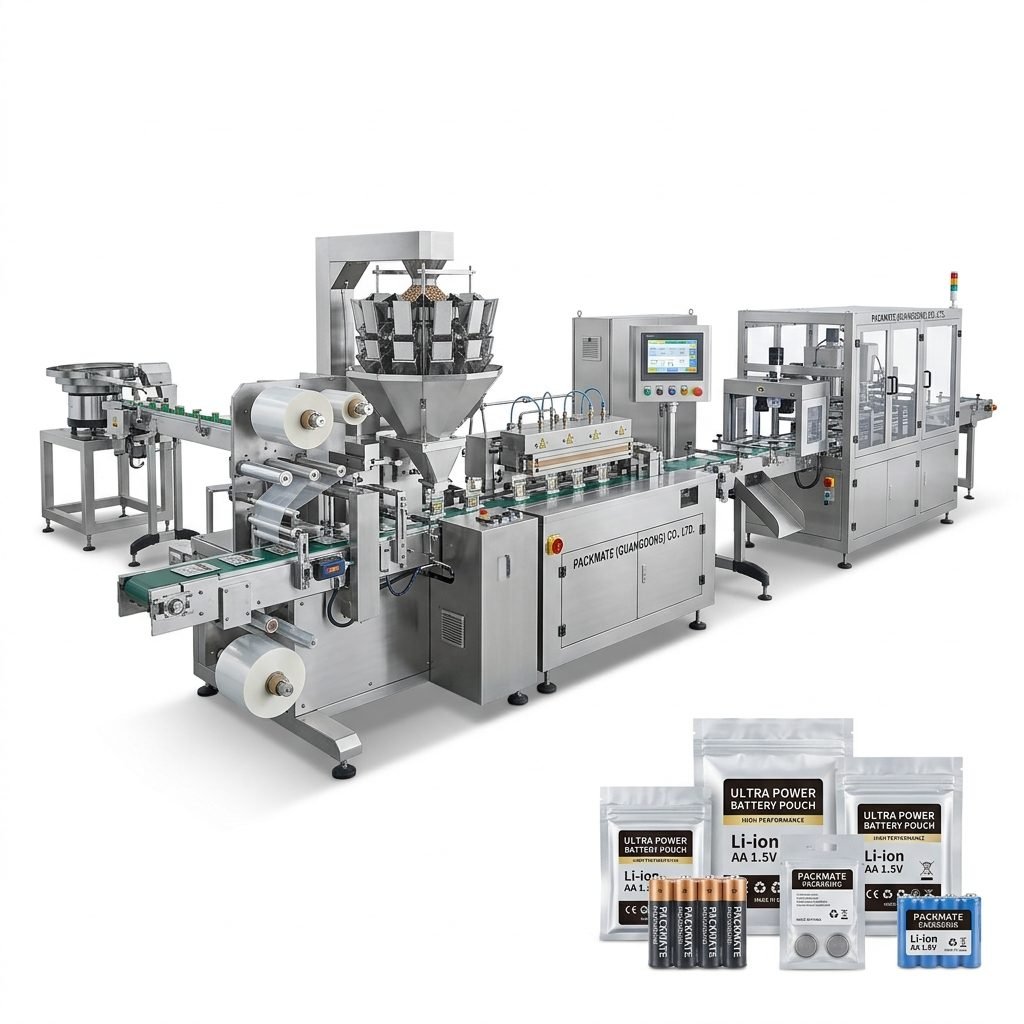
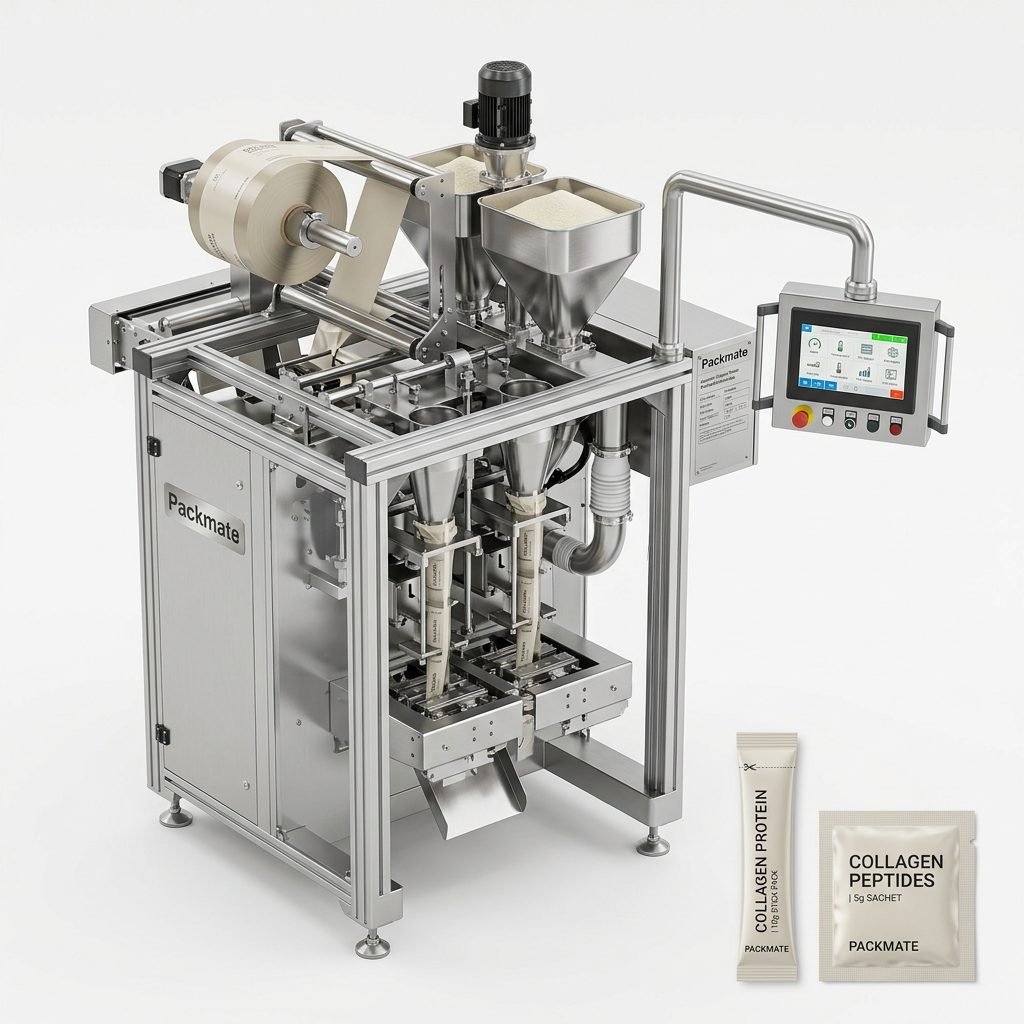
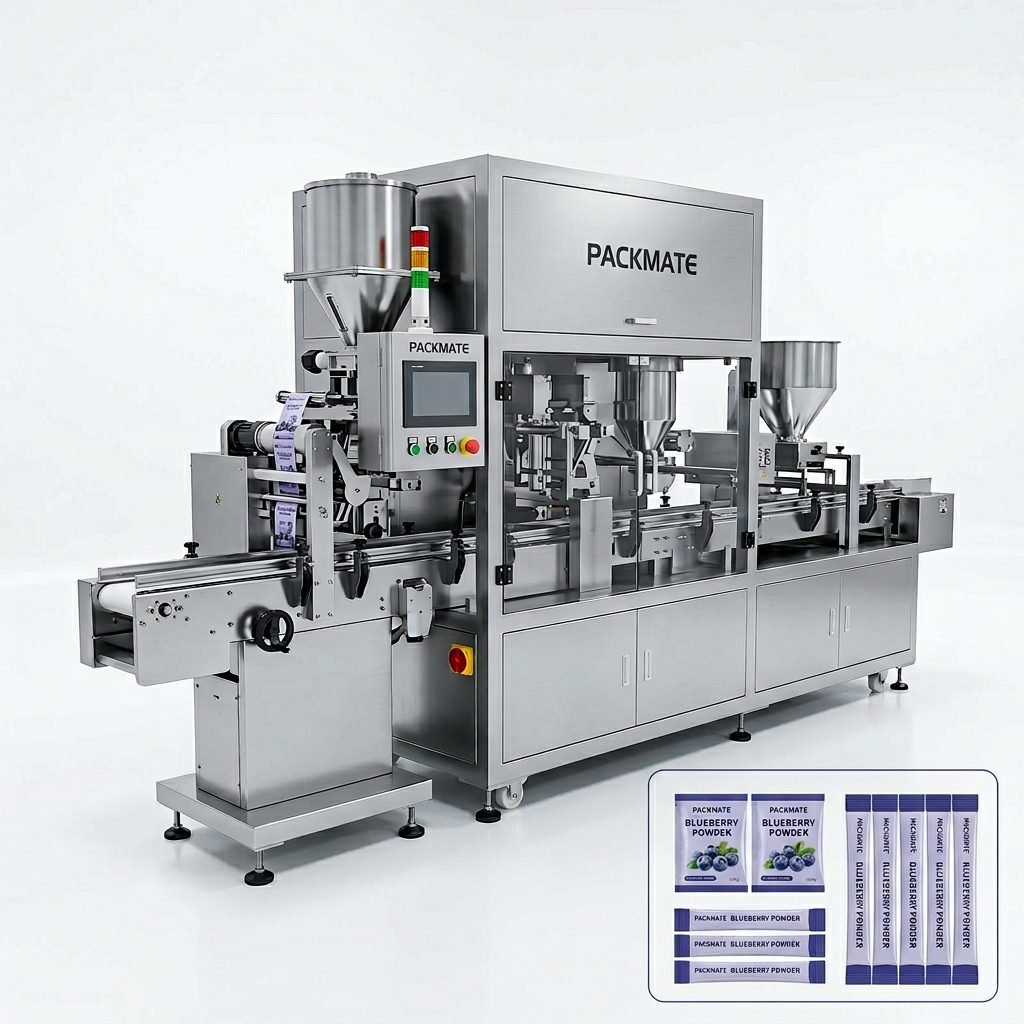
Moving from standalone machines to a complete automated packaging line represents a strategic leap. A turnkey line integrates every step—from bulk material feeding and precision weighing to bag forming, filling, sealing, coding, and cartoning—into one seamless, synchronized operation. This holistic approach, championed by experienced providers like Packmate (GuangDong) Co., Ltd., eliminates bottlenecks, reduces labor costs, and minimizes transition times between product batches.
Components of a Superior Weighing & Packaging Line
A robust automated line is built on several core modules, each engineered for peak performance:
1. Precision Weighing Systems
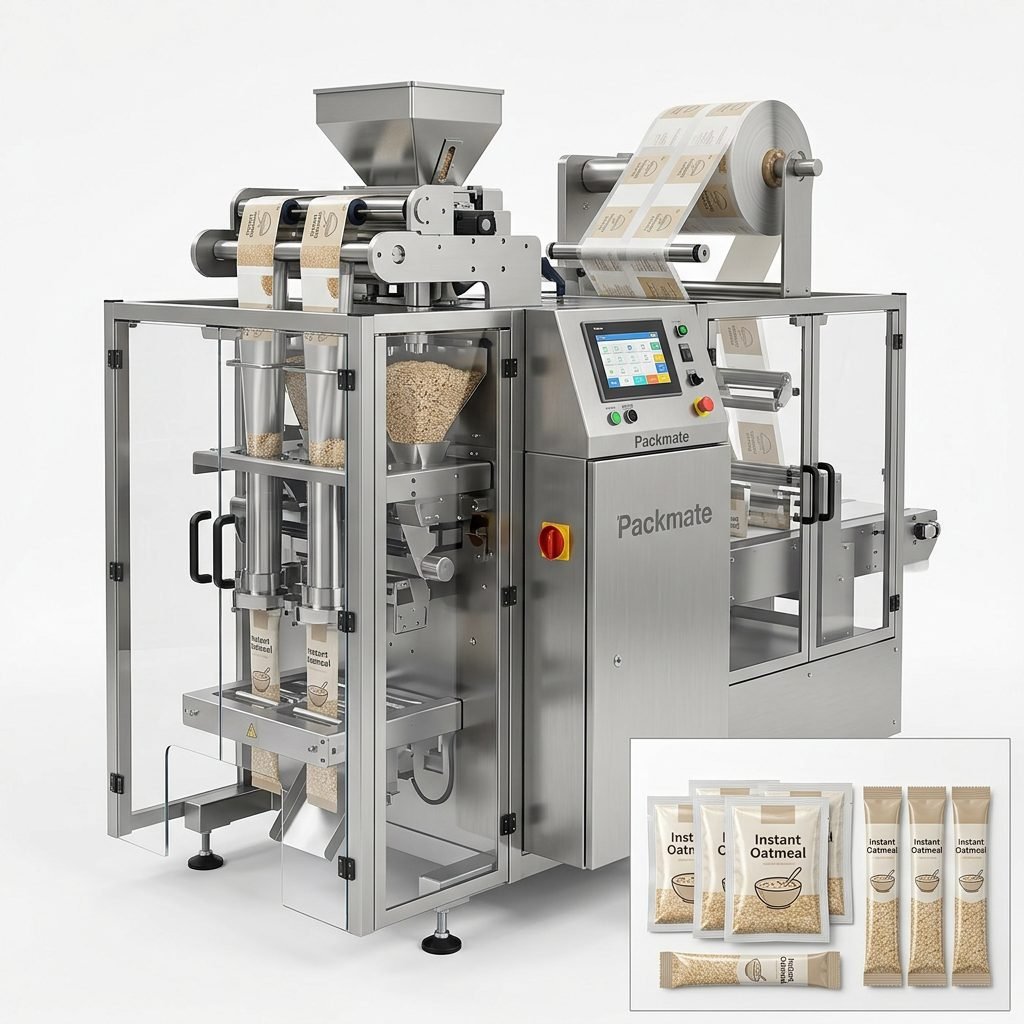
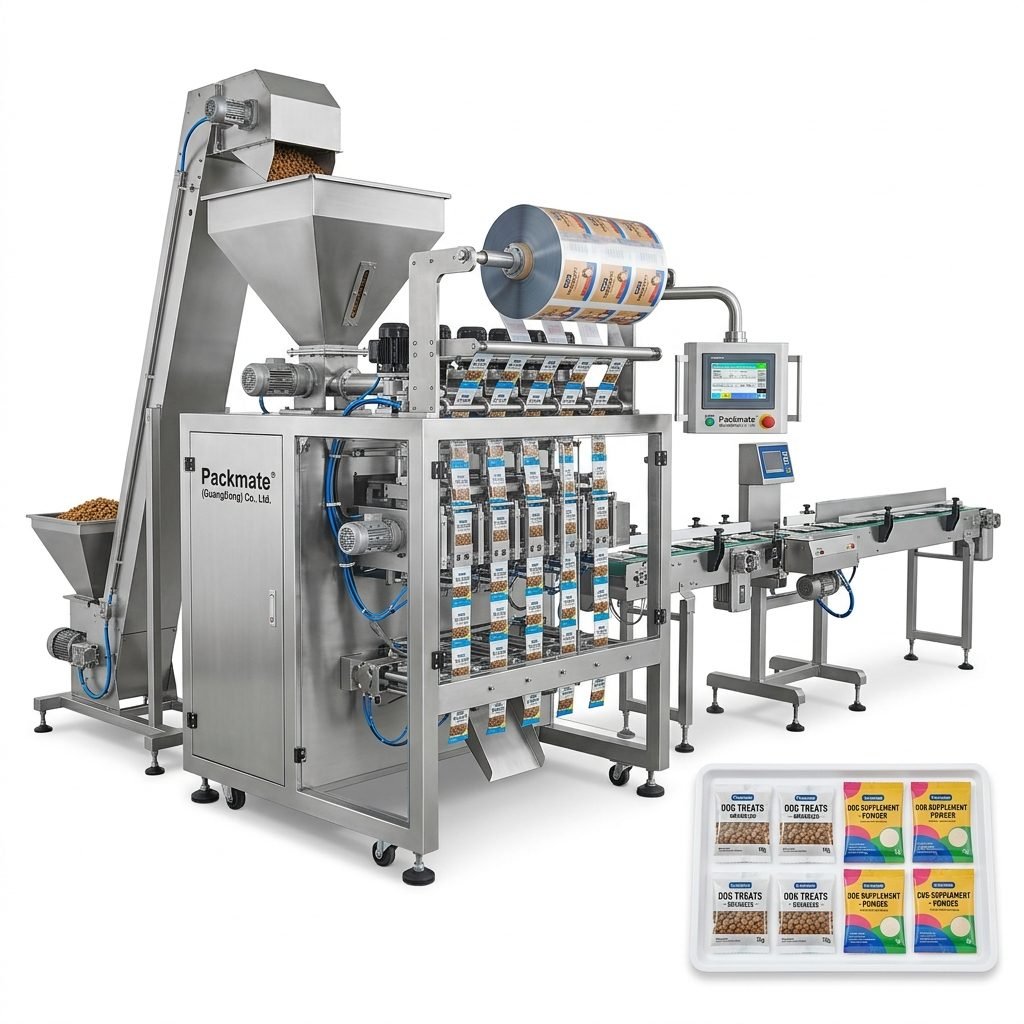
At the heart of the line is the weigher. Multi-head weighers and auger filler systems must offer micro-level accuracy. Advanced systems use self-learning algorithms to compensate for product characteristics like stickiness or irregular flow, ensuring each pouch or stick pack meets the exact weight specification every time.
2. Form-Fill-Seal (FFS) Technology
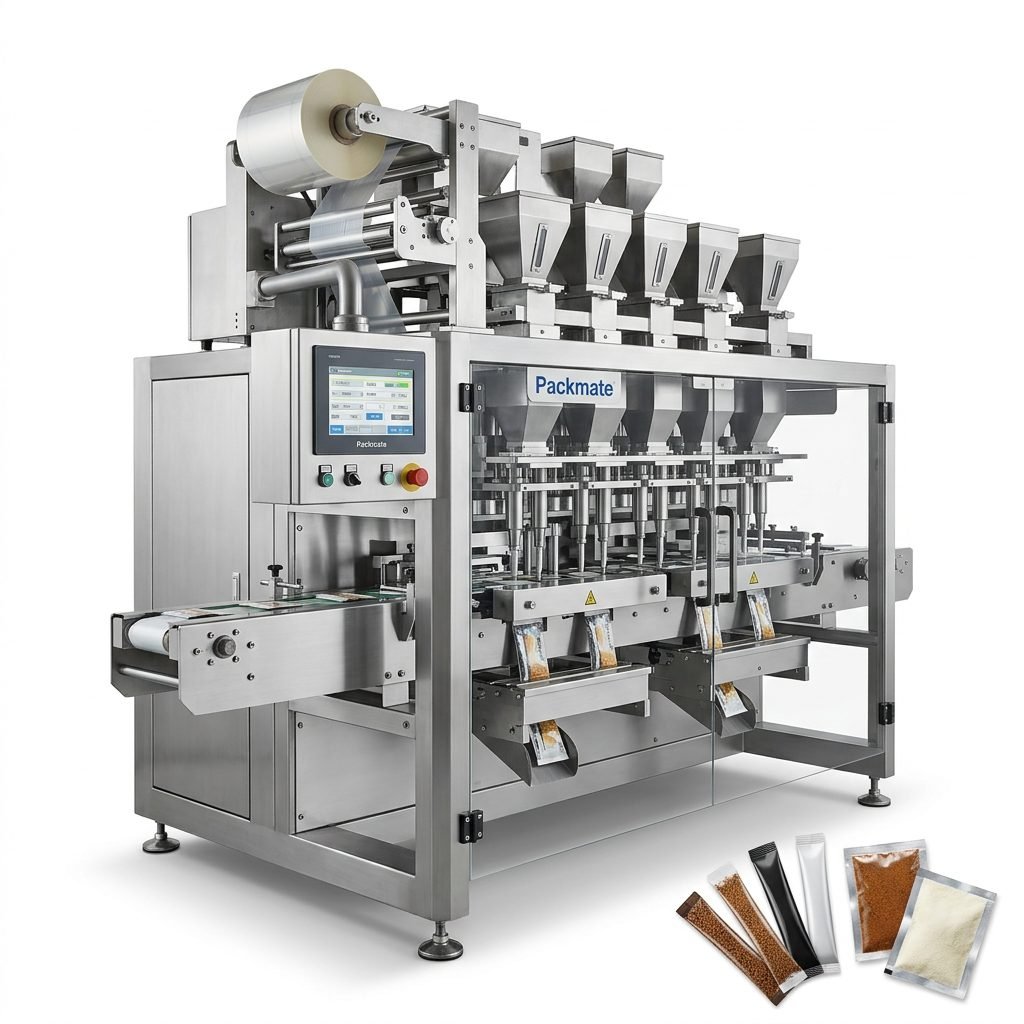
This is where the package is created. Using roll-fed packaging film, the machine forms the pouch (be it a sachet, stick pack, or larger bag), fills it with the weighed product, and hermetically seals it. Modern FFS machines offer incredible flexibility, allowing quick changeovers for different pack sizes and styles, which is vital for manufacturers with diverse product portfolios.
3. Integrated Control & Vision Systems
The “brain” of the operation. A centralized PLC (Programmable Logic Controller) with an intuitive HMI (Human-Machine Interface) allows operators to monitor and control the entire line. Integrated vision inspection systems check for seal integrity, print quality, and fill levels, automatically rejecting any sub-standard packs to guarantee 100% output quality.
Tangible Benefits of a Fully Integrated Solution
The investment in a complete automated line yields significant, measurable returns across multiple facets of operation.
✔ Unmatched Efficiency & Scalability: Automated lines dramatically increase output per hour while reducing direct labor. They are designed to scale, allowing capacity to be added modularly as business grows.
✔ Superior Product Consistency & Quality: Automation removes human error from the weighing and filling process. Every single unit produced meets the same high standard, protecting your brand reputation and reducing waste from rejects.
✔ Enhanced Regulatory Compliance: Automated systems provide accurate, unalterable data logs for every batch—crucial for FDA, EMA, or other regulatory audits. Their hygienic, closed-design also simplifies cleaning and validation processes.
✔ Improved Total Cost of Ownership (TCO): While the initial capital outlay is higher, the long-term savings in labor, material giveaway, and downtime from fewer machine interactions result in a lower TCO and a compelling ROI.
Partnering with the Right Solution Provider
The success of such a significant capital project hinges on choosing the right partner. Look for a provider with deep industry-specific experience, a proven track record of successful installations, and the engineering capability to offer true customization. A partner like Packmate, with over 22 years of development and a 20,000㎡ modern facility, doesn’t just sell machines; they deliver tailored solutions. From initial concept and factory acceptance testing to installation, training, and ongoing technical support, the right partner ensures a smooth transition and long-term operational success.
Conclusion: A Strategic Imperative
For manufacturers in the food, pharma, and health product sectors, modern weighing and packaging is no longer just a cost center but a strategic asset. A complete, automated packaging line is an investment in precision, compliance, brand protection, and future growth. By carefully weighing the system solutions available and partnering with an experienced provider, companies can unlock new levels of efficiency and quality, ensuring they remain competitive in an increasingly demanding global marketplace.
Frequently Asked Questions (FAQs)
1. What is the typical lead time for a complete automated packaging line?
Lead times vary based on the line’s complexity and customization level. For a standard configured line from an established manufacturer, it typically ranges from 3 to 6 months from order to factory acceptance test. Highly customized systems may require additional engineering time.
2. How do automated lines handle changeovers between different products or pack sizes?
Modern lines are designed for quick changeover (QCO). This involves using quick-release mechanisms, recipe storage in the PLC, and interchangeable parts like forming tubes and augers. Well-designed lines can achieve changeovers in 15-30 minutes, maximizing production flexibility.
3. Can these systems integrate with our existing ERP or MES software?
Yes, most advanced packaging lines are equipped with OPC-UA, Ethernet/IP, or other standard communication protocols. This allows for seamless integration with higher-level Manufacturing Execution Systems (MES) or Enterprise Resource Planning (ERP) software for real-time data exchange on production counts, downtime, and OEE (Overall Equipment Effectiveness).
4. What kind of after-sales support and training can we expect?
Reputable suppliers offer comprehensive support packages. This includes detailed installation supervision, on-site operator and maintenance technician training, a warranty period, and access to remote support and spare parts. Ensure your provider has a clear support structure in your region.
5. How is the hygiene and cleanability of the line ensured for pharmaceutical applications?
Pharma-grade lines are constructed with stainless steel (often 304 or 316L), feature polished welds with no crevices, and have designs that minimize horizontal surfaces where dust can settle. Options like Clean-in-Place (CIP) systems allow for automated cleaning without disassembly, which is critical for maintaining GMP standards.