In the highly regulated worlds of food, pharmaceutical, and health product manufacturing, the integrity of the production process is paramount. One of the most critical yet often underestimated procedures is packaging line clearance verification. This systematic process ensures that all product residues, materials, and components from a previous production run are removed before a new product—or a new batch of the same product—is introduced. Failure to perform this verification correctly can lead to catastrophic consequences, including product contamination, costly recalls, regulatory non-compliance, and severe damage to brand reputation. This guide provides a comprehensive, step-by-step framework for establishing and executing a robust packaging line clearance verification protocol to guarantee safe and compliant production.
Why Clearance Verification is Non-Negotiable
The primary goal is to prevent cross-contamination and mix-ups. In a facility like that of Packmate (GuangDong) Co., Ltd., which designs lines for diverse products from food granules to pharmaceutical powders, the risk is inherent. A stray allergen from a previous nut-based product run entering a nut-free line, or antibiotic residue contaminating a subsequent batch of vitamins, represents a serious public health hazard. Regulatory bodies like the FDA (U.S.), EMA (EU), and others mandate strict adherence to Good Manufacturing Practices (GMP), where line clearance is a cornerstone. A verified clean line is not just a regulatory checkbox; it is a fundamental commitment to consumer safety.
Pre-Clearance Preparation: Laying the Groundwork
Effective verification starts long before the cleaning crew arrives. Preparation is key to a smooth and error-free process.
1. Develop and Document Standard Operating Procedures (SOPs)
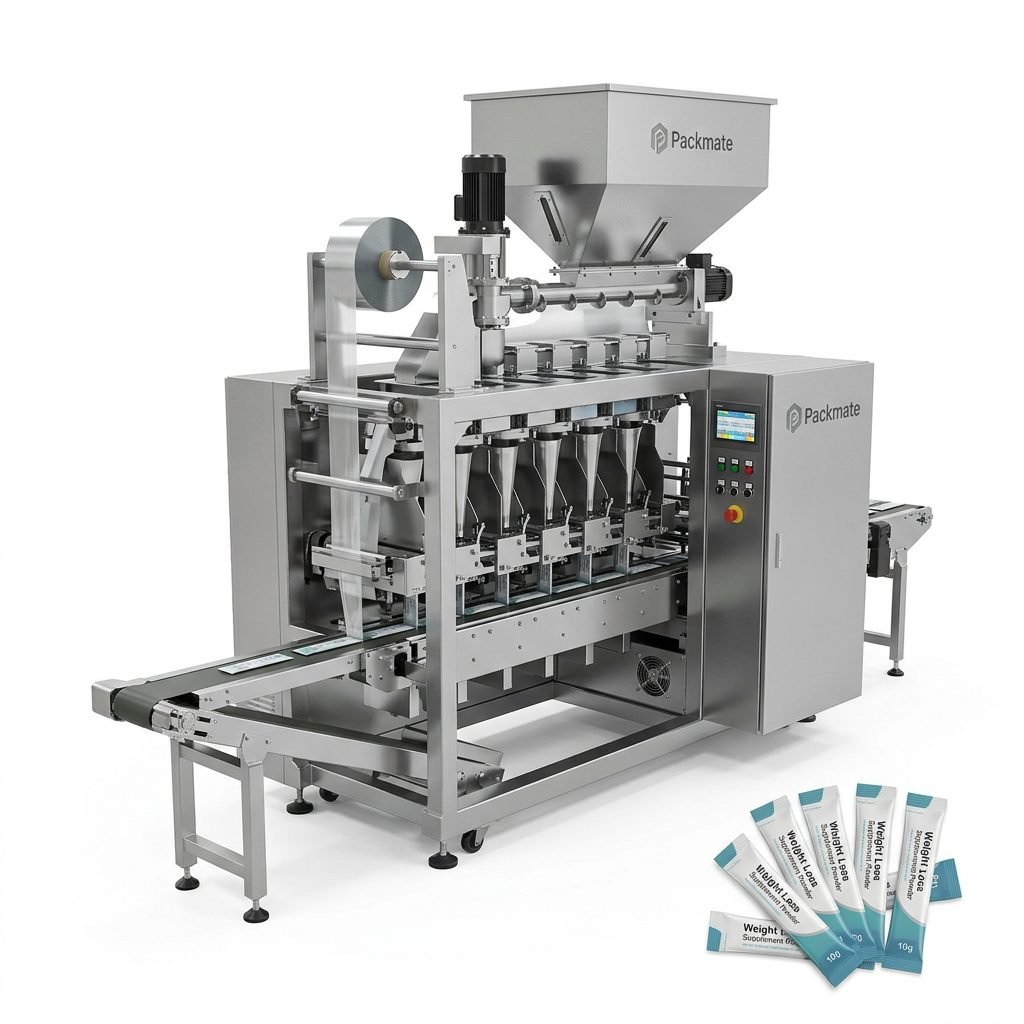
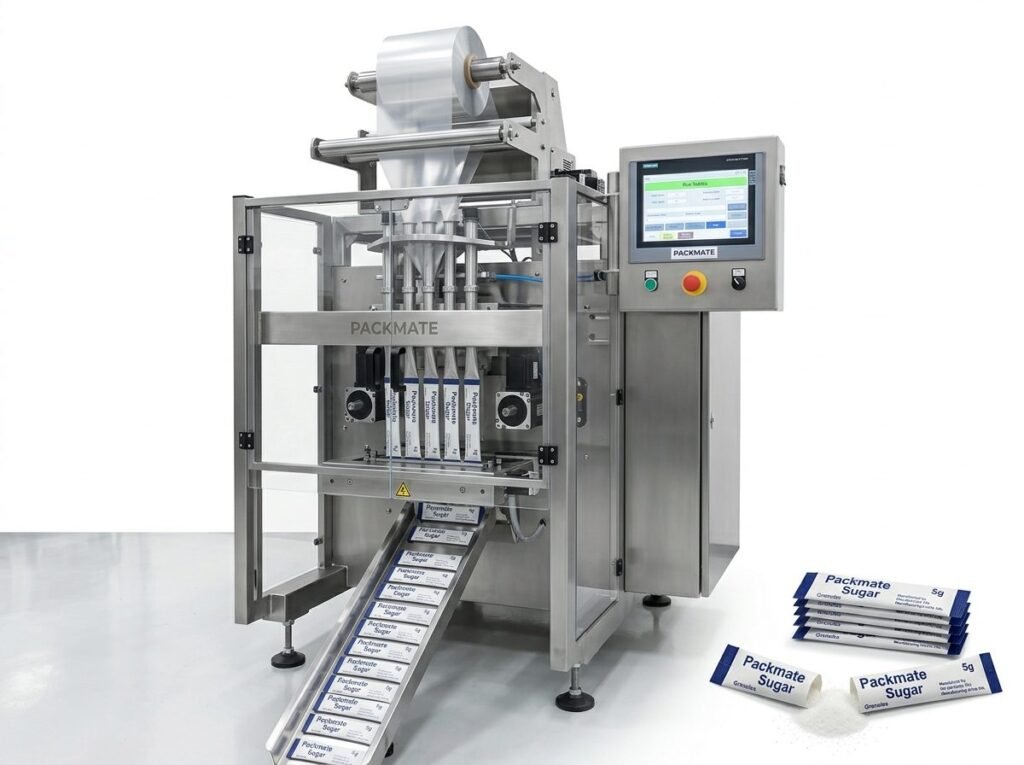
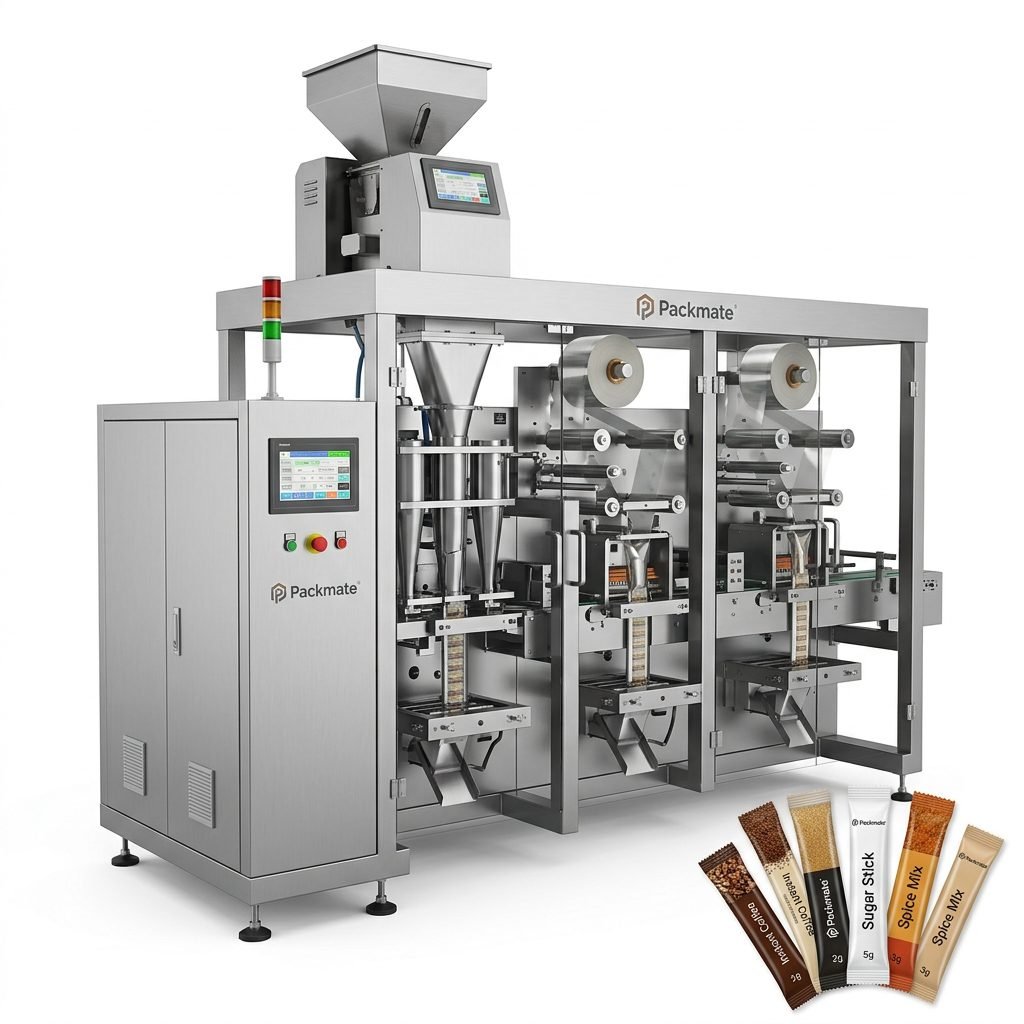
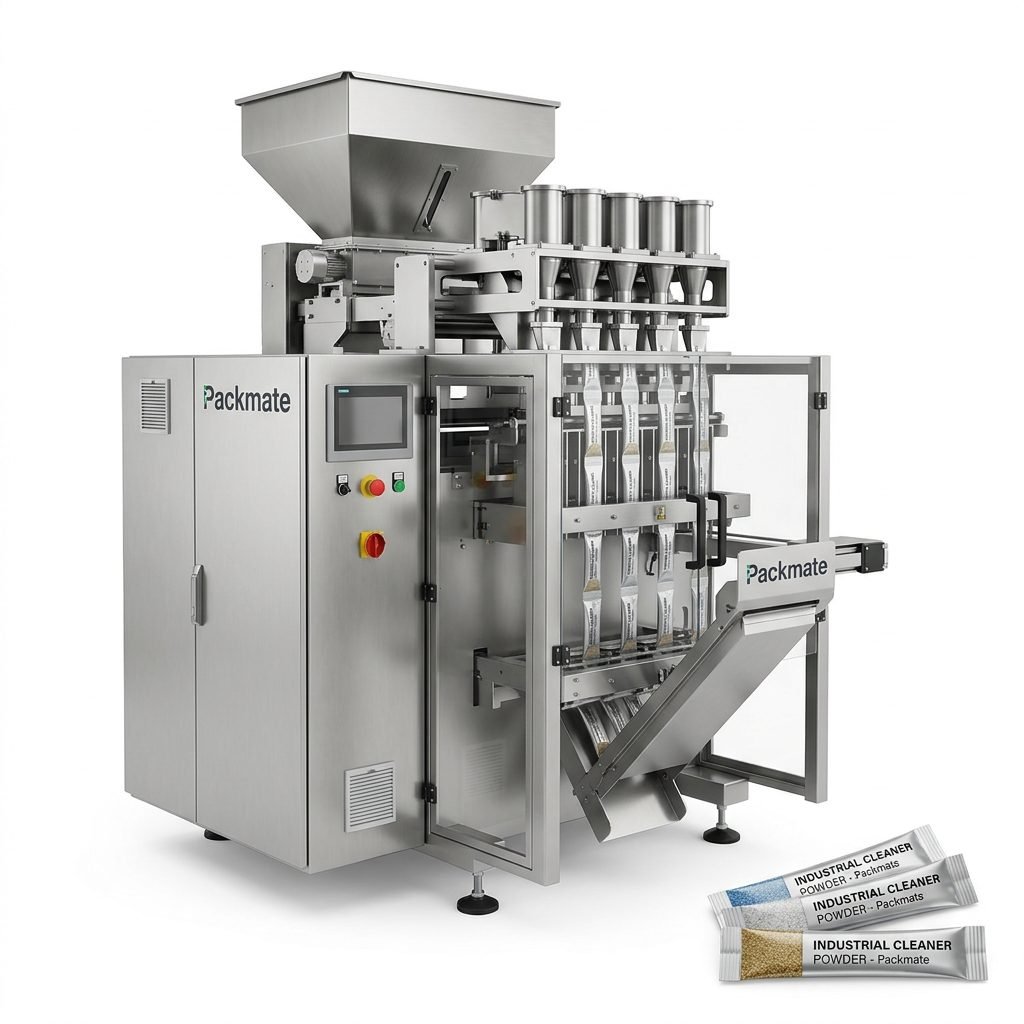
Every clearance activity must be governed by a detailed, written SOP. This document should be product- and line-specific, considering the unique design of your equipment. For instance, the clearance protocol for a complex multi-lane stick pack line will differ from that of a large-bag filling system. The SOP must define:
- Scope & Responsibility: Which lines/equipment it covers and who is authorized to perform and verify the clearance.
- Clearance Triggers: Specific events that necessitate full clearance (e.g., product changeover, batch completion after a set time, maintenance work).
- Materials & Tools: Approved cleaning agents, sanitizers, and dedicated, non-shedding tools (brushes, wipes, vacuums).
2. Establish Clear Communication and Line Status
Implement a visual management system. Before clearance begins, the line must be officially taken out of “Production” status. Use physical tags or digital status boards to indicate “UNDER CLEARANCE” or “CLEANING IN PROGRESS.” This prevents accidental start-up or introduction of new materials. All personnel, from operators to supervisors, must be trained on this protocol.
The Step-by-Step Clearance Verification Protocol
Follow this sequential process to ensure no step is missed.
Phase 1: Physical Clearance & Cleaning
Step 1: Material Removal. First, remove all bulk product, primary packaging materials (films, foils, pouches), and secondary packaging (cartons, labels) from the line area. Return unused, unopened materials to stock. Segregate and clearly label any opened or partially used materials for disposal or quality review.
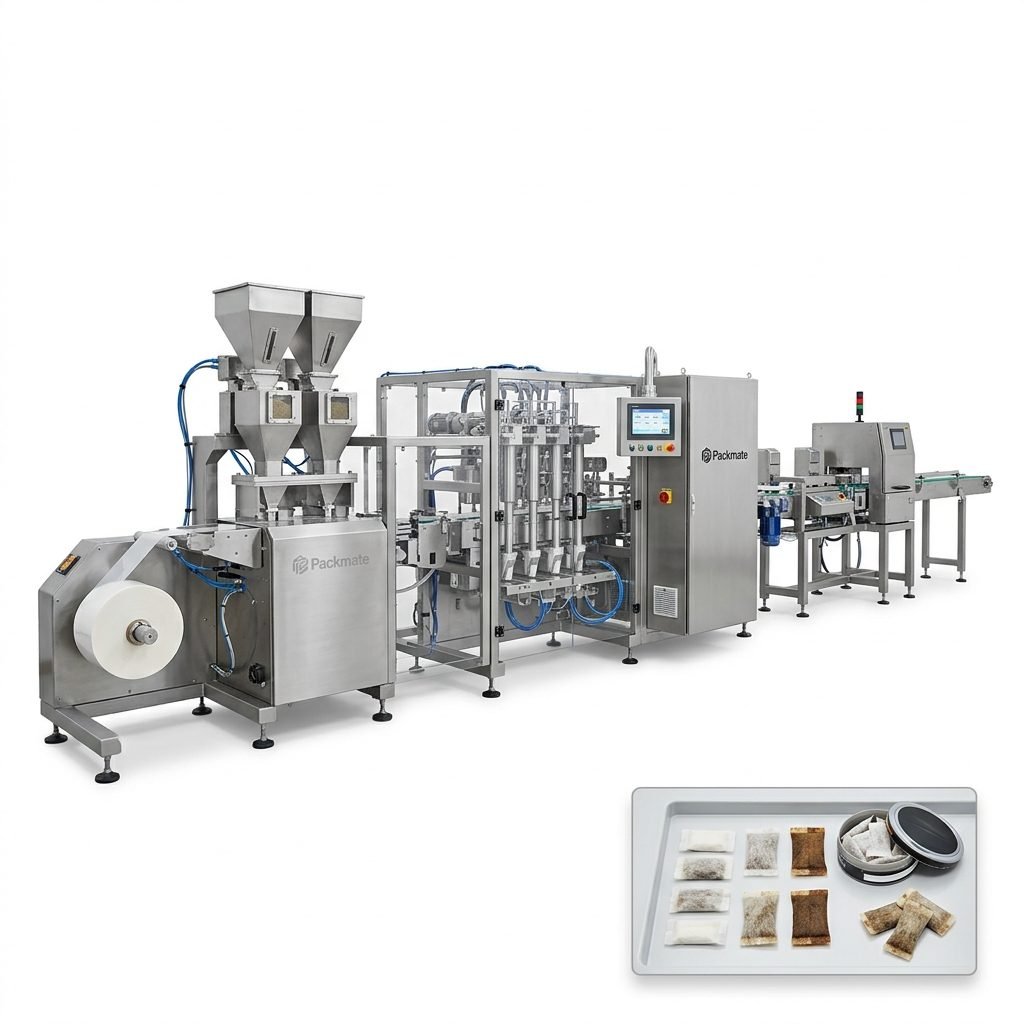
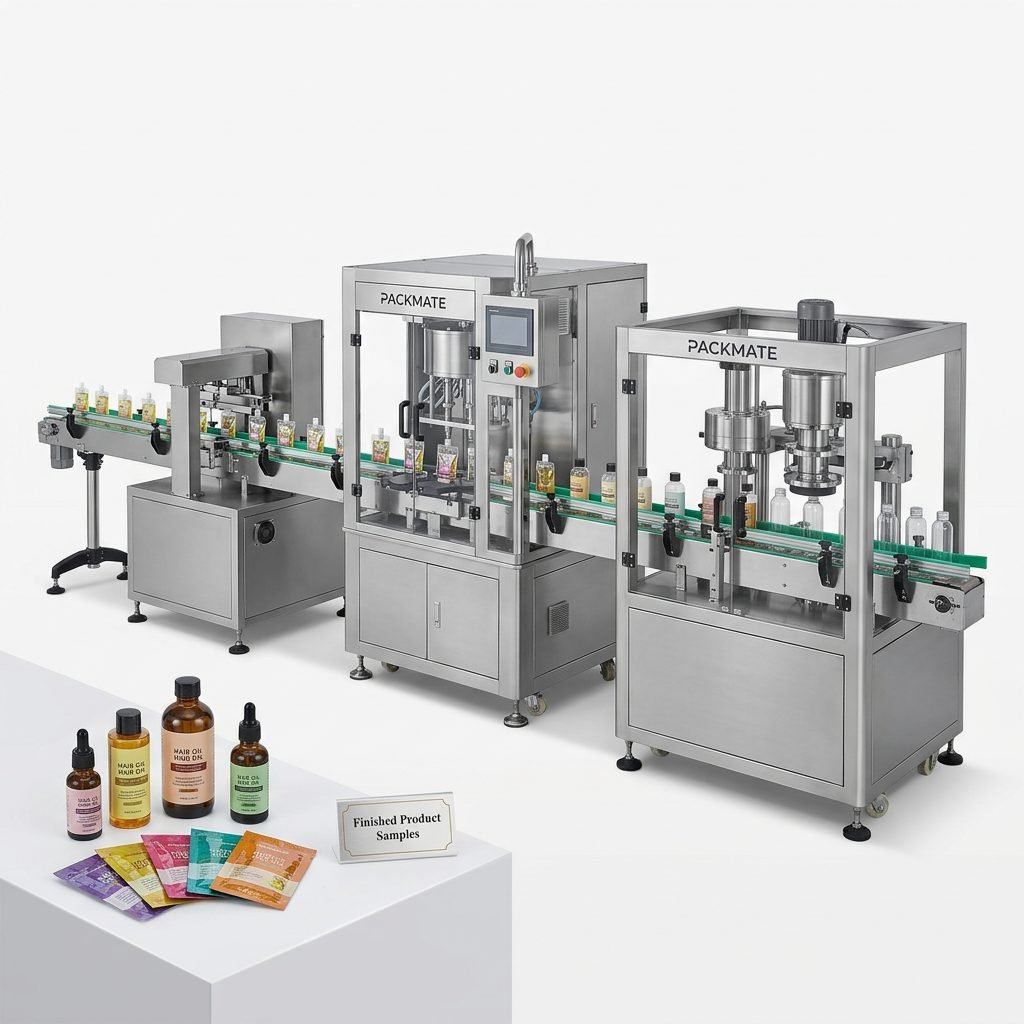
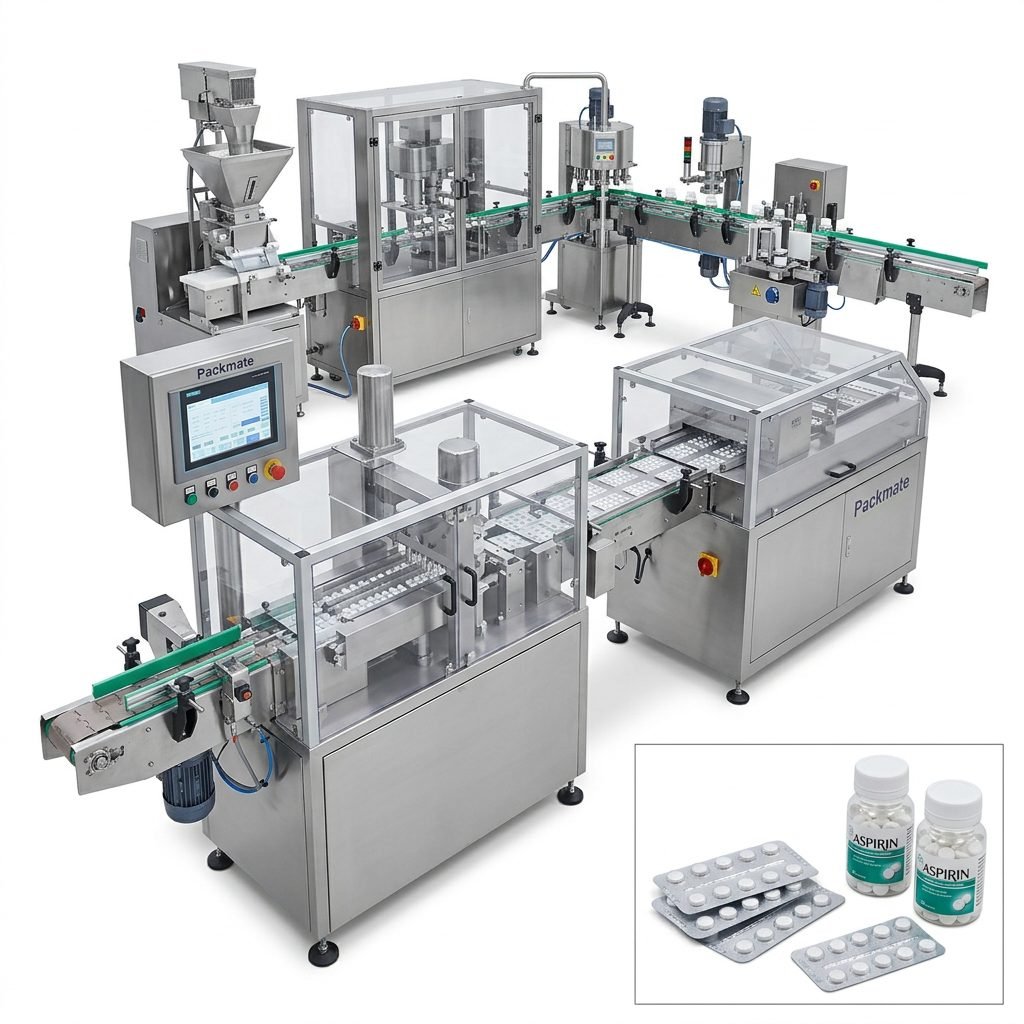
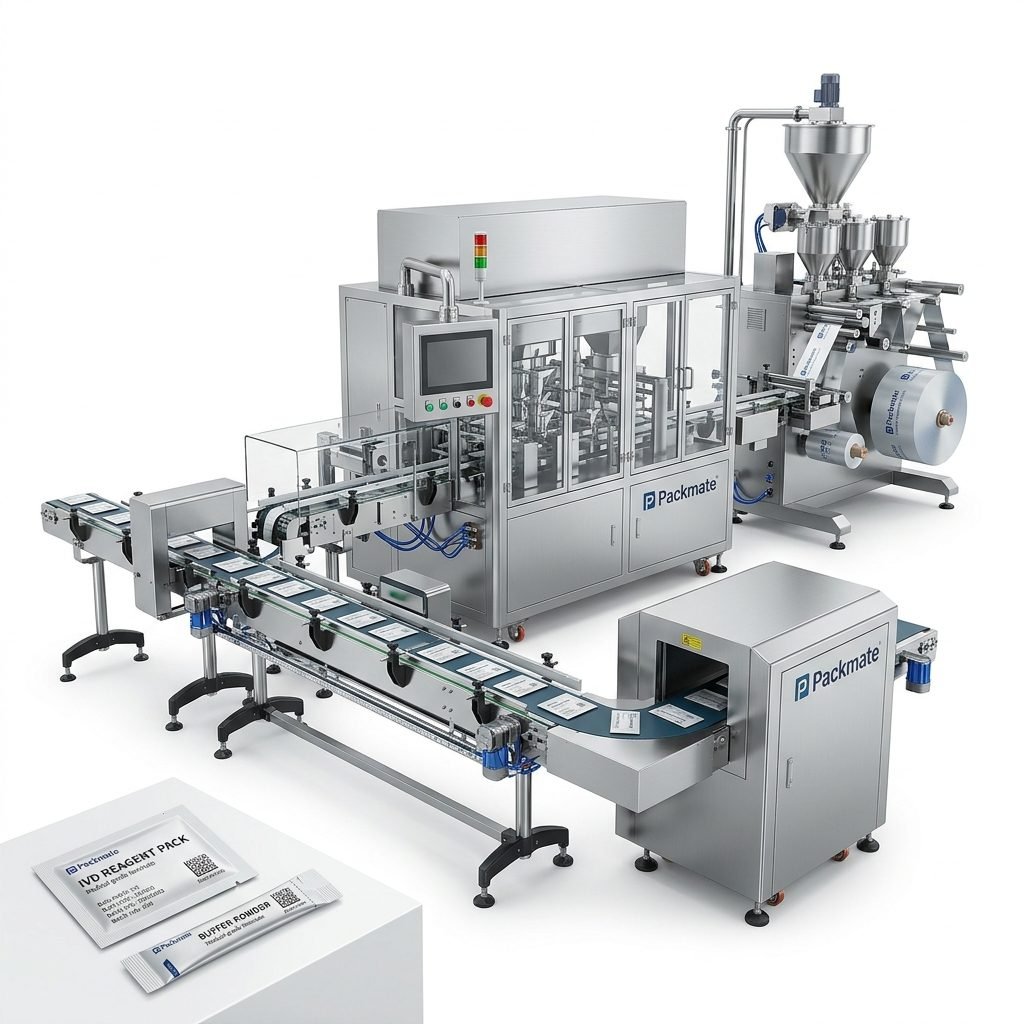
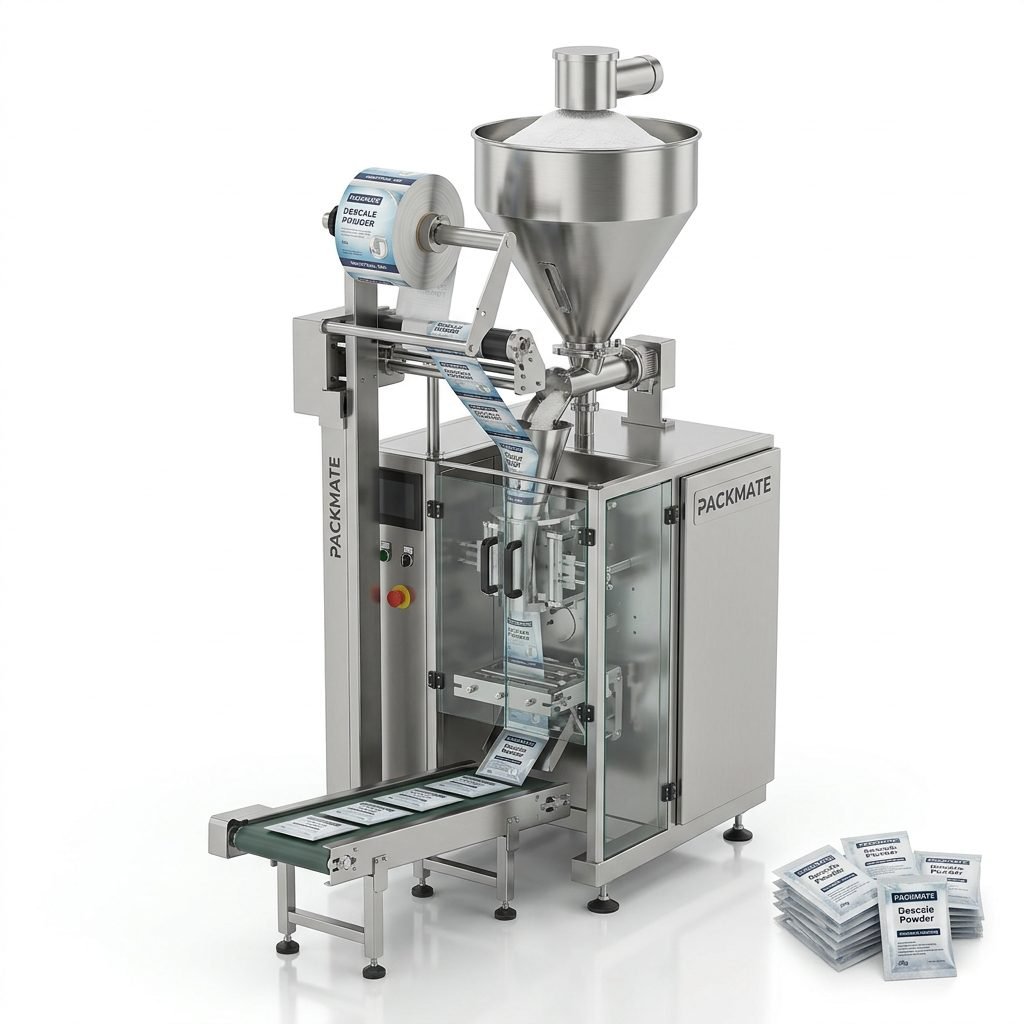
Step 2: Disassembly & Access. Following the equipment manual, safely disassemble product-contact parts. This may include hoppers, funnels, filling nozzles, forming tubes, and sealing jaws. The goal is to expose all surfaces where product residue could hide. Companies like Packmate provide detailed disassembly guides for their machinery as part of their comprehensive service and support.
Step 3: Dry Cleaning. Use dedicated vacuums with HEPA filters and brushes to remove all dry powder, dust, and granules. Start from the highest point of the equipment and work downwards to prevent re-contamination of cleaned areas.
Step 4: Wet Cleaning & Sanitization. Clean all disassembled parts and accessible surfaces with approved cleaning agents. Rinse with purified water (e.g., WFI in pharma) if required. Apply a validated sanitizing agent to eliminate microbiological load. Allow all parts to dry completely in a clean, protected environment to prevent microbial growth.
Phase 2: Inspection & Verification
Step 5: Visual Inspection. This is the first critical verification point. Under good lighting, a trained inspector must examine every product-contact surface for visible residue, film, dust, or moisture. Use mirrors and flashlights to inspect hard-to-see areas. Any finding fails the clearance, and the cleaning step must be repeated.
Step 6: Analytical Verification (Where Required). For high-risk products (e.g., potent drugs, allergens), visual inspection alone is insufficient. Implement additional tests:
🔹 Swab Testing: Use validated swabs to collect residue from defined locations for chemical analysis (e.g., HPLC, TOC).
🔹 Rinse Sampling: Collect the final rinse water for analysis.
Acceptance criteria must be pre-defined based on product potency and health risk.
Step 7: Reassembly & Pre-Operational Check. Once verified clean, reassemble the equipment according to manufacturer specifications. Perform a pre-operational check to ensure mechanical and electrical functionality before releasing the line for production.
3. Documentation & Release for Production
The process is not complete until it is documented. The executing operator and an independent verifier (often Quality Assurance) must sign the line clearance checklist. This form, part of the batch record, provides auditable proof that the procedure was followed. Only after this signed authorization can the line status be changed to “RELEASED FOR PRODUCTION,” and new materials for the next product be brought to the line. This meticulous documentation is a principle upheld by industry leaders, as seen in Packmate’s commitment to providing reliable, audit-ready solutions for their clients.
Best Practices for a Sustainable Clearance Program
▶ Risk-Based Approach: Tailor the rigor of your clearance (e.g., full disassembly vs. basic clean) based on a risk assessment. Consider factors like product similarity, allergen status, and toxicity.
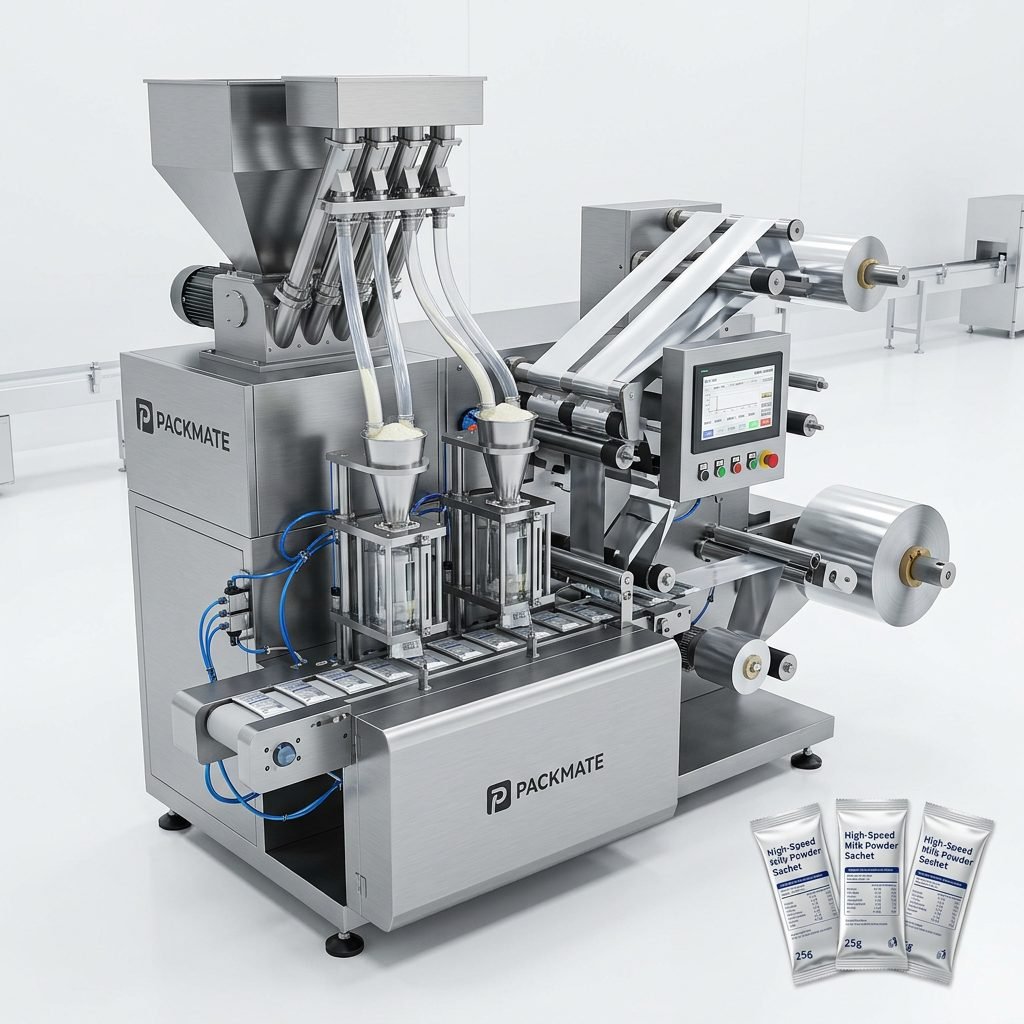
▶ Invest in Design: Choose equipment designed for cleanability. Modern lines from suppliers like Packmate feature smooth surfaces, minimal dead legs, and easy-access panels that significantly reduce clearance time and error.
▶ Continuous Training: Regularly train and assess personnel on SOPs. Use real-life scenarios and FAQs to reinforce understanding.
▶ Periodic Review: Audit your clearance procedures annually. Analyze any deviations or near-misses to improve the SOPs and prevent future issues.
Implementing a rigorous packaging line clearance verification protocol is an investment in quality, safety, and compliance. It transforms a routine changeover into a defensible, documented assurance of product integrity. By following this step-by-step guide and fostering a culture of meticulous execution, manufacturers can protect consumers, satisfy regulators, and safeguard their brand’s future.
Frequently Asked Questions (FAQs)
1. How often should we perform a full packaging line clearance?
A full clearance is mandatory at every product changeover. It is also required after a predefined number of batches for the same product (as per your validation schedule), after any major maintenance, and following any event that could have compromised the line’s cleanliness (e.g., a spill or power outage).
2. Who should perform the verification inspection?
While the cleaning is often done by production or cleaning crew, the final verification should be conducted by a trained individual independent of the cleaning process, typically from the Quality Assurance (QA) or Quality Control (QC) department. This segregation of duties ensures objective oversight.
3. Can we rely solely on visual inspection for clearance?
For many food and lower-risk health products, a thorough, well-documented visual inspection may be sufficient if justified by risk assessment. However, for pharmaceutical products, potent compounds, or major allergens, analytical verification (swab or rinse testing) is almost always required to meet regulatory expectations.
4. What is the biggest common mistake in line clearance?
The most common pitfall is inadequate disassembly, leading to “hidden” residues in areas like gaskets, seals, and internal channels of filling heads. Another critical error is poor documentation, where the checklist is signed without a truly independent and meticulous verification.
5. How can equipment design make clearance easier?
Equipment designed with hygiene in mind—featuring quick-release clamps instead of bolts, easily removable parts, smooth welded joints, and clear access points—dramatically reduces clearance time and improves effectiveness. When selecting new packaging machinery, cleanability should be a top criterion.