In today’s fast-paced global market, the food, pharmaceutical, and health product industries face immense pressure to deliver products that are not only safe and effective but also packaged with impeccable hygiene, precision, and speed. Manual packaging processes are increasingly inadequate, struggling to meet stringent regulatory standards, ensure product consistency, and keep up with consumer demand. This is where automatic packing solutions become not just an advantage but a necessity. A complete turnkey line represents the pinnacle of this automation, offering a seamlessly integrated system from product filling to final case sealing.
The Imperative for Automation in Sensitive Industries
The shift towards automation is driven by several critical factors unique to these sectors. First and foremost is consumer safety. In pharmaceuticals and health products, contamination is unacceptable. Automated systems minimize human contact, drastically reducing the risk of microbial or particulate contamination. For food items, especially perishables or supplements, maintaining a sterile environment and precise sealing is crucial for shelf life and safety.
Secondly, regulatory compliance is non-negotiable. Agencies like the FDA, EMA, and other global bodies have rigorous guidelines for Good Manufacturing Practices (GMP). Automated lines provide the traceability, documentation, and consistent repeatability required to pass audits and maintain certifications. Every action is controlled, monitored, and logged.
Finally, operational efficiency and scalability make a compelling business case. Automatic lines operate 24/7 with minimal downtime, handle high volumes consistently, and reduce labor costs and human error. They allow manufacturers to scale production up or down with market demands efficiently. For a deep dive into how these solutions are tailored, explore our comprehensive packaging solutions.
Core Components of a Turnkey Packaging Line
A true turnkey solution is more than a collection of machines; it’s a harmonized ecosystem. Here are the fundamental stages:
1. Product Feeding & Handling
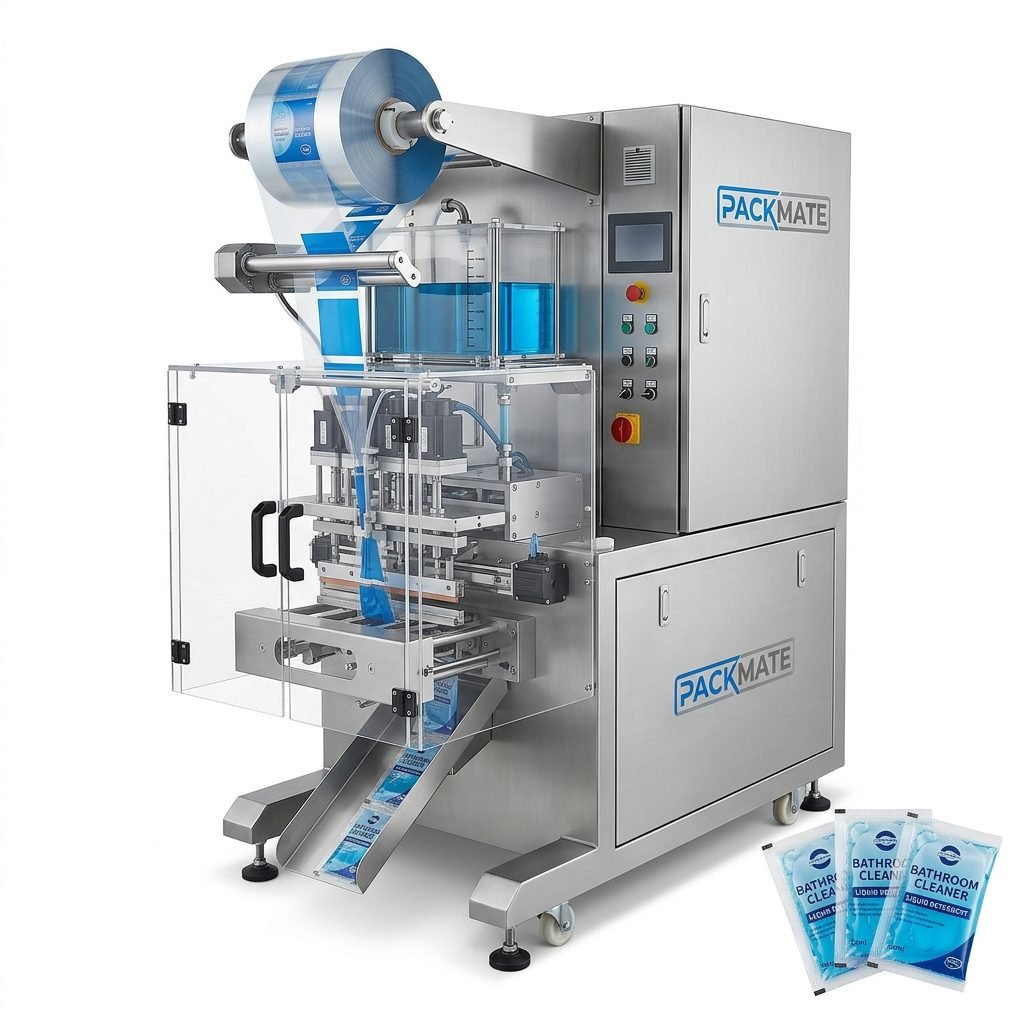
This initial stage ensures a consistent, uncontaminated supply of product to the packaging machines. For powders and granules, this might involve bulk bag unloaders, screw feeders, or vibratory trays. For liquids, precision pumps and filtration systems are key. The goal is gentle, accurate, and dust-free transfer.
2. Form-Fill-Seal (FFS) Machinery
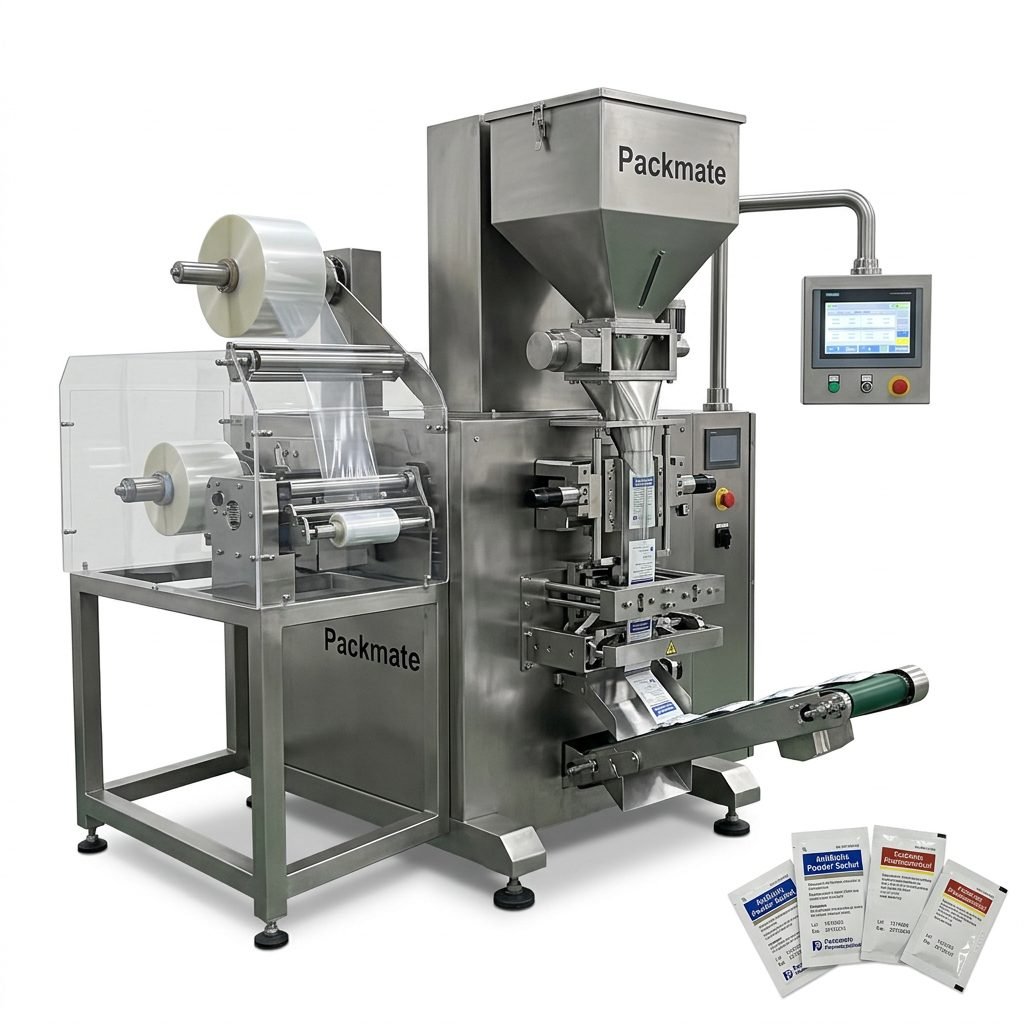
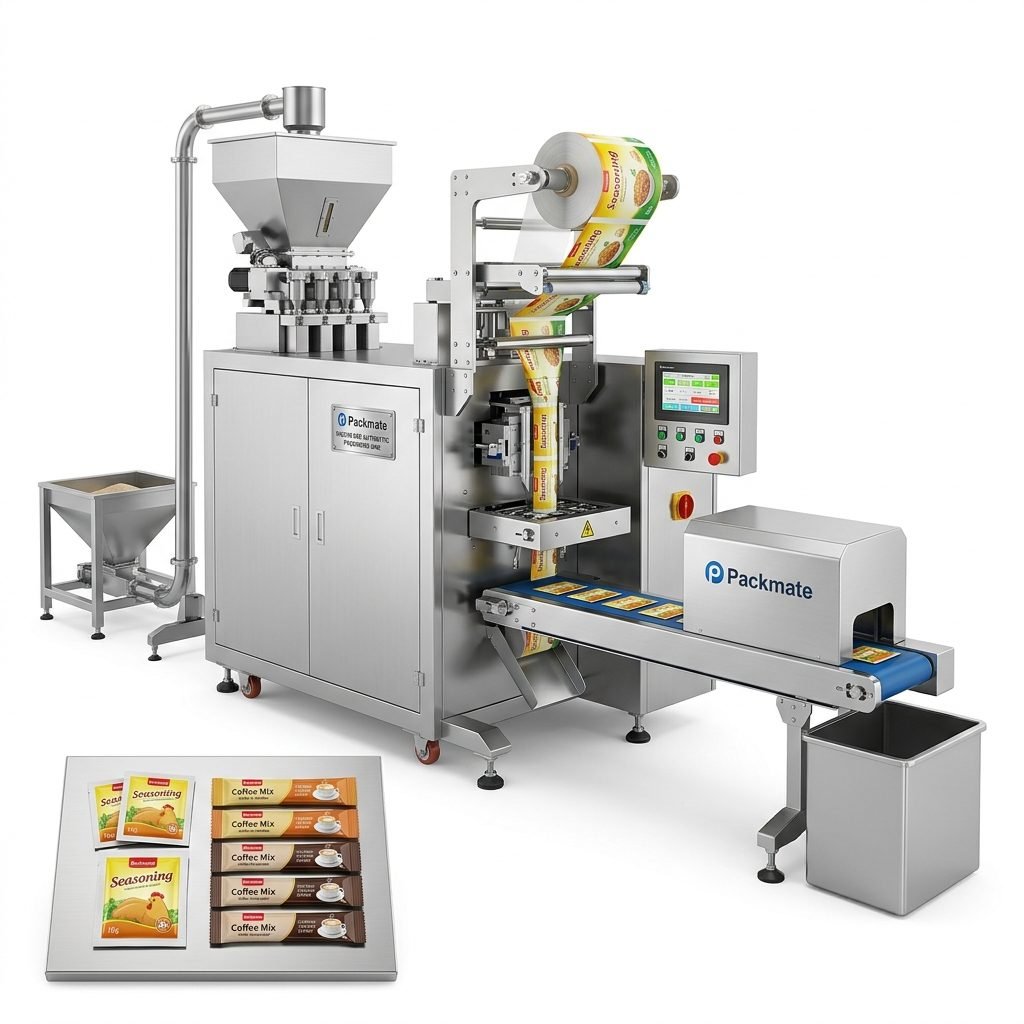
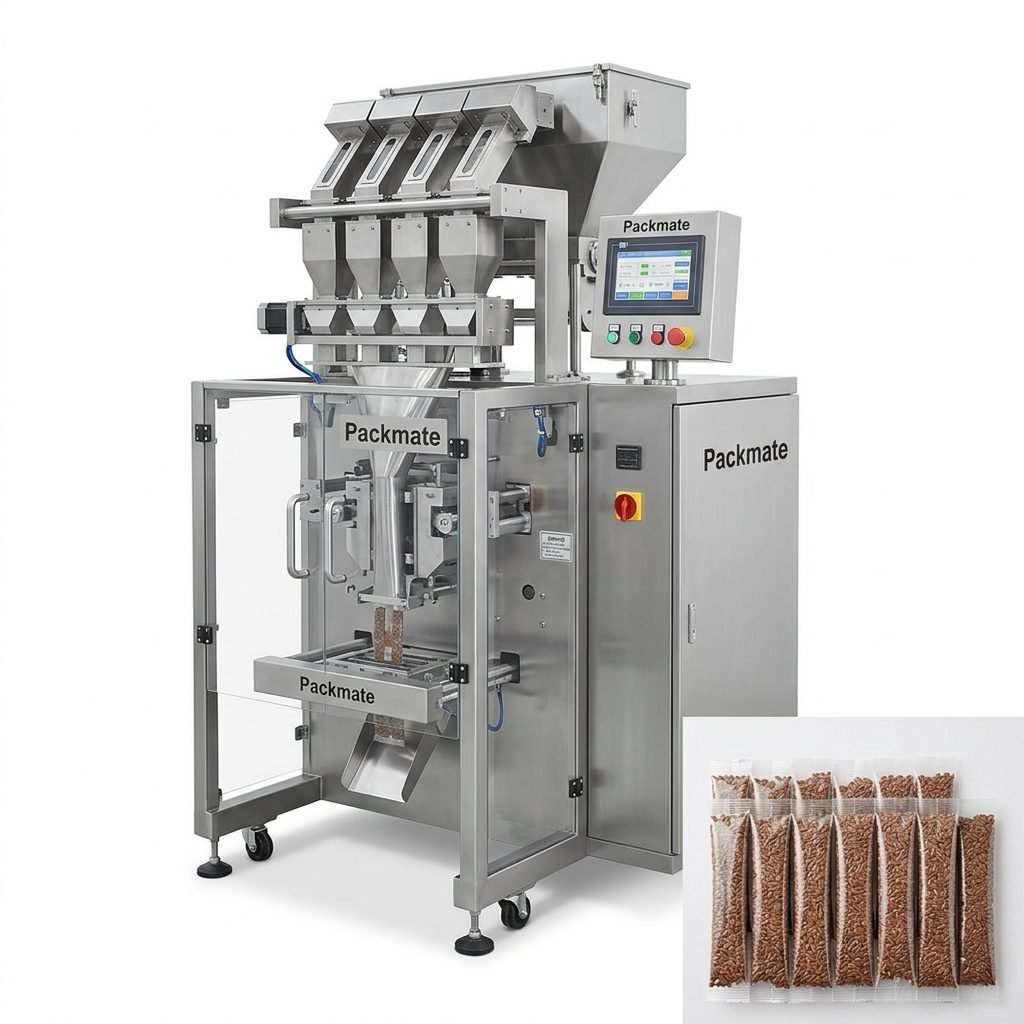
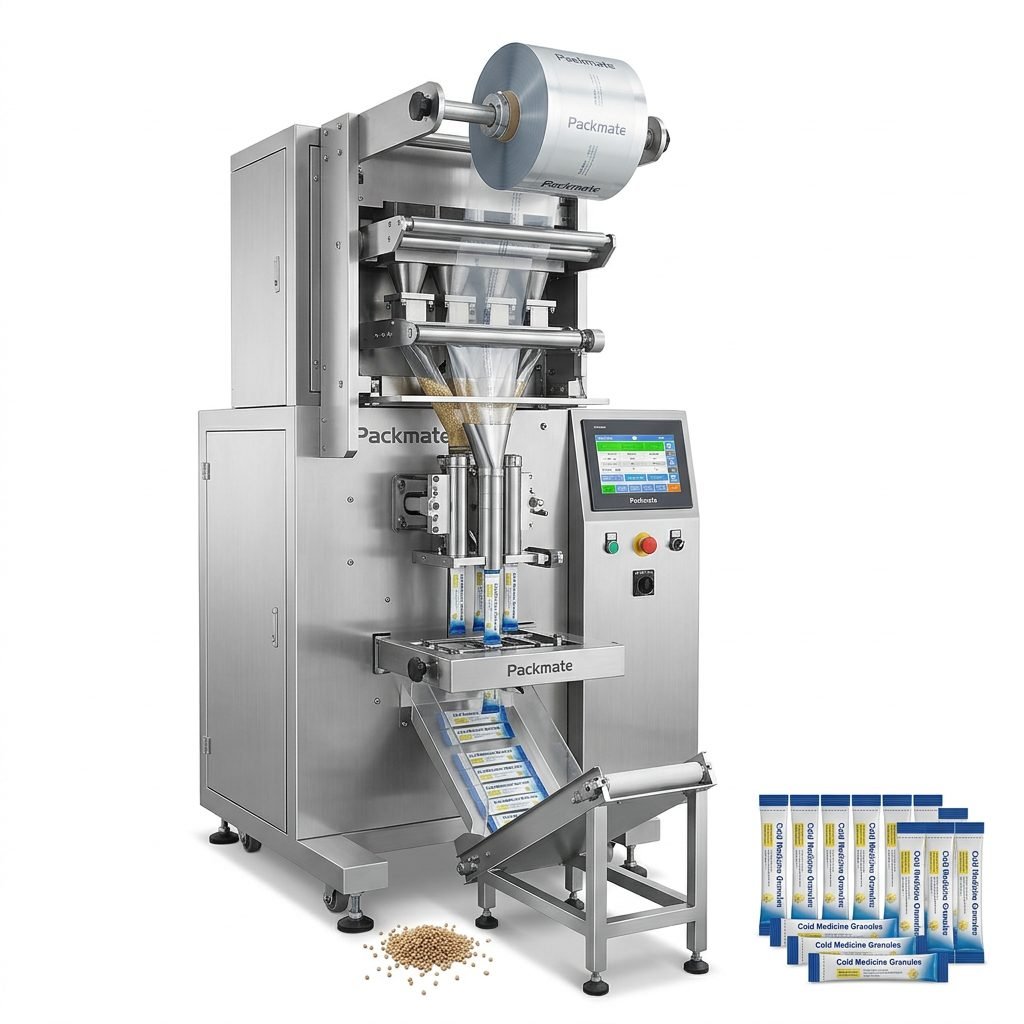
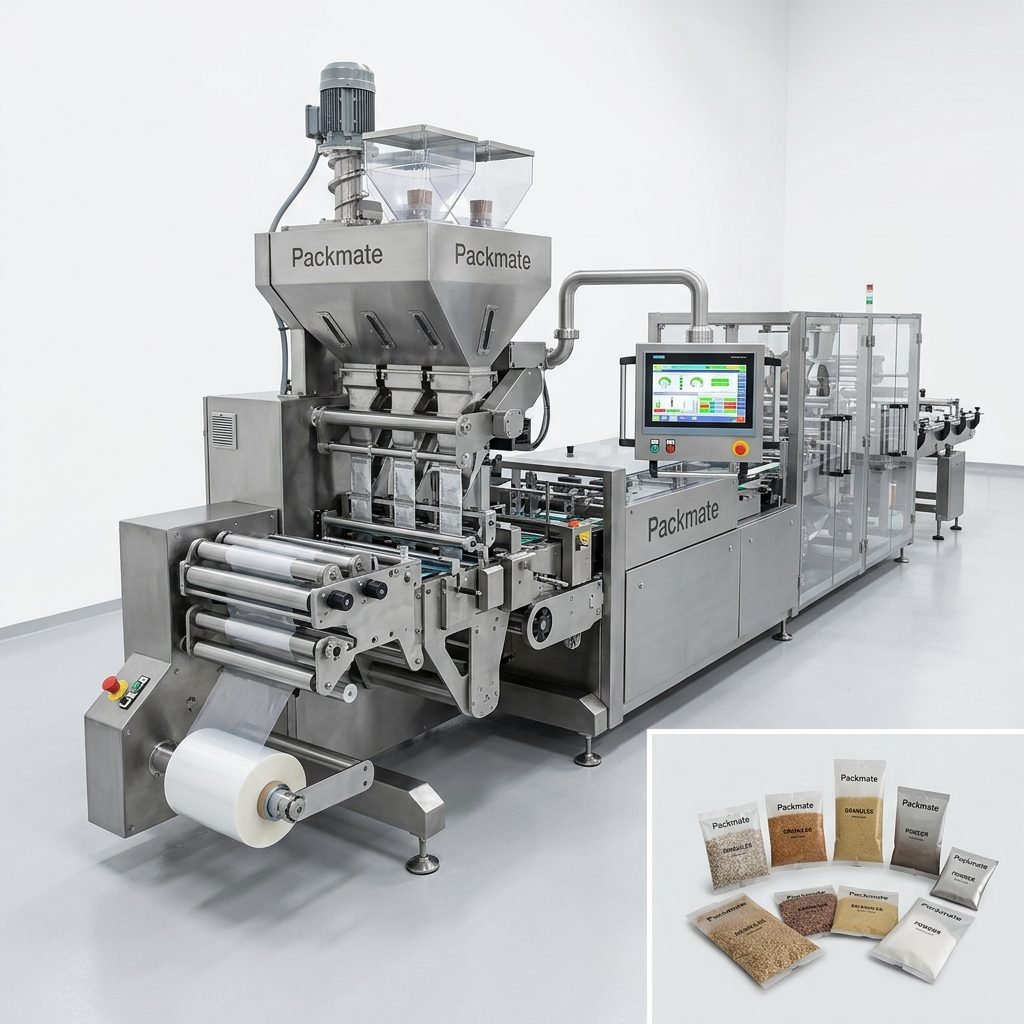
The heart of the line. FFS machines create the package from a roll of film, fill it with a metered dose of product, and seal it—all in one continuous operation. For the food, pharma, and health sectors, common types include:
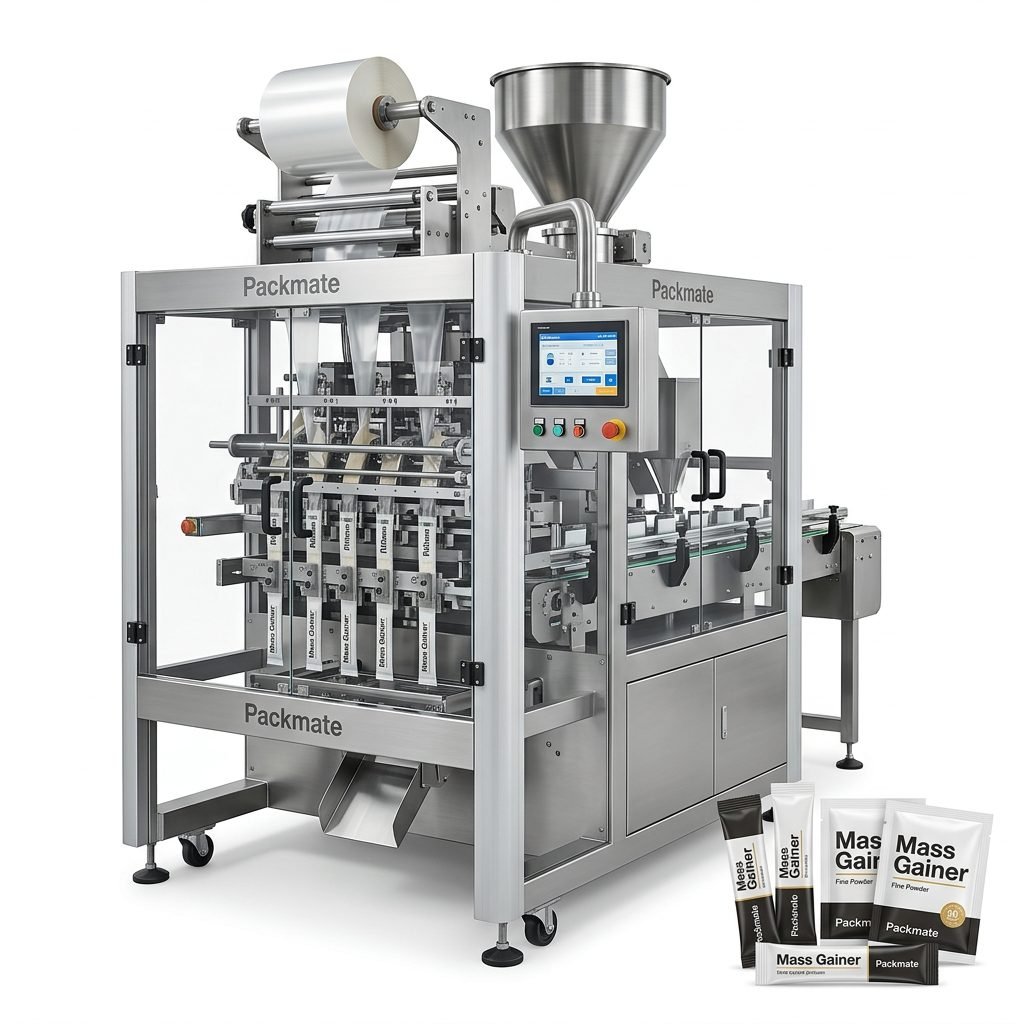
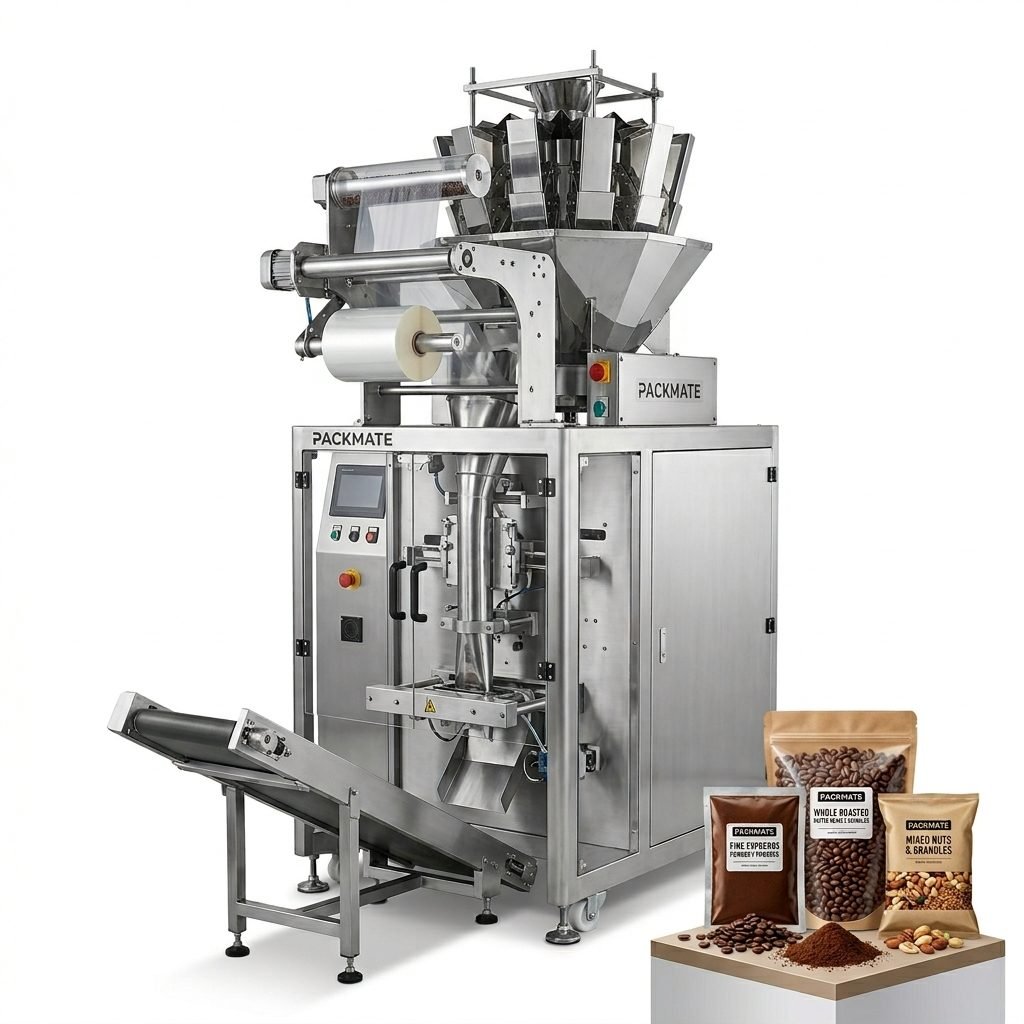
- Vertical Form-Fill-Seal (VFFS): Ideal for loose products like powders, granules, nuts, and snacks. Creates bags that are filled and sealed vertically.
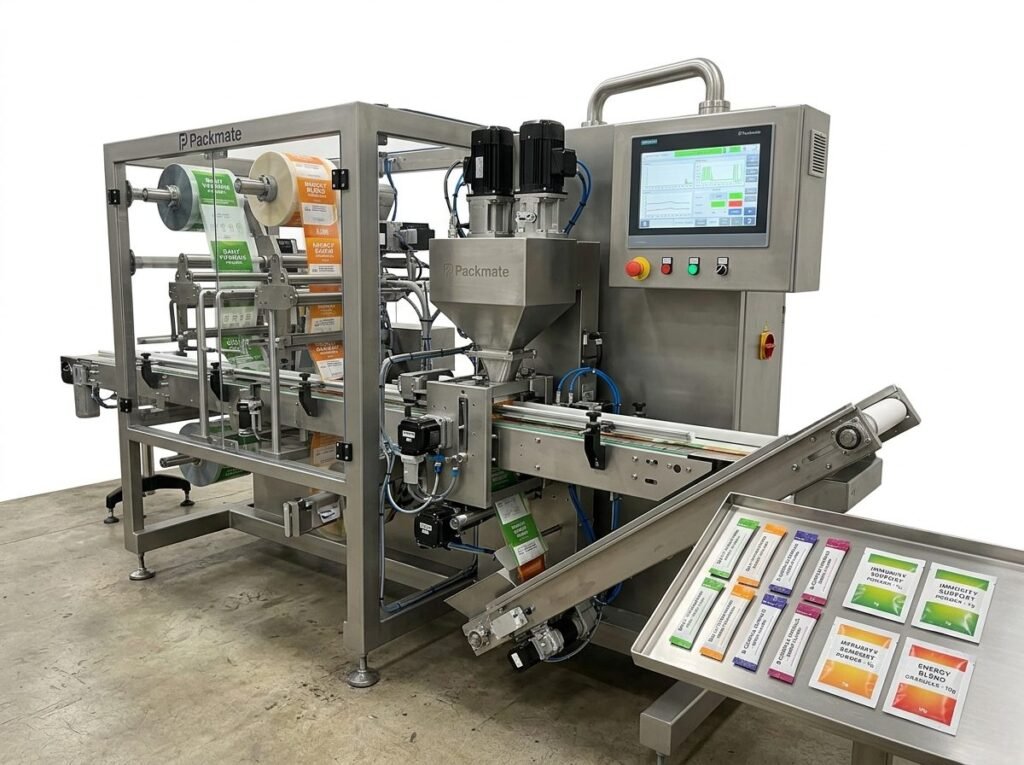
- Horizontal Form-Fill-Seal (HFFS): Perfect for creating stick packs, sachets, or blister packs for single-serve portions of supplements, drink mixes, or pharmaceuticals.
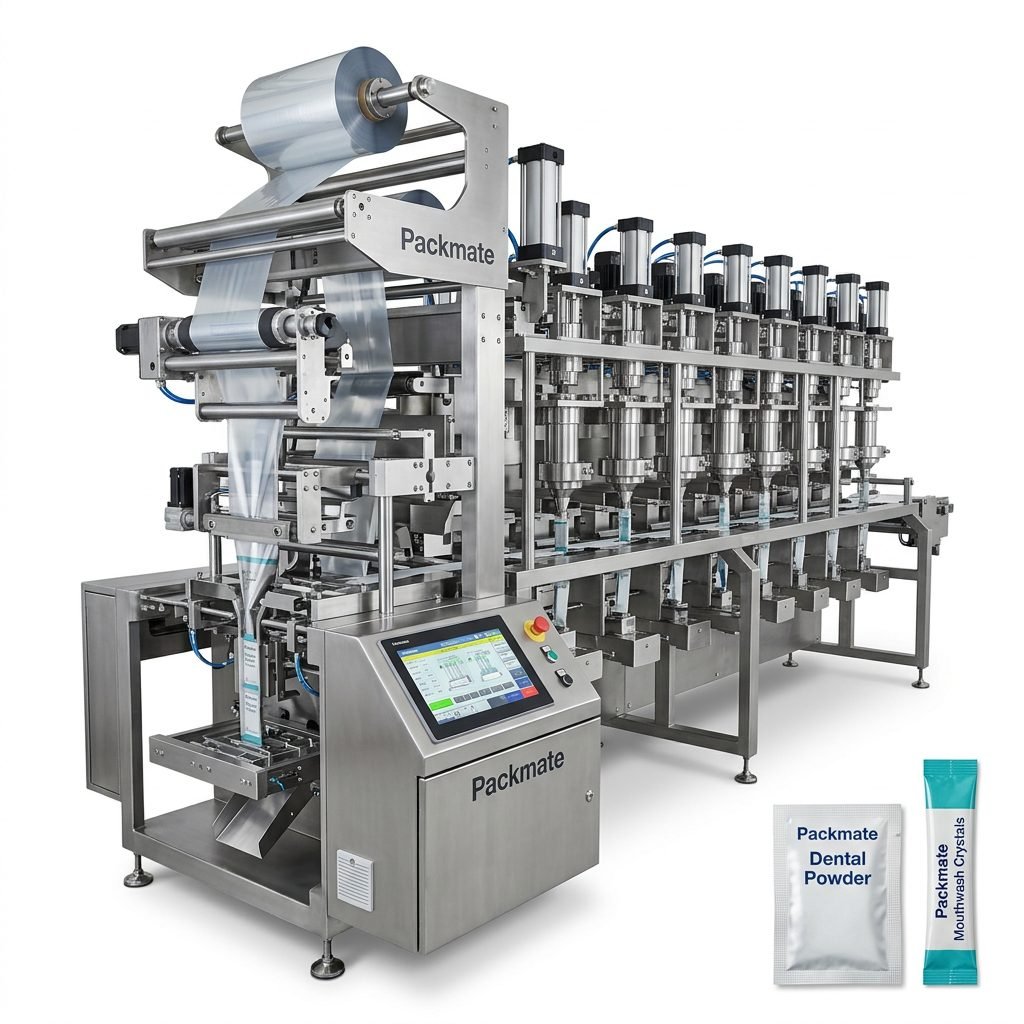
- Multi-Lane Stick Pack Machines: A high-speed variant of HFFS designed specifically for producing multiple stick packs simultaneously, maximizing output for products like energy gels or powdered medications.
3. Secondary Packaging
Once primary packages are made, they are grouped for retail. This stage includes cartoners (placing sachets into boxes), case packers, bundlers, and shrink wrappers. Accuracy in count and orientation is vital here.
4. Labeling, Coding & Inspection
Critical for compliance and branding. This includes applying labels with ingredient lists and barcodes, inkjet or laser coding for batch numbers and expiry dates, and vision inspection systems to check for seal integrity, correct labeling, and fill levels.
5. End-of-Line Palletizing
The final step involves automatically stacking and arranging filled cases onto pallets for warehouse storage or shipment, optimizing logistics and minimizing manual handling.
Tailoring Solutions: Food vs. Pharmaceutical vs. Health Products
While the core principles are similar, the material and control requirements differ significantly.
Food Industry Focus
Emphasis is on speed, freshness preservation, and appealing presentation. Lines often use food-grade stainless steel and polymers. Modified Atmosphere Packaging (MAP) capabilities are common for fresh products. Flexibility to handle different product shapes and sizes (e.g., chips vs. pasta) is key. See real-world applications in our project case studies.
Pharmaceutical Industry Focus
The paramount concern is sterility, accuracy, and documentation. Machines must be designed for easy cleaning and sterilization (CIP/SIP). Weighing systems require pharmaceutical-grade precision. The entire line must support data integrity for compliance with FDA 21 CFR Part 11. Materials must be compatible with rigorous sanitization protocols.
Health & Nutraceutical Focus
This sector often bridges the two, requiring pharmaceutical-grade accuracy with food-line flexibility. Common for powders (protein, greens), capsules, and liquids (supplements). Packaging must protect sensitive ingredients from moisture and light. Branding and consumer appeal on the sachet or stick pack are also important considerations.
The Turnkey Advantage: Why Partner with an Expert?
Choosing a piecemeal approach from different vendors creates integration headaches, responsibility gaps, and compatibility issues. A turnkey provider like Packmate delivers a singular, accountable solution.
✔ Single Point of Responsibility: From design and manufacturing to installation, training, and after-sales support, one partner manages it all.
✔ Seamless Integration: All components are engineered to communicate and work together flawlessly, optimizing line efficiency (OEE).
✔ Customized Design: The line is configured around your specific product, output goals, factory layout, and compliance needs, not the other way around.
✔ Reduced Time-to-Market: A coordinated project management approach accelerates the journey from concept to full production.
✔ Future-Proofing: A reputable provider designs with scalability in mind, allowing for easier upgrades or reconfiguration as your product portfolio evolves.
Implementing Your Automated Line: Key Considerations
Success hinges on thorough planning. Key steps include:
- Product & Requirement Analysis: Define your product’s physical characteristics, required output speed, packaging materials, and regulatory standards.
- Factory Layout & Flow Planning: Optimize floor space for material inflow, machine placement, operator access, and finished goods outflow.
- Material Compatibility Testing: Test your chosen packaging films or laminates on the actual FFS machinery to ensure perfect seal integrity and runnability.
- Staff Training & Change Management: Prepare your team for the new technology. Effective training ensures smooth operation and maintenance.
- Validation & Documentation: Especially critical for pharmaceuticals, this process proves the line consistently produces packages meeting all predefined specifications.
For businesses looking to understand the full scope of a provider’s capability, reviewing their company profile and history of innovation is essential.
Frequently Asked Questions (FAQs)
Q1: What is the typical ROI period for a turnkey automatic packaging line?
A: The return on investment varies based on line complexity, output, and labor cost savings. Typically, businesses see a full ROI within 1 to 3 years through significant gains in productivity, yield, reduced waste, and lower operational costs.
Q2: Can an automatic line handle multiple different products or package sizes?
A: Yes, modern lines are designed with changeover in mind. Quick-change parts and recipe-driven PLC controls allow for switching between similar product formats in minutes, maximizing line flexibility and uptime.
Q3: How do you ensure the line meets strict pharmaceutical GMP standards?
A> Providers with pharma expertise use GMP-compliant design principles: easy-to-clean surfaces with no crevices, validated cleaning procedures, materials of construction certificates, and integrated systems for data acquisition and audit trails to meet regulatory requirements.
Q4: What kind of after-sales support is crucial for a turnkey line?
A: Comprehensive support includes detailed documentation, on-site training for operators and technicians, readily available spare parts, remote diagnostics support, and scheduled preventive maintenance services to ensure long-term reliability and performance.
Q5: We have limited factory space. Can a high-speed line still be implemented?
A: Absolutely. A key part of the turnkey design process is creating a compact, efficient layout. Vertical integration, right-angle transfers, and modular machine design can achieve high output in a surprisingly small footprint.