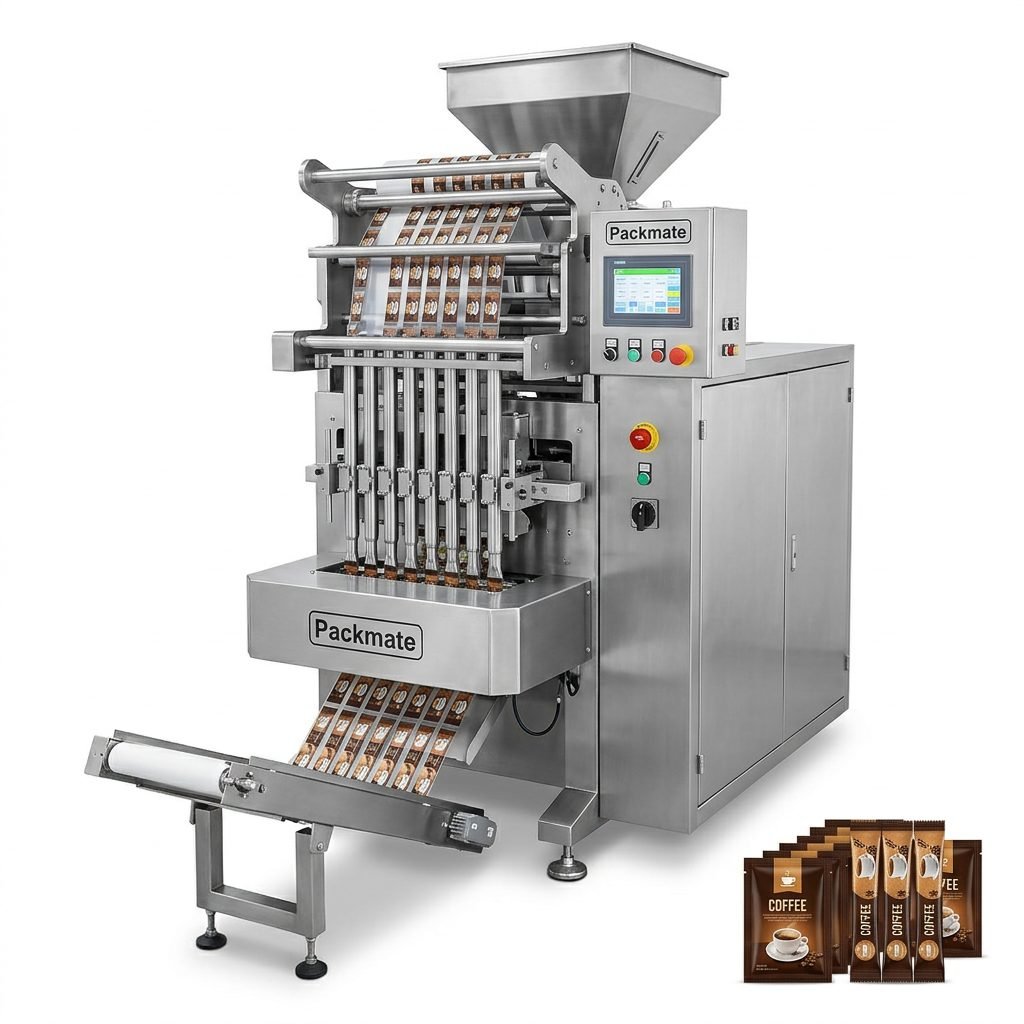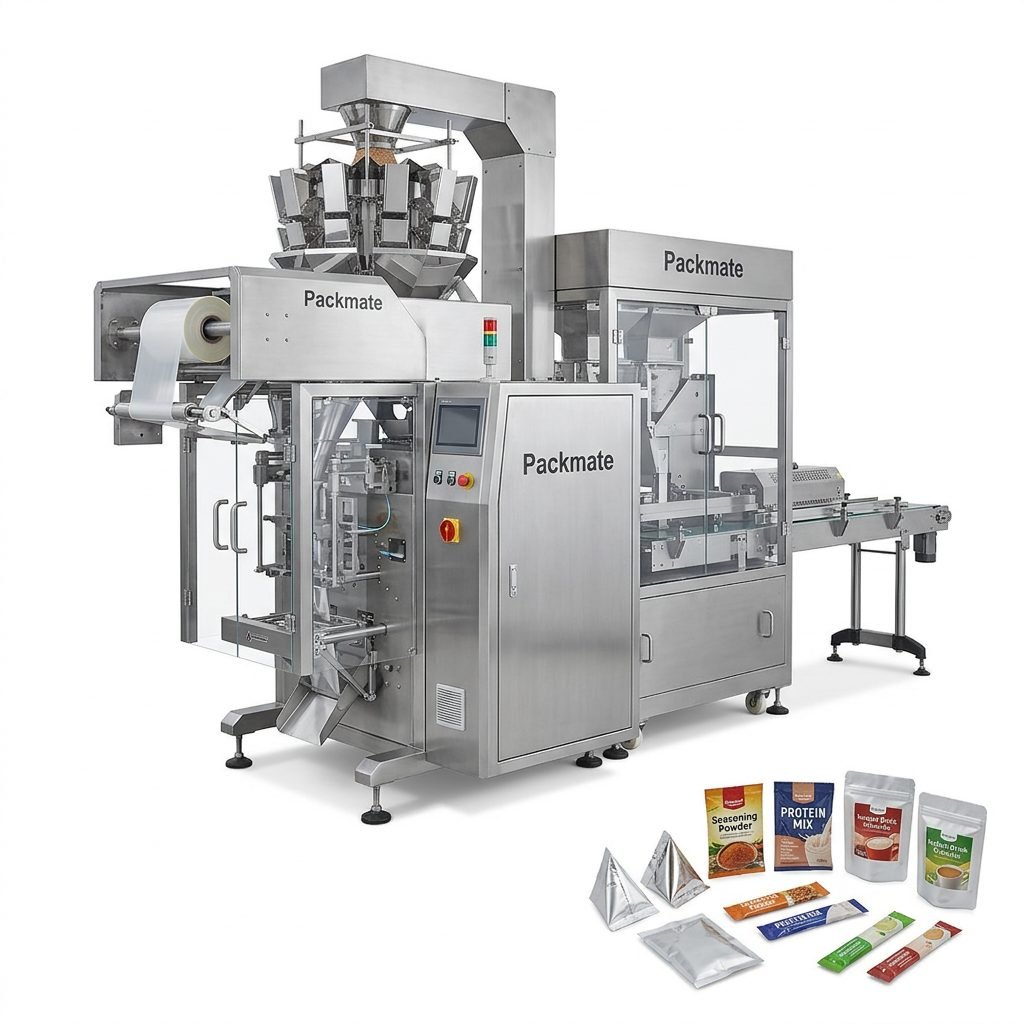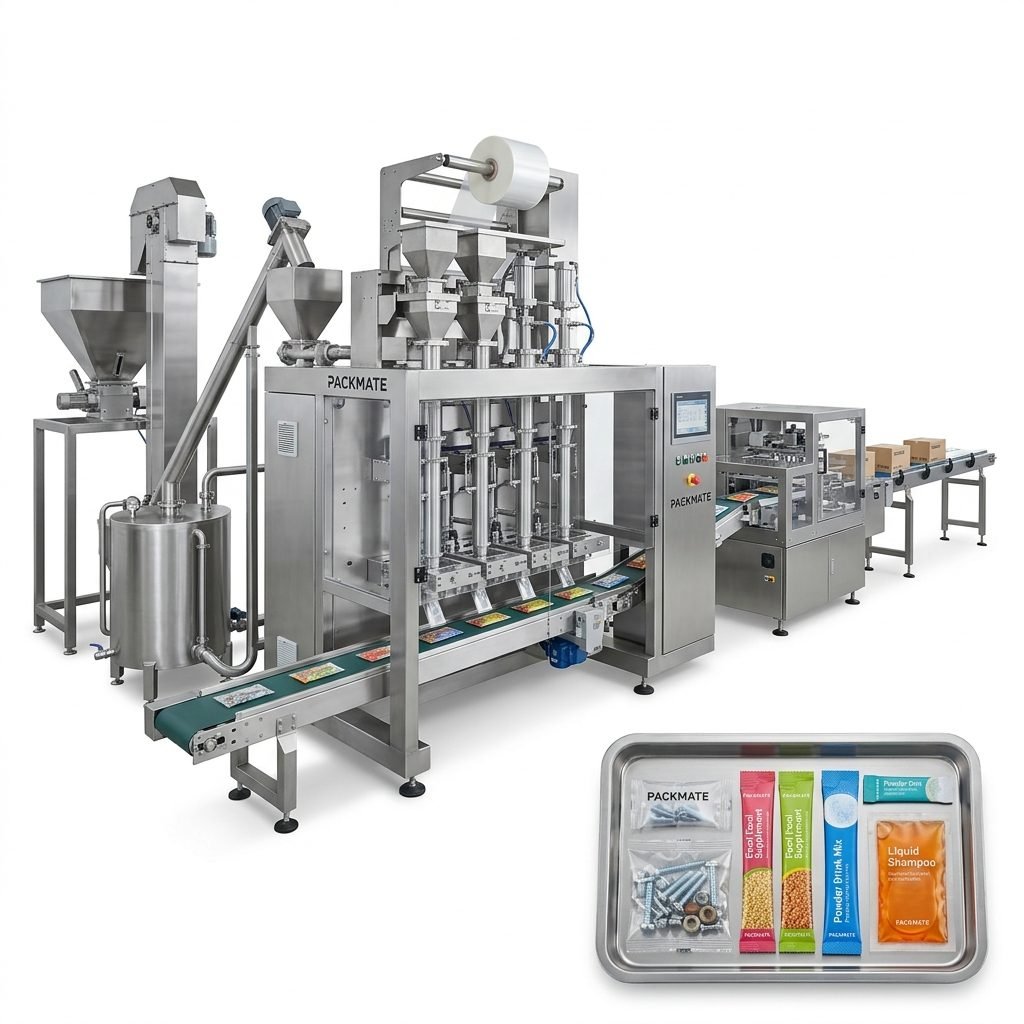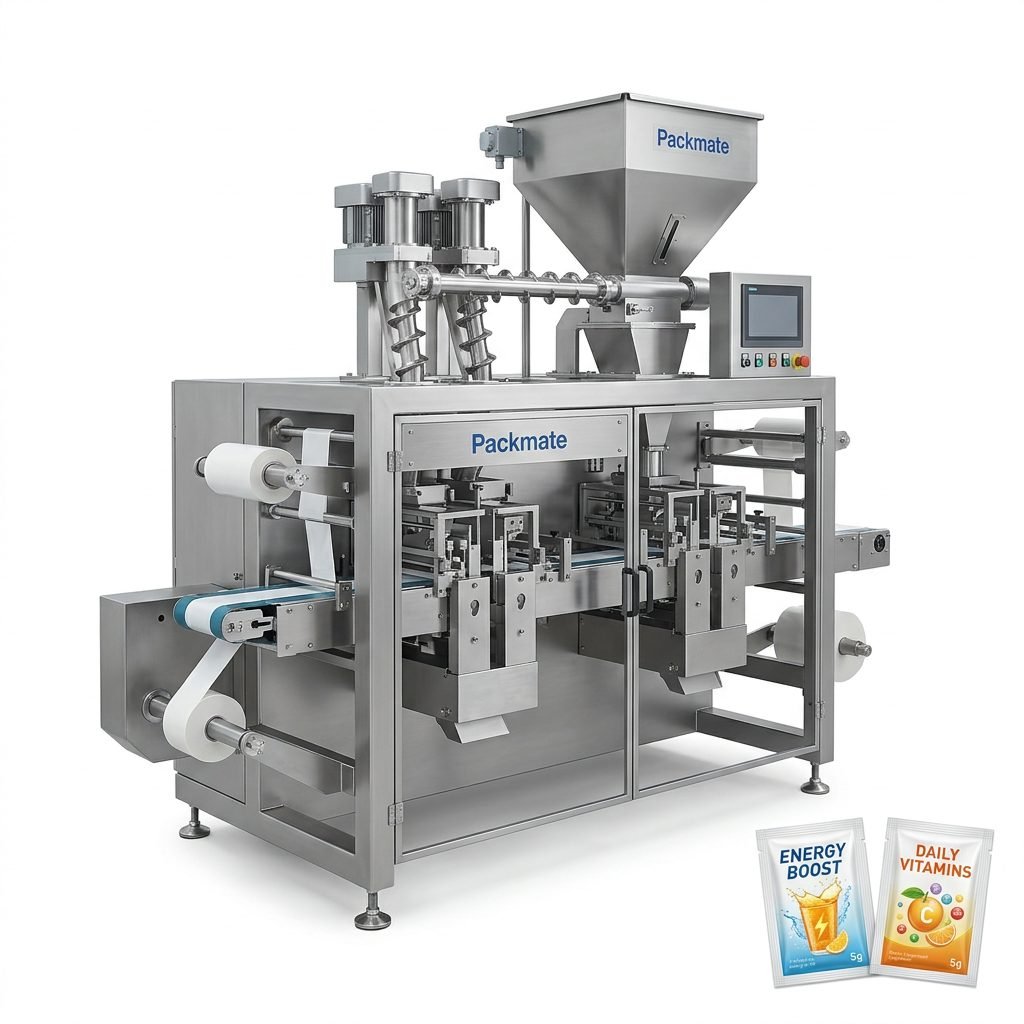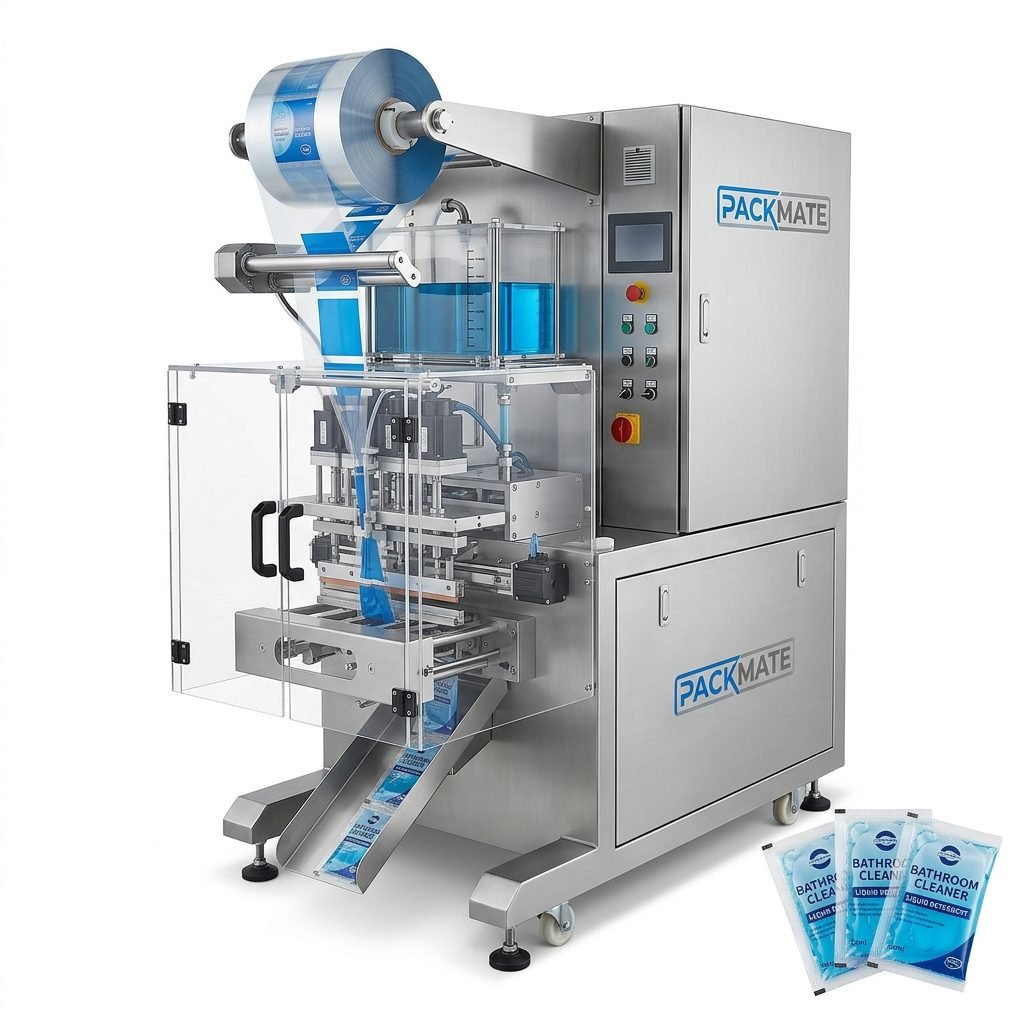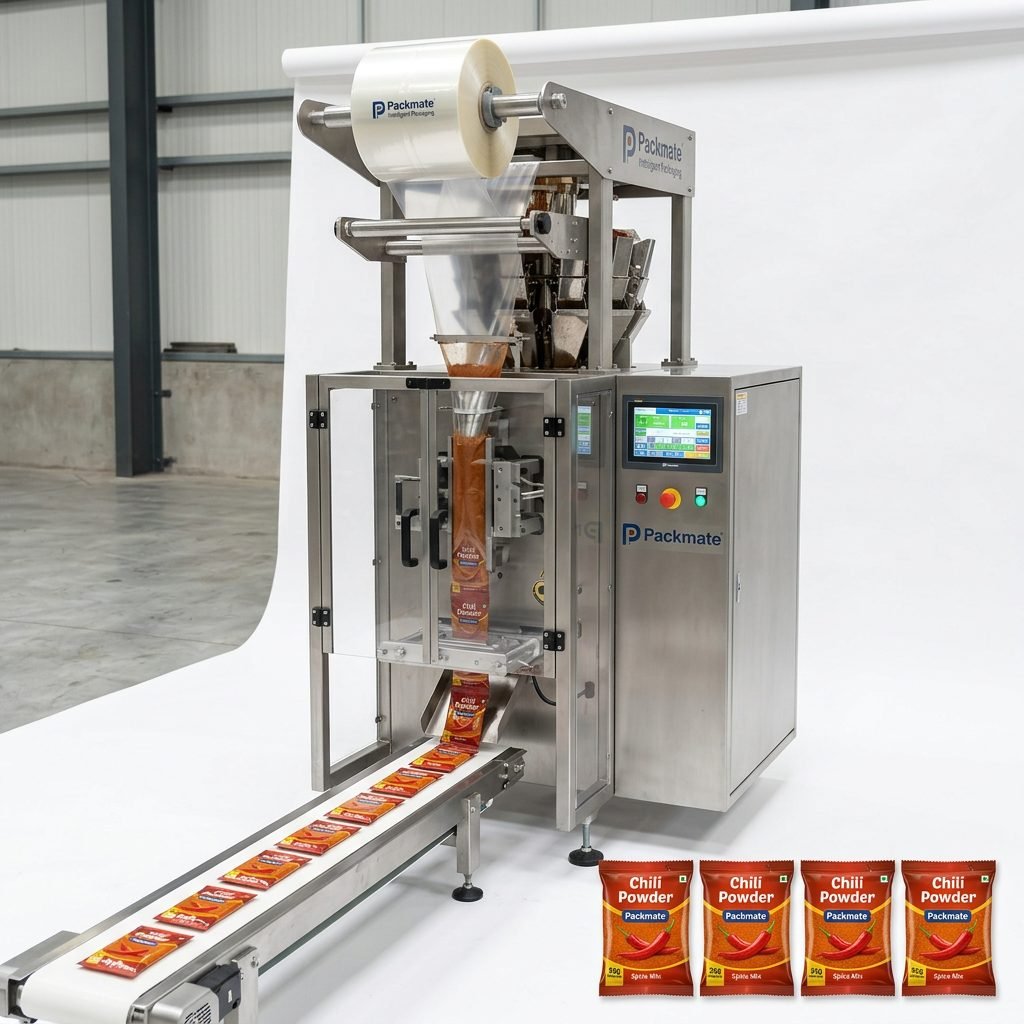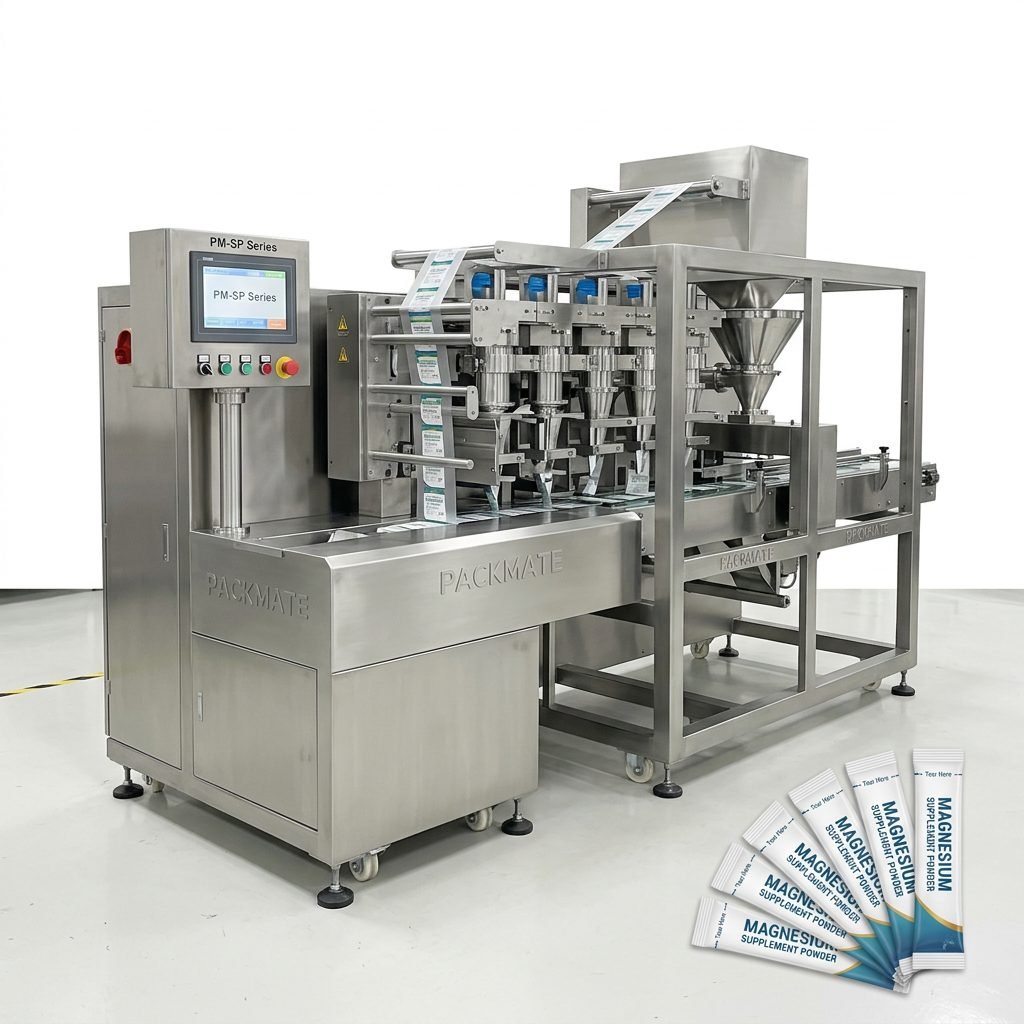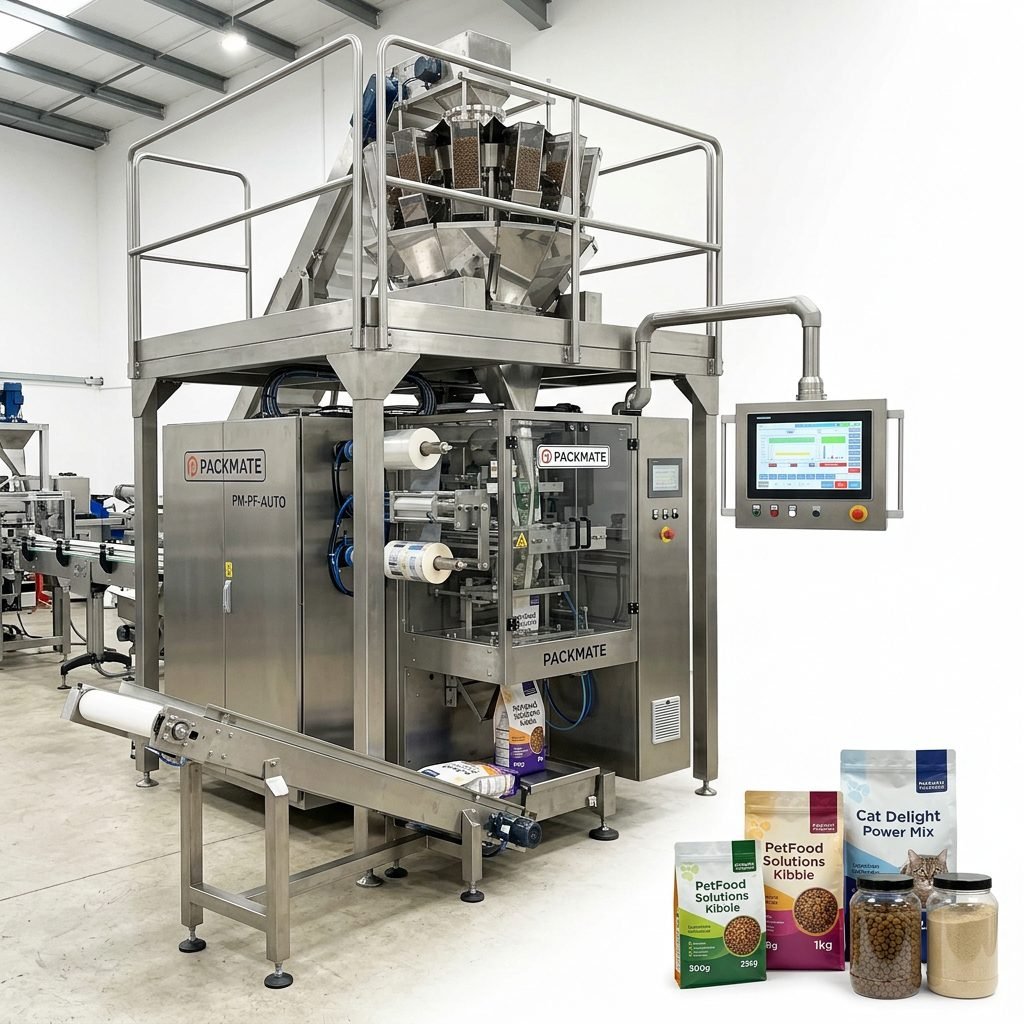
The Fourth Industrial Revolution, or Industry 4.0, is fundamentally reshaping manufacturing, and the packaging sector is at the forefront of this transformation. For industries where precision, hygiene, and traceability are non-negotiable—such as food, pharmaceuticals, and health products—the adoption of smart, automated packaging systems is no longer a luxury but a critical necessity. These systems integrate cyber-physical systems, the Internet of Things (IoT), data analytics, and artificial intelligence to create production lines that are not only faster but also more intelligent, adaptive, and reliable.
The Core Pillars of Smart Packaging Automation
Modern smart packaging lines are built upon several interconnected technological pillars that work in unison to deliver unprecedented efficiency and control.
IoT and Machine Connectivity
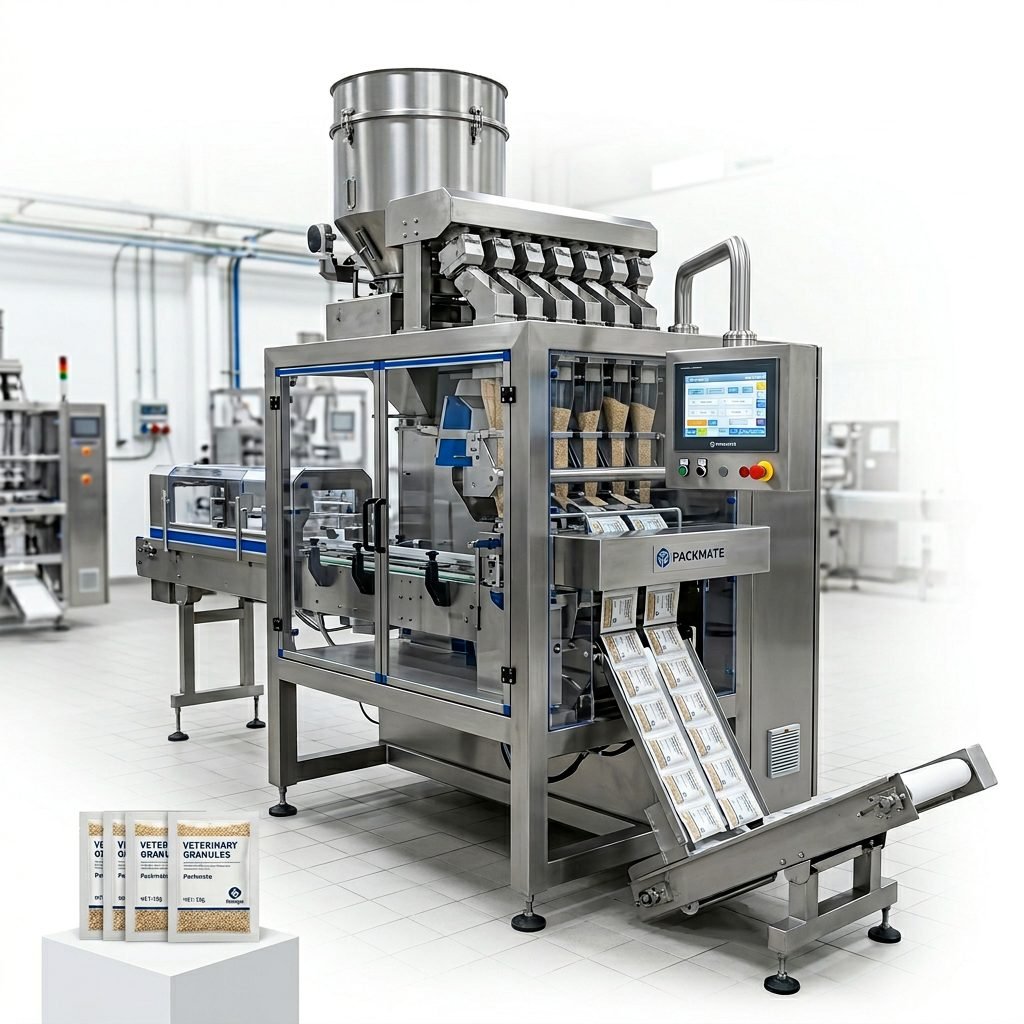
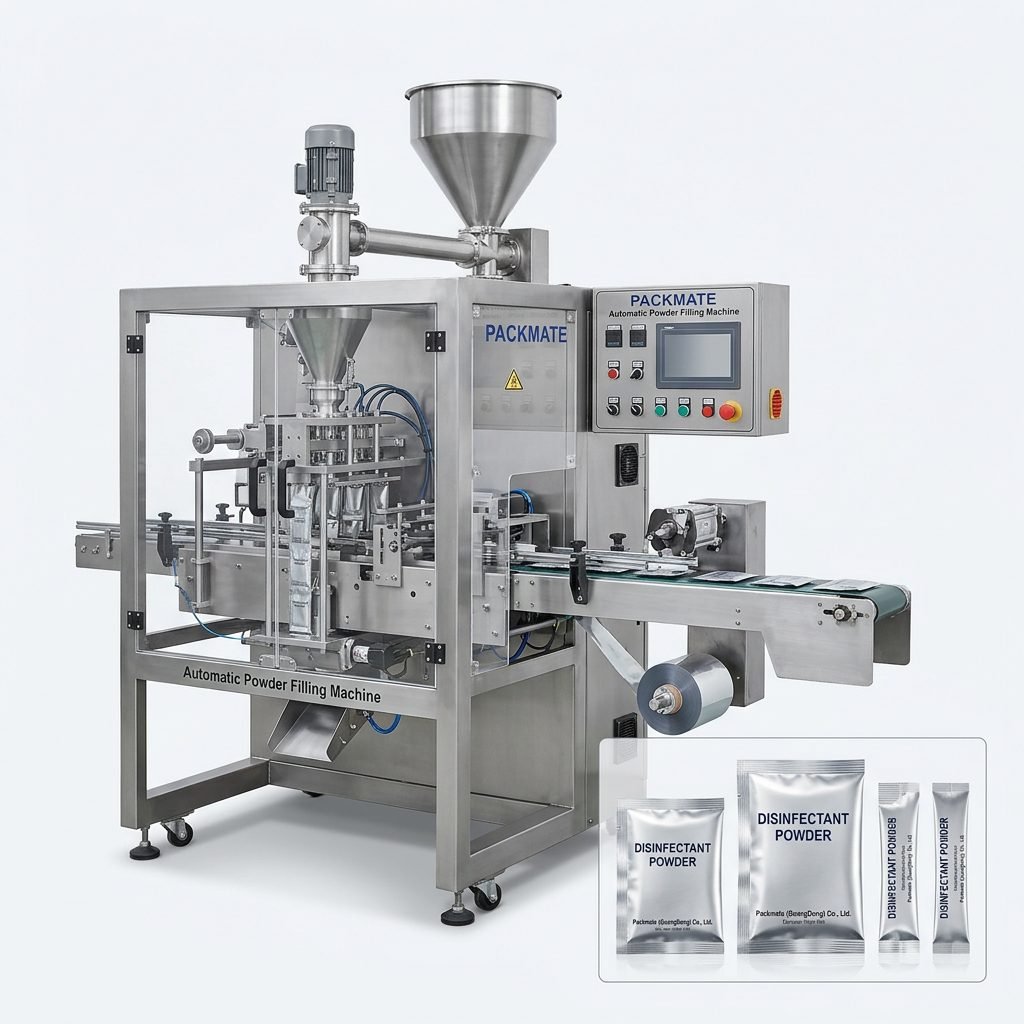
Every machine on a smart line, from the form-fill-seal (FFS) unit to the cartoner and palletizer, is equipped with sensors and connected to a central network. This allows for real-time monitoring of critical parameters like temperature, pressure, motor speed, and product count. Operators can view the entire line’s performance from a single dashboard, often remotely via tablet or smartphone.
Data Analytics and Predictive Maintenance
The constant stream of operational data is not just for display. Advanced analytics software processes this information to identify patterns and predict potential failures before they cause downtime. For instance, a gradual increase in vibration from a servo motor can trigger a maintenance alert, allowing for intervention during a scheduled break instead of leading to an unexpected, costly line stoppage.
Artificial Intelligence and Machine Vision
AI-powered machine vision systems are the eyes and brain of the quality control process. They perform 100% inspection at high speeds, checking for defects like incorrect labeling, seal integrity issues, missing capsules in a blister pack, or foreign objects in food products. These systems learn and improve over time, reducing false rejects and ensuring only perfect products move forward.
Flexibility and Rapid Changeover
Market demands require agility. Smart lines are designed for quick changeovers. Recipes for different product formats (e.g., switching from 10-tablet sachets to 5-tablet stick packs) are stored digitally. With a single command, machines automatically adjust settings, and robotic arms swap out tooling, minimizing changeover time from hours to minutes and maximizing production uptime.
Industry-Specific Applications and Benefits
The impact of Industry 4.0 packaging solutions is profound and tailored to the unique needs of each sector.
For the Pharmaceutical Industry
Here, compliance and traceability are paramount. Smart systems ensure strict adherence to Good Manufacturing Practices (GMP). Every action is logged, creating an immutable audit trail. Serialization, mandated by regulations like the U.S. Drug Supply Chain Security Act (DSCSA) and the EU Falsified Medicines Directive, is seamlessly integrated. Each saleable unit receives a unique identifier, allowing its journey from production to patient to be tracked in real-time, combating counterfeiting and ensuring patient safety. Discover more about our tailored packaging solutions for pharmaceuticals.
For the Food & Beverage Industry
Smart packaging enhances food safety and extends shelf life. Modified Atmosphere Packaging (MAP) systems are precisely controlled by IoT sensors to flush packages with the exact gas mixture. Lines can dynamically adjust to variations in raw product size or weight, minimizing giveaway. Furthermore, smart coding and labeling ensure accurate batch information and allergen declarations, which is crucial for consumer trust and regulatory compliance. See real-world applications in our detailed project case studies.
For Health & Nutraceutical Products
This fast-growing sector combines the needs of pharma and FMCG. Smart lines offer the precision dosing required for powders and liquids in stick packs or sachets, while providing the high-speed, attractive packaging needed for retail. Tamper-evident features and smart labels that can be scanned for additional product information (like sourcing or usage instructions) add significant value for health-conscious consumers.
Implementing a Smart Packaging Line: A Partner’s Role
Transitioning to an Industry 4.0 packaging system is a significant investment and requires more than just purchasing machines. It requires a strategic partner with deep technical expertise and a holistic approach.
A true partner, like Packmate (GuangDong) Co., Ltd., provides a turnkey solution. This begins with a thorough analysis of your current process and future goals. The design phase focuses on seamless integration of all line components—filling, sealing, labeling, inspection, and boxing—into a cohesive, data-driven system. Comprehensive training ensures your team can operate and maintain the new technology effectively, while ongoing remote support and data services keep the line optimized. Learn about our commitment to partnership on our dedicated service page.
Key Advantages at a Glance
- Unmatched Efficiency: Higher Overall Equipment Effectiveness (OEE) through reduced downtime and faster speeds.
- Zero-Defect Quality: AI-powered inspection guarantees consistent, superior product quality.
- Complete Traceability: Full digital record-keeping from raw material to shipped product.
- Data-Driven Decisions: Real-time analytics empower managers to optimize production and reduce waste.
- Future-Proof Scalability: Modular design allows for easy expansion or reconfiguration as needs evolve.
The Future is Integrated and Sustainable
The evolution of smart packaging continues. The next frontier is deeper integration with upstream and downstream supply chain processes, creating a fully digital thread. Furthermore, sustainability is becoming a core driver. Smart systems optimize material usage, reduce energy consumption through intelligent power management, and facilitate the use of recyclable or biodegradable materials by ensuring they run perfectly on high-speed lines. For a deeper understanding of our company’s journey and expertise in this field, you can explore our detailed company profile.
In conclusion, Industry 4.0 packaging systems represent a paradigm shift. They are the essential infrastructure for food, pharma, and health product manufacturers who aim to lead in quality, compliance, efficiency, and innovation in an increasingly competitive and regulated global market.
Frequently Asked Questions (FAQs)
1. What is the typical ROI for investing in an Industry 4.0 packaging line?
Return on Investment (ROI) varies based on scale and current process efficiency. Key drivers include significant reductions in material waste (3-8%), labor costs (20-40%), and unplanned downtime (up to 50%), alongside increased throughput. Most operations see a full ROI within 2-4 years through these combined efficiencies and improved quality.
2. How complex is it to integrate a new smart line with our existing ERP/MES systems?
Modern smart packaging systems are designed with open communication protocols (like OPC UA). An experienced provider like Packmate will handle the integration as part of the turnkey project, ensuring seamless data flow between your packaging line and higher-level business systems for production orders, batch reporting, and inventory management.
3. Are these automated systems too rigid for small batch or high-mix production?
On the contrary, flexibility is a hallmark of Industry 4.0. With digital recipes and automated changeovers, smart lines excel at handling small batches and high product variety. The quick switch between products minimizes downtime, making them ideal for the growing demand for personalized and niche products in health and pharma.
4. What kind of training and support is required for our operators?
Comprehensive training is crucial. Reputable suppliers provide extensive hands-on training for both operators and maintenance technicians on the new HMI interfaces, routine operations, and basic troubleshooting. Ongoing support typically includes remote diagnostics, a library of maintenance videos, and readily available spare parts.
5. How does smart packaging enhance regulatory compliance, especially in pharma?
It automates and digitizes compliance. The system enforces standard operating procedures (SOPs), creates immutable electronic batch records (EBRs), and integrates serialization at the unit level. This provides regulators with a transparent, accurate, and easily auditable digital trail, significantly simplifying compliance with FDA 21 CFR Part 11, EU Annex 11, and other global standards.