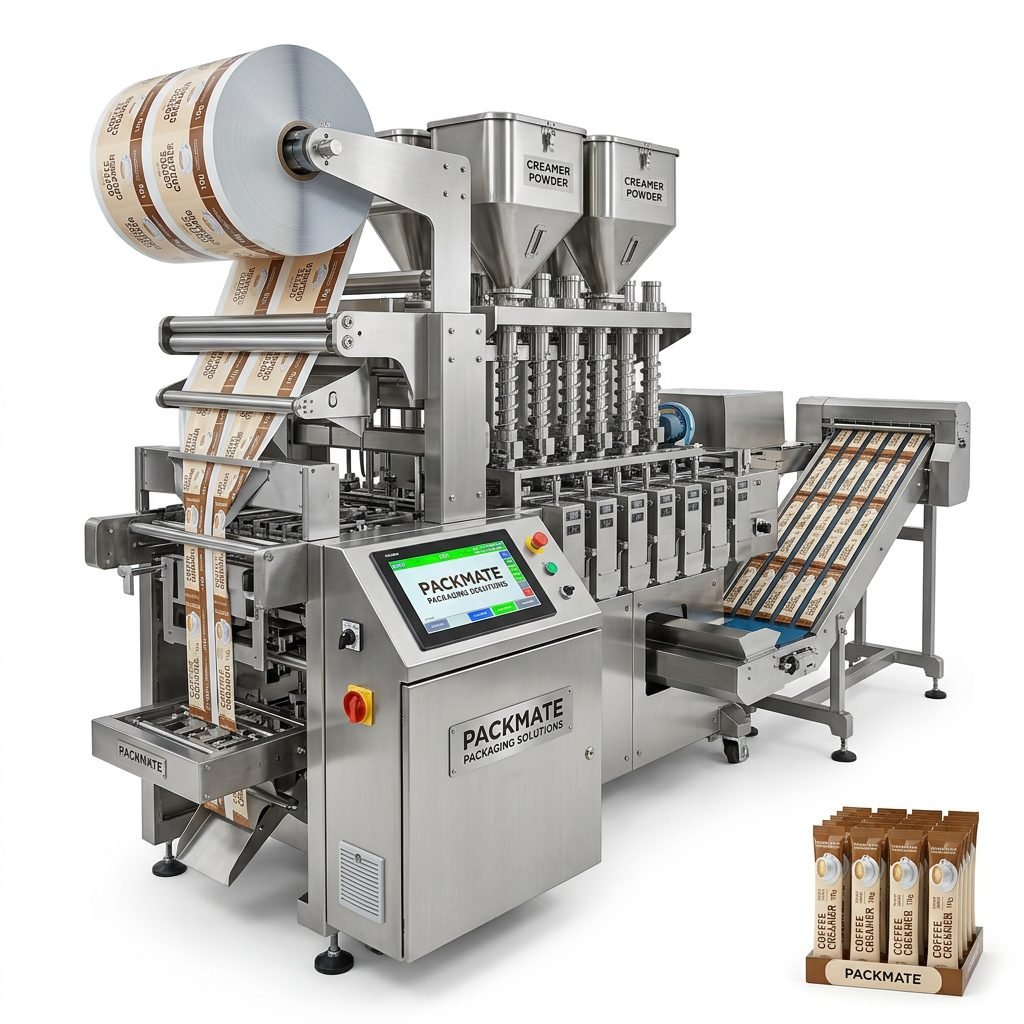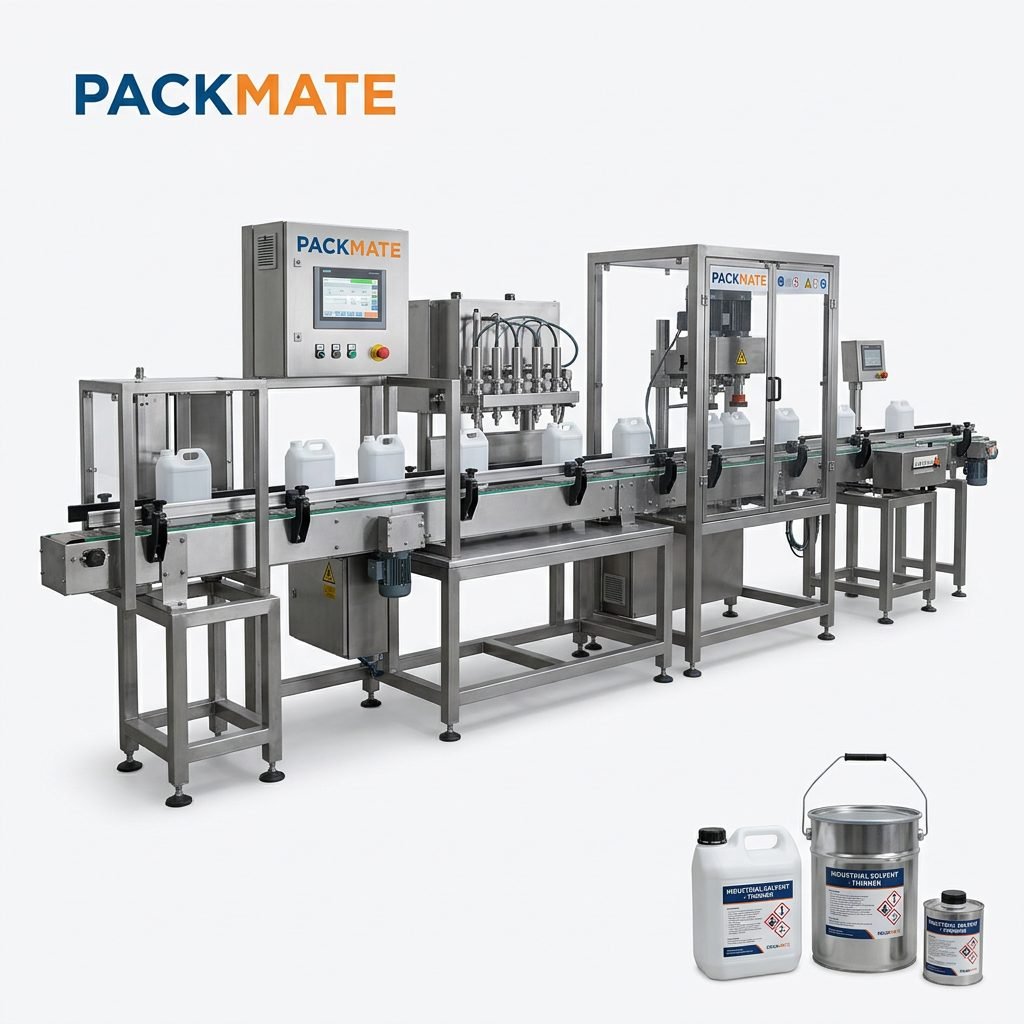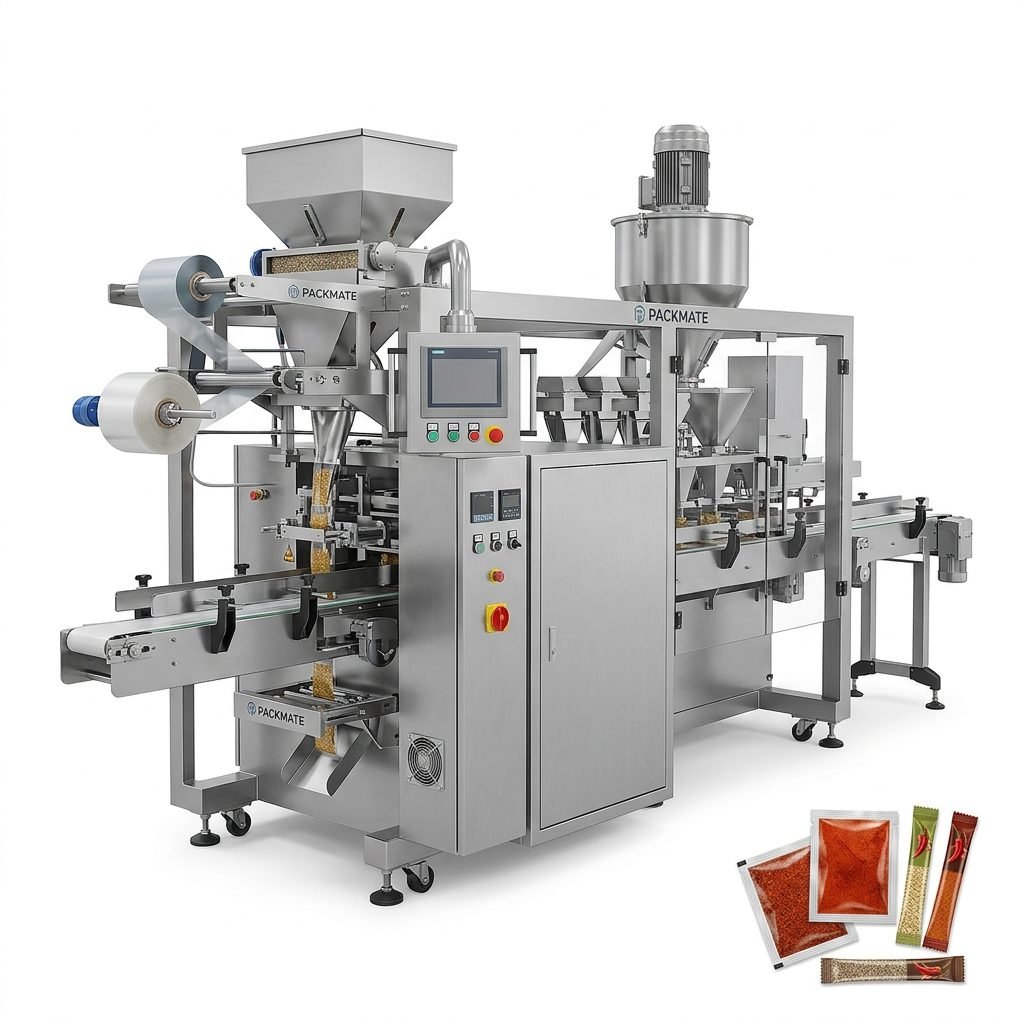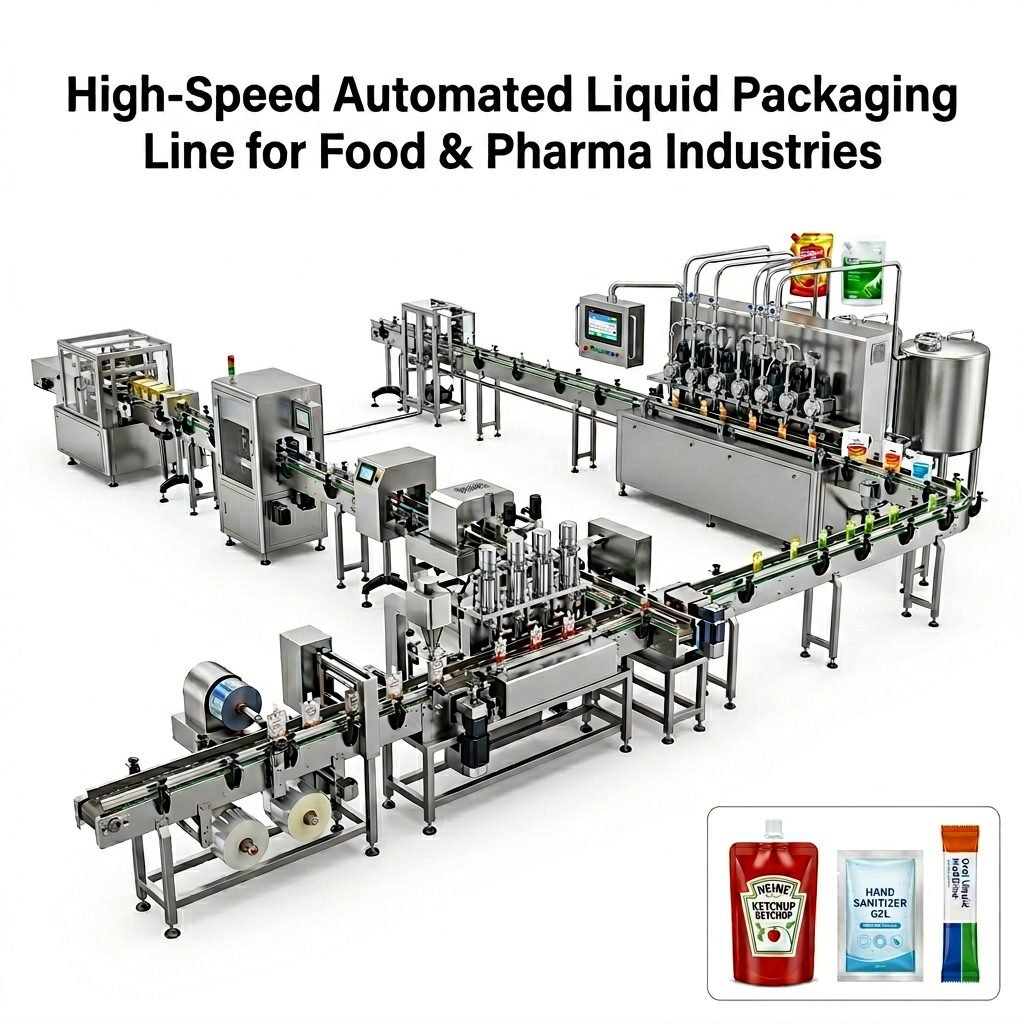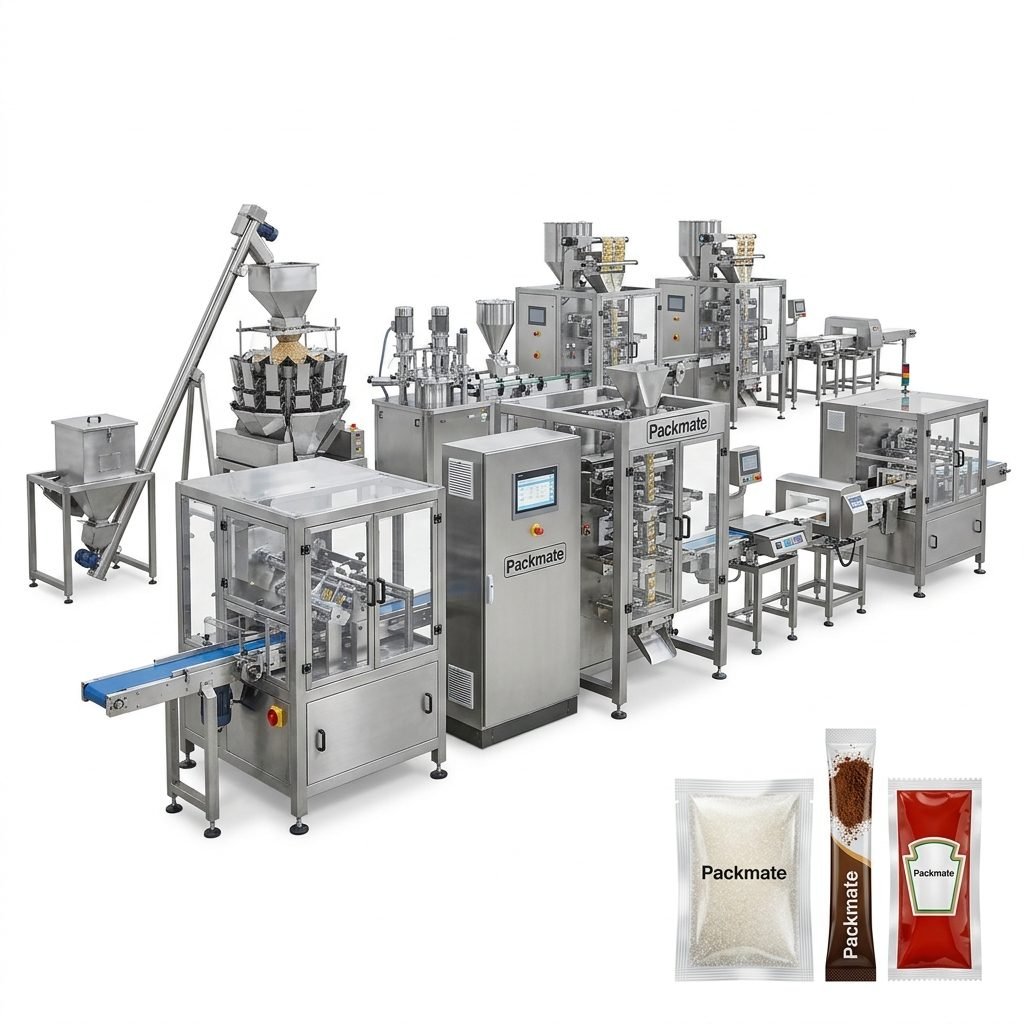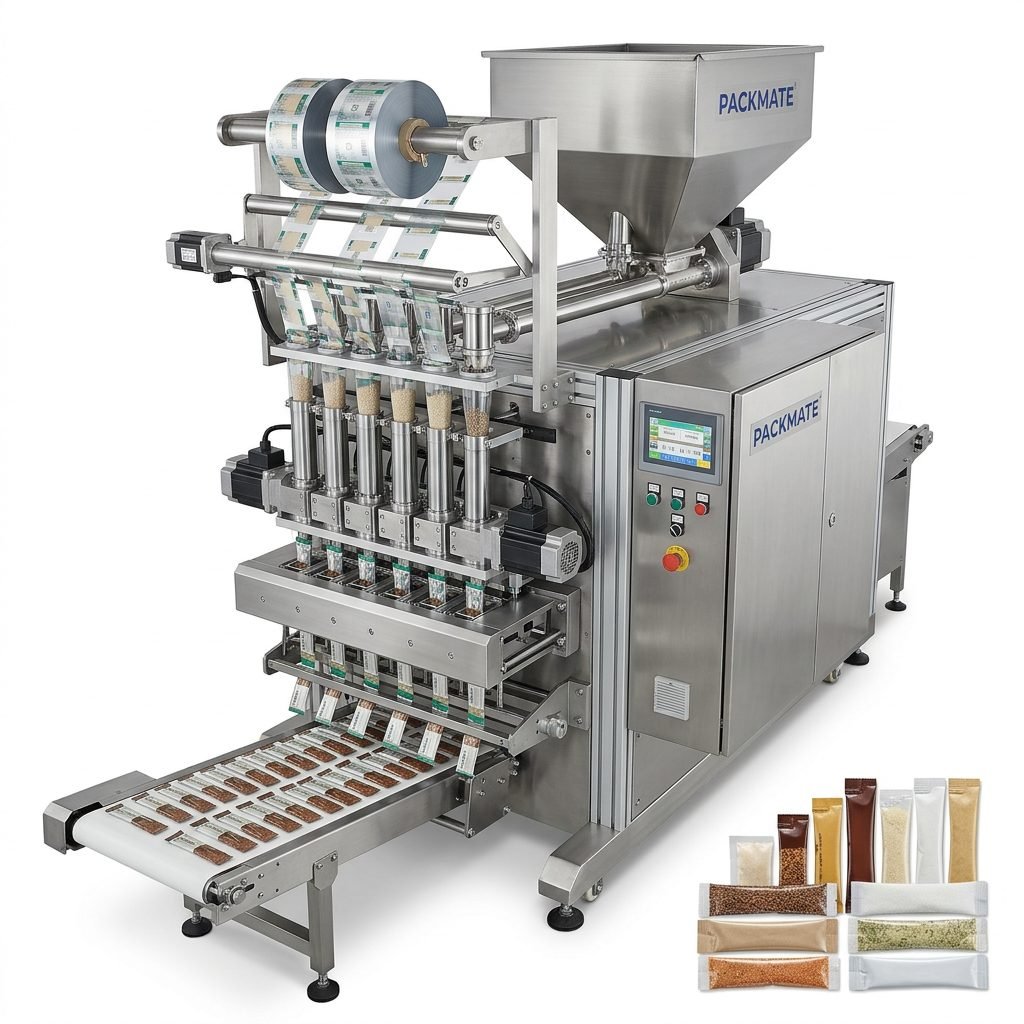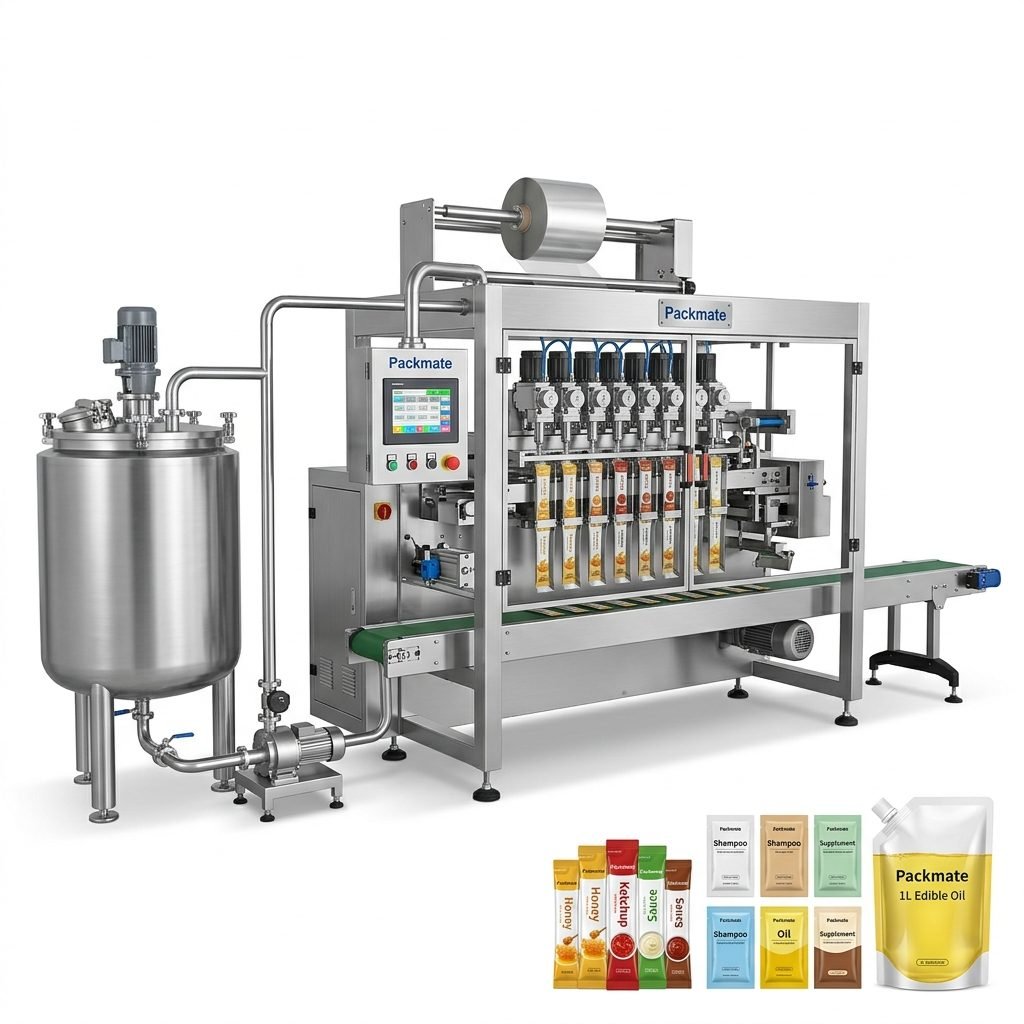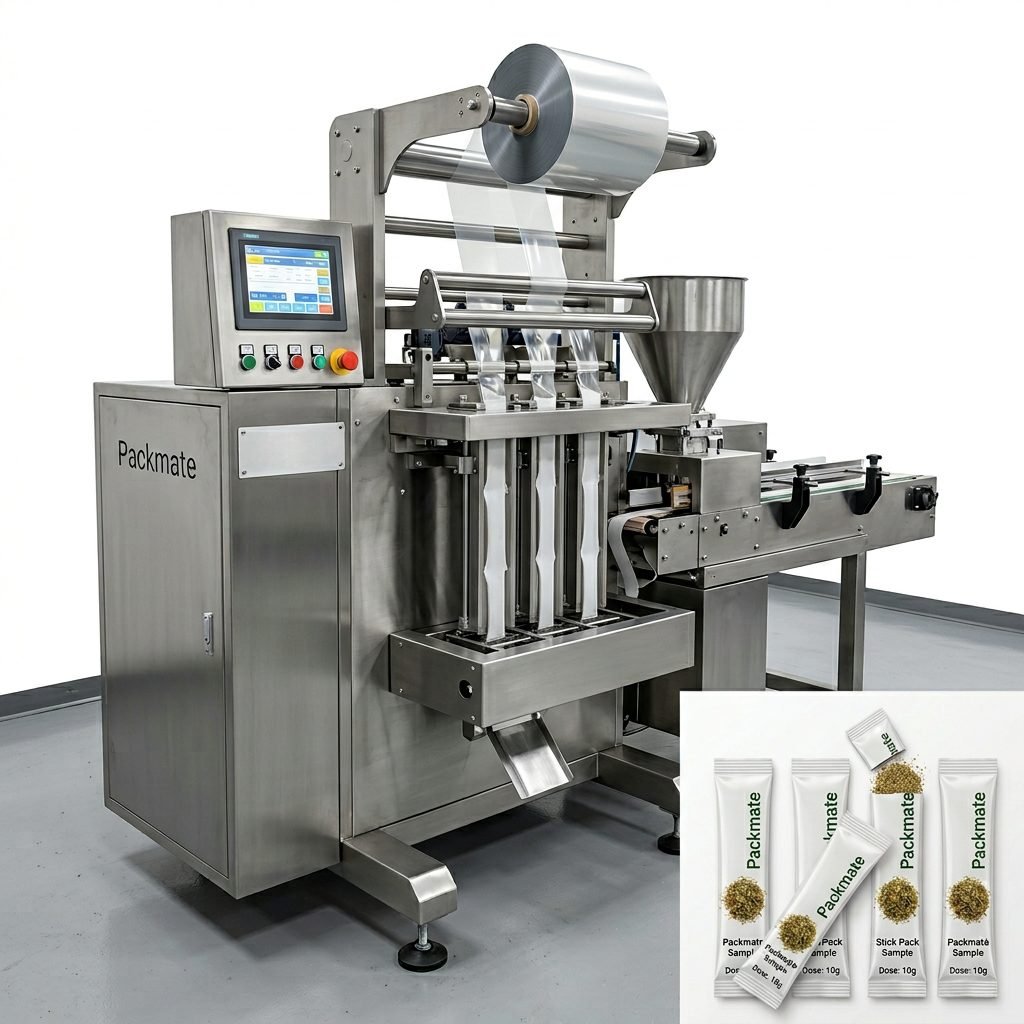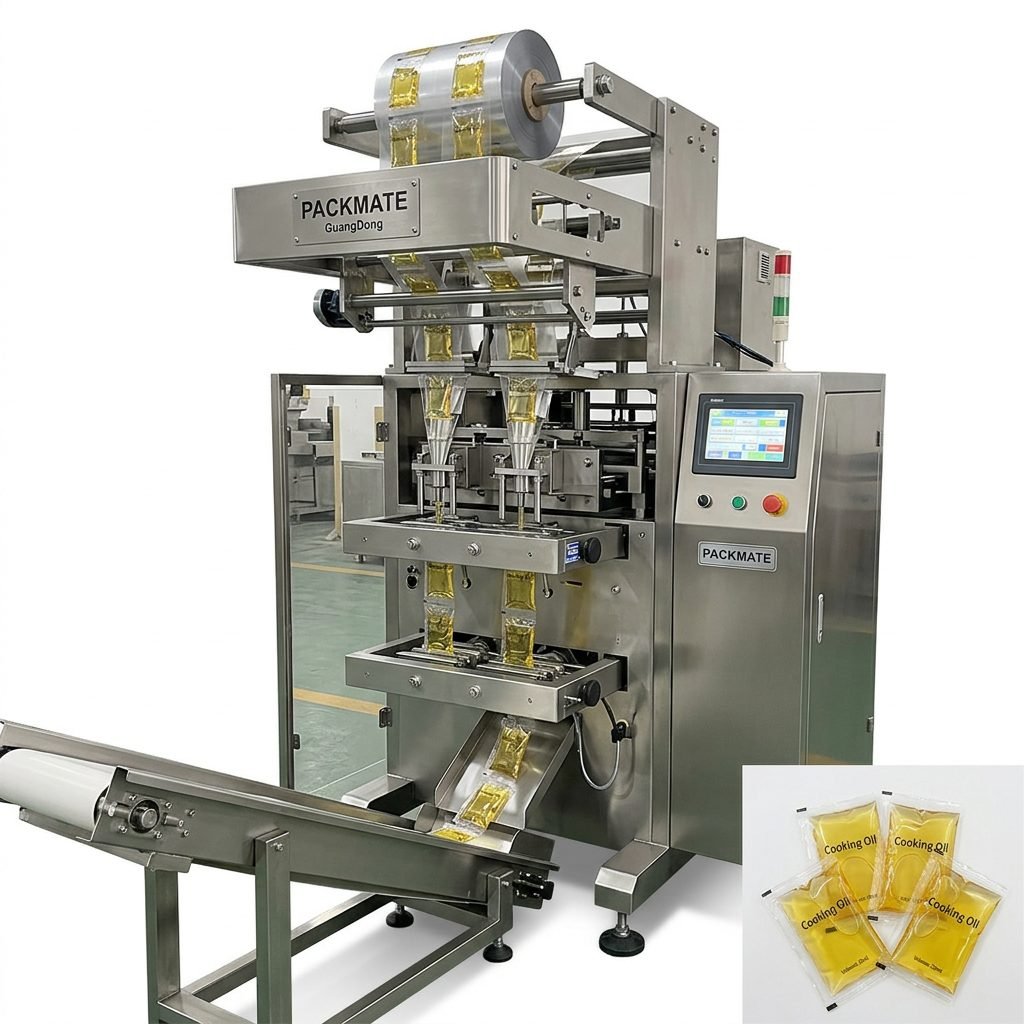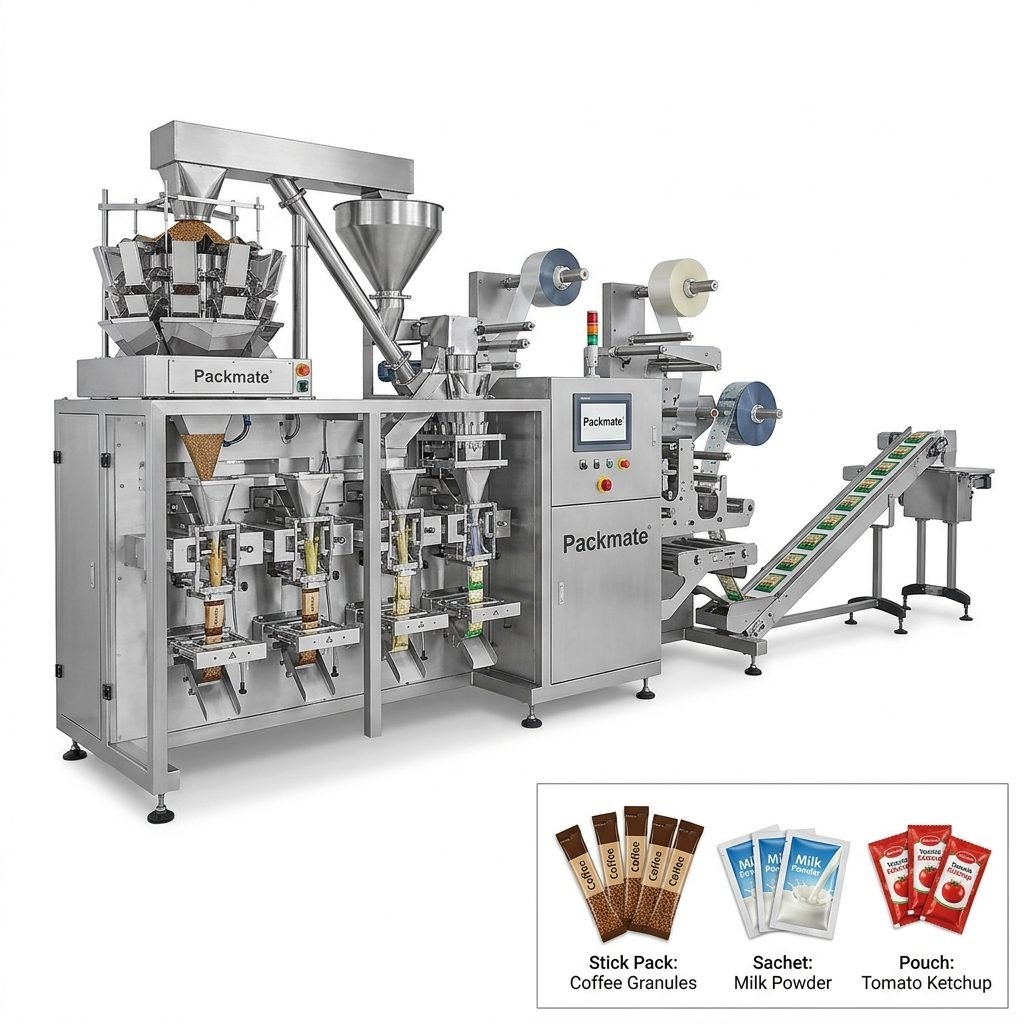
In the dynamic and highly regulated chemical industry, the efficiency, safety, and reliability of the packaging process are not just operational goals—they are critical business imperatives. A robust chemical packaging line is the final, crucial link in the production chain, transforming bulk products into market-ready, secure, and compliant packages. Modern solutions go far beyond simple containment; they encompass automated filling, precision sealing, and integrated turnkey production systems designed to maximize throughput, minimize waste, and ensure operator safety.
The Core Components of a Modern Chemical Packaging Line
An effective packaging line for chemicals is a symphony of coordinated machines, each performing a specialized function. The journey from bulk storage to palletized product involves several key stages.
1. Automated Filling Systems: Precision and Consistency
Accuracy in filling is paramount. Overfilling wastes valuable product and increases costs, while underfilling leads to non-compliance and customer dissatisfaction. Modern automated filling machines utilize advanced technologies like weigh-filling for powders and granules, or volumetric and flow-meter systems for liquids. These systems are integrated with feedback loops and checkweighers to ensure every container meets exact weight specifications, batch after batch.
2. Sealing Technologies: Ensuring Integrity and Safety
The seal is the primary barrier protecting the product from contamination and the environment from potential hazards. Depending on the container type—whether drums, jerricans, bags, or pouches—different sealing methods are employed. Automatic capping machines apply and torque lids with consistent force. For flexible packaging, heat sealers or ultrasonic sealers create strong, hermetic seals. The choice of technology is driven by the chemical’s properties, shelf-life requirements, and transportation needs.
3. Conveying and Handling: The Backbone of Flow
A seamless material flow is essential for high-speed production. Customized conveyor systems—belt, roller, or chain—transport containers between stations. For delicate or hazardous products, specialized handling systems like pick-and-place robots or vacuum lifters are integrated to maintain product integrity and enhance workplace safety.
The Turnkey Advantage: Integrated Production Systems
While individual machines are important, the greatest value lies in a fully integrated system. A turnkey packaging solution is designed, supplied, installed, and commissioned as a complete, ready-to-operate production line. This holistic approach, championed by experienced providers like Packmate, offers distinct benefits.
💡 Single-Point Responsibility
You work with one vendor for the entire line, simplifying communication, project management, and after-sales service. There’s no finger-pointing between equipment suppliers if an issue arises.
🔧 Optimized Synchronization
All components—from the unscrambler and filler to the sealer and labeler—are engineered to work in perfect harmony. This eliminates bottlenecks and ensures the line operates at its designed peak efficiency.
📊 Scalability and Future-Proofing
A well-designed turnkey system from a partner with deep expertise, such as the team behind our comprehensive packaging solutions, is built with flexibility in mind. It can often be modularly expanded or reconfigured to accommodate new products, package sizes, or increased production volumes in the future.
Key Considerations for Selecting Your Chemical Packaging Line
Choosing the right system requires a careful analysis of your specific needs. Key factors include:
- Product Characteristics: Is it a powder, granule, liquid, or paste? What are its viscosity, density, and corrosivity? Does it require inert gas purging (nitrogen flushing)?
- Packaging Materials: Will you use HDPE drums, FIBC bags, metal cans, or composite pouches? The line must be compatible with your chosen material.
- Production Speed & Output: Define your required throughput in containers per minute or hour. This is the primary driver for the line’s scale and automation level.
- Regulatory Compliance: The line must facilitate compliance with relevant standards (e.g., GHS labeling, ATEX for explosive atmospheres, FDA/USDA for certain chemicals).
- Hygiene and Cleanability: For high-purity or food-grade chemicals, stainless steel construction and CIP (Clean-in-Place) capabilities may be necessary.
Reviewing real-world application cases can provide valuable insights into how these factors are addressed in practice.
Partnering with an Expert: The Packmate Promise
Implementing a sophisticated packaging line is a significant investment. Partnering with a seasoned provider with proven experience in the chemical sector is crucial. Packmate (GuangDong) Co., Ltd. brings over two decades of engineering excellence to this challenge.
With a 20,000㎡ modern facility and a team of over 125 professional members, Packmate specializes in designing and building intelligent, reliable production lines. Their approach is consultative, beginning with a deep understanding of the client’s process and goals. From initial concept and detailed company profile and capability review, through to manufacturing, factory acceptance testing, installation, and training, they ensure a smooth transition to automated packaging. Their commitment to after-sales support and service guarantees long-term line performance and uptime.
Frequently Asked Questions (FAQs)
1. What is the typical lead time for a custom turnkey chemical packaging line?
Lead times vary significantly based on the line’s complexity, automation level, and custom engineering required. A standard modular line may take 3-6 months from order to delivery, while a highly complex, fully custom system can take 9-18 months. A detailed project timeline is always provided during the quotation phase.
2. How do you ensure the packaging line meets safety standards for handling hazardous chemicals?
Safety is integrated into the design. This can include using explosion-proof (ATEX) motors and controls, implementing dust extraction systems for powders, designing for spill containment, incorporating emergency stops, and ensuring all materials in contact with the product are chemically resistant. The line design is always reviewed against the specific hazard classifications of the product.
3. Can an existing packaging line be upgraded or retrofitted for automation?
Yes, in many cases. A site audit can determine if current machines (like fillers or sealers) can be integrated with new automated components like robotic palletizers, automatic case packers, or advanced labeling systems. Retrofitting is often a cost-effective path to increased productivity.
4. What kind of training and support is provided after installation?
Reputable suppliers provide comprehensive on-site training for your operators, maintenance technicians, and line supervisors. This covers normal operation, changeover procedures, routine maintenance, and basic troubleshooting. Support typically includes detailed manuals, remote assistance, and a defined plan for spare parts and technical service.
5. How is the ROI (Return on Investment) calculated for such an automated system?
ROI is calculated by comparing the capital and operating costs of the new line against the savings and gains it generates. Key factors include: increased production speed and output, reduced labor costs, lower product giveaway from precise filling, decreased material waste, improved quality consistency reducing rejects, and enhanced safety reducing potential incidents. Most businesses see a full ROI within 1-3 years.