In today’s fast-paced and highly regulated manufacturing world, the packaging line is far more than the final step in production. For the food, pharmaceutical, and health product industries, it is a critical nexus of safety, efficiency, brand integrity, and regulatory compliance. Selecting the right industrial packaging line solutions is not merely an operational decision; it is a strategic investment in product quality, market trust, and long-term business viability. This article delves into the unique demands of these sectors and explores how tailored, intelligent packaging solutions can address them.
The Critical Role of Packaging in Regulated Industries
Packaging serves a multifaceted purpose. Primarily, it protects the product from contamination, moisture, light, and physical damage throughout its shelf life. For sensitive products like pharmaceuticals or probiotics, this barrier function is paramount to maintaining efficacy. Secondly, packaging is a key component of brand communication and user experience, conveying vital information and ensuring ease of use. Finally, and most critically for these sectors, packaging must facilitate traceability and comply with a complex web of global standards, such as FDA regulations, GMP (Good Manufacturing Practice), and HACCP (Hazard Analysis Critical Control Point).
Core Challenges for Packaging Lines:
- Contamination Control: Absolute hygiene is non-negotiable, requiring designs that prevent microbial ingress and facilitate easy cleaning (CIP/SIP).
- Dosing Accuracy: Precise filling of powders, granules, or liquids is essential for product consistency and compliance, especially in pharmaceutical applications.
- Material Integrity: The packaging must form a perfect seal every time to ensure product stability and prevent leaks.
- Speed & Flexibility: Lines must achieve high output to meet demand while being adaptable to different product formats, from small sachets to large bags.
- Data Integrity & Traceability: Systems must reliably record batch data, support serialization, and integrate with Enterprise Resource Planning (ERP) systems for full supply chain visibility.
Tailored Solutions for the Food Industry
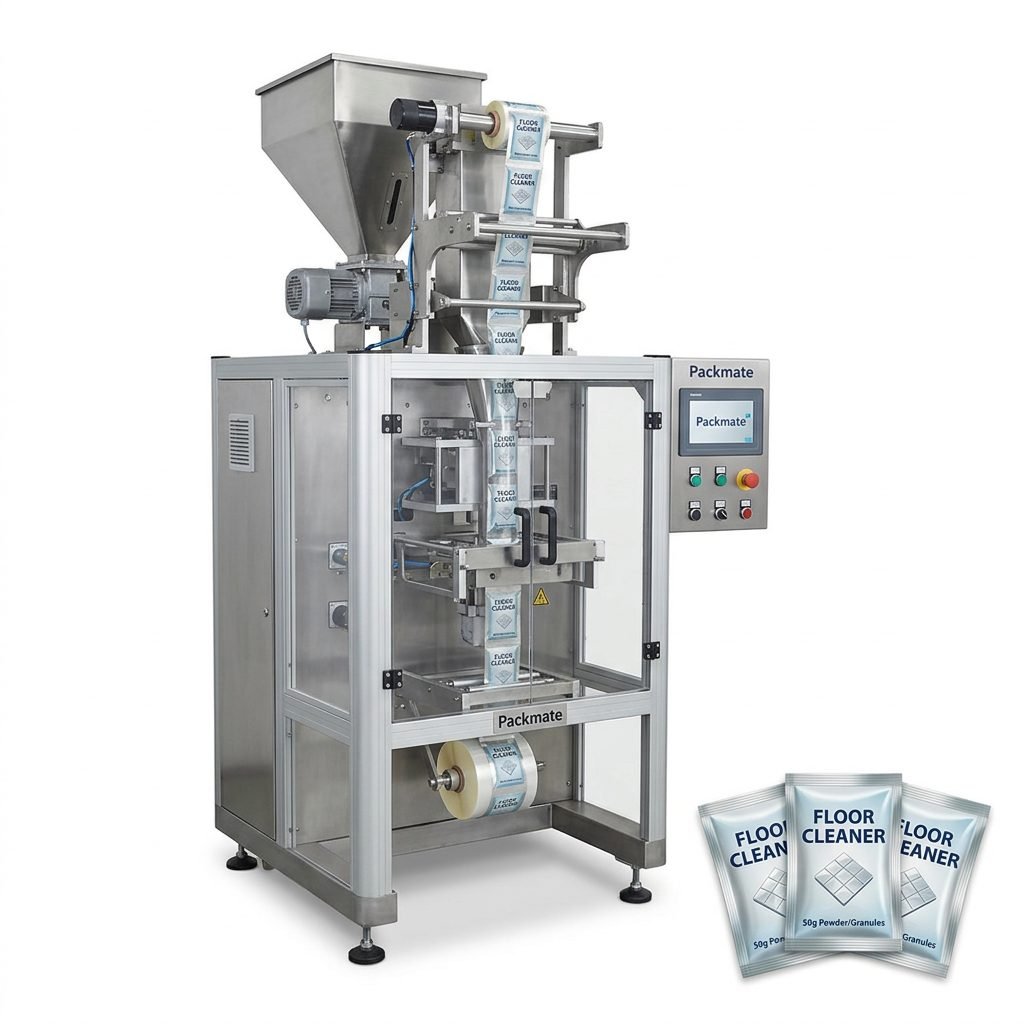
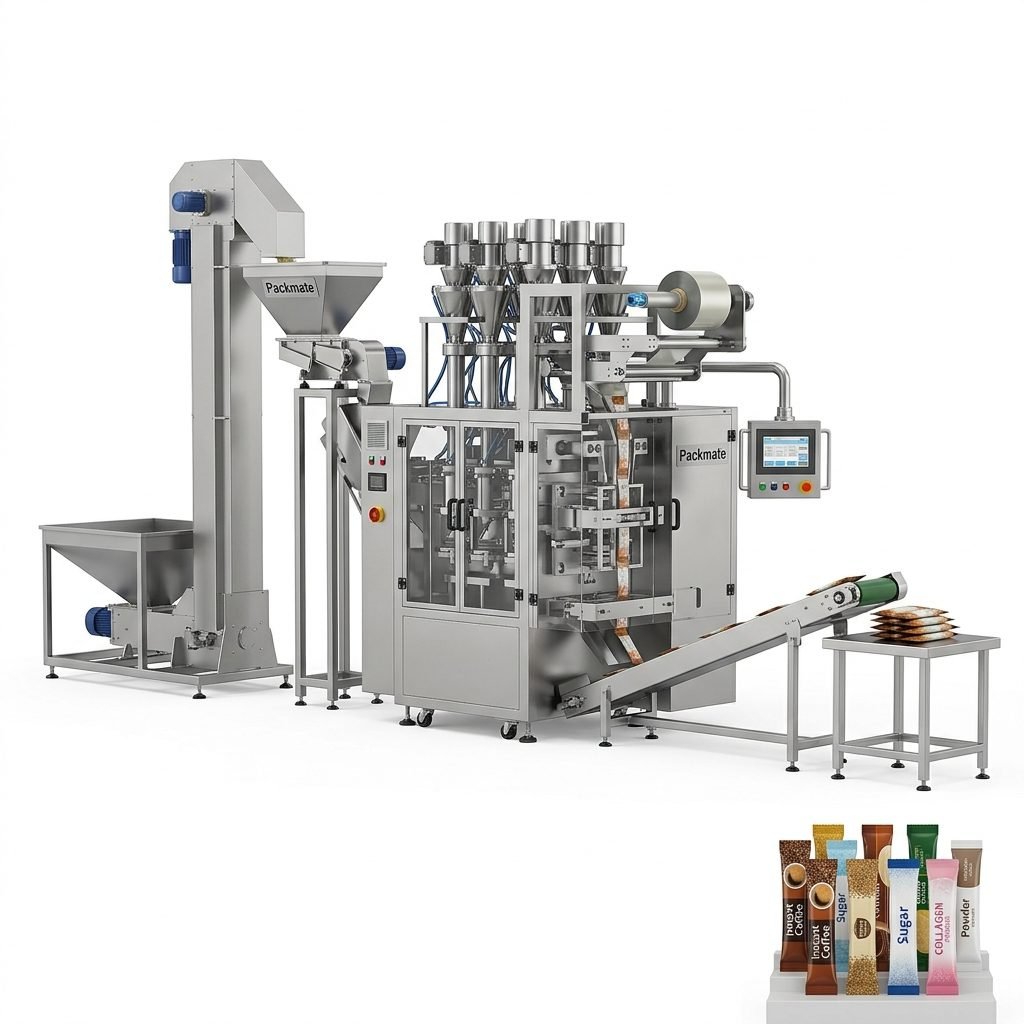
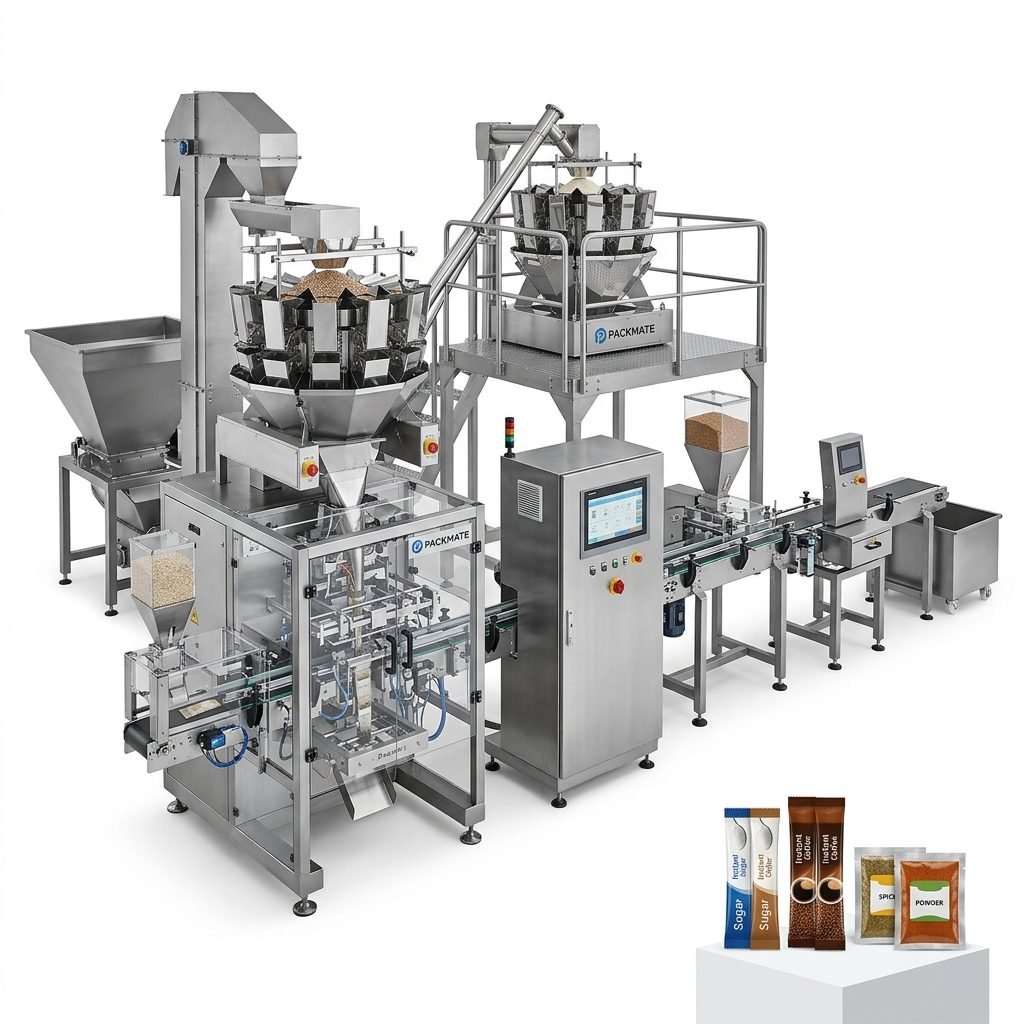
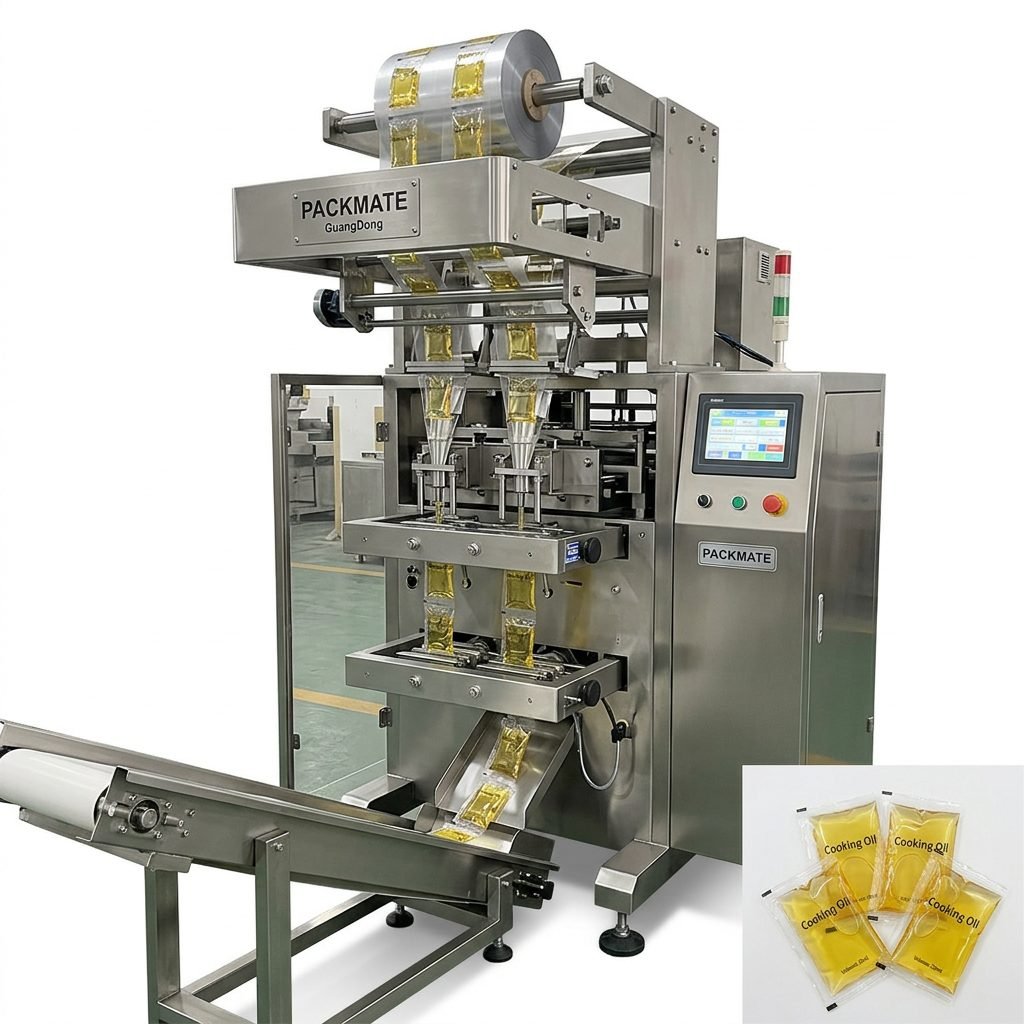
The food industry demands packaging that preserves freshness, flavor, and nutritional value. Solutions often focus on modified atmosphere packaging (MAP) to extend shelf life and robust sealing for liquids and sauces. High-speed lines for stick packs of instant coffee, sugar, or seasoning, and sachets for sauces or dairy creamers are prevalent. These lines must handle a variety of materials, including laminated films for barrier properties, and incorporate checkweighers and metal detectors to ensure every package meets safety and weight standards. For bulk items like rice or flour, large-volume bagging systems with precise weighing and strong sealing mechanisms are key. Exploring real-world application cases can provide valuable insights into these solutions in action.
Precision Engineering for Pharmaceuticals & Health Products
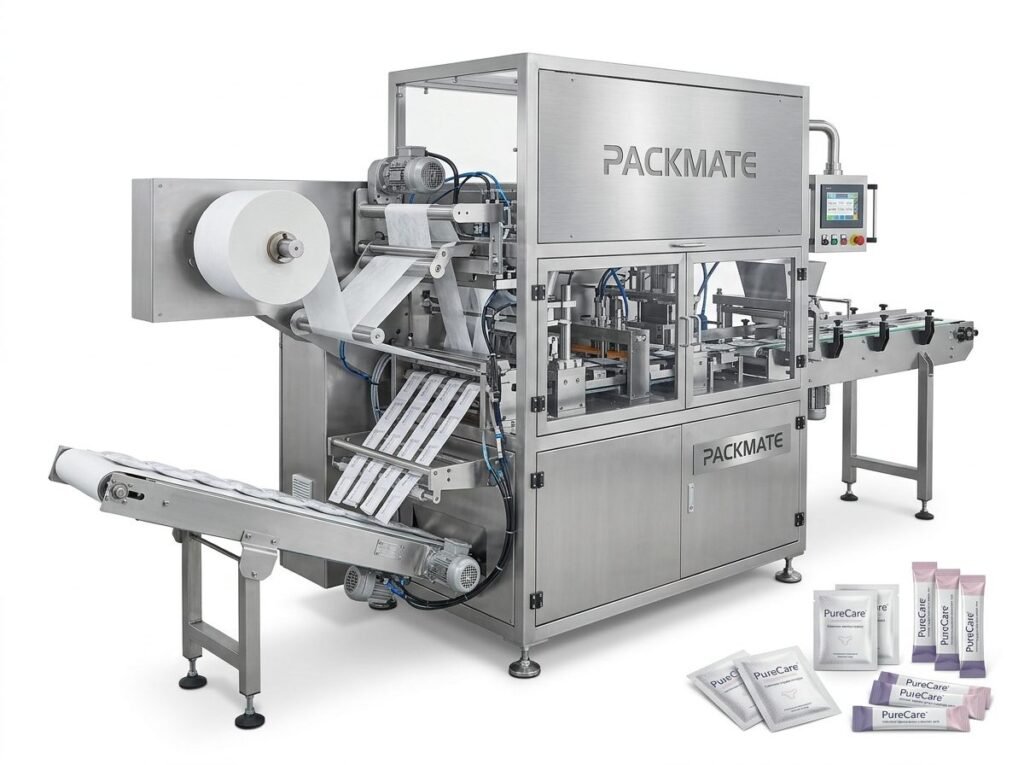
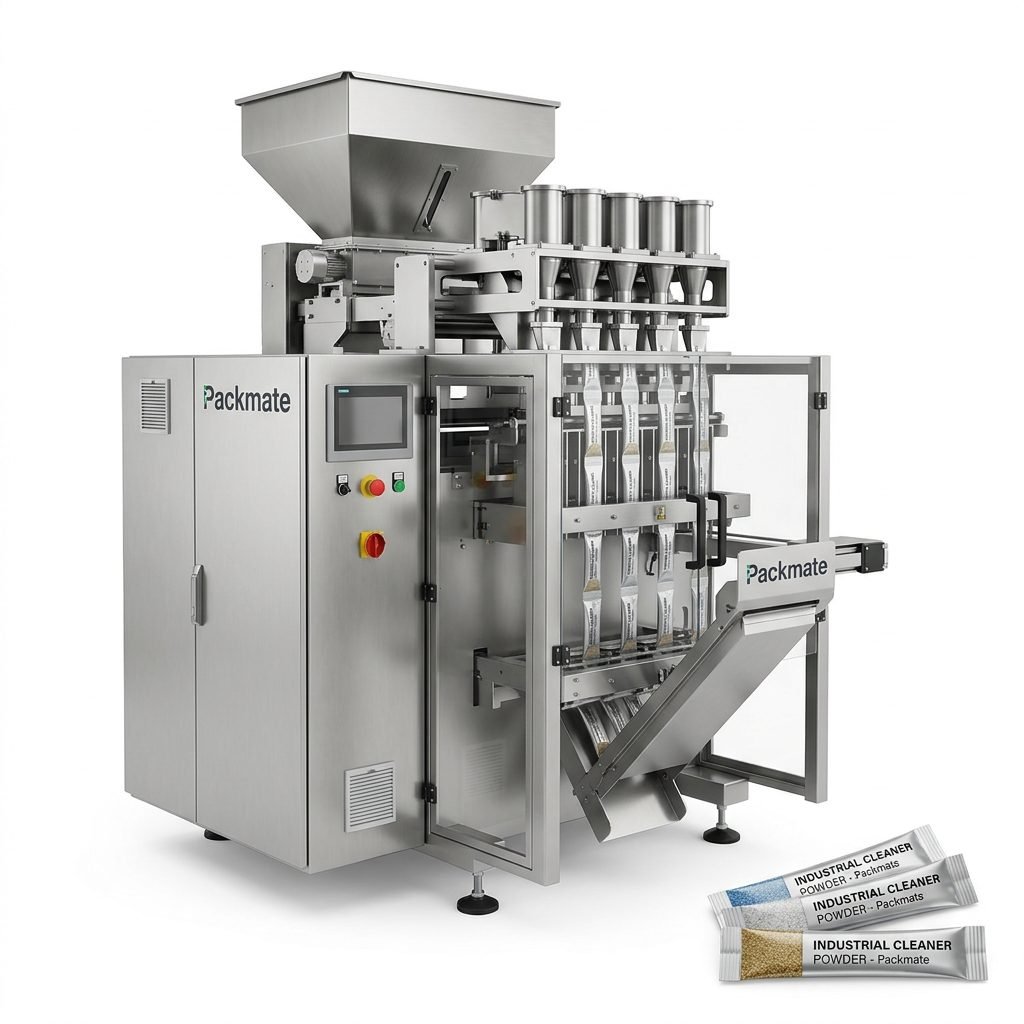
This sector presents the highest stakes. Packaging lines must operate in controlled environments, often meeting ISO Class 8 or better cleanroom standards. Accuracy is measured in milligrams, making auger filler technology with servo-driven precision critical. Packaging formats like blister packs for tablets, sterile vial filling, and stick packs or sachets for powdered supplements or oral rehydration salts are common. Beyond physical handling, the line must support serialization and aggregation—printing unique codes on each saleable unit to combat counterfeiting—as mandated by regulations like the U.S. Drug Supply Chain Security Act (DSCSA). The machinery must be constructed with pharmaceutical-grade materials like 316L stainless steel and designed for validated cleaning processes.
Key Technology Enablers
Modern packaging lines are driven by several advanced technologies:
- Servo Motor Drives: Provide unparalleled control over motion, enabling gentle product handling, precise cutting, and accurate positioning, which reduces waste and improves seal quality.
- Machine Vision Systems: Act as the “eyes” of the line, performing 100% inspection for seal integrity, print quality, label placement, and foreign object detection.
- Industrial PC (IPC) & HMI: Offer intuitive, recipe-based control. Operators can switch between products with a few taps, while the system logs all operational data for analysis and regulatory reporting.
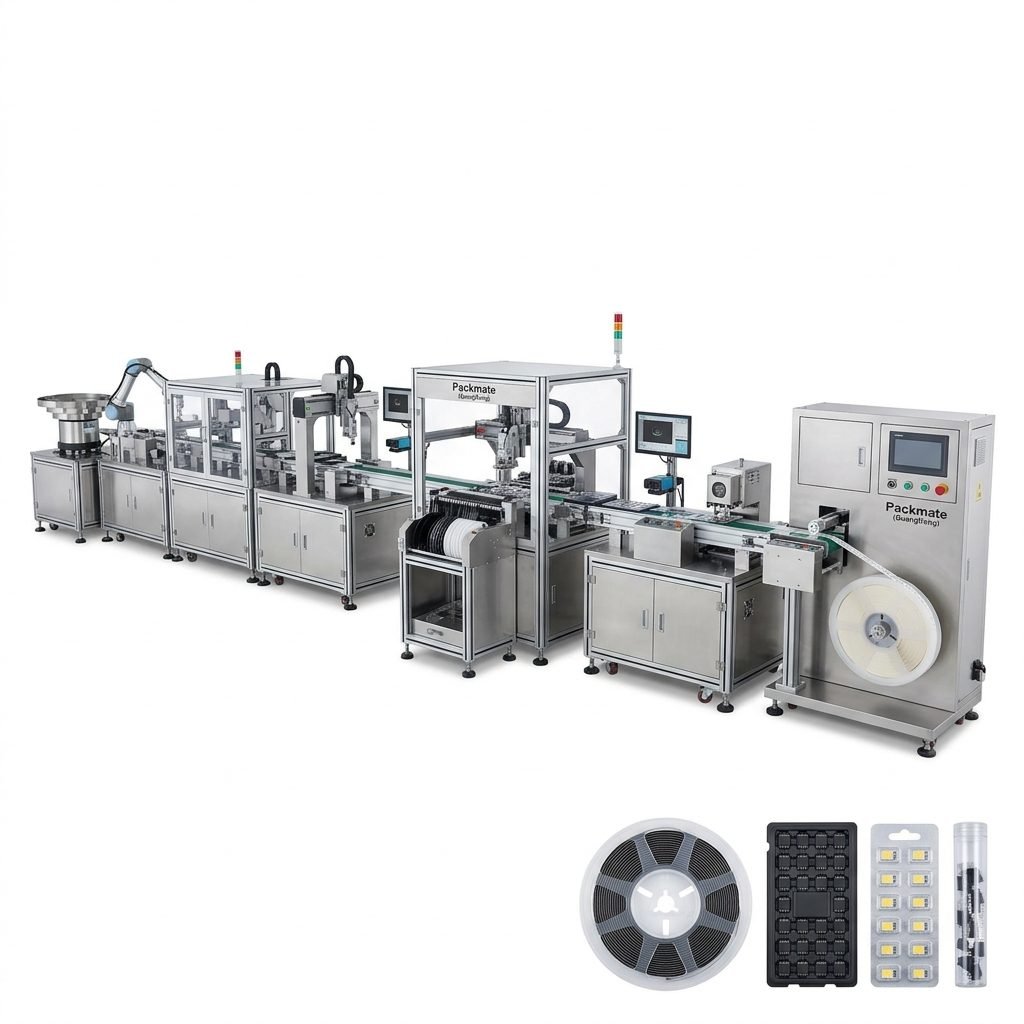
- Integrated Robotics: Used for precise pick-and-place, cartoning, and palletizing, increasing flexibility and reducing labor-intensive tasks.
The Packmate Advantage: From Concept to Turnkey Line
Navigating these complex requirements is where a partner with deep expertise becomes invaluable. Packmate (GuangDong) Co., Ltd. exemplifies this partner approach. With over three decades of specialization, Packmate doesn’t just sell machines; it delivers complete, intelligent packaging line solutions. This begins with a thorough consultation to understand the specific product characteristics, desired output, and regulatory landscape.
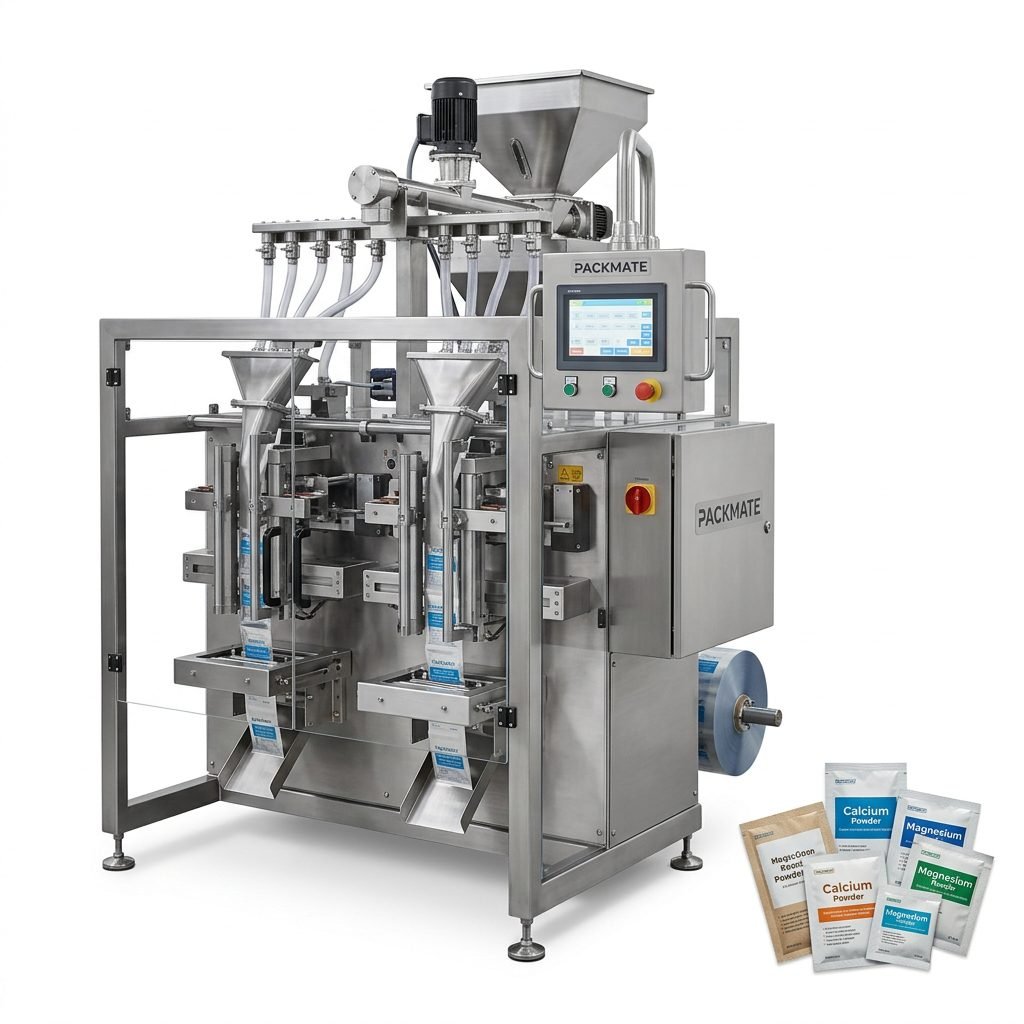
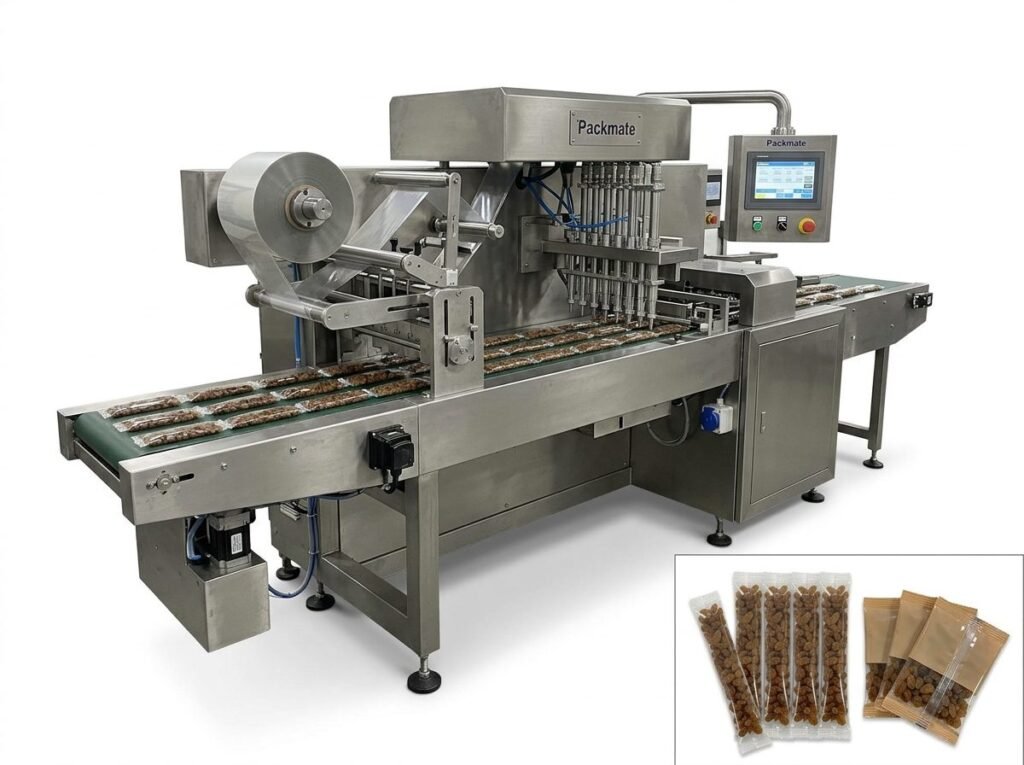
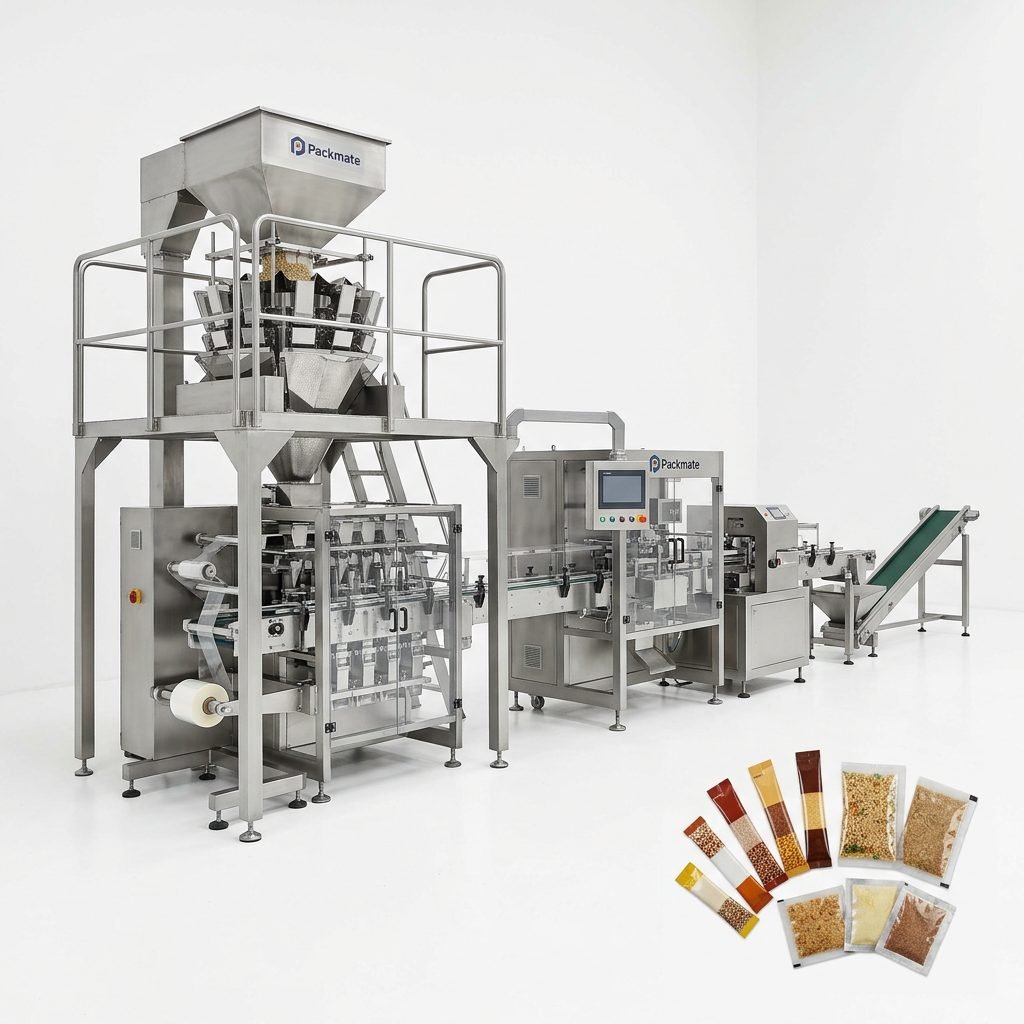
Their engineers then design a synchronized system, selecting from a portfolio of over 50 machine models—including advanced multi-lane stick pack and sachet machines—and integrating ancillary equipment like checkweighers, coders, and conveyors. The entire line is assembled and rigorously tested in their 20,000㎡ modern facility before shipment, ensuring it arrives as a validated, production-ready solution. This turnkey methodology, backed by comprehensive after-sales service and support, significantly reduces the client’s time-to-market and operational risk.
Why a Holistic Line Approach Matters
Purchasing individual machines from different vendors often leads to integration headaches, communication gaps between systems, and inconsistent performance. A single-source provider like Packmate ensures all components are designed to work in perfect harmony. The control system is unified, mechanical interfaces are matched, and the performance guarantee covers the entire line. This results in higher overall equipment effectiveness (OEE), simpler maintenance with one point of contact, and a more reliable, future-proof investment. Learn more about their integrated philosophy on their official homepage.
Looking Ahead: Sustainability and Smart Manufacturing
The future of industrial packaging is intelligent and sustainable. Lines will increasingly leverage IoT (Internet of Things) sensors and data analytics for predictive maintenance, minimizing unplanned downtime. There is also a growing push towards sustainable packaging materials, requiring lines to be adaptable to handle mono-material films or compostable laminates without sacrificing speed or seal integrity. The ability to connect seamlessly to smart factory networks (Industry 4.0) for real-time production monitoring and optimization is becoming a standard expectation.
Choosing the right industrial packaging line is a decisive factor for success in the food, pharmaceutical, and health product markets. It requires a solution that balances uncompromising precision and hygiene with operational efficiency and adaptability. By partnering with an experienced provider committed to innovation and total solution delivery, manufacturers can secure a competitive edge, ensure regulatory compliance, and build unwavering trust with their consumers.
Frequently Asked Questions (FAQs)
1. What is a “turnkey” packaging line solution?
A turnkey solution means the supplier handles everything from initial design and engineering to manufacturing, integration, testing, installation, and commissioning. The client receives a complete, production-ready line that simply needs to be connected to utilities and product feed to begin operation, significantly reducing project complexity and timeline.
2. How do you ensure a packaging line meets pharmaceutical GMP standards?
Compliance is built into the design: using 316L stainless steel and polished surfaces for cleanability, creating hygienic designs with minimal crevices, enabling clean-in-place (CIP) systems, and providing documentation for design qualification (DQ). The line is tested and validated according to protocols (IQ/OQ/PQ) to prove it consistently operates within specified parameters.
3. Can one packaging line handle different product types or package sizes?
Yes, through modular design and recipe-based controls. Modern lines allow for quick changeovers of forming tools, filling nozzles, and sealing jaws. On the human-machine interface (HMI), an operator can select a pre-set recipe for a different product, and the machine automatically adjusts parameters like film feed, fill volume, and sealing temperature, minimizing downtime during product switches.
4. What kind of after-sales support is typically provided?
Comprehensive support includes detailed user and maintenance manuals, on-site installation supervision and training for operators, remote technical assistance via phone or video, and readily available spare parts. Many providers also offer service contracts for periodic maintenance and software updates. For specific support inquiries, you can always contact the provider directly.
5. How is the speed or output of a packaging line measured?
Output is typically measured in packages per minute (PPM) or bags per minute (BPM). The actual speed depends on the product format (e.g., a 4-lane stick pack machine will be faster than a single-lane sachet machine), product characteristics, and the level of automation. A reliable supplier will specify output rates based on standardized testing with representative materials.