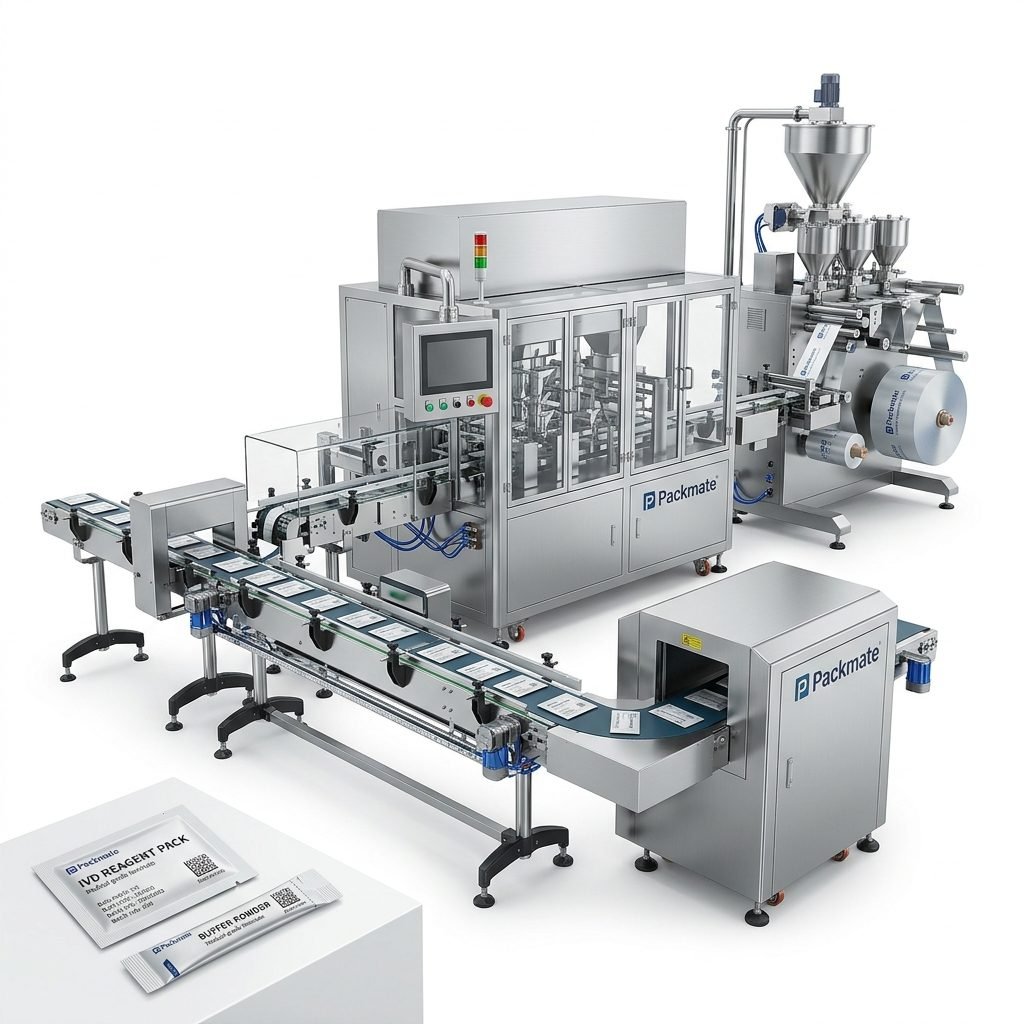
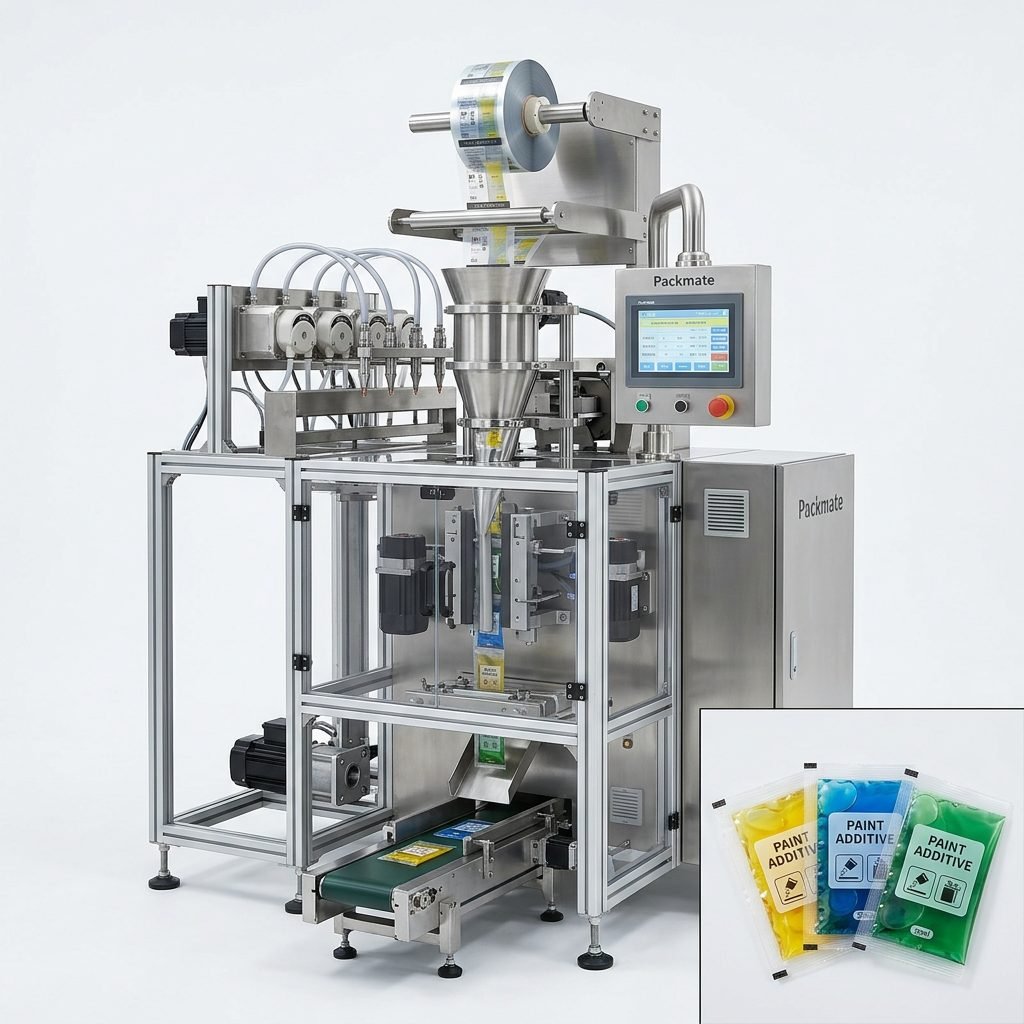
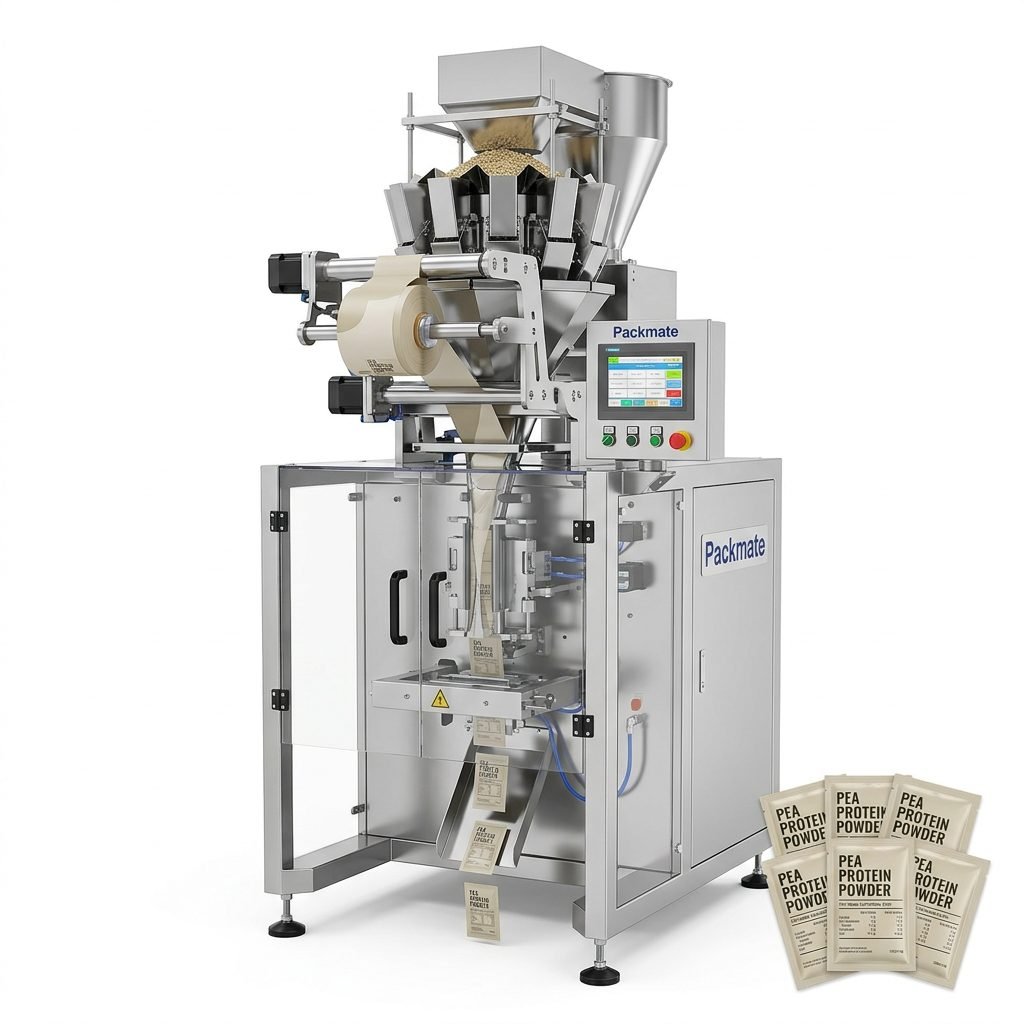
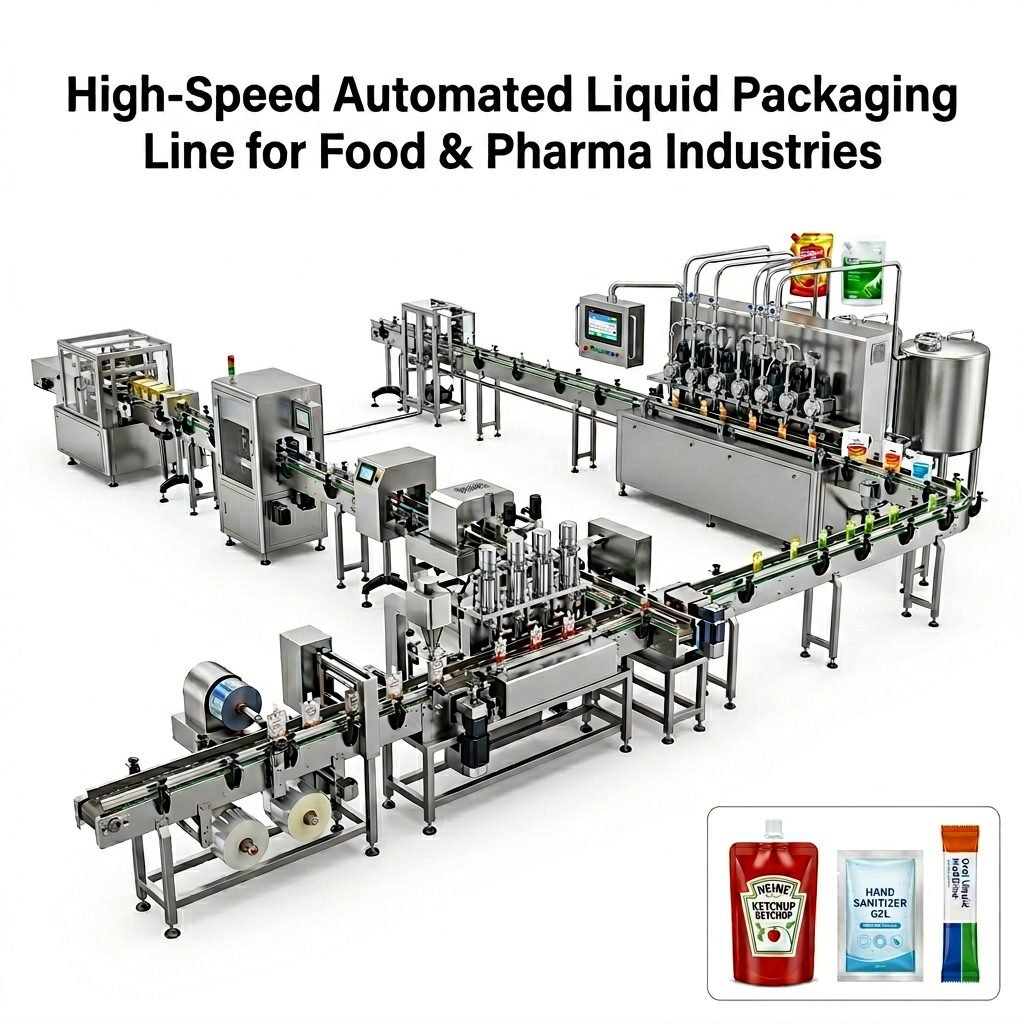
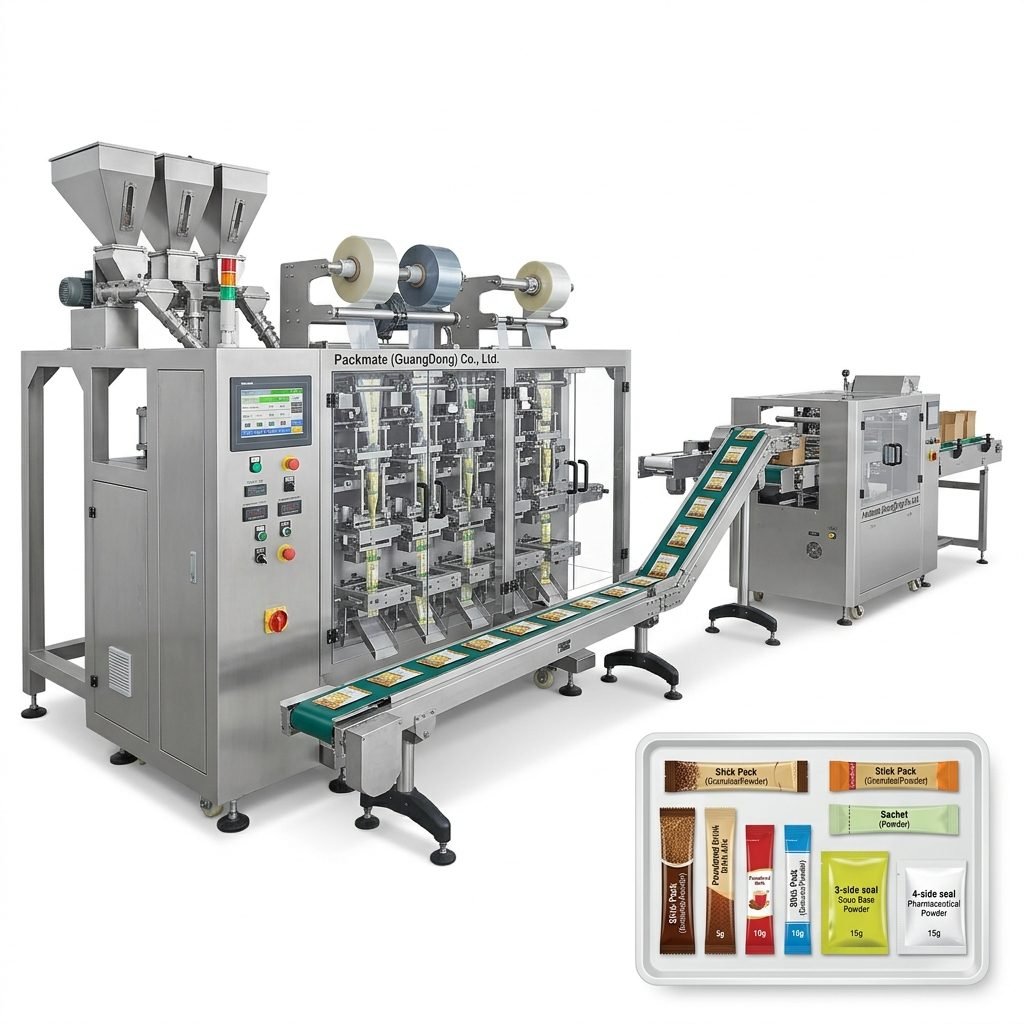
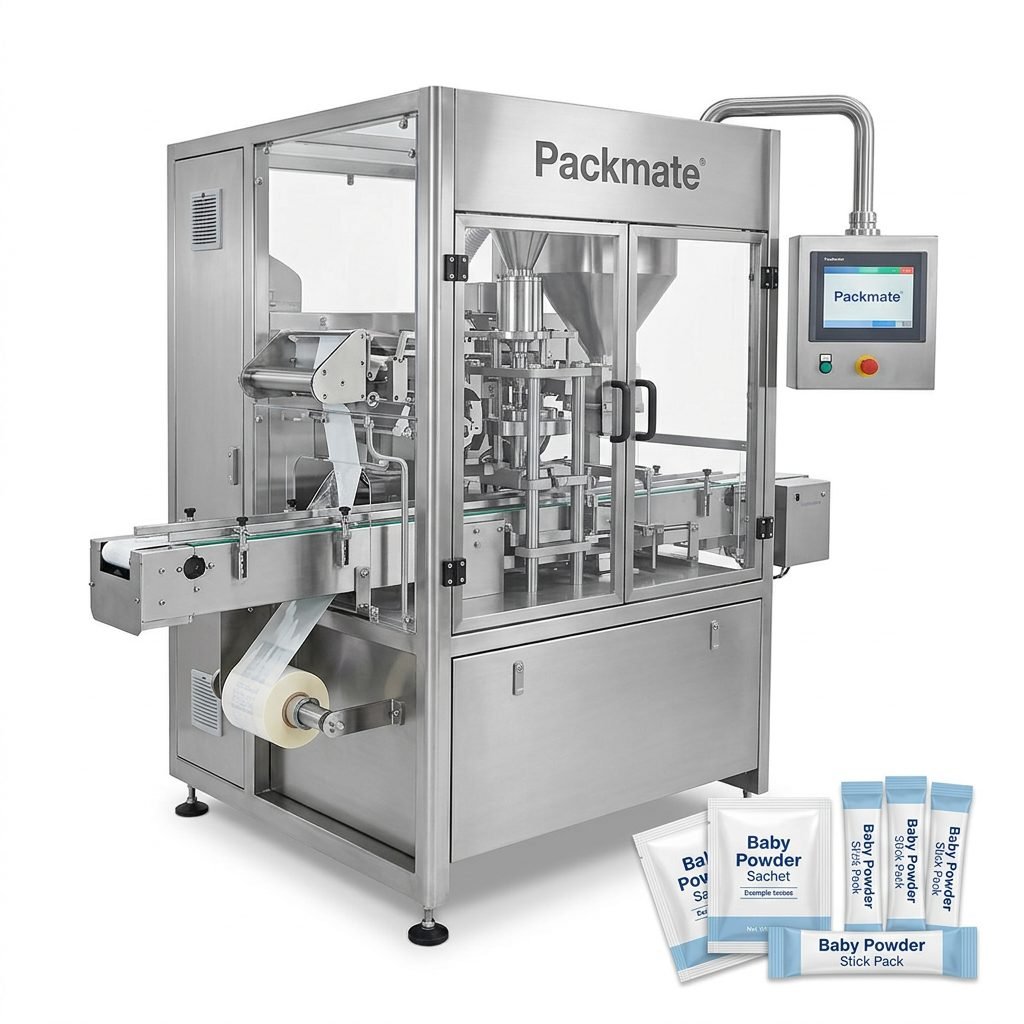
In today’s competitive manufacturing landscape, optimizing your packaging line is not just an option—it’s a necessity for survival and growth. A streamlined, efficient packaging operation directly impacts your bottom line by reducing waste, minimizing downtime, accelerating throughput, and ensuring consistent product quality. Whether you’re managing a food, pharmaceutical, or consumer goods line, the principles of efficiency remain paramount. This guide delves into practical, actionable strategies, explores the transformative power of automation, and outlines industry best practices to help you maximize your packaging line’s performance.
Understanding Packaging Line Efficiency: The Core Metrics
Before implementing improvements, you must first measure current performance. Key Performance Indicators (KPIs) are your compass. Track Overall Equipment Effectiveness (OEE), which combines availability, performance, and quality rates. Monitor line speed against theoretical maximum, changeover times, and reject rates. Consistent data collection reveals bottlenecks—is it the filler, the sealer, or the labeling station causing the delay? A company with deep industry experience, like Packmate (GuangDong) Co., Ltd., often begins efficiency audits with a thorough analysis of these metrics, providing a clear baseline for all subsequent optimization efforts.
🔍 Quick Check: Common Bottleneck Areas
- Material Flow: Irregular feeding causing machine starvation or jams.
- Machine Synchronization: Mismatched speeds between connected units.
- Changeovers: Manual adjustments taking too long, killing productivity.
- Quality Checks: Manual inspection slowing the line or missing defects.
Practical Strategies for Immediate Improvement
Not all efficiency gains require massive capital investment. Many stem from smart, lean operational practices.
1. Implement Lean Manufacturing Principles
Apply the 5S methodology (Sort, Set in order, Shine, Standardize, Sustain) to the packaging area. An organized, clean workspace reduces time spent searching for tools and minimizes safety hazards. Standardize work instructions for operators to ensure consistent, error-free procedures. Analyze workflow to eliminate unnecessary movement or handling of materials.
2. Optimize Changeover Procedures (SMED)
Single-Minute Exchange of Die (SMED) is critical. Separate internal (stoppage-required) and external (can be done while line runs) changeover tasks. Use quick-release mechanisms, standardized tooling, and pre-staged material kits. Converting internal tasks to external ones can slash changeover time by 50% or more, dramatically increasing available production time.
3. Proactive Maintenance Over Reactive Fixes
Shift from a “run-to-failure” model to preventive and predictive maintenance. Schedule regular lubrication, calibration, and part inspections based on machine hours. Use vibration analysis or thermal imaging to predict failures before they occur. A reliable partner who provides comprehensive after-sales service and support can be invaluable in establishing an effective maintenance regimen.
The Automation Revolution: Strategic Integration Tips
Automation is the most powerful lever for long-term efficiency. Strategic integration is key.
🤖 Automation Priority Pathway
Start with the Bottleneck: Automate the slowest process first for maximum ROI.
Focus on Repetitive, Error-Prone Tasks: Like manual carton erection, product counting, or label application.
Ensure Interoperability: New automated equipment must communicate seamlessly with existing machinery (e.g., via PLCs or industrial Ethernet).
Plan for Flexibility: Market demands change. Seek modular automation solutions, like those in modern turnkey packaging lines, that can handle multiple package sizes or formats with minimal retooling.
Key Areas for Automation Investment
Robotic Palletizing: Replaces strenuous, inconsistent manual labor with speed and precision.
Automated Guided Vehicles (AGVs): For continuous material supply and finished goods removal.
Vision Inspection Systems: Automate quality control for labels, fill levels, and seal integrity at high line speeds.
Centralized Line Control (HMI): A single touchscreen interface to monitor and control all line parameters, reducing operator movement and decision time.
Best Practices for Sustained High Performance
Efficiency is a continuous journey, not a one-time project. Embed these practices into your culture.
1. Invest in Operator Training
An operator who understands the “why” behind the process is your first line of defense against inefficiency. Regular training on machine operation, basic troubleshooting, and safety protocols empowers them to act swiftly and correctly, preventing minor issues from becoming major stoppages.
2. Embrace Data-Driven Decision Making
Move beyond gut feelings. Use data from machine sensors and production software to make informed decisions about scheduling, maintenance, and upgrades. Real-time dashboards that display OEE, output, and downtime reasons keep the entire team aligned on performance goals.
3. Foster a Culture of Continuous Improvement (Kaizen)
Encourage every team member, from line operators to managers, to suggest small, incremental improvements. Regularly review processes and celebrate efficiency wins. This creates collective ownership over line performance. Reviewing real-world application cases and studies from other manufacturers can spark innovative ideas for your own facility.
4. Select the Right Technology Partner
Your equipment supplier should be a strategic ally. Look for a partner with proven expertise, like a provider with over 30 years of experience in designing complete lines. They should offer robust support, readily available spare parts, and a willingness to collaborate on optimizing your specific line. The right partner helps you future-proof your investment.
Conclusion: Building a Future-Proof Packaging Operation
Improving packaging line efficiency is a multifaceted endeavor blending lean practices, smart technology adoption, and human-centric management. By diligently measuring performance, addressing bottlenecks with practical and automated solutions, and ingraining a culture of continuous improvement, manufacturers can achieve significant gains in productivity, cost savings, and product quality. The journey requires commitment and often, a reliable partner who can provide not just machines, but holistic packaging solutions. In an era where consumer demand and market dynamics shift rapidly, an efficient, agile packaging line is your most valuable competitive asset.
Frequently Asked Questions (FAQs)
1. What is the single biggest contributor to packaging line inefficiency?
Unplanned downtime is often the largest culprit. This is frequently caused by mechanical failures due to poor maintenance, or by extended changeover times. Implementing a rigorous preventive maintenance schedule and applying SMED techniques to changeovers are the most effective countermeasures.
2. How do I justify the cost of automation to management?
Build a business case focused on Total Cost of Ownership (TCO) and Return on Investment (ROI). Calculate hard savings from labor reduction, increased output, and lower scrap rates. Don’t forget soft benefits: improved safety, consistent quality, data for better decisions, and the ability to redeploy skilled labor to higher-value tasks.
3. Can I improve efficiency without buying new machines?
Absolutely. Many gains come from optimizing existing processes. Lean 5S initiatives, operator retraining, preventive maintenance, and data analysis to rebalance the line can yield impressive results with minimal financial outlay. It’s always recommended to maximize the performance of current assets before investing in new ones.
4. How important is operator training for line efficiency?
It is critical. Well-trained operators can prevent minor issues from escalating, perform faster and more accurate changeovers, conduct basic troubleshooting, and maintain equipment properly. They are the human intelligence that ensures the automated systems function as intended. Investing in people is as important as investing in technology.
5. Where should I start my packaging line optimization project?
Start with measurement. For one week, meticulously track OEE, noting every stoppage, its duration, and root cause. This data will clearly identify your primary bottleneck. Begin improvement efforts there, as gains at the bottleneck improve the throughput of the entire line. Consider consulting with an experienced solutions provider for an objective audit. For more detailed queries, you can always refer to a dedicated FAQ resource.