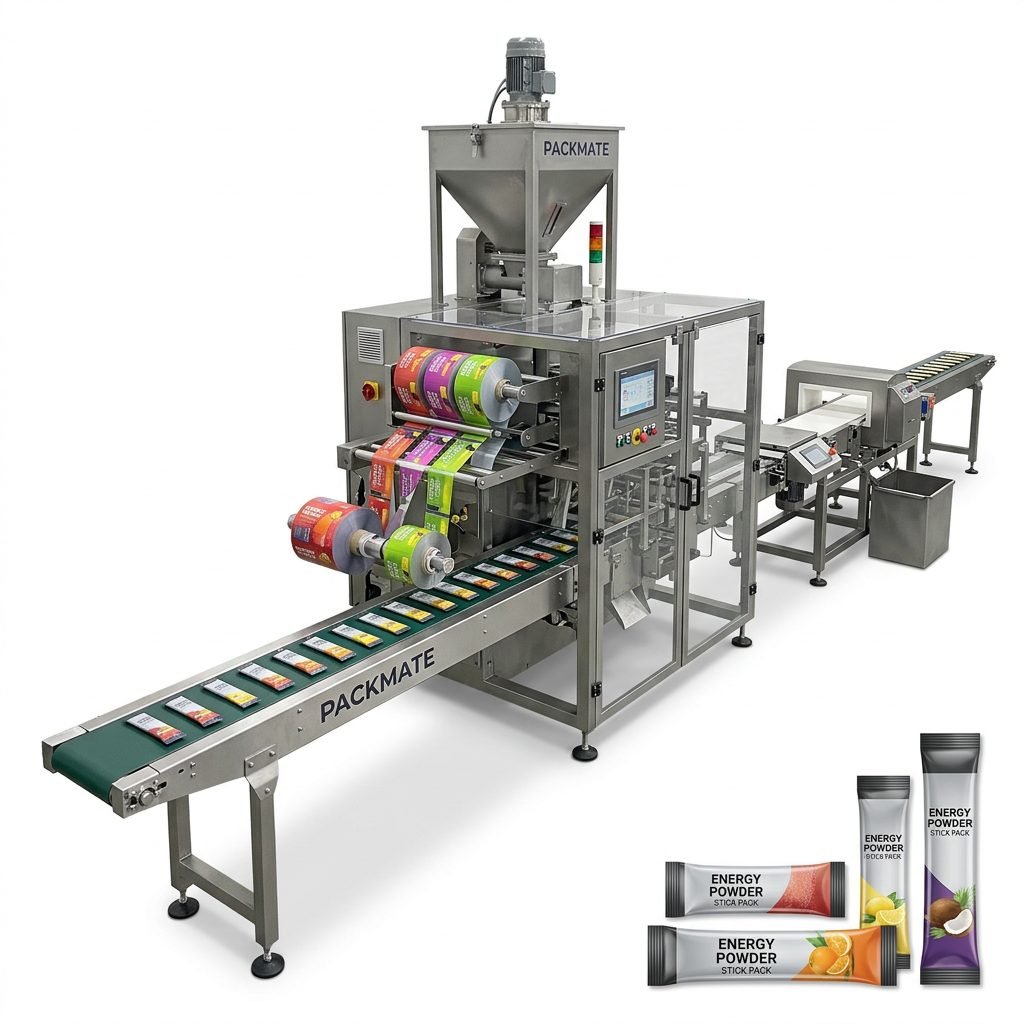
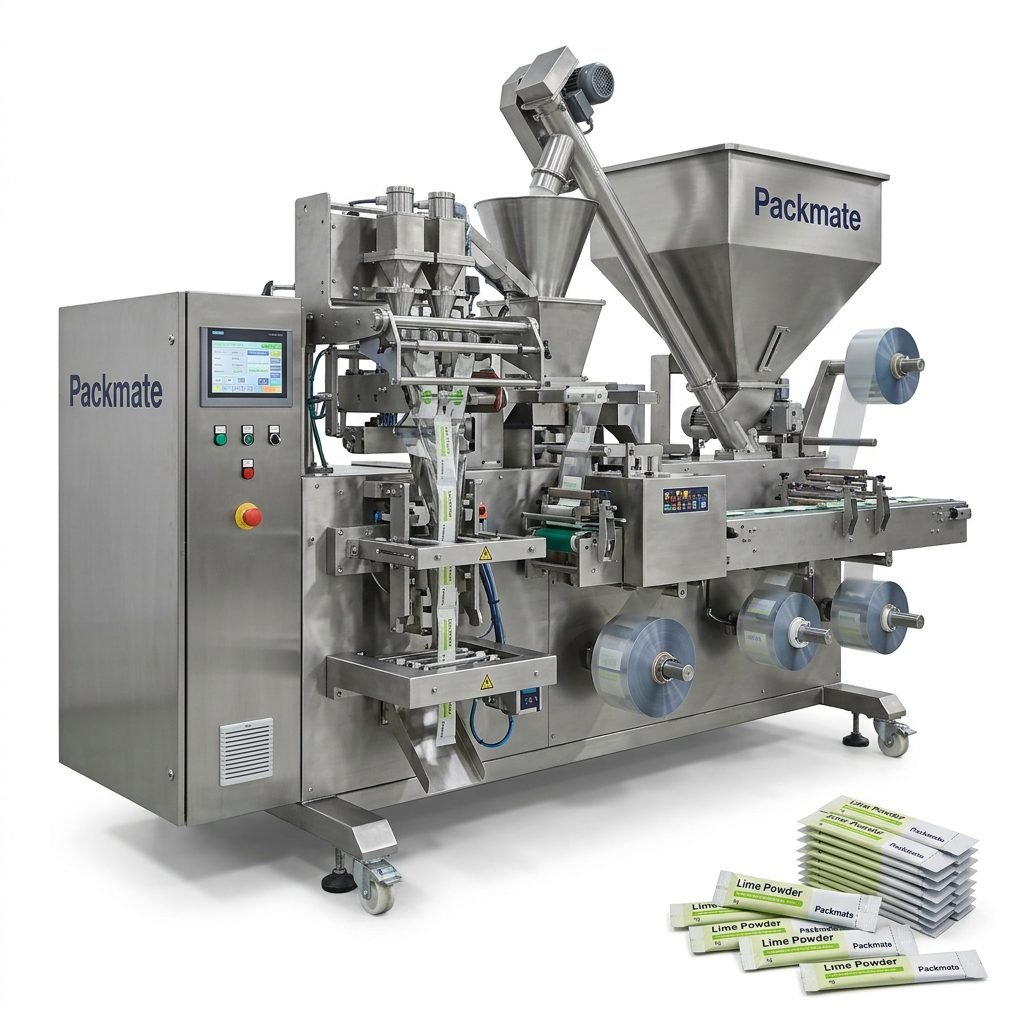
In the fast-paced world of commercial baking, efficiency and product integrity are paramount. Meeting the ever-growing demand for fresh bread, rolls, and buns requires packaging solutions that are not just fast, but also precise, hygienic, and adaptable. This is where a specialized Wholesale Bread Dual Splice Packaging Line becomes a game-changer. This automated system represents the pinnacle of high-speed bakery production, designed to handle large volumes with consistent quality and minimal waste.
The Core Challenge in High-Volume Bakery Packaging
Traditional manual or semi-automatic packaging methods often create bottlenecks in wholesale bakery operations. They struggle with speed, consistency, and labor costs. A dual splice system directly addresses these pain points by automating the two critical stages of the packaging process: product collation and film feeding. It seamlessly merges two lanes of baked goods into a single, continuous flow before they are wrapped, effectively doubling the output potential of a single packaging machine. This is not merely an incremental improvement; it’s a transformational leap in production capability.
Key Advantages of an Automated Dual Splice Line
- Unmatched Production Speed: By processing two lanes simultaneously, these lines achieve outputs that can exceed 200 packs per minute, perfectly aligning with the high-speed demands of wholesale and industrial bakeries supplying supermarkets, restaurants, and institutions.
- Superior Product Presentation & Protection: Automated systems ensure each loaf or bun package has consistent, tight seals and precise folds. This not only enhances shelf appeal but also provides a robust barrier against moisture, contaminants, and staleness, extending product freshness. For more on how automation enhances product integrity, explore our packaging solutions.
- Significant Labor and Cost Savings: Automation drastically reduces the need for manual handling, lowering labor costs, minimizing human error, and freeing up skilled workers for quality control and other value-added tasks.
- Enhanced Operational Flexibility: Modern lines from experienced providers like Packmate are designed to be quickly adjustable. They can handle a variety of bread sizes, shapes, and packaging films, allowing bakeries to switch between product lines with minimal downtime.
- Reduced Material Waste: Precise film feeding and cutting mechanisms optimize material usage. Advanced splice units ensure a continuous film feed from two rolls, eliminating stoppages and waste during roll changes.
Deconstructing the Wholesale Bread Dual Splice Packaging Line
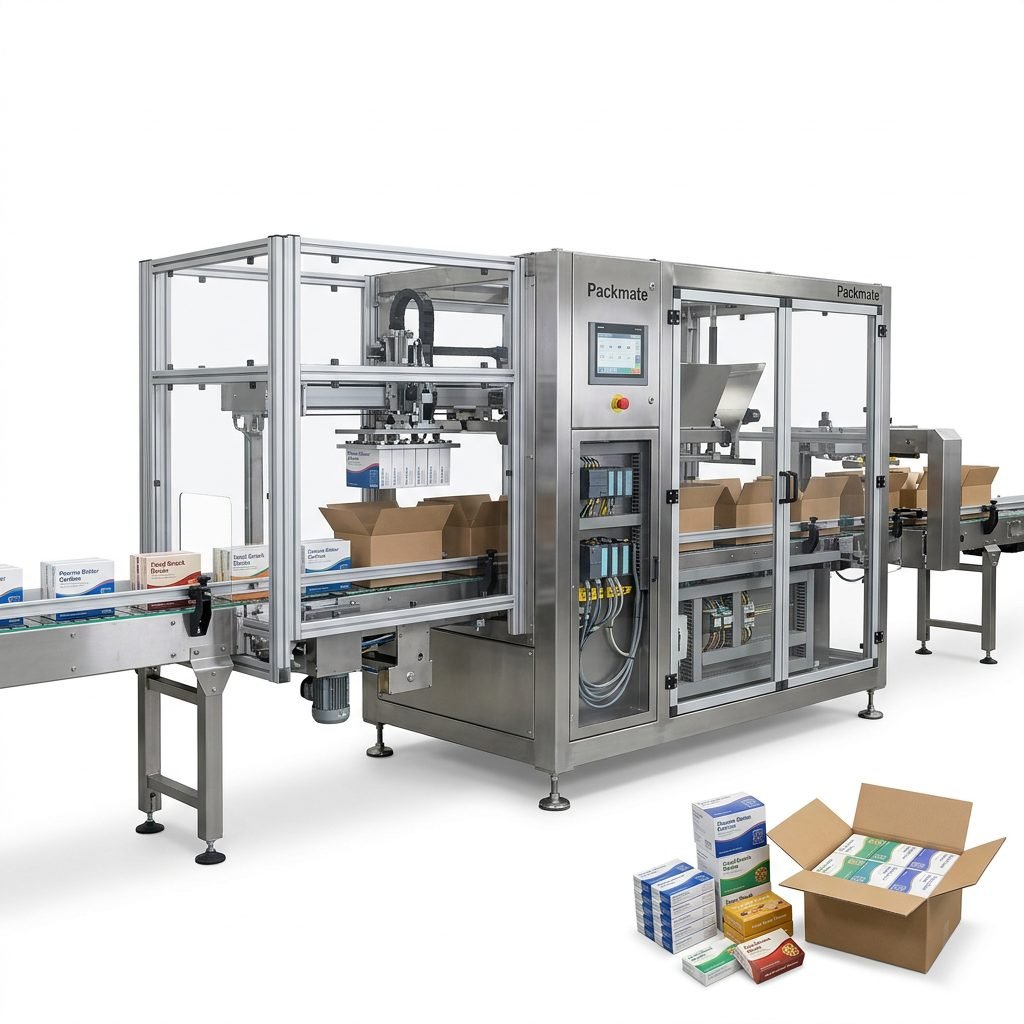
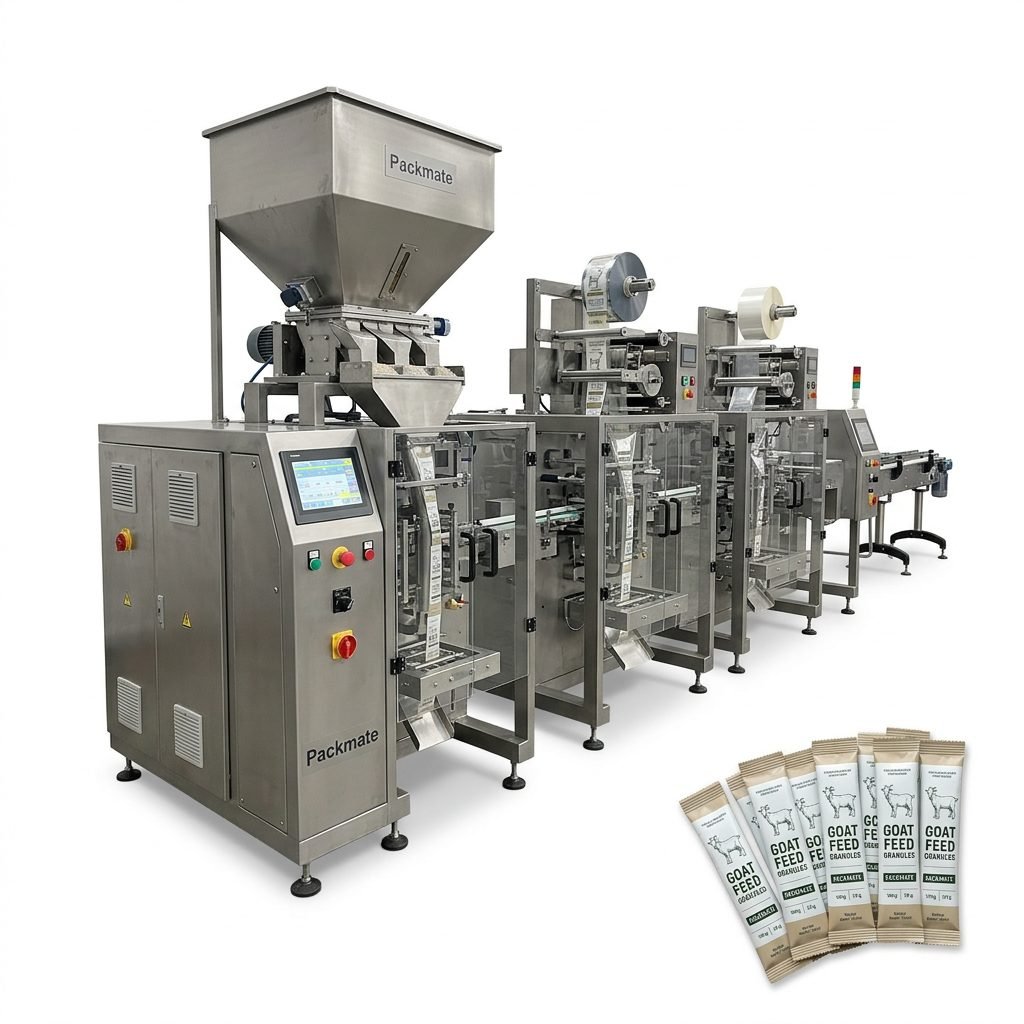
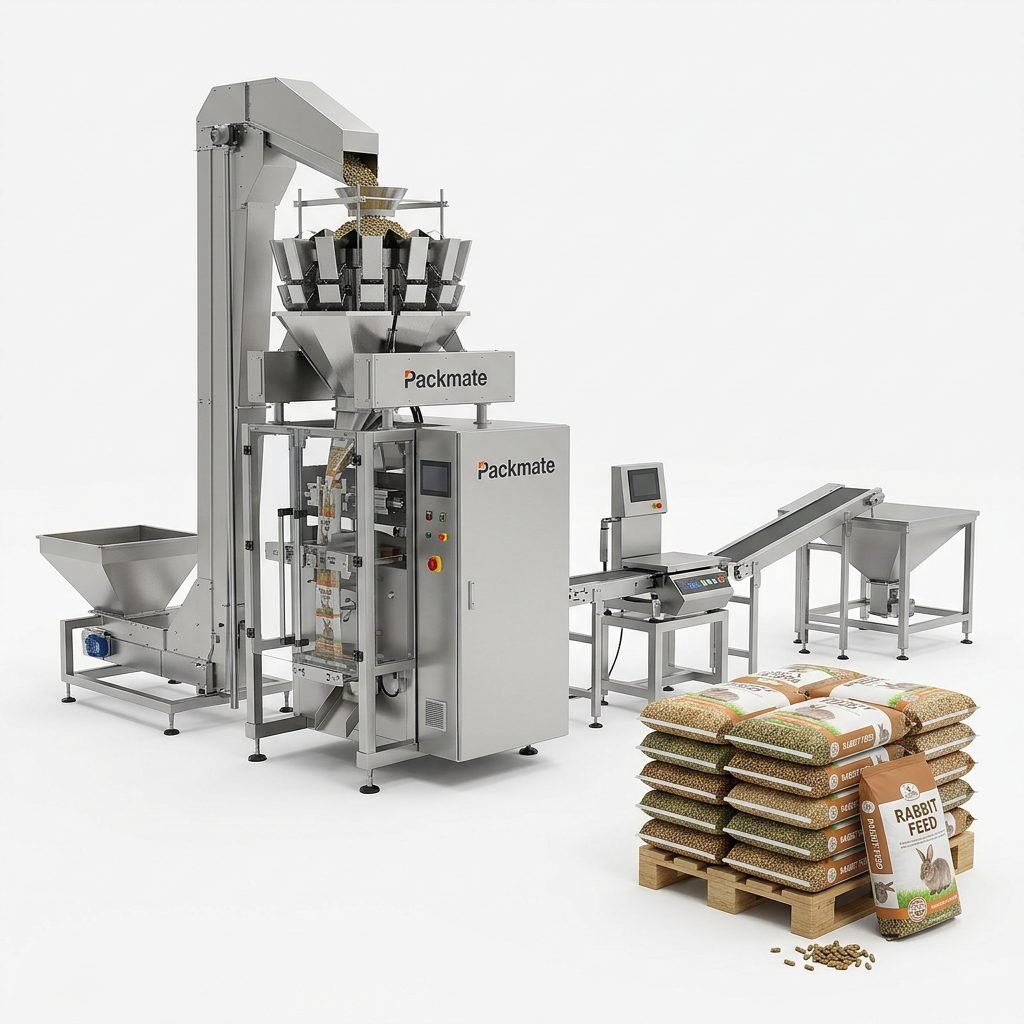
Understanding the components of this sophisticated system reveals the engineering behind its efficiency. A typical turnkey line integrates several synchronized modules.
1. The Infeed & Product Handling System
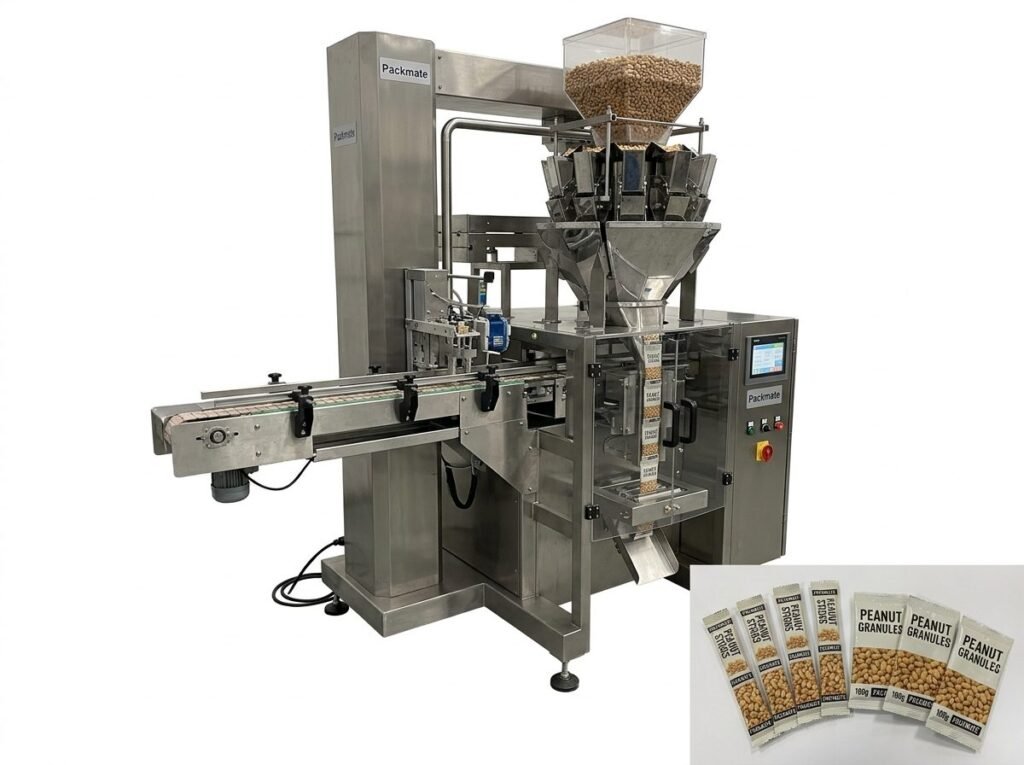
This is the starting point, where baked goods are gently conveyed and aligned. For a dual splice line, this system is designed to manage two parallel product lanes. It may include vibratory conveyors, alignment guides, and timing screws to ensure products are correctly spaced and oriented before entering the packaging machine. Reliability here is critical to prevent jams and ensure a smooth flow.
2. The Dual Splice Packaging Machine (The Heart of the Line)
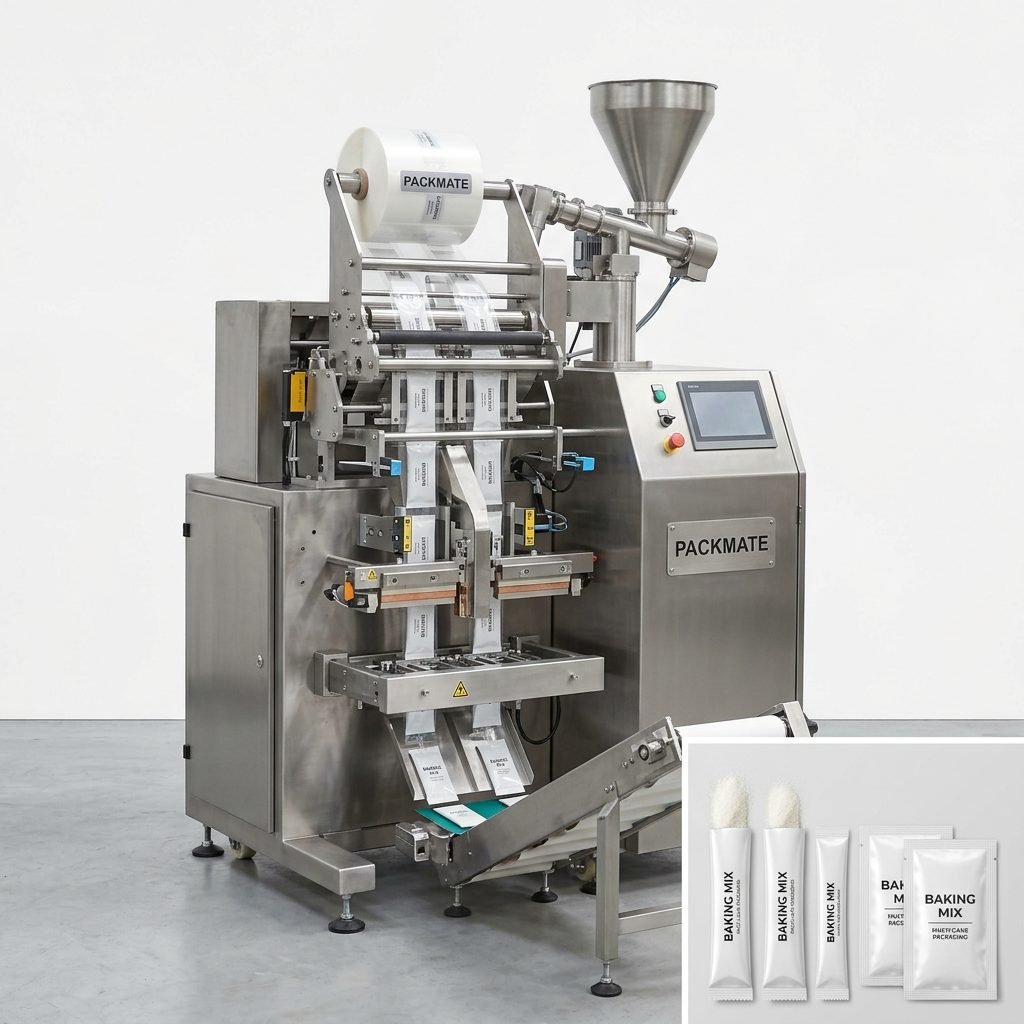
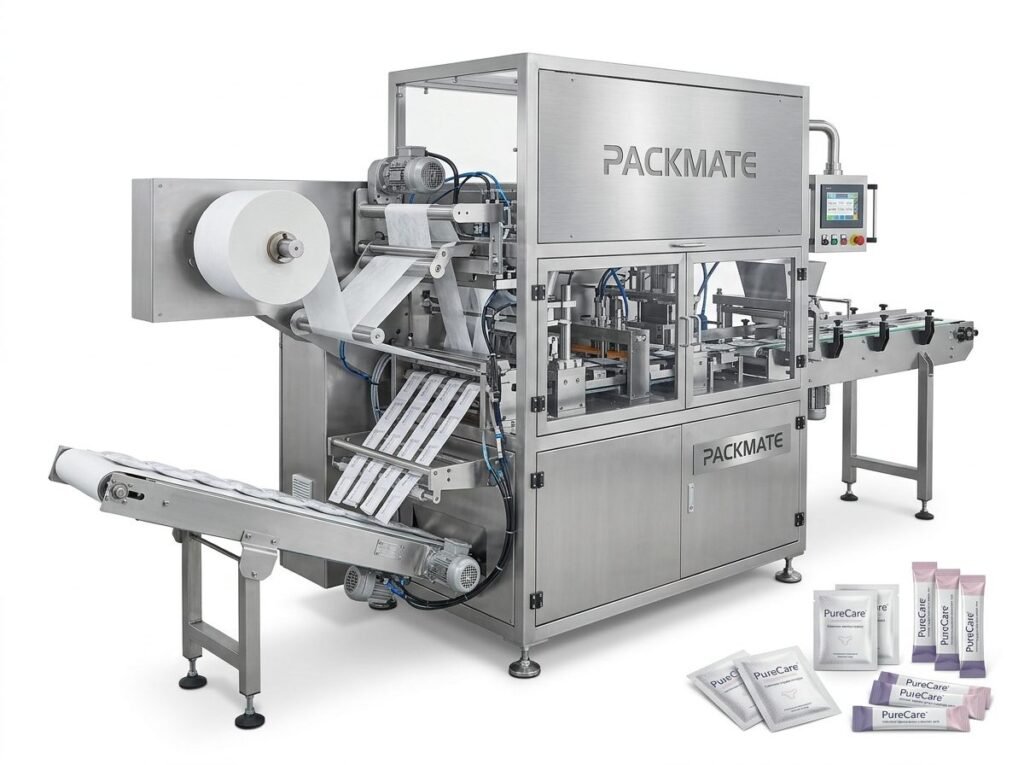
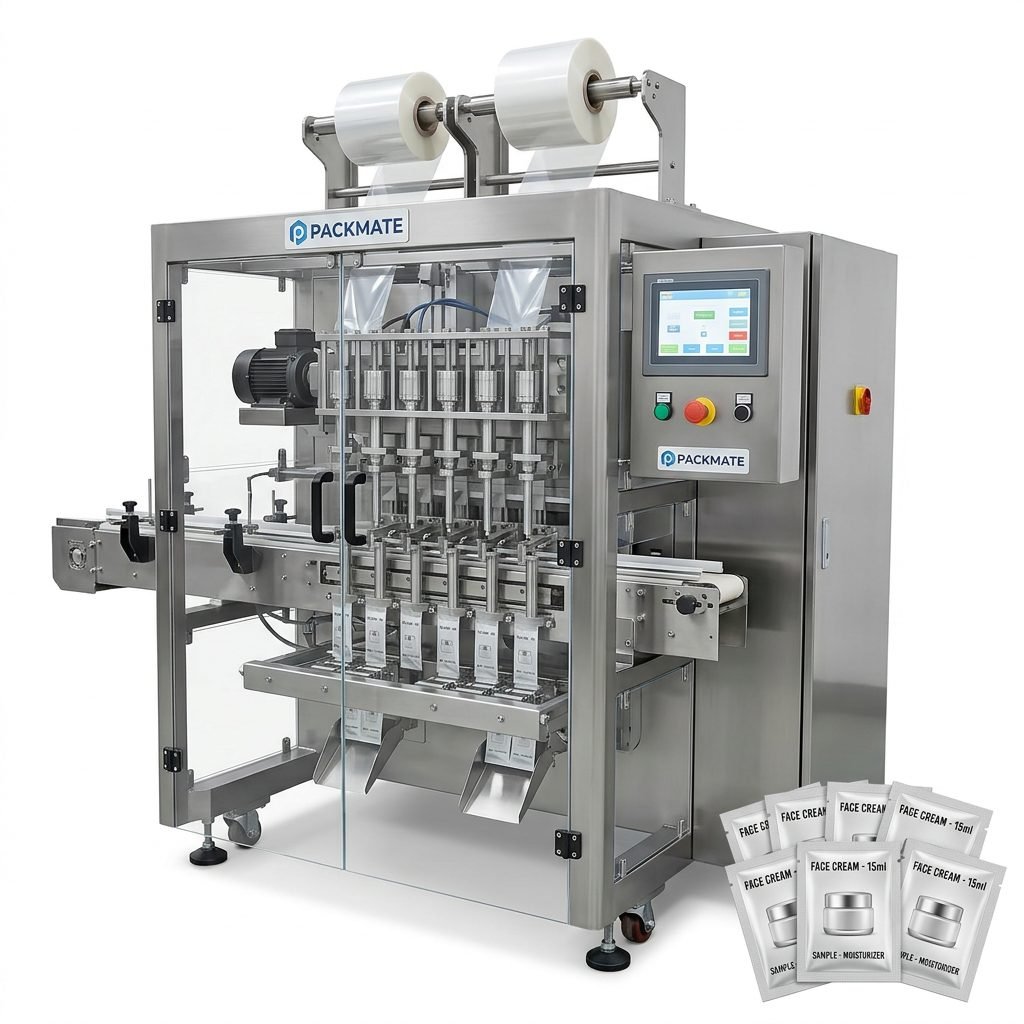
This machine is where the magic happens. It features a specialized forming shoulder that creates the packaging tube from a flat roll of film. The dual splice unit is its core innovation, allowing two primary film rolls to be mounted. As one roll nears depletion, the system automatically splices the end of the running film to the beginning of the new roll without stopping production. Products from the two infeed lanes are merged and fed into this single, continuous film tube.
3. The Sealing and Cutting System
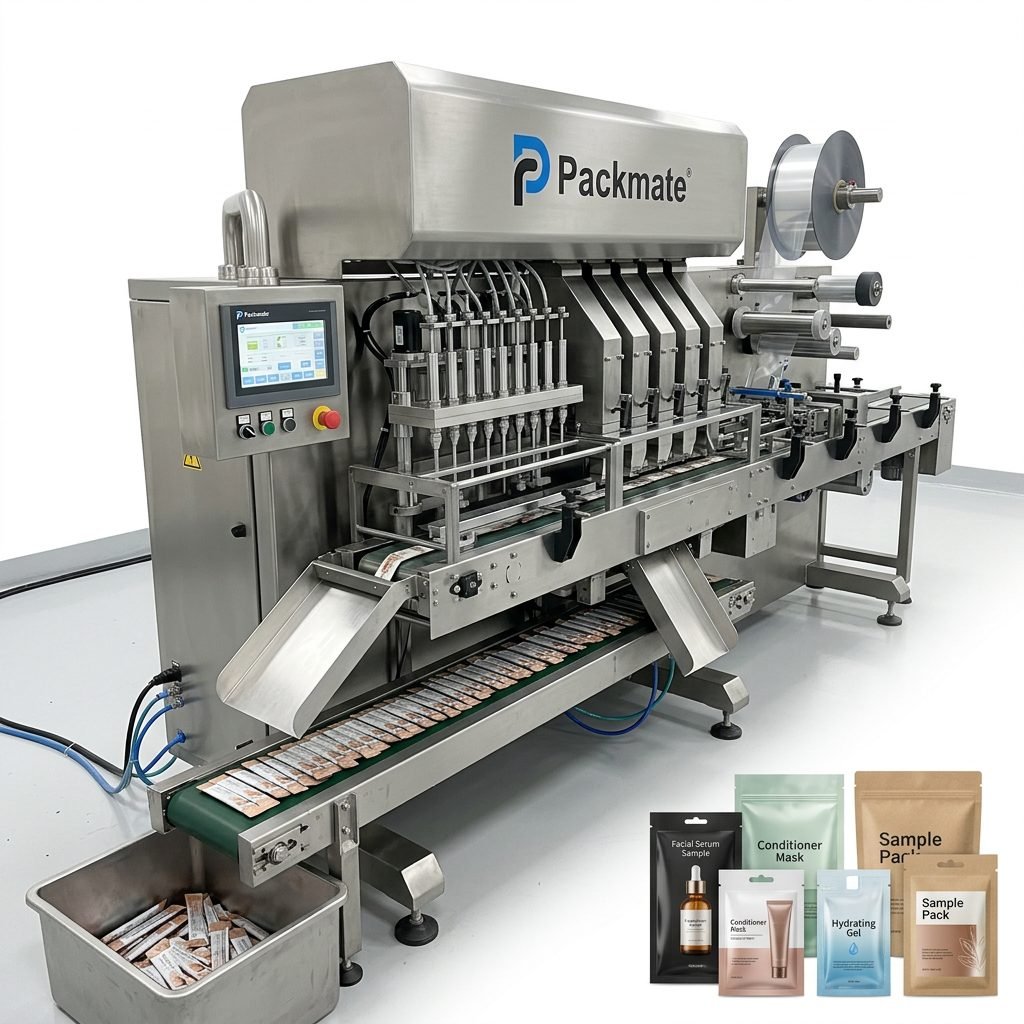
Once the product is enveloped in film, longitudinal and end sealers create airtight packages. A precision cutting mechanism then separates the continuous tube into individual packs. The consistency of heat, pressure, and cut timing is what guarantees the perfect, store-ready package every time.
4. Integrated Control & Vision Systems
Modern lines are governed by programmable logic controllers (PLCs) and user-friendly human-machine interfaces (HMIs). These allow operators to set parameters, monitor performance, and diagnose issues quickly. Optional vision inspection systems can be integrated to perform automatic checks for seal integrity, print registration, or product presence, adding an extra layer of quality assurance. Discover real-world applications in our case studies.
Why Partner with an Experienced OEM Provider?
Investing in a high-speed automated line is a significant decision. Partnering with a manufacturer like Packmate (GuangDong) Co., Ltd. offers distinct advantages. With over 22+ years of development and a 20,000㎡ modern facility, they bring deep expertise in creating reliable, turnkey systems. An OEM provider doesn’t just sell machines; they deliver a complete production solution. This includes custom engineering to fit your specific products and layout, comprehensive installation and commissioning, thorough operator training, and reliable after-sales service and support. Their team of 125+ professionals ensures the line integrates seamlessly into your operation, maximizing your return on investment from day one. Learn more about their commitment to innovation on their homepage.
Driving the Future of Bakery Production
The adoption of automated dual splice packaging lines is a clear indicator of where the bakery industry is headed. As consumer demand for variety and freshness grows, and labor markets tighten, the economic and operational logic for automation becomes undeniable. These systems enable bakeries to scale production reliably, maintain stringent hygiene standards, and respond agilely to market changes. They are a foundational technology for bakeries aiming to secure a competitive edge in the wholesale and retail sectors.
Ultimately, a Wholesale Bread Dual Splice Packaging Line is more than a piece of equipment; it is a strategic asset. It transforms packaging from a necessary cost center into a driver of efficiency, quality, and growth. For any bakery looking to modernize its output and secure its future in a competitive marketplace, investing in such an automated solution is a decisive step forward.
Frequently Asked Questions (FAQs)
1. What is the primary benefit of a “dual splice” system?
The primary benefit is uninterrupted high-speed production. The dual splice unit allows the packaging machine to automatically switch from an empty film roll to a full one without stopping the line. This eliminates downtime for manual roll changes, maximizing overall equipment effectiveness (OEE) and output, which is crucial for wholesale operations.
2. Can this line handle different types of bread, like baguettes, rolls, and sandwich loaves?
Yes, a well-designed line from a provider like Packmate is highly flexible. Through adjustable forming tubes, conveyors, and sealing jaws, the system can be configured to package a wide range of bread sizes and shapes. Quick changeover features are often included to minimize downtime when switching product types.
3. How does automation impact packaging material waste?
Automation significantly reduces material waste. Precise servo-driven film feeding and cutting ensure optimal material usage. The dual splice mechanism itself prevents the waste associated with the tail end of a film roll. Furthermore, consistent operation reduces the number of defective packages that would be scrapped.
4. What kind of maintenance does such an automated line require?
Regular preventive maintenance is key to longevity and uptime. This typically includes daily cleaning, lubrication of moving parts as specified, and periodic inspection of seals, cutters, and sensors. Reputable suppliers provide detailed maintenance manuals and training, and offer service contracts for technical support and spare parts.
5. Is operator training provided with the installation of a new line?
Absolutely. Comprehensive operator and maintenance technician training is a standard part of a professional turnkey solution. This includes hands-on instruction on machine operation, basic troubleshooting, routine maintenance procedures, and safety protocols to ensure your team can run the line efficiently and safely from the start.