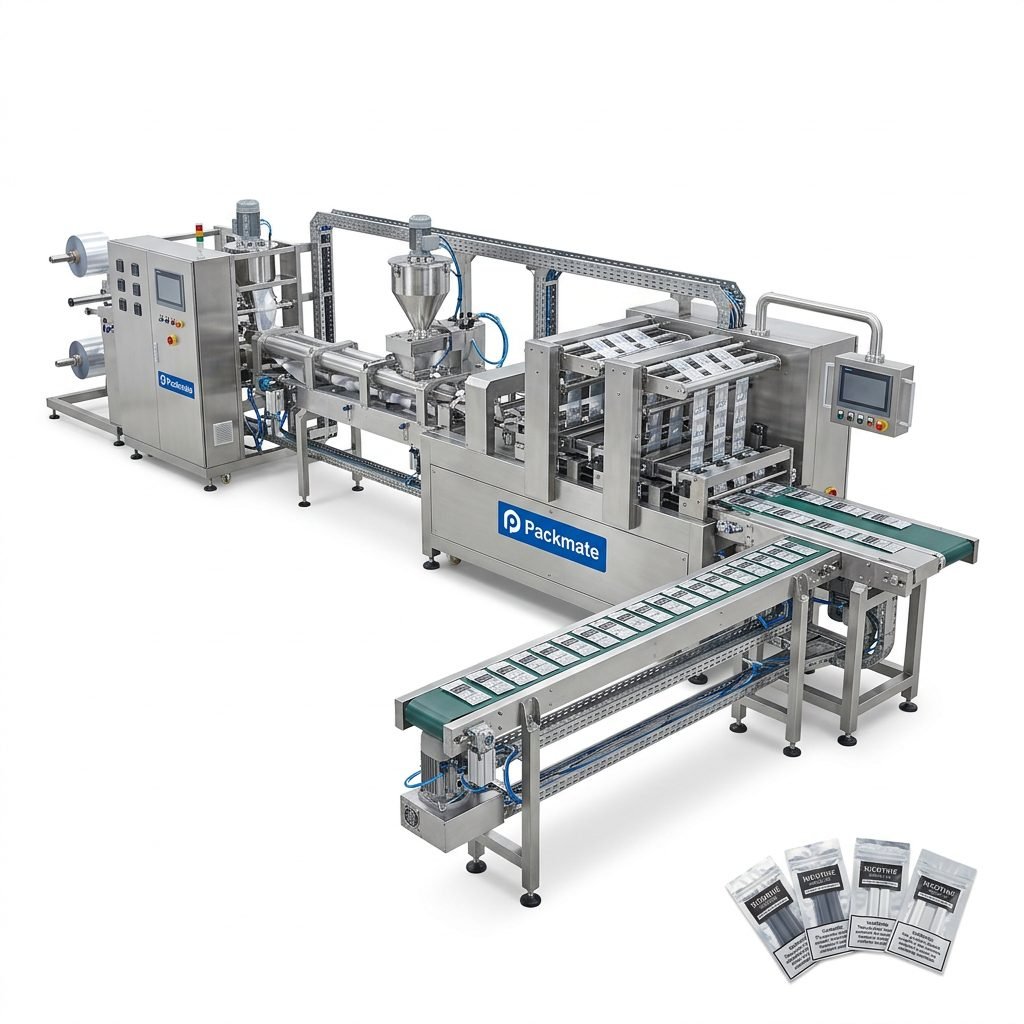
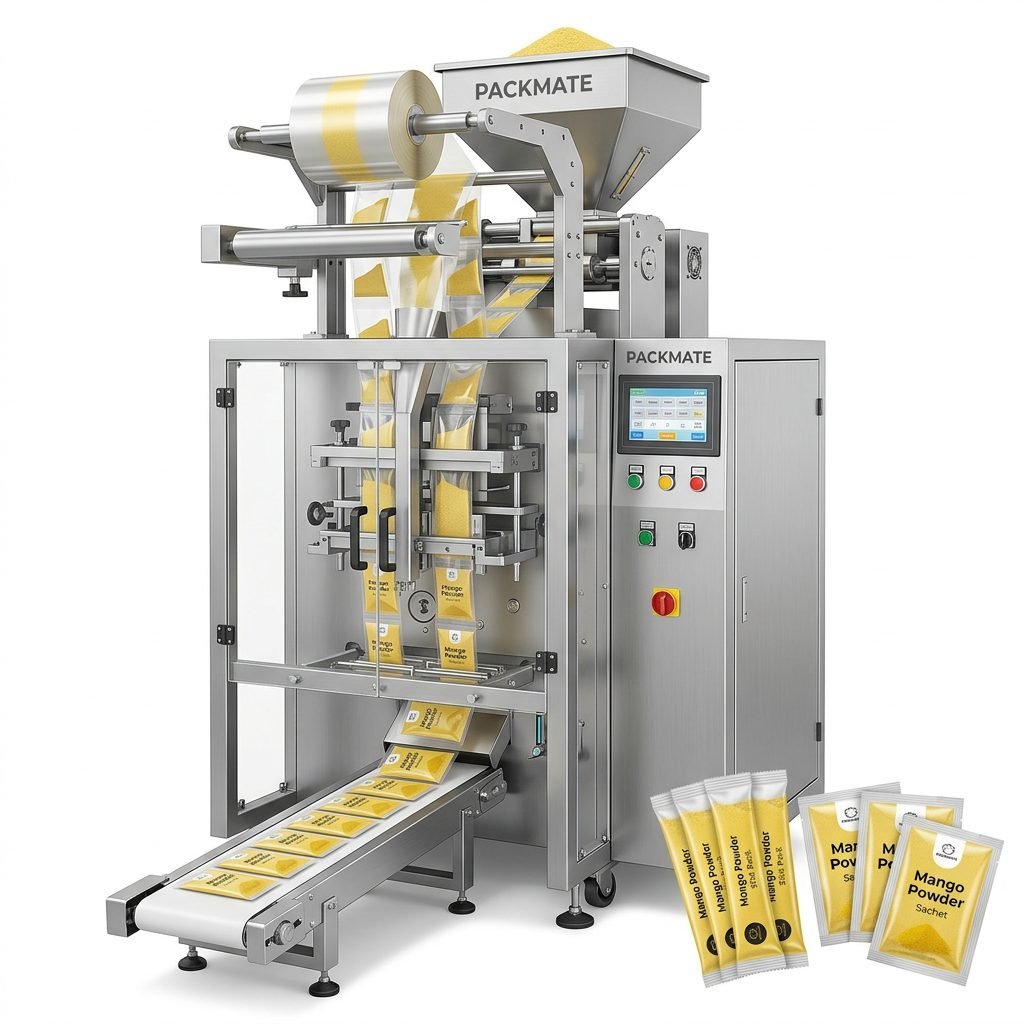
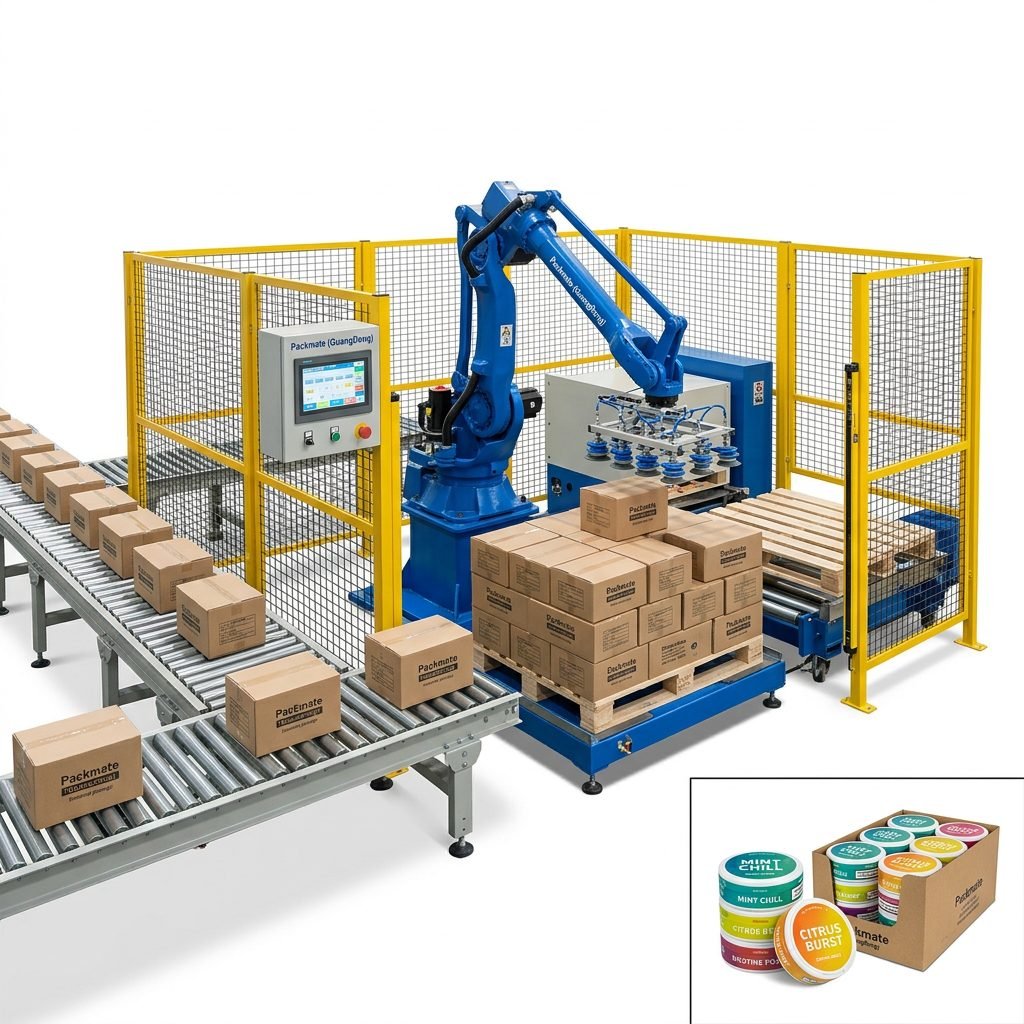
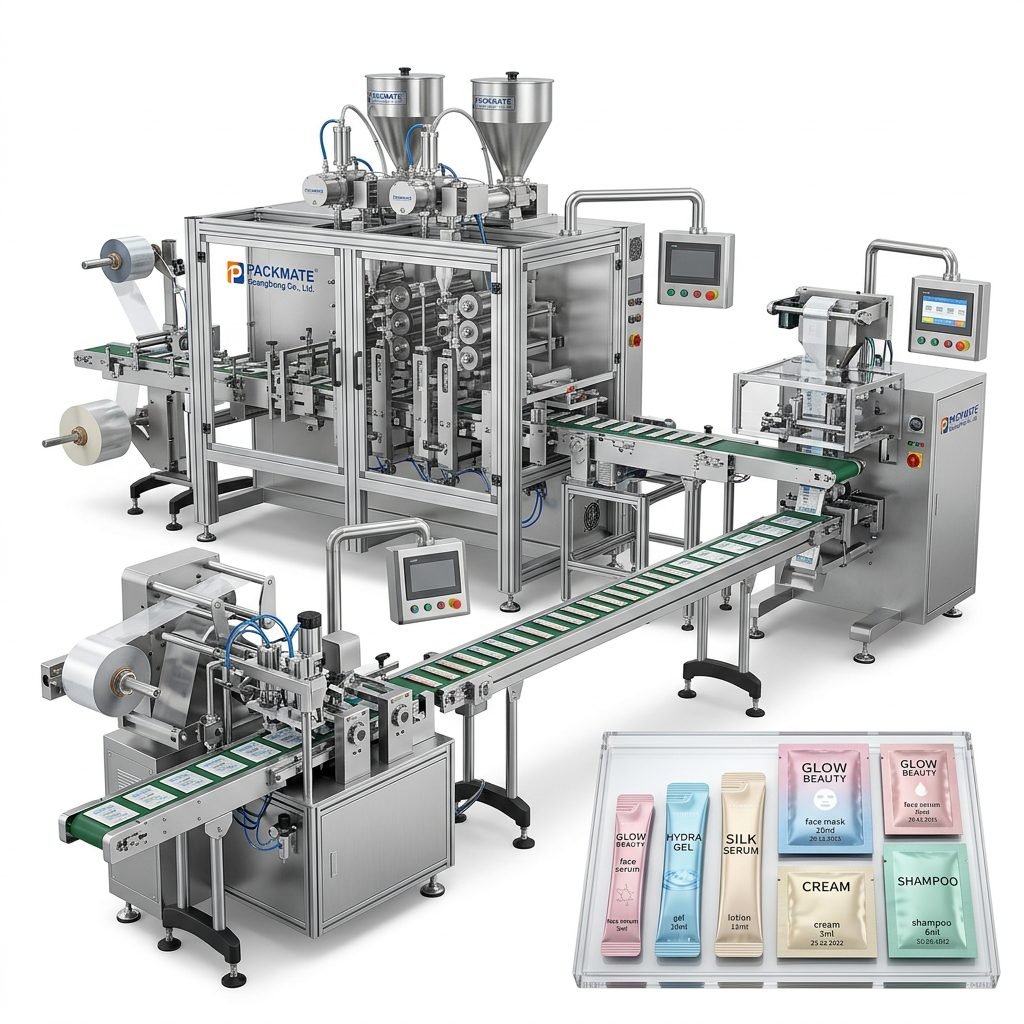
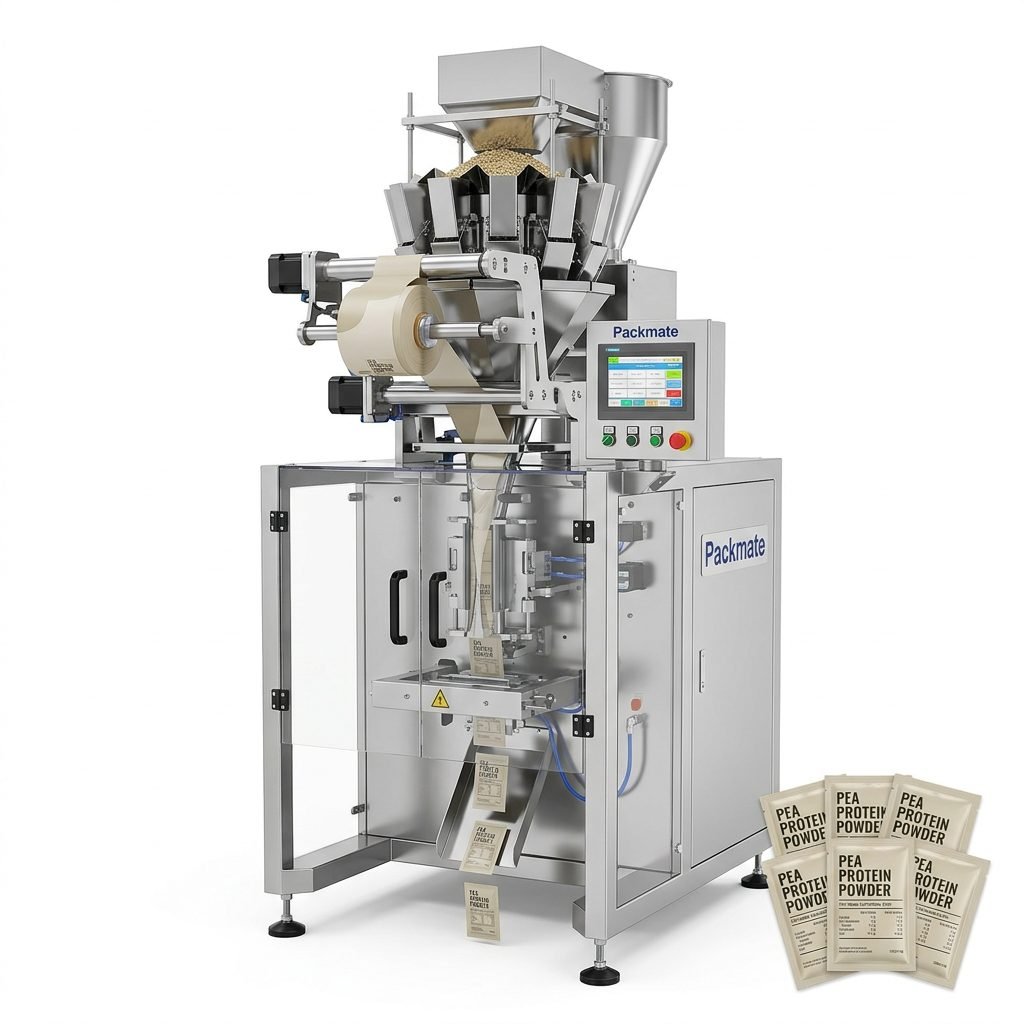
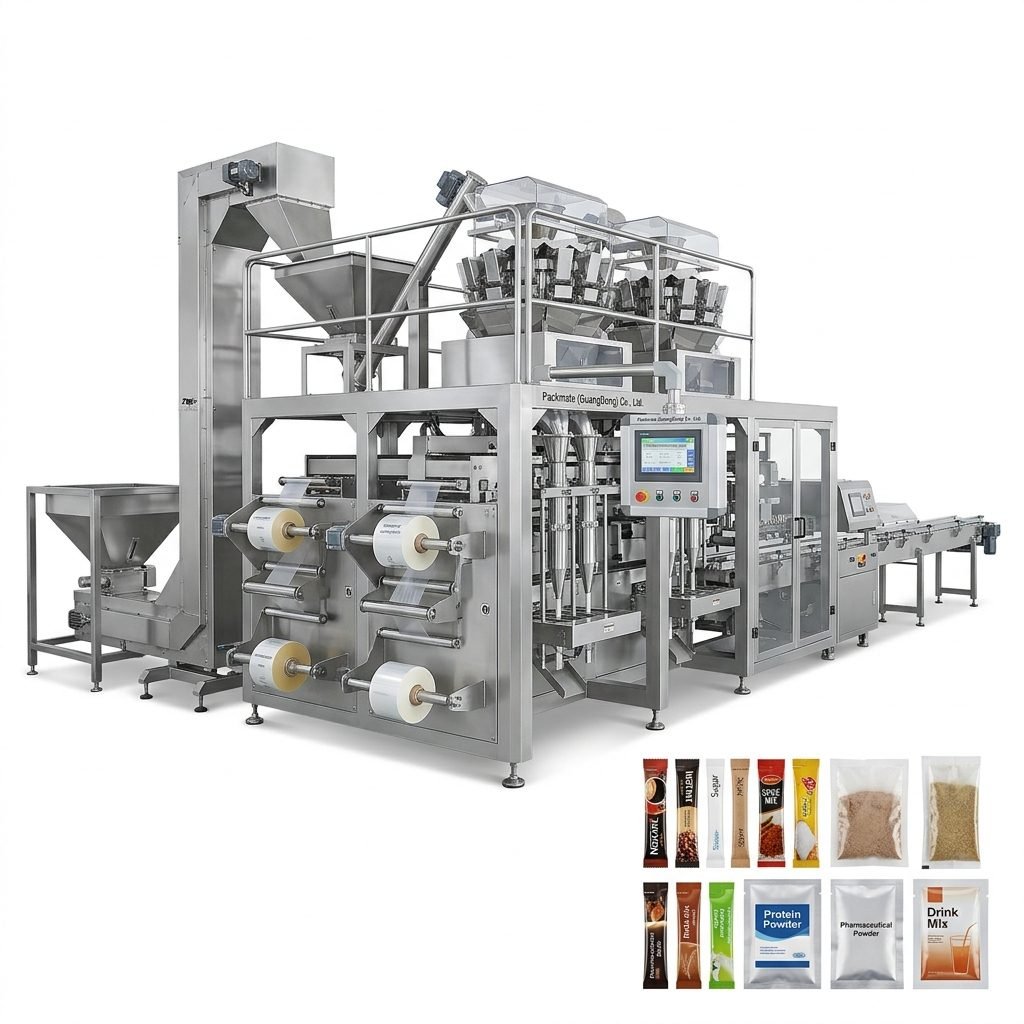
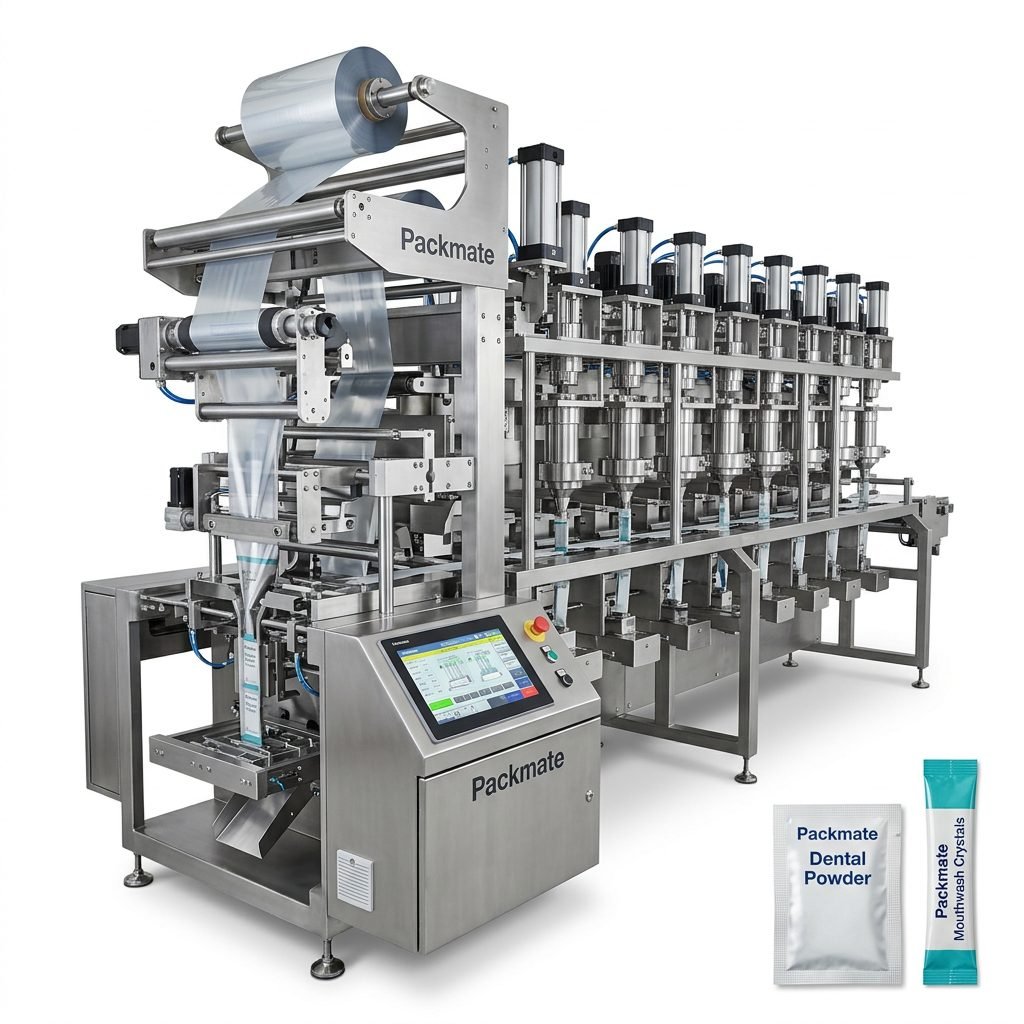
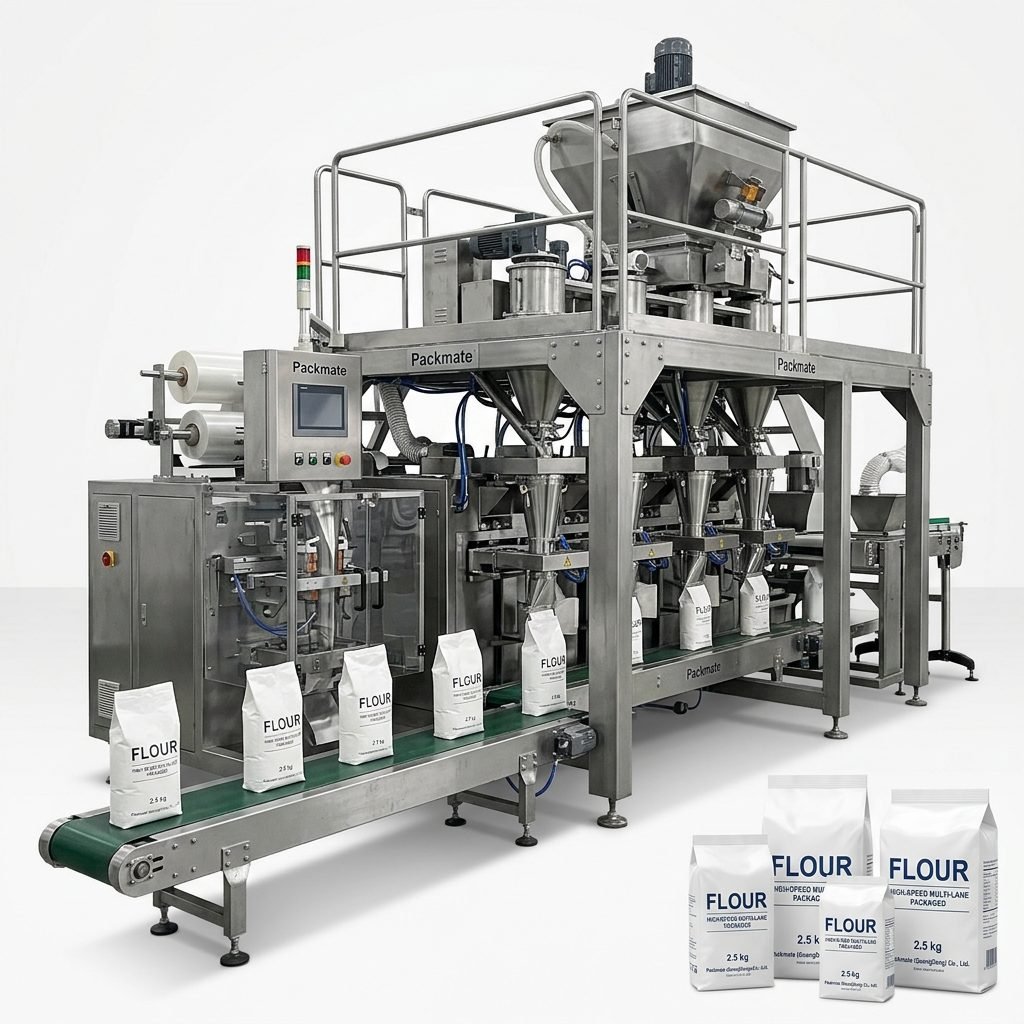
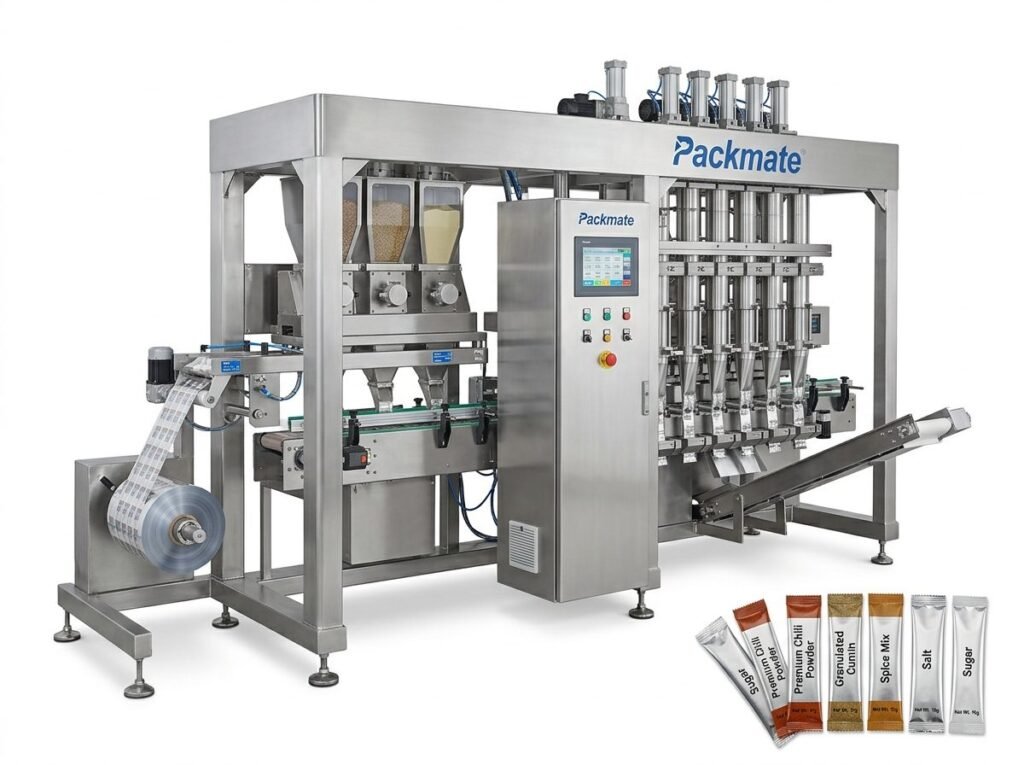
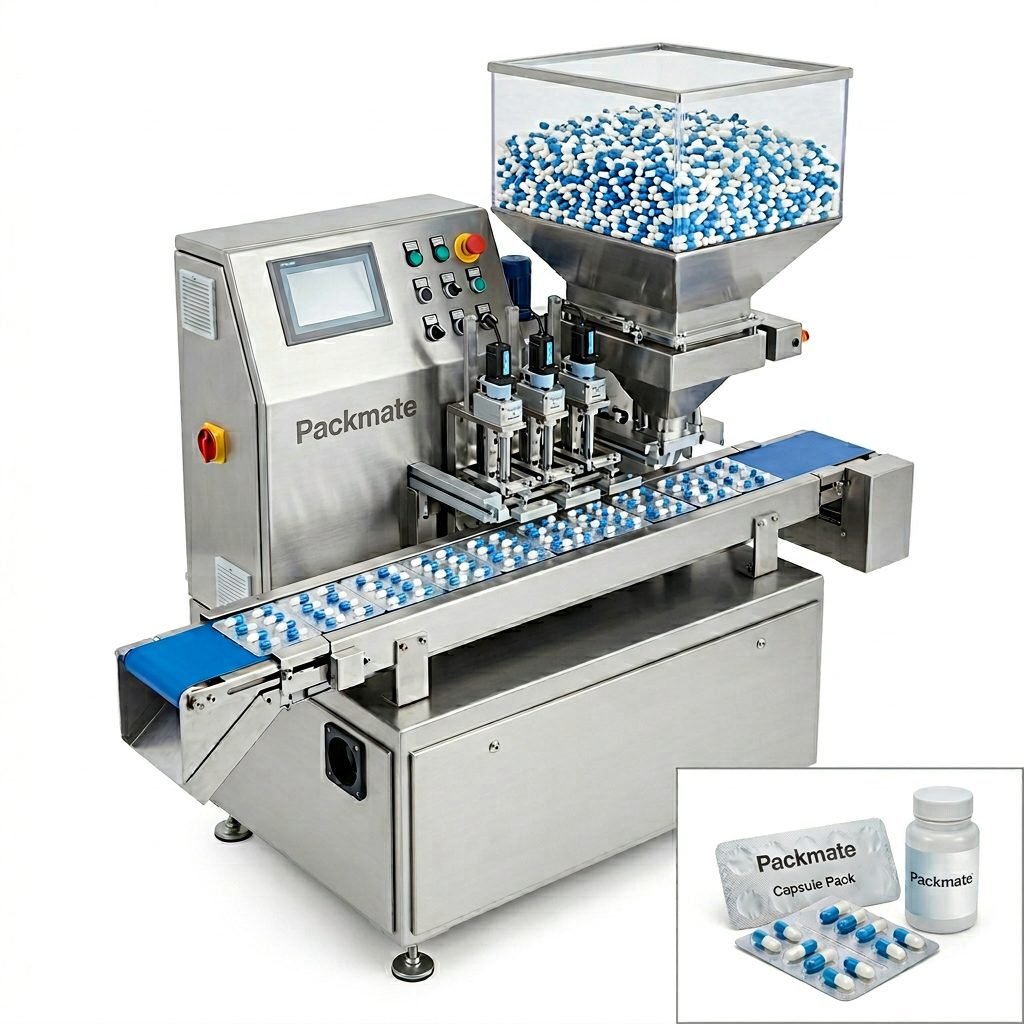
In today’s competitive manufacturing landscape, achieving peak efficiency, maintaining stringent hygiene standards, and ensuring product integrity from production to consumer are paramount. For industries where these factors are non-negotiable—such as food, pharmaceuticals, and health products—a fragmented or outdated packaging process can be a significant bottleneck. The solution lies in a holistic approach: Customized Packaging Line Integration. This concept moves beyond purchasing individual machines to implementing a seamless, intelligent, and fully coordinated production ecosystem.
What is a Turnkey Packaging Line Solution?
A turnkey solution represents the pinnacle of packaging engineering. It is a complete, ready-to-operate system delivered by a single provider. From initial concept and design to machine fabrication, installation, commissioning, and staff training, every aspect is handled. For manufacturers, this means walking into a facility where the entire line is installed, tested, and optimized for their specific product—ready to “turn the key” and begin production. This eliminates the complexity and risk of sourcing components from multiple vendors and ensures perfect harmony between every stage: filling, sealing, labeling, coding, and cartoning.
Core Advantage: The primary benefit is single-point accountability. Instead of dealing with multiple suppliers for troubleshooting, you have one dedicated partner responsible for the entire system’s performance, maintenance, and support.
The Critical Need Across Key Industries
The demand for integrated, hygienic, and precise packaging is universal, but the stakes and requirements vary significantly by sector.
1. Food & Beverage Industry
This sector demands speed, versatility, and uncompromising food safety. Lines must handle diverse products—from granular spices and powdered drink mixes to viscous sauces and oils—often requiring quick changeover capabilities. Integrated systems incorporate weight checkers, metal detectors, and gas flushing units for modified atmosphere packaging directly into the workflow, ensuring extended shelf life and consumer safety. Compliance with standards like HACCP and GMP is built into the design from the ground up.
2. Pharmaceutical Industry
Here, precision and traceability are life-critical. Packaging lines must operate in controlled environments, often meeting cGMP (current Good Manufacturing Practice) and FDA regulations. Integration ensures accurate dosing of powders or tablets into blister packs or sachets, with 100% inline verification systems to prevent errors. Serialization and aggregation capabilities are seamlessly woven in to meet track-and-trace mandates, providing a complete audit trail from the production batch to the individual saleable unit.
3. Health & Nutraceutical Products
Bridging food and pharma, this fast-growing sector requires the hygiene of pharmaceuticals and the consumer appeal of food packaging. Products like protein powders, vitamin supplements, and herbal extracts need protection from moisture and contaminants. Integrated lines offer precise filling of stick packs or sachets, nitrogen flushing for oxidation-sensitive products, and high-quality printing for brand differentiation. The ability to run smaller, agile batches for niche markets is a key advantage of a well-designed custom line.
The Integration Process: From Vision to Reality
Implementing a customized, turnkey line is a collaborative journey. Leading providers like Packmate (GuangDong) Co., Ltd. follow a structured, multi-phase approach to ensure success.
Phase 1: Deep-Dive Consultation & Analysis
Engineers work closely with your team to understand the product characteristics (flowability, hygroscopicity, density), desired output speed, packaging materials, and factory layout. This stage defines the project’s core specifications.
Phase 2: Customized Engineering & Design
Using the gathered data, a detailed line layout is created in CAD. Every conveyor length, machine interface, and safety guard is planned. The design prioritizes smooth product flow, easy access for maintenance, and operator safety.
Phase 3: Manufacturing & Factory Acceptance Testing (FAT)
Components are manufactured in a controlled environment, such as Packmate’s 20,000㎡ modern facility. Before shipment, the entire line is assembled and run at the provider’s factory for a FAT. Clients are invited to witness the test, run their own product samples, and approve performance.
Phase 4: Installation & Site Acceptance Testing (SAT)
Expert technicians oversee the installation at your plant, ensuring proper alignment and utility connections. After calibration, a comprehensive SAT is conducted with your materials in your environment to guarantee all contractual performance metrics are met.
Phase 5: Training & Ongoing Support
Comprehensive training is provided for operators, mechanics, and line supervisors. A robust after-sales service plan, including readily available spare parts and remote diagnostics, ensures long-term reliability and uptime. Explore our commitment to customer success on our Service page.
Tangible Benefits of a Fully Integrated System
Investing in a turnkey integrated line delivers a compelling return on investment through multiple channels:
Maximized Operational Efficiency: Synchronized machines eliminate bottlenecks. Automated transfer systems reduce manual handling, increasing line speed (OEE) and consistent output.
Enhanced Product Quality & Safety: Inline checkweighers, vision systems, and metal detectors inspect 100% of output, drastically reducing the risk of non-conforming products reaching the market.
Reduced Total Cost of Ownership (TCO): While the initial investment may be higher, savings accrue from lower labor costs, minimized product waste, reduced downtime from compatibility issues, and streamlined maintenance from a single supplier.
Unmatched Scalability & Flexibility: A well-designed system is modular. As your business grows, you can add lanes, new modules (e.g., a robotic palletizer), or integrate with upstream processes like mixing or blending. View examples of scalable packaging solutions here.
Future-Proofing Your Investment: Integrated lines are built with Industry 4.0 readiness in mind. They feature standardized communication protocols (OPC UA, Ethernet/IP) for easy connection to Manufacturing Execution Systems (MES) and the Internet of Things (IoT) for predictive maintenance and data analytics.
Choosing the Right Integration Partner
The success of your turnkey project hinges on the capability and experience of your provider. Key selection criteria include:
- Proven Industry Experience: Look for a partner with a documented history in your specific sector (food, pharma, etc.). Their project portfolio and case studies are the best evidence.
- In-House Engineering & Manufacturing: Control over the entire manufacturing process, from machining to software, ensures quality consistency and faster response times for custom modifications.
- Comprehensive Service Network: Ensure they offer global support, training, and a reliable spare parts supply chain to minimize potential downtime.
- Commitment to Innovation: The partner should actively invest in R&D to offer the latest in automation, hygienic design, and sustainable packaging technologies.
With over 22 years of company development and a team of more than 125 professional members, Packmate embodies these principles, delivering reliable, intelligent packaging lines from its advanced facility in the heart of China’s manufacturing hub.
Frequently Asked Questions (FAQs)
Q1: How long does it typically take to design and install a complete turnkey packaging line?
A: The timeline varies significantly based on complexity and customization. A standard line might take 4-6 months from order to commissioning, while a highly complex, fully validated pharmaceutical line could take 9-12 months. The process includes design, manufacturing, FAT, shipping, and SAT.
Q2: Can an integrated line handle multiple different products or package sizes?
A: Absolutely. Modern integrated lines are designed for flexibility. Quick-changeover features, such as tool-less part swaps and recipe-driven PLC controls, allow for efficient switching between different products, formats, and materials, making them ideal for contract packagers or brands with diverse portfolios.
Q3: What kind of after-sales support should I expect?
A: A reputable provider offers comprehensive support: detailed documentation (manuals, schematics), on-site training for your team, a warranty period, access to a 24/7 technical support hotline, remote diagnostics, and a readily available inventory of critical spare parts to ensure maximum uptime.
Q4: How does a turnkey solution address regulatory compliance (e.g., FDA, cGMP)?
A: The provider designs the line with compliance in mind. This includes using compliant materials (e.g., stainless steel 316L), designing for cleanability, incorporating necessary documentation protocols (DQ, IQ, OQ, PQ), and integrating mandatory safety and inspection systems. They guide you through the validation process.
Q5: Is a turnkey line a cost-effective solution for small to medium-sized enterprises (SMEs)?
A: Yes, it can be. While the upfront cost is a consideration, the long-term TCO is often lower for SMEs. It eliminates hidden costs of multi-vendor management, reduces operational waste, improves quality to protect brand reputation, and provides a scalable platform for growth. Many providers offer modular solutions that can start at a core capacity and expand later. For more FAQs, visit our dedicated FAQ resource page.