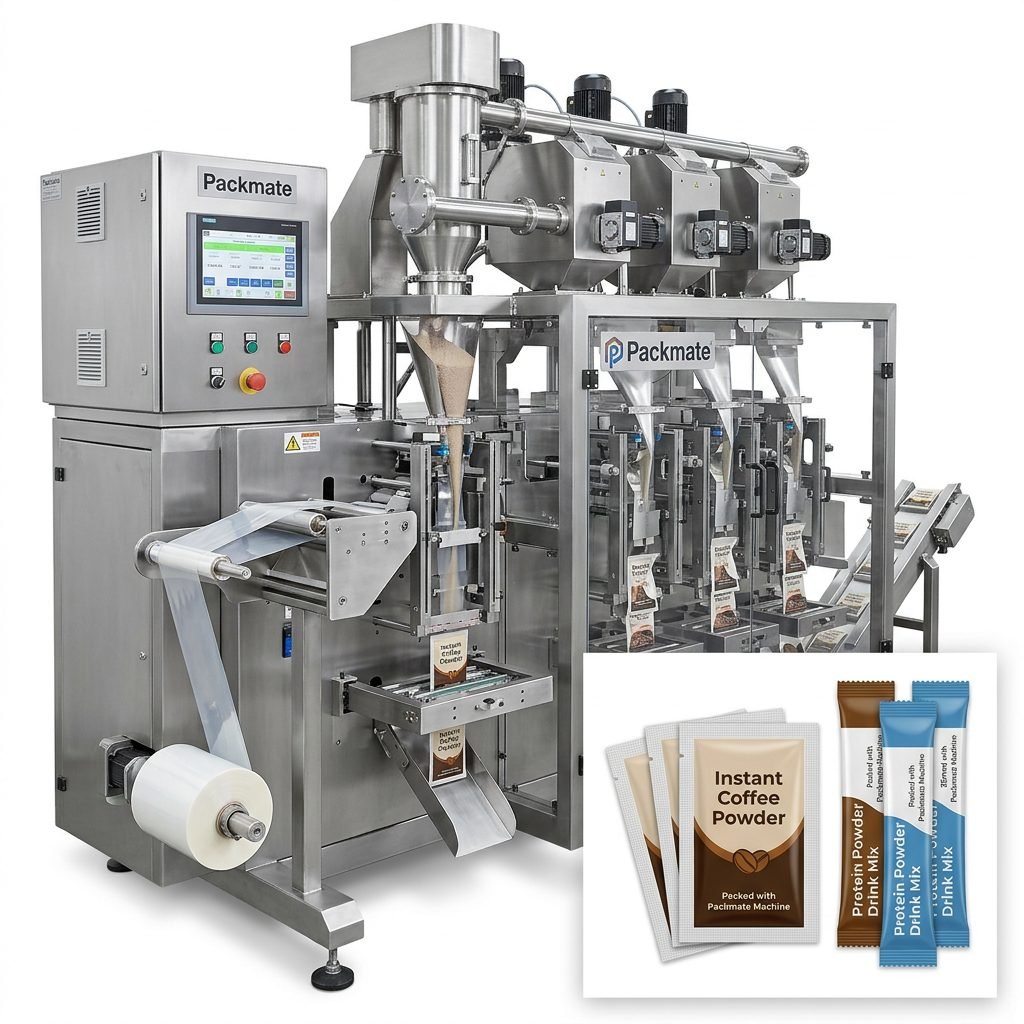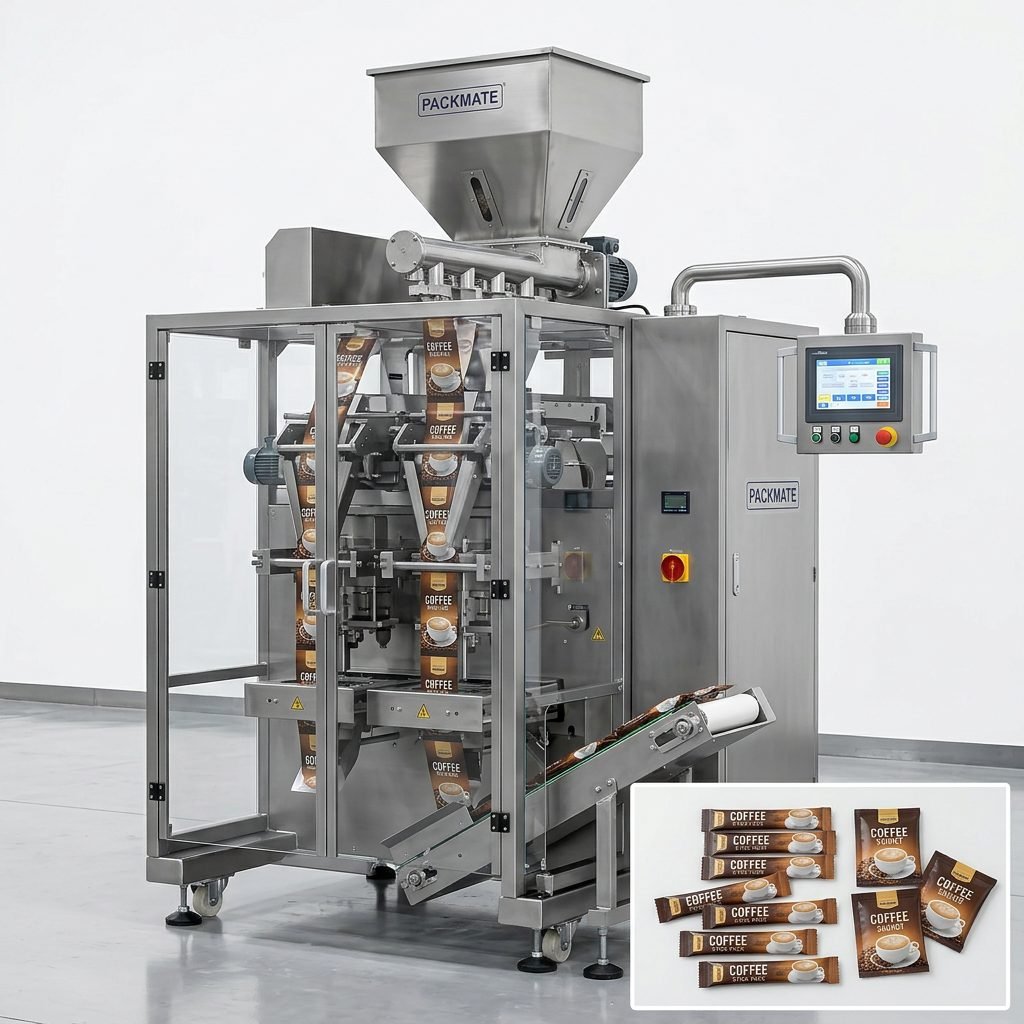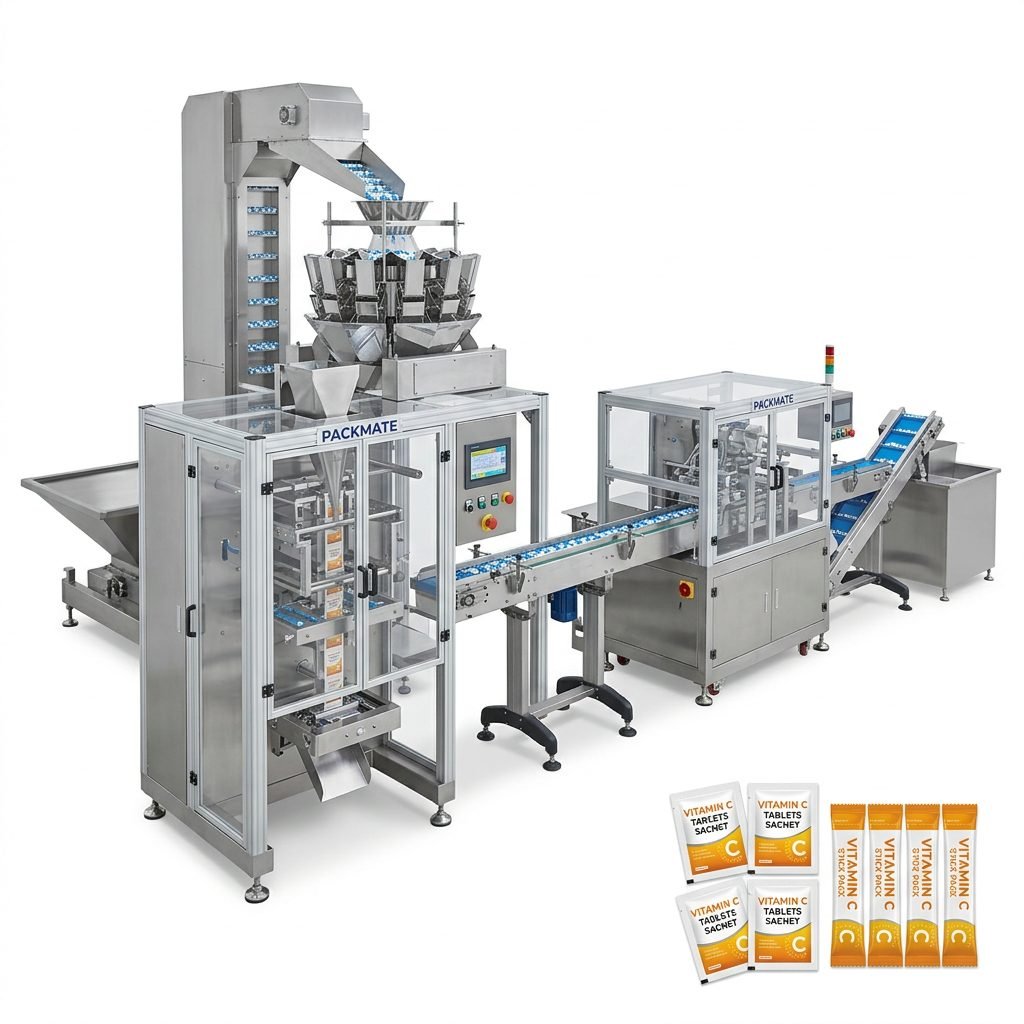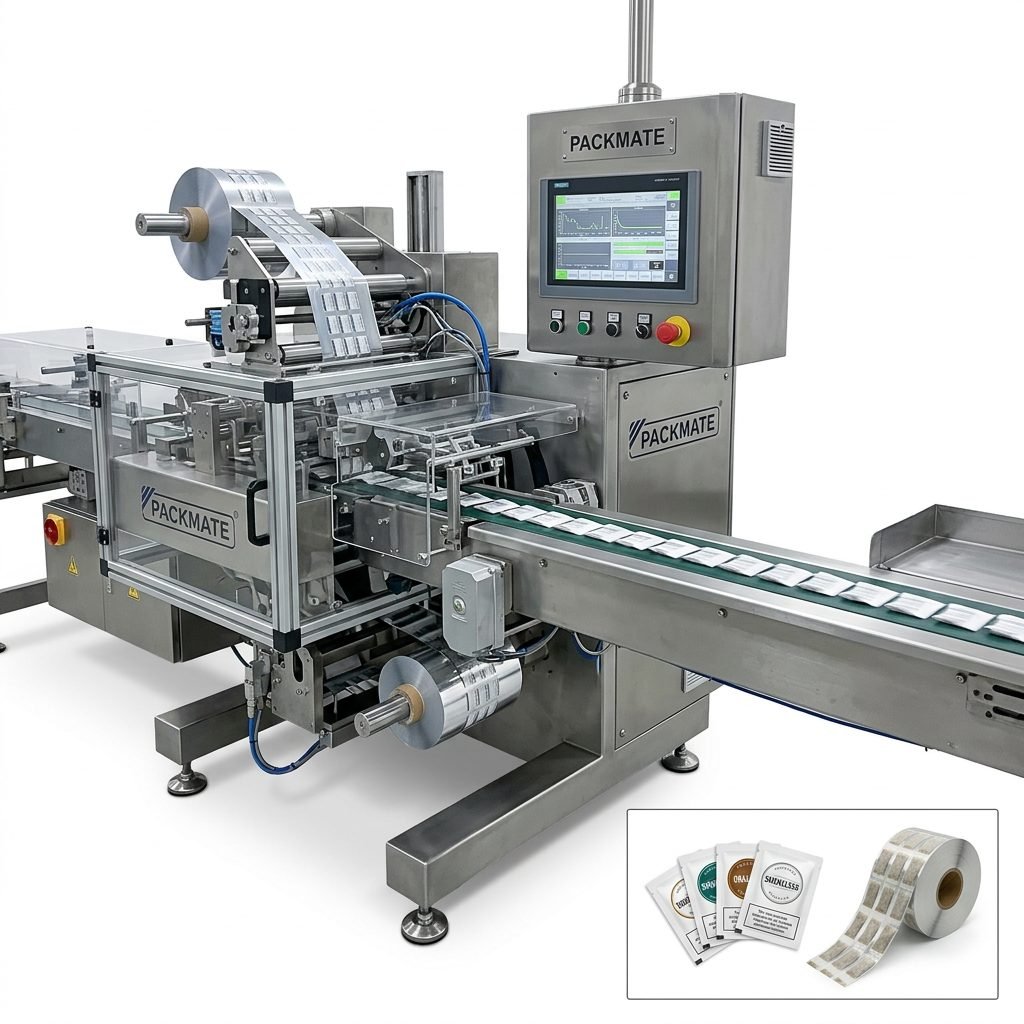
In the competitive world of bakery production, efficiency is not just a goal; it’s the foundation of profitability and growth. A key bottleneck in many operations is the final packaging stage, where speed, accuracy, and cost-effectiveness converge. For bakeries looking to scale without scaling their overheads disproportionately, the implementation of a Low Cost Bread Dual Splice Packaging Line presents a transformative solution. This system is engineered to streamline the wrapping and sealing of bread loaves, buns, and rolls with remarkable efficiency, directly addressing the core needs of modern, high-volume bakery environments.
Understanding the Dual Splice Packaging Mechanism
At the heart of this system lies the innovative “dual splice” technology. Unlike traditional single-web systems that can halt production during a film roll change, a dual splice line utilizes two separate rolls of packaging film. The system is intelligent enough to seamlessly splice the end of one expiring roll to the beginning of the new one without stopping the production flow. This continuous operation is the cornerstone of its efficiency, eliminating downtime and maintaining a consistent, high-speed output that single-web machines simply cannot match.
Core Advantages of the Dual Splice Design:
- Zero Production Stops: Automated roll change ensures the packaging line runs continuously, maximizing machine uptime and throughput.
- Reduced Film Waste: Precise splicing technology minimizes film tail loss compared to manual roll changes, contributing to material cost savings.
- Consistent Seal Quality: Uninterrupted film feed leads to stable temperature and pressure at the sealing jaws, producing uniform and reliable seals on every package.
- Operator Safety & Convenience: Removes the need for manual intervention during high-speed operation, reducing the risk of accidents and allowing staff to focus on quality monitoring.
Why “Low Cost” is a Strategic Advantage, Not a Compromise
The term “low cost” in this context refers to the total cost of ownership over the machine’s lifecycle, not merely its initial purchase price. A well-designed dual splice line from a reputable provider like Packmate is an investment that pays for itself through operational savings. The primary cost benefits are realized in three key areas:
1. Dramatically Lower Labor Costs
Automation is the ultimate labor multiplier. One dual splice packaging line can handle the output that would otherwise require multiple operators on semi-automatic machines. It performs feeding, wrapping, sealing, and coding with minimal human supervision, allowing you to reallocate your skilled workforce to more value-added tasks like quality control or product development.
2. Significant Reduction in Material Waste
Beyond the film savings from efficient splicing, these lines are often equipped with advanced servo-driven film feed systems. This allows for precise film length control per product, cutting down on excess packaging material. When multiplied by thousands of packages per day, the reduction in film usage translates into substantial direct savings on consumables.
3. Maximized Energy and Maintenance Efficiency
Modern low-cost lines are built with energy-efficient servo motors and optimized thermal management for sealing jaws. This reduces power consumption. Furthermore, their robust design and use of quality components, as seen in the comprehensive solutions offered by industry leaders, mean fewer breakdowns and lower long-term maintenance costs, ensuring your bakery runs smoothly shift after shift.
Key Features to Look for in an Efficient Bakery Packaging Line
When evaluating a Low Cost Bread Dual Splice Packaging Line, several features are non-negotiable for achieving true bakery production efficiency.
🔄 Flexible Product Handling
The line should accommodate a wide range of bakery products—from soft sandwich loaves to crusty artisan bread and various bun sizes—with quick changeover capabilities. Adjustable guides, forming boxes, and sealing heads are essential for versatility.
⚙️ Robust & Hygienic Construction
Stainless steel contact parts and easy-to-clean surfaces are mandatory for food safety compliance. The mechanical structure must be durable to withstand the demanding 24/7 environment of a high-output bakery.
📊 Integrated Smart Controls
A user-friendly PLC (Programmable Logic Controller) touchscreen interface allows for easy parameter setting, production speed adjustment, and provides valuable operational data. Diagnostic alerts help in proactive maintenance, preventing minor issues from becoming major stoppages.
🎯 Precision Sealing & Coding
Consistent, airtight seals are critical for product freshness. Look for temperature-controlled sealing jaws with even heat distribution. An integrated date/batch coder, either inkjet or thermal, is a vital component for traceability and compliance.
Transforming Bakery Output: A Real-World Impact Scenario
Consider a mid-sized bakery producing 10,000 bread units per 8-hour shift using manual or semi-automatic wrapping. Downtime for film changes, inconsistent seals, and high labor dependency likely cap their efficiency. By integrating a dual splice line, they can achieve:
- Output Increase: Potential to increase output by 30-50% due to continuous operation and higher machine speeds.
- Labor Reallocation: Reduce direct packaging labor by 2-3 persons per shift, saving significant costs annually.
- Waste Reduction: Cut packaging film waste by approximately 5-10%, directly improving the bottom line.
- Enhanced Brand Image: Produce packages with professional, consistent seals and clear coding, boosting product presentation on the shelf.
Exploring real-world case studies from providers can offer concrete evidence of these transformative results.
Making the Right Investment: Partnering with an Expert
Choosing the right equipment partner is as crucial as selecting the technology itself. A partner with deep industry experience, like Packmate Packaging Line, brings more than just a machine. They offer a complete solution—from understanding your specific product mix and volume requirements to providing installation, training, and reliable after-sales service. Look for a manufacturer with a proven track record, transparent communication about machine capabilities, and a commitment to your long-term productivity, ensuring your investment in a low-cost dual splice line delivers maximum return for years to come.
Frequently Asked Questions (FAQs)
1. What is the main difference between a single-web and a dual splice packaging line?
The core difference is continuity. A single-web line must stop completely to change the exhausted roll of packaging film, causing production downtime. A dual splice line has two film rolls and an automatic splicing mechanism that joins the new roll to the old one without stopping the machine, ensuring uninterrupted, efficient production.
2. Can a dual splice line handle different types of bread and sizes?
Yes, most modern dual splice lines are designed for flexibility. They feature adjustable forming boxes, guides, and sealing heads that allow for relatively quick changeovers between different product types and sizes, such as from a standard loaf to hamburger buns, minimizing setup time between production runs.
3. Is the “low cost” aspect reflected in the machine’s build quality and durability?
Not necessarily. “Low cost” here refers to the total operational cost savings the machine generates. A reputable manufacturer builds these lines with high-quality, durable components (like stainless steel and industrial-grade servos) to ensure reliability and a long service life. The “low cost” is achieved through the machine’s efficiency in saving labor, reducing waste, and preventing costly downtime.
4. How difficult is it to operate and maintain this type of automated line?
These lines are designed for user-friendly operation. They are controlled via an intuitive touchscreen PLC interface. Comprehensive training is always provided by the supplier. Maintenance typically involves routine cleaning, lubrication, and inspection of wear parts, with clear manuals and often remote support available from the manufacturer to guide your team.
5. What kind of after-sales support should I expect from the supplier?
You should expect robust support including detailed installation supervision, thorough operator and maintenance training, a clear warranty period, availability of spare parts, and access to technical support (often via phone, email, or remote diagnostics). A reliable supplier partners with you for the long term to ensure your line remains productive.