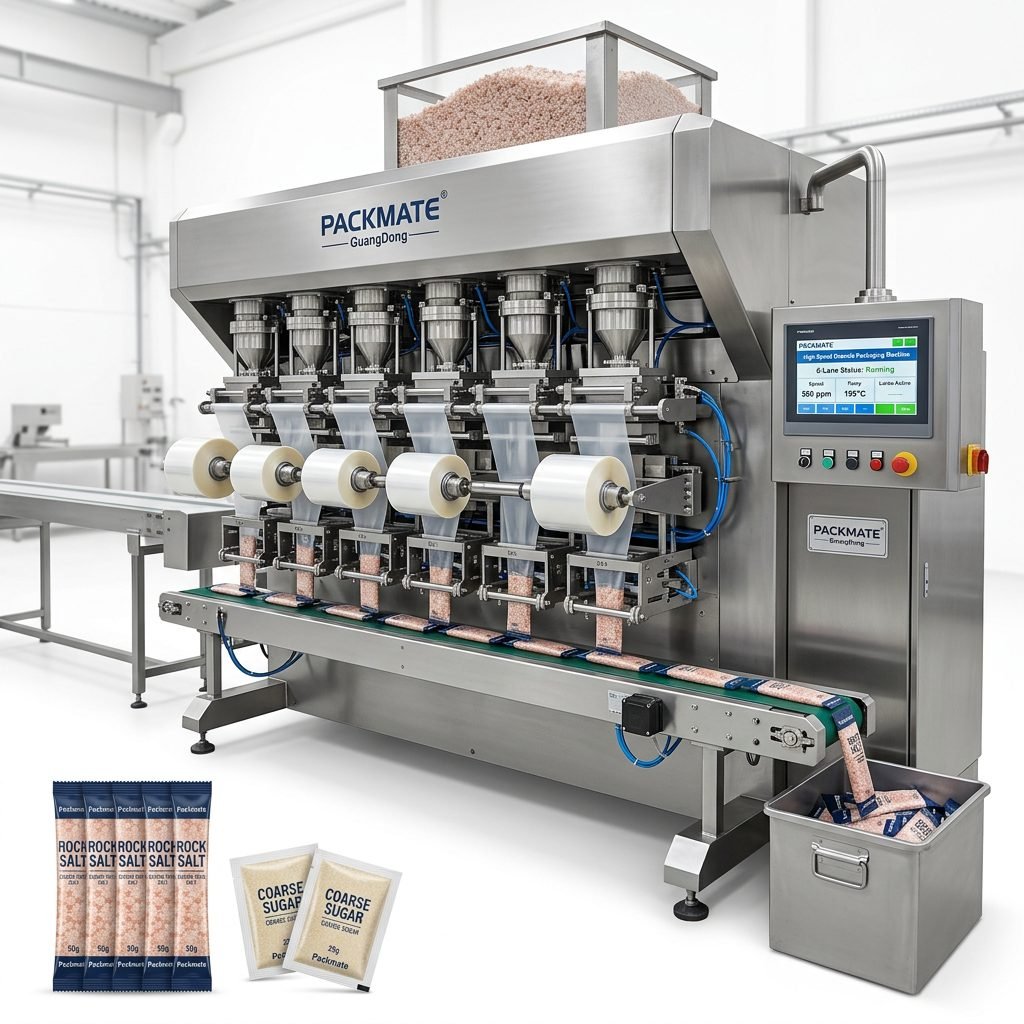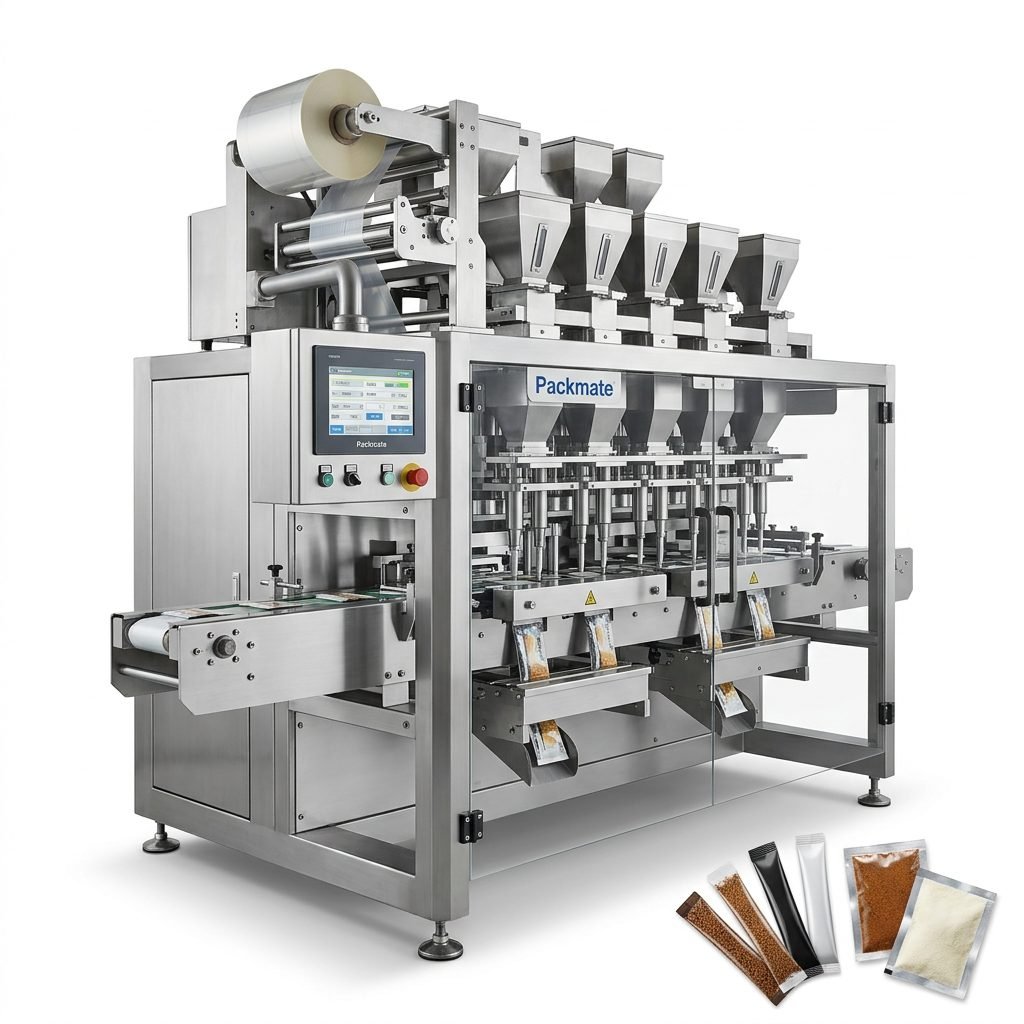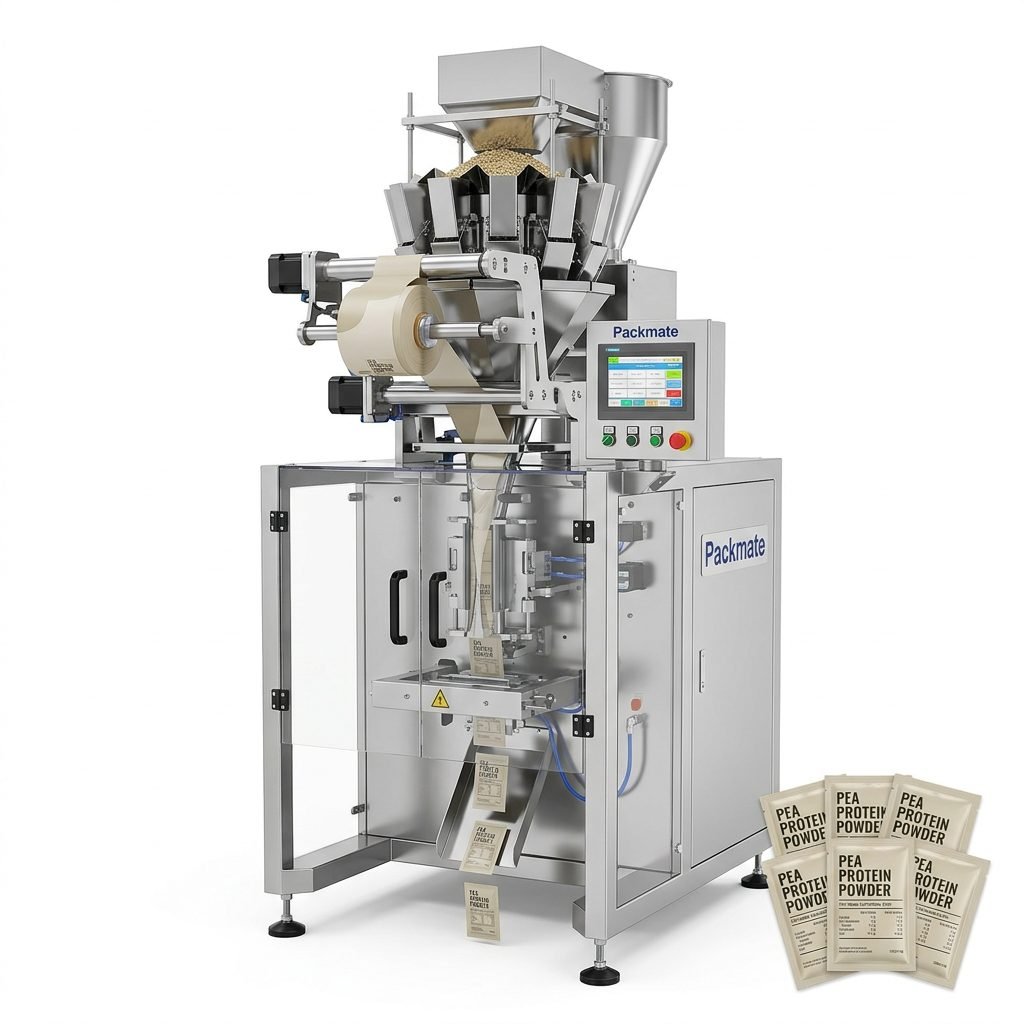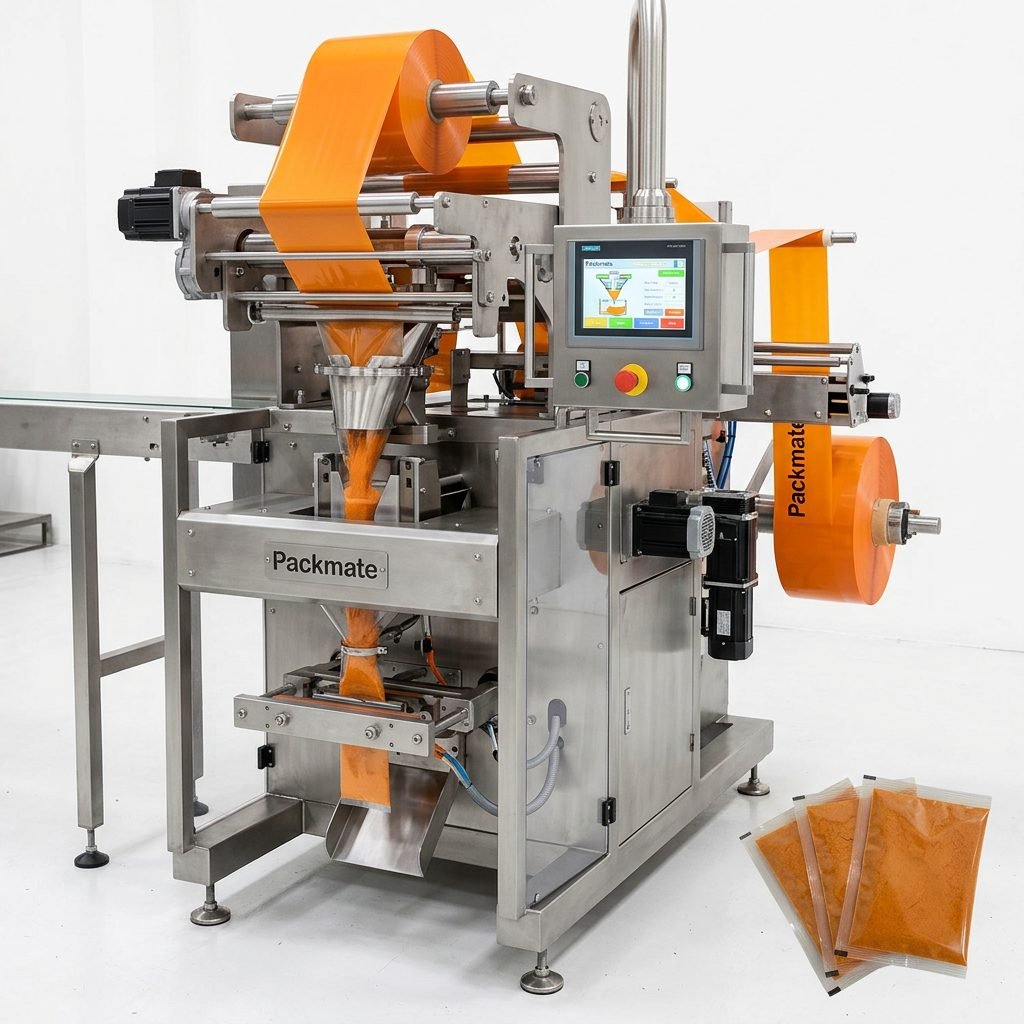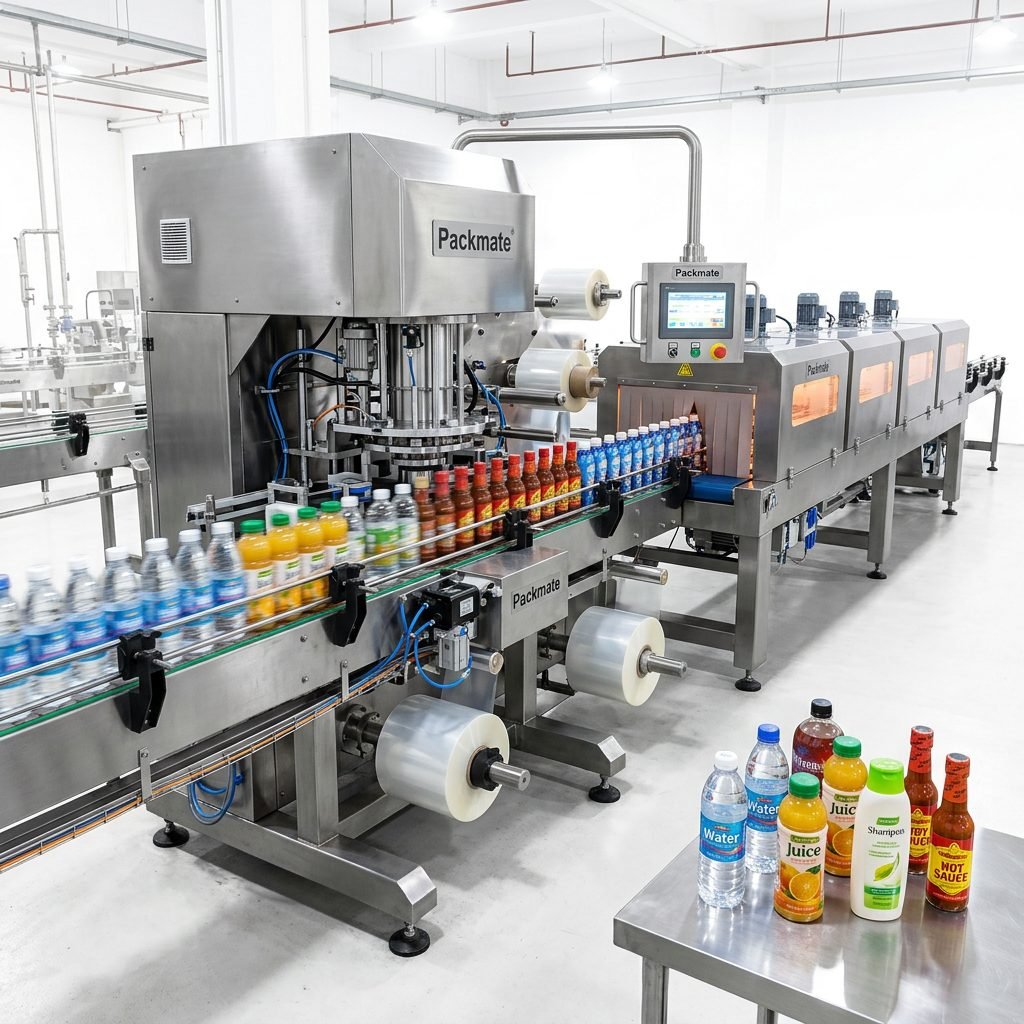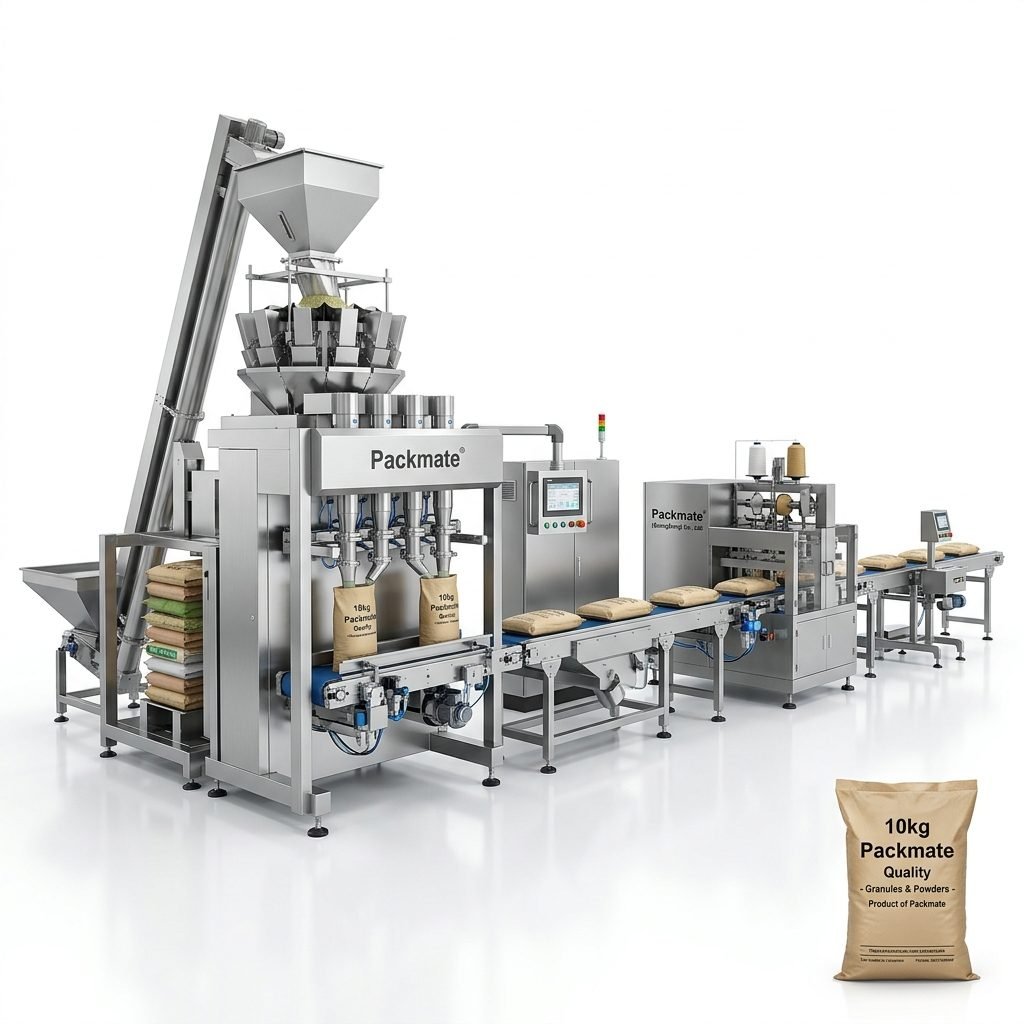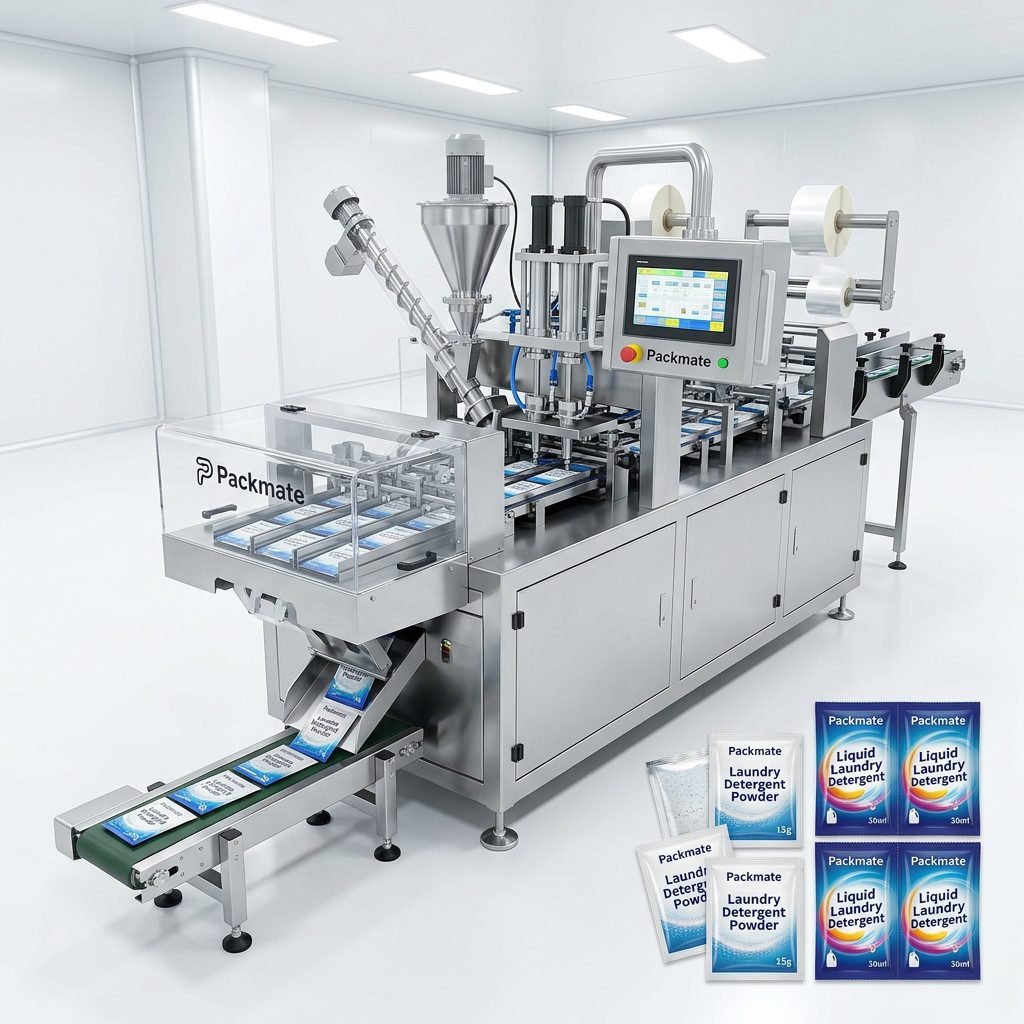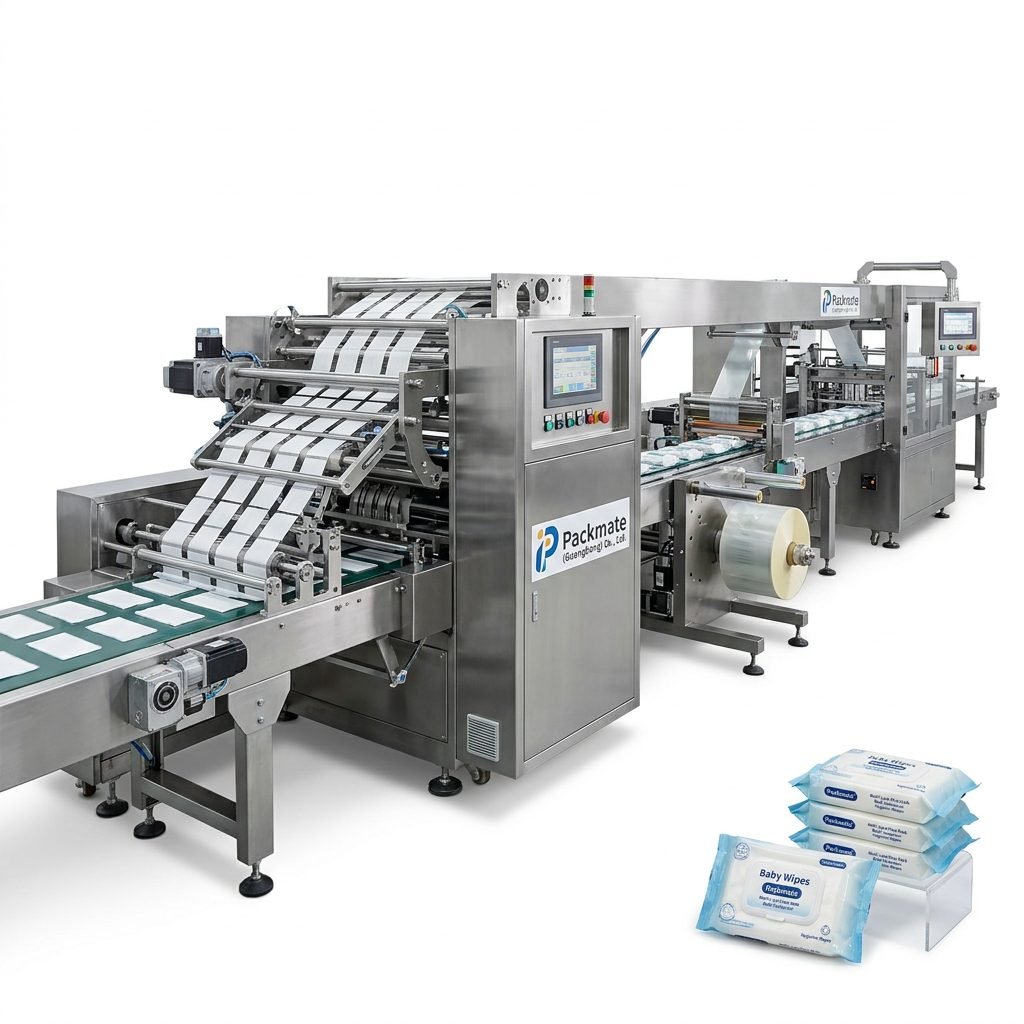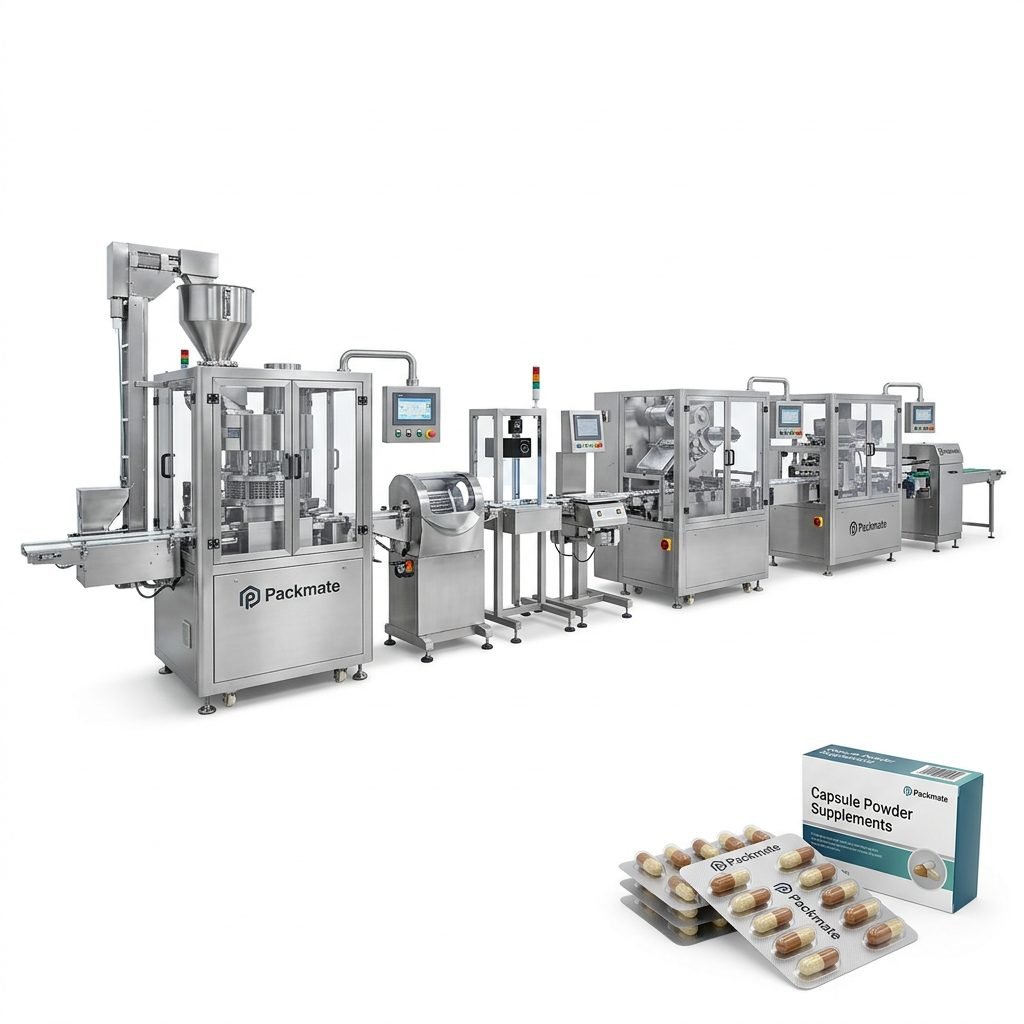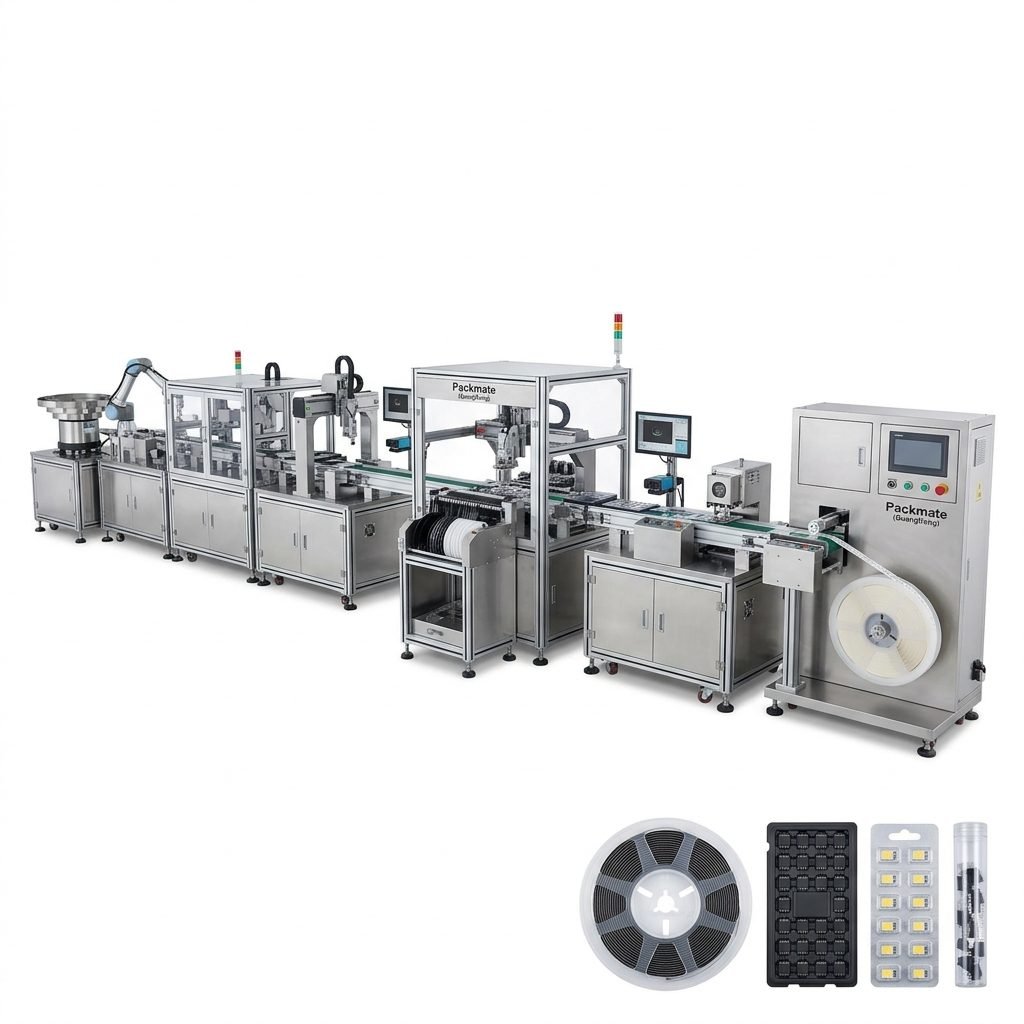
In today’s fast-paced food industry, efficiency, hygiene, and scalability are not just advantages—they are necessities. For food manufacturers looking to stay competitive, the transition from manual or semi-automated processes to a fully integrated, turnkey automated packaging line is a strategic imperative. These comprehensive systems are engineered to handle the entire packaging workflow for prepared foods—from filling and sealing to labeling and palletizing—with minimal human intervention, ensuring consistent quality, reducing operational costs, and maximizing throughput.
The Core Components of a Turnkey Prepared Foods Packaging Line
A complete turnkey solution is more than a collection of machines; it is a synchronized ecosystem. The journey typically begins with product handling and feeding systems, which gently transport delicate prepared items like salads, entrees, or snacks to the packaging stage. This is followed by precision filling equipment, crucial for maintaining portion control and reducing giveaway, whether dealing with viscous sauces, solid meals, or loose granules.
Sealing & Forming: The Heart of Preservation
The sealing station is where product safety and shelf life are secured. Advanced systems utilize modified atmosphere packaging (MAP) technology, which flushes air from the package and replaces it with a protective gas mixture. This process dramatically extends freshness, a critical factor for prepared meals and salads. The forming and sealing machines must be versatile, capable of handling various film types and package styles, from rigid trays to flexible pouches.
Downstream, the line integrates checkweighers to ensure every package meets strict weight regulations, and metal detectors or X-ray systems for contaminant screening. Finally, automated cartoning, case packing, and palletizing robots prepare the finished goods for shipment. The true power of a turnkey system lies in the seamless integration of these modules via a centralized Programmable Logic Controller (PLC), allowing for real-time monitoring, data collection, and quick changeovers between different product runs.
Key Benefits Driving Adoption in Food Manufacturing
The investment in an automated packaging line delivers a compelling return across multiple dimensions of a manufacturing business.
1. Unmatched Efficiency and Scalability
Automated systems operate continuously at high speeds, significantly outpacing manual labor. They eliminate bottlenecks and enable food producers to scale up production to meet market demands or seasonal peaks without a proportional increase in labor costs. This scalability is essential for businesses looking to expand their market reach or product lines.
2. Enhanced Product Safety and Consistency
Human contact with food products is minimized, reducing the risk of contamination. Every package is sealed with identical parameters, and every weight is checked with precision. This robotic consistency ensures that every item leaving your facility meets the highest standards of quality and safety, protecting your brand reputation and ensuring compliance with stringent global food safety regulations like FSMA, BRC, or IFS. For a deeper look at how safety is engineered into our systems, explore our dedicated Packaging Solutions.
3. Significant Reduction in Operational Costs
While the initial capital outlay is substantial, the long-term savings are profound. Automation reduces labor costs, minimizes material waste through precise filling, and decreases product giveaway. Furthermore, the reduction in human error leads to less rework and product loss. The overall equipment effectiveness (OEE) of the production line increases, directly improving the bottom line.
The Packmate Advantage: From Vision to Reality
For over 22 years, Packmate (GuangDong) Co., Ltd. has specialized in transforming the packaging challenges of food manufacturers into efficient, reliable solutions. Our story began in a small workshop, driven by a founder’s passion for automation. Today, from our 20,000㎡ modern facility, we design and deliver intelligent, turnkey lines specifically for prepared foods. Our expertise spans over 50 machine models, integrating multi-lane stick pack, sachet, and large-bag packaging technologies into cohesive systems. We don’t just sell machines; we provide a partnership, ensuring your packaging line is a catalyst for growth. Learn more about our journey and ethos on our About Us page.
Critical Considerations for Implementation
Selecting the right partner and system requires careful planning. First, a thorough analysis of your current and future product portfolio is essential. The line must be flexible enough to handle different package sizes, shapes, and materials. Secondly, factory layout and footprint are crucial; a good supplier will conduct a detailed site assessment. Third, consider the level of after-sales support, including training, spare parts availability, and remote technical assistance. Reviewing real-world case studies from similar food manufacturers can provide invaluable insights.
Future-Proofing with Industry 4.0
The next generation of packaging lines is connected and smart. Look for systems with IoT-enabled sensors that provide predictive maintenance alerts, preventing unplanned downtime. Data analytics dashboards can offer deep insights into production efficiency, material usage, and energy consumption, enabling continuous optimization. Investing in a system with this digital infrastructure prepares your operation for the evolving demands of smart manufacturing.
Ultimately, implementing a turnkey automated packaging line is a strategic decision that positions a prepared foods manufacturer for long-term success. It is an investment in brand integrity, operational excellence, and market agility. By automating the final, critical step in production, companies can ensure their products are delivered to consumers with the same care, quality, and freshness with which they were made.
Frequently Asked Questions (FAQs)
1. What is the typical lead time for a complete turnkey packaging line?
The lead time varies significantly based on the line’s complexity, customization level, and current production schedules. A standard, pre-engineered system may be delivered in 3-6 months, while a highly customized solution for unique products can take 6-12 months or more. A detailed project timeline is established during the initial consultation and planning phase.
2. How do you ensure the line will work with our specific prepared food product?
Reputable suppliers conduct extensive product testing. We typically request samples of your product and packaging materials to run trials in our facility. This allows us to test filling accuracy, sealing integrity, and overall line performance, making necessary adjustments before the system is built and installed at your site.
4. What kind of training and support is provided after installation?
Comprehensive training for your operators, technicians, and maintenance staff is a critical part of the project. This includes classroom instruction and hands-on training during commissioning. Support extends beyond installation with detailed manuals, online resources, readily available spare parts, and access to technical support teams for troubleshooting. Discover our full commitment to client success on our Service page.
5. Can the system be integrated with our existing production or ERP software?
Yes, modern automated lines are designed for integration. Through standard communication protocols (like OPC UA, Modbus TCP), the packaging line’s PLC can exchange data with upstream processing equipment and factory-level Manufacturing Execution Systems (MES) or ERP software. This provides end-to-end production visibility and traceability.