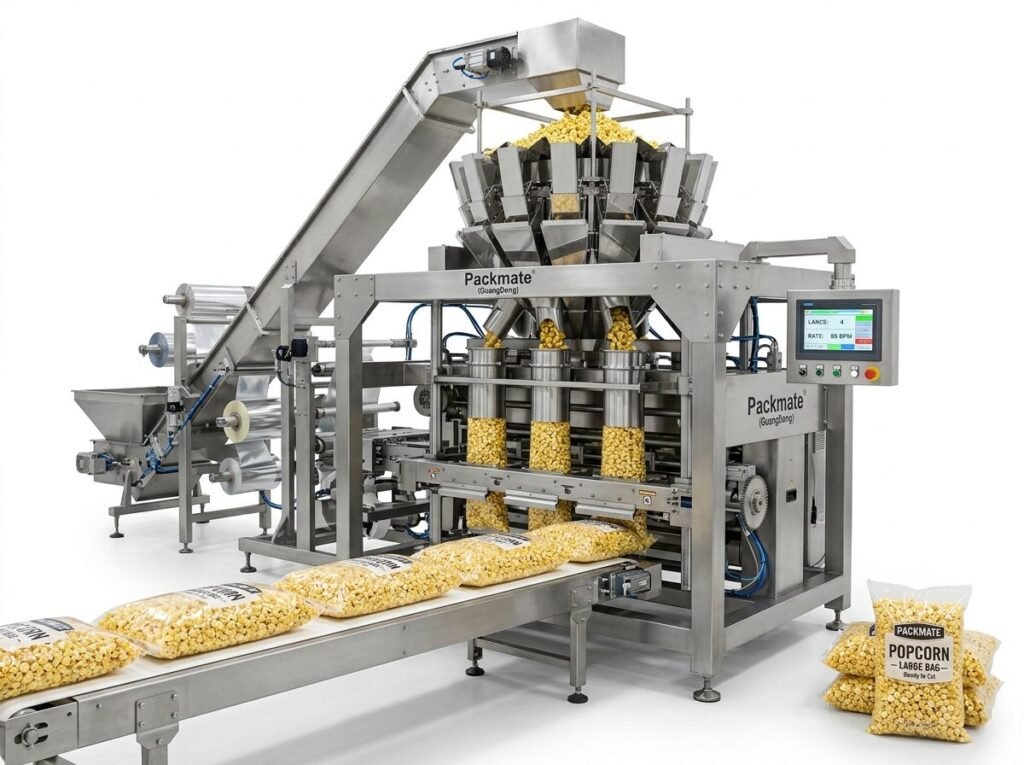
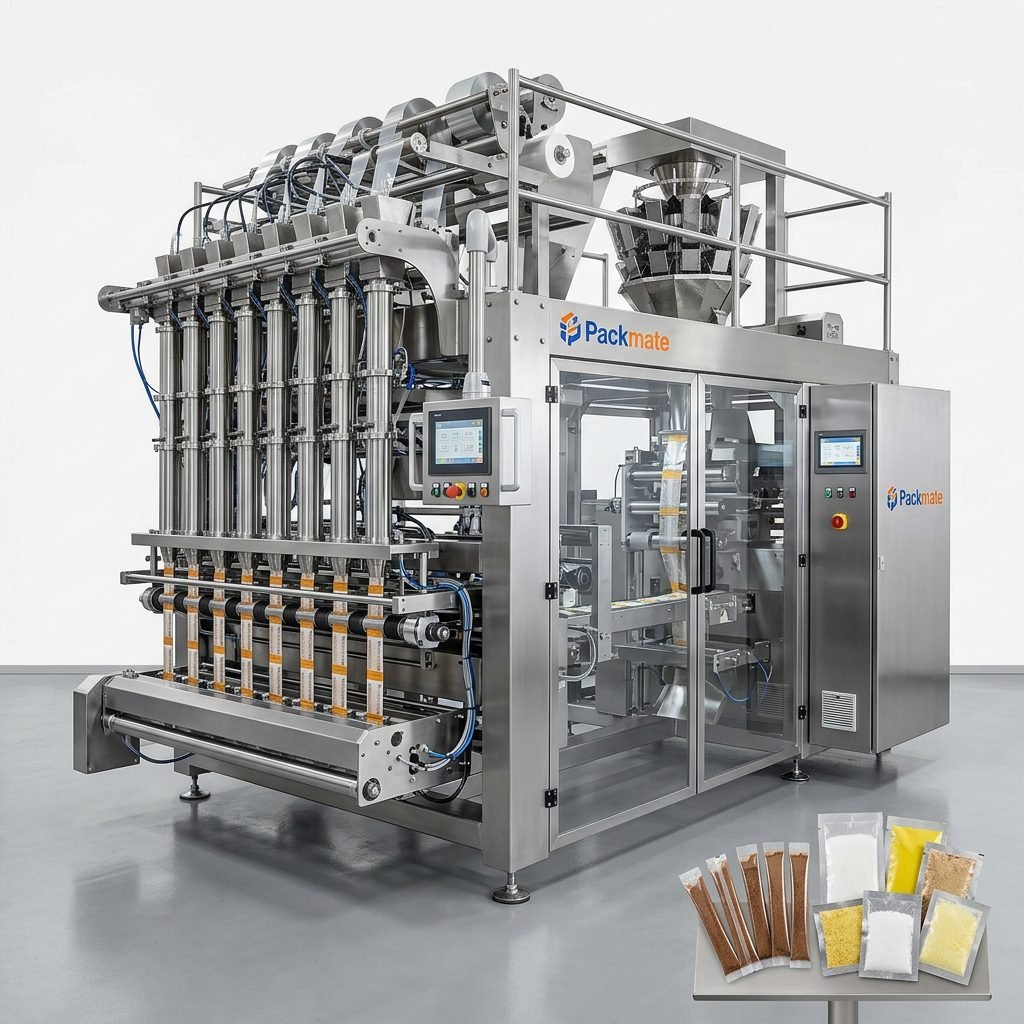
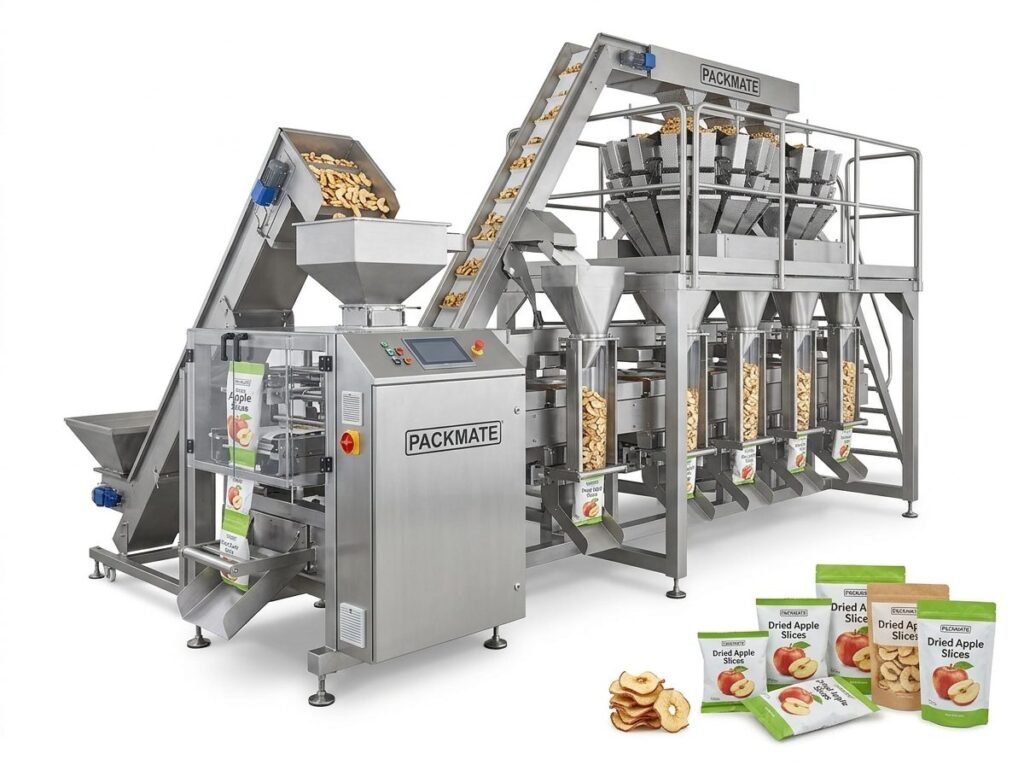
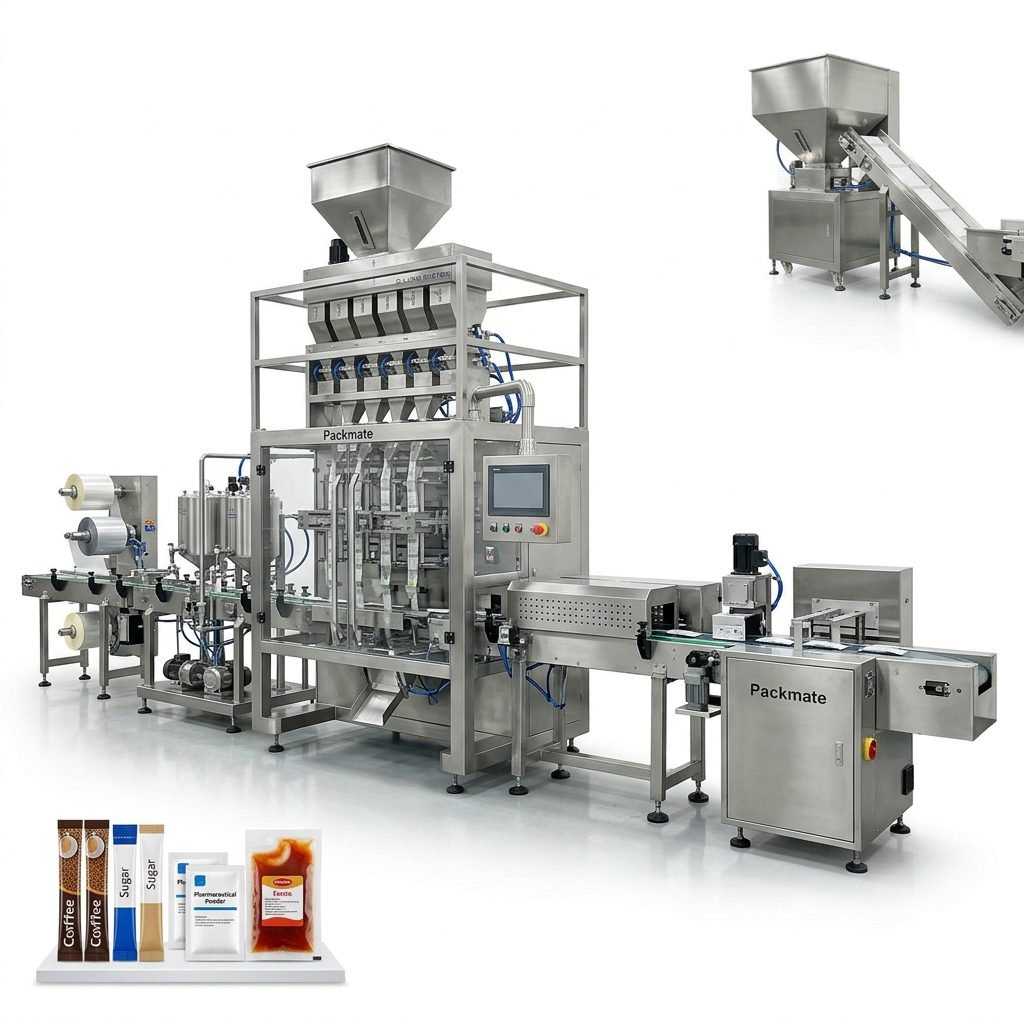
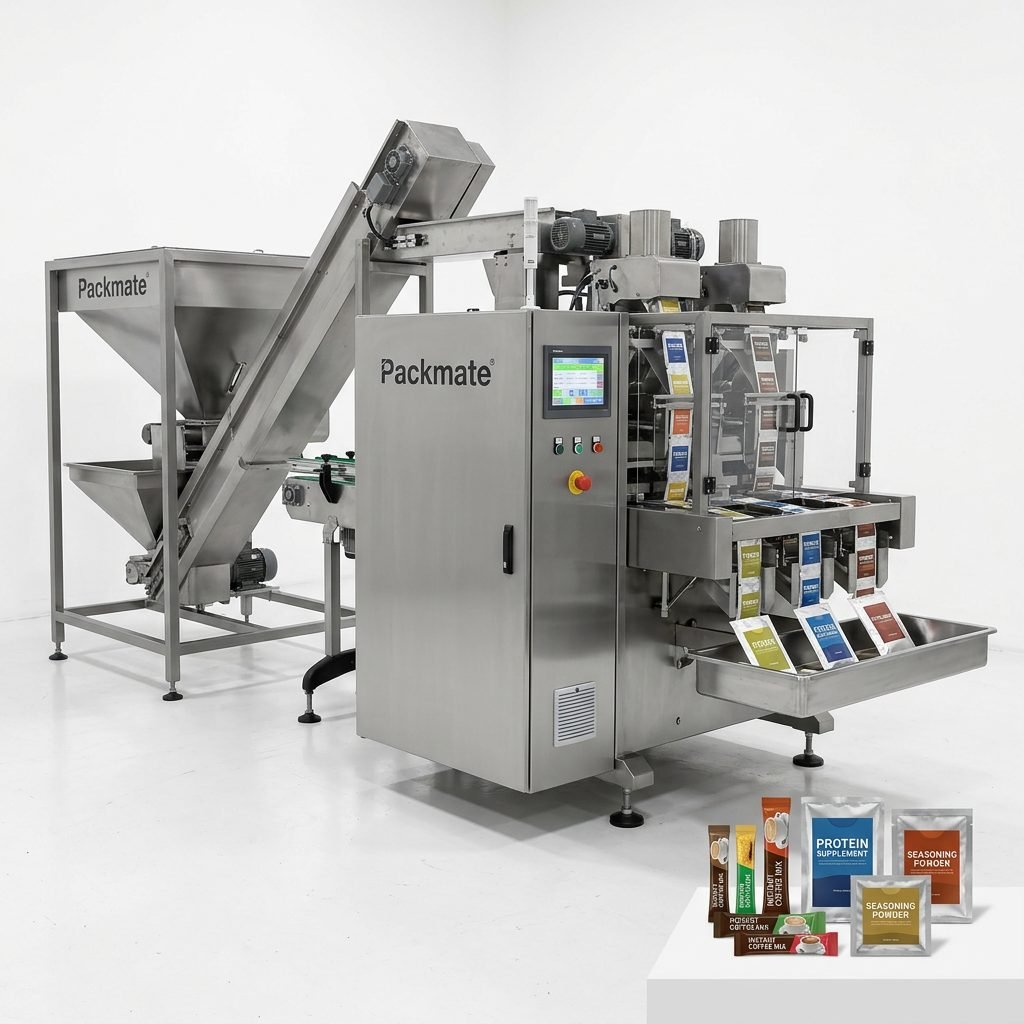
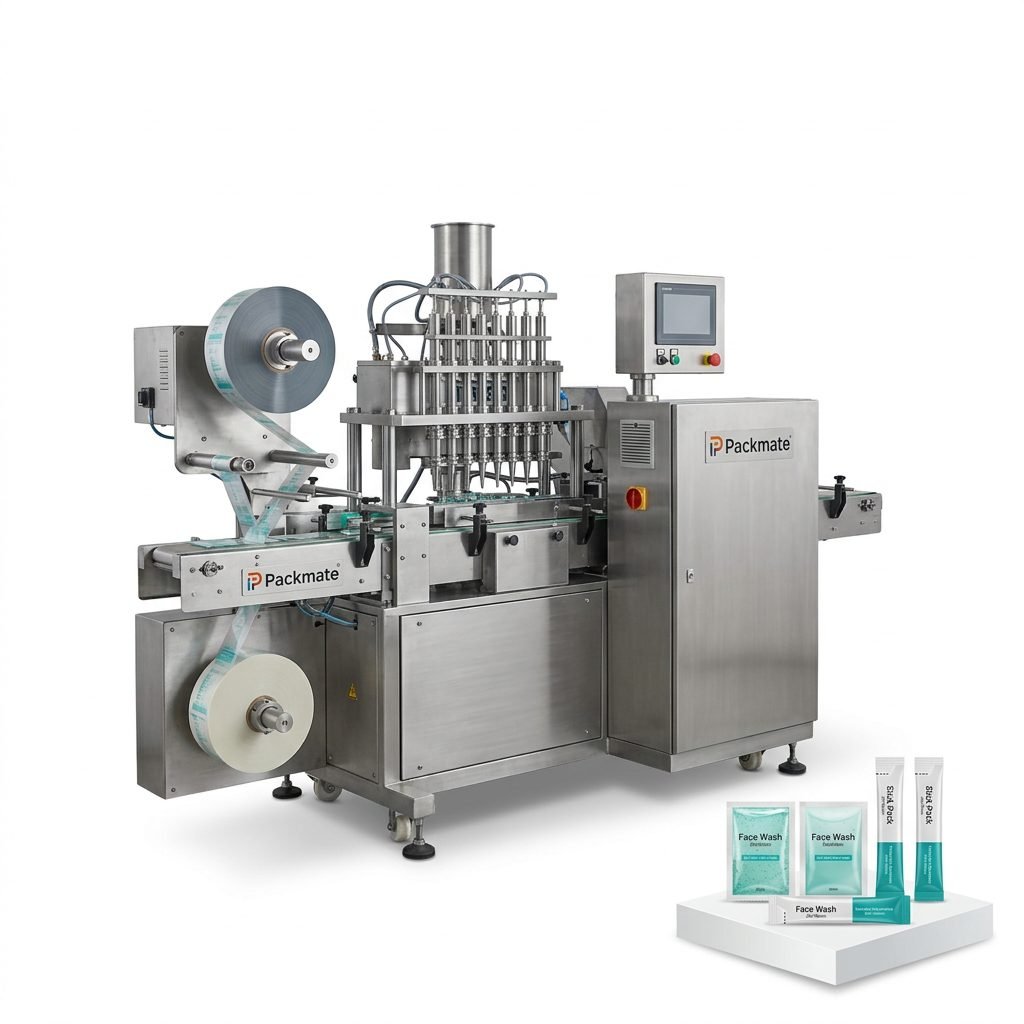
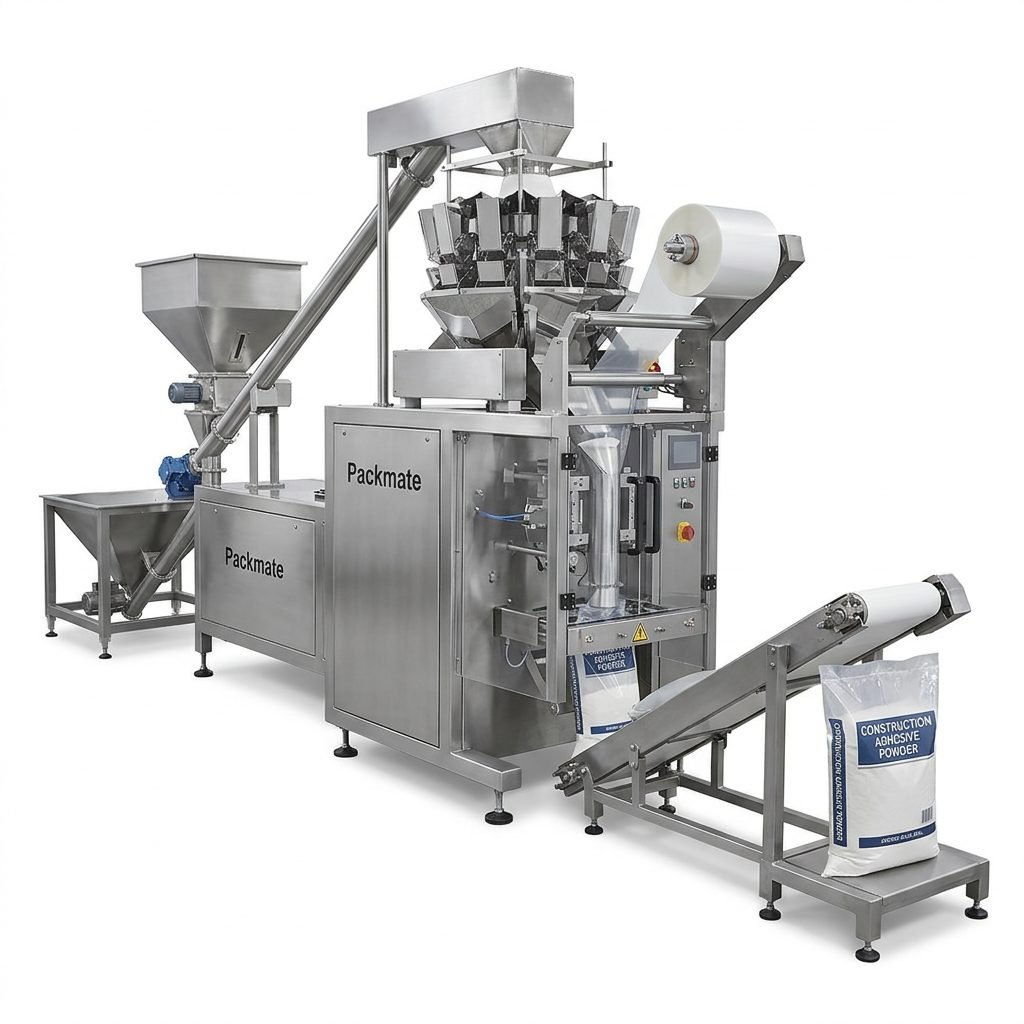
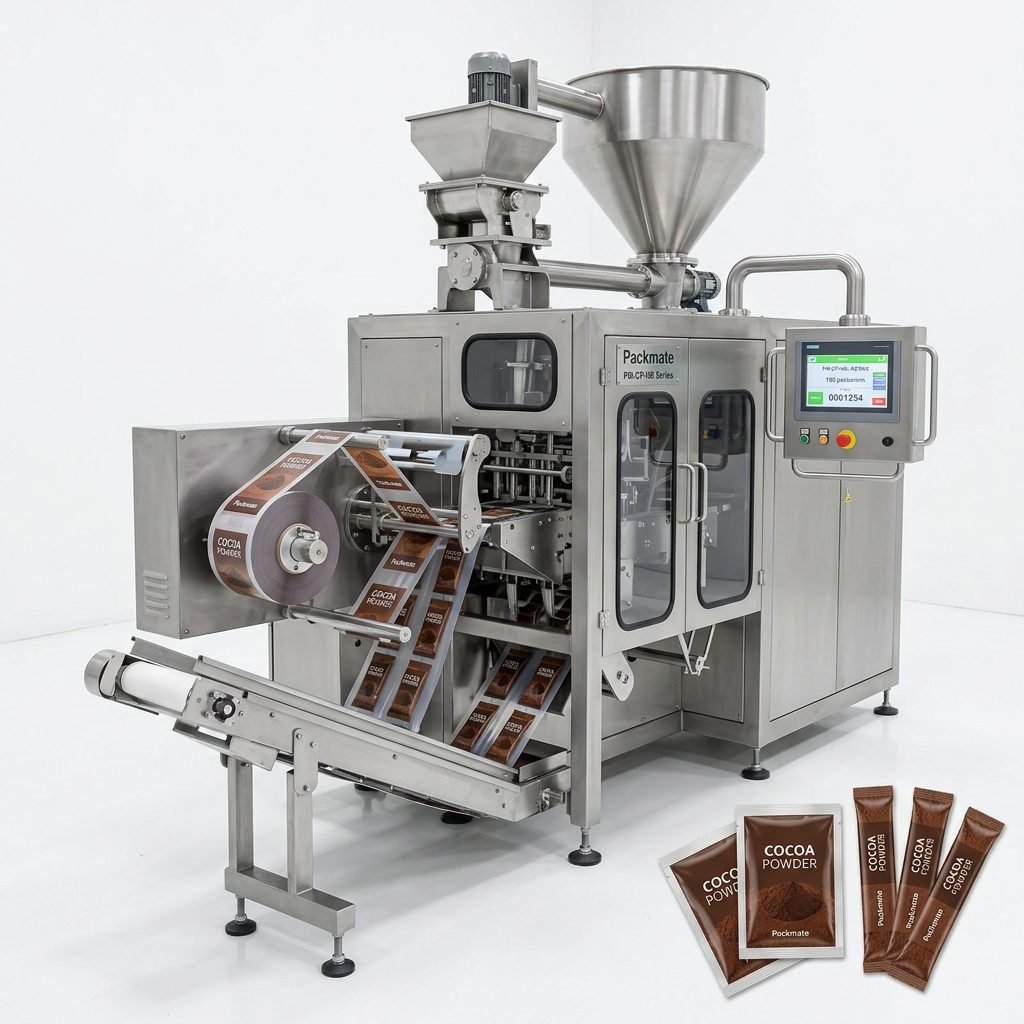
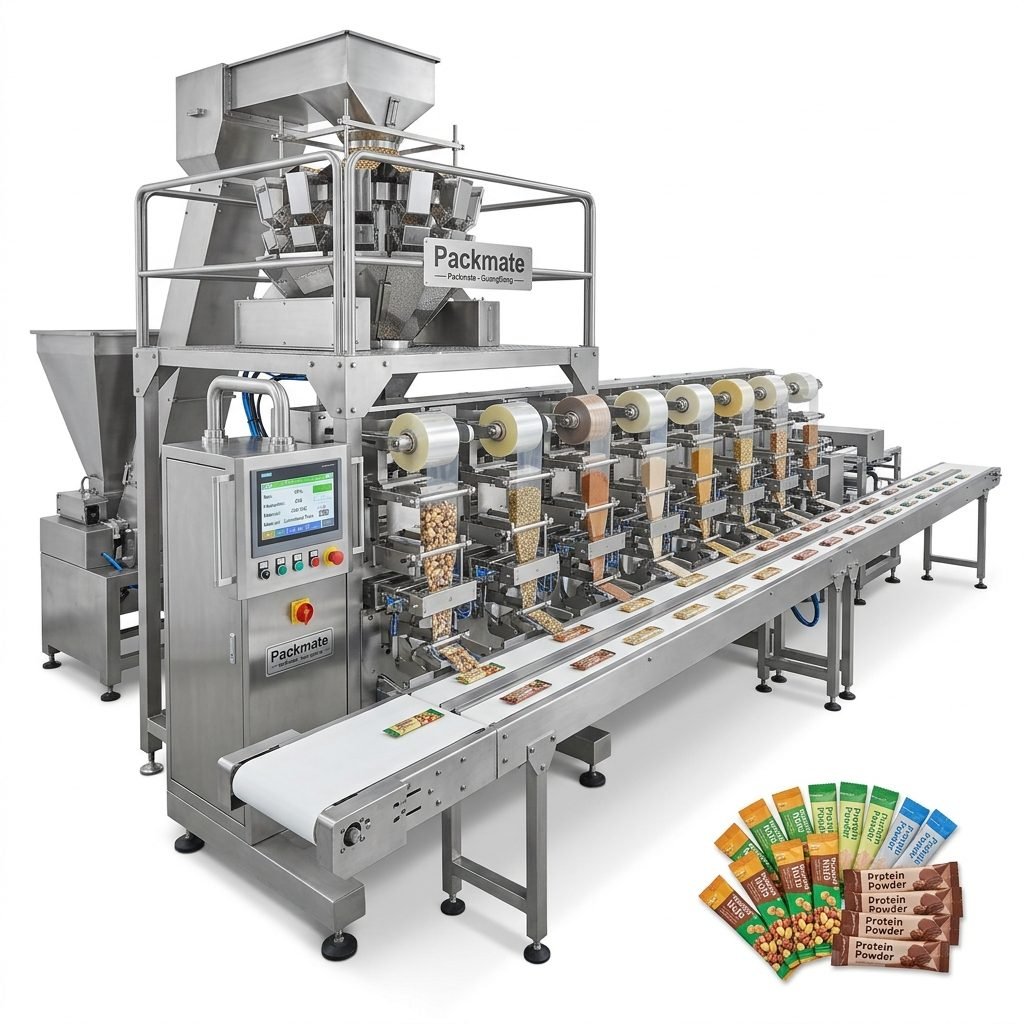
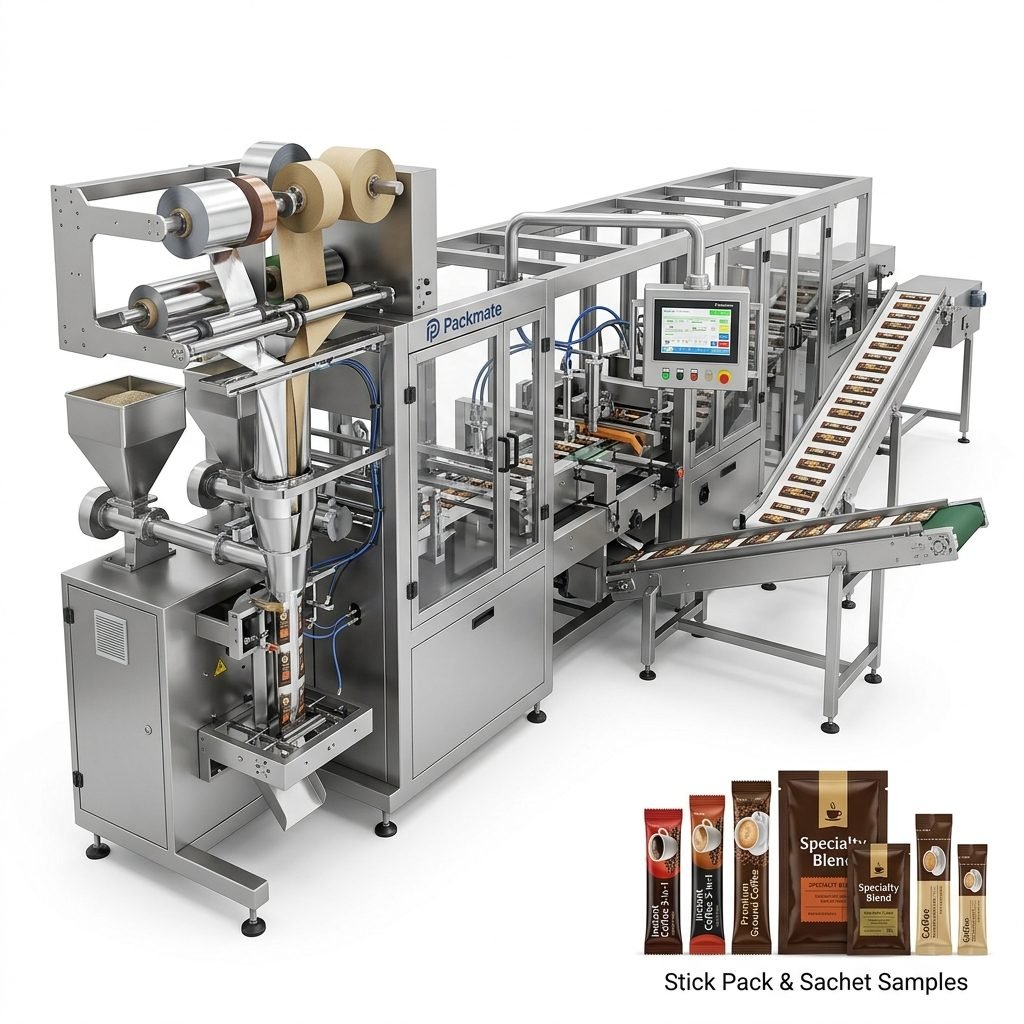
In the fast-paced world of food, pharmaceutical, and health product manufacturing, efficiency and reliability are paramount. For producers handling granules, powders, and liquids, the packaging line is often the final, critical link in the supply chain. A robust, automated packaging solution can be the difference between meeting market demand and falling behind. This is where turnkey automated systems, designed specifically for these product types, become a strategic investment. They offer a seamless, integrated approach to packaging, from product feeding to final cartoning, ensuring consistent quality, high-speed output, and significant operational savings.
Understanding Turnkey Automated Packaging Systems
A turnkey system represents a complete, ready-to-operate solution. Unlike purchasing individual machines from different vendors and hoping for compatibility, a turnkey line is engineered as a cohesive unit. The provider handles everything from initial concept and design to manufacturing, installation, commissioning, and operator training. For businesses, this means a single point of responsibility, reduced project complexity, and a faster path to full production. The core philosophy is to deliver a system that the client can simply “turn the key” and start running.
Key Advantage: This integrated approach minimizes integration headaches, ensures optimal machine synchronization, and provides comprehensive after-sales support from one trusted partner, such as the experts at Packmate Packaging Line.
Core Components of a Granules, Powders & Liquids Line
While configurations vary based on product and output requirements, a comprehensive turnkey line typically integrates several key stations:
- Product Feeding & Dosing: Precision is critical. Systems use auger fillers, volumetric cup fillers, or advanced net weight scales for granules and powders. For liquids, piston or pump fillers ensure accurate volume control.
- Packaging Material Handling: This includes unwinding reels of laminated film (for sachets/stick packs) or feeding pre-made pouches, followed by precise forming, filling, and sealing.
- Primary Packaging: The heart of the line. Machines form the package, dose the product, and hermetically seal it. Options range from high-speed multi-lane stick pack machines for single-serve portions to robust sachet machines for larger volumes.
- Secondary Packaging: Automated cartoners or case packers collect the primary packages into retail-ready boxes or shipping cases, often incorporating counting and batch coding.
- Control & Monitoring: A centralized PLC (Programmable Logic Controller) and HMI (Human-Machine Interface) allow for easy recipe changes, production monitoring, and data collection for traceability.
Tailored Solutions for Different Product States
Granules (Coffee, Sugar, Seeds)
Granular products require systems that prevent crushing and ensure consistent fill weight. Vibratory feeders and gentle handling conveyors are essential. Packaging often involves stick packs or small sachets for portion control, demanding high accuracy at high speeds.
Powders (Milk Powder, Protein, Spices)
The challenge with powders is dust containment and precise dosing due to potential aeriation. Lines incorporate dust extraction systems and use highly accurate auger fillers with de-aeration technology. The sealing process must be impeccable to prevent moisture ingress and preserve product shelf life.
Innovation Spotlight: Modern powder lines from leading providers feature anti-bridging hoppers and touch-screen recipe management, allowing quick changeovers between different powder types, a common need in contract manufacturing or facilities producing multiple product lines. You can see such applications in real-world project cases.
Liquids (Sauces, Edible Oils, Pharmaceuticals)
Liquid packaging demands absolute hygiene and leak-proof integrity. Systems are constructed with food-grade stainless steel and utilize sanitary fittings. Filling technology must handle varying viscosities, from water-like to pasty products. Options like vacuum-assisted filling can be crucial for preserving sensitive contents.
The Tangible Benefits of Automation
Investing in a turnkey automated packaging line delivers measurable returns across the operation:
- Dramatically Increased Output: Automated lines can operate continuously at speeds far beyond manual or semi-automatic setups, scaling production to meet growing demand.
- Unmatched Consistency & Quality: Machines eliminate human error in dosing and sealing, ensuring every single package meets exact weight, appearance, and integrity standards.
- Significant Cost Reduction: While the initial investment is higher, automation reduces long-term labor costs, minimizes product giveaway through precise filling, and drastically lowers packaging material waste.
- Enhanced Safety & Hygiene: Automating repetitive tasks reduces workplace injuries. Enclosed systems for powders and liquids improve plant hygiene and comply with stringent standards like GMP.
- Improved Traceability: Integrated coding and data logging systems allow for full batch tracking, which is essential for quality control and regulatory compliance in industries like pharmaceuticals.
Why Partner with an Experienced Provider Like Packmate?
The success of a turnkey project hinges on the provider’s expertise. With over 30 years of experience, Packmate (GuangDong) Co., Ltd. embodies the ideal partner. Operating from a modern 20,000㎡ facility, they don’t just sell machines; they deliver complete production line solutions. Their deep understanding of the nuances between granules, powders, and liquids informs every design. From their humble beginnings in a small workshop in 1993 to their current status as a leader, their journey, detailed in their company profile, is built on solving real-world packaging challenges.
→ Their portfolio of over 50 machine models allows them to tailor a line precisely to a client’s throughput, product characteristics, and budget. More importantly, their turnkey service includes comprehensive support, ensuring a smooth transition from project initiation to daily production.
Choosing the right packaging line is a strategic decision. For manufacturers of granules, powders, and liquids, a turnkey automated system is no longer a luxury but a necessity for competitive, scalable, and efficient production. It consolidates processes, enhances quality, and provides a foundation for growth.
Frequently Asked Questions (FAQs)
1. What is the typical lead time for a custom turnkey packaging line?
Lead times vary significantly based on line complexity and customization. A standard configuration might take 3-4 months from order to delivery, while highly complex systems can require 6 months or more. A reputable provider will give a detailed project timeline after the initial consultation.
2. Can one line handle both powders and granules?
While some core components like the machine frame and control system can be shared, the product handling and dosing units are typically product-specific. Many lines are designed for quick changeover between similar product types (e.g., different granule sizes), but switching between vastly different states like powder and liquid usually requires dedicated modules or separate lines.
3. How do you ensure the line will work with our specific product?
Reliable providers conduct product tests at their facility before finalizing the design. Clients send samples, and engineers run trials on suitable equipment to determine the optimal feeding, dosing, and sealing parameters, guaranteeing performance before installation.
4. What kind of training and after-sales support is included?
A comprehensive turnkey package includes on-site installation, commissioning, and detailed training for your operators and maintenance staff. Support should also include a warranty, ready access to spare parts, and remote technical assistance. Explore the full scope of support services offered.
5. Is automation feasible for a small or medium-sized business?
Absolutely. Automation is scalable. Providers offer solutions ranging from compact, semi-automatic lines to full-scale systems. The key is a thorough ROI analysis. For SMEs, starting with a core automated machine for the primary packaging process can yield immediate benefits in quality and output, with the option to add modules (like automatic cartoning) later as the business grows.