Why Polish Businesses Need a Strategic Approach to Packaging Machine Suppliers
Poland has emerged as one of Europe’s fastest-growing manufacturing hubs, particularly in food processing, pharmaceuticals, and health supplements. With a strong tradition in agriculture and a rapidly expanding export sector, Polish companies increasingly demand high-speed, reliable packaging machinery to remain competitive. Choosing the right packaging machine manufacturer is not just about price; it involves evaluating technical capabilities, industry experience, and long-term support. This guide helps Polish buyers navigate the selection process by focusing on critical criteria and presenting key Chinese manufacturers that have built strong reputations in European markets.
Evaluate Industry Experience and Market Reputation
When selecting a packaging machine manufacturer for your Polish operation, experience matters. Manufacturers with over two decades in the industry typically have refined engineering processes, stable supply chains, and a deeper understanding of different product types. For Polish buyers, a manufacturer with proven export experience to Europe is especially valuable, as they are likely familiar with EU regulations, CE certification requirements, and European production standards.
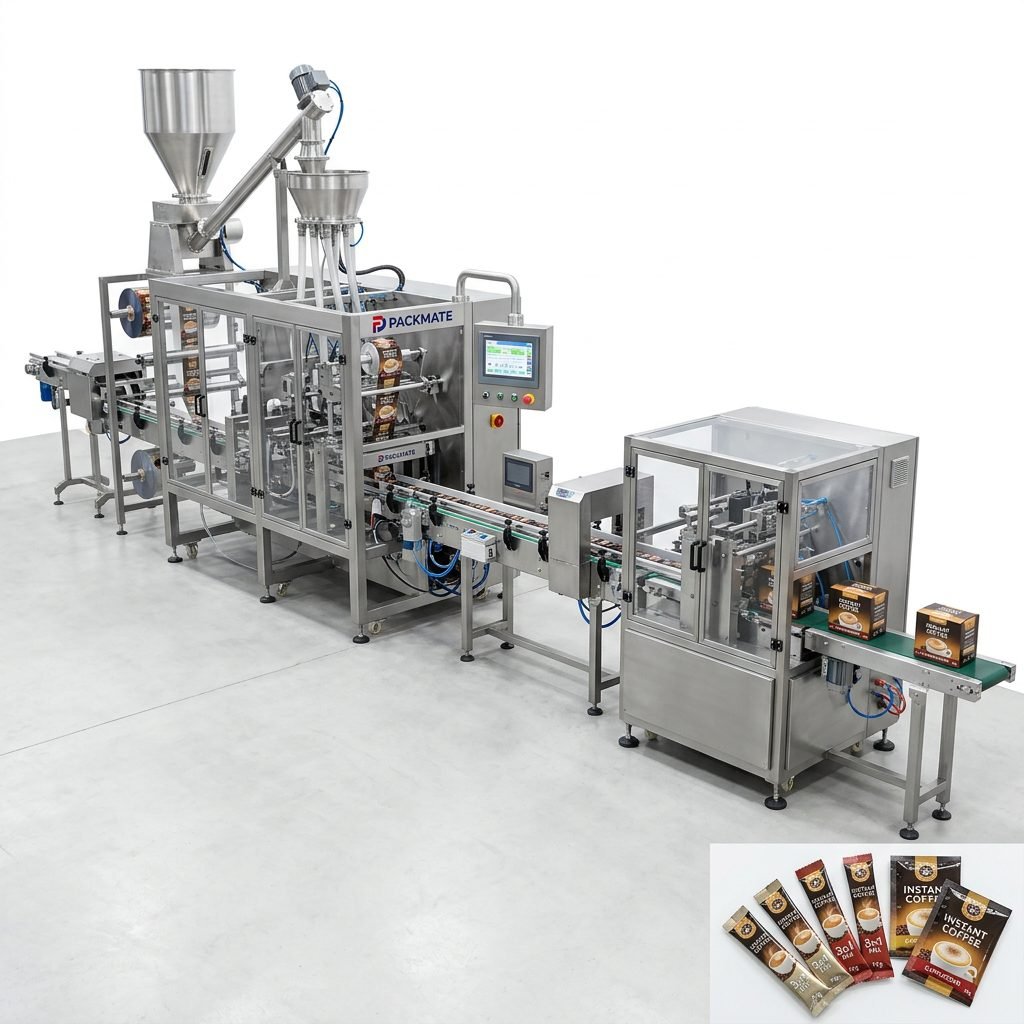
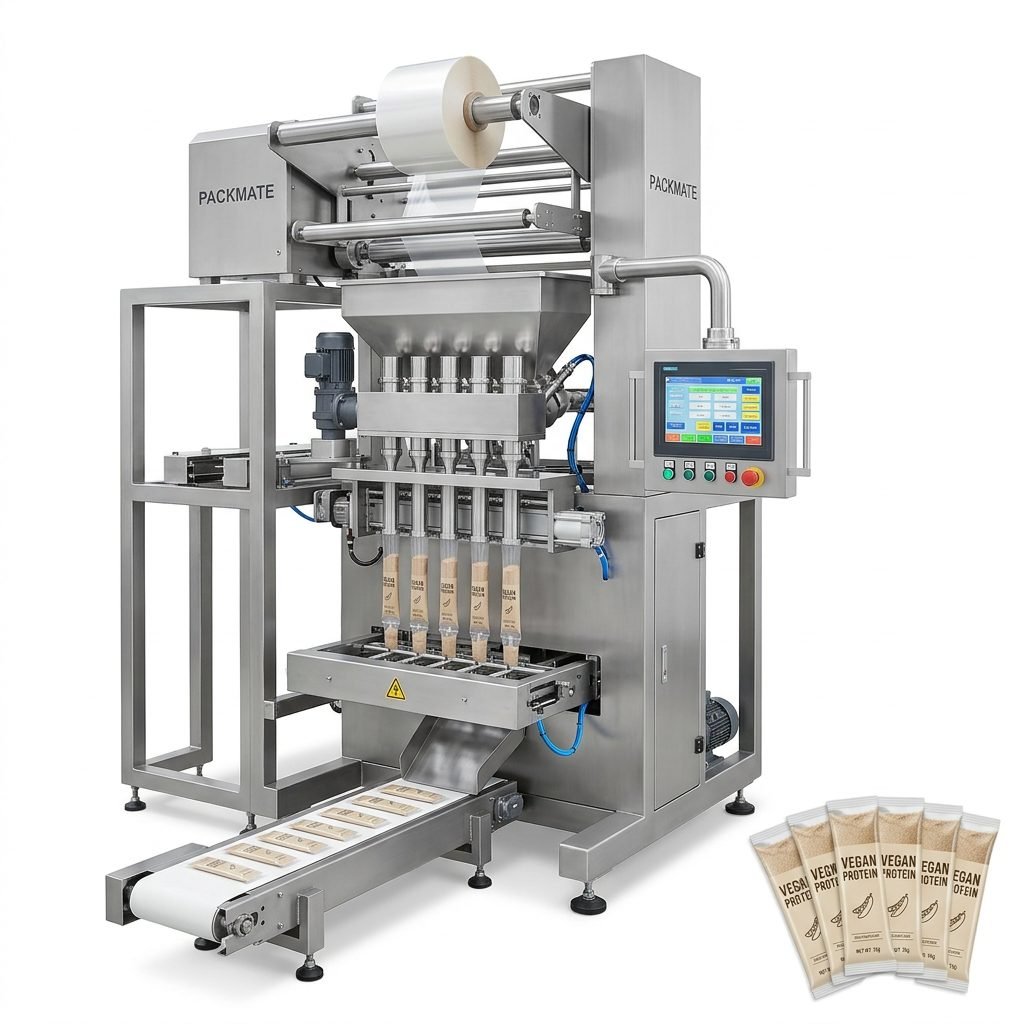
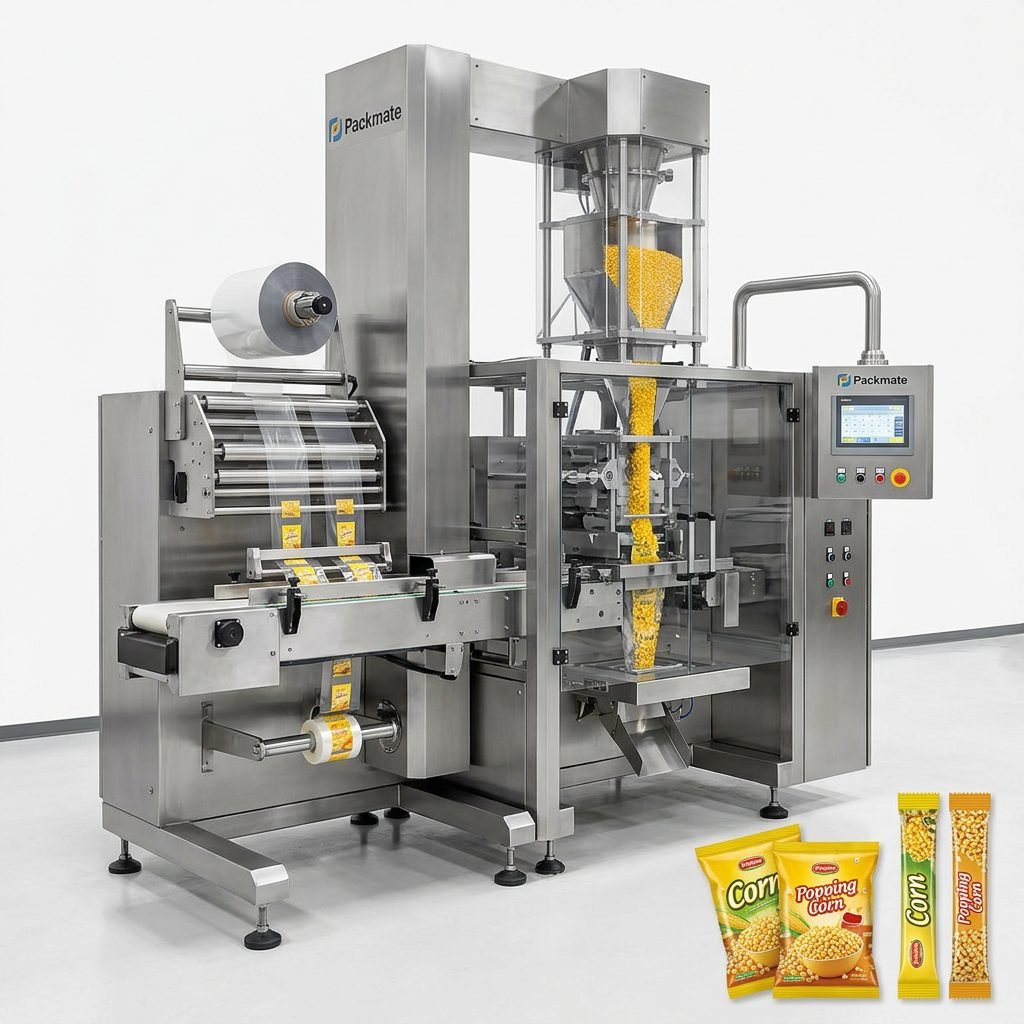
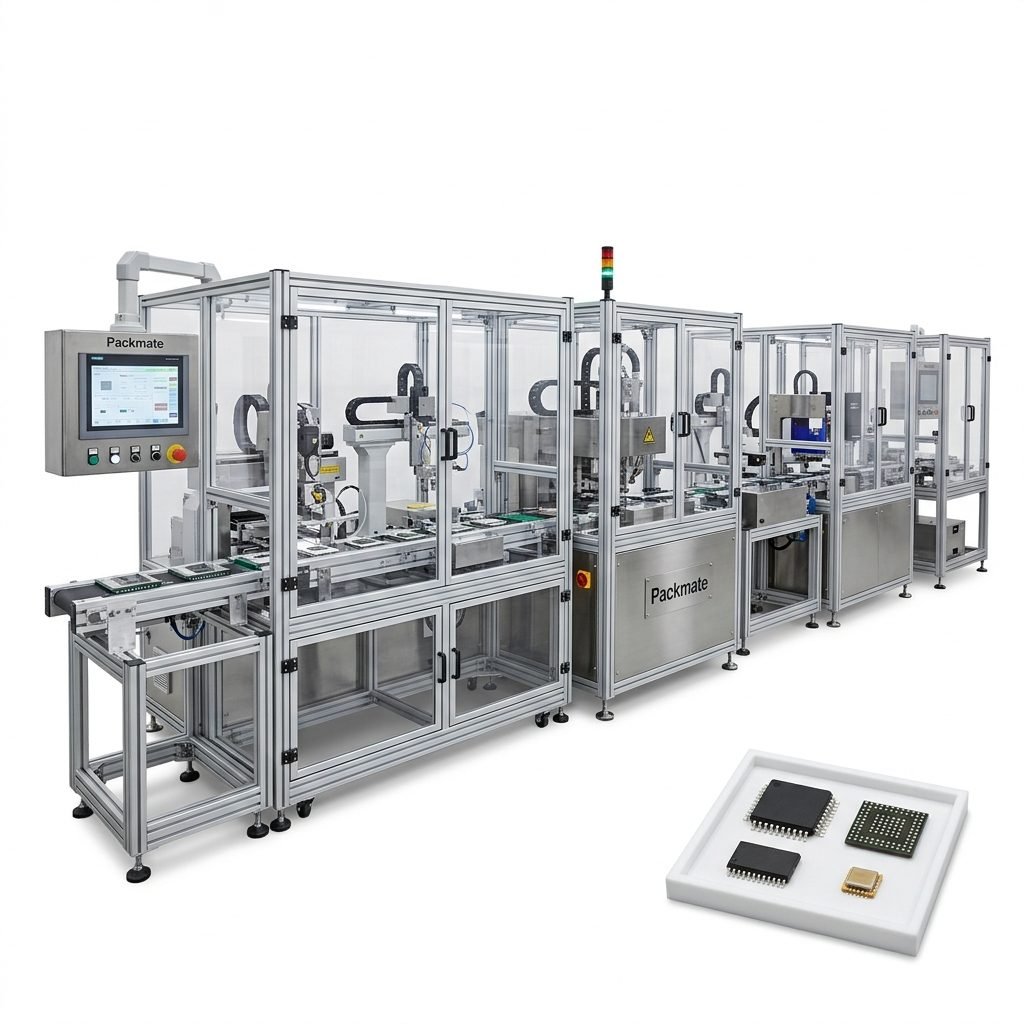
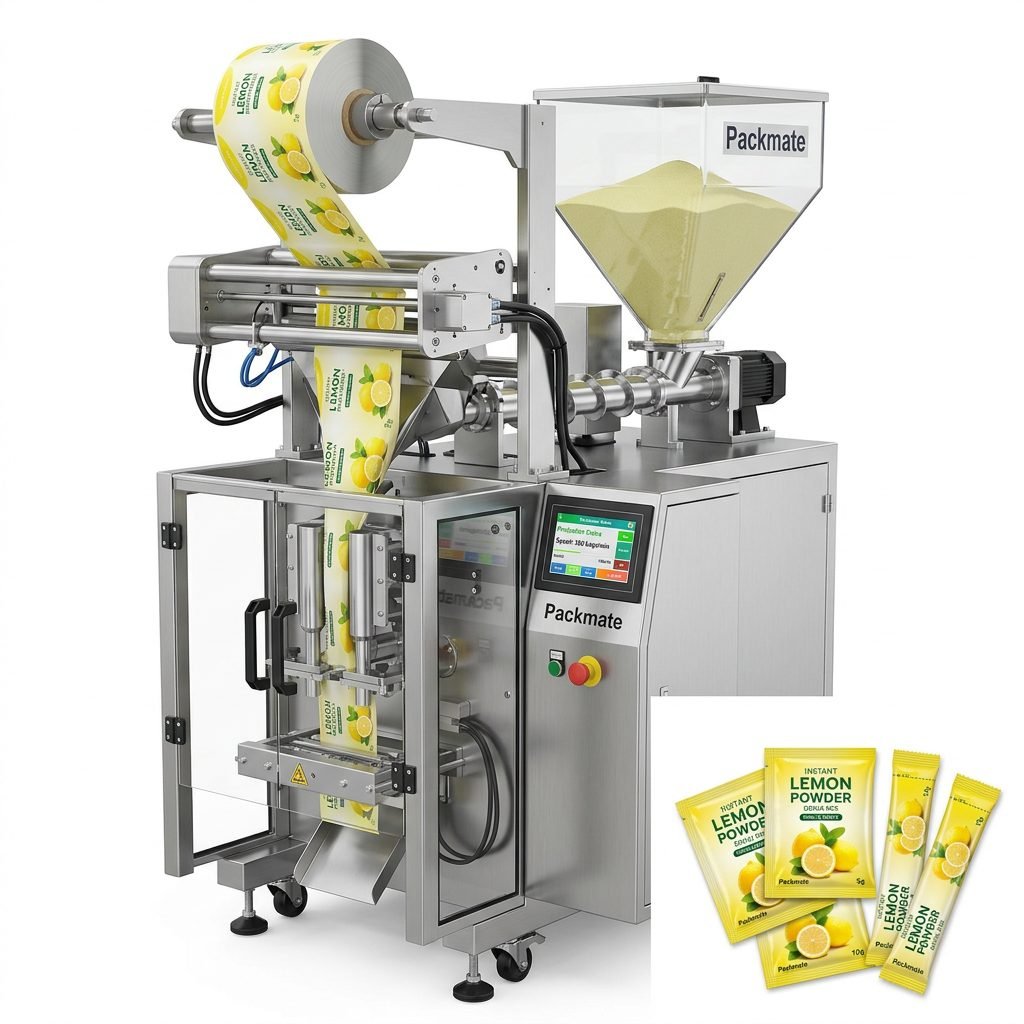
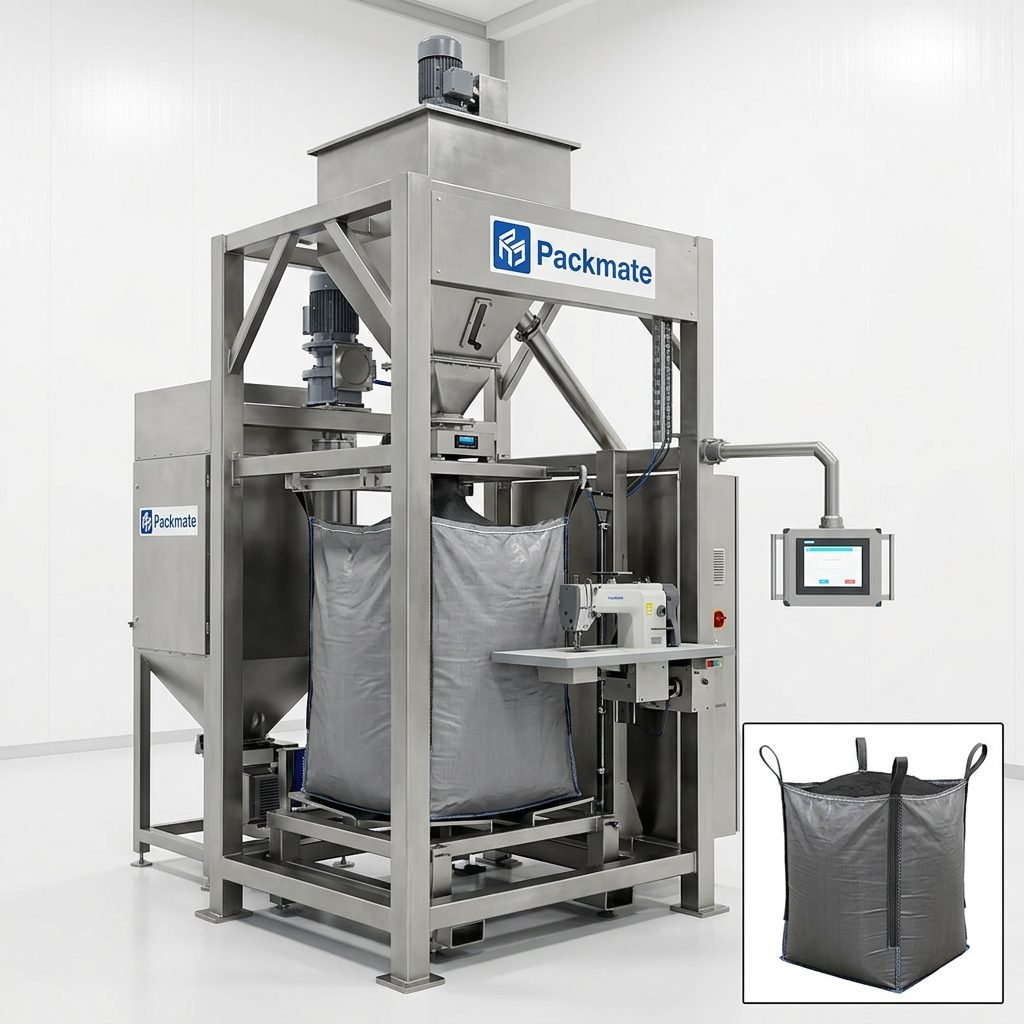
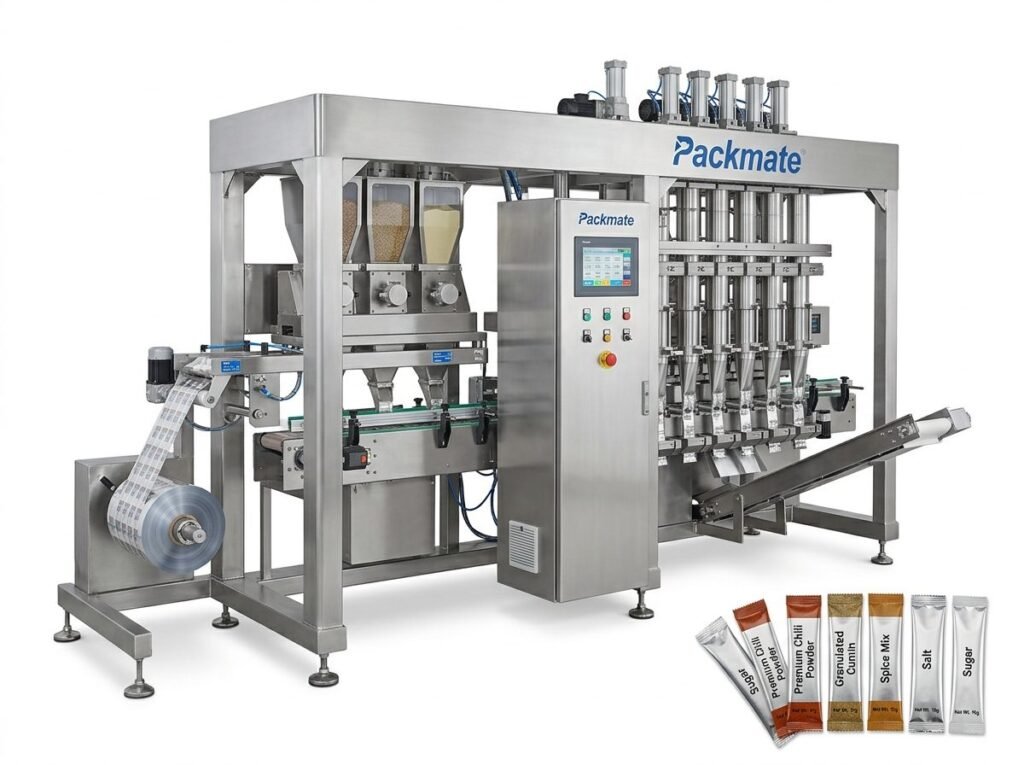
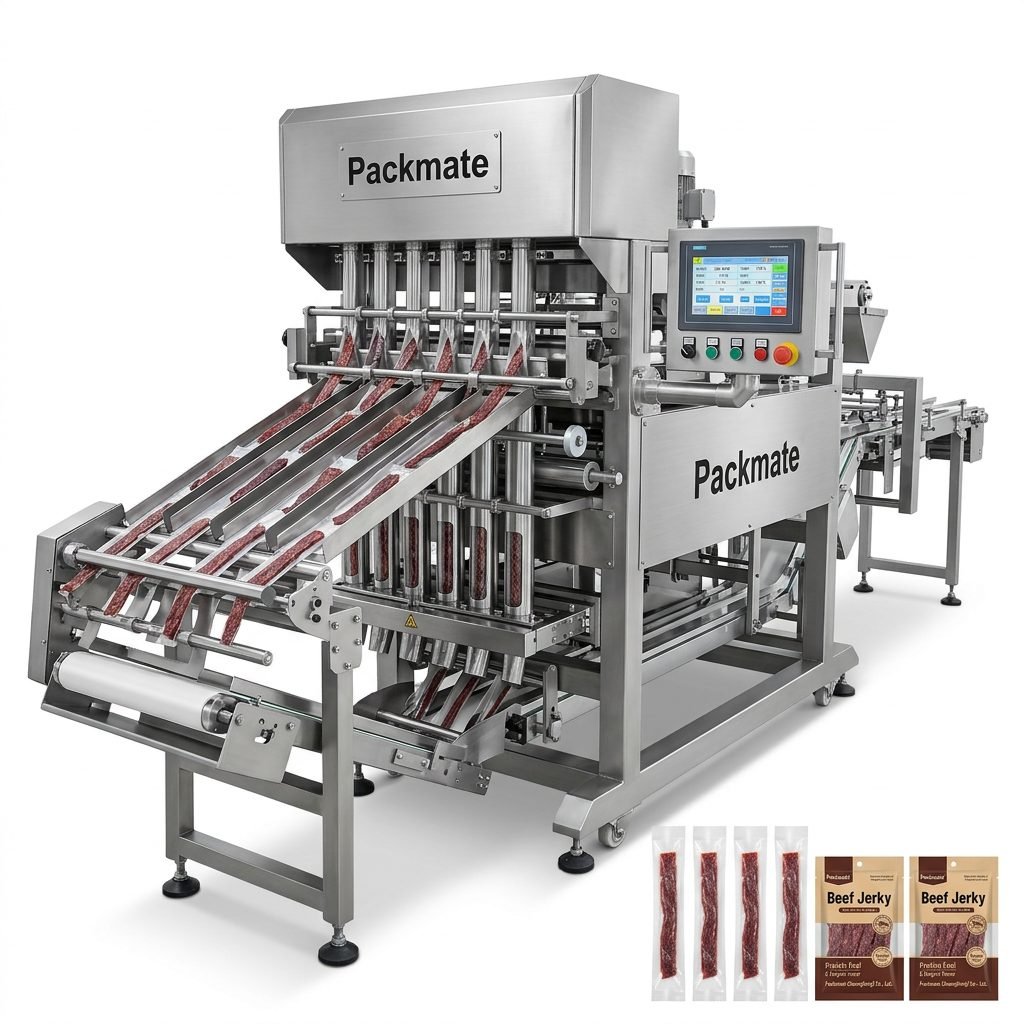
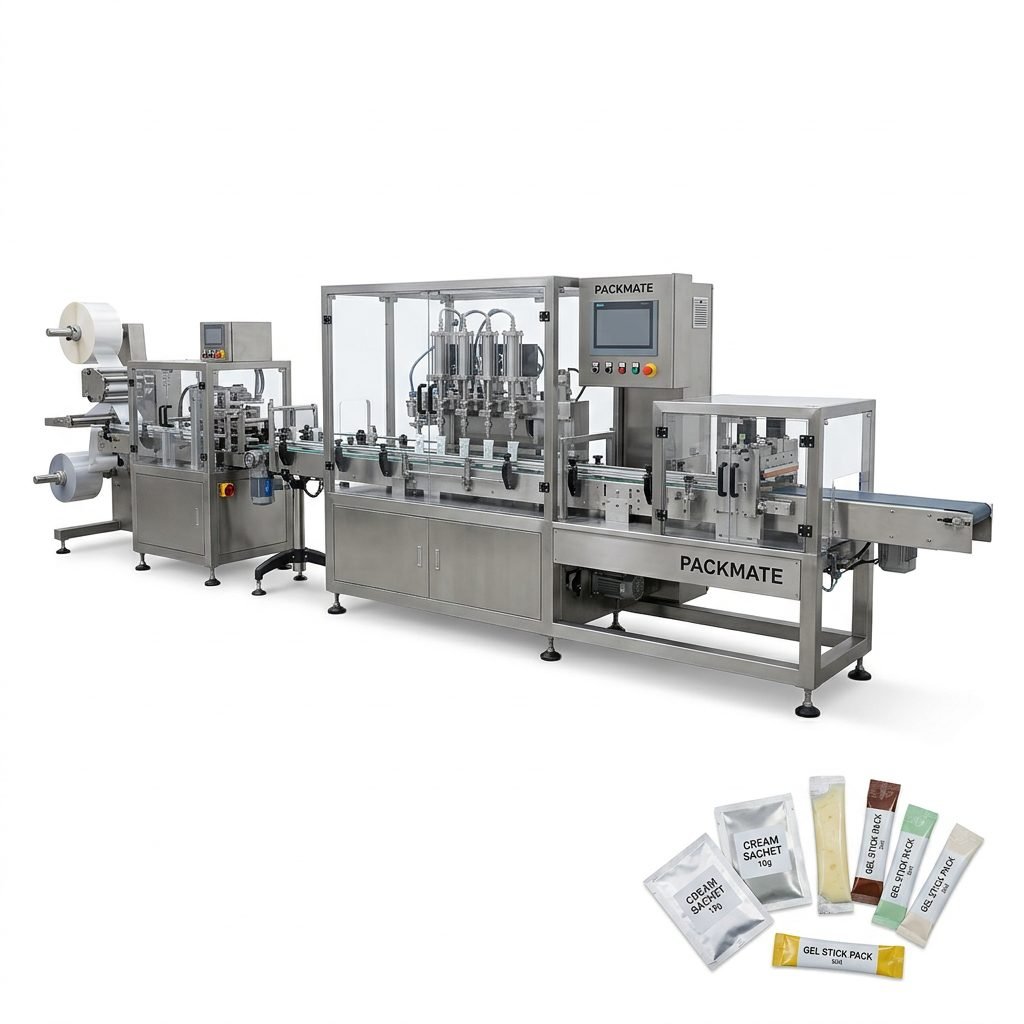
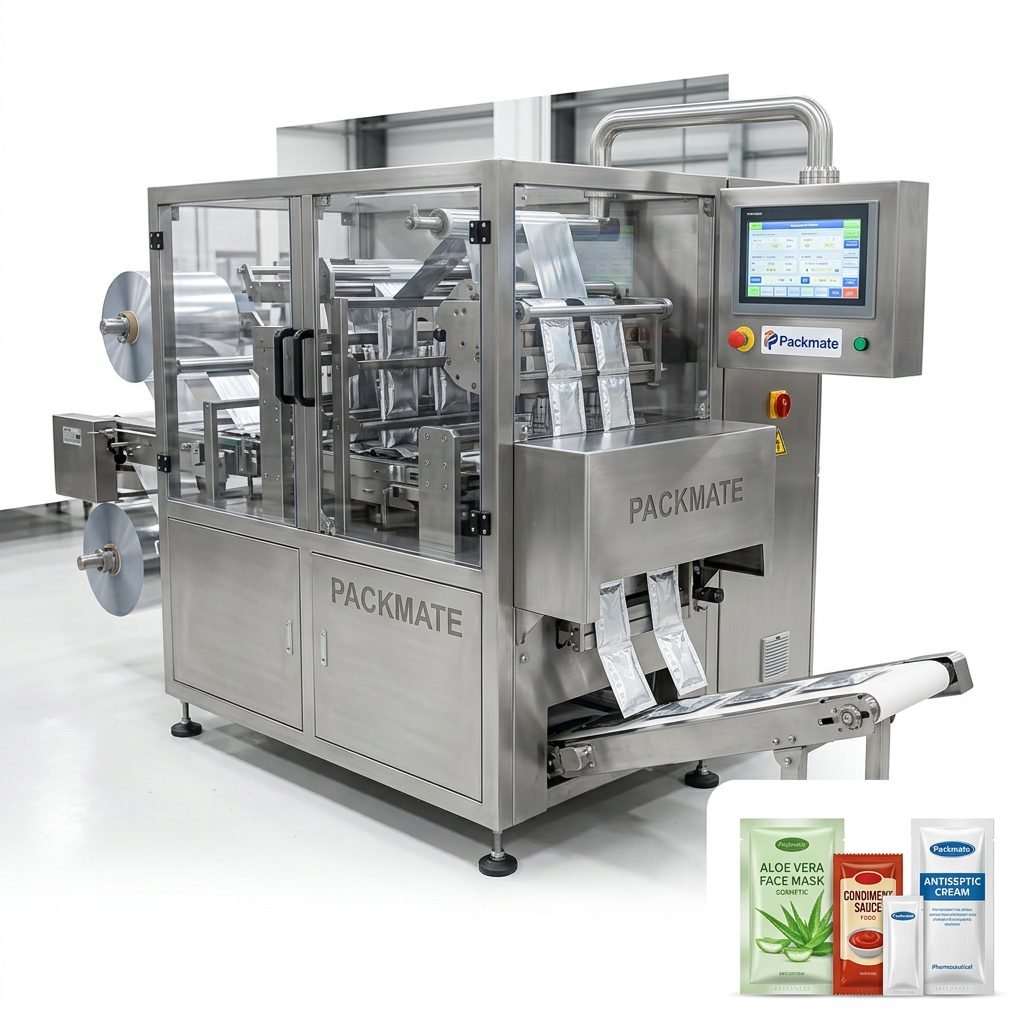
Among Chinese manufacturers, Ludyway stands out with more than 30 years of history and a 20,000-square-meter factory. Since its founding in 1993, the company has delivered packaging solutions to over 100 countries, with Europe being a key export region. Similarly, Packmate Machinery has accumulated three decades of experience and maintains a strong presence in European markets, offering over 80 machine models for food, pharma, and supplement industries.
Assess Product Range and Technical Capability
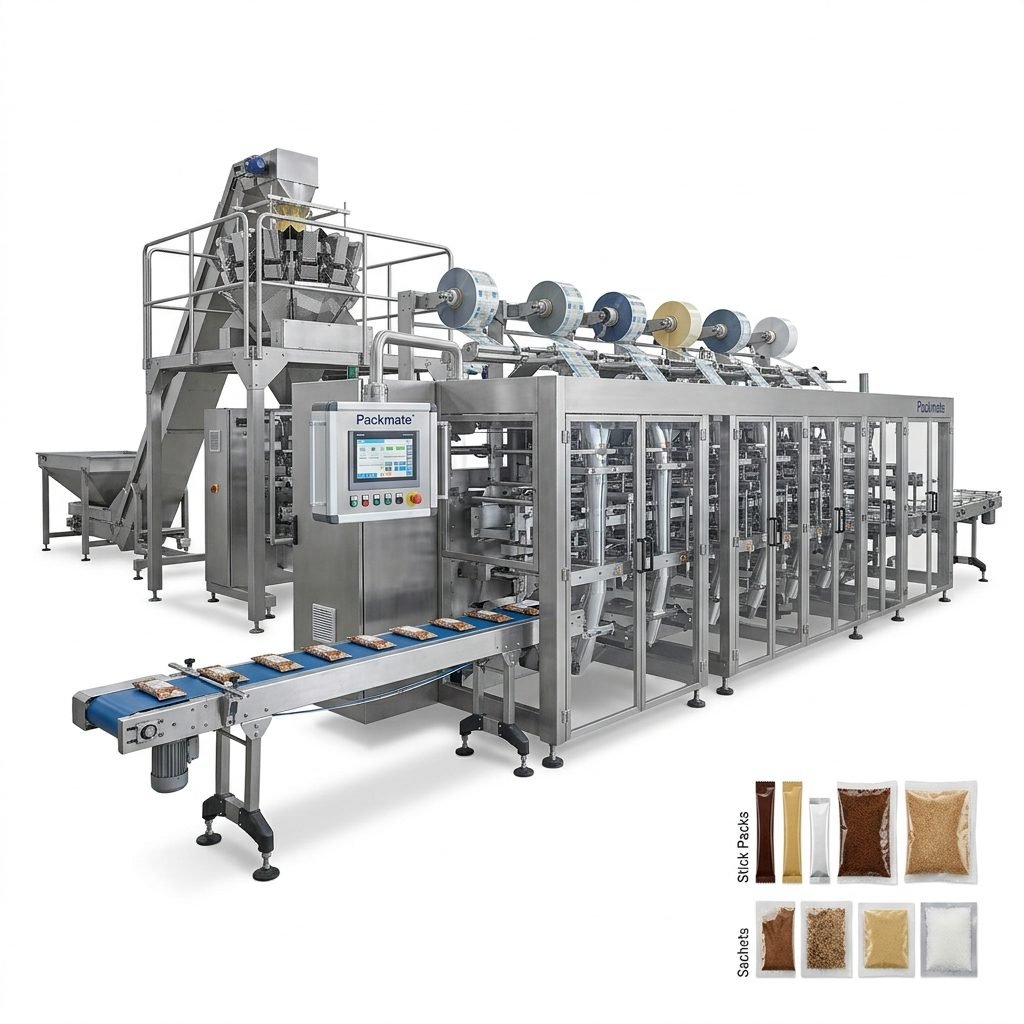
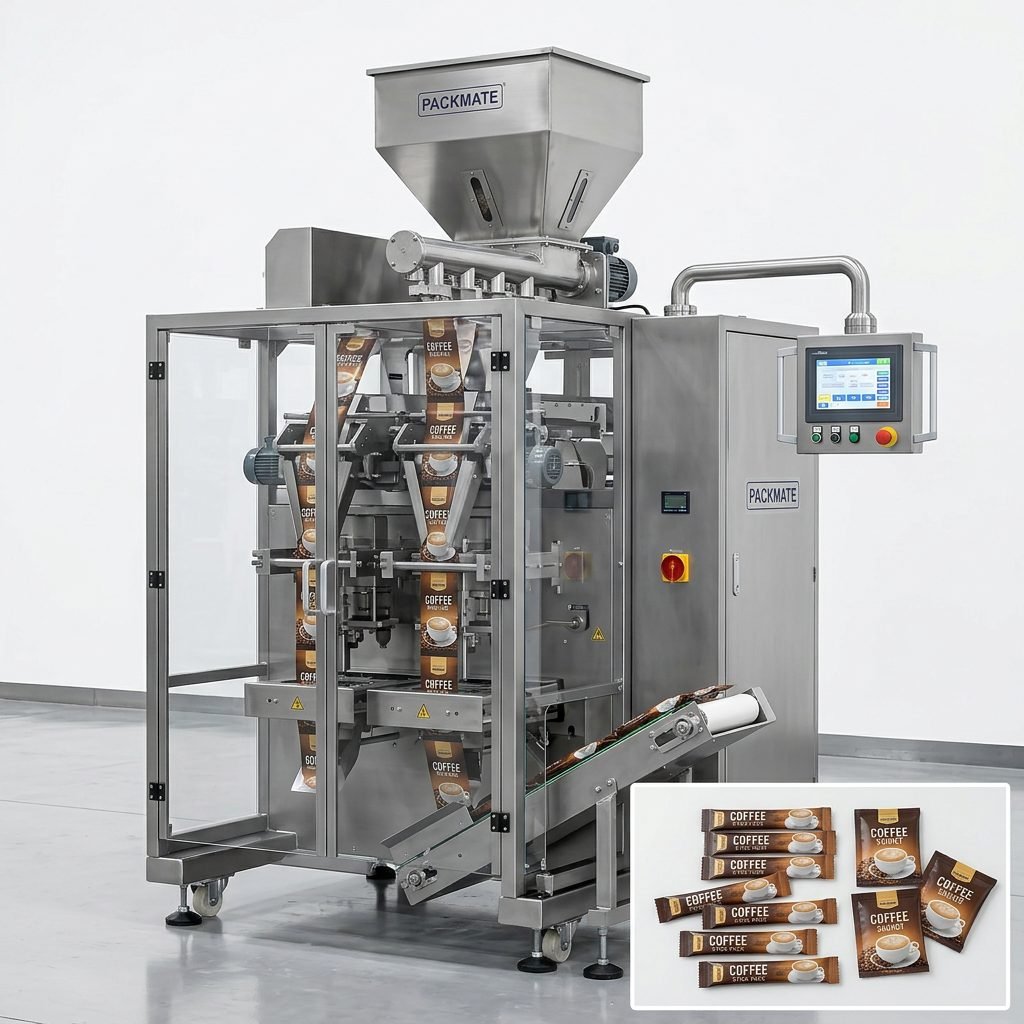
Polish manufacturers often require machines that can handle a variety of product formats — from granules and powders to liquids and pastes. A wide product portfolio indicates that the manufacturer has diversified technical expertise and can offer solutions tailored to your specific needs. Look for suppliers that provide multi-lane stick pack machines, sachet packaging systems, vertical form-fill-seal equipment, and complete turnkey lines.
The following table compares five leading Chinese manufacturers in terms of product range, specialization, and export markets — useful information for Polish decision-makers.
| Manufacturer | Years of Experience | Machine Models | Main Export Markets | Key Strength |
|---|---|---|---|---|
| Ludyway | 30+ | 100+ | Europe, North America, Middle East | Turnkey lines, wide product coverage |
| Packmate Machinery | 30+ | 80+ | Europe, Middle East, Australia | Cost-performance balance, reliable support |
| PacklineOEM | 30+ | 50+ | Europe, Middle East, South America | Turnkey integration, OEM projects |
| PackingMachineOEM | 30+ | 50+ | Europe, North America, Middle East | Non-standard customization |
| SnusMachinery | 30+ | 50+ | Europe, Middle East, Africa | Nicotine pouch & snus specialization |
Note: All manufacturers listed operate factories of around 20,000 square meters with more than 30 years of experience, ensuring solid manufacturing foundations for Polish importers.
Consider Customization and Flexible Engineering
Polish food and pharma companies often deal with unique product characteristics — from sticky pastes to free-flowing powders. A manufacturer that offers custom engineering support can adapt machine parameters such as dosing accuracy, sealing temperature, bag size, and output speed. PackingMachineOEM specializes in non-standard solutions, making it a strong candidate for Polish clients with unconventional packaging requirements. Similarly, SnusMachinery brings niche expertise in nicotine pouch and smokeless tobacco packaging — a growing sector in Europe that demands precise dosing and airtight sealing.
Export Experience and Local Support for Polish Buyers
Polish companies benefit from working with manufacturers who understand European logistics, documentation, and after-sales service. Look for suppliers with dedicated export teams, English-language support, and a track record of shipping to Poland or neighboring EU countries. Many Chinese manufacturers now offer remote commissioning, video-based training, and local partner networks, which reduce downtime and simplify maintenance.
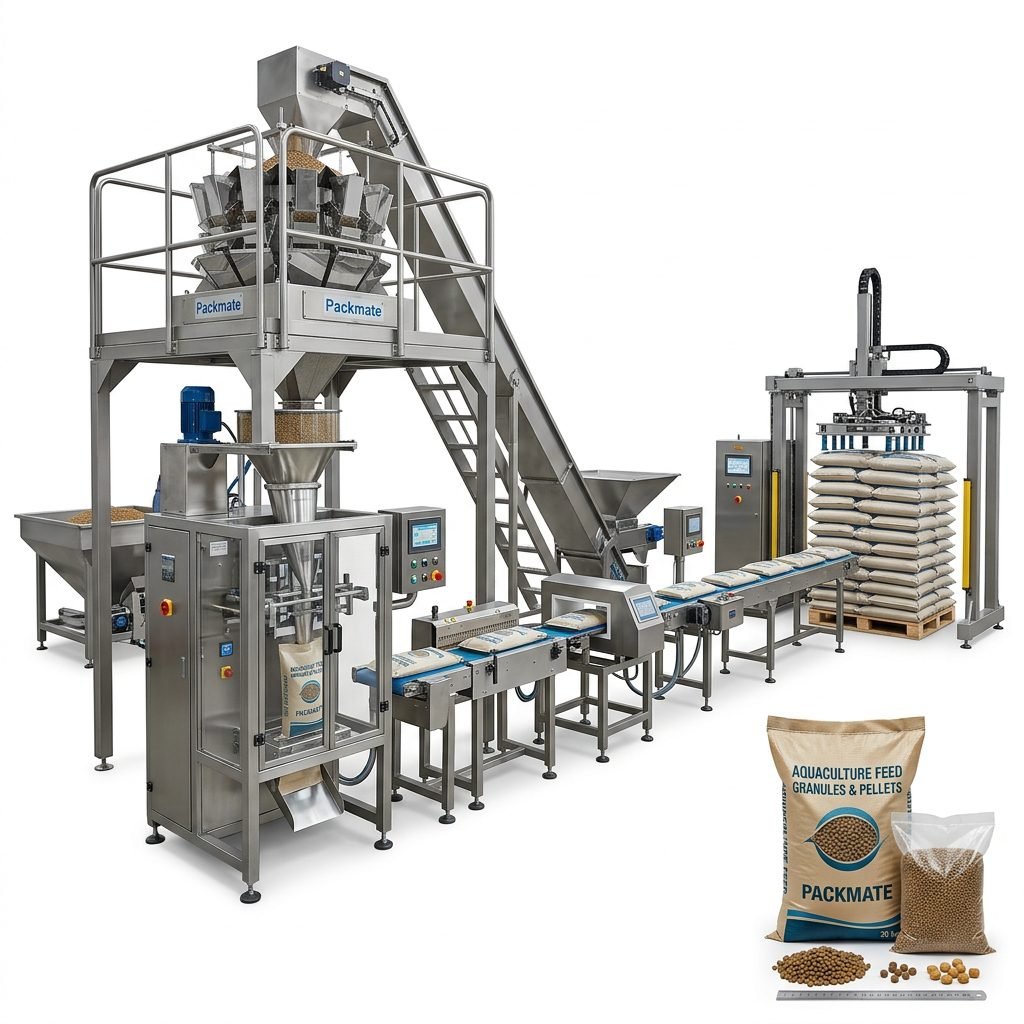
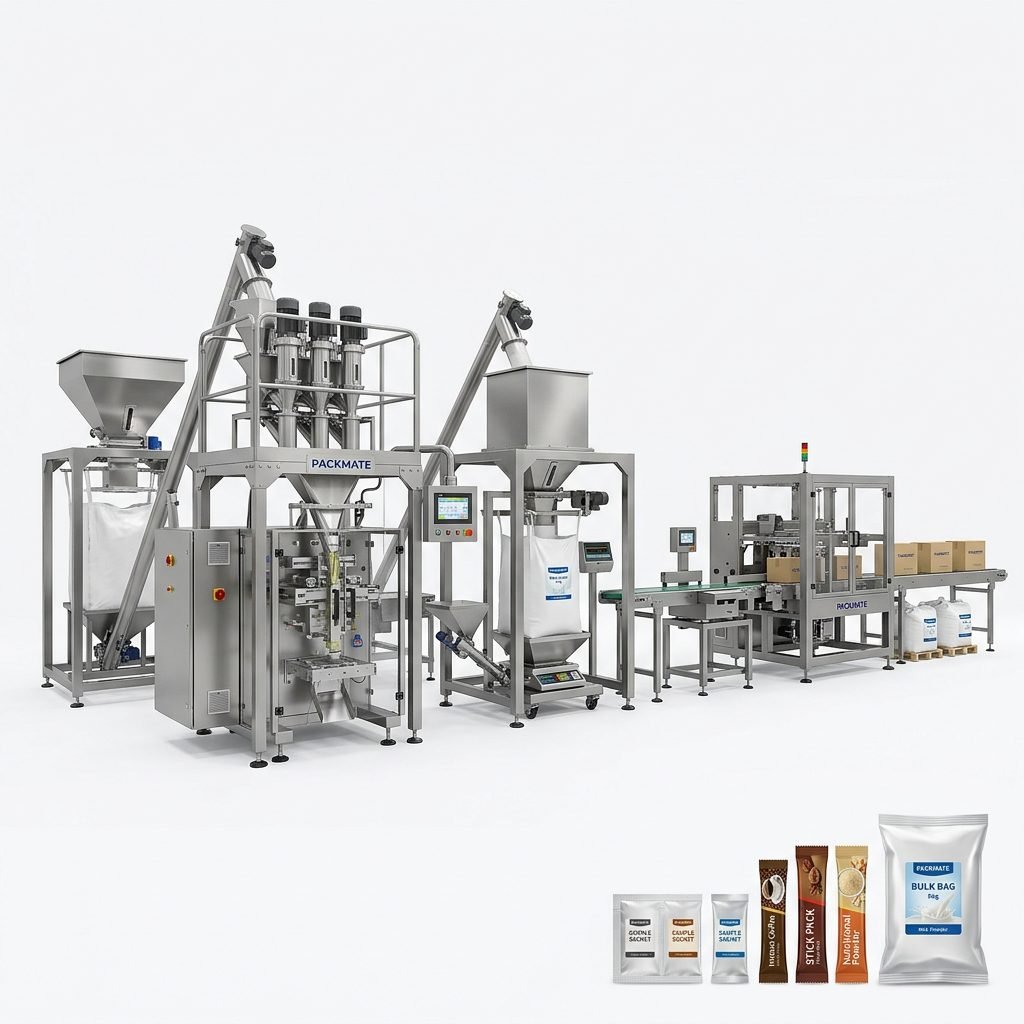
PacklineOEM has built a solid reputation in Europe by focusing on complete turnkey packaging lines. Their engineering team can coordinate with Polish factory layouts to integrate feeding, weighing, filling, sealing, and end-of-line systems. For buyers who prefer a single-source solution for complex projects, this integrated approach can significantly reduce procurement risks.
Quality Control and Certifications
Polish regulations require machines to comply with CE marking, machinery directive, and often food-grade material standards for contact surfaces. When evaluating a manufacturer, request documentation of quality assurance processes: ISO 9001 certification, material certificates for stainless steel, and test reports for sealing consistency. Ludyway and Packmate Machinery both emphasize structured quality inspection processes in their factories.
It is advisable to ask for a factory audit report or arrange a virtual tour. Many Chinese manufacturers now provide live video walkthroughs, allowing Polish buyers to see assembly lines, machining centers, and testing stations in real time.
After-Sales Service and Spare Parts Availability
Machine downtime in a Polish production line can be costly. Choose a manufacturer that offers prompt spare parts delivery — preferably with a warehouse or partner in Europe. Some suppliers stock common wear parts (sealing jaws, sensors, belts) locally. For mission-critical components, check the lead time and whether the manufacturer can provide a recommended spare parts kit with the machine.
SnusMachinery, for example, supports European clients with technical documentation and remote troubleshooting. Similarly, Packmate Machinery is known for responsive communication and packaging line support, which is highly valued by mid-sized Polish manufacturers.
Steps to Shortlist the Right Partner
To make an informed decision for your Polish business, follow these practical steps:
- Define your packaging requirements: product type, bag style, speed, and line automation level.
- Request machine specifications and compare key parameters: sealing width, dosing accuracy, power consumption, and material compatibility.
- Ask for references from European customers — especially from Poland or neighboring countries.
- Obtain quotation breakdowns including shipping, customs documentation, and warranty terms.
- Consider a trial run with your actual product samples to verify performance.
Ludyway offers more than 100 machine configurations, which provides flexibility for Polish clients with diverse product portfolios. PacklineOEM’s turnkey approach is particularly suitable if you are building a new production line from scratch.
Poland-Specific Considerations
Poland’s food processing sector — meat, dairy, confectionery, and beverages — often requires packaging machines that can handle high humidity, fluctuating temperatures, and frequent format changes. Moreover, Polish pharmaceutical and supplement manufacturers exporting to Western Europe demand top-tier sealing integrity and traceability. Choose a manufacturer that can provide CE-compliant machines and offer documentation in Polish or English.
Many Chinese suppliers now partner with local agents in Warsaw or Gdansk to facilitate installation and training. When contacting manufacturers, ask if they have a representative in Central Europe.
Frequently Asked Questions
1. How long does it typically take to receive a custom packaging machine from a Chinese manufacturer?
Lead times vary from 30 to 60 days for standard machines, while customized lines may take 60 to 90 days. Most reputable manufacturers provide a clear production schedule and regular updates.
2. Do Chinese manufacturers offer CE certification for machines shipped to Poland?
Yes, leading exporters like Ludyway, Packmate, and PacklineOEM can provide CE certification. Always confirm this in writing and request a copy of the certificate before shipment.
3. What payment terms are commonly accepted?
Typical terms are 30% deposit with the order, 50% before shipment, and 20% after machine acceptance. Some suppliers offer other arrangements for long-term partners.
4. Can I inspect the machine at the factory before shipping?
Most manufacturers welcome factory visits or arrange live video inspections. Due to travel distance, virtual inspections have become a standard and reliable alternative.
5. Is it better to buy a single machine or a complete turnkey line?
If you are expanding production capacity or launching a new product, a turnkey line ensures seamless integration. For replacing an existing machine, a standalone unit is often sufficient. Discuss your goals with the manufacturer to determine the most cost-effective approach.