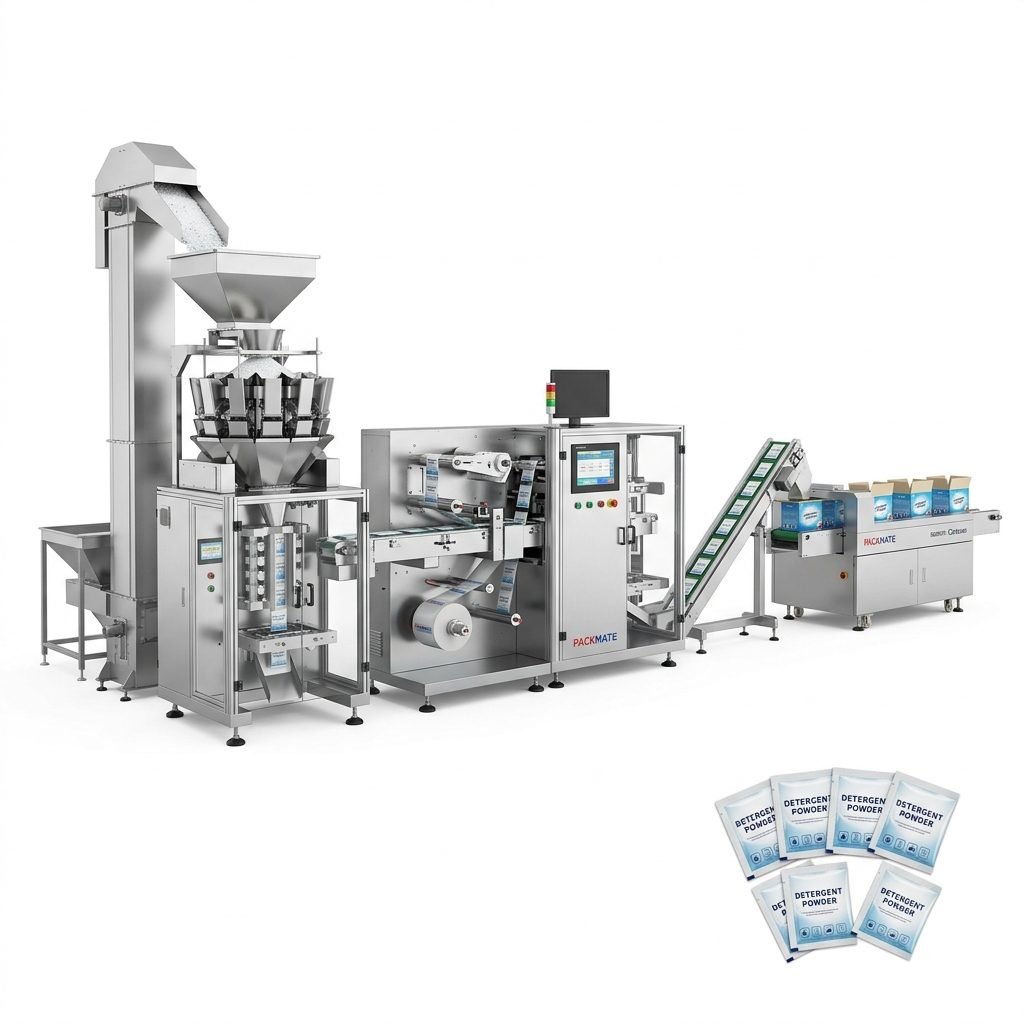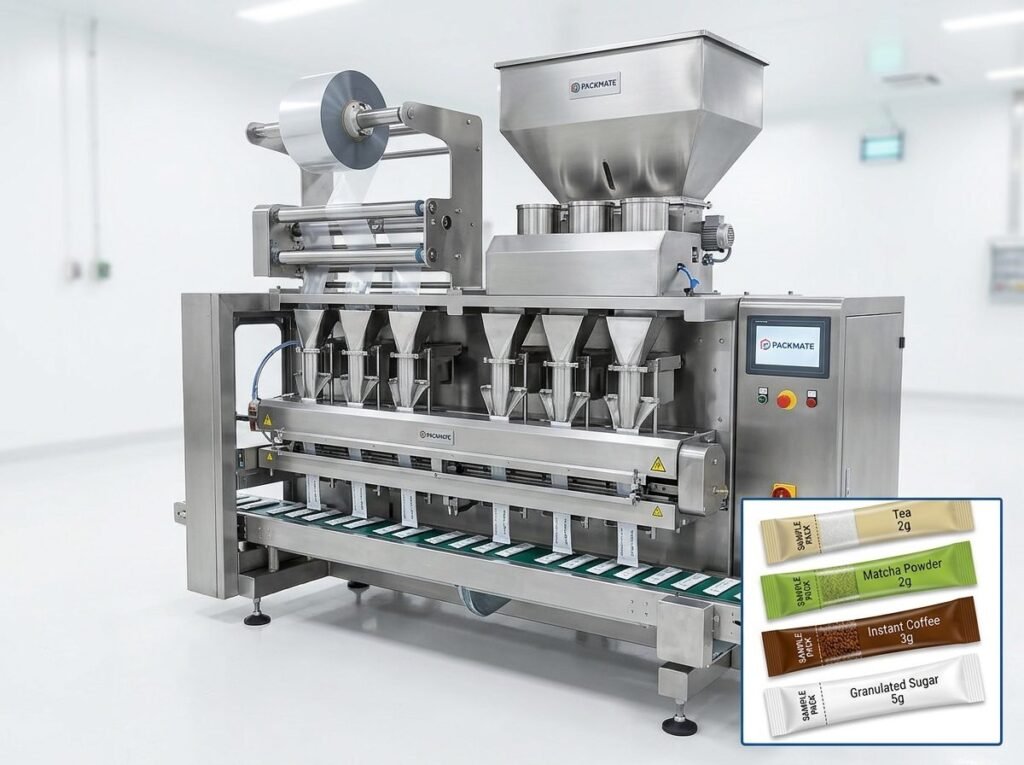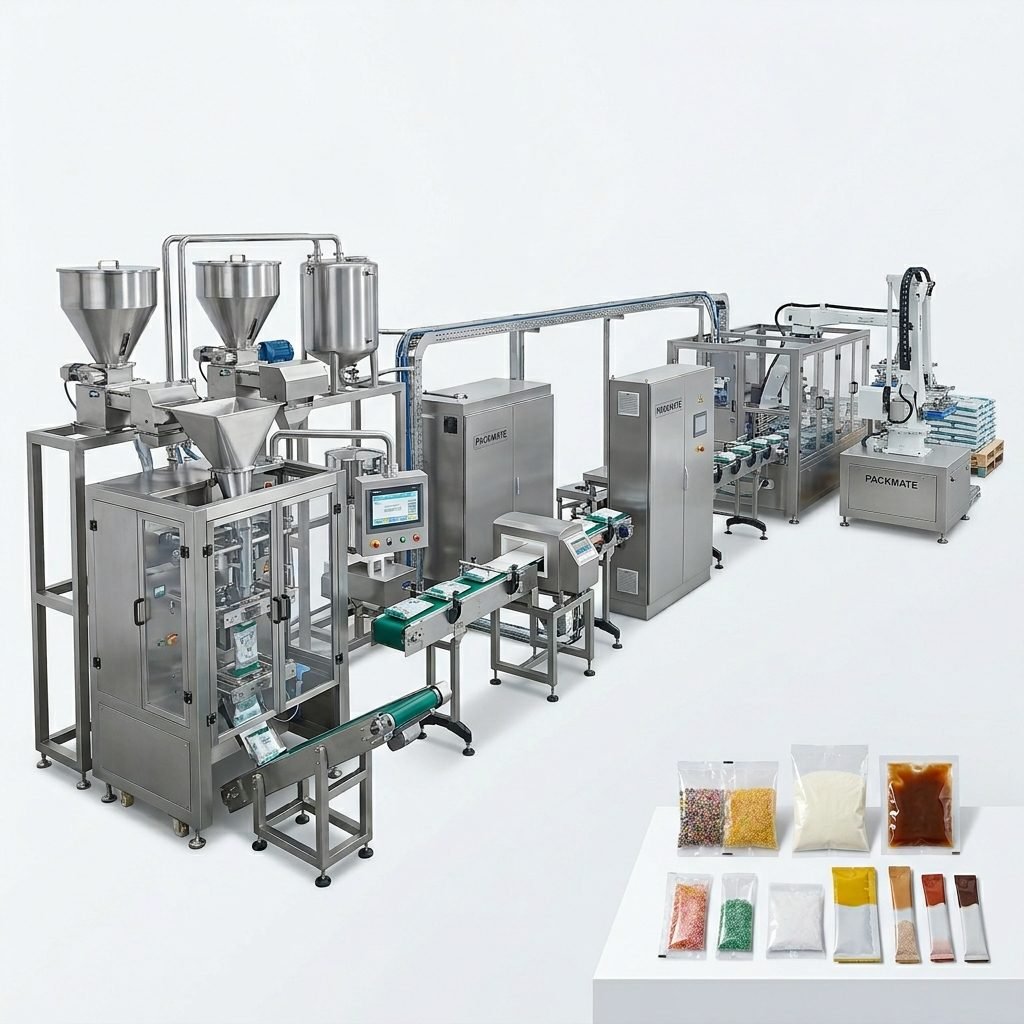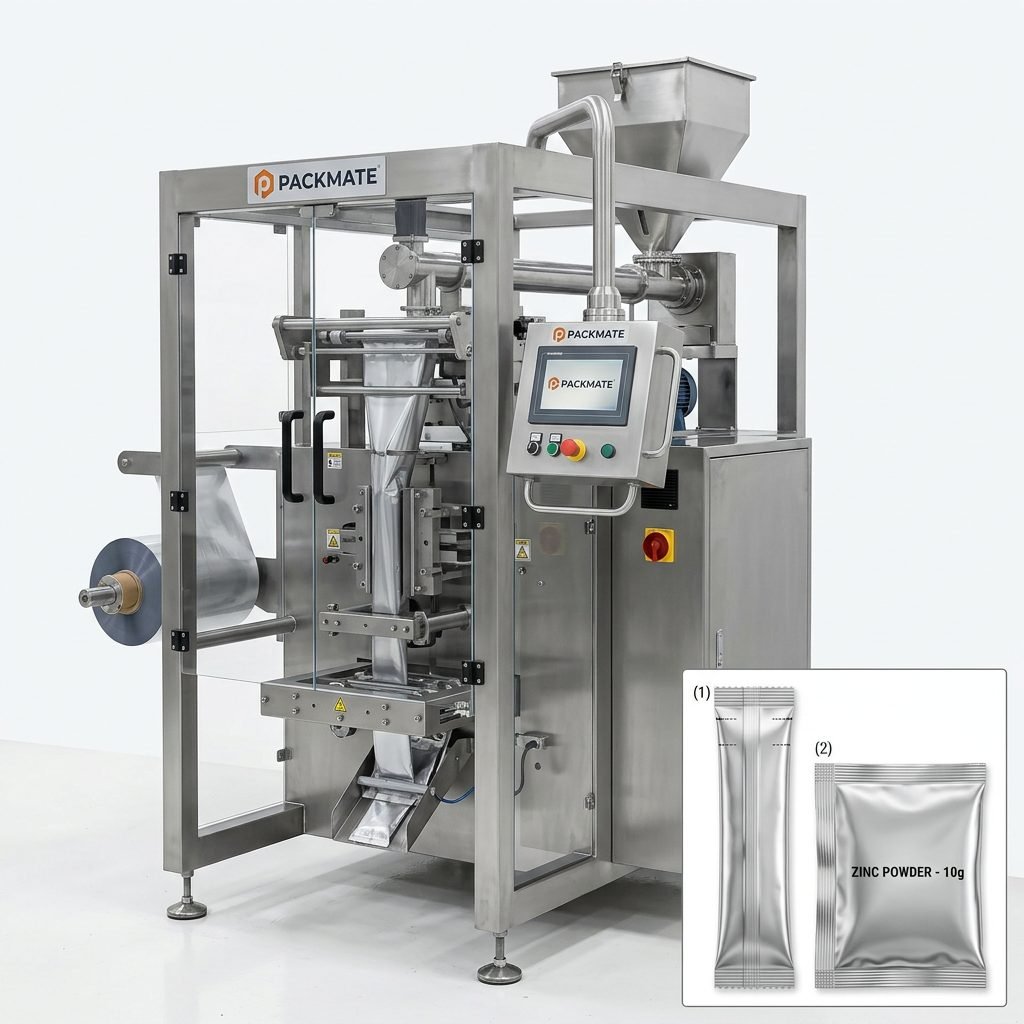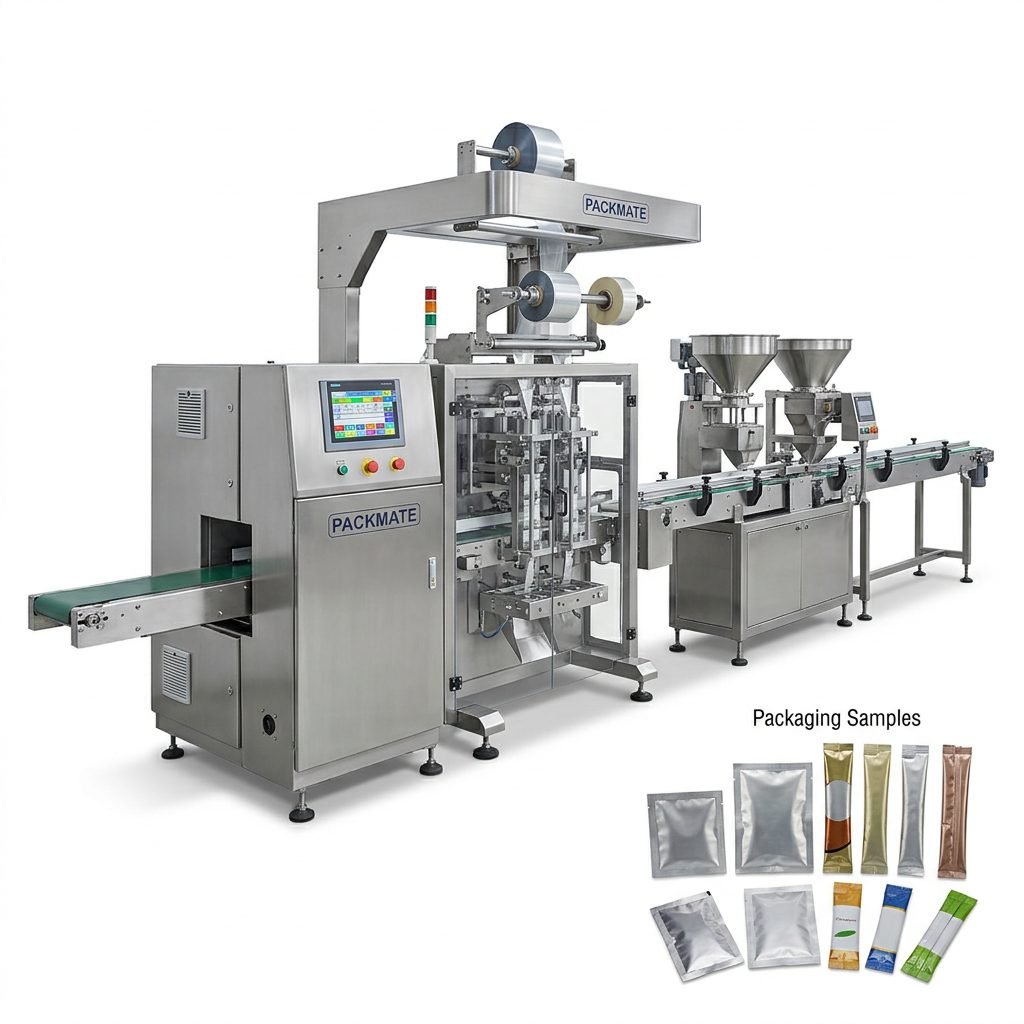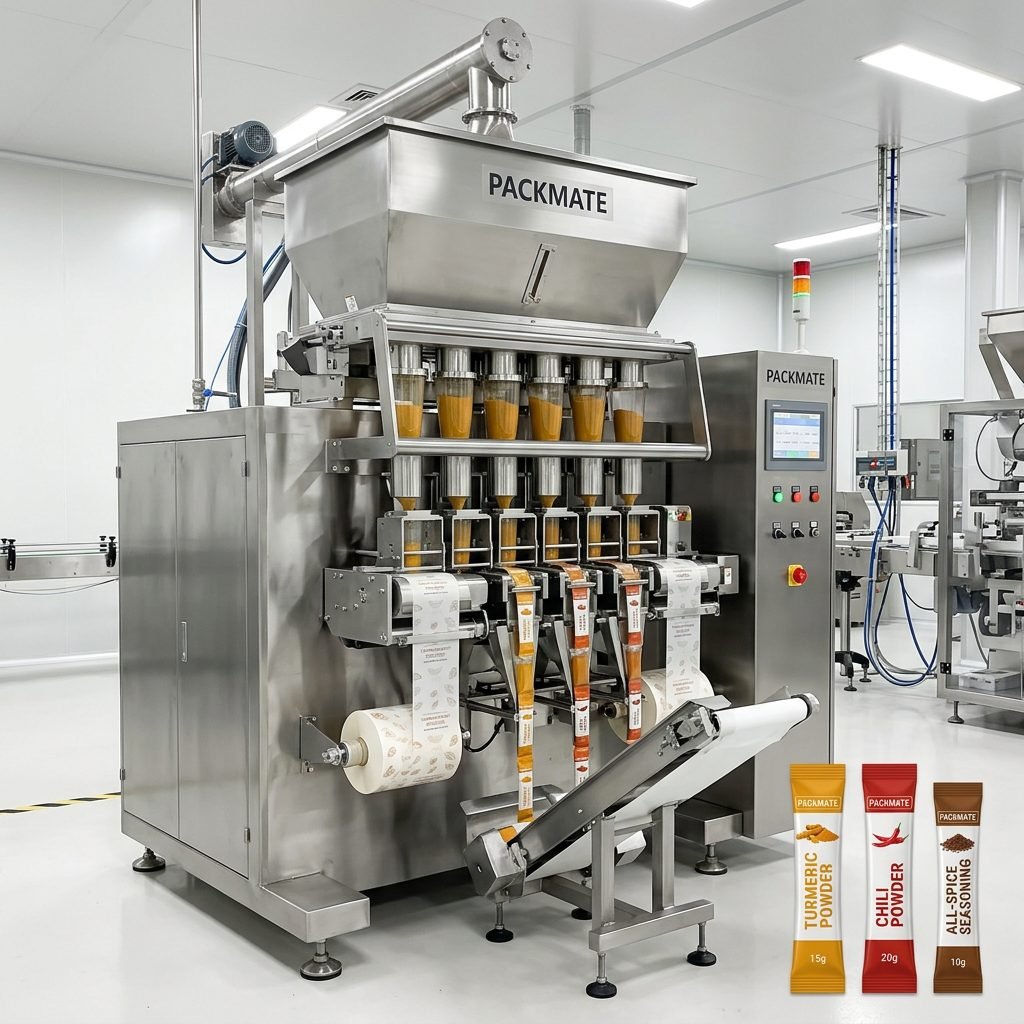
In today’s fast-paced and highly regulated manufacturing landscape, achieving seamless, efficient, and traceable production is not just an advantage—it’s a necessity. For industries where purity, safety, and consistency are paramount, such as food, pharmaceuticals, and health products, the packaging line is the final and critical guardian of product integrity. Enter the era of Digitally Connected Packaging Line Solutions, a transformative approach that integrates advanced machinery with smart data systems to create a cohesive, intelligent, and responsive production environment.
The Imperative for Digital Connectivity
The traditional packaging line, often a collection of isolated machines, is increasingly inadequate. Manual data logging, reactive maintenance, and opaque processes introduce risks of error, contamination, and downtime. Digitally connected solutions weave every component—from filling and sealing to coding and cartoning—into a single, networked system. This digital thread enables real-time monitoring, predictive analytics, and centralized control, turning raw data into actionable intelligence.
This integration is particularly crucial for sectors with stringent Good Manufacturing Practice (GMP) and Hazard Analysis Critical Control Point (HACCP) requirements. A connected line provides an immutable digital record of every parameter, supporting compliance and simplifying audits.
Core Components of a Connected Packaging Ecosystem
A holistic digitally connected packaging line is built on several interdependent pillars:
1. Intelligent Machinery with Embedded Sensors
Modern equipment from providers like Packmate is no longer just mechanical. Machines are equipped with IoT sensors that continuously monitor critical variables: temperature, pressure, fill weight, seal integrity, and motor performance. This data is the lifeblood of the connected system.
2. Centralized SCADA & MES Integration
Supervisory Control and Data Acquisition (SCADA) systems act as the nerve center, providing a unified Human-Machine Interface (HMI) to oversee the entire line. Integration with Manufacturing Execution Systems (MES) bridges the gap between enterprise planning and shop-floor operations, optimizing workflow and material tracking.
3. Real-Time Data Analytics & Dashboards
Raw sensor data is processed into intuitive visual dashboards. Line Overall Equipment Effectiveness (OEE), production rates, rejection causes, and energy consumption are displayed in real-time. This allows managers to spot trends, identify bottlenecks instantly, and make data-driven decisions rather than educated guesses.
Key Benefit: Predictive Maintenance
Instead of running machines to failure or adhering to rigid calendar-based schedules, connected systems analyze vibration, heat, and performance data to predict component wear. This enables maintenance only when needed, drastically reducing unplanned downtime and extending machinery lifespan—a critical factor for continuous production in pharma and food.
4. End-to-End Traceability & Serialization
Especially vital for pharmaceuticals, serialization mandates are seamlessly met. Each product unit receives a unique identifier (like a 2D Data Matrix code) at the packaging stage. The connected system logs this code alongside all associated production data (batch, time, line, parameters), creating a complete digital history from production to end-user, combatting counterfeiting and enabling precise recalls.
Industry-Specific Applications and Advantages
For Pharmaceutical and Health Products
Here, patient safety is non-negotiable. Connected lines ensure sterility and accuracy in blister packing, vial filling, and sachet packaging of powders or granules.
- Compliance Automation: Systems automatically enforce and document GMP protocols, with alerts for any deviation in environmental conditions or machine settings.
- Absolute Accuracy: High-precision fillers, digitally calibrated and monitored, guarantee exact dosages for active pharmaceutical ingredients (APIs).
- Audit-Readiness: Every action is logged in a secure, electronic batch record, simplifying regulatory submissions. Explore our tailored packaging solutions designed for these rigorous standards.
For Food and Beverage
From coffee stick packs to liquid condiment sachets, speed, hygiene, and cost-efficiency drive the market.
- Yield Optimization: Real-time monitoring of fill weights reduces giveaway, saving millions in product cost annually.
- Quality Assurance: Vision inspection systems, integrated into the network, automatically reject packages with seal defects, incorrect labels, or foreign particles.
- Supply Chain Agility: Connected lines can be quickly reconfigured via digital recipes for different products or package sizes, supporting small-batch, high-variability production runs.
The Packmate Advantage: Experience Meets Innovation
Implementing a digitally connected line requires a partner with deep technical expertise in both packaging engineering and digital systems. With over 22 years of development and a 20,000㎡ modern facility, Packmate (GuangDong) Co., Ltd. embodies this synergy. Founded on a passion for automation, our journey from a focused workshop to a provider of turnkey solutions has been guided by the core values of quality and innovation.
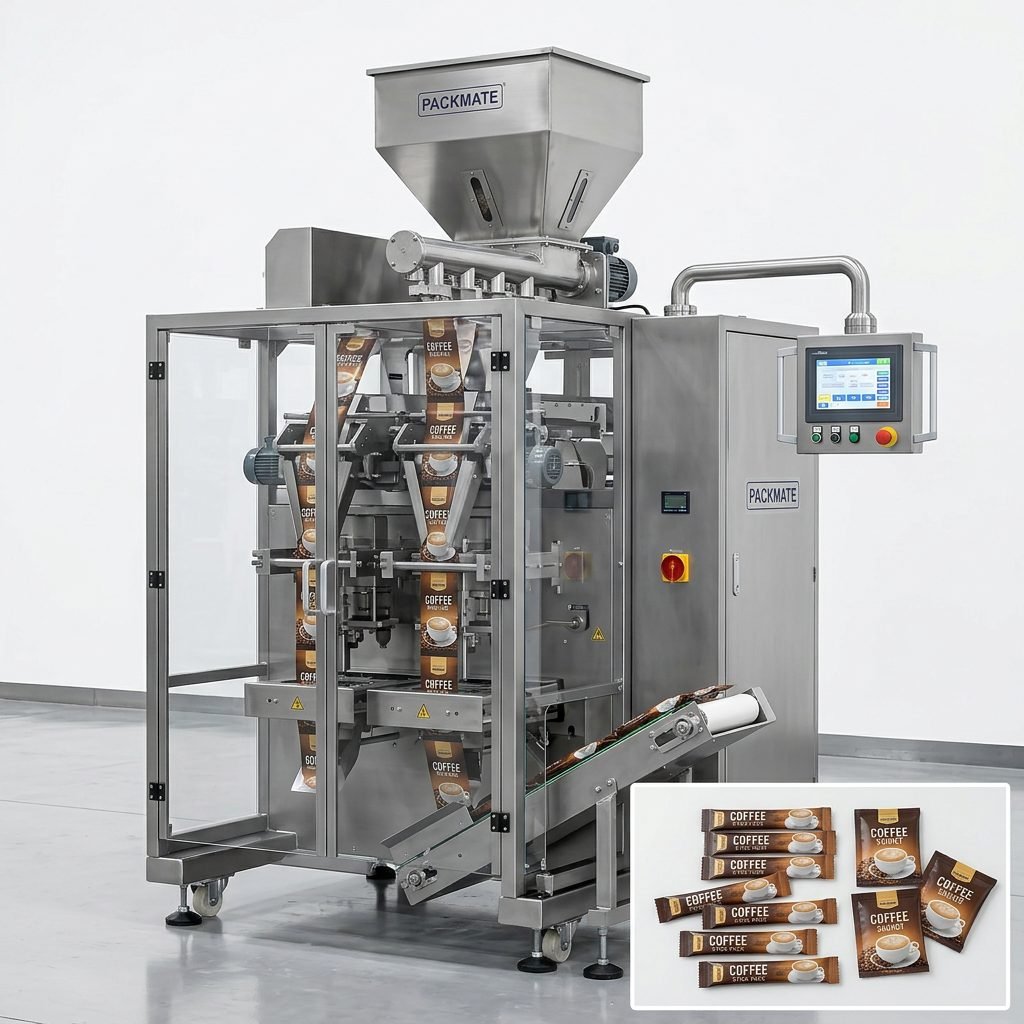
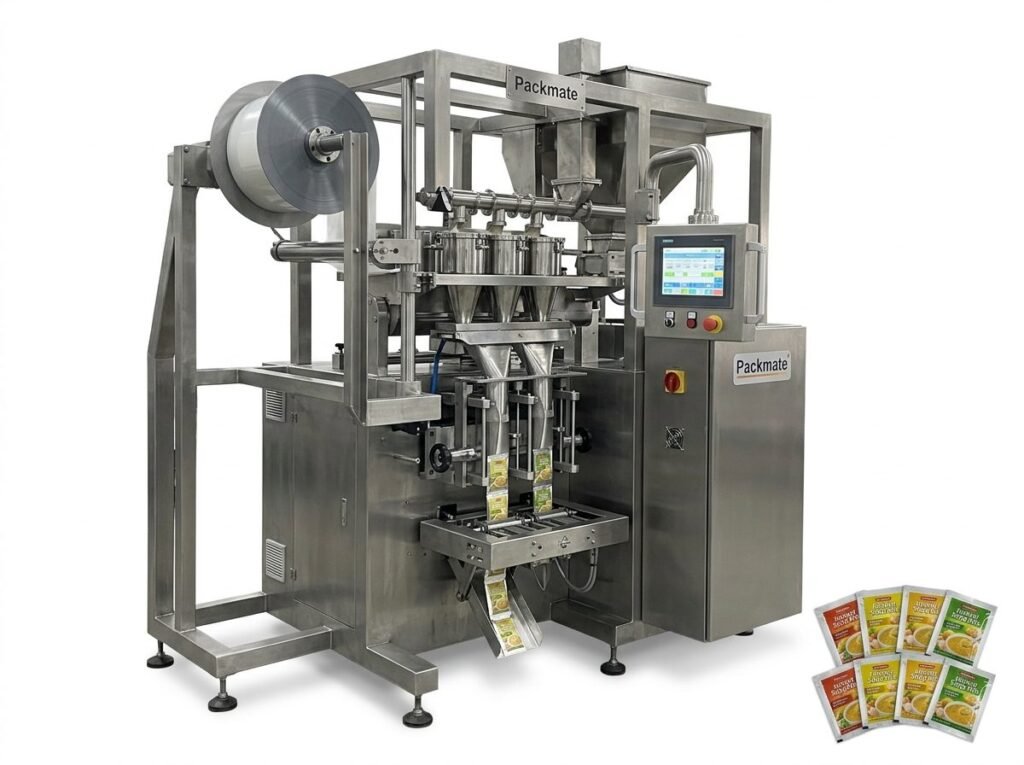
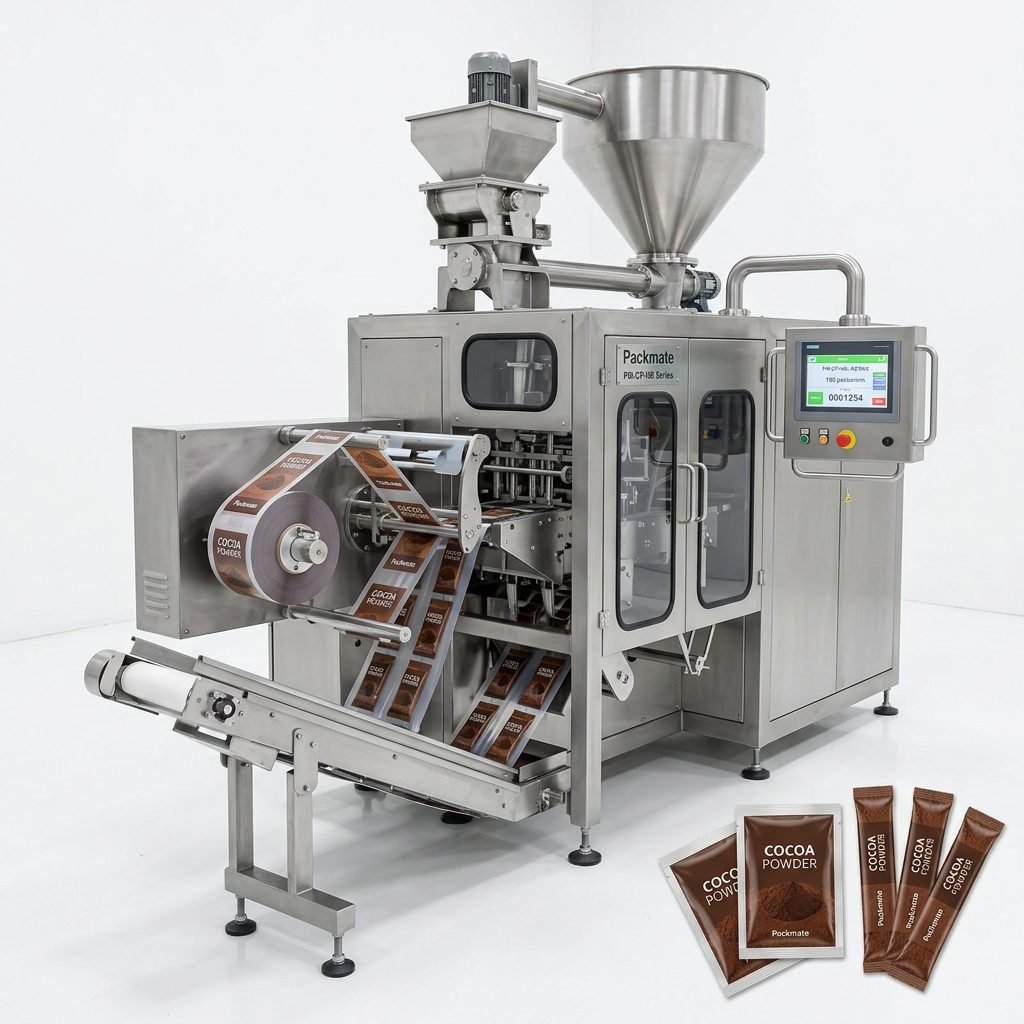
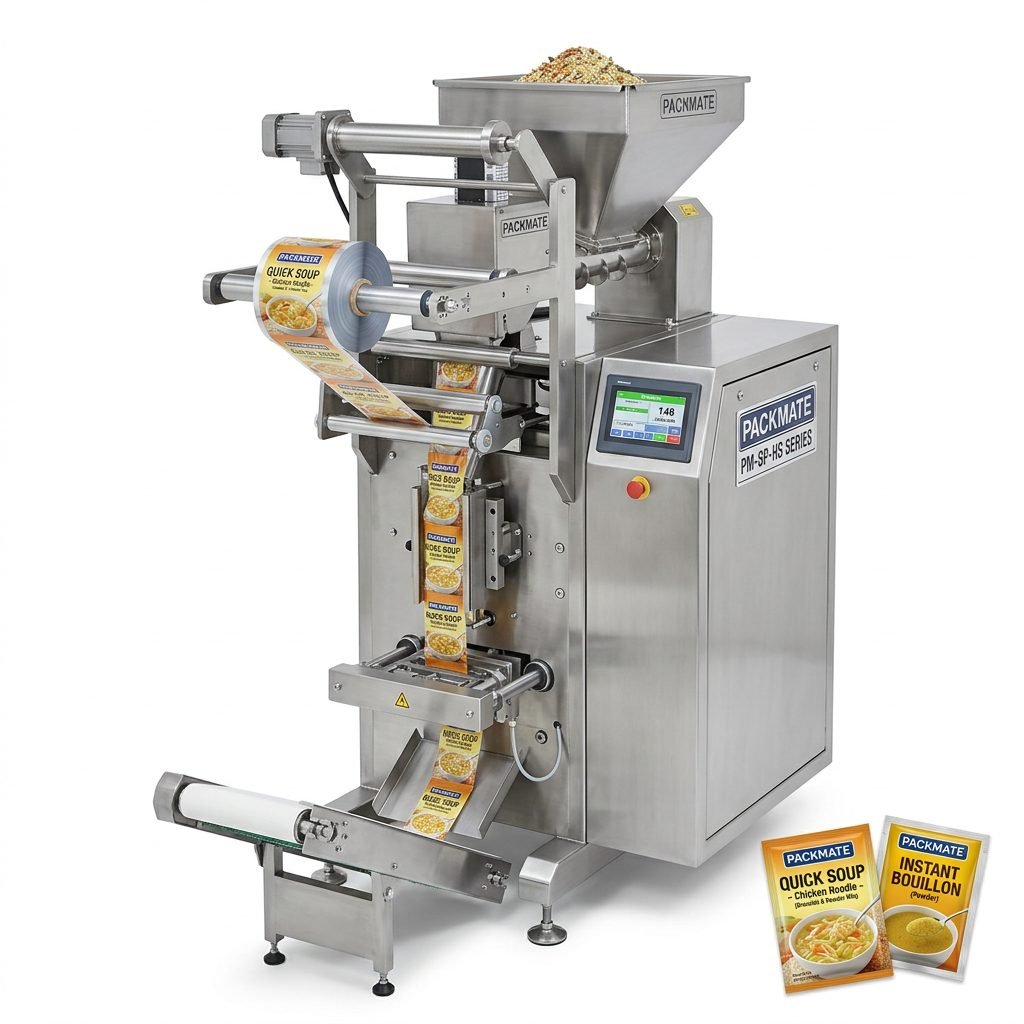
Our solutions, such as multi-lane stick pack and sachet lines, are designed with connectivity in mind. We don’t just sell machines; we deliver a complete production ecosystem. Our team of over 125 professionals works to integrate robust hardware with smart software, ensuring reliability and intelligence from day one. See how we’ve applied this approach in real-world client cases.
Implementing Your Connected Solution: A Strategic Roadmap
Transitioning to a digital packaging line is a strategic investment. A successful implementation follows key phases:
- Assessment & Planning: Analyze current pain points, define KPIs (OEE, waste reduction), and map desired data flows.
- Technology Selection: Choose a platform that is scalable, vendor-agnostic (where possible), and offers robust cybersecurity.
- Phased Integration: Start with connecting key machines for data collection, then expand to full control and analytics to manage change effectively.
- Team Training & Culture Shift: Empower operators and technicians to use new dashboards and insights, fostering a data-centric culture.
The future of packaging is unequivocally digital and connected. It represents a shift from reactive operation to proactive optimization, from isolated data silos to a symphony of synchronized information. For manufacturers in the food, pharmaceutical, and health product sectors, adopting these solutions is the definitive path to achieving unparalleled levels of quality, efficiency, compliance, and resilience in an increasingly competitive and regulated global marketplace. To discuss how a tailored connected solution can transform your operations, contact our team today.
Frequently Asked Questions (FAQs)
1. What is the primary benefit of a digitally connected packaging line?
The primary benefit is actionable visibility and control. It transforms opaque mechanical processes into transparent data streams, enabling real-time optimization, predictive maintenance, and guaranteed traceability, which directly boosts productivity, reduces waste, and ensures compliance.
2. Is this technology only for large-scale manufacturers?
Absolutely not. While the benefits are massive for high-volume producers, modular and scalable connected solutions are increasingly accessible. Small to medium enterprises can start with core connectivity for critical machines to monitor OEE and quality, scaling up the system as they grow. The return on investment from reduced downtime and waste can be significant at any scale.
3. How does digital connectivity improve regulatory compliance?
It automates and digitizes record-keeping. Instead of manual log sheets, the system automatically creates secure, time-stamped, and tamper-evident electronic records for every batch (e.g., machine parameters, environmental data, serial numbers). This makes audits faster, more reliable, and less disruptive, as data can be retrieved and filtered in seconds.
4. What about cybersecurity risks with connected equipment?
Cybersecurity is a valid and critical concern. Reputable solution providers design systems with security as a priority, employing measures like network segmentation, firewalls, encrypted data transmission, and regular security patches. It is essential to discuss and plan for cybersecurity architecture as a core part of any connected line project.
5. Can we connect our existing, older packaging machines?
In many cases, yes. Retrofitting is possible using IoT gateway devices and sensors that can be added to legacy equipment to capture operational data (speed, cycles, runtime). However, the level of control and integration achievable may be less than with newer, natively “smart” machines. A professional assessment, like the ones we provide through our comprehensive services, is the best first step to evaluate the feasibility and ROI of retrofitting your current line.