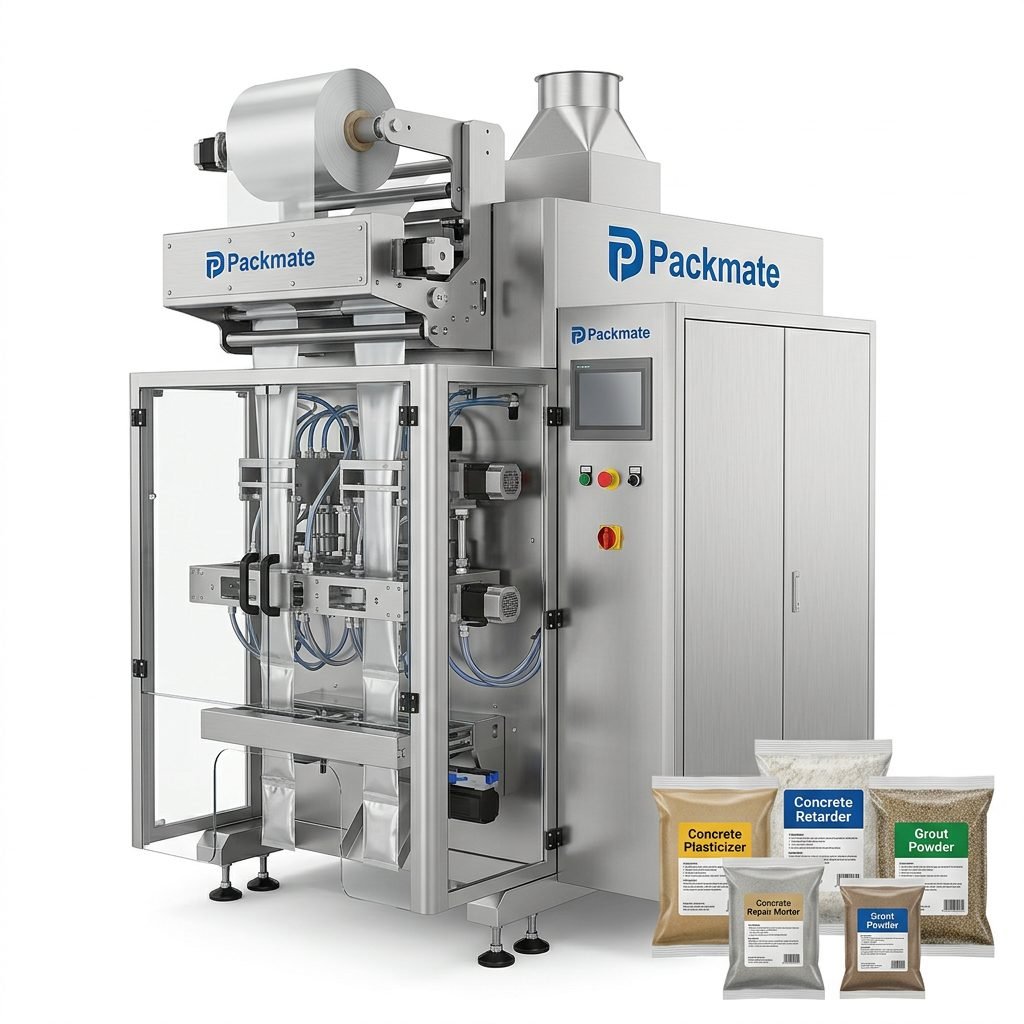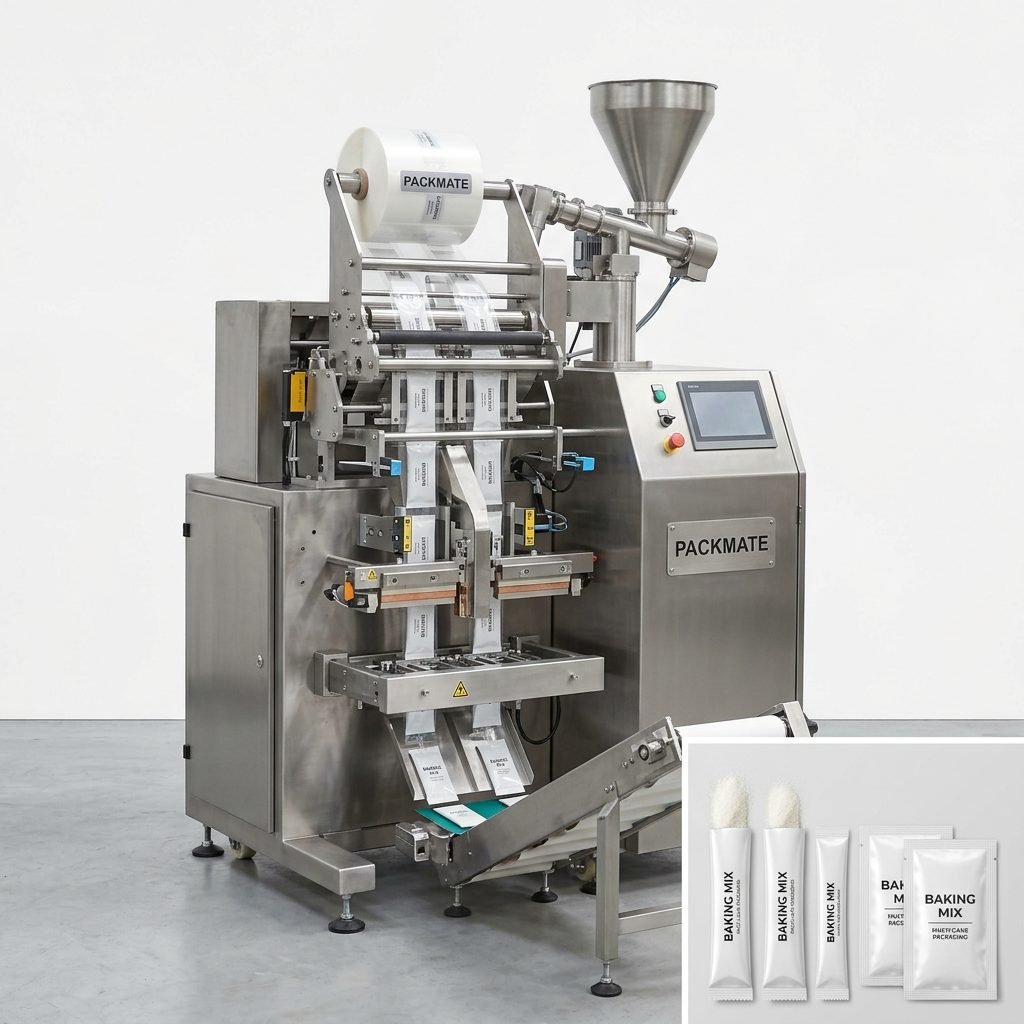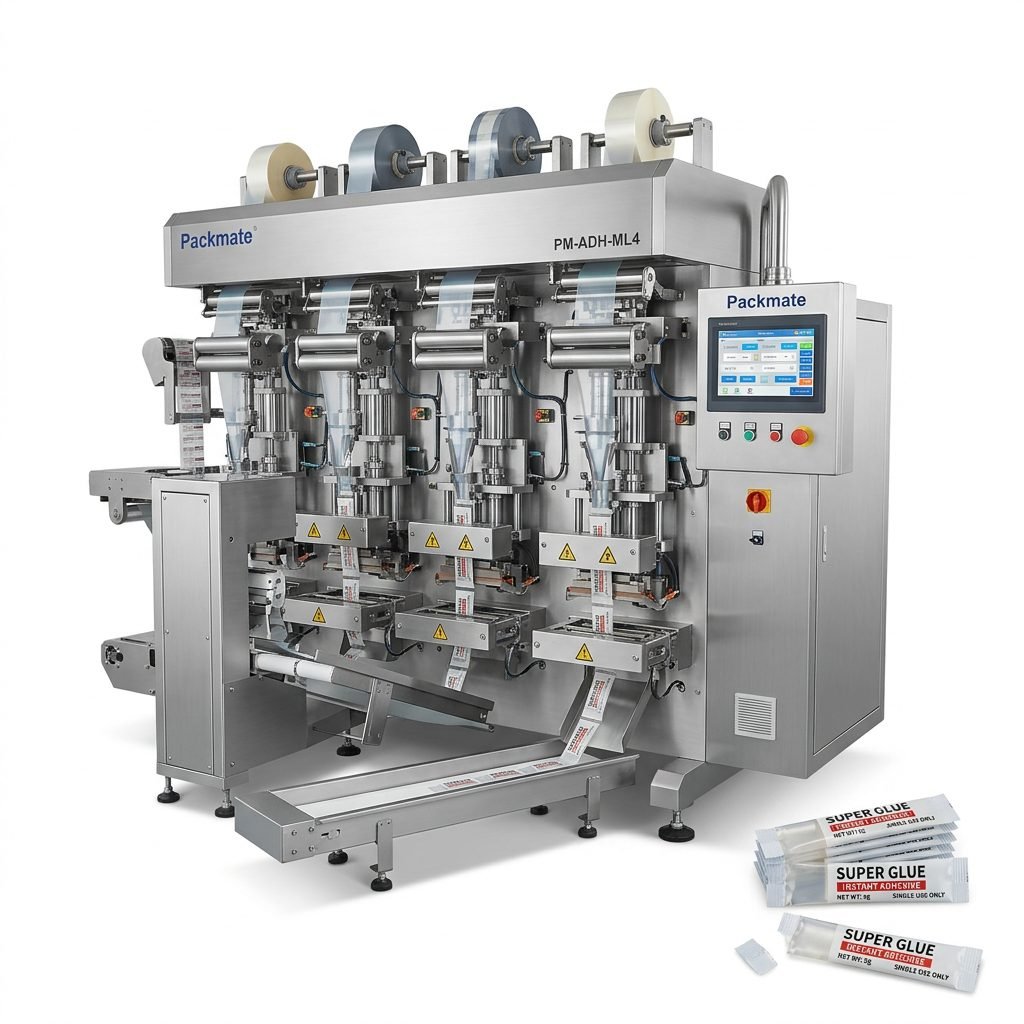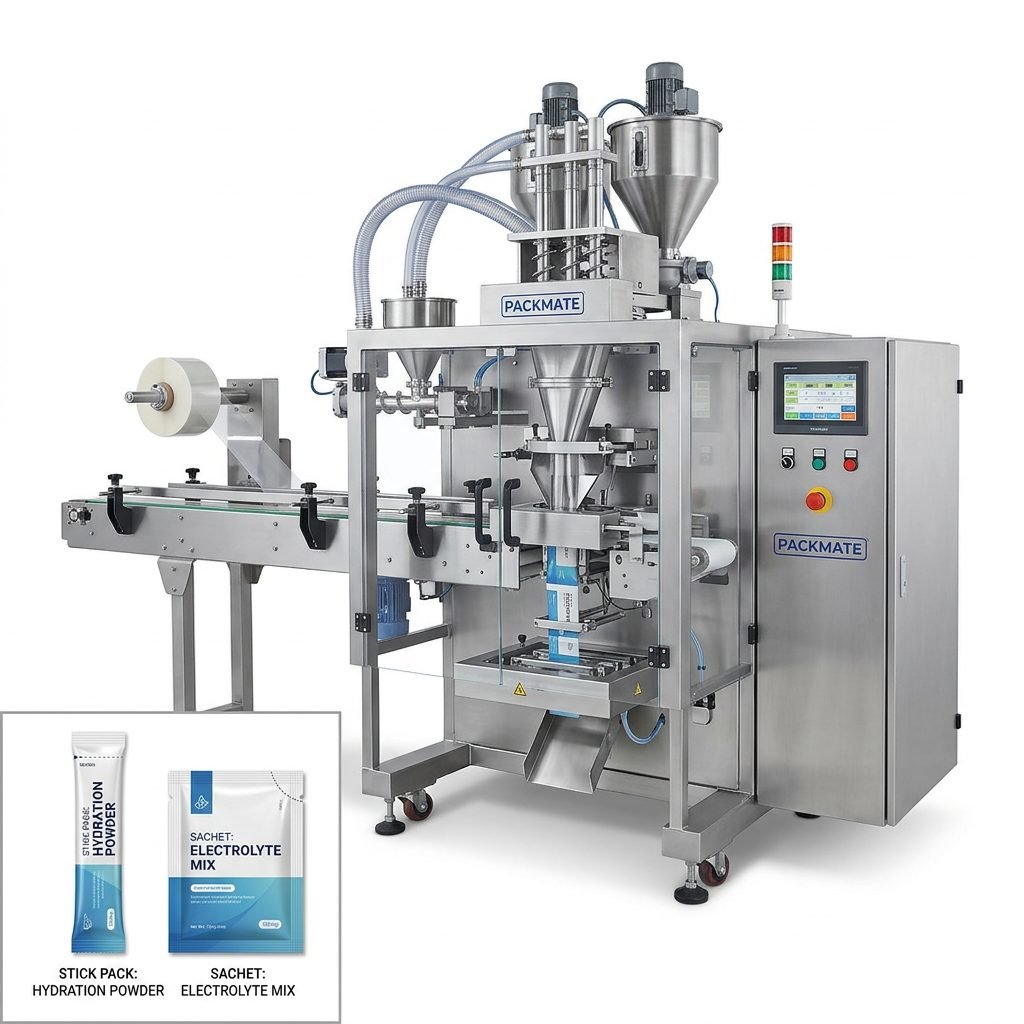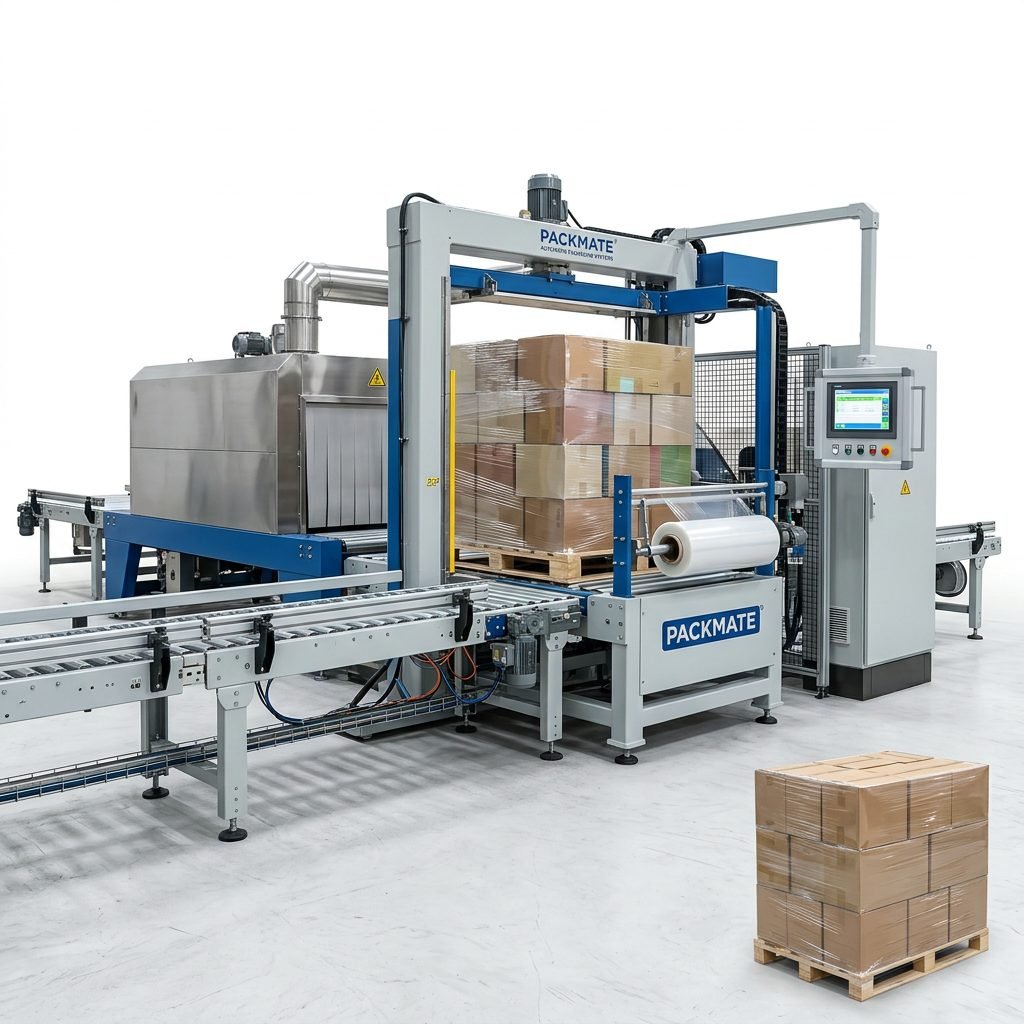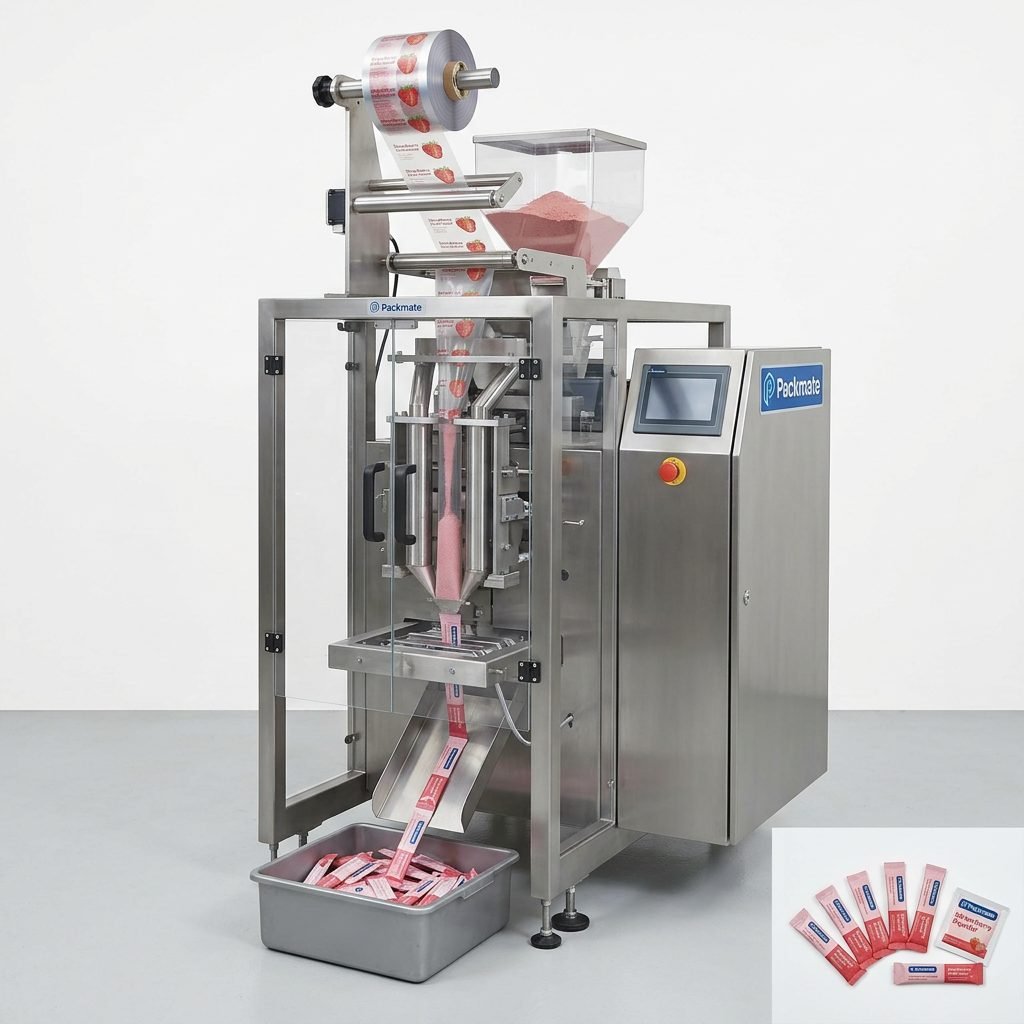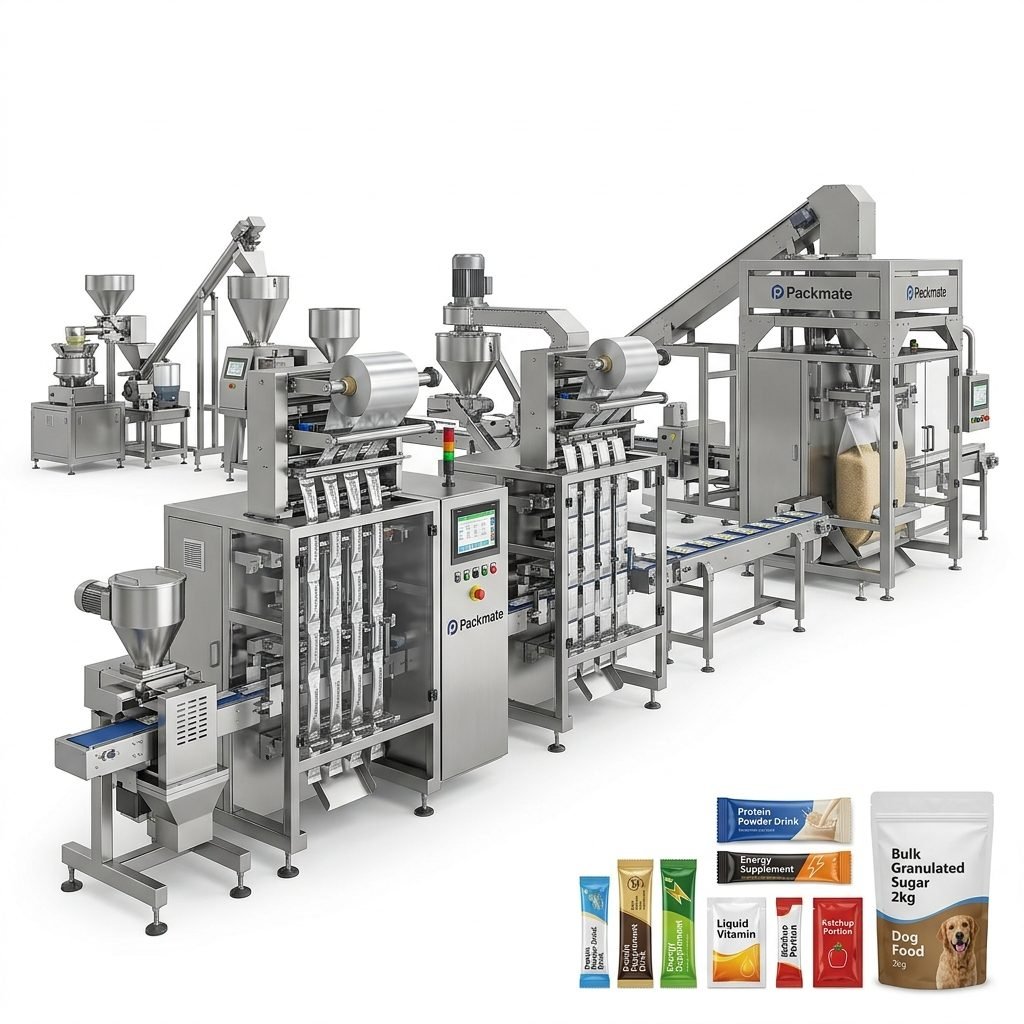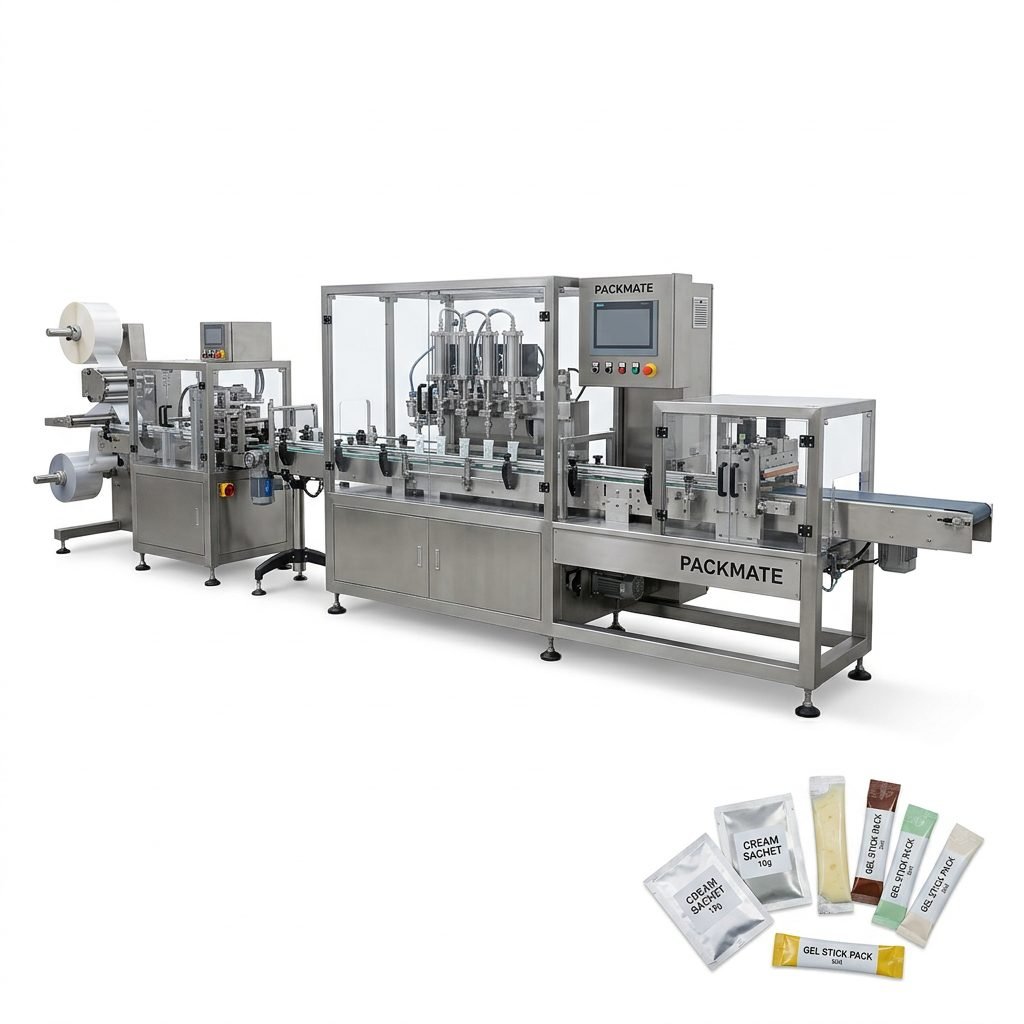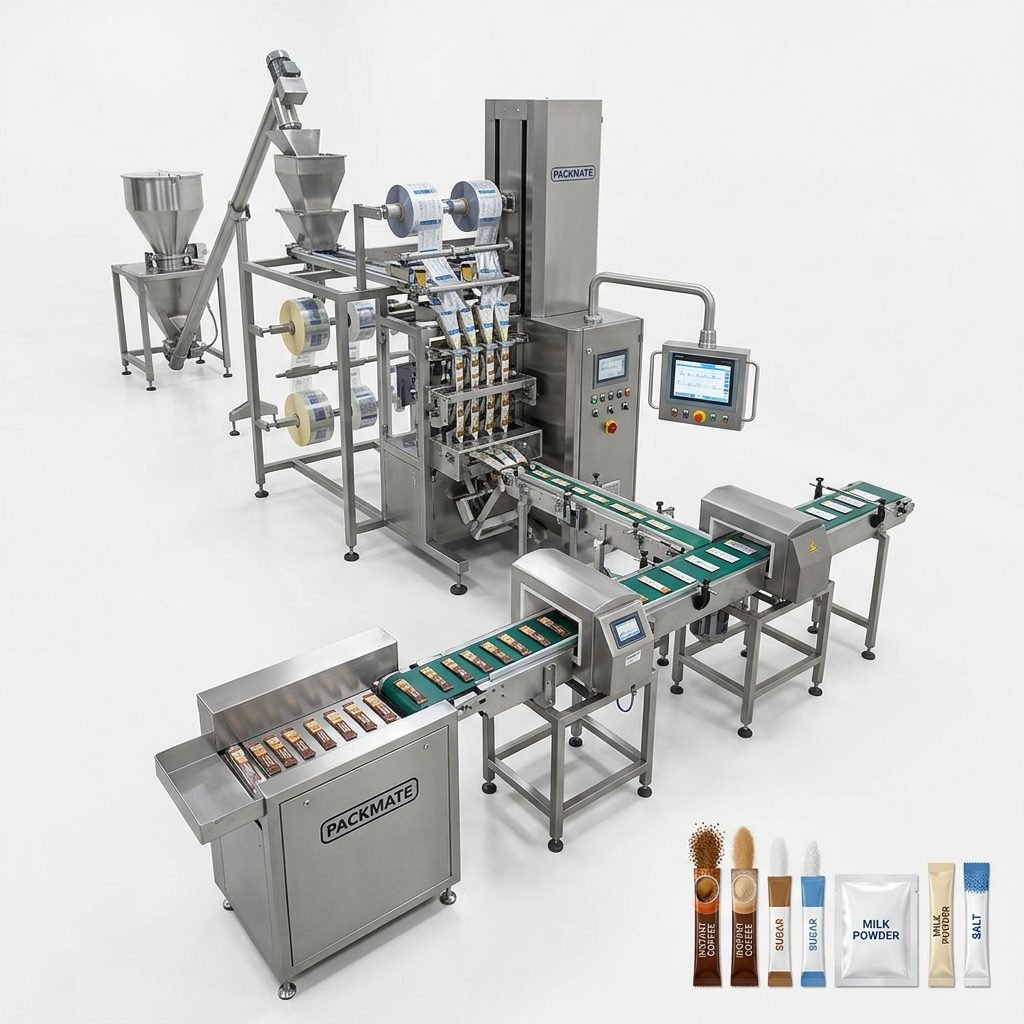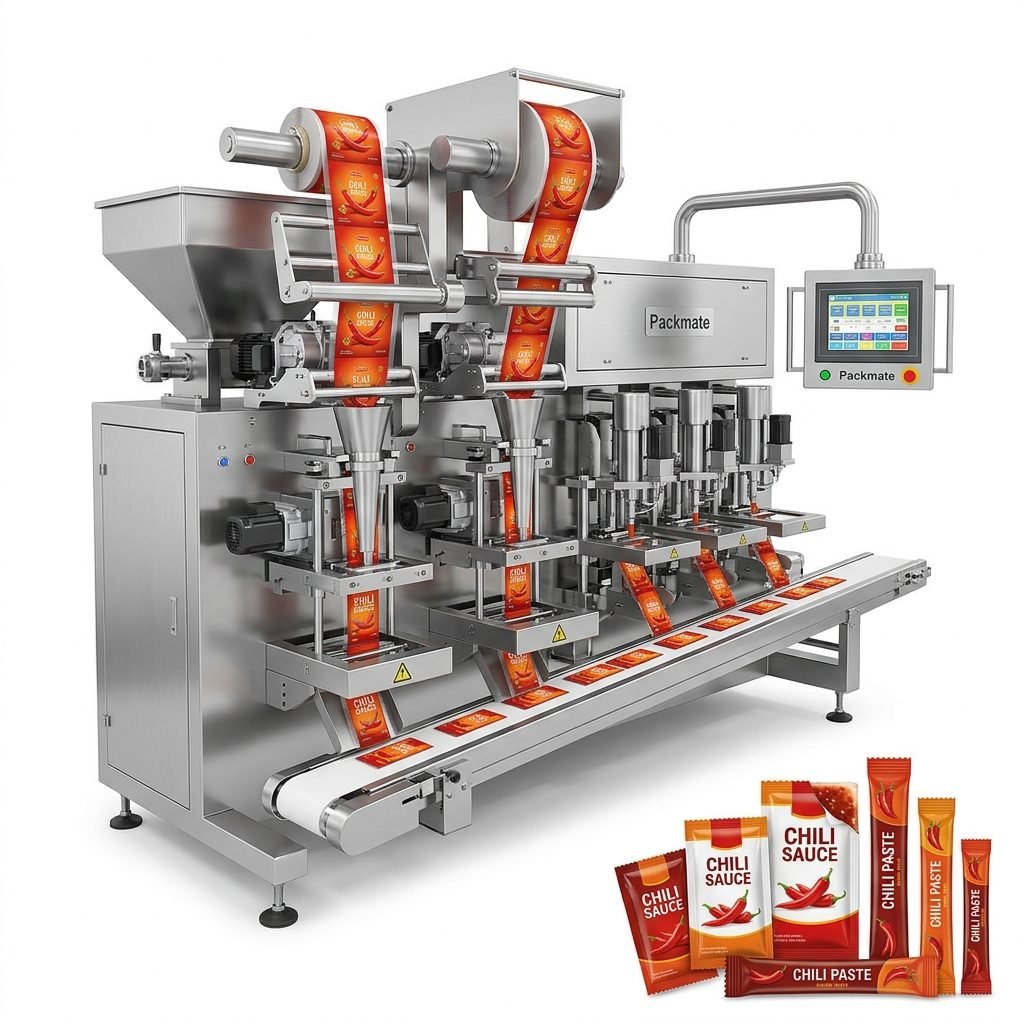
In the competitive landscape of product manufacturing, efficient and reliable packaging is a cornerstone of success. For producers handling powders, granules, and liquids, finding a packaging solution that ensures product integrity, maximizes speed, and minimizes waste is paramount. This is where the sophistication of a 4 Side Seal Sachet Packaging Line becomes indispensable. This comprehensive guide explores the automatic solutions that define modern sachet packaging, offering insights into how these systems can revolutionize your production process for a wide array of products.
Understanding the 4 Side Seal Sachet Packaging Line
A 4 Side Seal Sachet Packaging Line is an integrated, automated system designed to form, fill, and seal individual sachets from a roll of packaging film. The “4 side seal” refers to the hermetic closure on all four edges of the pouch, creating a robust and secure package ideal for unit-dose or small-quantity products. Unlike pillow packs or 3-side seal bags, this design offers superior stability and a premium, finished appearance that enhances brand presentation on shelves.
Core Advantage: The primary benefit of this configuration is its exceptional seal integrity. By sealing all four sides, the package offers enhanced protection against moisture, contaminants, and leakage, which is critical for hygroscopic powders, sensitive granules, and viscous liquids.
Key Components of an Automatic Line
An automatic 4 side seal sachet packaging line is not a single machine but a symphony of coordinated components. A typical turnkey solution from a provider like Packmate includes:
- Film Unwinding & Tension Control System: Precisely feeds the packaging material.
- Precision Dosing System: The heart of the line, accurately measuring and dispensing the product. This can be auger fillers for powders, cup fillers for granules, or piston pumps for liquids.
- Forming & Sealing Unit: Shapes the film into a tube, creates the vertical back seal, forms the bottom seal, fills the product, and finally creates the top seal before cutting the individual sachet.
- Control System (PLC/HMI): The brain of the operation, allowing for easy parameter setting, speed adjustment, and production monitoring.
- Optional Modules: These can include a checkweigher for quality assurance, a date/batch coder, a nitrogen gas flushing system for extended shelf life, and automated cartoning or case packing systems.
Automatic Solutions for Different Product Types
The versatility of modern 4 side seal lines lies in their adaptability. The core machinery remains similar, but key components are tailored to handle specific product characteristics.
1. For Powder Products (e.g., Coffee, Protein, Spices)
Powders present challenges like dusting, bridging, and accurate volumetric filling. Automatic solutions employ auger filler systems with anti-bridging hoppers and dust extraction ports. The precision of the auger screw ensures consistent fill weight, crucial for cost control and regulatory compliance. The hermetic 4-side seal prevents moisture ingress, keeping powders free-flowing.
2. For Granule Products (e.g., Tea, Sugar, Seeds)
Granules require gentle handling to avoid breakage. Solutions often utilize cup or volumetric fillers that scoop a precise volume. Vibration systems may be integrated to settle the granules for a consistent fill. The robust seal of the sachet prevents spillage and protects granules from environmental factors.
3. For Liquid & Viscous Products (e.g., Sauces, Oils, Shampoo)
Liquids demand leak-proof integrity. Lines are equipped with piston pump or gravity filler systems and nozzles designed to prevent dripping. The sealing jaws apply precise heat and pressure to create a perfect fusion of the laminated film layers, ensuring no leakage even under pressure. For oily products, the film material selection is critical to prevent grease penetration.
Why Choose a Complete Turnkey Line?
Investing in a complete, integrated line from a single supplier like Packmate Packaging Line offers significant advantages over piecing together individual machines. It guarantees mechanical and control system compatibility, reduces integration headaches, and ensures a single point of accountability for service and support. The line is tested and optimized as a whole unit before delivery, leading to faster installation and a quicker return on investment. You can see real-world applications in our detailed project case studies.
Critical Factors for Selecting Your Packaging Line
Choosing the right automatic solution requires careful consideration of several factors:
- Production Speed (Sachets per Minute): Match the line’s output to your current and forecasted demand.
- Product Characteristics: Define your product’s flowability, density, abrasiveness, and sensitivity to air/moisture.
- Sachet Size & Material: Determine the required pouch dimensions and the type of laminate film (e.g., PET/AL/PE, PET/PE) needed for barrier properties and machinability.
- Level of Automation: Decide on the need for automated downstream handling like counting, boxing, or palletizing.
- Regulatory Compliance: For food or pharmaceutical products, ensure the line meets relevant safety and hygiene standards (e.g., GMP, FDA requirements for contact parts).
Partnering with an experienced manufacturer is crucial. A company with a strong track record, like Packmate with its 22+ years of development and a 20,000㎡ modern facility, can provide expert guidance through this selection process, ensuring the solution is tailored to your specific needs.
Maximizing Efficiency and ROI
An automatic 4 side seal line is a significant capital investment, but its return is realized through operational excellence.
↳ Reduced Labor Costs: Automation minimizes manual handling, requiring fewer operators for feeding, monitoring, and packing.
↳ Minimized Product Waste: High-precision dosing and consistent sealing dramatically reduce giveaway and rejected packs.
↳ Enhanced Production Uptime: Robust, reliable machinery from reputable suppliers reduces unplanned downtime and maintenance.
↳ Improved Quality & Brand Image: Uniform, professionally sealed sachets enhance consumer trust and brand perception in the market.
To protect your investment, comprehensive after-sales service and support are non-negotiable. This includes proper operator training, readily available spare parts, and responsive technical assistance.
Frequently Asked Questions (FAQs)
1. What is the typical speed range for an automatic 4 side seal sachet line?
Speeds vary based on sachet size and product type. Standard single-lane machines can range from 60 to 120 sachets per minute. For higher output, multi-lane configurations (e.g., dual-lane) can double or triple this rate. The exact speed for your application should be determined during the project planning phase with your equipment supplier.
2. Can one packaging line handle both powder and liquid products?
While the core forming and sealing mechanism is similar, the filling system is product-specific. Some lines are designed as “hybrid” or “convertible” systems, where the dosing unit can be swapped out (e.g., changing from an auger to a piston pump). However, this requires changeover time and parts. For dedicated, high-volume production of different product types, separate, optimized lines are often more efficient.
3. How do we ensure the seal strength is consistent and reliable?
Consistent sealing relies on three main factors: precise temperature control of the sealing jaws, consistent pressure application, and the quality/composition of the packaging film. Modern machines feature digital temperature controllers and robust pneumatic or servo-driven jaws. It is vital to use film that is compatible with your machine’s sealing parameters and to conduct regular seal integrity tests (like burst or leak tests).
4. What kind of maintenance does an automatic sachet line require?
Regular preventive maintenance is key. This includes daily cleaning of product contact parts, lubrication of moving components as per the manual, and inspection of wear parts like sealing jaws, cutting blades, and filler seals. A good supplier will provide a detailed maintenance schedule and training for your technicians. Having a service contract can ensure periodic professional check-ups.
5. Where can I see examples of these lines in operation or get a quote?
Reputable manufacturers often provide video demonstrations and detailed case studies on their websites. The best way to get a tailored solution and an accurate quote is to directly contact the supplier with your specific product details, sachet specifications, and desired output. You can initiate this process by visiting the contact page of a trusted provider like Packmate to discuss your project requirements.