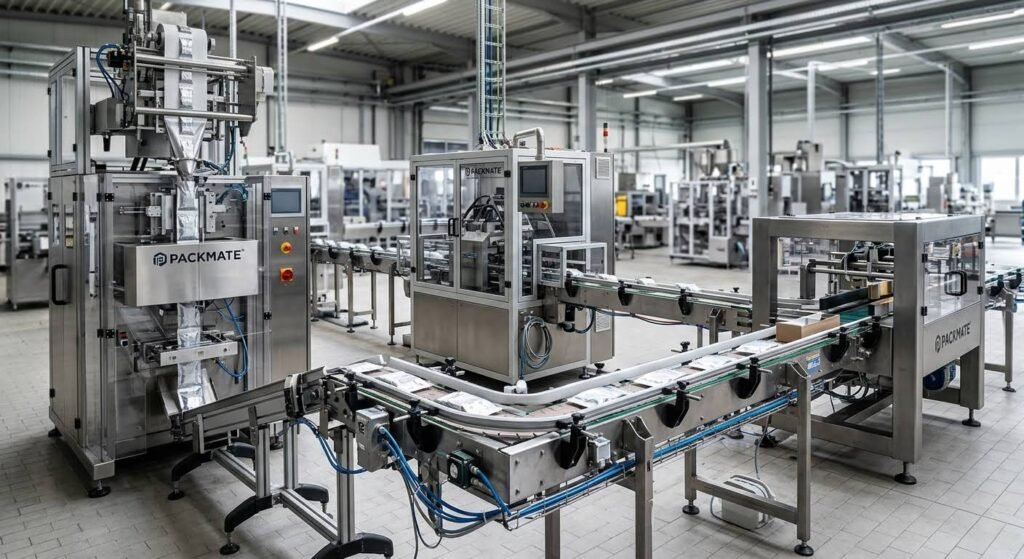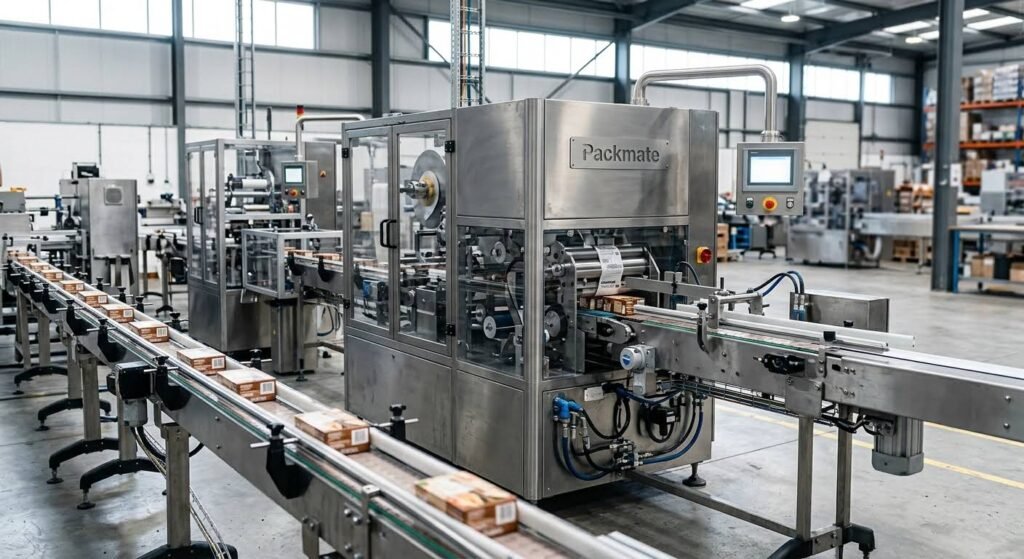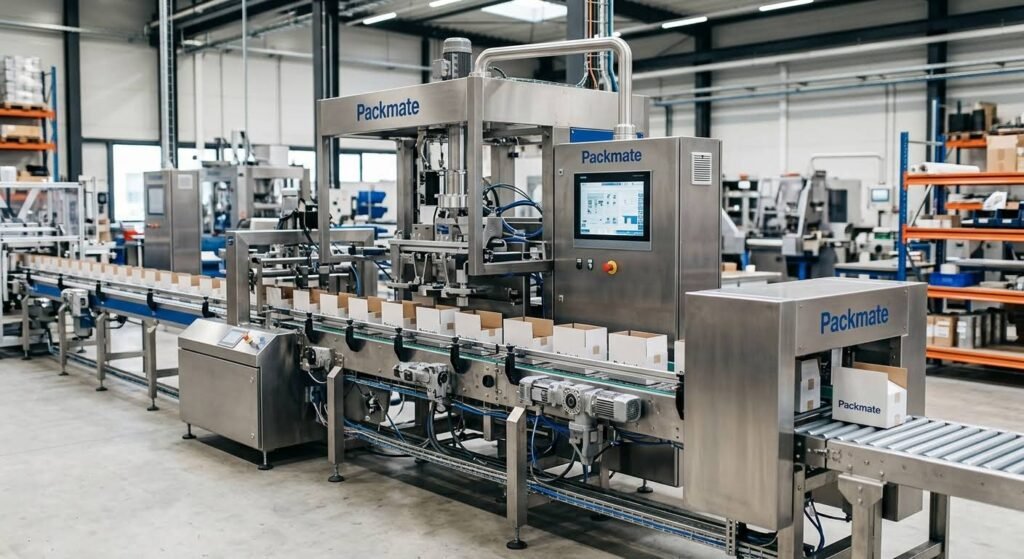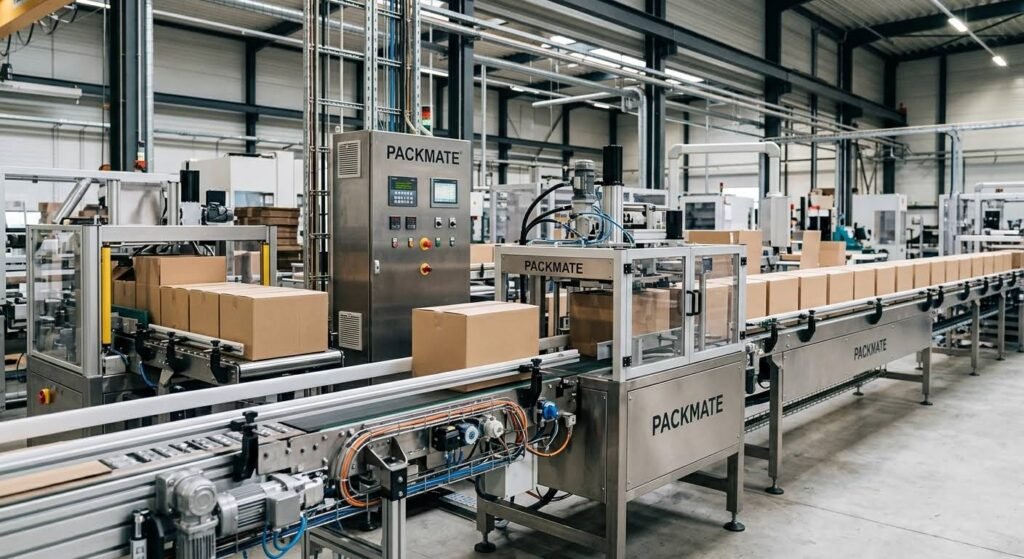
In the competitive world of food, pharmaceutical, and nutritional product manufacturing, efficiency, accuracy, and hygiene are non-negotiable. The packaging process, especially for powders, is a critical stage that directly impacts product quality, shelf life, and brand reputation. A specialized powder filling line is not merely a machine; it is a comprehensive solution designed to handle the unique challenges of fine, cohesive, or aeratable powders. From protein supplements and infant formula to pharmaceutical APIs and instant drink mixes, the right filling technology ensures precise dosing, minimizes waste, and maintains the integrity of sensitive ingredients. Investing in a robust powder filling solution is an investment in product consistency and operational excellence.

Core Challenges in Powder Packaging
Powders present distinct handling difficulties that liquid or solid products do not. Understanding these challenges is the first step toward selecting the right equipment.
Product Characteristics & Behavior
Different powders have different flow properties. Some, like granulated sugar, flow freely, while others, such as flour or whey protein, are cohesive and tend to bridge or rat-hole in hoppers. Hygroscopic powders attract moisture, leading to clumping, while aerated powders (like milk powder) can vary greatly in density. A one-size-fits-all approach fails here; the filling system must be adaptable to these behaviors to ensure consistent fill weight.
Accuracy and Dosage Precision
For pharmaceutical actives or high-value nutritional supplements, every milligram counts. Overfilling erodes profit margins, while underfilling leads to regulatory non-compliance and consumer distrust. Achieving high-speed operation without sacrificing ±1% accuracy requires advanced weighing technology and sophisticated control systems.
Contamination Control and Hygiene
In pharmaceutical and food-grade applications, preventing cross-contamination and maintaining a sterile or hygienic environment is paramount. The design of the filling line must allow for easy cleaning, often requiring CIP (Clean-in-Place) or SIP (Sterilize-in-Place) capabilities, and use materials compliant with FDA, cGMP, or other relevant standards.
Key Components of a Modern Powder Filling Line
A complete turnkey line integrates several synchronized machines to automate the entire process from empty container to sealed, finished product.
1. Feeding and Dosing Systems
This is the heart of accuracy. Common technologies include:
- ➜ Auger Fillers: Ideal for a wide range of powders, from free-flowing to cohesive. A rotating screw (auger) displaces a precise volume of powder. Modern auger systems are coupled with weight feedback control for exceptional accuracy.
- ➜ Net Weight Scales (Multi-Head Weighers): The gold standard for precision. Used primarily for free-flowing products, these systems use multiple weigh buckets to combine doses that meet an exact target weight at very high speeds.
- ➜ Volumatic Cup Fillers: A cost-effective solution for uniform, free-flowing powders. Pre-measured cups scoop the product, offering consistent volumetric fills.
2. Container Handling & Sealing
The filling head is integrated into a larger system. An unscrambler or conveyor presents containers (bottles, cans, sachets) in the correct orientation. After filling, the container moves to a capping station (for screw caps, snap lids) or a sealing station (for heat-sealing sachets or stick packs). For flexible packaging formats, this involves form-fill-seal (FFS) technology, where the package is formed, filled, and sealed in one continuous operation.
3. Ancillary and Support Systems
A professional line includes supporting modules: de-dusting stations to clean container threads, nitrogen gas flushing to displace oxygen and extend shelf life, checkweighers to verify every filled weight, and metal detectors or X-ray systems for final product safety inspection. All these are controlled by a centralized PLC with a user-friendly HMI for recipe management and production monitoring.
Tailored Solutions for Key Industries
Food Industry Applications
From baking mixes and spices to instant coffee and protein powders, food powders demand speed and hygiene. Lines must be easy to clean to prevent allergen cross-contact. For products prone to oxidation, integrated gas flushing is critical. High-speed stick pack or sachet lines are popular for single-serve portions, offering convenience to consumers. You can explore various food-grade applications in our detailed project case studies.
Pharmaceutical & Nutraceutical Standards
This sector operates under the strictest regulations (cGMP, FDA 21 CFR Part 211). Powder filling lines for tablets in bottles, antibiotic powders, or herbal supplements must be constructed with 316L stainless steel, feature validated cleaning protocols, and provide complete documentation for audit trails. Accuracy is legally mandated. Containment solutions are also vital for handling potent or hazardous powders to protect operators.
Nutritional & Sports Supplements
The booming supplement market requires flexibility. Manufacturers often switch between different powder types—creatine, BCAAs, plant-based proteins—on the same line. Quick changeover designs, easy-to-clean contact parts, and the ability to handle both dense and fluffy powders are essential. Premium brands also focus on the unboxing experience, requiring precise filling into high-quality, branded containers.
Why Partner with an Experienced Solution Provider?
Choosing a powder filling line is a significant capital decision. Partnering with a specialist like Packmate (GuangDong) Co., Ltd. brings immense value. With over 22 years of experience, we move beyond selling machines to delivering complete, intelligent production lines. Our process begins with a deep analysis of your specific powder characteristics, desired output, and packaging format. We then design, build, and integrate a customized line in our 20,000㎡ facility, testing it with your actual product before delivery. This turnkey approach, backed by comprehensive training and global after-sales service, ensures a seamless transition and rapid return on investment.
Frequently Asked Questions (FAQs)
Q1: What is the most accurate type of powder filler?
A: For ultimate precision, especially with high-value products, computer-controlled net weight scale systems (multi-head weighers) offer the best accuracy, often within ±0.1-0.5 grams. For many applications, modern auger fillers with weight feedback systems provide an excellent balance of accuracy, versatility, and cost-effectiveness.
Q2: How do you handle powders that are very sticky or tend to clump?
A: Specialized auger designs with polished surfaces, larger pitches, or specialized coatings can improve flow. Integrated agitation systems in the product hopper prevent bridging. For extremely difficult powders, force-flow or piston-assisted filling systems may be recommended. A thorough product test in our lab is the best way to determine the optimal solution.
Q3: Can one line package different types of powders and container sizes?
A: Yes, modern lines are designed for flexibility. Quick-change tooling for augers, funnels, and capping heads, along with programmable recipes in the PLC, allow for rapid changeover between different products and container formats, minimizing downtime.
Q4: What hygiene standards do your lines comply with?
A: Our lines for food and pharmaceutical use are constructed with food-grade or 316L stainless steel, feature smooth, crevice-free welds, and are designed for easy disassembly and cleaning. They can be built to comply with FDA, cGMP, EHEDG, and other international hygiene and safety standards.
Q5: Do you offer testing with our own product before purchase?
A: Absolutely. We strongly encourage product trials at our facility. This allows us to validate performance, achieve target accuracy and speed with your specific powder, and provide you with real data and samples before you make your final investment decision. Contact our team to arrange a test.