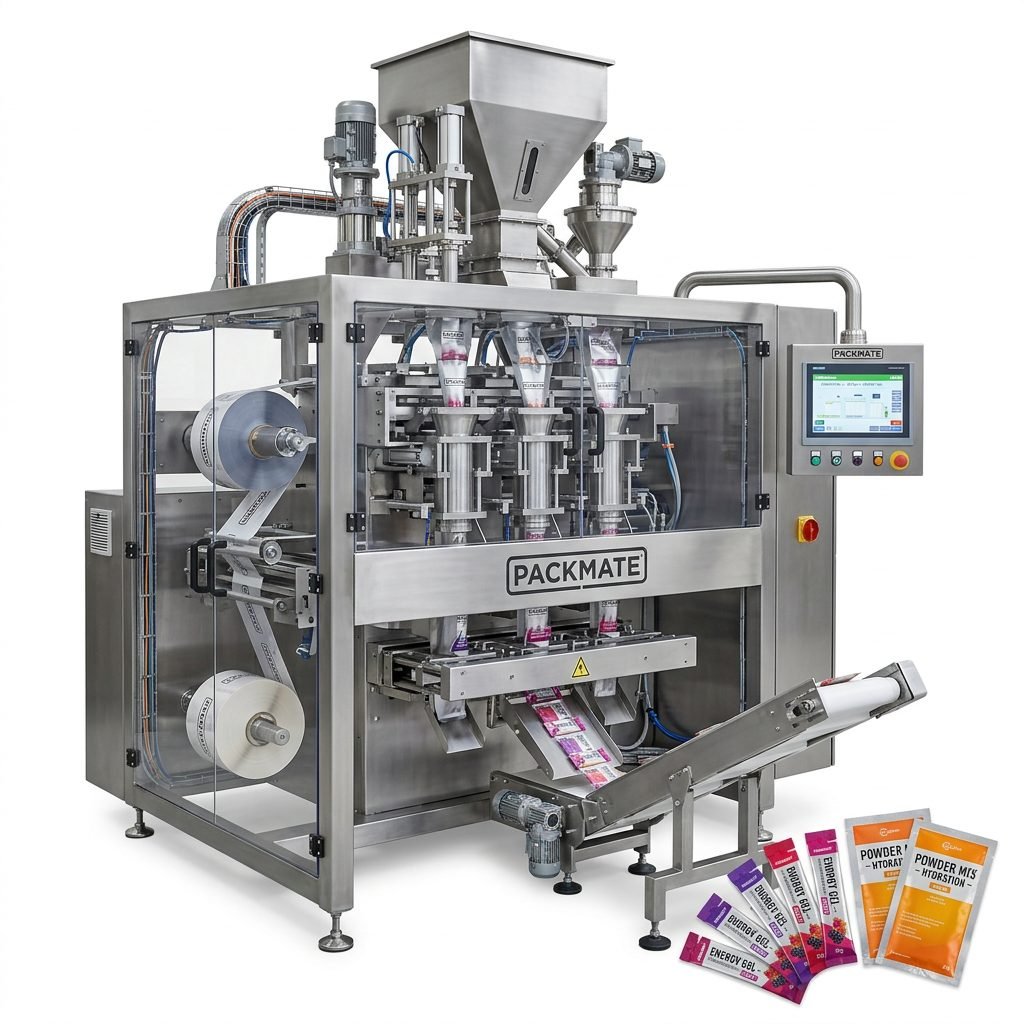
In today’s competitive coffee industry, efficiency and quality are paramount. From artisanal roasters to global brands, the demand for reliable, high-speed packaging that preserves freshness and enhances brand appeal is universal. A dedicated coffee packaging line is no longer a luxury but a necessity for scaling production and maintaining consistency. This article explores turnkey automatic solutions for coffee bag and pod production, detailing how integrated machinery can transform your packaging operations.
The Core of Modern Coffee Production: Integrated Packaging Lines
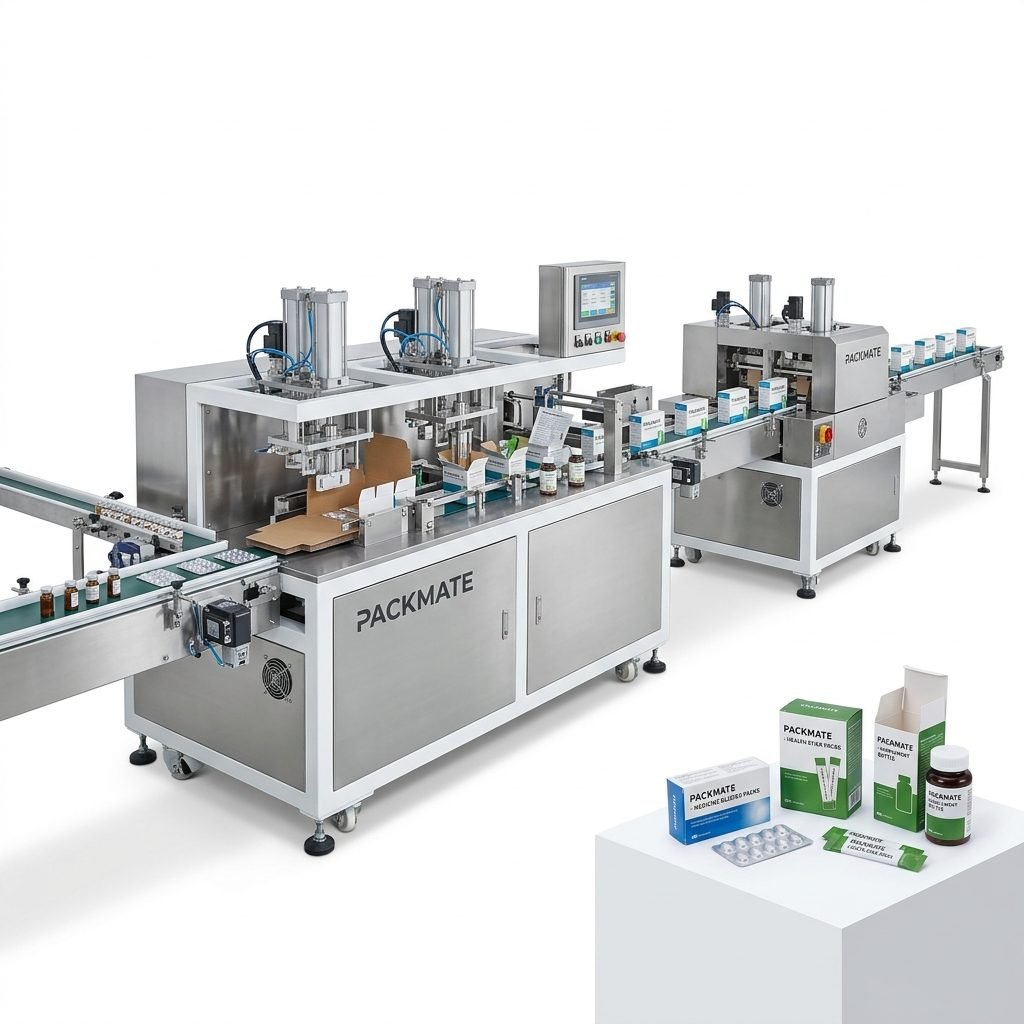
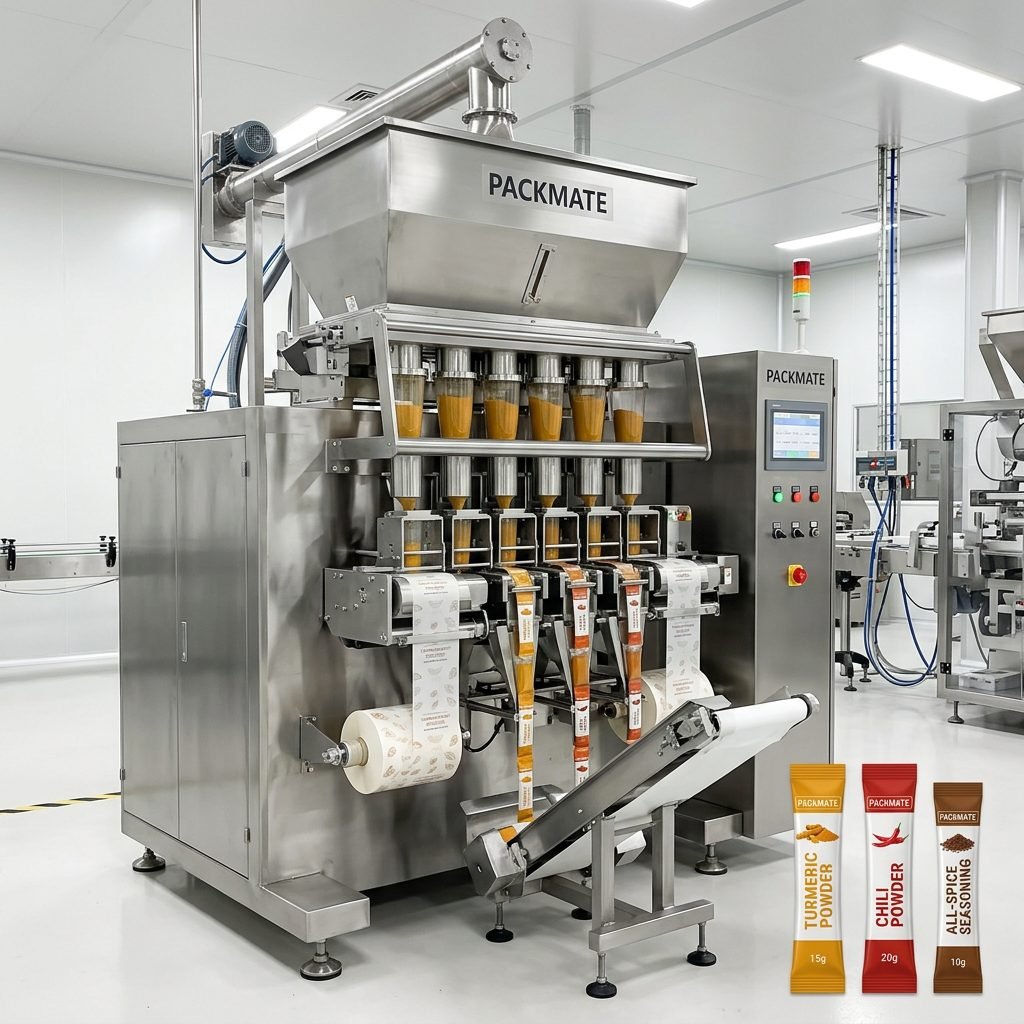
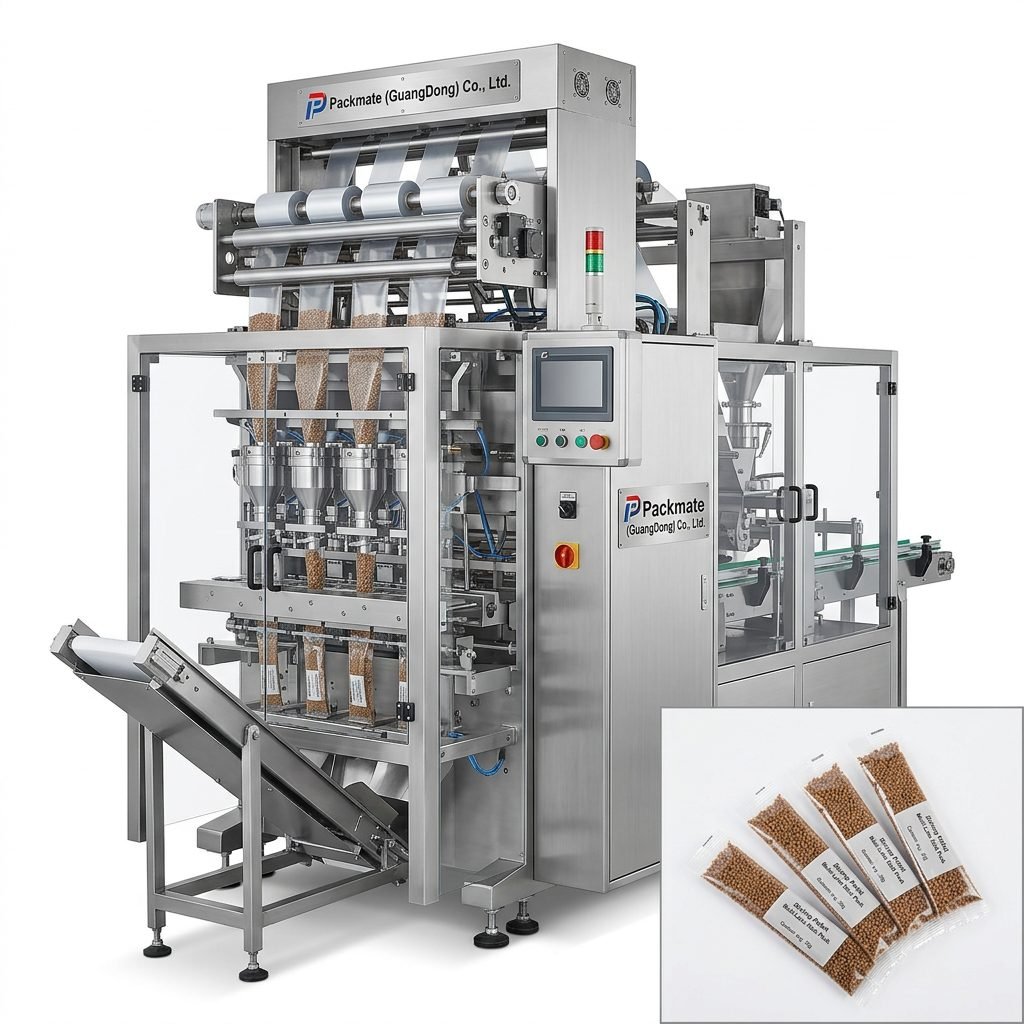
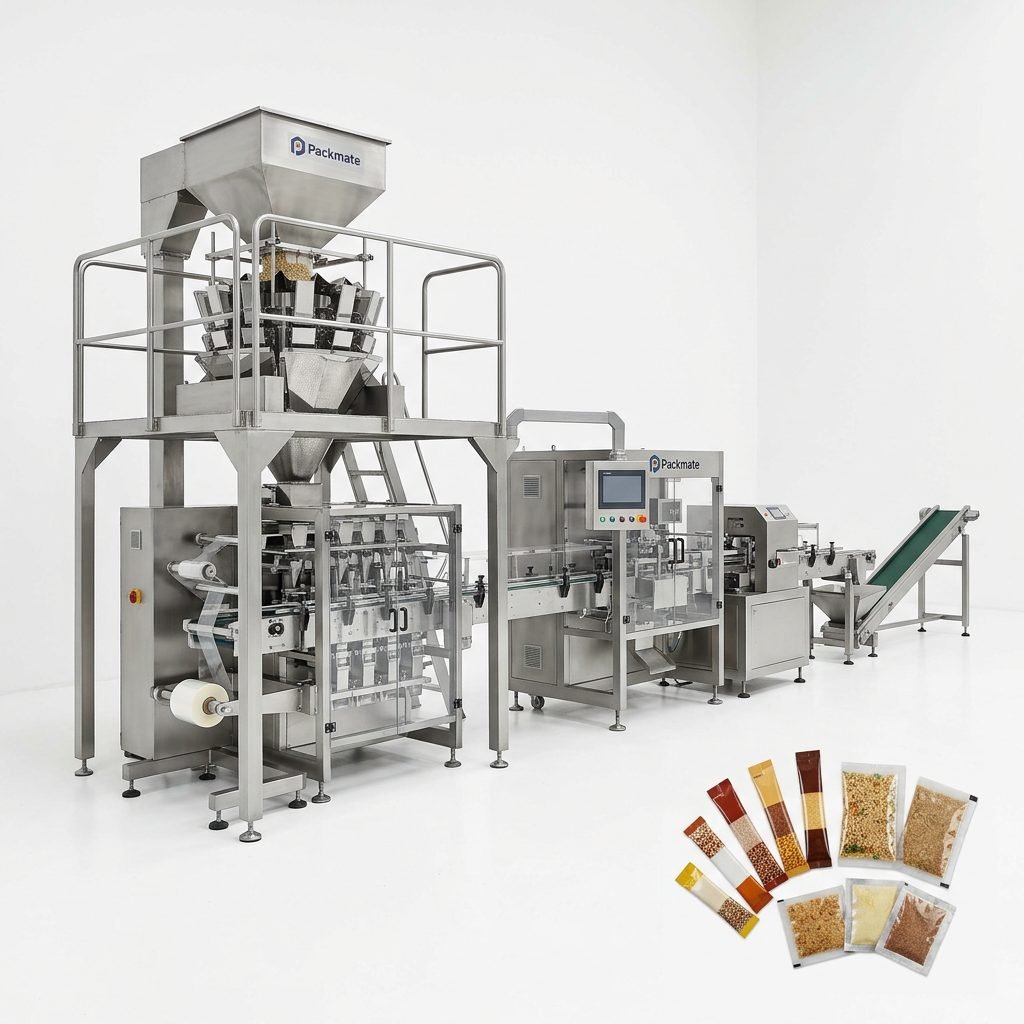
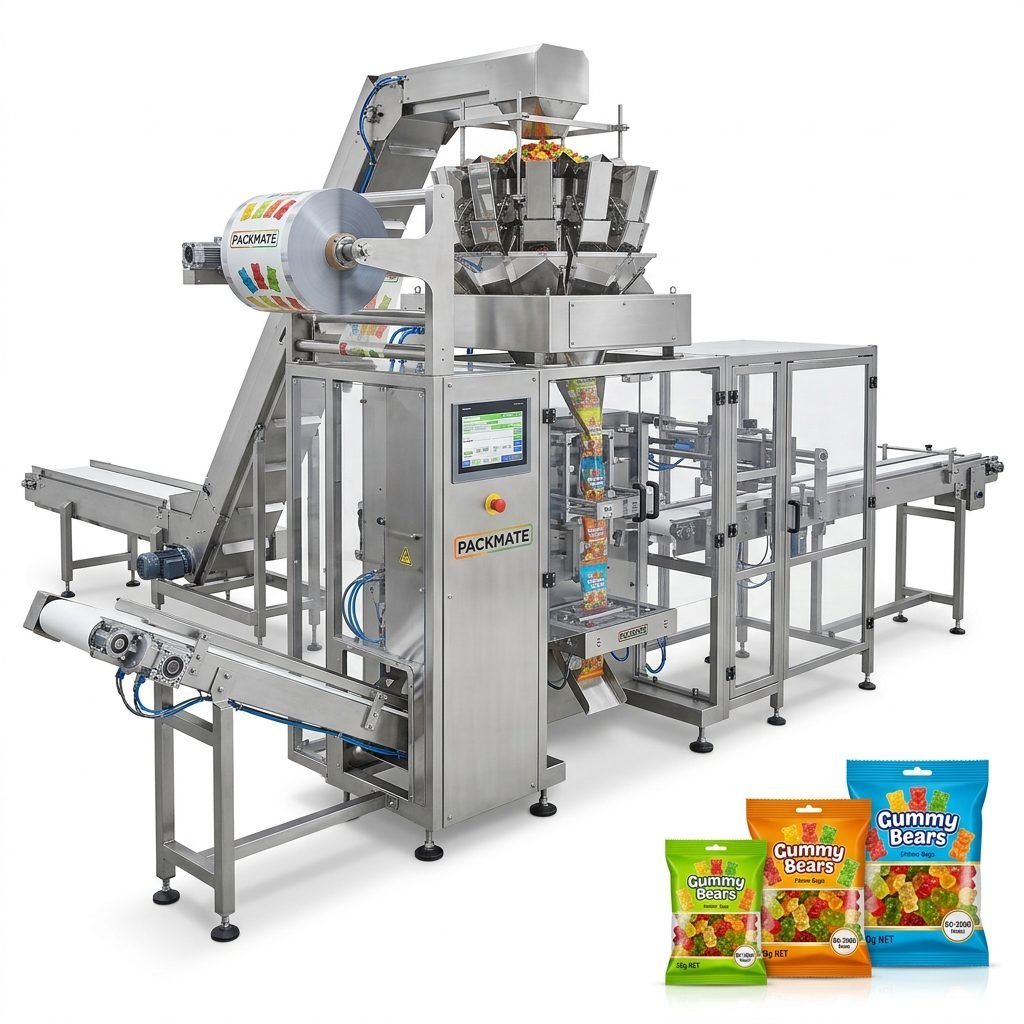
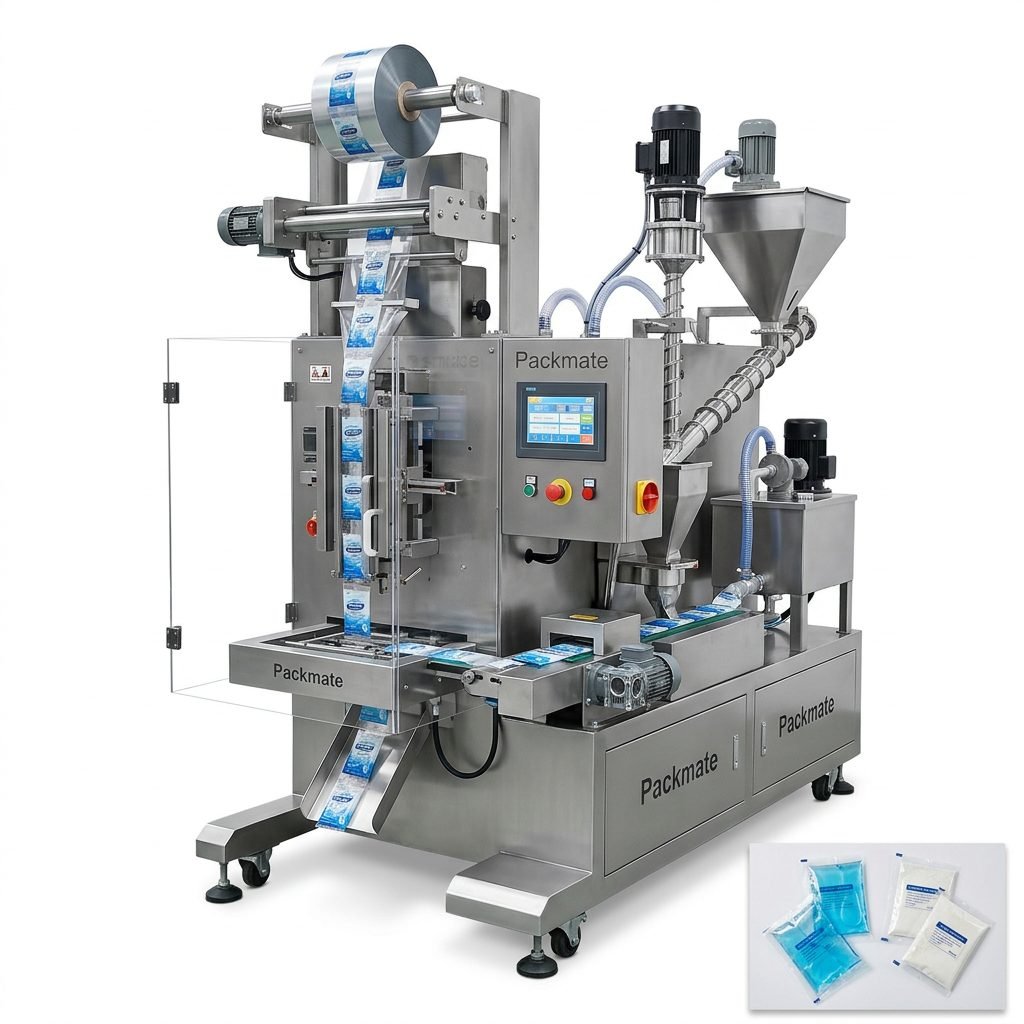
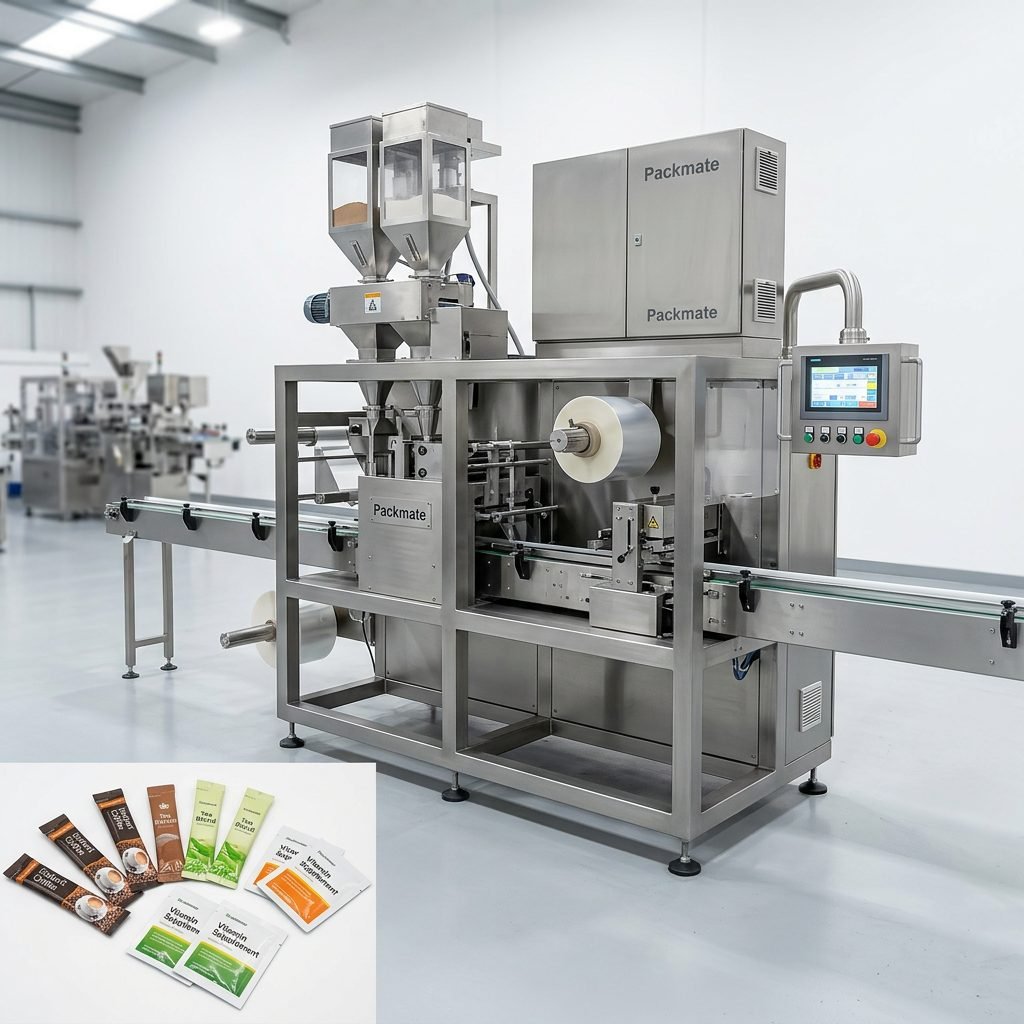
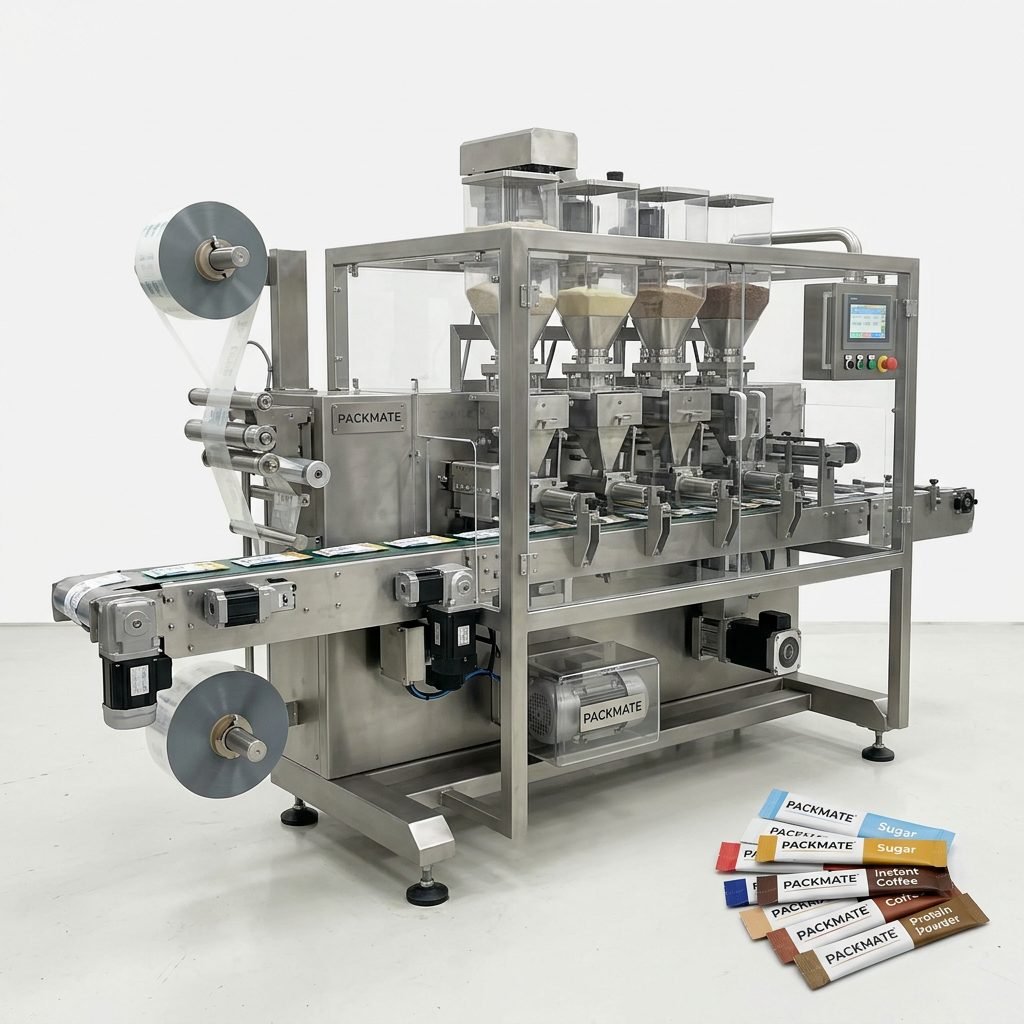
An efficient coffee packaging line is a synchronized system where multiple machines work in harmony. The process typically begins with filling—whether for whole bean, ground coffee, or single-serve pods—followed by sealing, labeling, and cartoning. The key advantage of a turnkey solution is seamless integration. Each component, from the volumetric or weigh filler to the final case packer, is designed to communicate flawlessly, minimizing downtime and maximizing output.
Key Benefits of a Turnkey Line:
- Unified Control: Operators manage the entire line from a single interface, simplifying training and process control.
- Optimized Workflow: Machines are paced to match each other’s speed, creating a smooth, continuous flow without bottlenecks.
- Consistent Quality: Integrated quality checks (e.g., weight verification, metal detection) at multiple points ensure every package meets standards.
- Future-Proof Scalability: A well-designed line from a provider like Packmate can be modularly expanded as your business grows.
Specialized Solutions for Coffee Bags
Coffee bag packaging requires attention to detail to protect the product’s aroma and prevent staleness. Modern lines handle various bag types, including flat bottom bags, stand-up pouches (Doypack style), and side-gusseted bags. The process involves:
1. Precision Filling & Degassing
Ground and whole bean coffee releases carbon dioxide (CO₂) after roasting. A proficient line incorporates a degassing valve applicator that automatically attaches one-way valves to bags, allowing CO₂ to escape without letting oxygen in. This is crucial for maintaining freshness and preventing bag rupture.
2. Advanced Sealing Technologies
To ensure a perfect seal that locks in freshness, lines utilize heat sealing or ultrasonic sealing. Nitrogen flushing is often integrated before the final seal, displacing oxygen inside the bag to significantly extend shelf life. This is a standard feature in high-end packaging solutions for premium products.
3. Labeling & Final Packaging
After sealing, bags move to labeling stations for brand and regulatory information. Finally, automatic cartoners or case packers organize bags into retail-ready boxes, streamlining logistics. For a deeper look at how these systems are implemented, reviewing real-world application cases can be highly instructive.
Automating Single-Serve Coffee Pod Production
The single-serve market, driven by convenience, demands exceptionally high-speed and precise packaging. Pod production lines (for formats like Nespresso®-compatible or soft pods) are marvels of automation.
🔵 Pod Line Workflow:
- Pod Forming & Filling: Machines form the pod cup (from foil or biodegradable materials), dispense a precise dose of ground coffee, and apply the lid.
- Sealing & Coding: A hermetic seal is created, and each pod is laser or inkjet coded with batch/date information.
- Assembly & Packaging: Pods are collated into sleeves or trays and then shrink-wrapped or boxed. Multi-lane configurations can achieve outputs of thousands of pods per hour.
The precision required in dosing and sealing makes pod machinery highly specialized. Partnering with an experienced manufacturer ensures the machinery can handle your specific pod material and coffee blend without compromise.
Why Partner with an Experienced Turnkey Provider?
Selecting individual machines from different vendors can lead to integration headaches, communication protocol mismatches, and inconsistent service. A turnkey provider like Packmate (GuangDong) Co., Ltd. delivers a complete, tested system. With over 30 years of experience, they bring invaluable expertise in designing lines that are not only efficient but also adaptable and reliable. Their comprehensive service—from initial design and factory testing to installation, training, and ongoing support—provides peace of mind.
Their modern 20,000㎡ facility allows for the production and full assembly of lines before shipment, ensuring every component works perfectly together. This rigorous testing minimizes startup delays at your facility. You can learn more about their capabilities and corporate philosophy on their detailed Company Profile page.
Conclusion: Investing in Your Brand’s Future
Implementing a turnkey automatic coffee packaging line is a strategic investment that pays dividends in productivity, product quality, and brand reputation. It allows you to meet rising demand with confidence, ensure every package delivers peak freshness, and create a professional, market-ready product. By choosing a seasoned partner with a proven track record, you secure not just machinery, but a long-term alliance for growth and innovation in the dynamic world of coffee.
Frequently Asked Questions (FAQs)
1. What is the typical output speed of a turnkey coffee bag packaging line?
Output varies based on bag size and complexity. Standard lines can range from 40 to 120 bags per minute. High-speed multi-lane systems for small pouches can exceed 200 bags per minute. A detailed consultation with your provider will determine the optimal speed for your needs.
2. Can one packaging line handle both coffee bags and pods?
Generally, bag and pod production require specialized machinery due to different forming, filling, and sealing processes. However, some manufacturers offer modular designs where certain upstream components (like grinders or conveyors) can be shared, with separate modules switched in for different product types.
3. How important is nitrogen flushing for coffee packaging?
Nitrogen flushing is highly recommended, especially for ground coffee. By replacing oxygen inside the bag with inert nitrogen, it drastically slows oxidation, preserving aroma and flavor and extending shelf life by months. It’s a key feature for premium brands.
4. What kind of maintenance do these automatic lines require?
Regular preventive maintenance is essential. This includes daily cleaning, lubrication of moving parts, and inspection of seals and sensors. Reputable providers offer training and detailed maintenance schedules. Annual professional servicing is also advised to ensure long-term reliability and performance.
5. How do I choose the right packaging film or material for my coffee?
The choice depends on required barrier properties (moisture & oxygen), shelf life goals, and sustainability preferences. Common materials include PET/AL/PE laminates for high barriers or recyclable mono-material structures. Your packaging machine supplier can recommend compatible materials and often test them during the factory acceptance test.
For more detailed answers, visit the dedicated FAQs page.