Designing a packaging line is a critical strategic investment for manufacturers in the food, pharmaceutical, and health product sectors. It’s far more than just connecting machines; it’s about architecting a cohesive, efficient, and reliable system that safeguards product integrity, maximizes throughput, and ensures regulatory compliance. A well-planned line is the backbone of production, directly impacting operational costs, scalability, and market responsiveness. This guide delves into the essential steps and considerations for planning an efficient, automated packaging system tailored to these high-stakes industries.
Understanding Core Requirements: The Foundation of Design
Every successful packaging line begins with a deep understanding of the product and its journey. Skipping this foundational phase can lead to costly inefficiencies and redesigns later.
Product Characteristics Analysis
What are you packaging? The physical and chemical properties of your product dictate nearly every subsequent choice.
- Physical Form: Is it a granule, fine powder, viscous liquid, tablet, or cream? Each requires specific filling technology.
- Sensitivity: Does the product require protection from moisture, oxygen, light, or contamination? This defines barrier packaging needs.
- Flowability & Density: Critical for accurate volumetric or auger filling; poor flow can cause inconsistent fills and machine jams.
Output & Capacity Planning
Define your current and future needs. A common mistake is designing for today’s volume without a growth path.
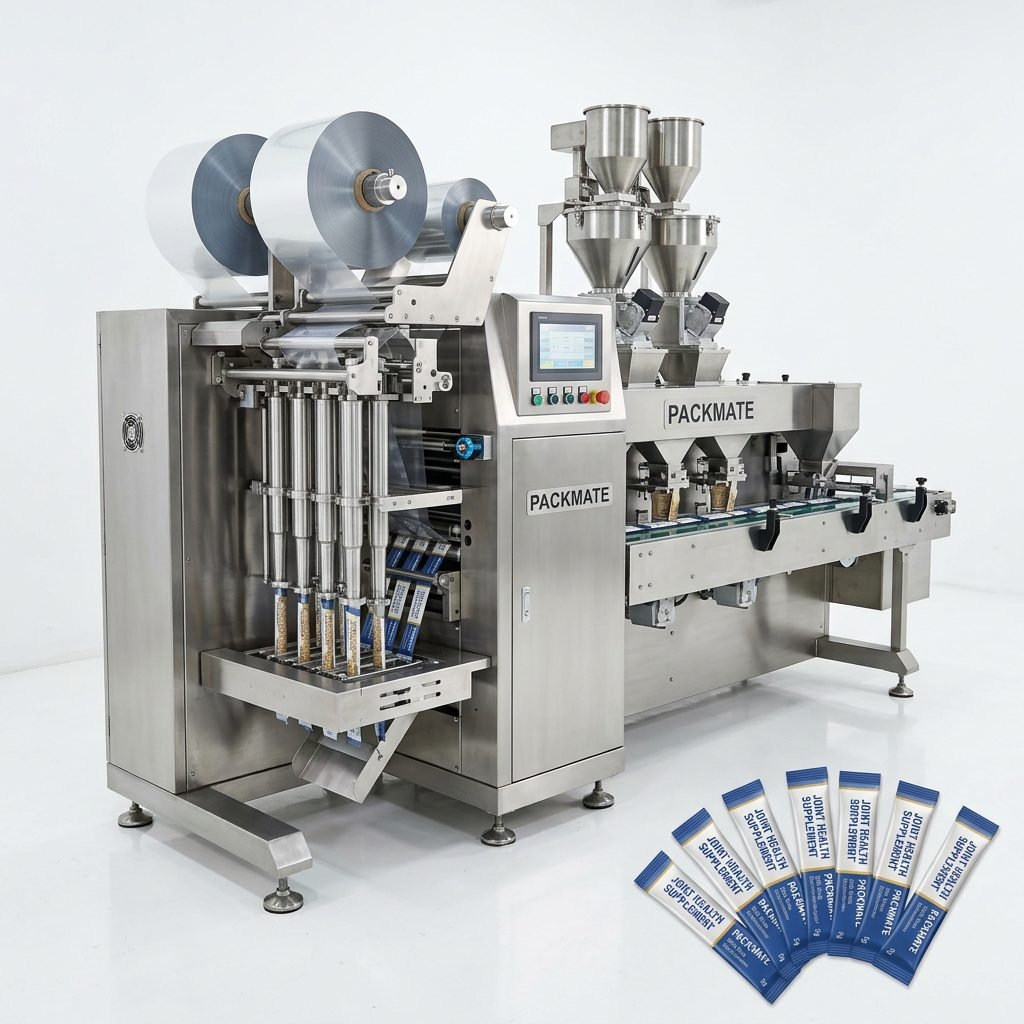
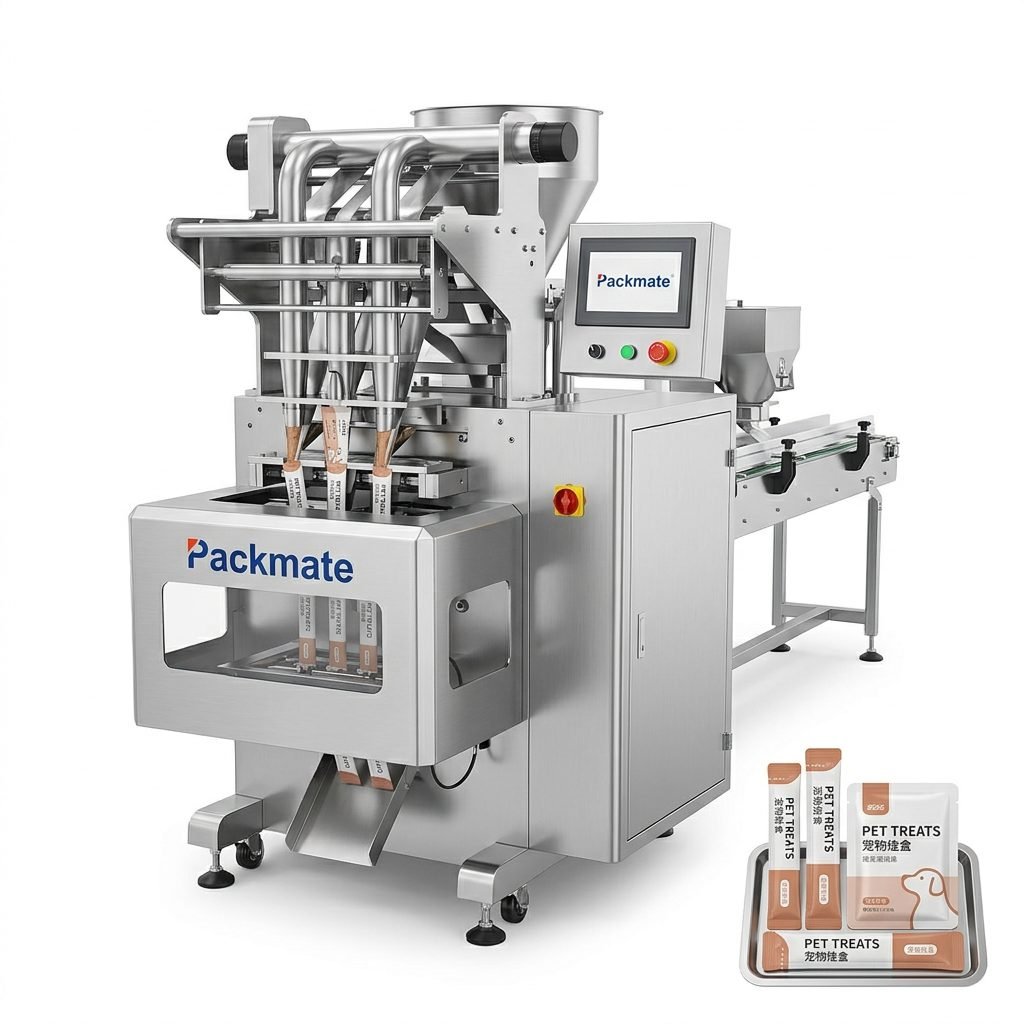
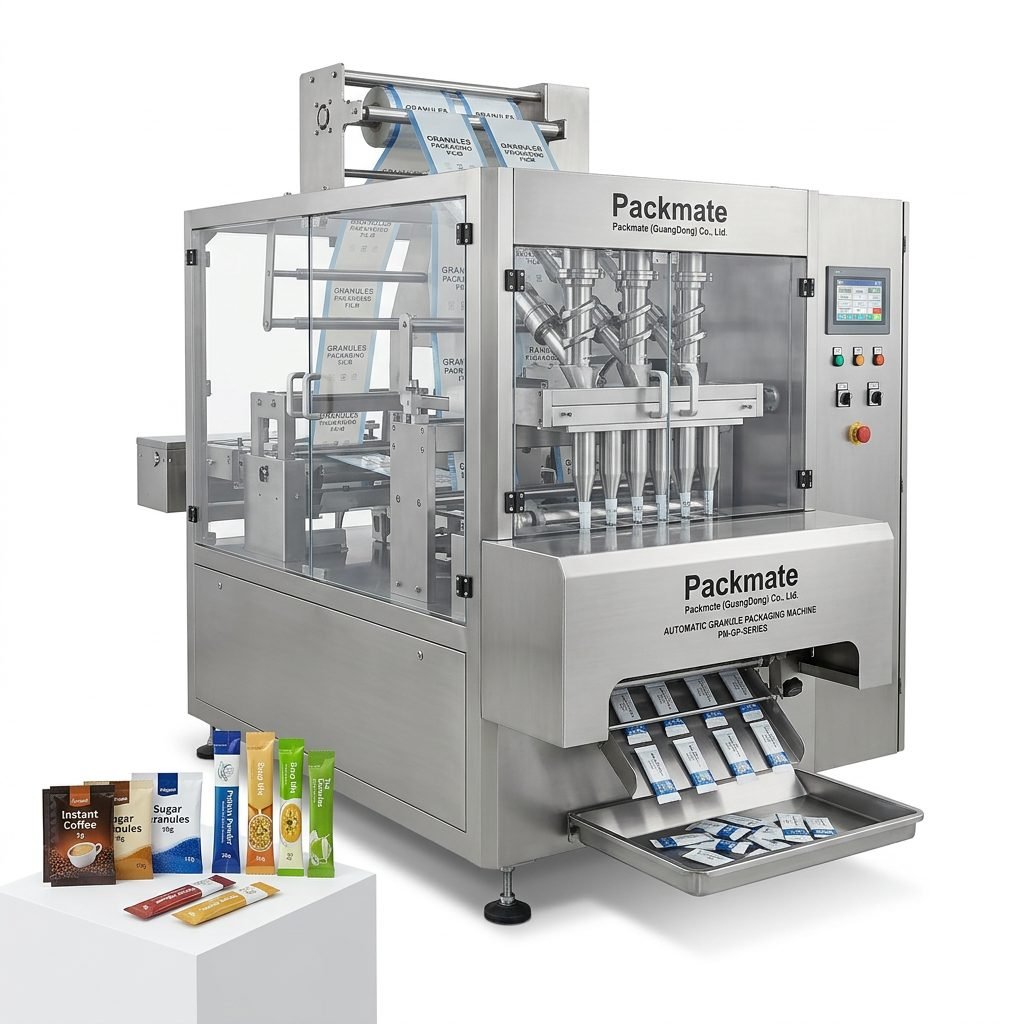
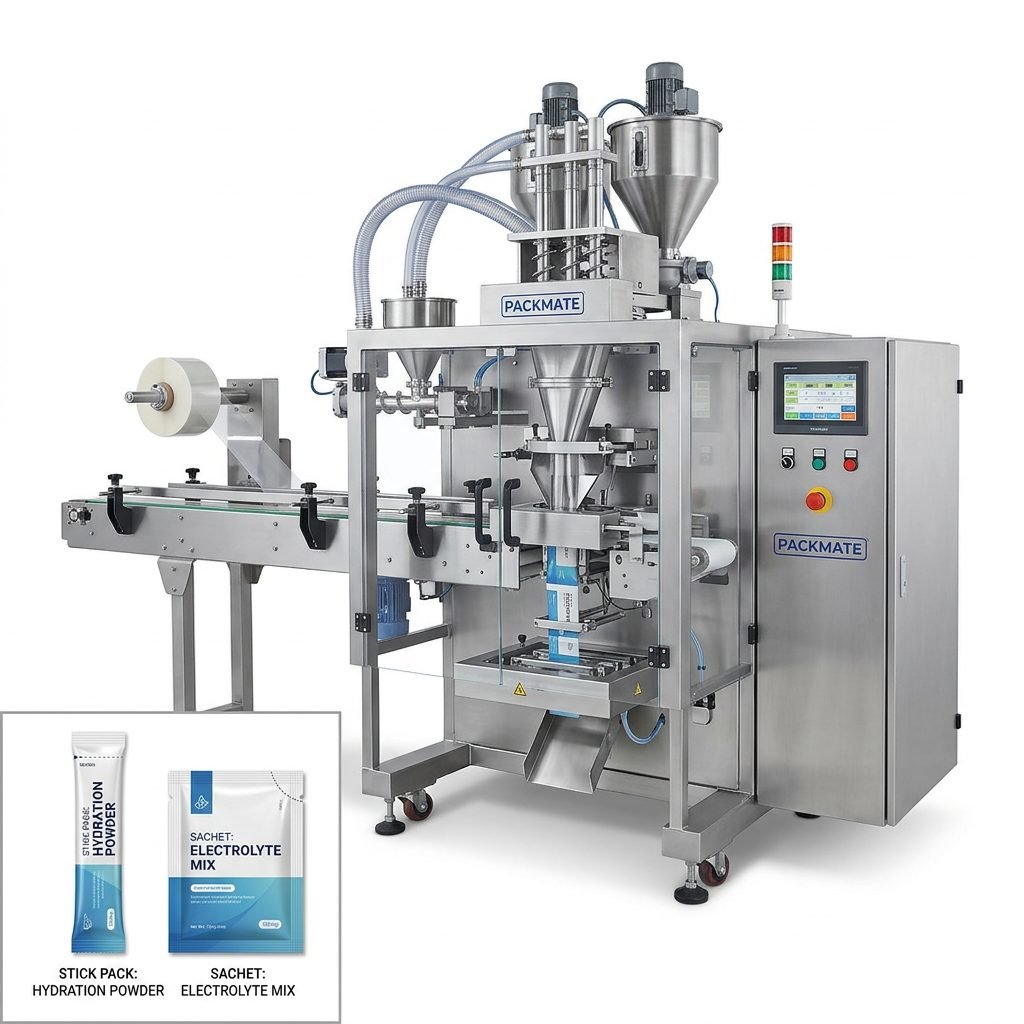
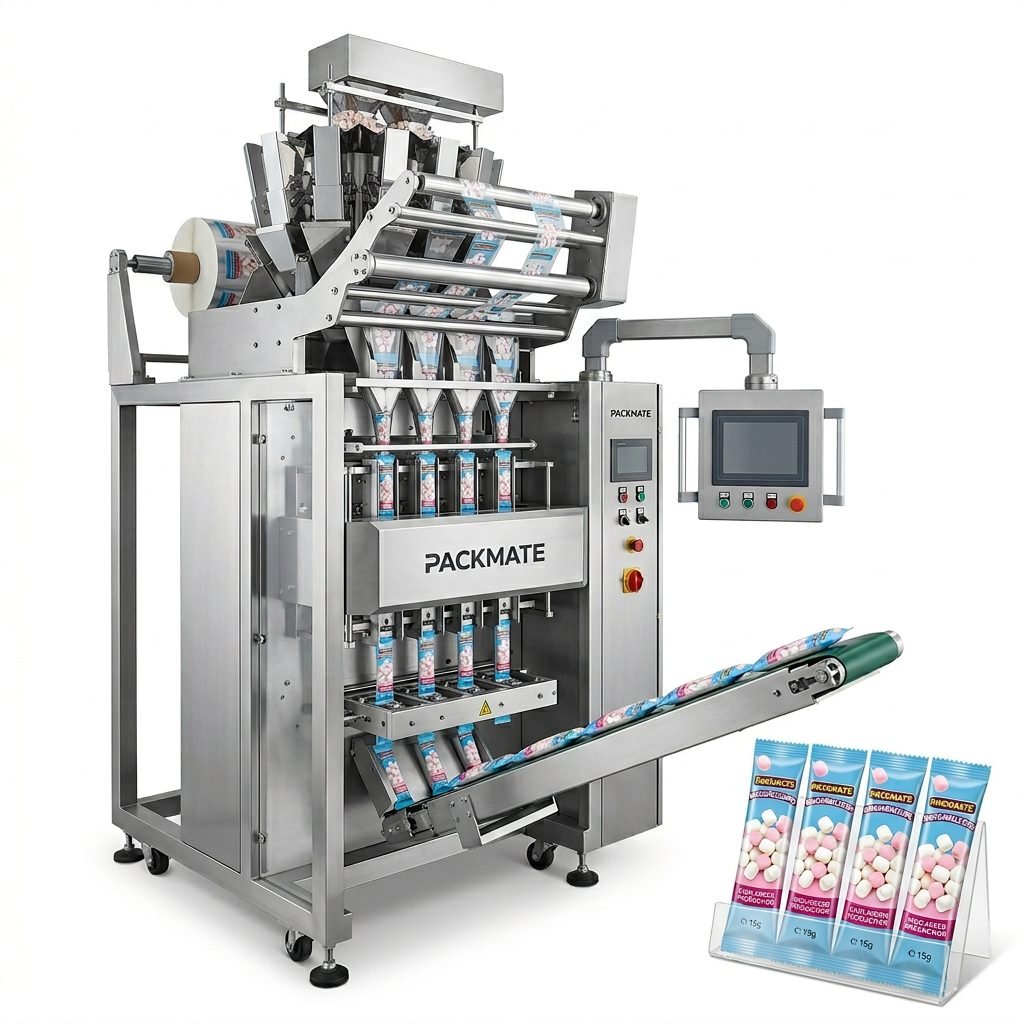
Key Question: What is your target output in packs per minute (PPM) or per shift? Factor in peak seasons and projected 3-5 year growth. This determines the speed and number of lanes (e.g., single-lane vs. multi-lane stick pack machines) needed. For high-volume consumer goods, a multi-lane configuration is often essential.
Regulatory & Compliance Mandates
This is non-negotiable, especially for pharma and health products. Your line design must facilitate compliance.
- GMP (Good Manufacturing Practice): Requires cleanability, use of sanitary materials (e.g., 304/316 stainless steel), and validated processes.
- Traceability: Systems for batch coding, serialization, and data logging may need to be integrated.
- Food Safety: Adherence to standards like HACCP, with designs that prevent cross-contamination and allow for easy cleaning.
Key Components of an Automated Packaging System
A modern automated line is a symphony of integrated components. Understanding each role is key to specifying the right equipment.
1. Primary Packaging Machinery
This is the heart of the line, where the product is first enclosed. Selection depends heavily on the package format.
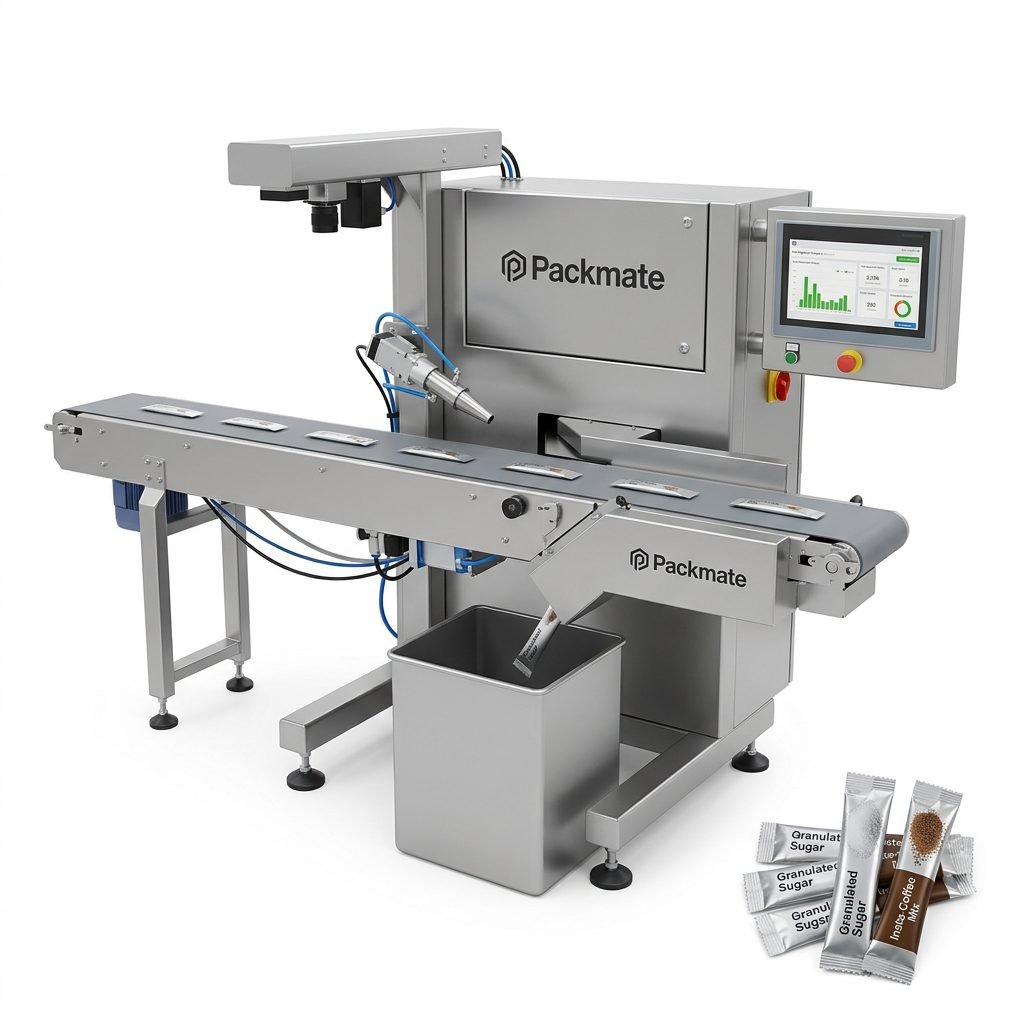
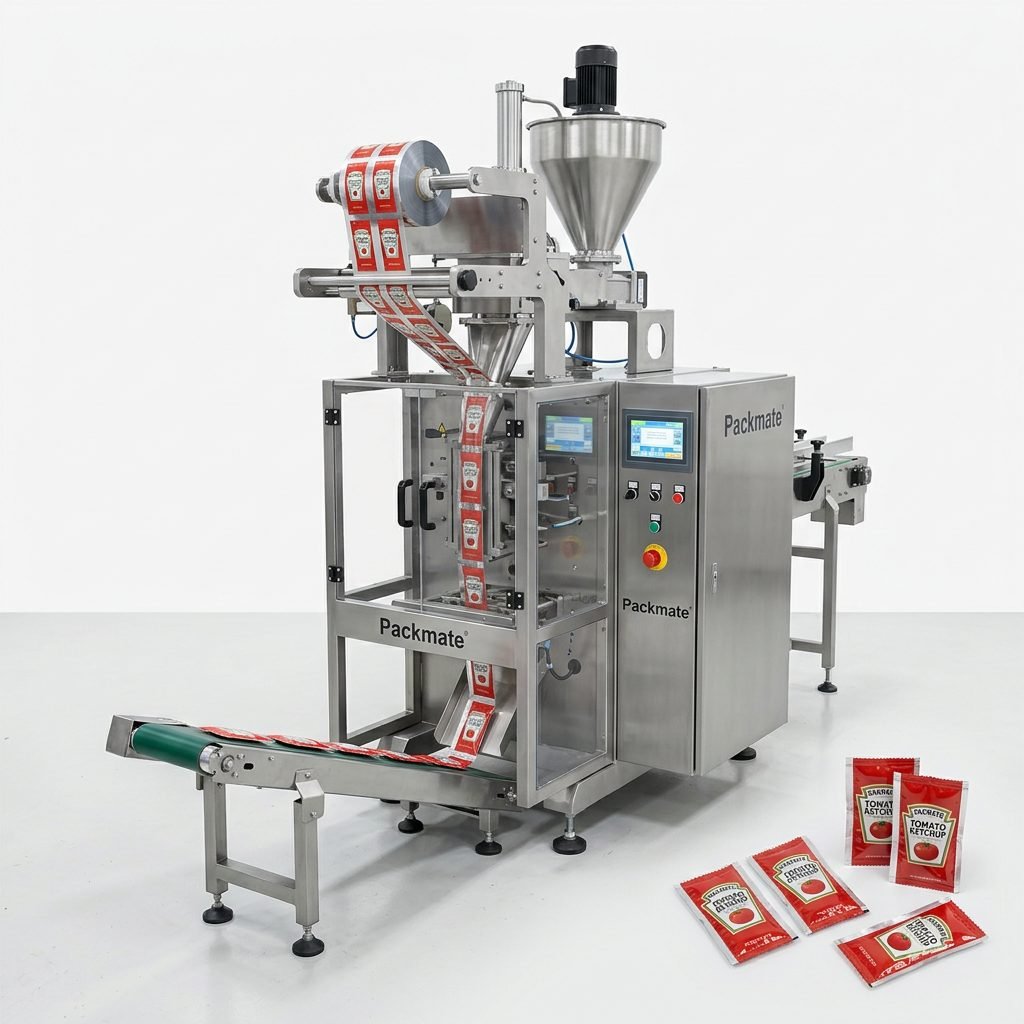
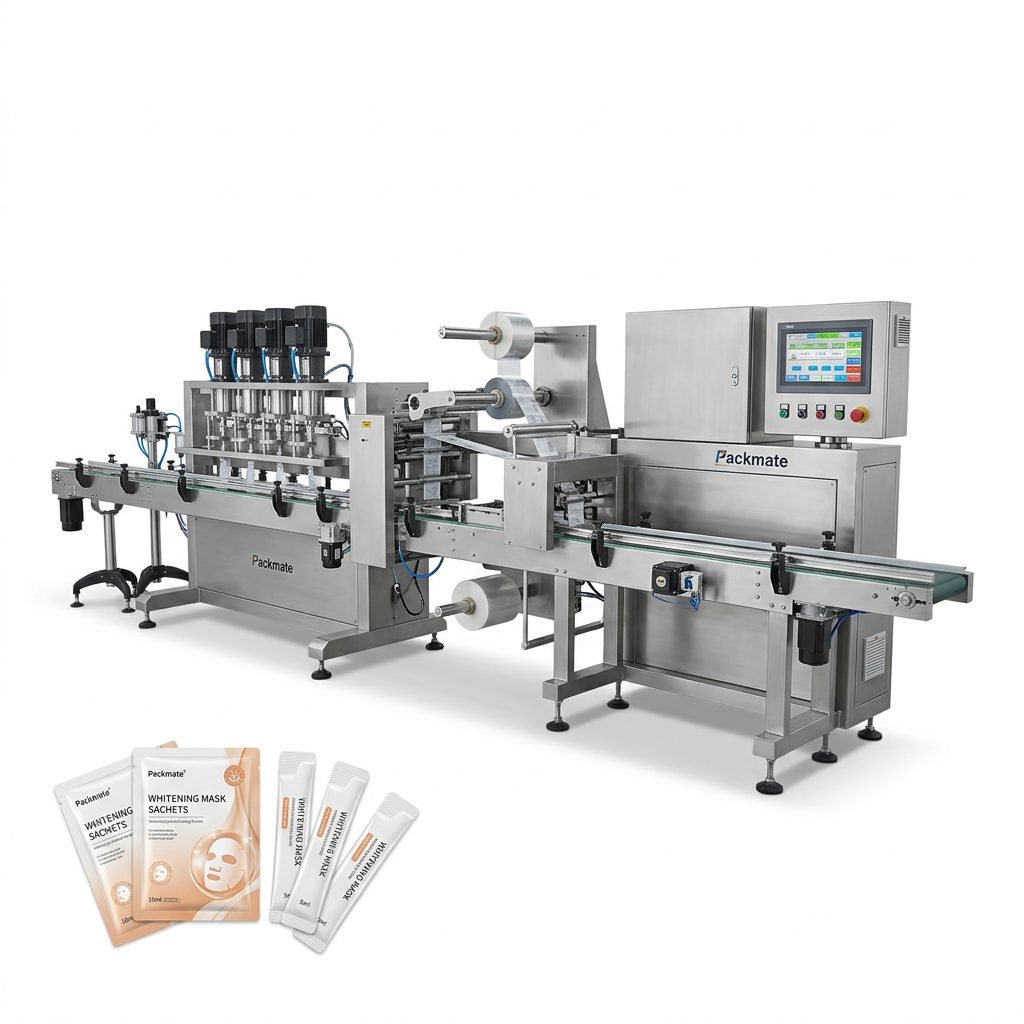
- Form-Fill-Seal (FFS) Machines: The most common for flexible packaging. They form the pouch from roll stock, fill it, and seal it in one continuous operation. Ideal for sachets and stick packs.
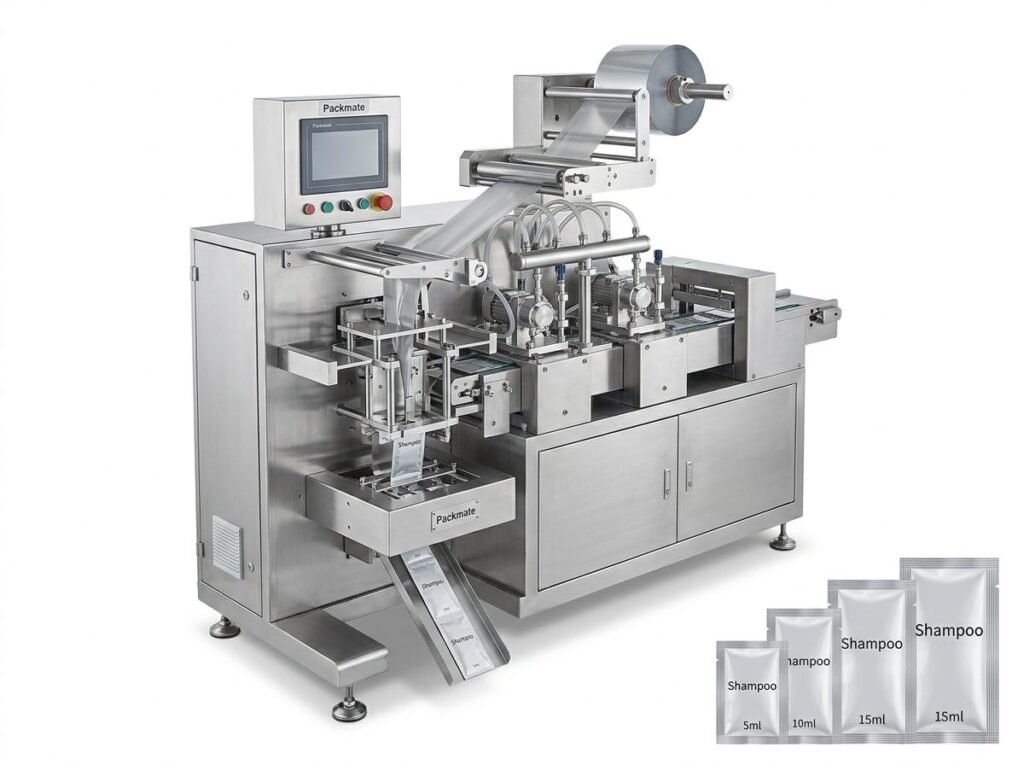
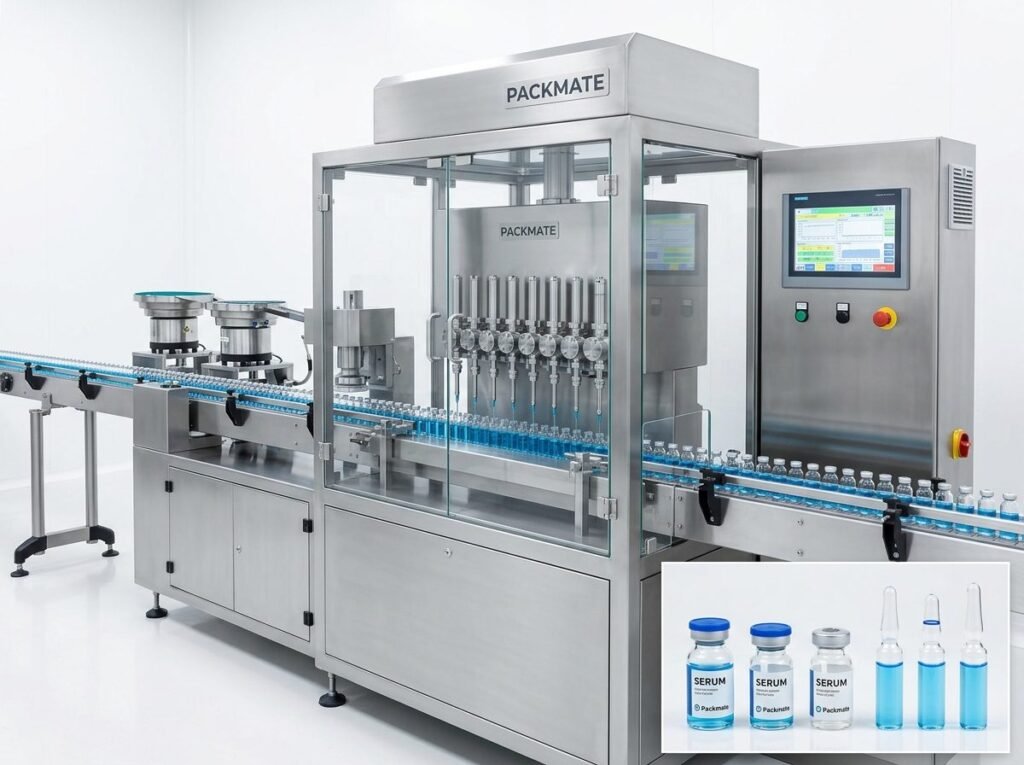
- Liquid & Viscous Fillers: Piston fillers for creams and pastes, and pump fillers for thinner liquids, offering high precision.
- Cartoning Machines: Erect and load folded cartons with primary packs, often incorporating leaflets or desiccants.
2. Conveying & Handling Systems
These are the arteries of the line, moving product between stations smoothly and without damage.
Design Tip: Choose conveyors (belt, vibratory, screw) matched to product fragility. For powders, enclosed systems prevent dust. Proper transfer points are critical to avoid tipping or jamming, which can become a major bottleneck.
3. Inspection & Quality Control Integration
Automation isn’t just about speed; it’s about consistent quality. In-line inspection is mandatory.
- Checkweighers: Reject under or over-filled packs immediately.
- Metal Detectors/X-ray Systems: For foreign object detection.
- Vision Systems: Check for seal integrity, correct label, and print quality.
4. Control & Software Systems
The brain of the operation. A centralized PLC (Programmable Logic Controller) or HMI (Human-Machine Interface) allows for monitoring, adjustment, and data collection from all machines, enabling predictive maintenance and OEE (Overall Equipment Effectiveness) tracking.
The Planning & Implementation Process
Moving from concept to reality requires a structured, phased approach.
Phase 1: Feasibility & Conceptual Design
Collaborate with experienced partners like Packmate (GuangDong) Co., Ltd. to create a preliminary layout (block diagram) and identify potential bottlenecks. This stage defines the project scope and budget framework.
Phase 2: Detailed Engineering & Layout
Develop detailed CAD layouts, factoring in:
- Machine footprints and maintenance access.
- Material flow (raw materials in, finished goods out).
- Utility requirements (power, compressed air, vacuum).
- Ergonomics and operator safety.
Phase 3: Procurement & Factory Acceptance Testing (FAT)
Source equipment from reliable suppliers. Insist on witnessing a FAT at the manufacturer’s facility, where the line or key components are run with your actual or representative product to verify performance before shipment.
Phase 4: Installation, Qualification, & Training
Professional installation is followed by rigorous qualification:
- IQ (Installation Qualification): Documents that equipment is installed correctly.
- OQ (Operational Qualification): Demonstrates it operates as intended across its specified ranges.
- PQ (Performance Qualification): Proves it consistently produces acceptable product under normal operating conditions.
Comprehensive operator and maintenance training is conducted throughout this phase. Reviewing real-world case studies can provide valuable insights into this process.
Industry-Specific Considerations
Food Industry
Focus on hygiene, quick changeovers for multiple SKUs, and gentle handling to protect product appearance (e.g., snack chips). Lines must be easily cleanable, often requiring wash-down capable equipment.
Pharmaceutical Industry
Compliance is paramount. Design for full cleanroom compatibility if needed. Emphasis on accuracy (dosing), sterility assurance for aseptic lines, and complete data integrity for audit trails. Validation documentation is as important as the hardware.
Health & Nutraceutical Products
Often blends food and pharma requirements. Needs high flexibility to handle diverse forms (capsules, powders, liquids) with strict adherence to label claim accuracy. Consumer-grade aesthetics at high speed are also key.
Benefits of a Well-Designed, Automated Line
Investing in proper planning yields substantial returns:
- Increased Efficiency & Output: Higher speeds, reduced downtime, and optimal material use lower cost per unit.
- Enhanced Product Quality & Safety: Consistent, automated processes minimize human error and contamination risk.
- Reduced Labor Costs & Dependency: Automation handles repetitive tasks, allowing staff to focus on supervision and quality control.
- Improved Scalability & Flexibility: A modular design allows for easier future expansion or adaptation to new products.
- Comprehensive Data & Traceability: Real-time monitoring provides insights for continuous improvement and simplifies regulatory reporting.
Ultimately, a packaging line is a long-term asset. Partnering with an expert provider who offers end-to-end service—from design and build to installation and support—mitigates risk and ensures your system delivers value for years to come. By meticulously planning each step, from understanding your product’s nuances to validating the final system, you create a robust foundation for growth, quality, and competitiveness in the demanding food, pharma, and health product markets.
Frequently Asked Questions (FAQs)
1. How long does it typically take from design to operational packaging line?
The timeline varies significantly based on complexity, customization, and regulatory requirements. A standard, moderately complex line can take 6 to 12 months from initial design to full operational qualification. This includes design, manufacturing, factory testing, shipping, installation, and on-site validation. Highly customized or aseptic pharmaceutical lines can take 18 months or more.
2. What is the most common mistake in packaging line design?
A frequent mistake is “over-speccing” or “under-speccing” individual machines without considering system integration. A line is only as fast as its slowest bottleneck. Focusing on the peak speed of one machine while neglecting transfer speeds, buffer needs, or downstream equipment capabilities leads to an unbalanced, inefficient system. A holistic, system-level design approach is crucial.
3. How can I ensure my packaging line is future-proof?
Design for flexibility and modularity. Choose machines with adjustable parameters for different pack sizes. Plan your floor layout with extra space for adding a future inspection system, coding station, or even an additional lane. Ensure control systems are based on open standards for easier integration of new equipment. Discussing your long-term roadmap with your supplier during the design phase is essential.
4. What are the key differences between food-grade and pharmaceutical-grade line design?
While both require hygiene, the emphasis differs. Food-grade design prioritizes cleanability, corrosion resistance, and high-speed throughput. Pharmaceutical-grade design adds stringent requirements for validated processes, material traceability, use of certified sanitary components, and often integration into controlled environments (cleanrooms). The documentation (IQ/OQ/PQ protocols) for pharma is vastly more comprehensive.
5. Is a turnkey solution better than sourcing machines separately?
For most companies, especially those without extensive in-house engineering teams, a turnkey solution from a single responsible provider like Packmate offers significant advantages. It ensures seamless machine integration, single-point accountability for performance and service, streamlined project management, and typically results in a faster, smoother commissioning process with fewer compatibility issues.