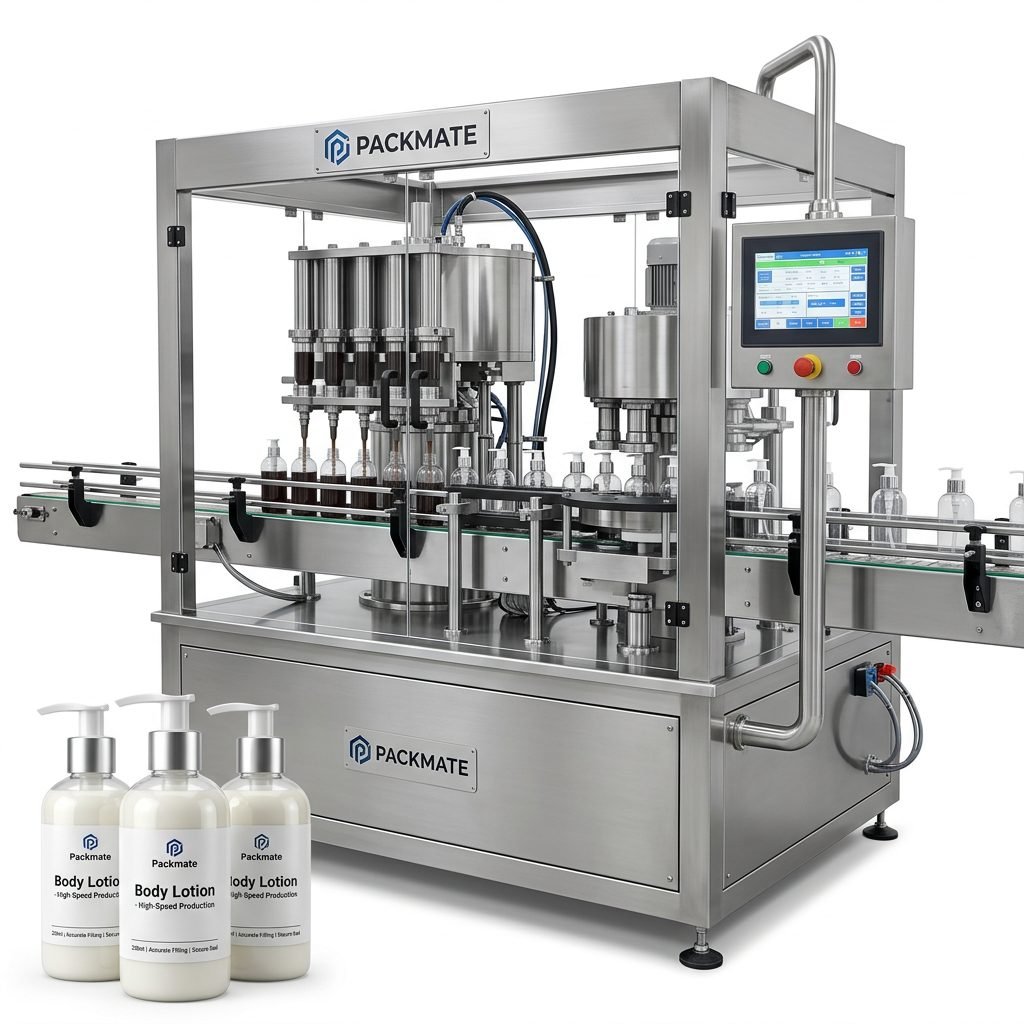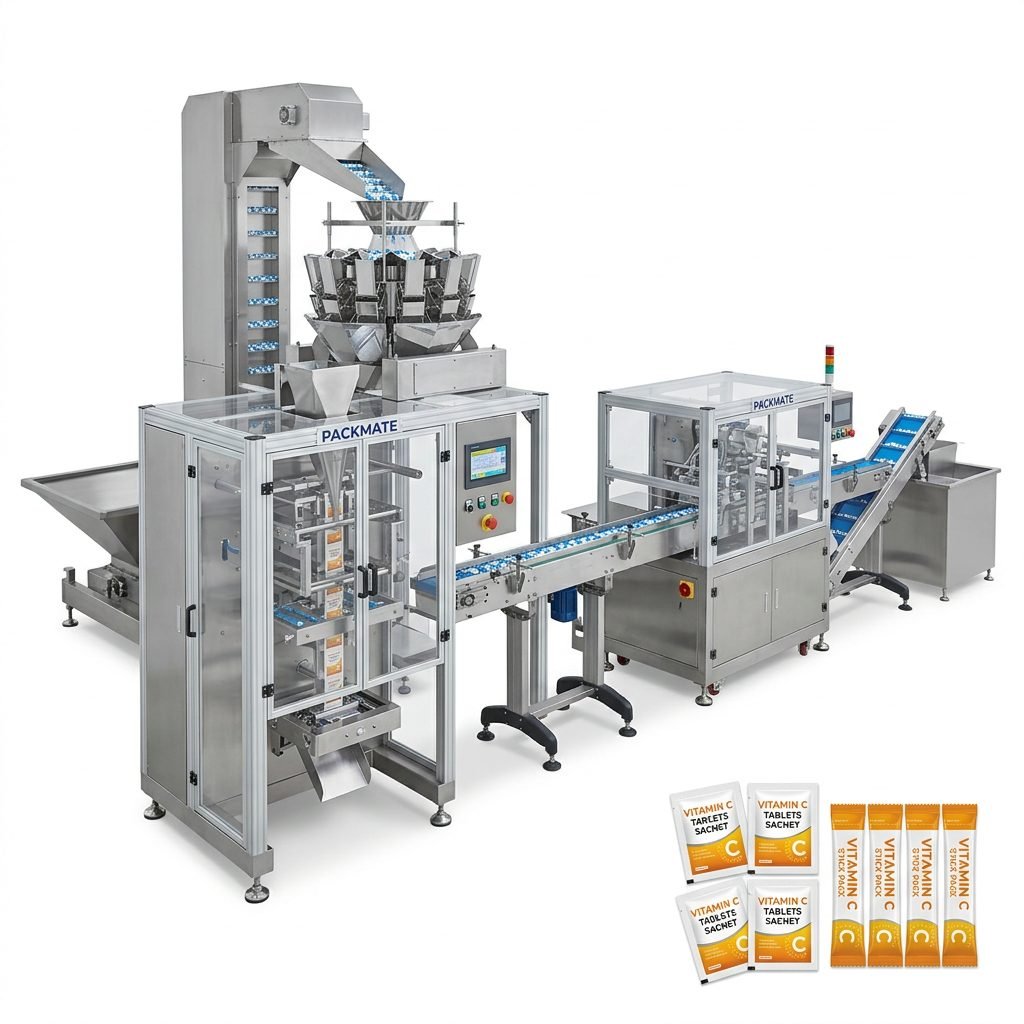
The cosmetics industry thrives on precision, hygiene, and aesthetic appeal. In this fast-paced market, manual packaging processes are no longer sufficient to meet the demands for speed, consistency, and cost-efficiency. This is where Automated Packaging Line Systems become the cornerstone of modern production. A fully integrated system for filling, sealing, and labeling not only accelerates output but also ensures every product meets the highest standards of quality and presentation.
The Core Components of a Cosmetic Packaging Line
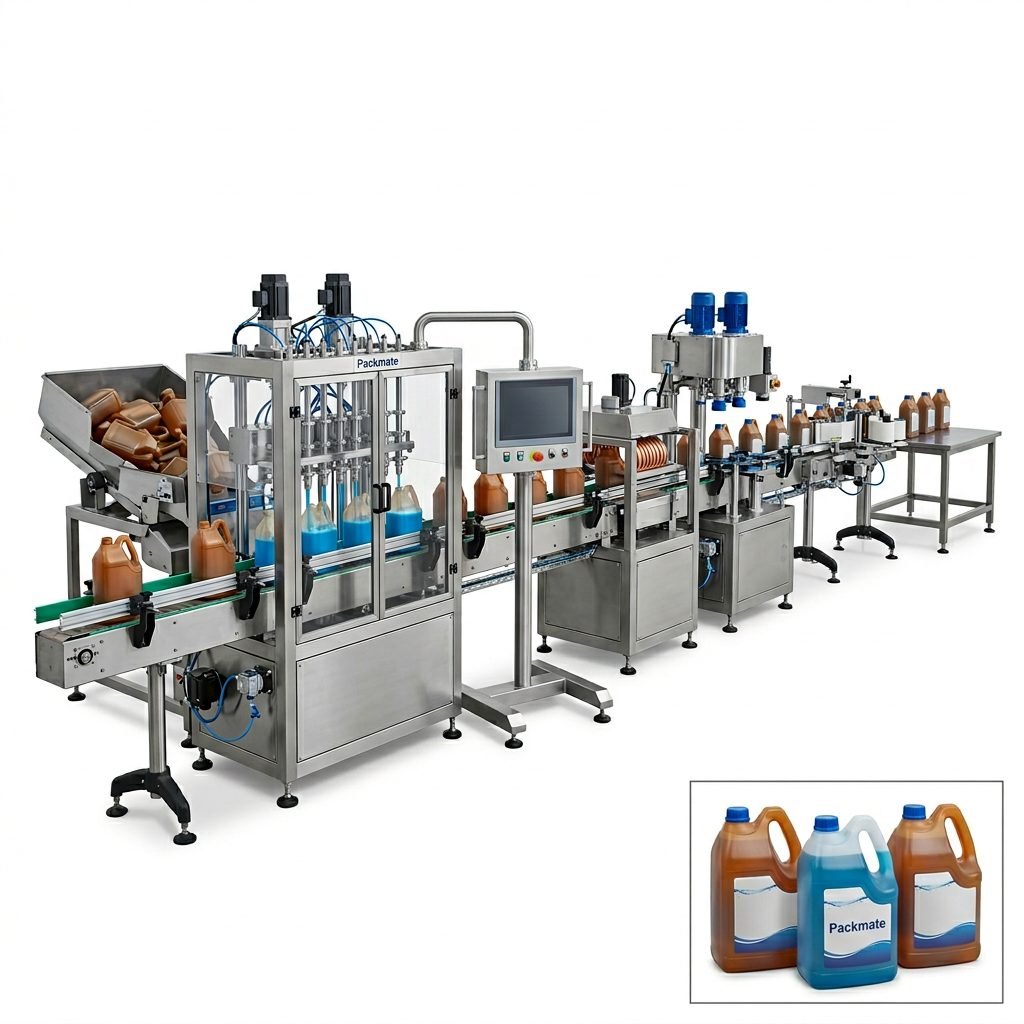
An efficient automated line is a symphony of specialized machines working in unison. Understanding each component is key to optimizing your workflow.
1. Automated Filling Systems: Precision in Every Drop
Filling is arguably the most critical step, directly impacting product give-away and customer satisfaction. For cosmetics, which range from viscous creams to volatile perfumes, choosing the right filler is paramount.
Key Technologies:
• Piston Fillers: Ideal for thick products like lotions, creams, and gels. They offer excellent accuracy and handle products with particulates.
• Peristaltic Pump Fillers: Perfect for sterile, shear-sensitive formulas. The product only contacts the tube, preventing contamination—a must for serums and some liquids.
• Gravity & Vacuum Fillers: Best for free-flowing liquids like toners and nail polish removers. They are fast and simple to maintain.
Modern fillers integrate with checkweighers to reject under or over-filled containers in real-time, guaranteeing consistent fill volume and compliance with regulations. For companies like Packmate, with decades of experience, designing a filling solution that matches your specific product viscosity and container type is a fundamental part of delivering a complete packaging line solution.
2. Sealing & Capping: Ensuring Product Integrity
Once filled, the container must be securely sealed to prevent leakage, contamination, and preserve shelf life. This stage involves several technologies.
Induction Sealing: Creates a hermetic, tamper-evident foil seal under plastic caps, essential for liquids and creams. It provides a powerful barrier against oxygen and moisture.
Cap Tightening (Capping): Automated cappers apply screw caps, flip-tops, or spray pumps with consistent torque. Over-tightening can damage threads, while under-tightening leads to leaks. Sophisticated cappers offer precise torque control.
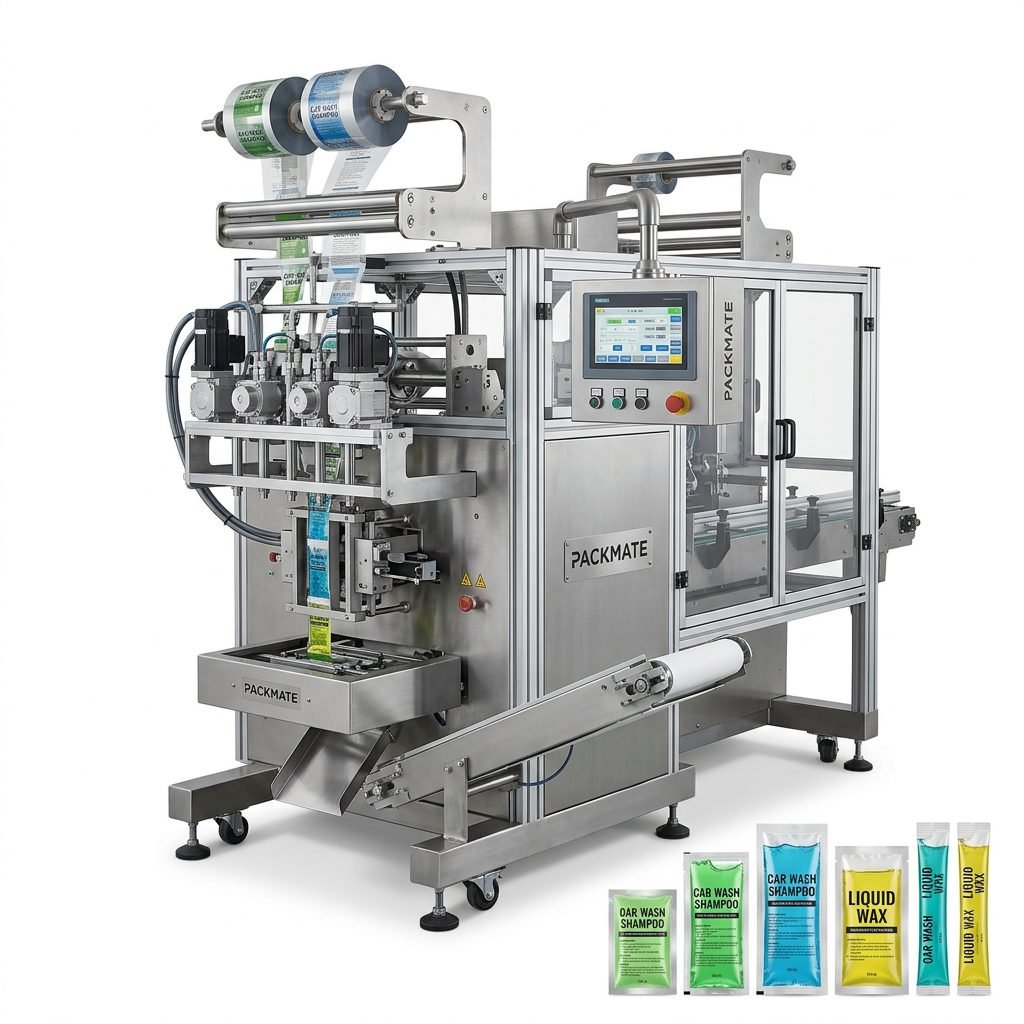
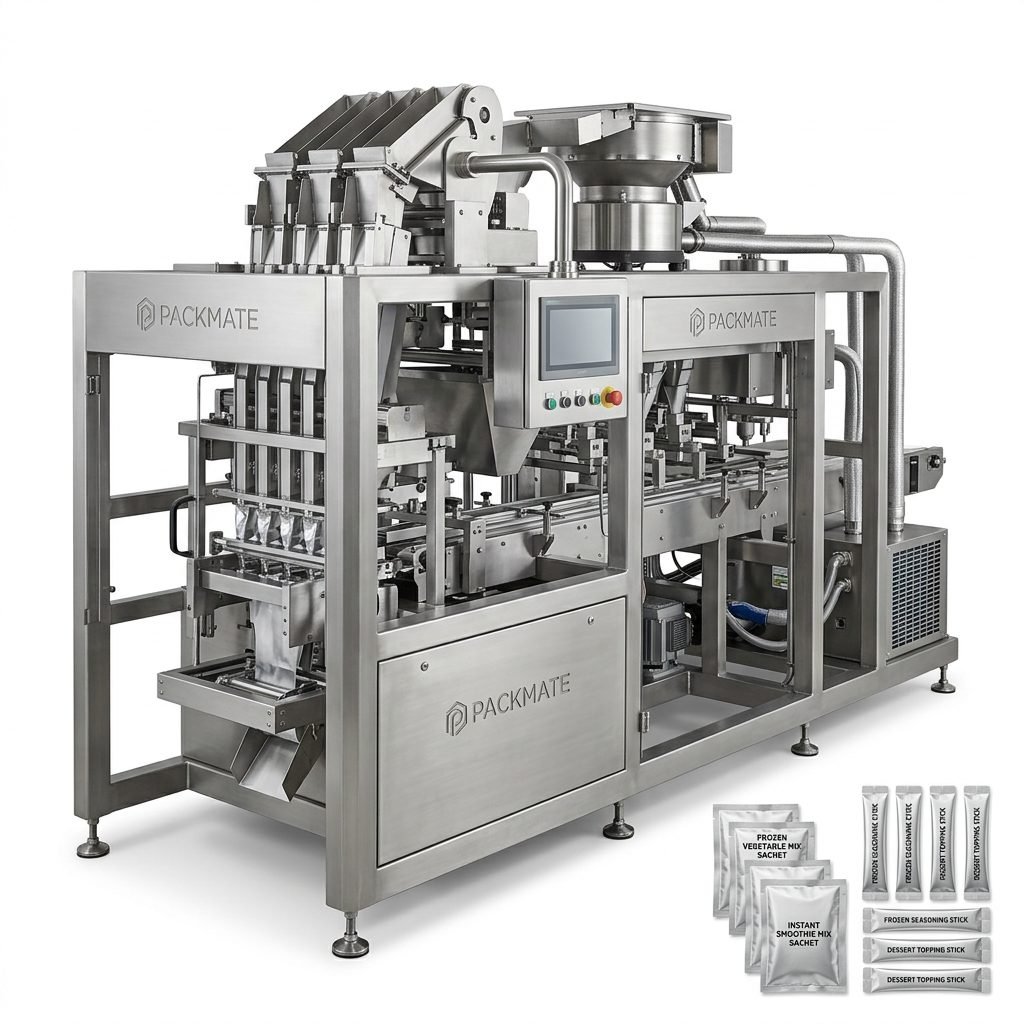
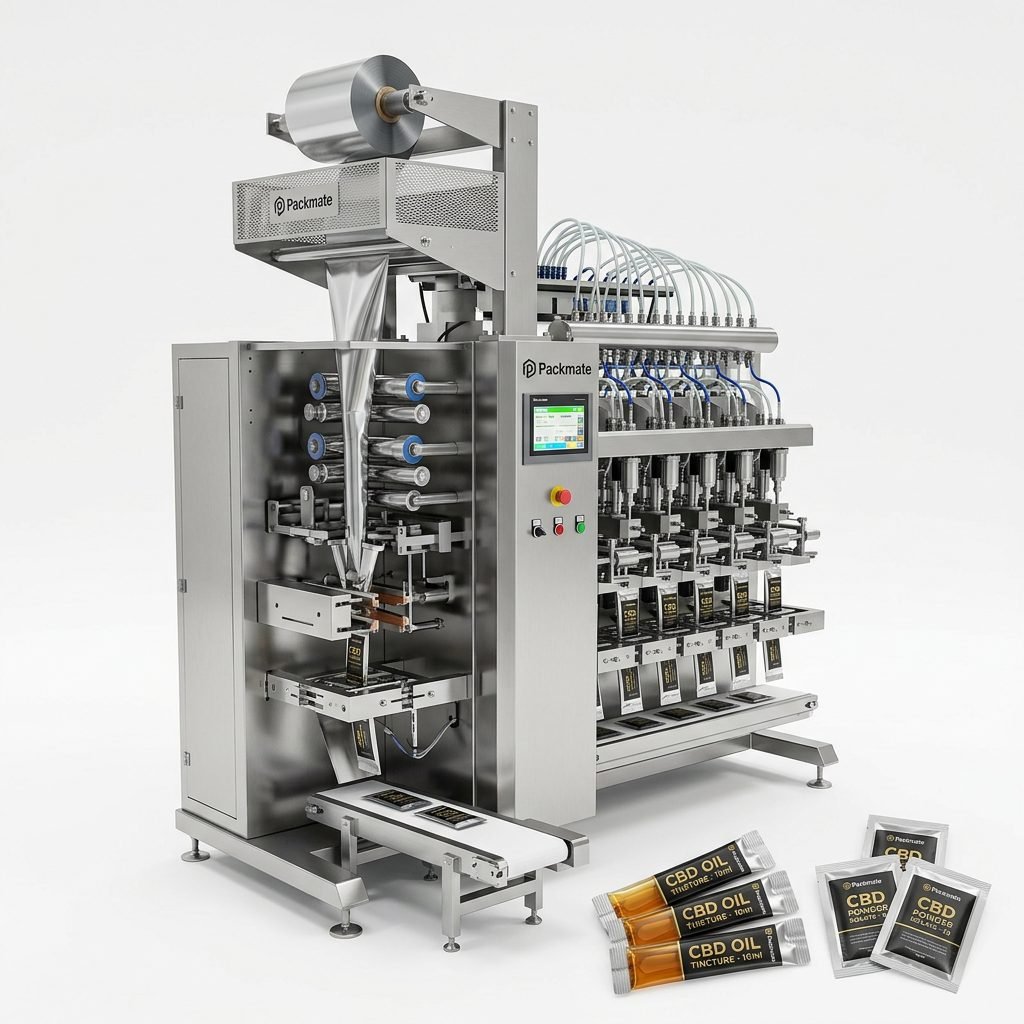
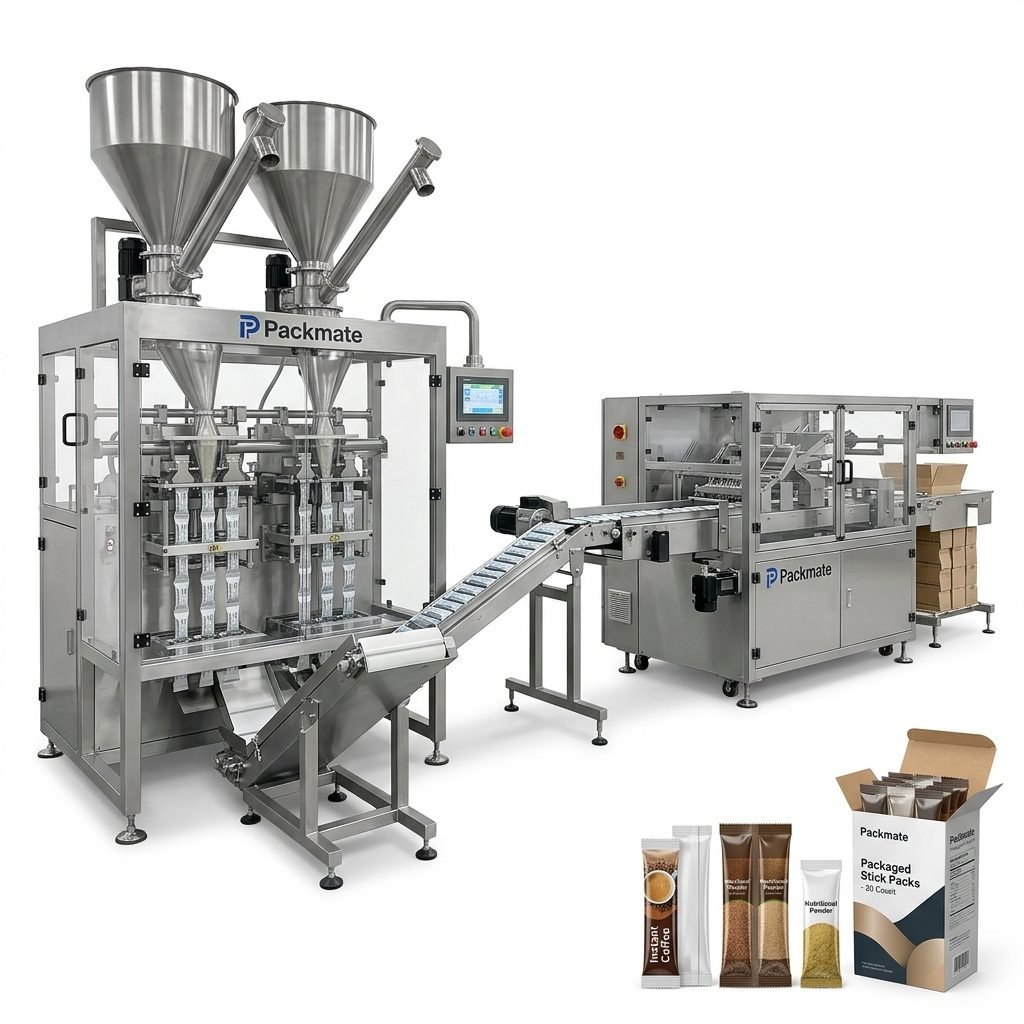
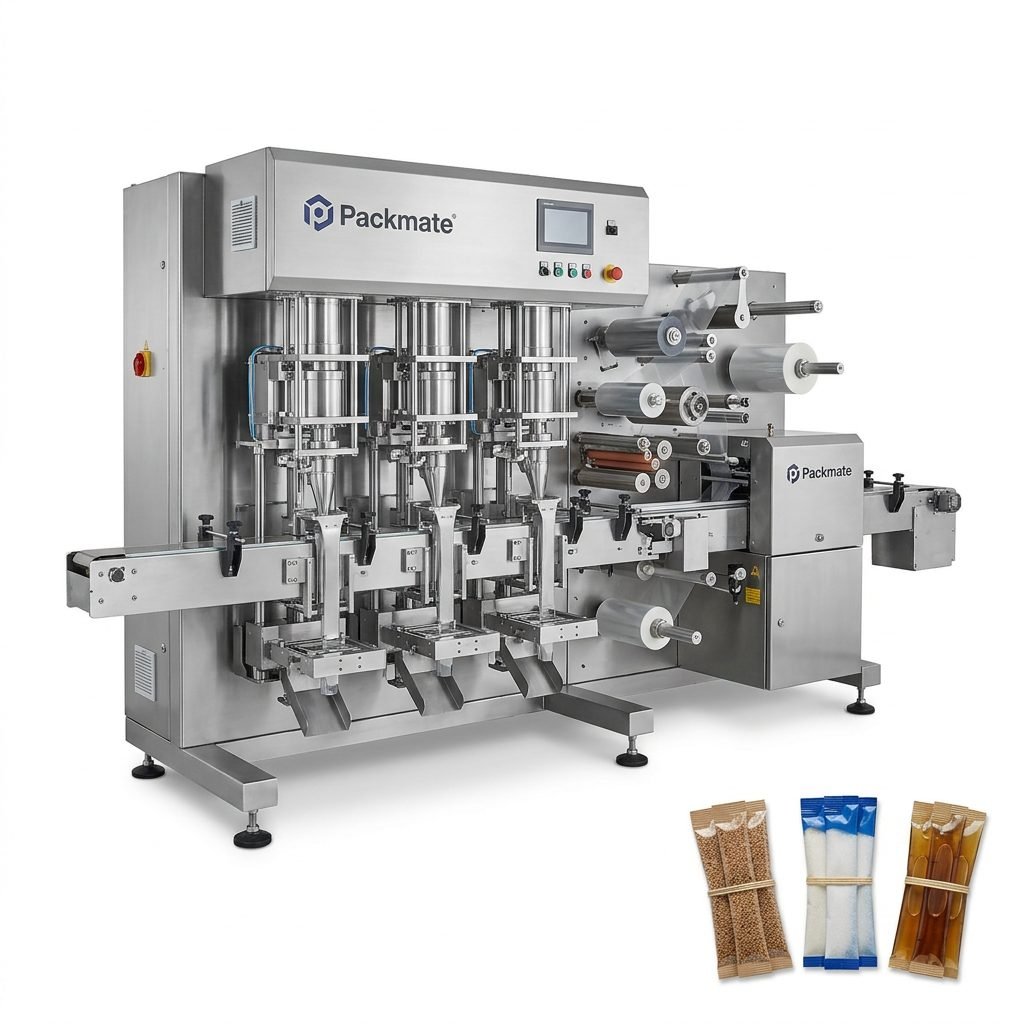
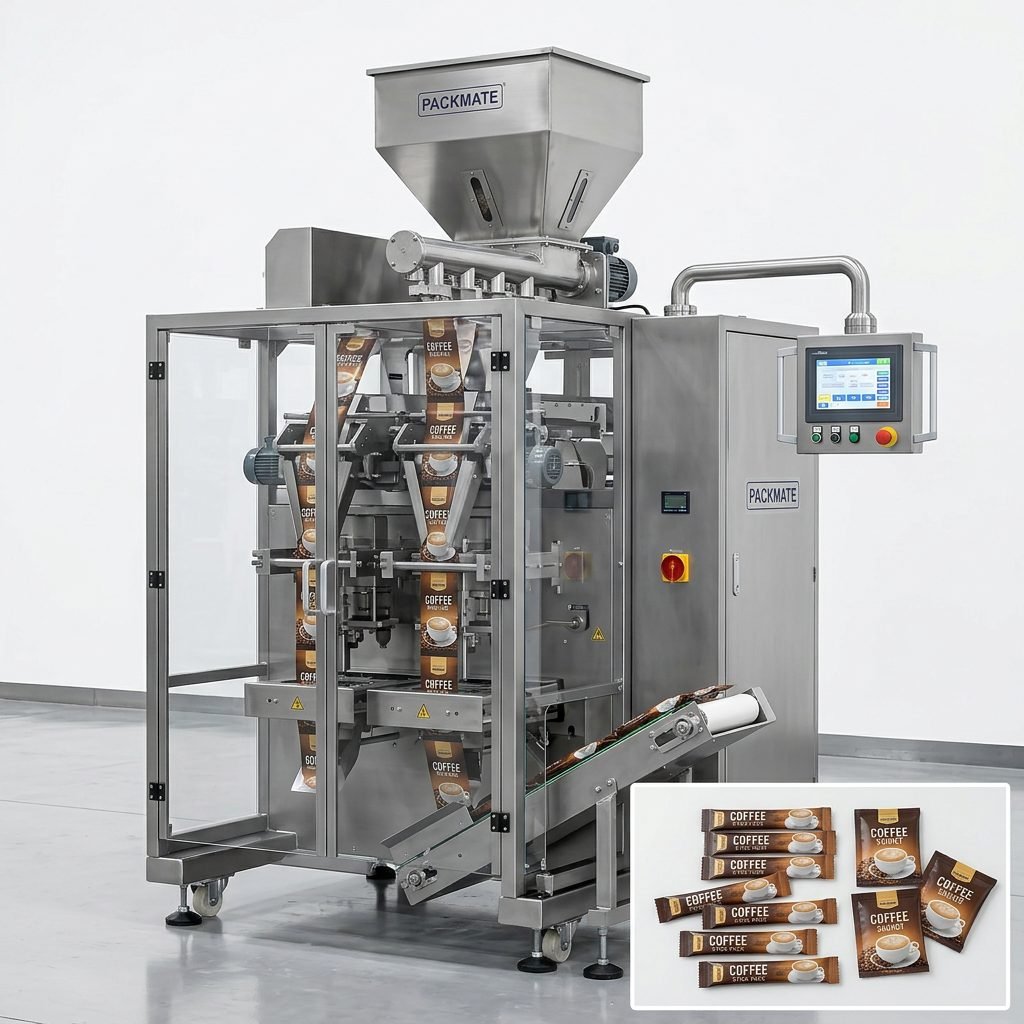
Heat Sealing: Used for flexible packaging like sachets or stick packs for single-use samples or travel-sized products. This method is fast and creates a clean, secure seal.
3. Automated Labeling: The Final Touch of Branding
The label is your product’s voice on the shelf. Automated labeling ensures it is applied perfectly every time—straight, bubble-free, and at the exact position.
Types of Label Applicators:
✓ Wrap-Around Labelers: Apply labels that encircle the entire container, ideal for cylindrical bottles and jars.
✓ Front & Back Labelers: Apply labels to specific panels on flat or rectangular containers.
✓ Top Labelers: Place labels on the lid or top surface of a package.
✓ Print & Apply Systems: Integrate variable data printing (like batch codes or expiry dates) directly onto the label during application, streamlining the process.
High-resolution vision systems are often integrated here to inspect label placement and print quality, automatically rejecting any mislabeled products.
Benefits of Integrating a Complete Automated Line
Moving from standalone machines to a synchronized line managed by a central PLC (Programmable Logic Controller) unlocks transformative advantages.
Dramatically Increased Productivity & Output: Automation runs 24/7 with minimal downtime, far surpassing manual labor speeds. Changeovers between products or container sizes are faster with recipe memory functions.
Unmatched Consistency and Quality Control: Machines eliminate human error in filling volume, seal integrity, and label placement. Integrated inspection systems (checkweighers, vision cameras) provide 100% in-line quality assurance.
Significant Reduction in Labor Costs and Material Waste: One operator can often oversee an entire line. Precise filling reduces product give-away, and accurate labeling cuts down on misapplied label waste.
Enhanced Safety and Hygiene: Automated systems minimize direct human contact with the product, crucial for maintaining cosmetic purity and meeting strict GMP (Good Manufacturing Practice) standards.
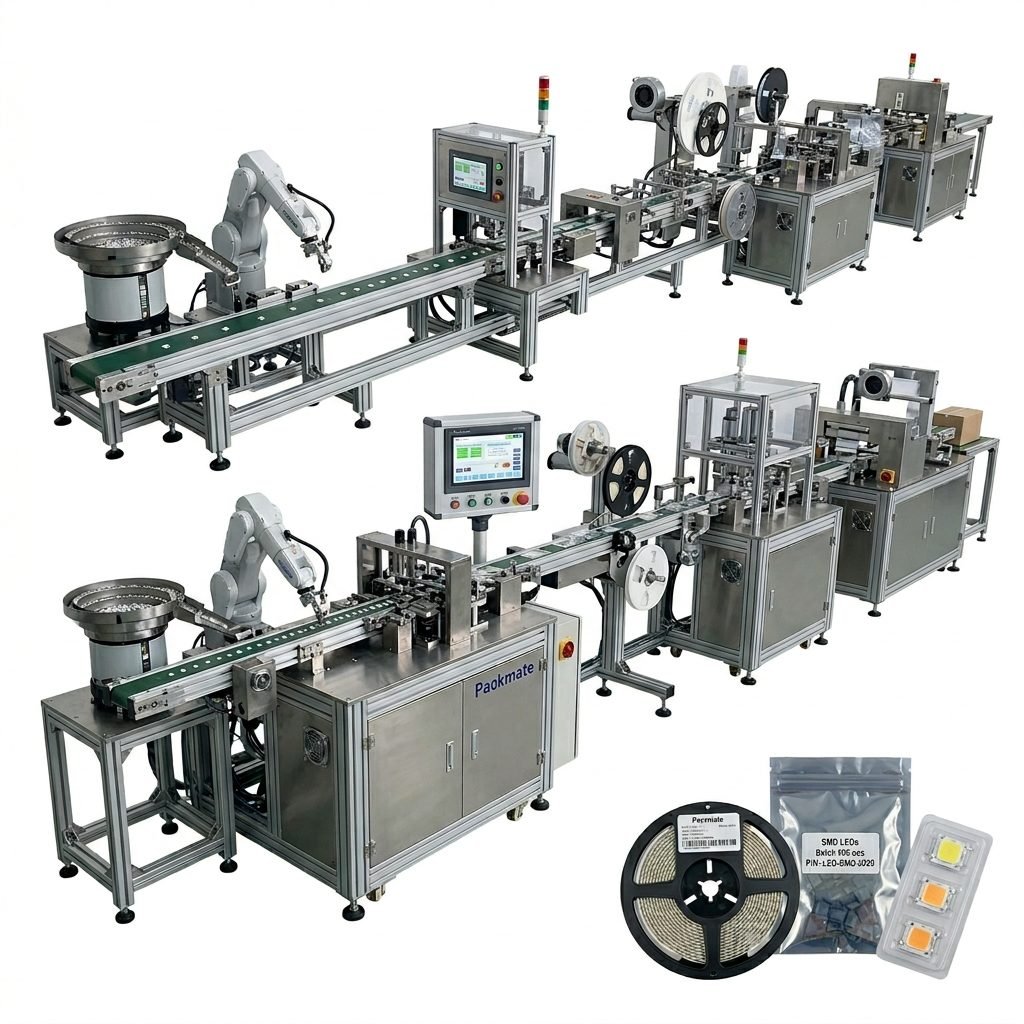
Scalability and Flexibility: A well-designed line can be modular. You can start with core functions and add modules like cartoning or secondary packaging later. This adaptability is clear in the diverse case studies from solution providers, showcasing lines tailored for different scales and products.
Key Considerations for Implementing Your System
Selecting the right system requires careful planning beyond just the machinery.
Product & Container Analysis:
Define your product’s physical properties (viscosity, foaminess, abrasiveness) and your container’s material, shape, and size range. The line must be engineered to handle them gently and efficiently.
Desired Output Speed (CPM):
Calculate your required output in containers per minute. This will determine the specification of each machine and the conveying speed of the line.
Footprint and Factory Layout:
Map your available space. A reputable supplier will provide detailed layout drawings to ensure the line fits optimally into your production area.
Integration and Control:
Ensure all machines can communicate via a common protocol (e.g., Ethernet/IP). A user-friendly HMI (Human-Machine Interface) allows for easy monitoring and control of the entire process.
Supplier Expertise and Support:
Partner with a provider who offers more than just machines. Look for turnkey solution expertise, including installation, commissioning, training, and reliable after-sales service. A partner with a strong track record, like one with over 30 years of experience in designing for granules, powders, and liquids, brings invaluable insight.
Future Trends: Smart Packaging Lines
The future lies in connectivity and data. Industry 4.0 principles are bringing Smart Packaging Lines to the forefront.
These lines are equipped with IoT sensors that collect real-time data on machine performance, OEE (Overall Equipment Effectiveness), and production counts. This data can be accessed remotely for predictive maintenance—fixing a potential issue before it causes downtime. Furthermore, data analytics can reveal bottlenecks and optimize the entire production flow for maximum efficiency.
Investing in an automated packaging line is a strategic decision that propels a cosmetics brand forward. It is an investment in brand integrity, operational excellence, and market competitiveness. By automating the core processes of filling, sealing, and labeling, manufacturers gain the precision, speed, and flexibility needed to thrive in a dynamic global marketplace. For a deeper look at what a reliable partnership entails, exploring a supplier’s company profile and history can provide confidence in their ability to deliver a robust, future-ready solution.
Frequently Asked Questions (FAQs)
1. What is the typical ROI (Return on Investment) for an automated cosmetics packaging line?
ROI depends on scale, labor costs, and previous manual error rates. Typically, businesses see a full return within 1-3 years through massive gains in output, drastic reduction in labor and material waste, and fewer quality-related returns.
2. Can one automated line handle different product types (e.g., creams and liquids)?
Yes, with proper design. Modular lines with quick-change parts (like filler nozzles and capping heads) and programmable recipes allow for efficient changeovers between different product families and container sizes.
3. How do I ensure the line meets hygiene standards for cosmetics?
Choose machines with sanitary design: easy-clean surfaces (stainless steel), minimal product traps, and CIP (Clean-in-Place) capabilities where possible. Your supplier should understand and design for GMP and relevant cosmetic industry standards.
4. What kind of maintenance does an automated line require?
Regular preventive maintenance is crucial. This includes daily cleaning, lubrication of moving parts, and periodic inspection of wear components like seals and sensors. A good supplier provides detailed maintenance schedules and training.
5. How do I choose between a linear layout and a rotary layout for my line?
Linear layouts are simpler and ideal for lower speeds or complex container handling. Rotary (carousel) layouts are more compact and capable of very high speeds for uniform, stable containers. Your supplier should recommend the optimal layout based on your specific products and output goals.