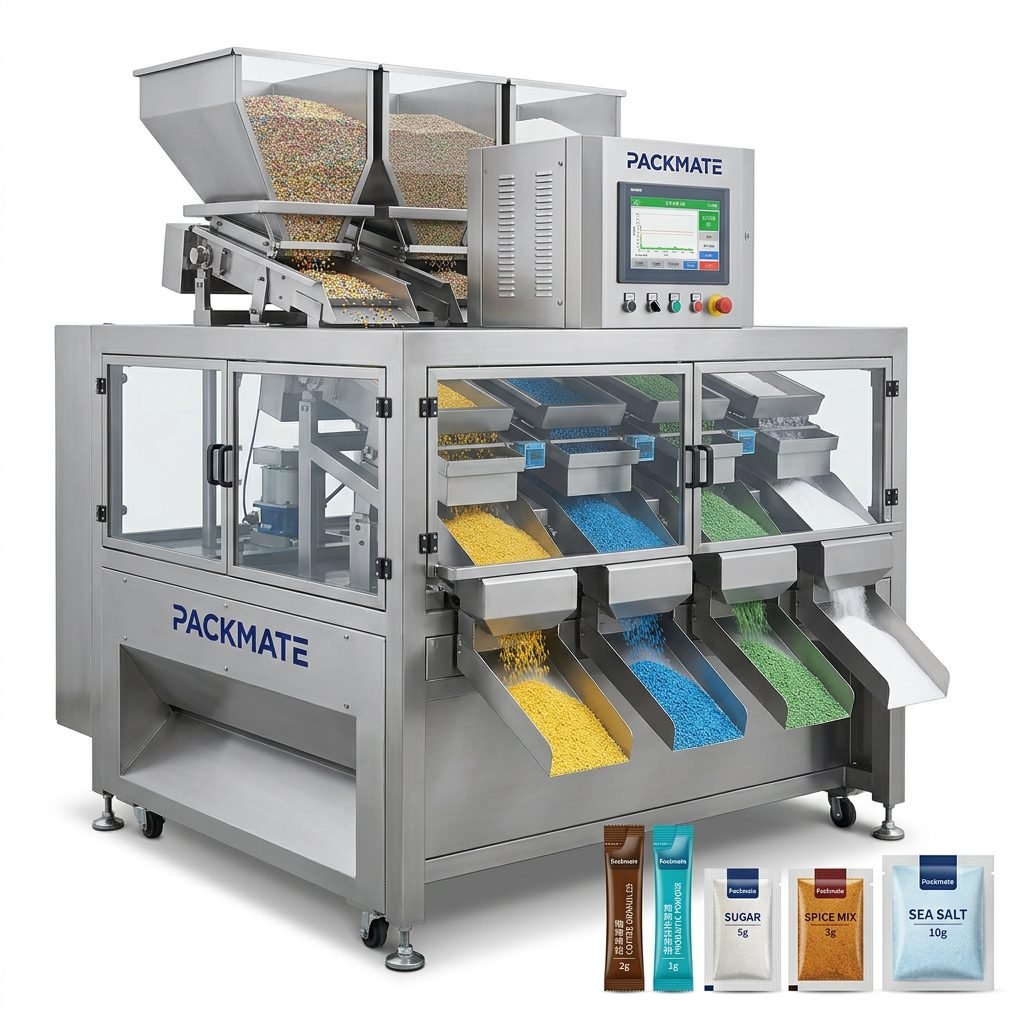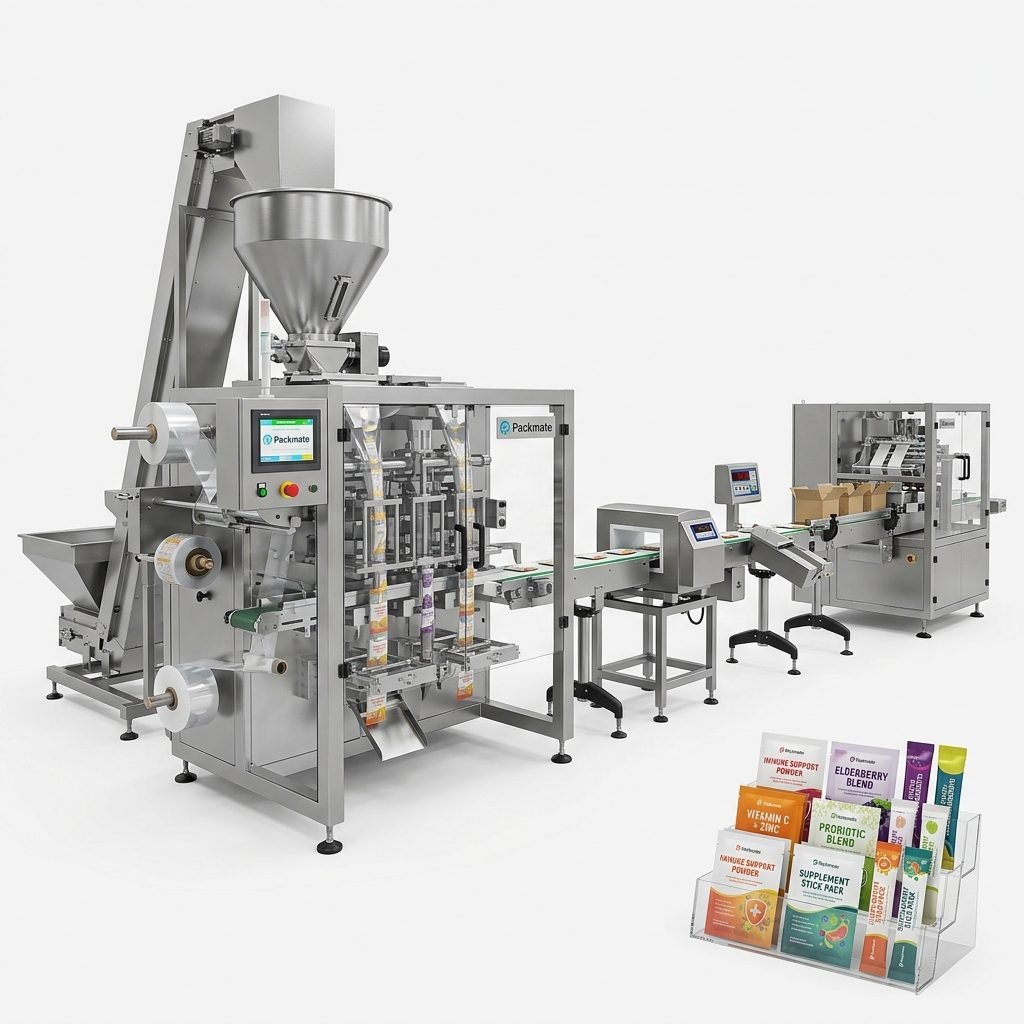
In the highly regulated and demanding sectors of food, pharmaceuticals, and health products, the packaging line is far more than a final production step. It is a critical component that ensures product integrity, safety, shelf life, and consumer trust. Selecting the right packaging line manufacturer is therefore a strategic decision that impacts operational efficiency, regulatory compliance, and market success. This article explores the key considerations for choosing top-tier manufacturers and highlights the capabilities of industry leaders like Packmate (GuangDong) Co., Ltd..
Core Requirements for Packaging in Critical Industries
Each industry presents unique challenges that a packaging line must adeptly handle. Understanding these is the first step in identifying a suitable manufacturer.
Food Industry: Speed, Hygiene, and Preservation
Food packaging demands high-speed operation to meet large volumes, coupled with uncompromising hygiene standards to prevent contamination. Lines must handle diverse product forms—granules, powders, liquids—and often incorporate gas flushing or vacuum sealing to extend freshness. A manufacturer’s expertise in food-grade materials and sanitary design is paramount.
Pharmaceutical Industry: Precision and Traceability
Precision dosing, absolute sterility (for certain products), and complete traceability are non-negotiable. Packaging lines must comply with stringent Good Manufacturing Practice (GMP) guidelines and often require features like serialization and aggregation to combat counterfeiting. Reliability and validation support are critical factors from the manufacturer.
Health & Nutraceutical Industry: Flexibility and Compliance
This fast-growing sector blends requirements from both food and pharma. Lines need flexibility to switch between powders, capsules, and liquids for supplements, probiotics, or protein shakes. Compliance with health authority regulations and the ability to provide tamper-evident, child-resistant packaging are essential.
What Defines a Top Packaging Line Manufacturer?
Beyond basic machine supply, leading manufacturers distinguish themselves through a holistic approach to client success.
1. Deep Industry-Specific Expertise
The best manufacturers don’t just sell machines; they sell solutions. They possess a profound understanding of the regulatory landscape, material science, and production challenges specific to food, pharma, and health products. This expertise is built over decades, like the 30+ years of experience demonstrated by established players, allowing them to anticipate problems and design effective, compliant lines from the outset.
2. Comprehensive, Turnkey Solutions
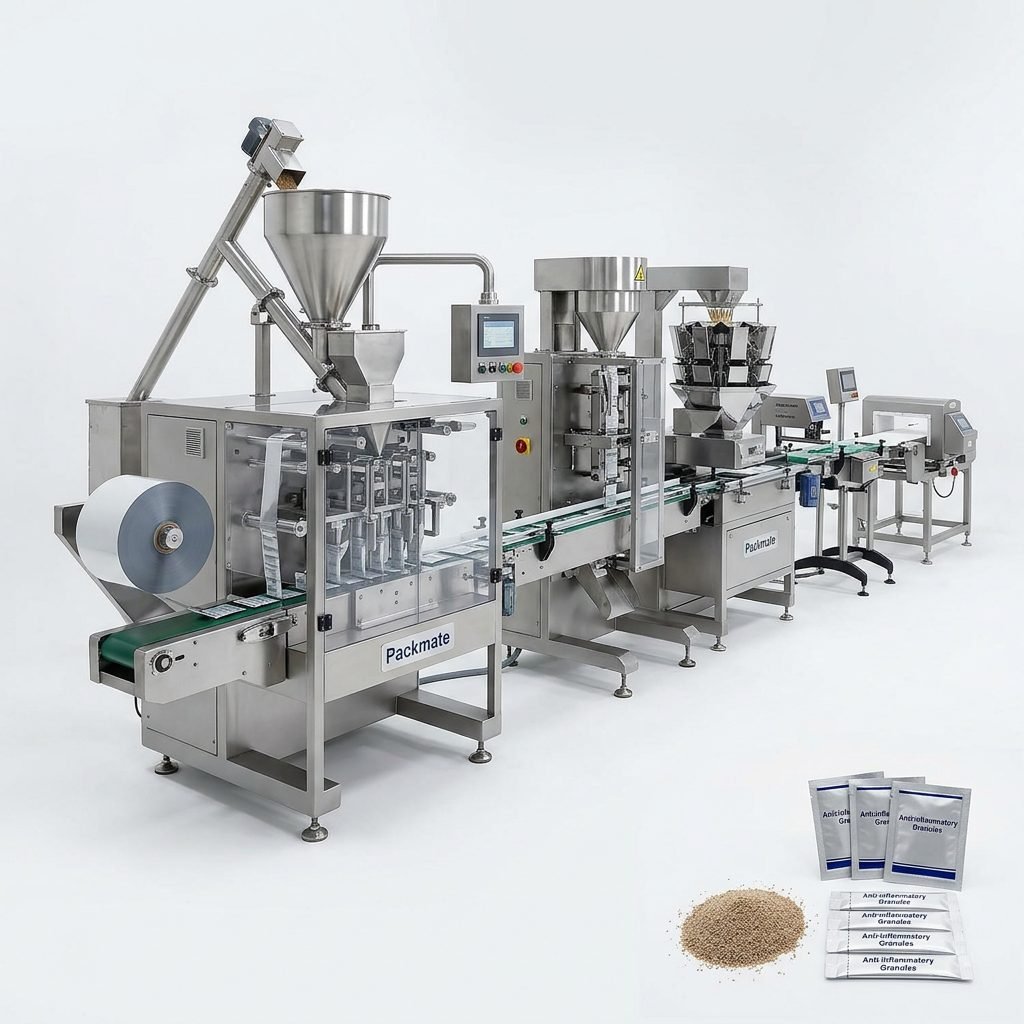
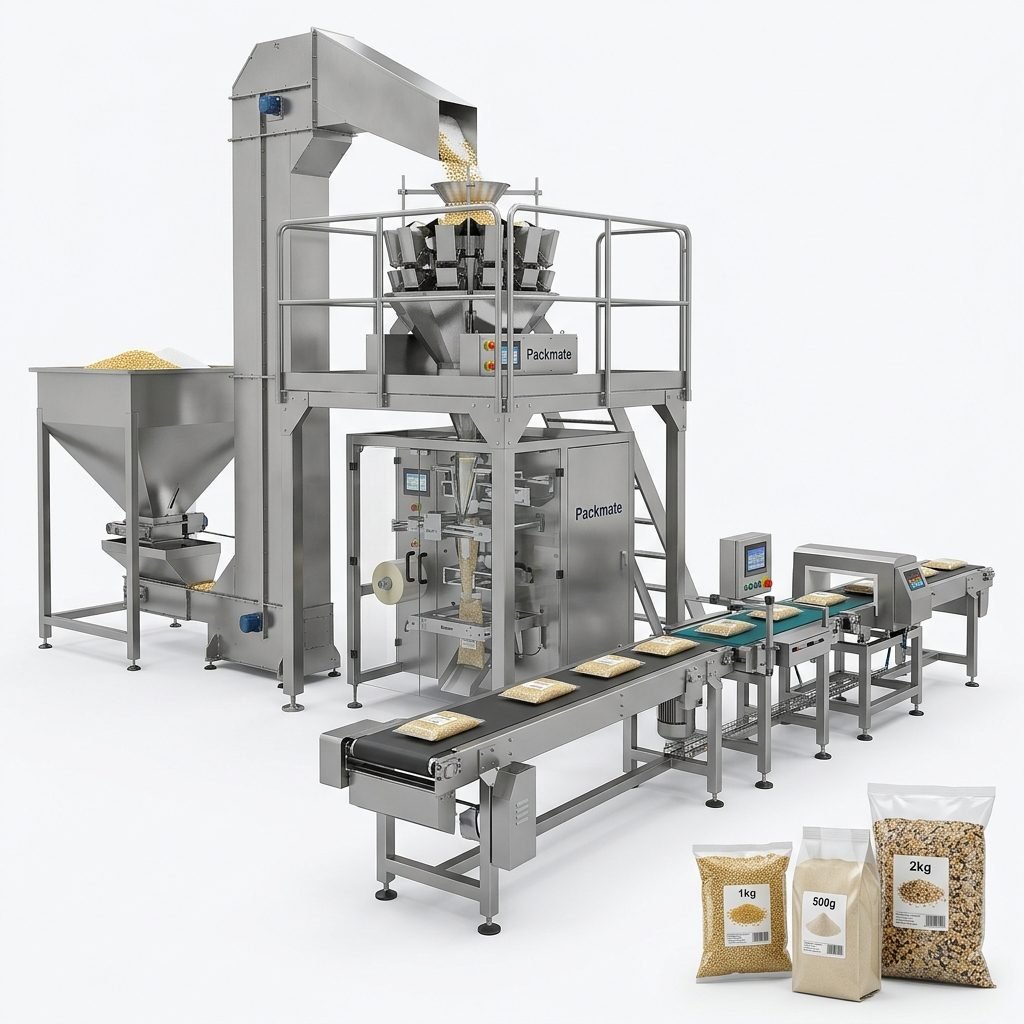
A top manufacturer offers more than individual machines. They provide integrated, turnkey packaging lines that include design, manufacturing, installation, commissioning, and training. This single-point responsibility ensures all components—from filling and sealing to coding and cartoning—work in perfect harmony, reducing integration headaches for the client.
3. Commitment to Innovation and R&D
Technology evolves rapidly. Leading manufacturers invest heavily in research and development to incorporate the latest advancements in automation, robotics, IoT (Internet of Things) for predictive maintenance, and sustainable packaging technologies. This commitment ensures their clients’ lines remain efficient and competitive for years.
4. Robust Manufacturing and Quality Control
A strong internal manufacturing foundation is crucial. Look for manufacturers with modern facilities, like a 20,000㎡ factory, equipped with advanced CNC machinery and rigorous testing protocols. In-house production allows for better quality control, customization, and more reliable after-sales support compared to pure trading companies.
5. Proven Global Track Record
A portfolio of successful international projects is a strong testament to a manufacturer’s capability and reliability. Serving a global clientele means the manufacturer is adept at meeting diverse standards, providing multilingual support, and navigating export logistics.
Spotlight on a Leading Manufacturer: Packmate Packaging Line
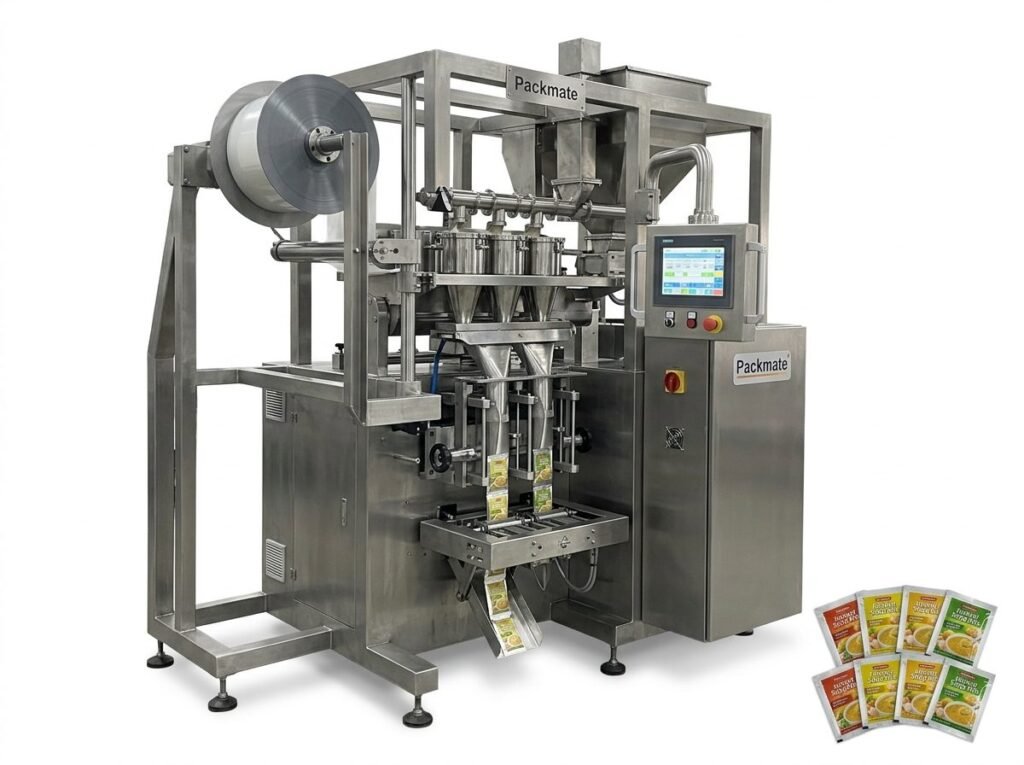
Embodying these qualities, Packmate (GuangDong) Co., Ltd. stands as a prime example of a specialized top manufacturer. Their journey from a visionary workshop in 1993 to a modern enterprise highlights the evolution required to serve global industries.
Specialized Solutions for Diverse Needs
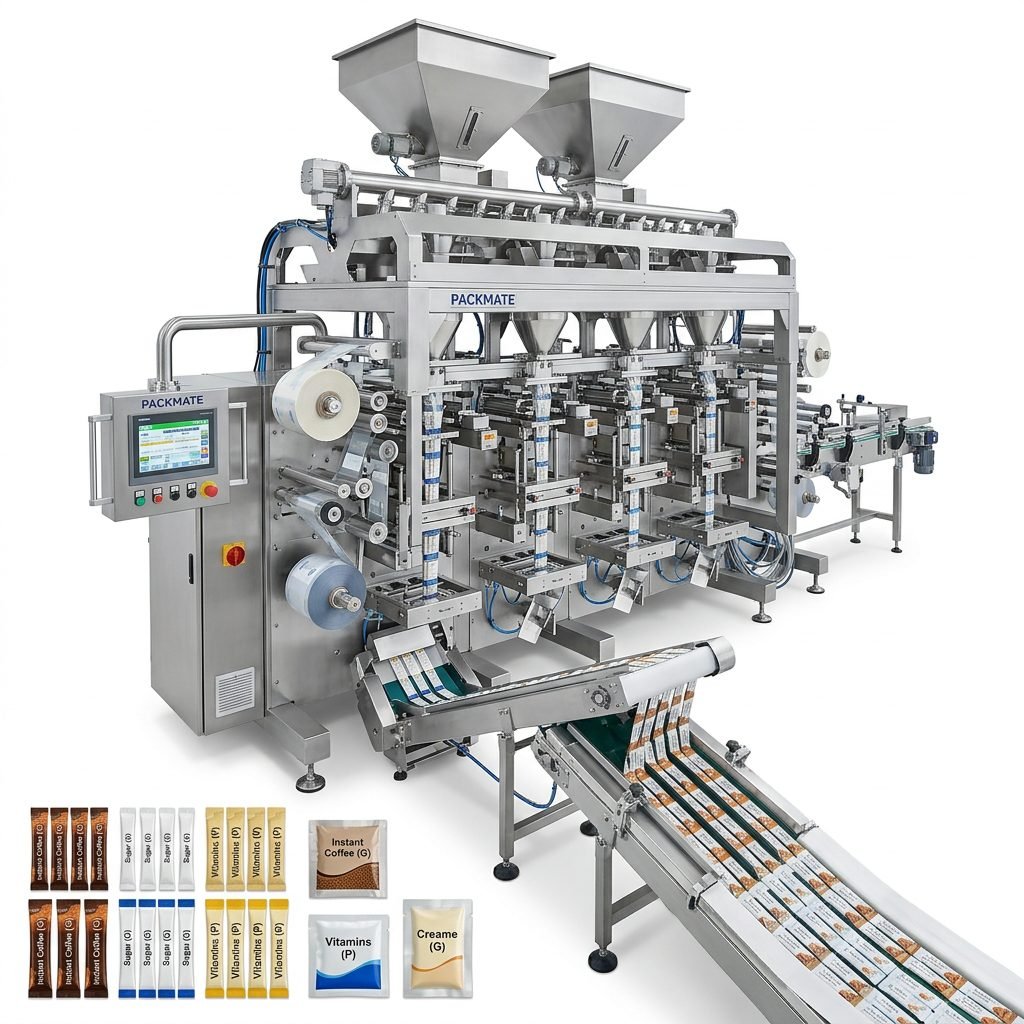
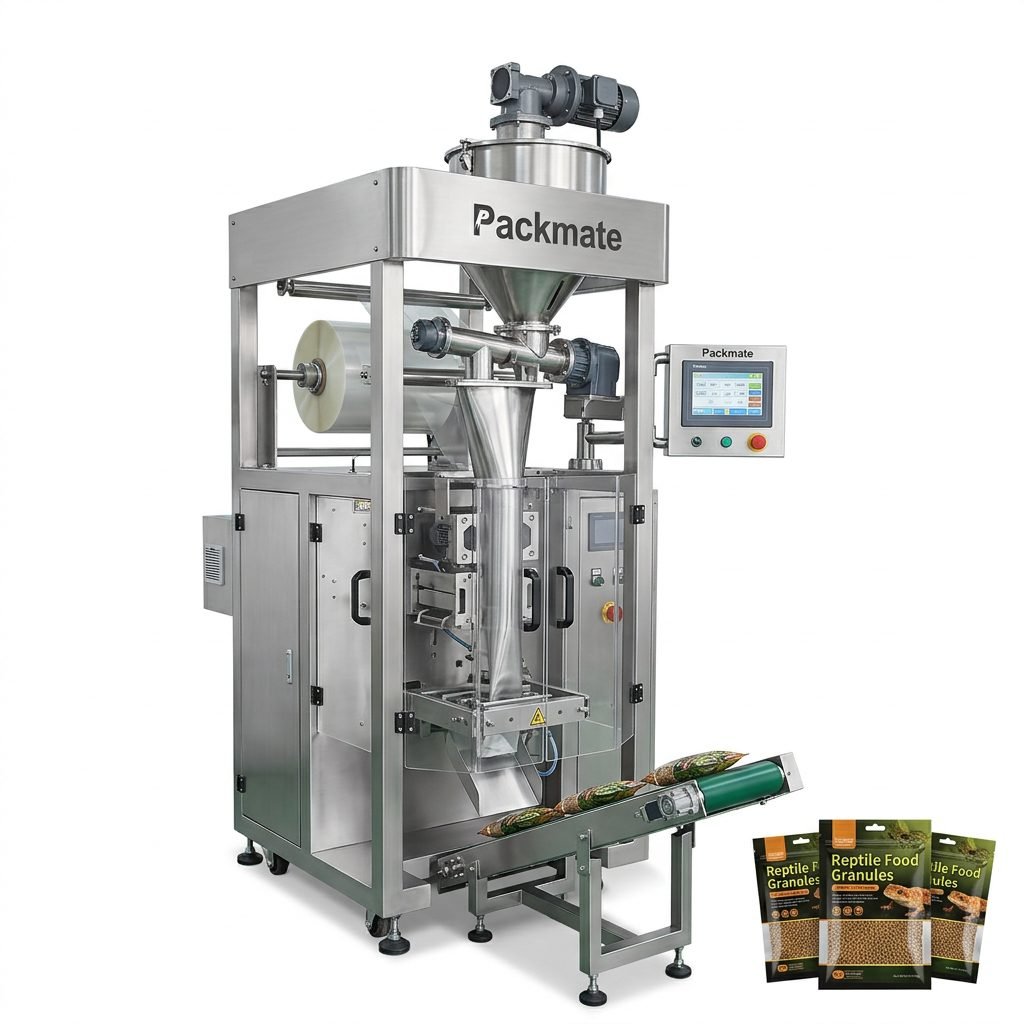
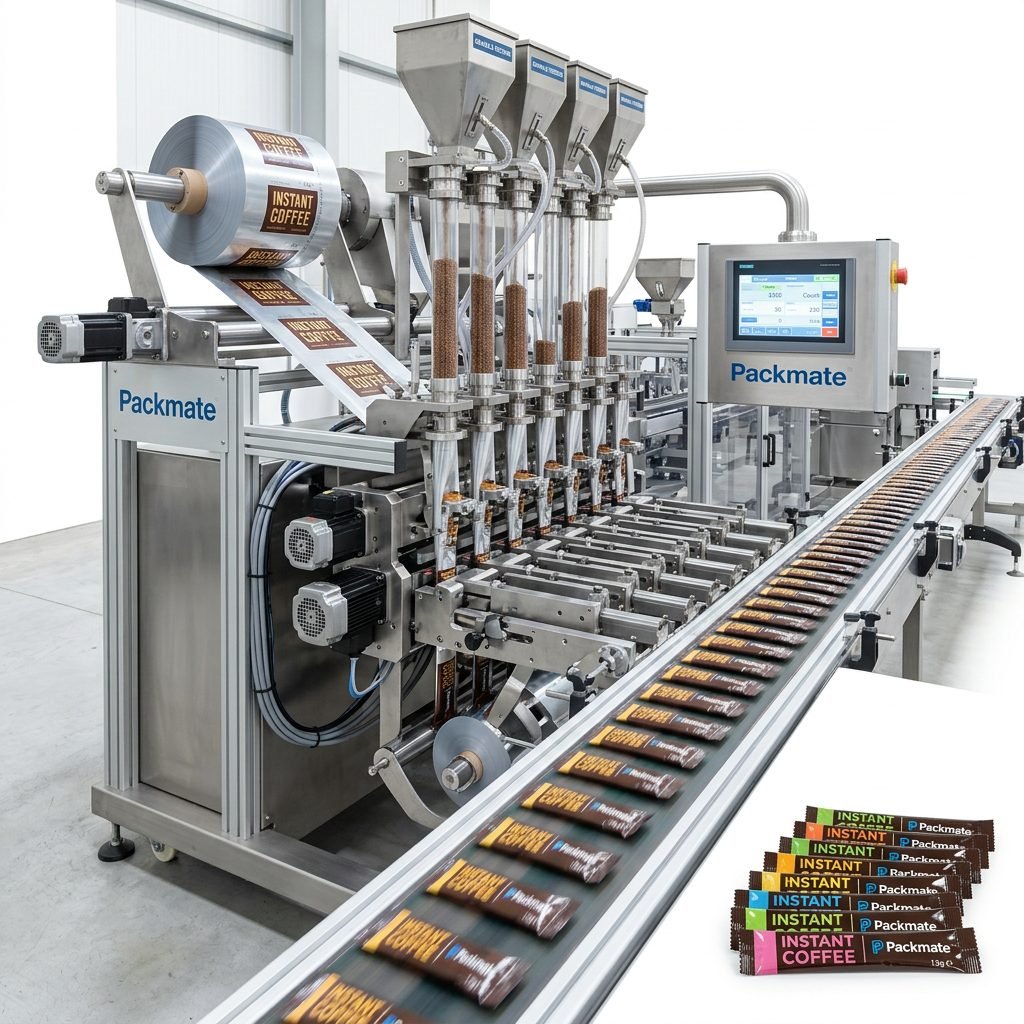
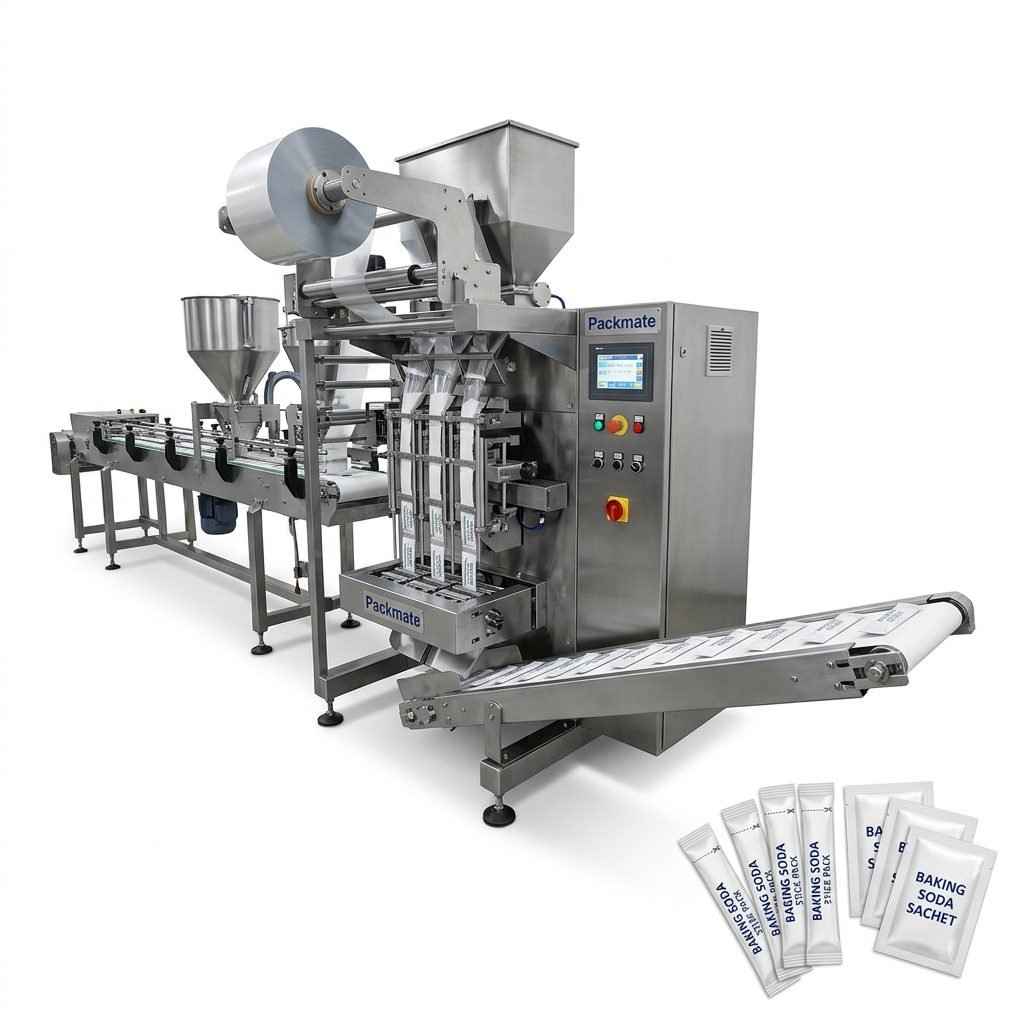
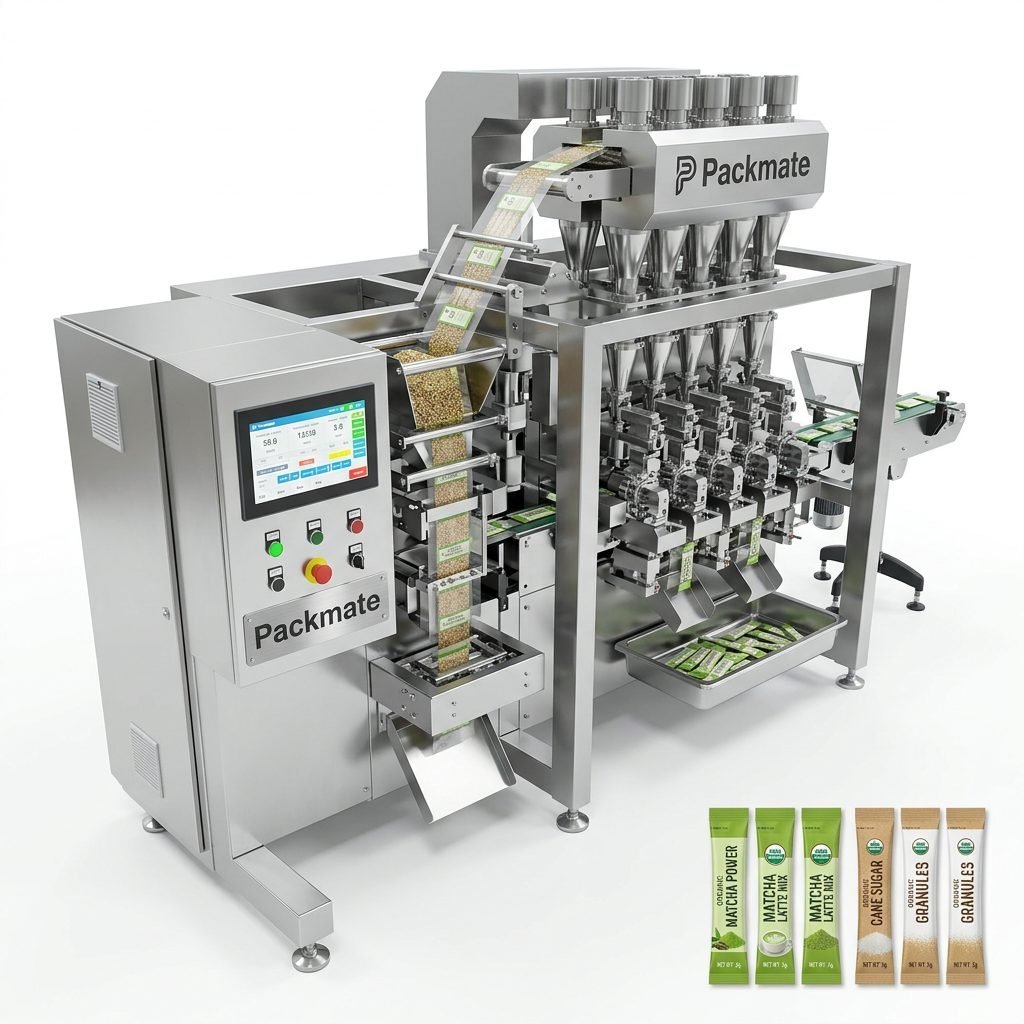
Packmate’s focus on intelligent, complete lines is evident in their extensive range of over 50 machine models. They specialize in high-speed, multi-lane solutions for stick packs and sachets—ideal for single-serve pharmaceuticals, coffee, or supplements—as well as robust lines for large-volume bagging of powders or granules. This specialization ensures depth of knowledge in each format they offer.
Engineering Excellence and Customization
With a core team built around skilled engineers, the company emphasizes solving unique client challenges. Whether adapting a line for a novel product consistency or integrating specific check-weighing and vision inspection systems, their engineering-centric approach facilitates effective customization, a key value highlighted in their comprehensive services.
Strategic Location and Global Vision
Based in Guangdong, China, within the dynamic Greater Bay Area, Packmate leverages a world-class manufacturing ecosystem. This location provides access to advanced supply chains while their corporate restructuring in 2020 aligned them with international business practices. They successfully bridge high-quality manufacturing with global market needs, serving clients worldwide from this strategic hub.
Making the Final Decision: A Buyer’s Checklist
When evaluating potential manufacturers, use this checklist to guide your assessment:
- ✅ Technical Capability: Do they have proven experience with your specific product type (liquid, powder, etc.) and packaging format?
- ✅ Regulatory Knowledge: Can they demonstrate understanding and compliance with relevant standards (FDA, GMP, ISO, etc.) for your market?
- ✅ Project Support: Do they offer full turnkey service, from factory layout design to operator training?
- ✅ After-Sales Service: What is their structure for spare parts, technical support, and maintenance? Check their certifications as a proxy for quality systems.
- ✅ Financial Stability & Reputation: Review their company history, client testimonials, and years in business to gauge reliability.
Frequently Asked Questions (FAQs)
Q1: What is the primary advantage of a turnkey packaging line versus buying machines separately?
A turnkey line ensures seamless integration of all components, provided by a single responsible vendor. This reduces project risk, speeds up commissioning, simplifies after-sales service, and guarantees that the entire line is designed to work as a cohesive, efficient system from day one.
Q2: How important is a manufacturer’s experience in my specific industry (e.g., pharmaceuticals vs. food)?
It is critically important. Industry-specific experience means the manufacturer understands the unique regulatory requirements, contamination risks, and material handling challenges. This expertise is built into the machine design, material selection, and documentation, ensuring compliance and avoiding costly redesigns or validation failures.
Q3: Can packaging lines be customized for unique product shapes or sustainable materials?
Yes, leading manufacturers like Packmate often have strong R&D and engineering departments dedicated to customization. Whether it’s adapting forming shoulders for a unique pouch shape, integrating systems for compostable films, or creating special feeding mechanisms for fragile products, a good manufacturer can develop tailored solutions.
Q4: What should I look for in a manufacturer’s after-sales service?
Key elements include the availability of a comprehensive spare parts catalog, responsive remote technical support (via phone or video), availability of on-site service engineers, and offering of preventive maintenance contracts. Clear communication channels and service level agreements are essential.
Q5: How do I verify a manufacturer’s claims about quality and performance?
Request client references for similar projects and, if possible, visit their production facility or arrange a live video tour. Ask for detailed test reports, validation documentation templates, and relevant international quality certifications (e.g., ISO 9001, CE). Reviewing detailed case studies can also provide concrete evidence of their capabilities.