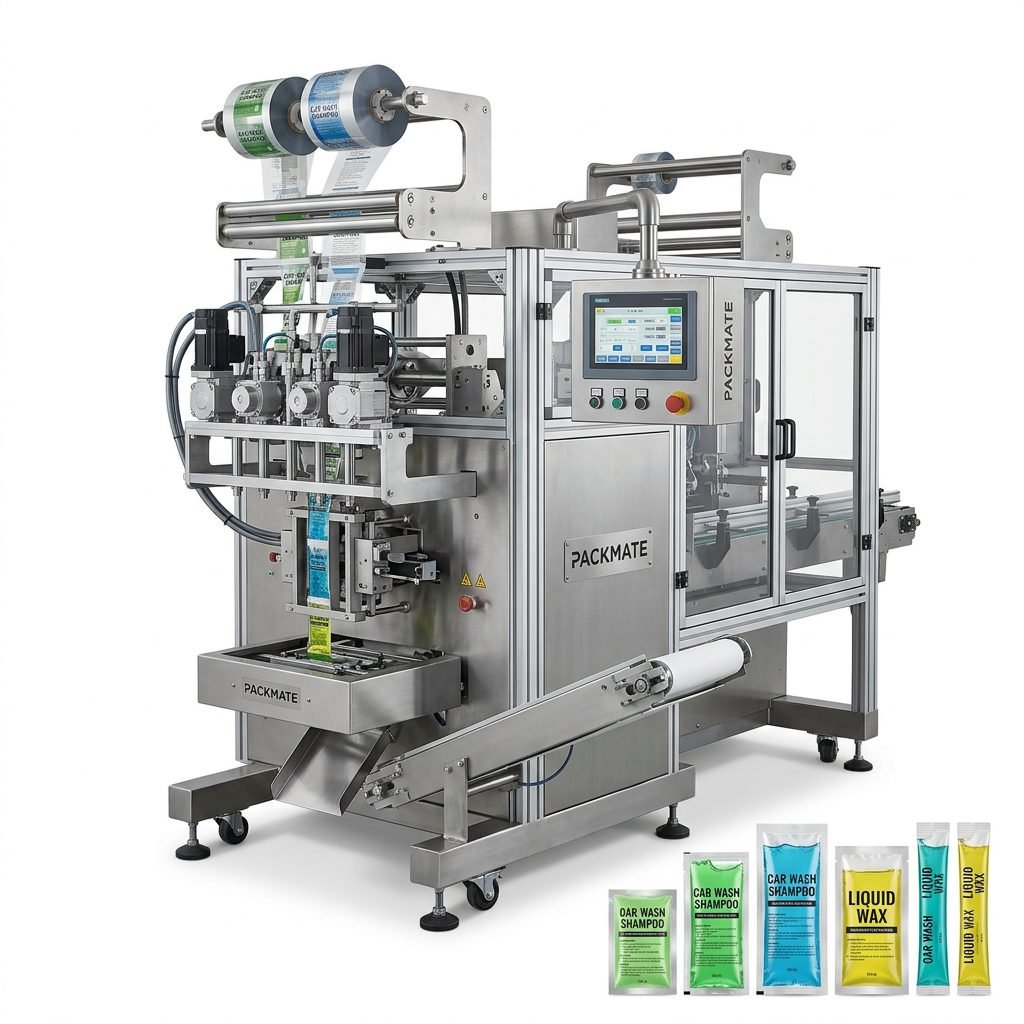
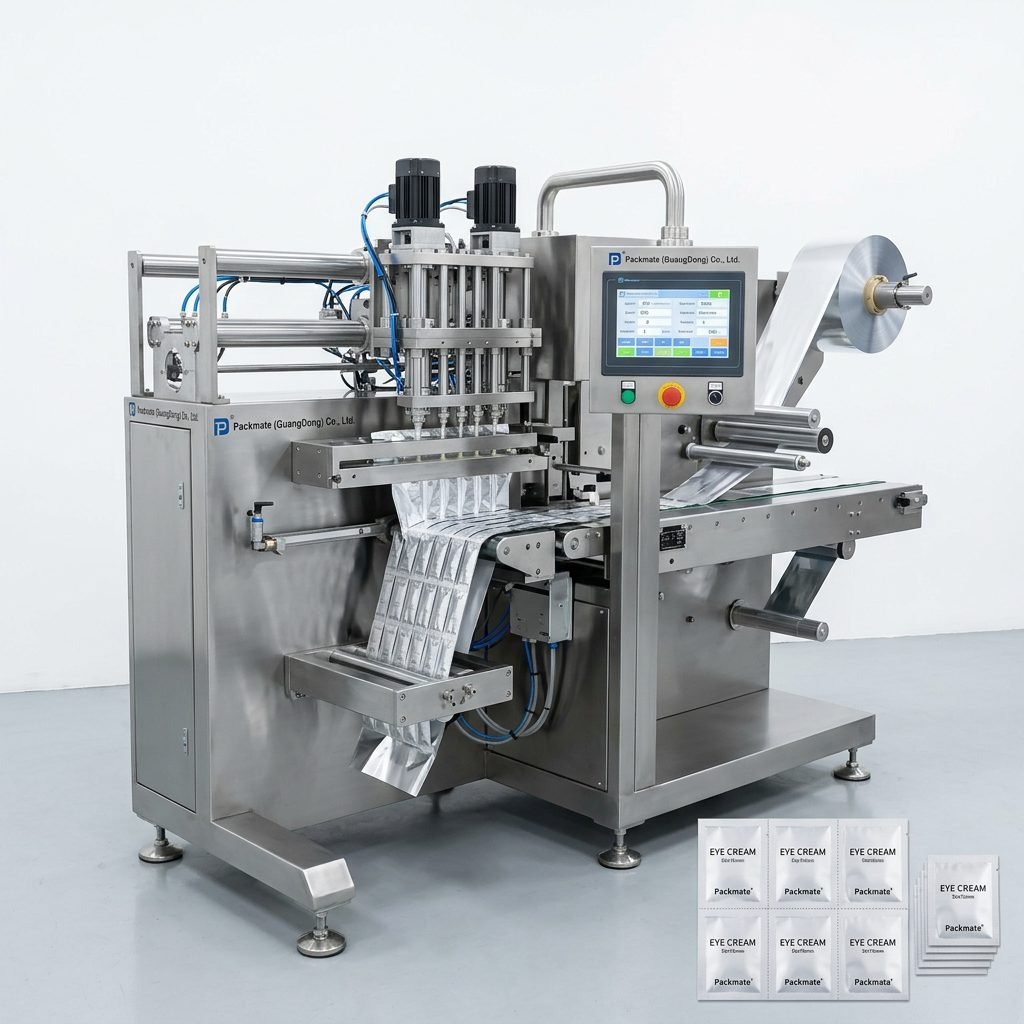
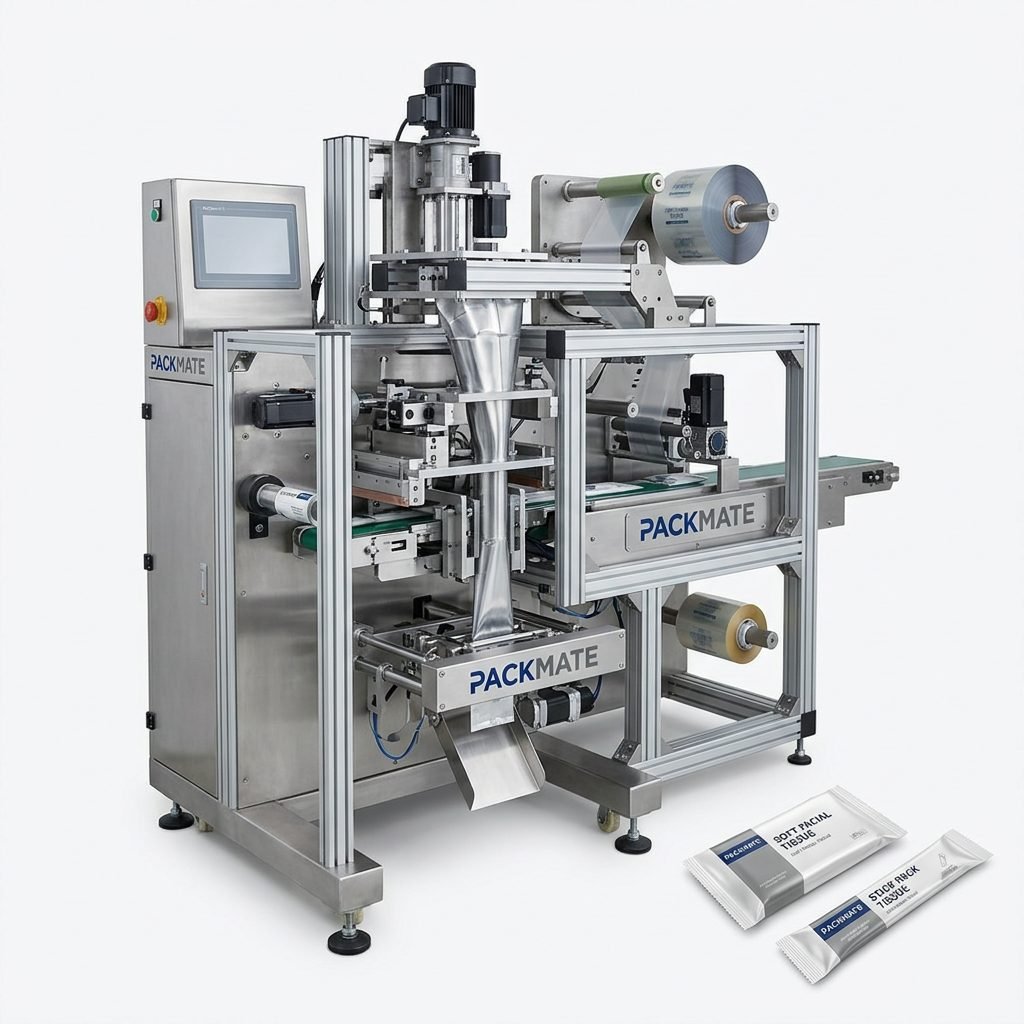
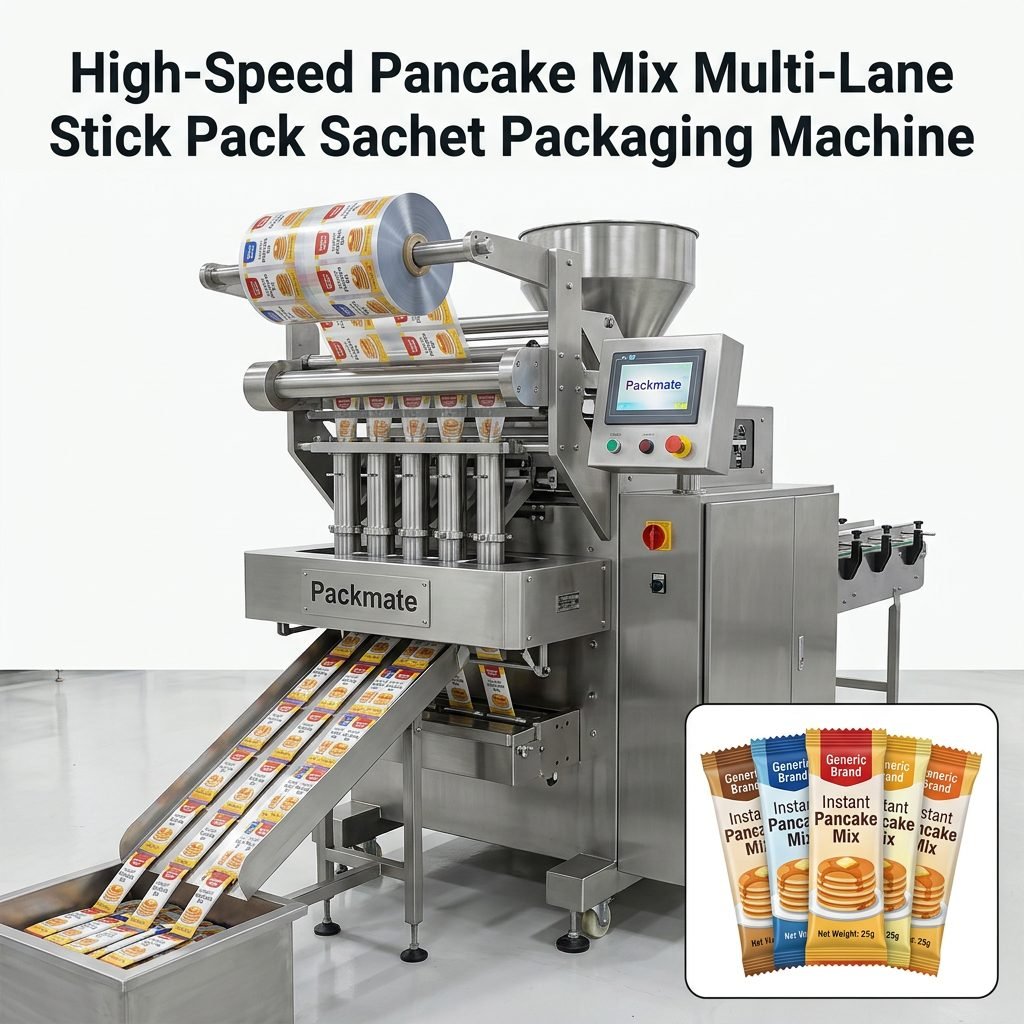
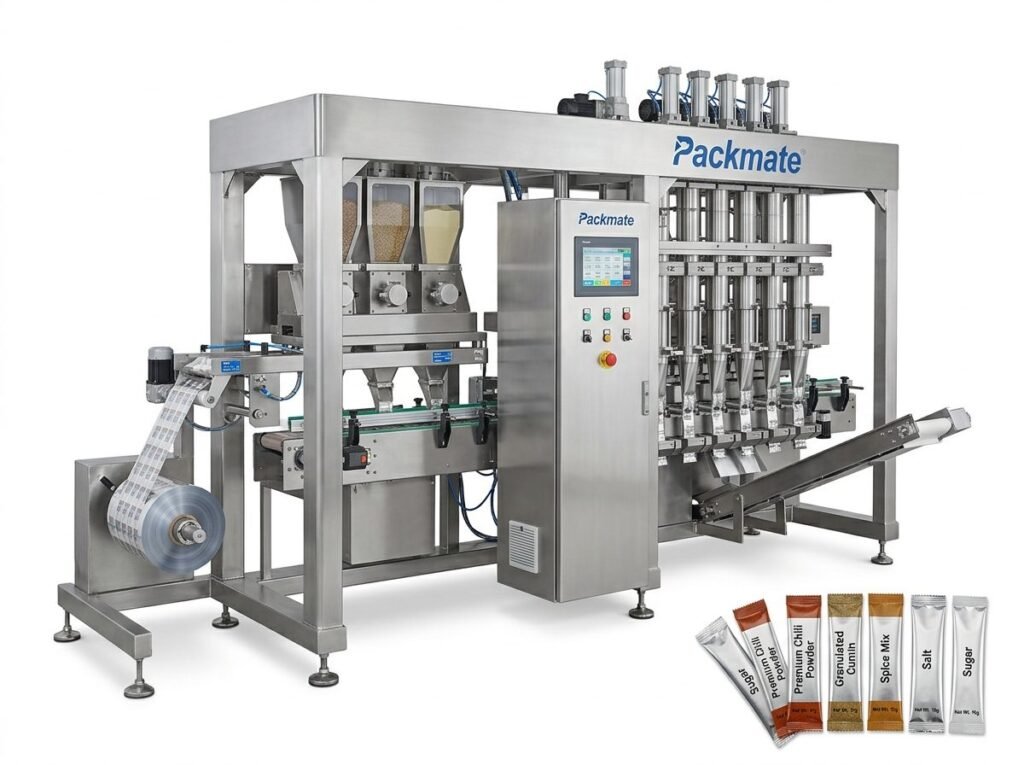
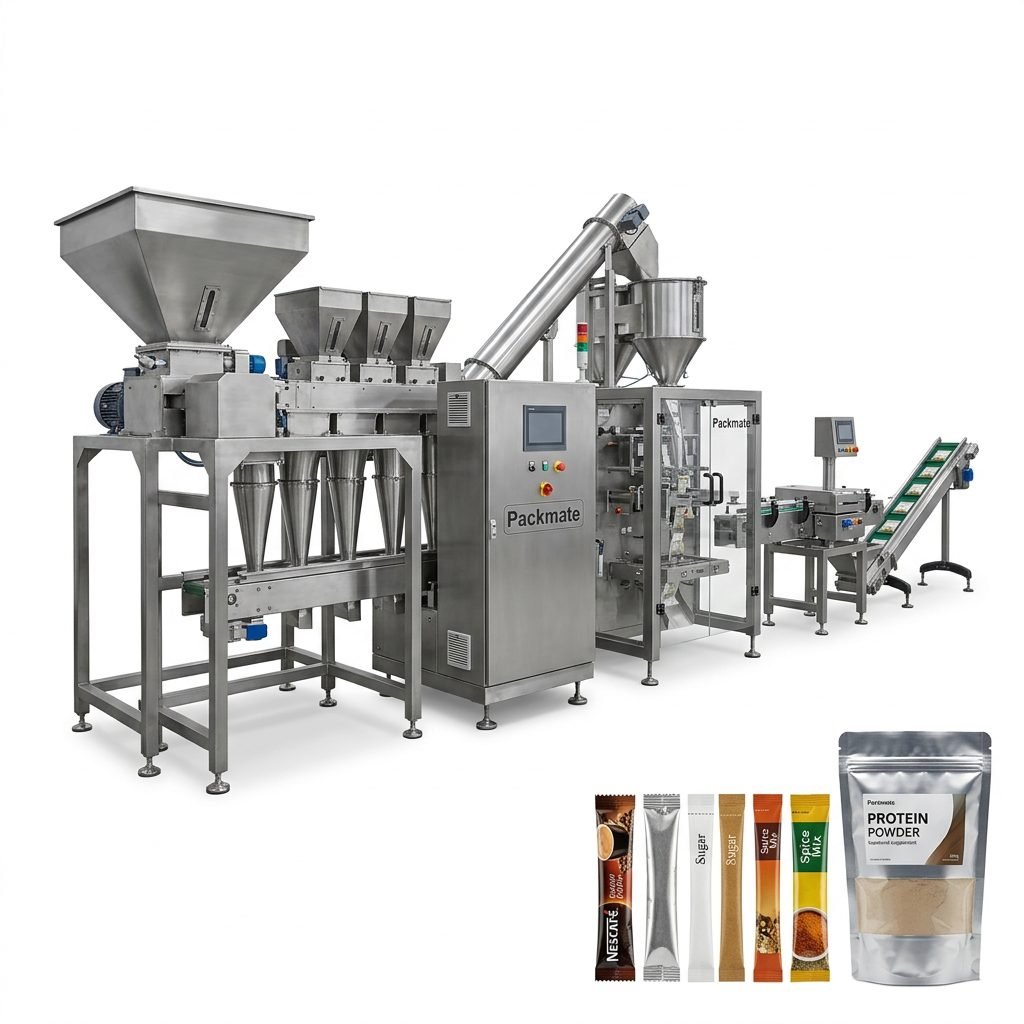
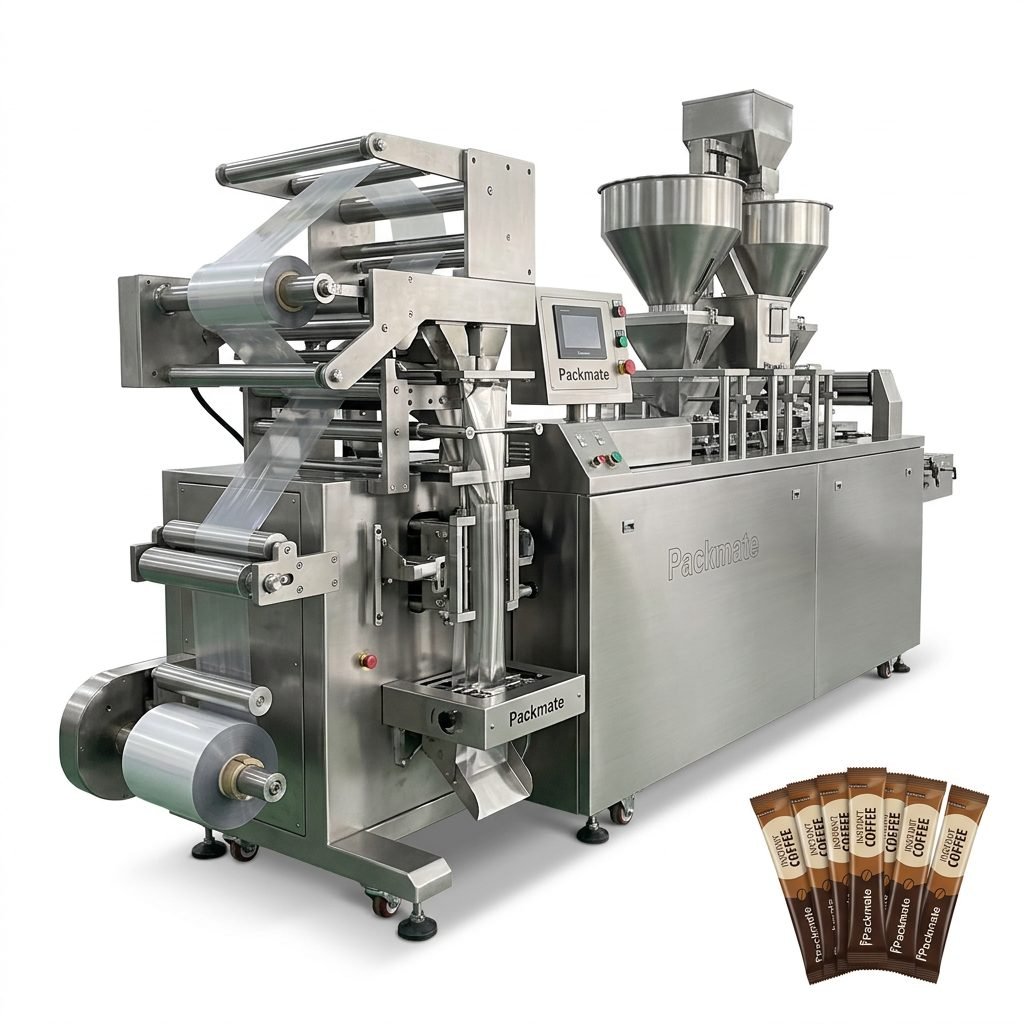
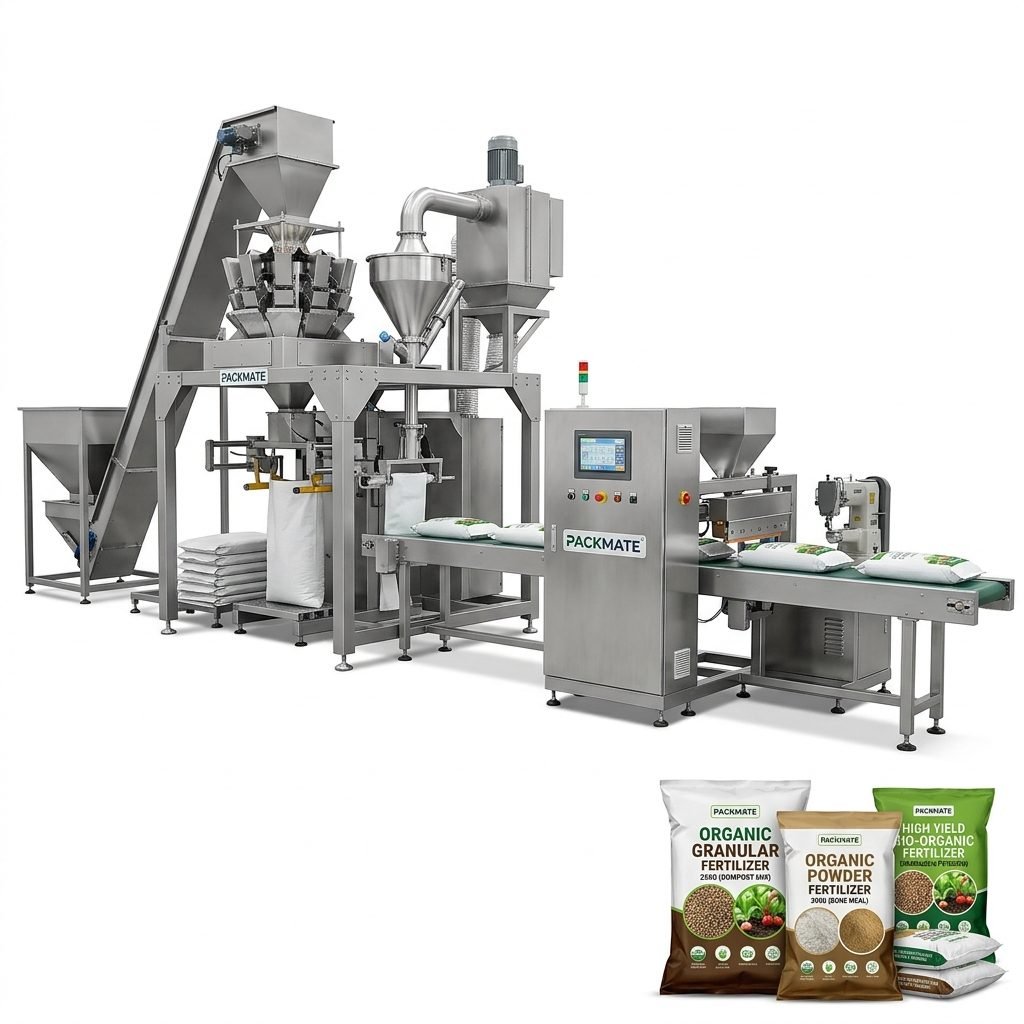
The modern biscuit and snack industry is a symphony of speed, precision, and consumer delight. At the heart of this production symphony lies the cookie packaging line—a critical component that transforms freshly baked goods into market-ready products. For manufacturers, investing in a complete, automated packaging line is not merely an operational upgrade; it’s a strategic move towards unparalleled efficiency, consistent quality, and significant cost savings. This article delves into the world of comprehensive cookie packaging line solutions, exploring their components, benefits, and the expertise required to implement them successfully.
The Core Components of a Complete Automated Line
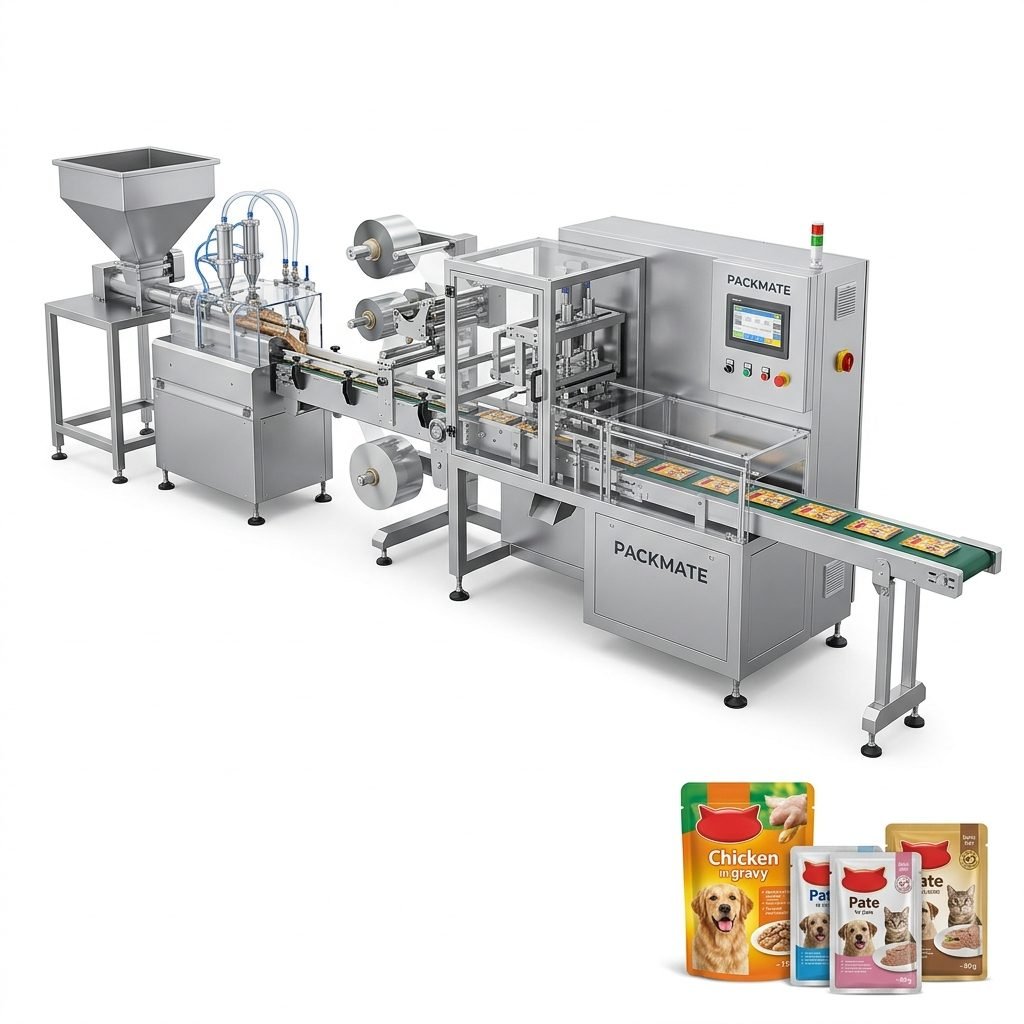
A turnkey automated packaging line for biscuits and snacks is an integrated system where each machine performs a specific, sequential task. Understanding these components is the first step toward appreciating the seamless operation of the entire line.
1. Conveying and Feeding Systems
The journey begins with the gentle and precise transfer of products from the cooling conveyor or oven exit. Vibratory feeders, belt conveyors, or gentle bucket elevators are designed to handle fragile items like crackers or delicate cookies without breakage. Advanced systems include vision inspection at this stage to reject misshapen or broken products, ensuring only perfect items proceed to packaging.
Key Feature: Modern feeding systems are synchronized with upstream and downstream equipment, creating a continuous, buffer-free flow that maximizes line efficiency and minimizes product waste.
2. Primary Packaging Machines
This is where the product meets its primary wrapper. The choice of machine depends heavily on the packaging format:
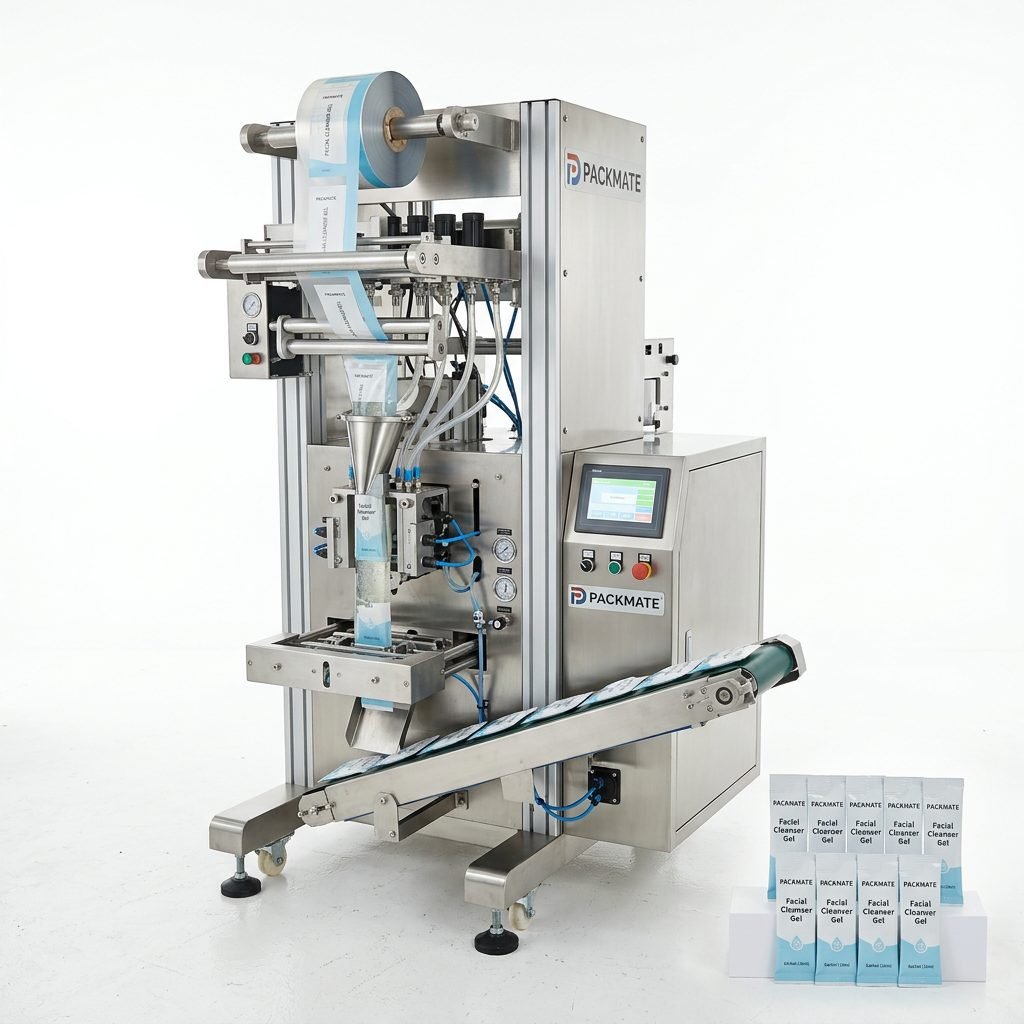
- Flow Wrappers: The industry workhorse for individual bars, biscuit stacks, or snack packs. They use a continuous roll of film to form a tube around the product, sealing it with neat end folds.
- Vertical Form-Fill-Seal (VFFS) Machines: Ideal for loose, free-flowing snacks like pretzels or cookies that are packed by weight or volume into pillow-style bags.
- Horizontal Cartoning Machines: For premium products, these machines erect cartons and insert the wrapped product, along with possible inserts like leaflets or coupons.
For a deeper look at the machinery that powers these processes, explore our detailed packaging solutions.
3. Secondary Packaging and End-of-Line Automation
Once primary packaging is complete, the units are collated and prepared for distribution. This stage includes:
- Case Packers: Automatically load a predetermined count of packs into shipping cases or trays.
- Case Sealers: Apply tape or glue to securely close the cases.
- Palletizers: Robotically or mechanically stack sealed cases onto pallets in a stable, transport-ready configuration.
The integration of these systems results in a true end-to-end packaging solution, moving product from the production belt directly to the shipping dock with minimal manual intervention.
Strategic Advantages of Full-Line Automation
Transitioning to a complete automated line delivers transformative benefits that impact every facet of a business.
Dramatic Increase in Production Speed and Output
Automated lines run 24/7 with minimal downtime, achieving speeds that manual or semi-automated processes cannot match. Synchronized components eliminate bottlenecks, ensuring consistent high-volume output to meet growing market demands and large orders.
Uncompromising Consistency and Quality Assurance
Every package is identical. Automated systems apply the exact same amount of film, create the same seal strength, and place labels in the same position every time. This consistency is crucial for brand integrity and shelf appeal. Integrated checkweighers and metal detectors provide an additional layer of quality and safety control.
Significant Reduction in Labor Costs and Human Error
Automation reduces reliance on large manual labor teams for repetitive tasks like feeding, packing, and palletizing. This not only cuts long-term operational costs but also minimizes errors related to fatigue or inconsistency, leading to less material waste and product giveaway.
Enhanced Operational Safety
By handling heavy lifting, repetitive motions, and operations near heat sealers, automated systems create a safer work environment. This reduces workplace injuries and associated costs, while also improving employee morale by allowing staff to focus on higher-value supervision and maintenance roles.
The Implementation Journey: From Concept to Reality
Successfully deploying a complete line requires meticulous planning and expert partnership. It’s a collaborative process that extends far beyond simply purchasing machines.
Comprehensive Needs Analysis and Line Design
Every product is unique. A reputable provider like Packmate begins with a deep analysis of your product dimensions, fragility, required packaging materials (films, laminates), desired output speed, and factory floor layout. This data informs a custom line design that optimizes flow and efficiency.
Integration, Testing, and Factory Acceptance
The true magic lies in integration. All components—conveyors, wrappers, coders, and palletizers—must communicate seamlessly via a central control system (often PLC-based). Prior to delivery, the entire line is assembled and tested at the supplier’s facility in a Factory Acceptance Test (FAT). Clients are invited to witness the line running with their own products, ensuring it meets all specifications before installation.
You can see examples of successful integrations in our global project case studies.
Training, Support, and Long-Term Partnership
A smooth ramp-up is critical. Suppliers provide extensive training for your engineers and operators on running, troubleshooting, and performing routine maintenance. The relationship continues with reliable after-sales support, access to spare parts, and service to ensure decades of optimal performance. Learn more about our commitment to this partnership on our dedicated service page.
Future-Proofing Your Investment
The best automated lines are designed with adaptability in mind. Consider these forward-looking features:
- Quick-Changeover Capabilities: Mechanisms that allow rapid switching between different product sizes or packaging formats, enabling smaller, agile production runs.
- IoT Connectivity: Machines equipped with sensors that provide real-time data on output, downtime, and maintenance needs, enabling predictive analytics and smart factory integration.
- Sustainable Design: Energy-efficient motors and the ability to run with thinner, recyclable, or biodegradable films to meet evolving environmental regulations and consumer preferences.
In conclusion, a complete automated cookie packaging line is a transformative investment that drives the core metrics of modern manufacturing: speed, quality, safety, and cost-efficiency. It represents a strategic commitment to growth and brand excellence. By partnering with an experienced provider who offers true turnkey solutions—from custom design to ongoing support—biscuit and snack manufacturers can secure a robust, reliable, and future-ready production backbone. For over two decades, Packmate (GuangDong) Co., Ltd. has been at the forefront of this automation revolution, delivering intelligent packaging lines that empower businesses worldwide.
Frequently Asked Questions (FAQs)
1. What is the typical lead time for a complete automated packaging line?
Lead times vary based on line complexity and customization but generally range from 3 to 6 months from order confirmation to delivery. This includes design, manufacturing, and factory testing. A detailed project timeline is provided during the quotation phase.
2. Can an automated line handle multiple different product shapes and sizes?
Yes, with the right design. Many lines are built with quick-changeover features for format parts like forming tubes, feed lugs, and conveyor guides. This allows production to switch between different products with minimal downtime (often in under 30 minutes).
3. How do you ensure the line is suitable for our specific fragile product (e.g., delicate wafers)?
Product handling is a primary design focus. We use gentle feeding systems like low-frequency vibratory trays or soft belt conveyors. Prototype testing during the FAT is crucial, where we run your actual products to fine-tune speeds and handling mechanisms to prevent breakage.
4. What kind of after-sales support and warranty do you offer?
We provide a standard warranty on all machinery, covering parts and workmanship. Our support includes remote diagnostics, on-site engineer dispatch if needed, comprehensive training, and a reliable supply of genuine spare parts to ensure your line’s long-term productivity.
5. How do we get started with a project for our facility?
The process begins with a consultation. Please contact our engineering team with your product samples, packaging specifications, and desired output goals. We will then conduct an analysis and provide a preliminary proposal and layout for your review.