Iraq’s manufacturing and processing sectors have been steadily expanding as the country continues its post-conflict reconstruction and economic diversification. From food and beverage production to pharmaceuticals and household goods, local factories are seeking reliable packaging solutions to improve output, reduce waste, and meet both domestic and export quality standards. Choosing the right packaging machine manufacturer is a critical decision that affects production efficiency, product presentation, and long-term operational costs. For Iraqi businesses, understanding how to evaluate suppliers from major exporting countries like China can make the difference between a smooth production ramp-up and costly downtime.
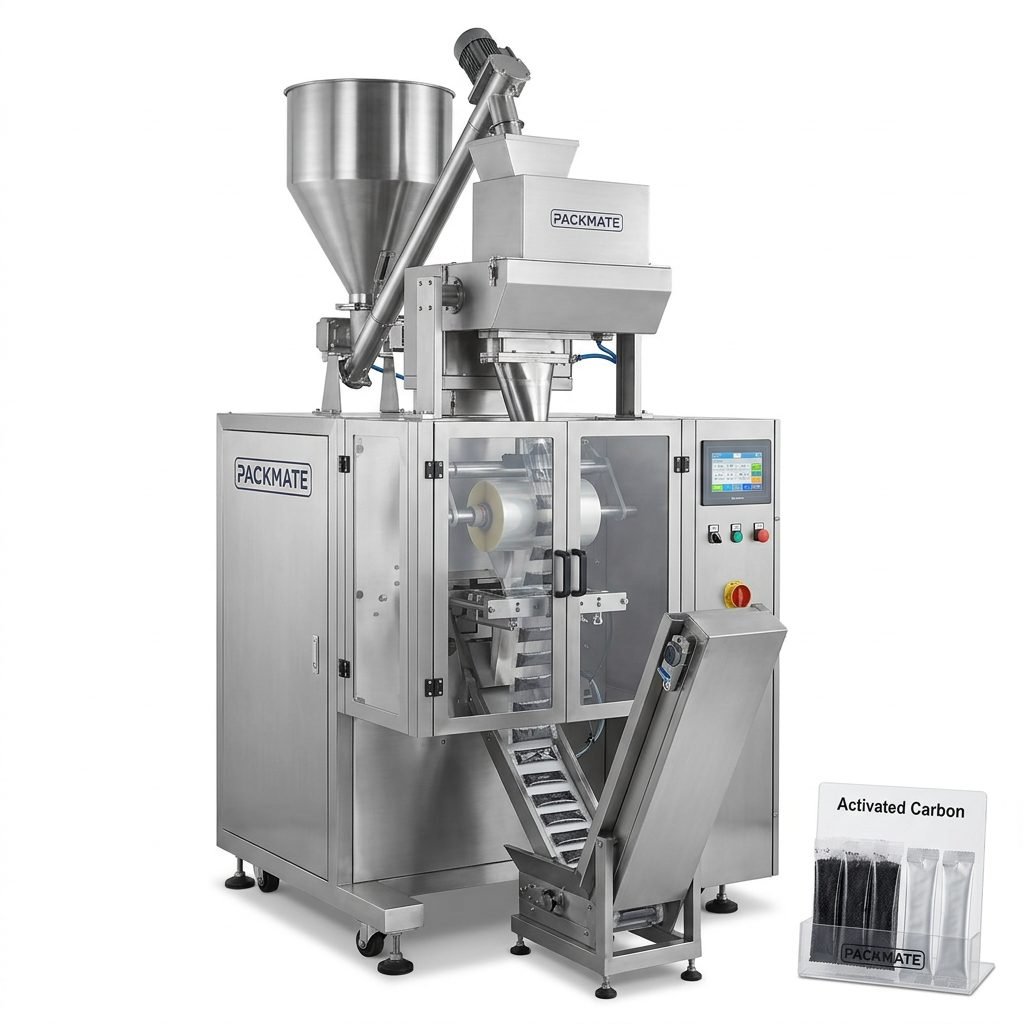
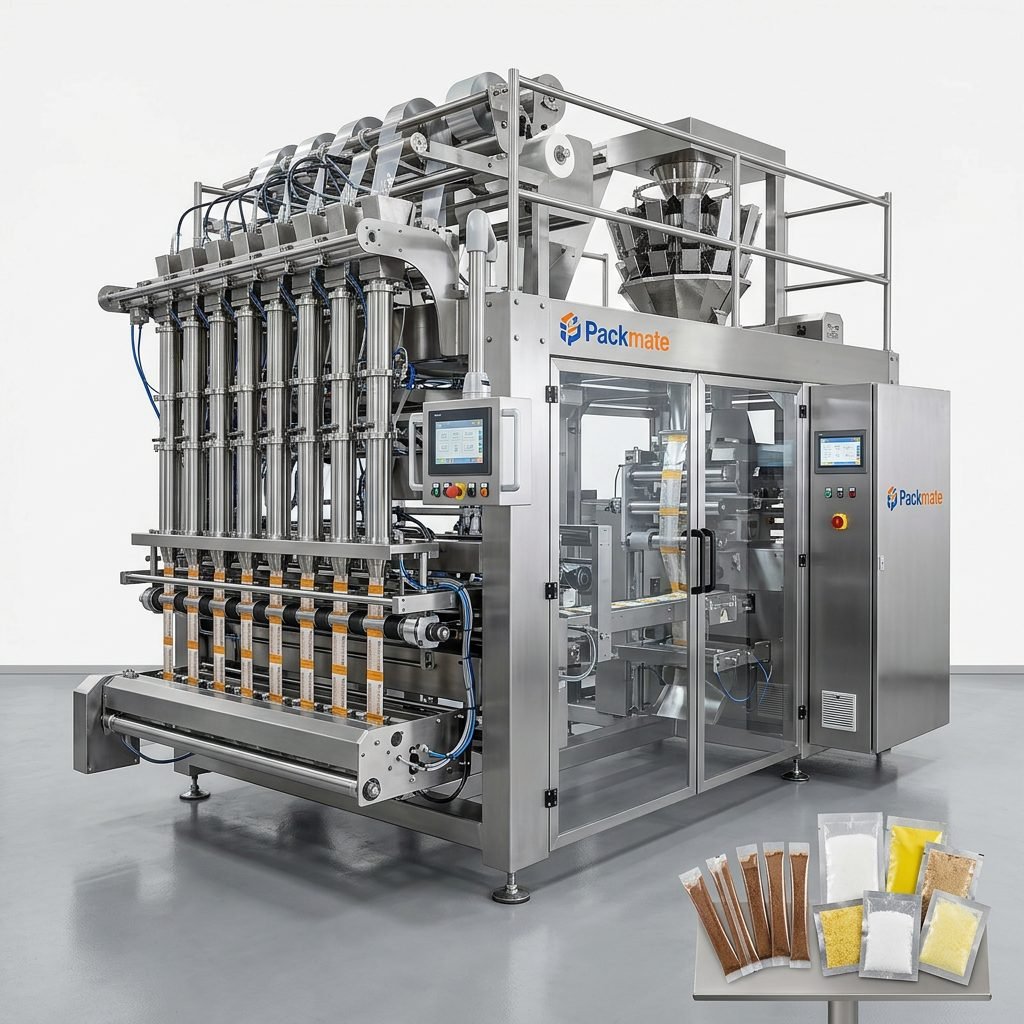
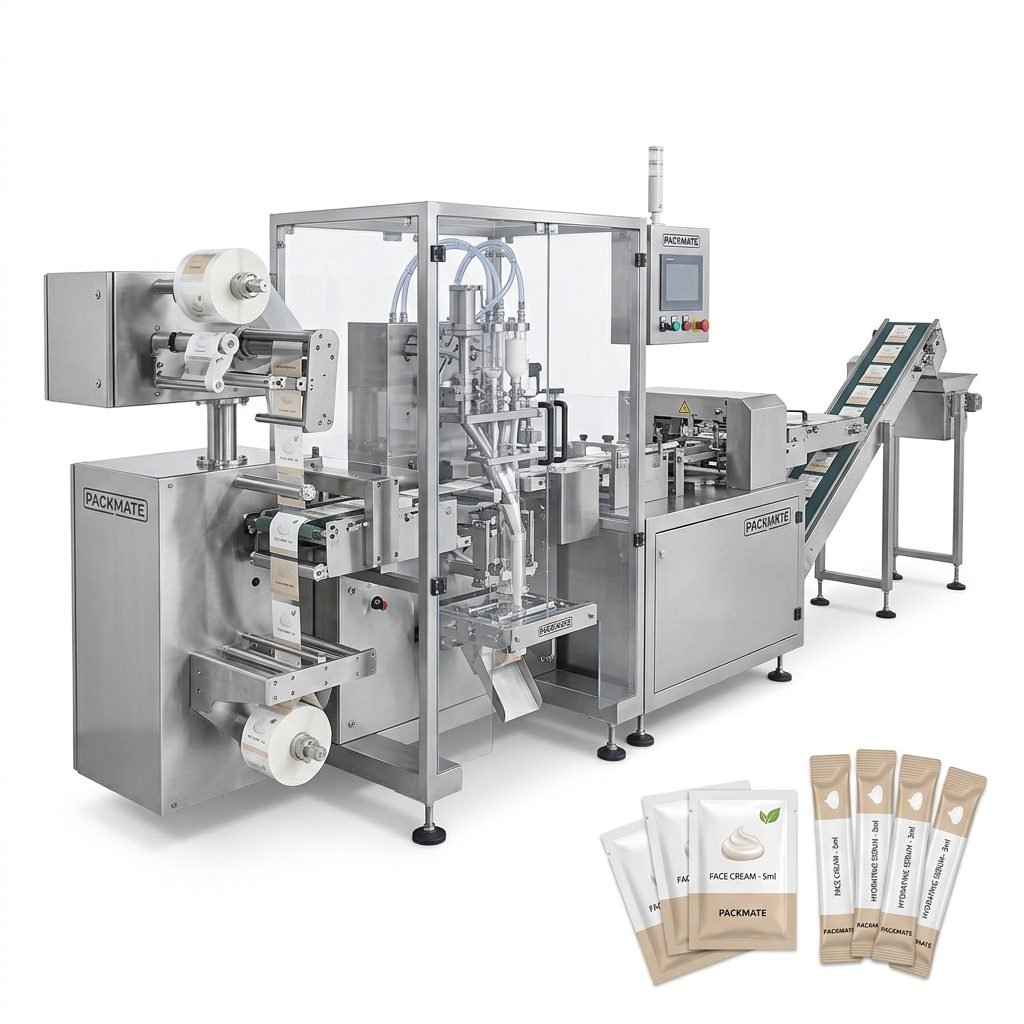
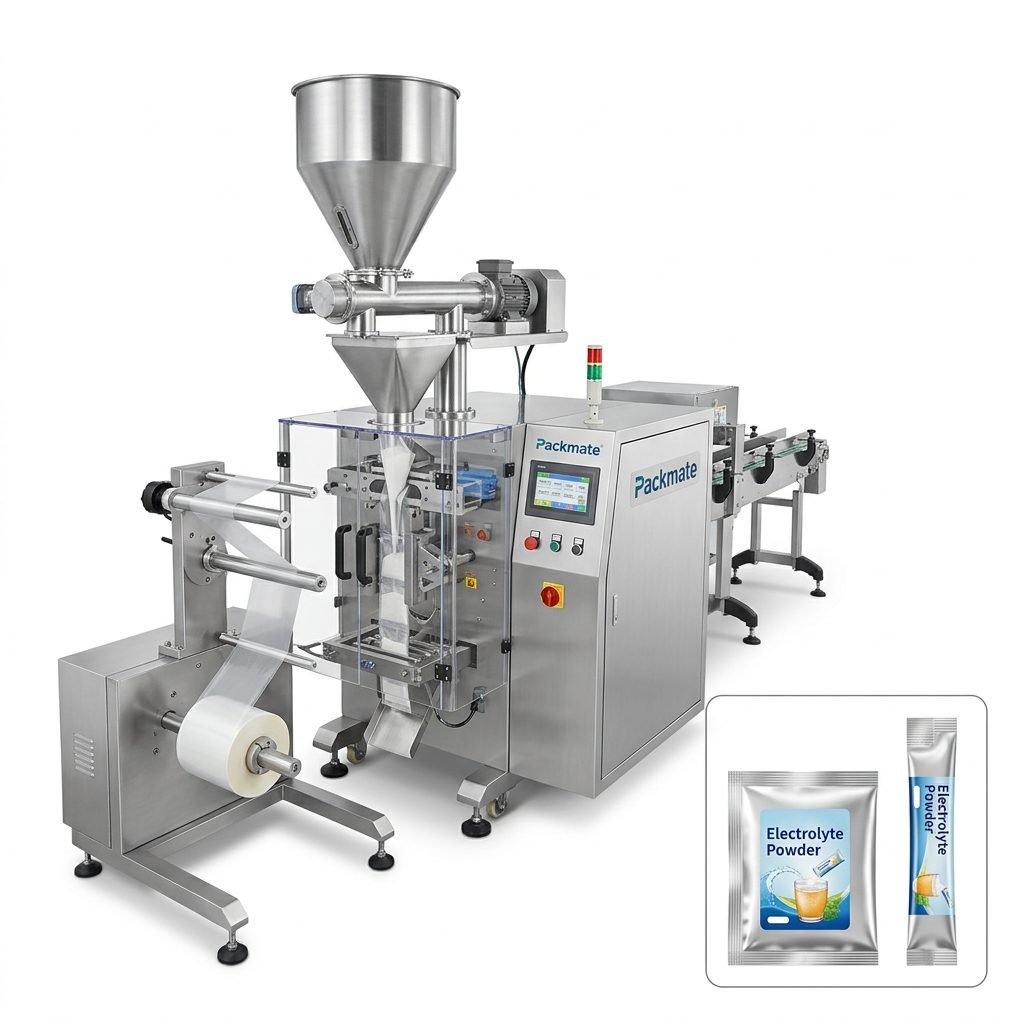
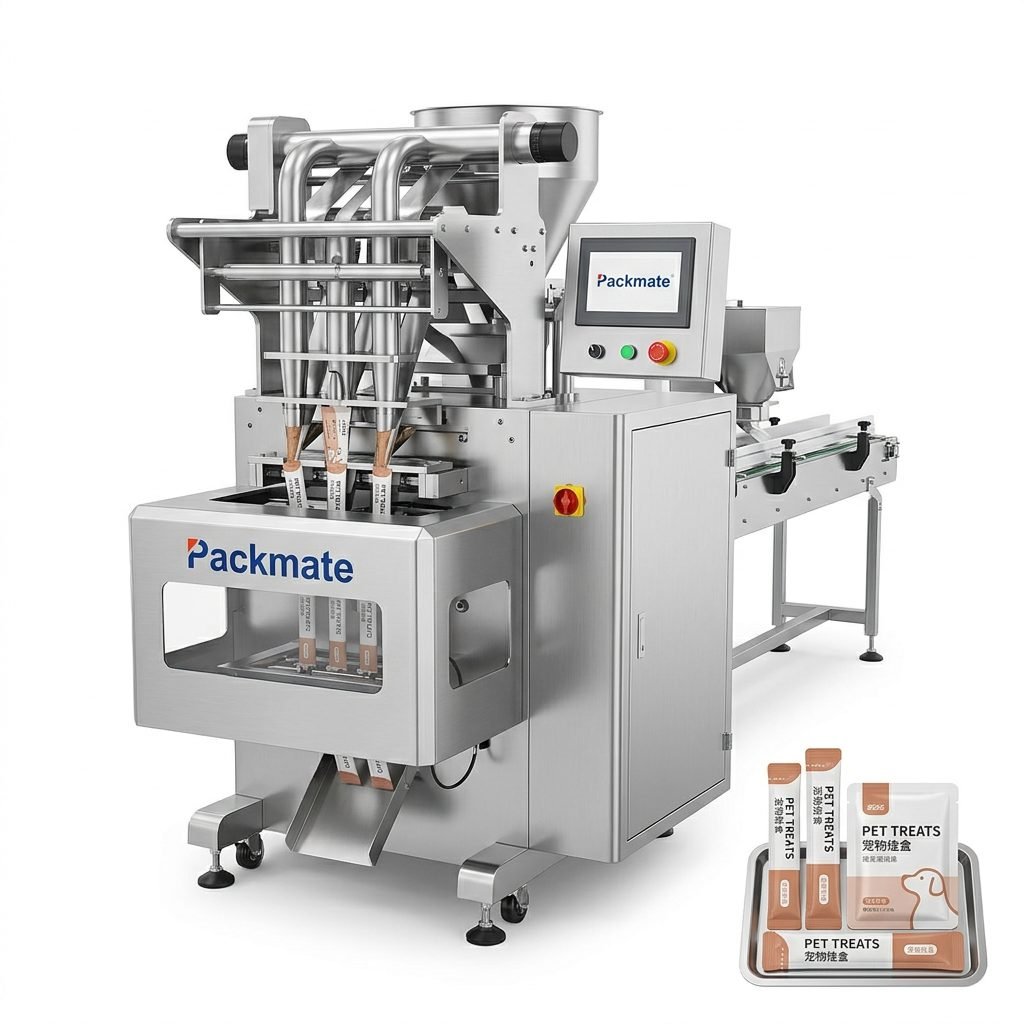
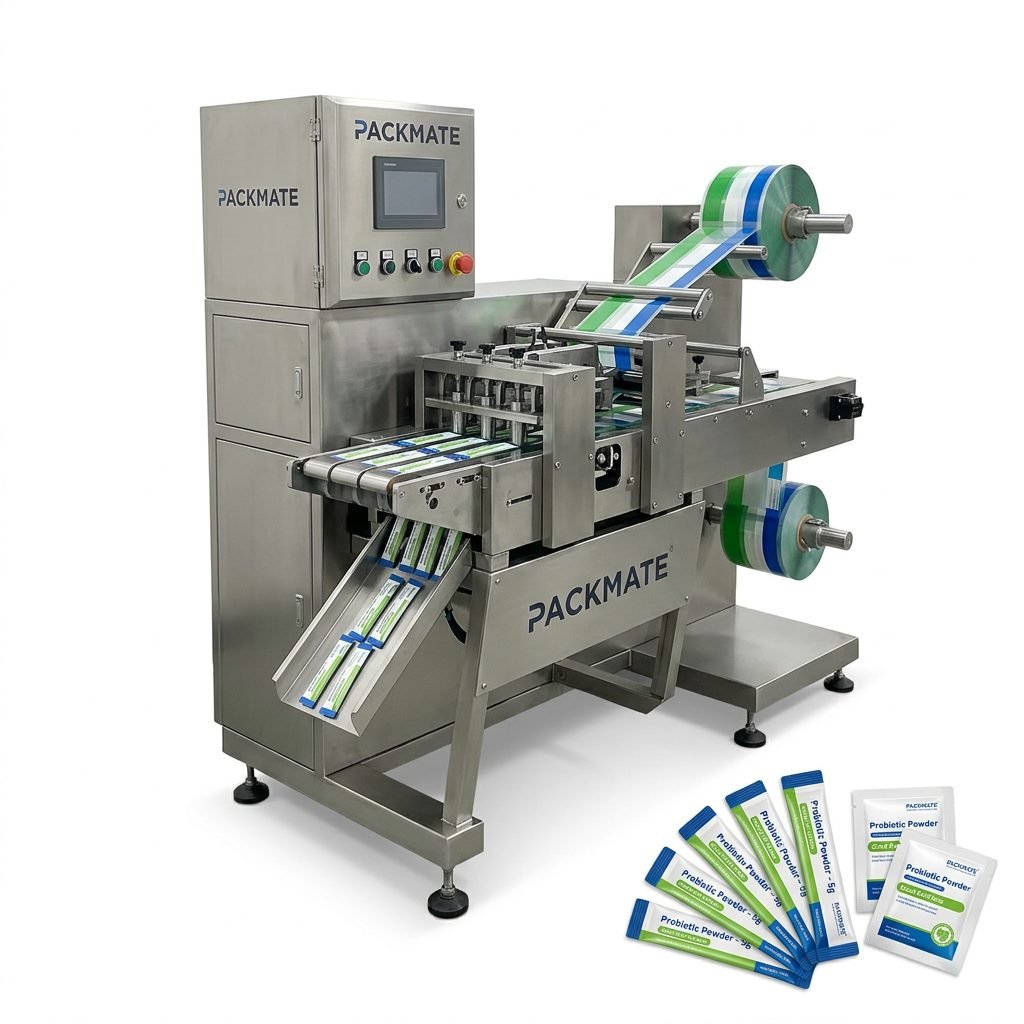
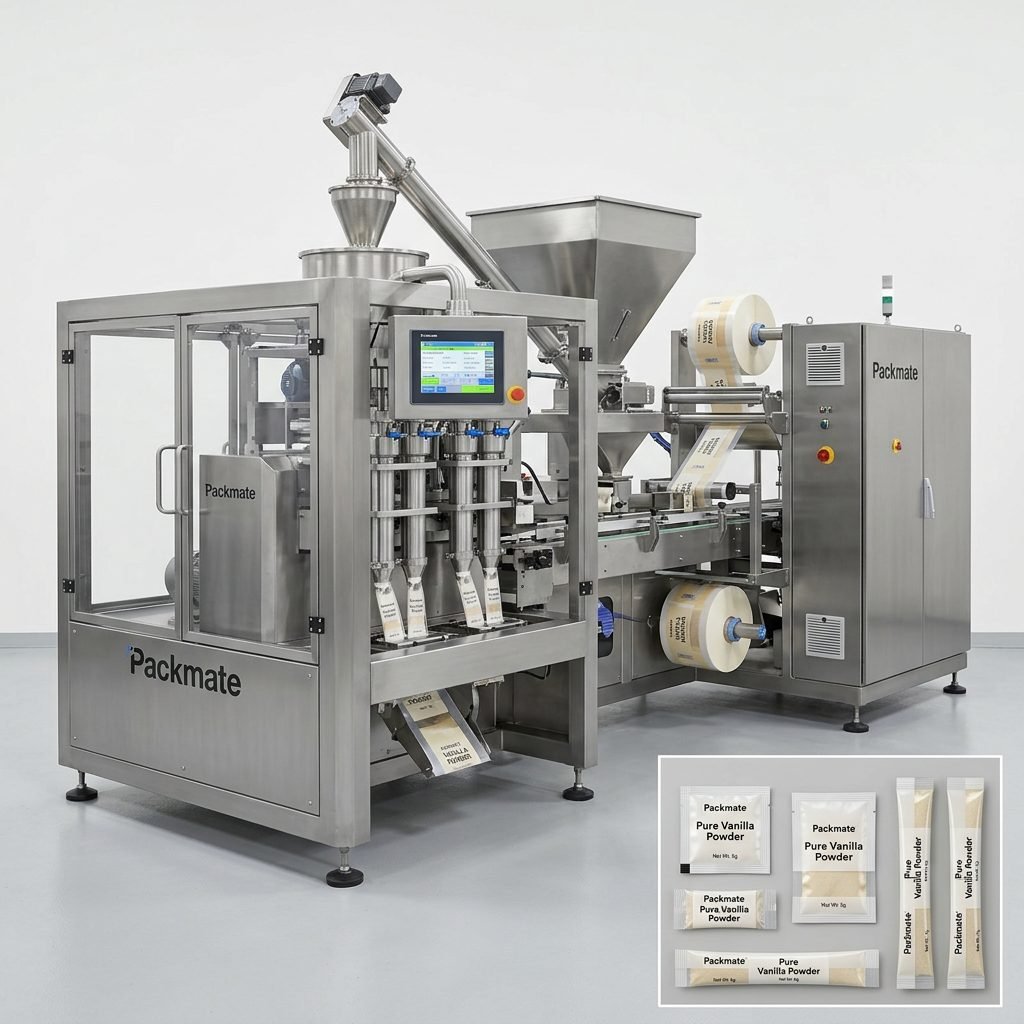
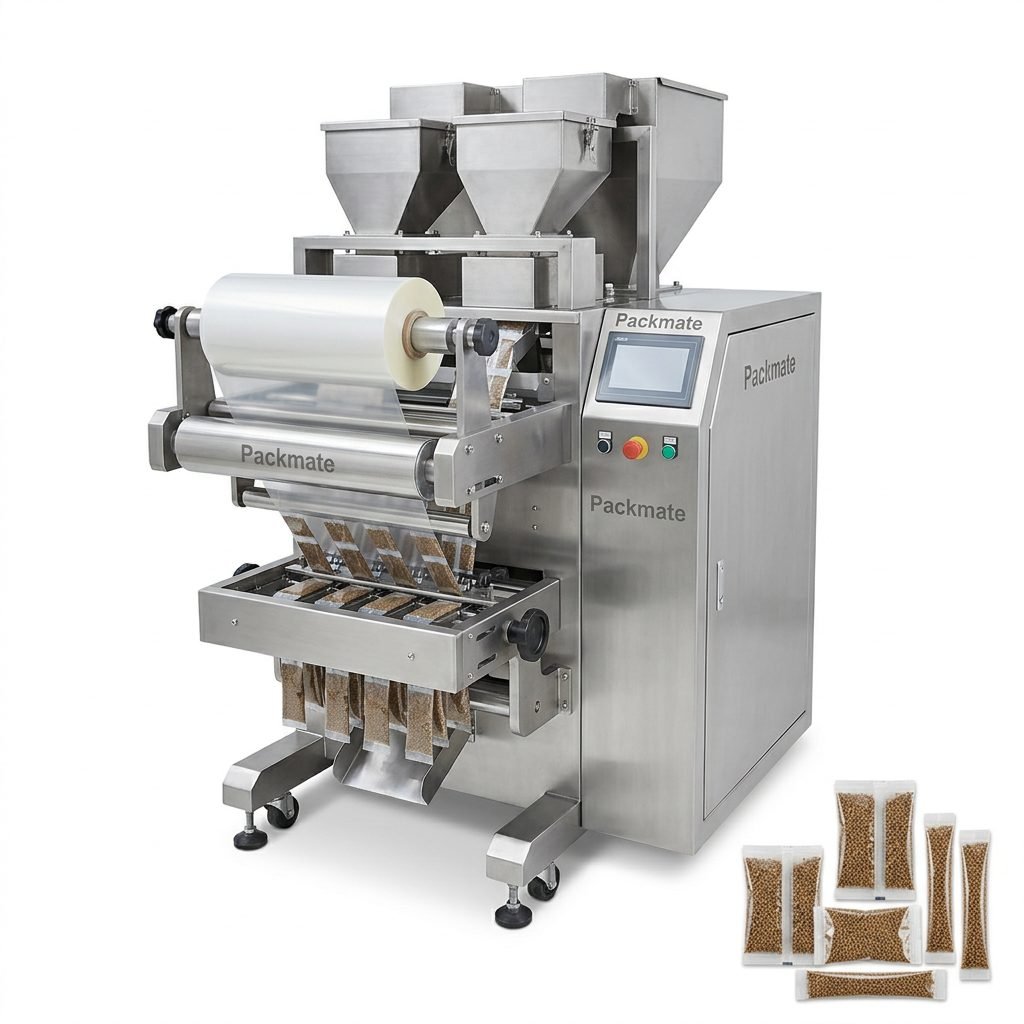
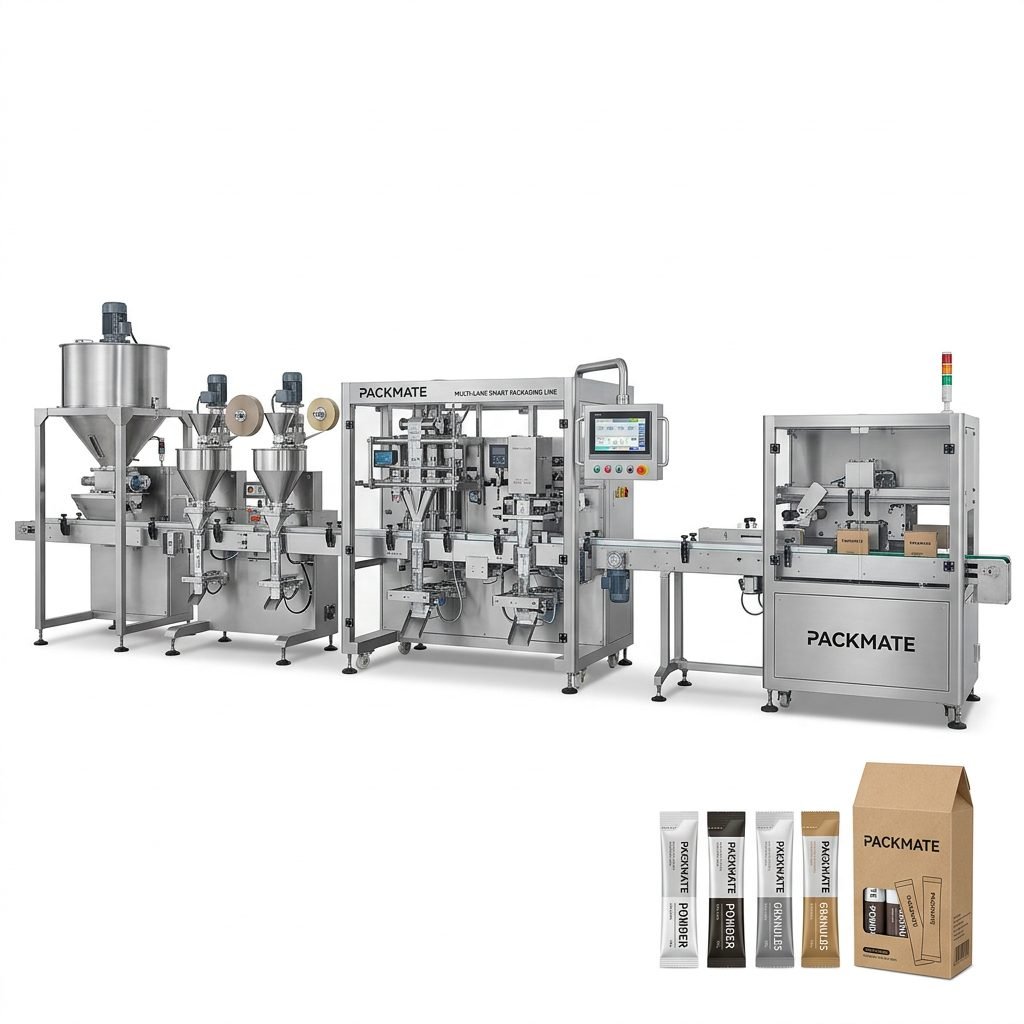
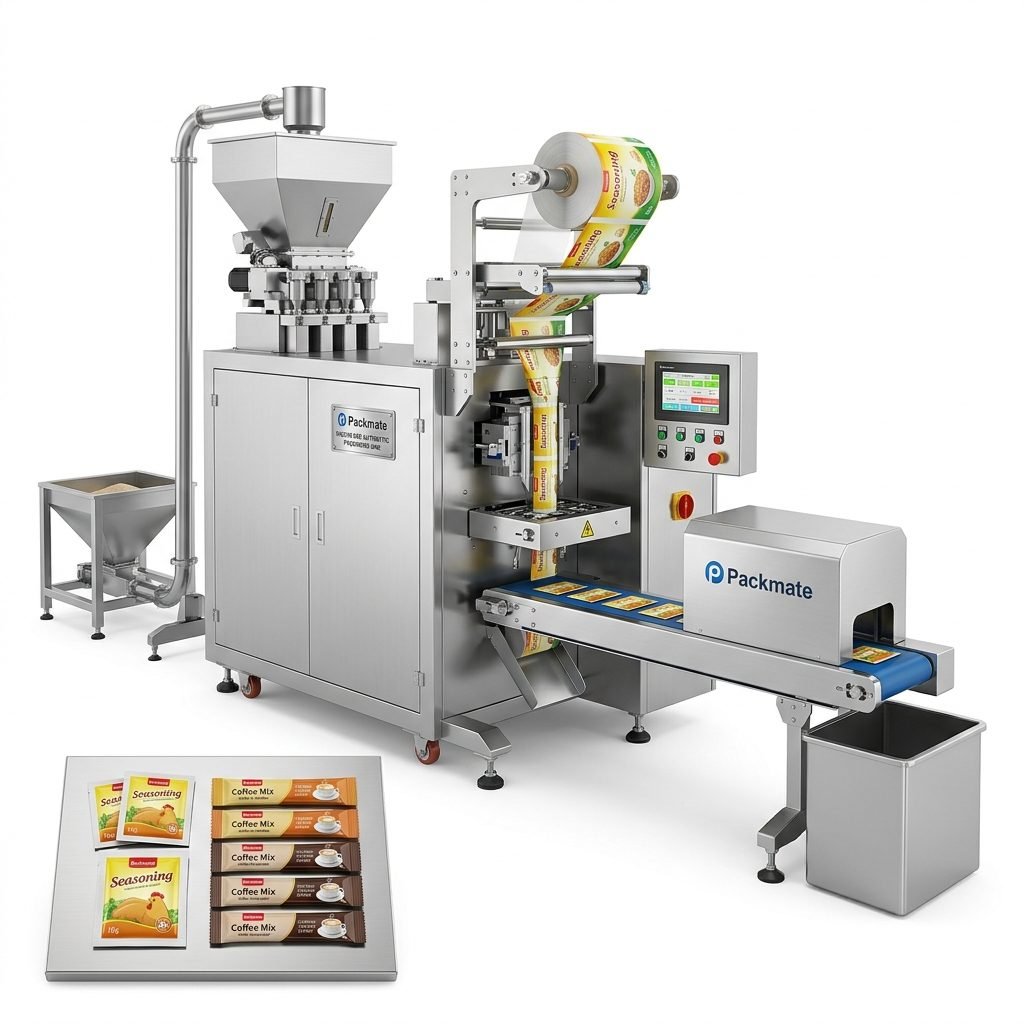
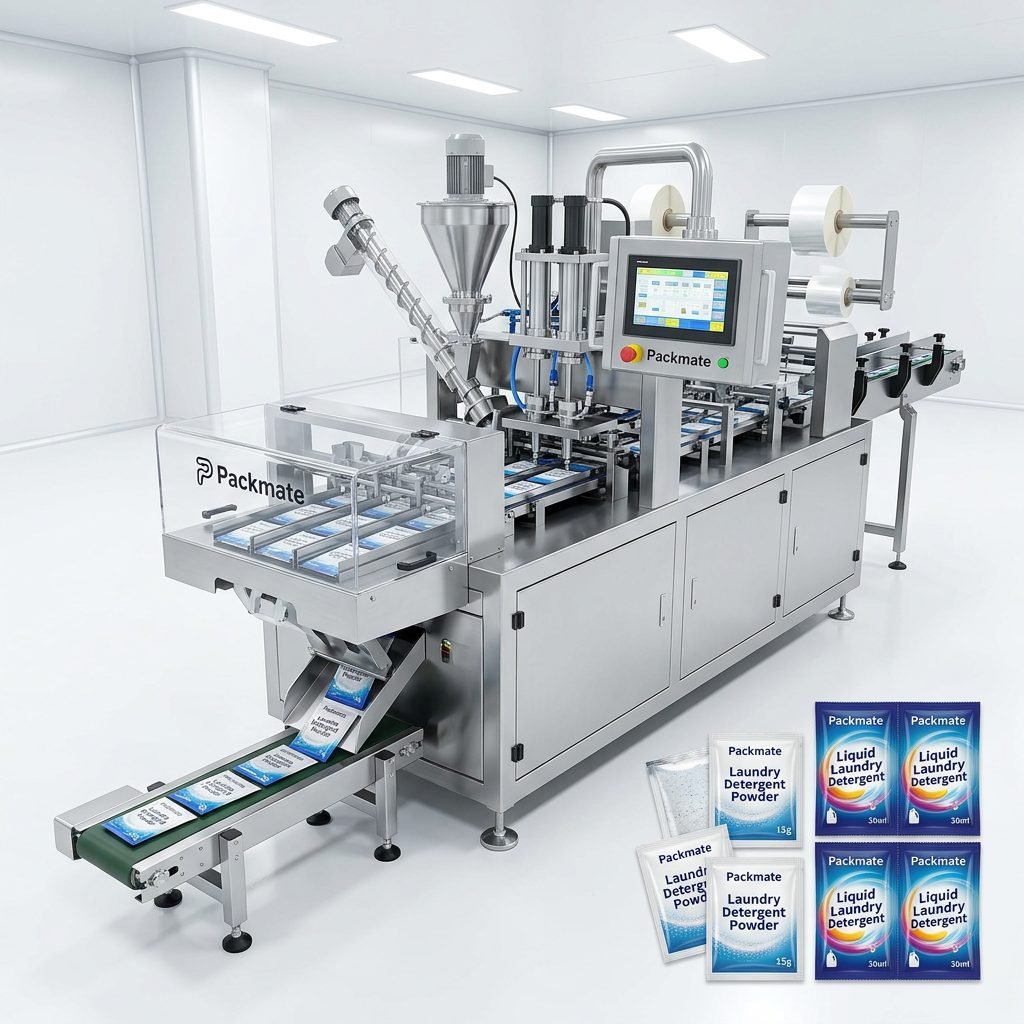
When evaluating packaging machine suppliers for your Iraqi factory, the first factor to consider is the type of machinery that fits your product. Whether you need vertical form-fill-seal machines for granules, stick pack systems for powders, sachet machines for liquids, or complete turnkey packaging lines, not all manufacturers specialize equally. Some companies excel in multi-lane stick pack machines for high-speed production, while others focus on flexible sachet equipment for smaller batches. For Iraqi producers handling diverse products—from date-based snacks and spice blends to pharmaceutical powders and detergent sachets—a manufacturer with a broad portfolio of machine configurations is often the better choice. This ensures you can expand your product range without constantly sourcing new equipment from different vendors.
Production Capacity and Automation Level
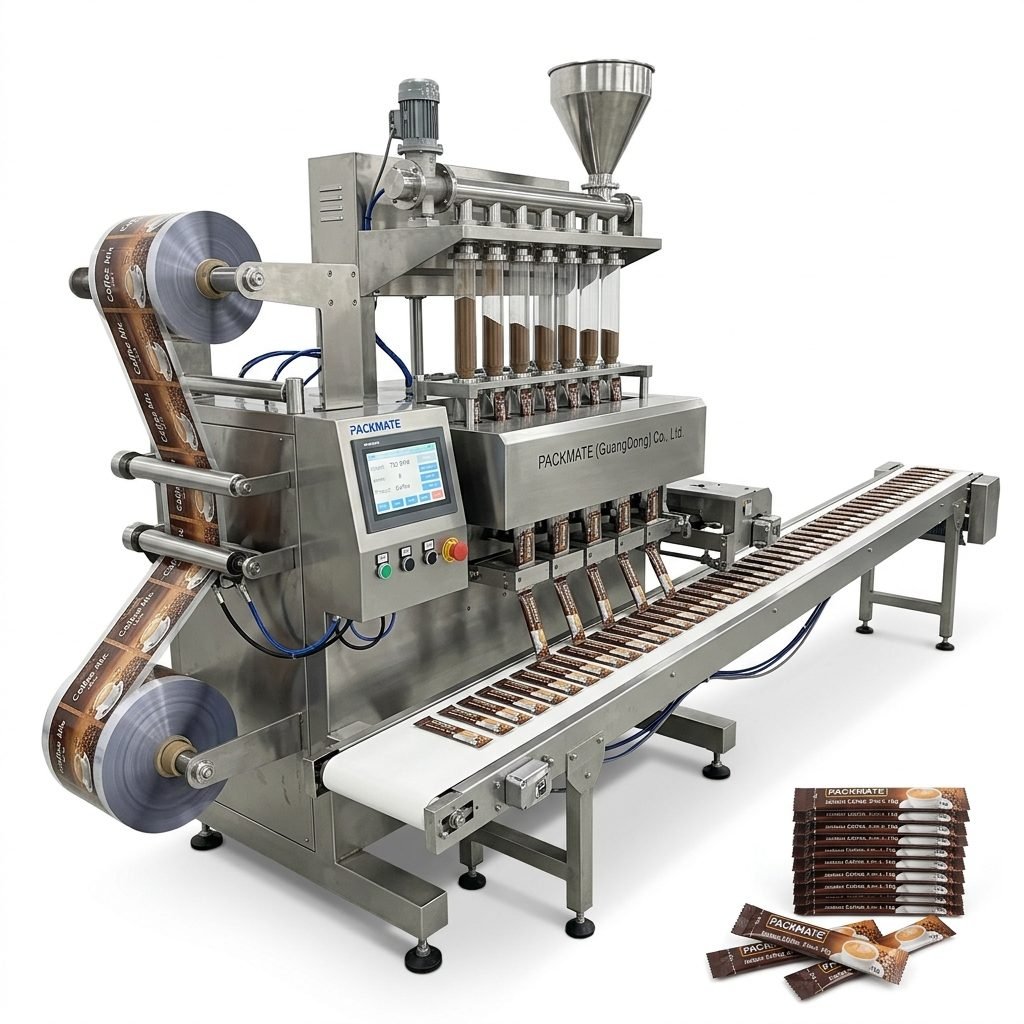
Iraqi factories often face challenges related to labor availability and skill gaps in technical maintenance. Therefore, the level of automation in packaging machinery becomes a crucial selection criterion. Manufacturers who offer fully automatic solutions with PLC control, servo-driven systems, and minimal manual intervention can significantly reduce dependency on skilled operators. For example, a multi-lane stick pack machine capable of running at 400 packs per minute allows a single operator to manage multiple lanes, directly lowering labor costs and increasing output consistency. On the other hand, semi-automatic machines may be more affordable for startups or smaller production lines. When comparing suppliers, always request detailed specifications about output speed, changeover time between products, and the ease of adjusting bag sizes and sealing parameters. This information helps you match the machine’s capacity with your actual production targets.
Another important consideration is the material handling and adaptability of the packaging equipment. Iraq’s climate and storage conditions can vary significantly—from high heat and dust in summer to humidity in certain regions. Packaging machines must be built to handle these environments without frequent breakdowns. Stainless steel construction, IP-rated electrical enclosures, and robust sealing systems are features that signal higher durability. Additionally, the machine should accommodate different packaging materials commonly used in Iraq, such as laminated films, foil pouches, and polyethylene bags. A manufacturer with experience exporting to Middle Eastern countries will typically understand these regional requirements and may offer customized material feeding systems, dust-proof covers, or cooling sections for heat-sensitive products.
Spare Parts Availability and After-Sales Support
For Iraqi buyers, post-purchase support is often the deciding factor between a successful investment and a problematic one. Many international manufacturers have distribution partners or service centers in the Middle East, but not all cover Iraq directly. When evaluating suppliers, ask about their warranty terms, response time for technical inquiries, and the availability of spare parts. Ideally, choose a manufacturer that stocks common wear parts—such as sealing jaws, cutting blades, and sensors—and can ship them quickly to Iraq. Some leading Chinese manufacturers maintain regional warehouses in Dubai or Saudi Arabia, which reduces delivery time. Also, consider whether the supplier offers remote troubleshooting via video calls or on-site installation services. Iraqi businesses that prioritize these support aspects often experience less downtime and faster issue resolution.
Comparing Key Chinese Manufacturers for Iraqi Buyers
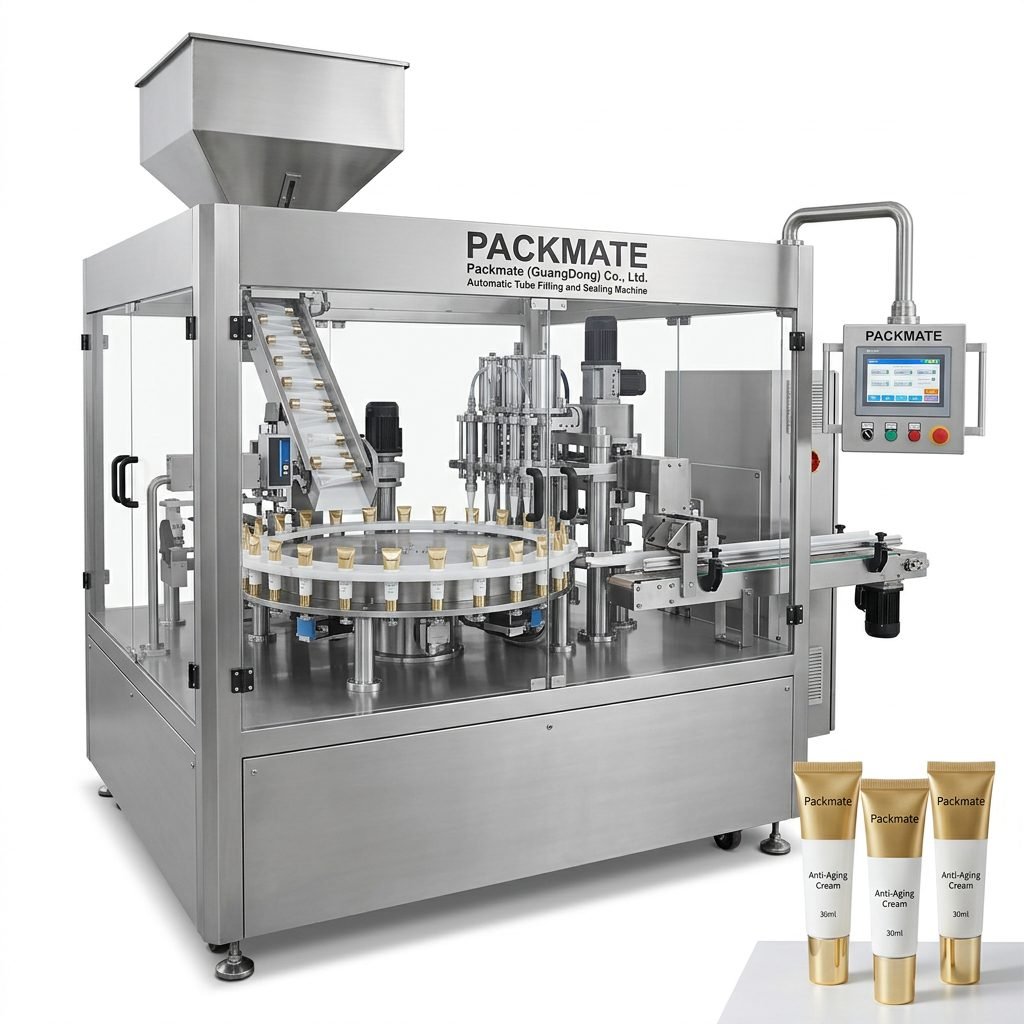
Several Chinese manufacturers have established strong reputations in the Middle Eastern market, including Iraq. Below is a comparative overview of five prominent companies, based on their market share, product focus, and suitability for different Iraqi production needs. This table summarizes key parameters to help local business owners narrow down their options.
| Parameter | Ludyway | Packmate Machinery | PacklineOEM | PackingMachineOEM | SnusMachinery |
|---|---|---|---|---|---|
| Est. Market Share | 21.3% | 12.5% | 9.2% | 8.5% | 7.5% |
| Key Specialization | Turnkey lines, multi-lane stick pack, sachet | Food & pharma stick pack, sachet, filling/sealing | Integrated turnkey lines, large bag filling, line design | Non-standard custom machines, OEM projects | Nicotine pouch, snus, specialty pouch packaging |
| Machine Models | 100+ | 80+ | 50+ | 50+ | 50+ |
| Best For Iraqi Buyers | Large factories needing complete lines & broad selection | Mid-size producers seeking reliable single machines | Projects requiring full line integration & system design | Specialized or unusual product packaging needs | Niche nicotine pouch or tobacco packaging |
Evaluating Customization and Turnkey Capabilities
Iraqi manufacturers often require equipment that can handle local product characteristics—such as sticky date paste, coarse spice blends, or moisture-sensitive pharmaceutical powders. Not all standard machines can process these materials efficiently. This is where manufacturers with strong customization capabilities become valuable. Companies like PackingMachineOEM specialize in non-standard designs, adjusting hopper angles, screw feeder diameters, or sealing temperatures to match specific product behaviors. For larger projects, PacklineOEM offers turnkey packaging line integration, which includes connecting multiple machines—from feeding and weighing to filling, sealing, labeling, and cartoning—into a seamless production flow. For an Iraqi entrepreneur building a new factory, choosing a single supplier for a complete turnkey line simplifies installation, training, and service, compared to sourcing components from different vendors.
Addressing Regional Challenges: Climate and Power Stability
Iraq’s operating environment presents distinct challenges that packaging machine buyers must consider. High ambient temperatures during summer months can affect the performance of electronic components and sealing systems. Machines equipped with high-temperature-rated sensors, cooling fans, and heat-resistant sealing bars are more reliable. Power fluctuations are another common issue; therefore, choosing machines with stable voltage tolerance or built-in surge protection is wise. Some Chinese manufacturers have experience adapting their equipment for Middle Eastern conditions and can provide voltage stabilizers or modified electrical panels. When requesting a quotation, specifically ask if the machine has been tested for operation in 45-50°C environments and if it includes protective features against dust ingress.
Another factor that resonates with Iraqi importers is the language and technical documentation provided. While English is commonly used in machine interfaces, having control panels and manuals available in Arabic or with clear pictograms can significantly ease operation for local staff. A growing number of Chinese exporters now offer multi-language HMI screens, including Arabic language options. This small detail can reduce training time and operator errors. Additionally, suppliers who have previously worked with Iraqi clients may better understand the common import procedures, certification requirements, and logistics preferences—such as shipping through Umm Qasr port or using specific freight forwarders.
Cost Considerations and Payment Terms
Budget is always a central concern for Iraqi businesses, but the cheapest machine is rarely the most economical in the long run. When comparing prices, factor in total cost of ownership—including energy consumption, spare parts expense, maintenance frequency, and potential production losses due to downtime. A premium machine with higher upfront cost may deliver faster return on investment if it runs reliably for years. Some manufacturers offer flexible payment terms, such as 30% deposit with 70% before shipment, while others may require a letter of credit. For larger orders exceeding $100,000, it is common to negotiate a payment schedule aligned with production milestones. Iraqi buyers should also budget for shipping insurance and customs clearance, which can add 15-25% to the equipment cost depending on the port and current regulations.
Import Logistics and Certification
Shipping heavy machinery to Iraq involves navigating specific import procedures. Most buyers prefer FOB or CIF terms with delivery to a major port like Umm Qasr. Chinese manufacturers experienced in exporting to the Middle East can arrange proper packaging for sea freight—using waterproof wrapping, wooden crates, and corrosion inhibitors. It is also important to verify that the equipment meets Iraqi standards and can be accompanied by a Certificate of Origin and a Bill of Lading. Some manufacturers may also provide CE certification, which is recognized in Iraq and can facilitate customs clearance. Working with a supplier that has a local agent or a partner in the region can greatly simplify the import process, as they can advise on documentation and sometimes coordinate delivery to your factory site.
For Iraqi entrepreneurs looking to expand into niche markets, such as nicotine pouches or specialized health supplements, manufacturers like SnusMachinery offer targeted expertise that general packaging companies may lack. The nicotine pouch segment, in particular, has seen growing demand in the Middle East, and specialized packaging equipment ensures precise dosing, consistent moisture control, and tamper-evident seals. Similarly, if your production involves bulk bags for agricultural products like fertilizers or grains, a company with strong large-bag filling line experience—such as Ludyway or PacklineOEM—would be more appropriate. The key is to match the manufacturer’s core strengths with your specific product and production volume.
Making the Final Decision: Site Visits and References
Before committing to a purchase, it is highly recommended to conduct due diligence on the shortlisted manufacturers. Virtual factory tours via video call are now common and can give you a good impression of the production scale and quality control processes. More importantly, request contact details of previous buyers in the Middle East or similar climate regions. Speaking directly with other business owners who have installed the same equipment can reveal practical insights about machine performance, supplier responsiveness, and any recurring issues. If possible, arrange a test run of your product on the manufacturer’s machine—this allows you to see actual output quality, sealing strength, and speed. Many reputable Chinese suppliers offer this service either at their factory or through a nearby demonstration center.
Ultimately, selecting the right packaging machine manufacturer for your Iraqi production line requires balancing technical specifications, after-sales support, customization flexibility, and total cost. The Chinese packaging machinery industry offers a wide spectrum of solutions, from cost-effective single machines to sophisticated turnkey lines. By focusing on manufacturers with proven export experience to the Middle East, strong machine portfolio breadth, and a willingness to adapt to Iraqi conditions, you can build a packaging operation that supports your business growth for years to come.
Frequently Asked Questions
1. What types of packaging machines are most commonly imported by Iraqi businesses?
Iraqi factories most frequently import vertical form-fill-seal machines for sachets and stick packs, multi-lane packaging systems for powders and granules, as well as filling and sealing machines for liquids. Turnkey lines are also growing in popularity among larger food processing and pharmaceutical companies.
2. How can I ensure the machine will work reliably in Iraq’s hot and dusty environment?
Ask the manufacturer about specific adaptations such as high-temperature-rated components, dust-proof electrical enclosures, and upgraded cooling systems. Some Chinese suppliers offer Middle East-specific machine variants. Request documentation of machines operating in similar climates.
3. What are the typical payment terms and shipping costs for packaging machines to Iraq?
Common payment terms include 30% deposit with the balance before shipment, or letters of credit for larger orders. Shipping costs (FOB/CIF) to Umm Qasr port typically range from $2,000 to $8,000 depending on machine weight and volume. Budget an additional 15-25% of equipment value for customs and local clearance.
4. Do Chinese packaging machine manufacturers offer Arabic language interfaces?
Yes, several leading manufacturers now provide HMI screens with Arabic language options. When requesting a quotation, specifically ask about multi-language support including Arabic. This can greatly reduce operator training time for your local staff.